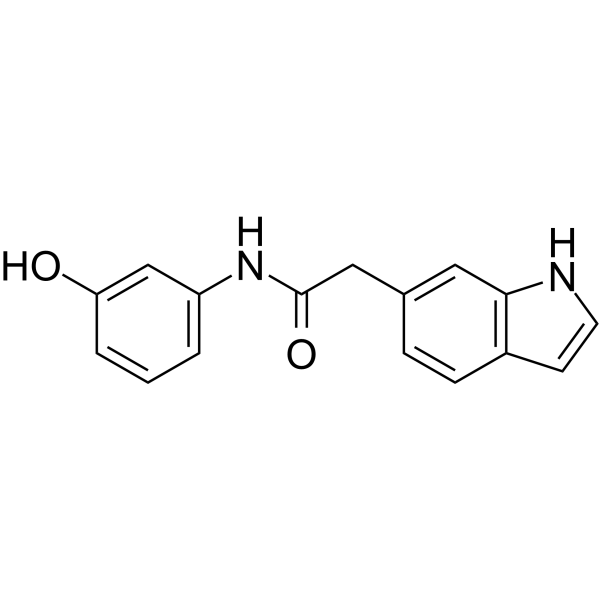
1. Search Result
Search Result
Results for "

THP-1 macrophages

" in MedChemExpress (MCE) Product Catalog:

62

Inhibitors & Agonists

2

Fluorescent Dyes

1

Biochemical Assay Reagents

1

Peptides

7

Natural
Products

1

Click Chemistry

1

Oligonucleotides

Cat. No. Product Name Target Research Areas Chemical Structure
  • HY-N7038
    Phytohemagglutinin
    Maximum Cited Publications
    7 Publications Verification

    PHA-M

    NF-κB COX Interleukin Related Reactive Oxygen Species (ROS) Neurological Disease Inflammation/Immunology Cancer
    Phytohemagglutinin (PHA-M), the major seed lectin of the common bean, Phaseolus vulgaris, is a T-cell activator. Phytohemagglutinin stimulates human mononuclear leukocytes, inducing the expression of ChAT mRNA and potentiating ACh synthesis. Phytohemagglutinin induces dose- and time-dependent toxicity in THP-1 monocytes/macrophages, alters cellular morphology, causes organelle dysfunction, and increases the expression of NF-κB, COX2, IL-1β .
    Phytohemagglutinin
  • HY-123942
    Diprovocim
    Maximum Cited Publications
    14 Publications Verification

    Toll-like Receptor (TLR) TNF Receptor p38 MAPK NF-κB Inflammation/Immunology Cancer
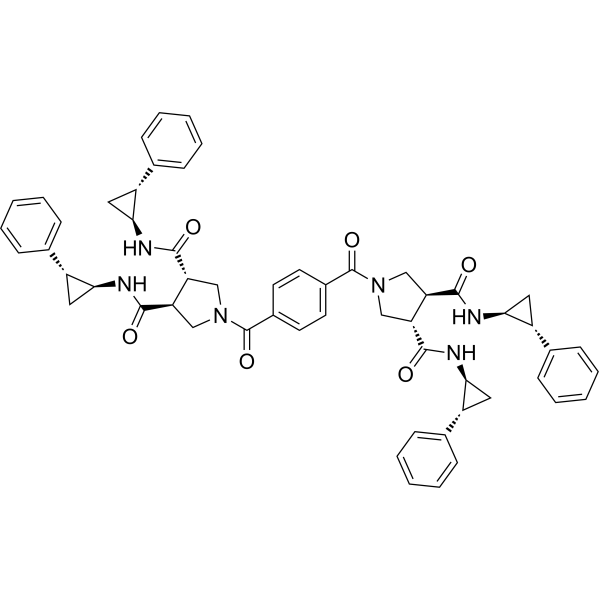
    Diprovocim is a potent TLR1/TLR2 agonist. Diprovocim elicits full agonist activity in human THP-1 cells (EC50=110 pM). Diprovocim stimulates the release of TNF-α from mouse macrophages (EC50=1.3 nM). Diprovocim activates downstream MAPK and NF-κB signaling pathway. Diprovocim displays strong adjuvant activity in mice, particularly abetting cellular immune responses .
    Diprovocim
  • HY-Y0366
    Lauric acid
    Maximum Cited Publications
    7 Publications Verification

    Environmental Pollutants Endogenous Metabolite Bacterial Infection
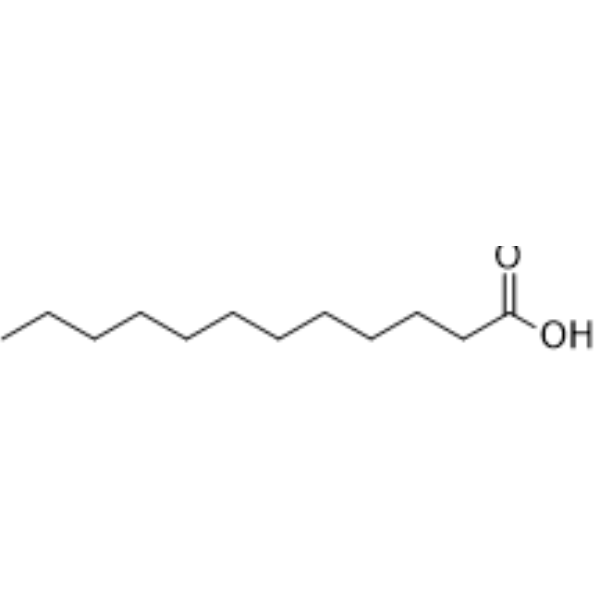
    Lauric acid is a middle chain-free fatty acid with strong bactericidal properties. The EC50s for P. acnes, S.aureus, S. epidermidis, are 2, 6, 4 μg/mL, respectively .
    Lauric acid
  • HY-144226
    NLRP3/AIM2-IN-3
    5+ Cited Publications

    NOD-like Receptor (NLR) AIM2 Pyroptosis Inflammation/Immunology
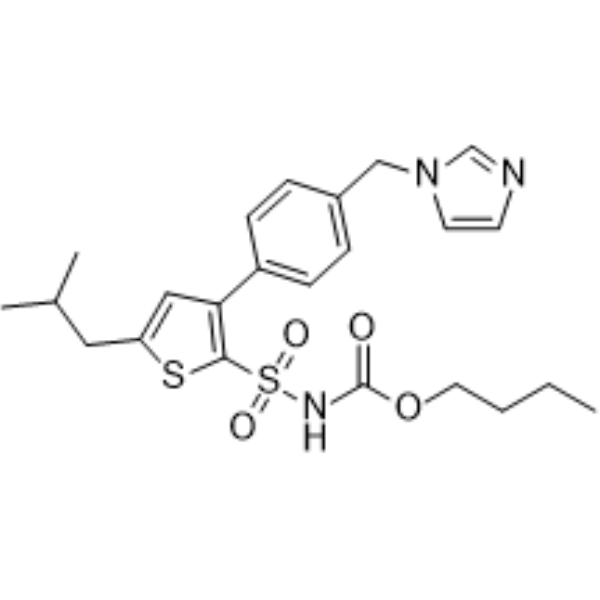
    NLRP3/AIM2-IN-3 (compound 59) is a potent inhibitor with differential species specific effects against NLRP3 and AIM2 inflammasome-dependent pyroptosis. NLRP3/AIM2-IN-3 shows inhibitory efficacy against pyroptosis in THP-1 macrophages stimulated with LPS/nigericin, with an IC50 of 0.077 ± 0.008 μM. NLRP3/AIM2-IN-3 disturbs the interaction of NLRP3 or AIM2 with the adaptor protein ASC and inhibited ASC oligomerization .
    NLRP3/AIM2-IN-3
  • HY-100113
    Buloxibutid
    5 Publications Verification

    AT2 receptor agonist C21

    Angiotensin Receptor p38 MAPK TGF-beta/Smad TGF-β Receptor MMP Cardiovascular Disease Neurological Disease Inflammation/Immunology
    Buloxibutid (AT2 receptor agonist C21) is an orally active, selective angiotensin II type 2 receptor (AT2R) agonist, with a Ki value of 0.4 nM for porcine AT2R. Buloxibutid exerts effects such as vasodilation, anti-inflammation, anti-fibrosis (promoting the expression of collagenase MMP-13) and tissue repair mainly by activating the NO/cGMP pathway, inhibiting the pro-proliferative MAPK signaling, and suppressing the pro-fibrotic TGF-β/Smad pathway as well as the inflammatory NF-κB pathway. Buloxibutid can be used in research related to idiopathic pulmonary fibrosis, hypertension, and systemic sclerosis .
    Buloxibutid
  • HY-N0481
    Roburic acid
    1 Publications Verification

    COX TNF Receptor NO Synthase Interleukin Related NF-κB Apoptosis p38 MAPK JNK ERK Keap1-Nrf2 RANKL/RANK Neurological Disease Inflammation/Immunology Cancer
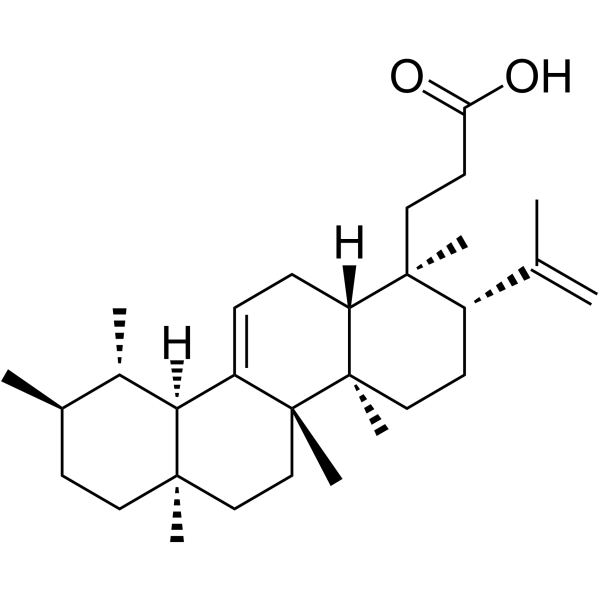
    Roburic acid acts as an anti-inflammatory, anti-tumor and osteoclastogenesis inhibitor, with a Ki of 7.066 μM against human TNF, an IC50 of 9 μM against human COX-2, and an IC50 of 5 μM against ovine COX-1. Roburic acid reduces the production of inflammatory mediators such as NO and IL-6 in macrophages by inhibiting the NF-κB and MAPK (p38/JNK) pathways. By competitively inhibiting the TNF-TNF-R1 interaction, Roburic acid blocks the downstream NF-κB signaling pathway, thereby inducing cell cycle arrest and apoptosis in cancer cells. Roburic acid specifically inhibits osteoclastogenesis and bone resorption by suppressing the RANKL/TRAF6/NF-κB/NFATc1 axis. Roburic acid can be used in research related to osteolytic diseases such as osteoporosis, colorectal cancer and inflammatory diseases .
    Roburic acid
  • HY-D2919

    Fluorescent Dye Infection
    DMN-Tre is a conjugate of a solvatochromic fluorescent dye and trehalose. DMN-Tre takes advantage of the substrate promiscuity of the endogenous antigen 85 protein complex in mycobacteria to be metabolically integrated into the hydrophobic mycobacterial membrane. Once entering this hydrophobic environment, the linked DMN dye fluorescence is "turned on", enabling specific labeling . DMN-Tre can be used to reflect bacterial metabolic activity and support physiological studies of Mycobacterium tuberculosis .
    DMN-Tre
  • HY-18620
    DZ2002
    1 Publications Verification

    STAT PI3K NF-κB MEK ERK Bacterial Antibiotic Akt Inflammation/Immunology
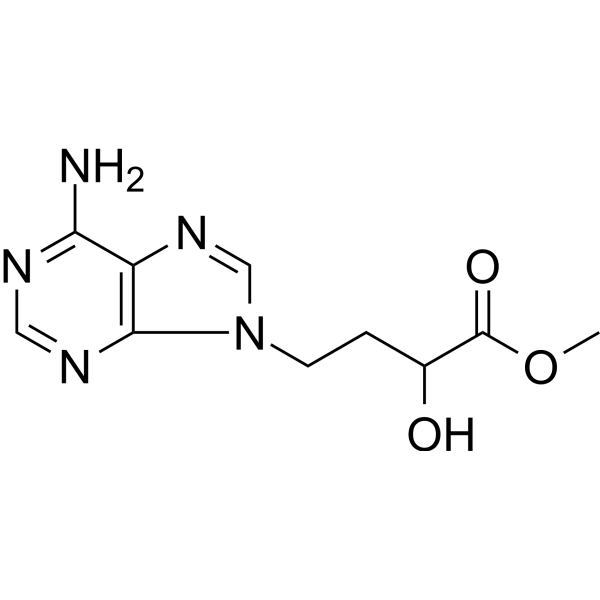
    DZ2002 is an orally active, reversible and low-cytotoxic type III SAHH inhibitor (Ki=17.9 nM), with good immunosuppressive activity. DZ2002 prevents the development of experimental dermal fibrosis by reversing the profibrotic phenotype of various cell types. DZ2002 can be used in studies of autoimmune diseases such as lupus syndrome and systemic sclerosis .
    DZ2002
  • HY-159069

    Toll-like Receptor (TLR) TNF Receptor Connexin Infection Cancer
    Zymosan (ZM), 95% is a yeast cell wall-derived carbohydrate-rich preparation and immunomodulator. Zymosan (ZM), 95% binds to and activates TLR-2, TLR-4, and Dectin-1 receptor to trigger downstream signaling pathways. Zymosan (ZM), 95% upregulates TLR-2, TLR-4, and TNF-α mRNA expression, increases serum TNF-α levels, and stimulates splenocyte number and viability in mice. Zymosan (ZM), 95% attenuates melanoma growth progression, modulates macrophage marker gene expression, and mediates phagocytosis, ROS generation, and cytokine production. Zymosan (ZM), 95% reduces Connexin 43 protein and mRNA levels, inhibits gap junctional intercellular communication, and induces proinflammatory factor production in human corneal cells. Zymosan (ZM), 95% induces peritoneal inflammation in mice, functions as a drug carrier, and supports fibroblast cell attachment in hydrogel formulations. Zymosan (ZM), 95% can be used for the research of melanoma, tumors, fungal keratitis, ocular surface inflammatory disorders, and peritoneal inflammation .
    Zymosan (ZM), 95%
  • HY-13451
    Finafloxacin
    1 Publications Verification

    Antibiotic Bacterial Infection
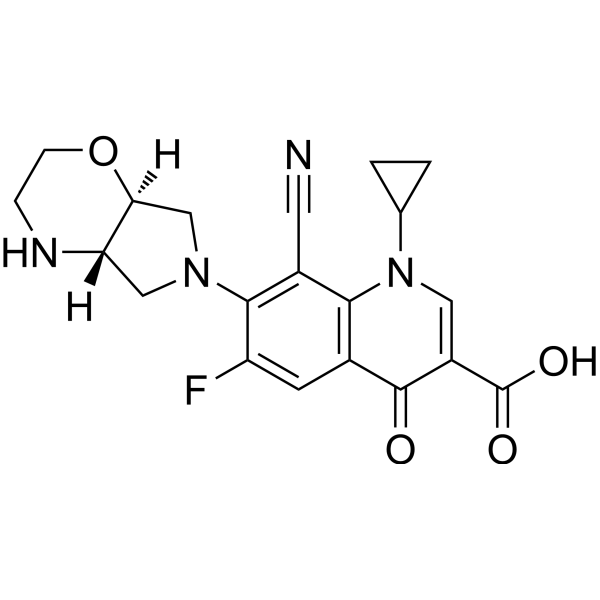
    Finafloxacin is an orally active fourth-generation fluoroquinolone broad-spectrum antibiotic. Finafloxacin exhibits stronger antibacterial activity in acidic pH environments and is not easily affected by bacterial multidrug efflux transporters. Finafloxacin is effective against a variety of extracellular pathogenic bacteria, and can also accumulate in macrophages, showing excellent antibacterial activity against intracellular Staphylococcus aureus, Listeria monocytogenes, Legionella pneumophila, Burkholderia pseudomallei, and other pathogens. Finafloxacin has been approved by the U.S. FDA for research on acute otitis externa mediated by Pseudomonas aeruginosa. Finafloxacin is also used in studies related to diseases such as melioidosis, inhalational tularemia, and inhalational plague .
    Finafloxacin
  • HY-147017

    GSK286

    Bacterial Infection Inflammation/Immunology
    GSK2556286 (GSK286) is an orally active and cholesterol-dependent Mycobacterium tuberculosis inhibitor. GSK2556286 inhibits Mycobacterium tuberculosis inside infected macrophages (IC50 = 0.07 μM in THP-1 cells), in the presence of cholesterol. GSK2556286 acts via Rv1625c, a membrane-bound adenylyl cyclase in Mycobacterium tuberculosis. GSK2556286 is an Rv1625 agonist leading to increased cAMP and reduced cholesterol metabolism. GSK2556286 can be studied in research for antitubercular purposes .
    GSK2556286
  • HY-100401

    CS-505 free base

    Acyltransferase Cardiovascular Disease
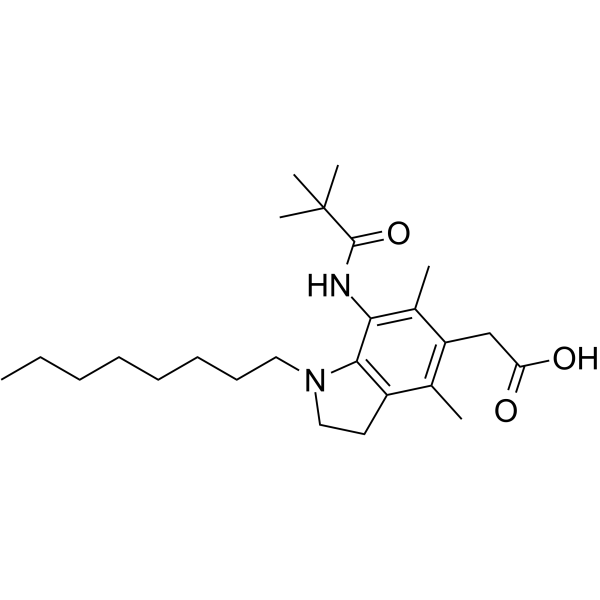
    Pactimibe (CS-505 free base) is a dual ACAT1/2 inhibitor with IC50s of 4.9 μM and 3.0 μM, respectively. Pactimibe (CS-505 free base) inhibits ACAT with IC50s of 2.0 μM, 2.7 μM, 4.7 μM in the liver, macrophages and THP-1 cells, respectively . Pactimibe (CS-505 free base) noncompetitively inhibits oleoyl-CoA with a Ki value of 5.6 μM. Moreover, Pactimibe (CS-505 free base) obviously inhibits cholesteryl ester formation with an IC50 of 6.7 μM. Pactimibe (CS-505 free base) possesses anti-atherosclerotic potential with lowering plasma cholesterol activity .
    Pactimibe
  • HY-160222

    HSV STING IFNAR NF-κB Infection
    HSV-60mer sodium is a 60 bp double-stranded DNA oligonucleotide derived from the HSV-1 genome, and also an IFNβ inducer. HSV-60mer sodium colocalizes with endogenous cytoplasmic IFI16 in immune cells. HSV-60mer sodium activates the transcription factors IRF3 and NF-κB, induces the production of proinflammatory cytokines, and inhibits HSV-1 replication in immune cells. HSV-60mer sodium can be used in studies related to herpes simplex virus type 1 infection .
    HSV-60mer sodium
  • HY-176497

    G297X

    Cytochrome P450 Metabolic Disease Cancer
    GW273297X is a selective CYP27A1 inhibitor. GW273297X blocks 27-hydroxycholesterol biosynthesis and sterol product formation in human macrophages. GW273297X reduces cancer cells colonization by inhibiting pro-metastatic effects of 27-hydroxycholesterol. GW273297X can be used for the researches of cancer and metabolic disease, such as breast cancer .
    GW273297X
  • HY-161702

    FABP Inflammation/Immunology
    RO6806051 is a selectivity FABP4 and FABP5 inhibitor with human FABP4 Ki values of 0.011 μM and 0.23 μM, and human FABP5 Ki values of 0.086 μM and 1.17 μM. RO6806051 can be used for the research of inflammation-related diseases .
    RO6806051
  • HY-100401A

    CS-505

    Acyltransferase Cardiovascular Disease
    Pactimibe sulfate (CS-505) is a dual ACAT1/2 inhibitor with IC50s of 4.9 μM and 3.0 μM, respectively. Pactimibe sulfate (CS-505) inhibits ACAT with IC50s of 2.0 μM, 2.7 μM, 4.7 μM in the liver, macrophages and THP-1 cells, respectively . Pactimibe sulfate (CS-505) noncompetitively inhibits oleoyl-CoA with a Ki value of 5.6 μM. Moreover, Pactimibe sulfate (CS-505) obviously inhibits cholesteryl ester formation with an IC50 of 6.7 μM. Pactimibe sulfate (CS-505) possesses anti-atherosclerotic potential with lowering plasma cholesterol activity .
    Pactimibe sulfate
  • HY-120602

    Carboxylesterase (CES) PPAR Interleukin Related Mitochondrial Metabolism Metabolic Disease Inflammation/Immunology
    WWL229 is a selective inhibitor of carboxylesterase 3 (CES3) with an IC50 1.94 μM. WWL229 attenuates LPS (HY-D1056)-induced pro-inflammatory cytokine mRNA levels, inhibits lipolysis and adipose thermogenesis, impairs mitochondrial function, and promotes lipid storage. WWL229 can be used for the research of obesity, insulin resistance, type 2 diabetes, and lung inflammation .
    WWL229
  • HY-163782

    Autophagy Phosphatase Infection
    SMIP-031 is a potent and orally active PPM1A inhibitor with an IC50 value of 180 nM. SMIP-031 induces autophagy. SMIP-031 inhibits Mycobacterium tuberculosis infect in mice .
    SMIP-031
  • HY-148790

    FL058

    Bacterial Beta-lactamase Infection
    Pralurbactam (FL058) is a β-lactamase (Beta-lactamase) inhibitor. Pralurbactam enhances the antibacterial activity of Imipenem against Mycobacterium abscessus. Pralurbactam reduces the pulmonary bacterial load in neutropenic mice infected with Mycobacterium abscessus. Pralurbactam can be used in research related to infections caused by Mycobacterium abscessus complex, Escherichia coli, and Klebsiella pneumoniae .
    Pralurbactam
  • HY-162465

    STING IFNAR Cancer
    BDW568 is a selective STING A230 agonist with an EC50 of 5.7 μM. BDW568 triggers the interferon signaling pathway and induces the expression of interferon-stimulated genes including MX1 and OAS1. BDW568 is applicable for cancer-related research .
    BDW568
  • HY-163032

    FABP Cardiovascular Disease Metabolic Disease Inflammation/Immunology
    FABP4-IN-3 (compound C3) is a highly selective FABP4 inhibitor (FABP4 Ki = 25 ± 3 a nM, FABP3 Ki = 15.03 μM) which exhibits a 601-fold selectivity over FABP3. FABP4-IN-3 also shows metabolic stability and potent cellular anti-inflammatory activity, making it promising to get involved in the research of metabolic disease, cardiac dysfunction and inflammation-related disease .
    FABP4-IN-3
  • HY-171692

    Cyclic GMP-AMP Synthase IFNAR STING Infection
    G3-YSD is a cGAS agonist. G3-YSD directly interacts with cGAS to enhance its enzymatic activity, promote the conversion of ATP and GTP into cGAMP, and trigger STING-dependent IFN-α/β secretion. G3-YSD acts as a viral mimic to replace actual viral DNA . G3-YSD is applicable to research related to long COVID and type 1 human immunodeficiency virus infection .
    G3-YSD
  • HY-151132

    IsoQC-IN-1

    CD47 Cancer
    Glutaminyl cyclases-IN-1 (IsoQC-IN-1) is a potent glutaminyl cyclases (QC) inhibitor with IC50 values of 12 nM and 73 nM for human QC and isoQC, respectively. Glutaminyl cyclases-IN-1 can selectively interfere with the interaction of CD47/SIRPα through isoQC inhibition, and enhances the increased phagocytic activity of both THP-1 and U937 macrophages .
    Glutaminyl cyclases-IN-1
  • HY-155801

    Toll-like Receptor (TLR) NF-κB TNF Receptor MyD88 Apoptosis DNA/RNA Synthesis Cardiovascular Disease Infection Neurological Disease Inflammation/Immunology Cancer
    CRX 527 is a TLR4 agonist. CRX 527 activates the MyD88-dependent, TRIF-dependent, and TRAF6/NF-κB signaling pathways downstream of TLR4, mimics lipid A, and regulates antigen processing and presentation by dendritic cells. CRX 527 stimulates innate immune responses and enhances vaccine efficacy. CRX 527 maintains the structural integrity of hematopoietic tissues, spleen and intestine, alleviates radiation-induced damage, preserves intestinal homeostasis, and inhibits apoptosis, inflammatory responses, oxidative stress and DNA damage. CRX 527 can be used in the research of acute radiation syndrome, melanoma, HPV-related tumors and intracerebral hemorrhage .
    CRX 527
  • HY-173234

    Pyroptosis Interleukin Related Cardiovascular Disease
    GI-Y2 is an orally active, selective Gasdermin D (GSDMD) inhibitor (Kd = 36.0 μM) with anti-pyroptosis activity. GI-Y2 targets GSDMD, impairs membrane anchoring of GSDMD-NT, and blocks GSDMD‑dependent lipid binding and pore formation. GI-Y2 suppresses GSDMD‑dependent pyroptosis and inflammation, mitigates atherosclerosis and cardiac injury, boosts cell survival, and reduces IL‑1β/IL‑18 secretion. GI-Y2 can be used for the research of atherosclerosis and septic myocardial injury .
    GI-Y2
  • HY-W750678

    Apoptosis Caspase Inflammation/Immunology
    9-cis-Canthaxanthin is a carotenoid with pro-apoptotic activity in THP-1 macrophage cells. 9-cis-Canthaxanthin induces cell apoptosis by increasing caspase-3 and caspase-8 activity .
    9-cis-Canthaxanthin
  • HY-W064918

    Bacterial Infection
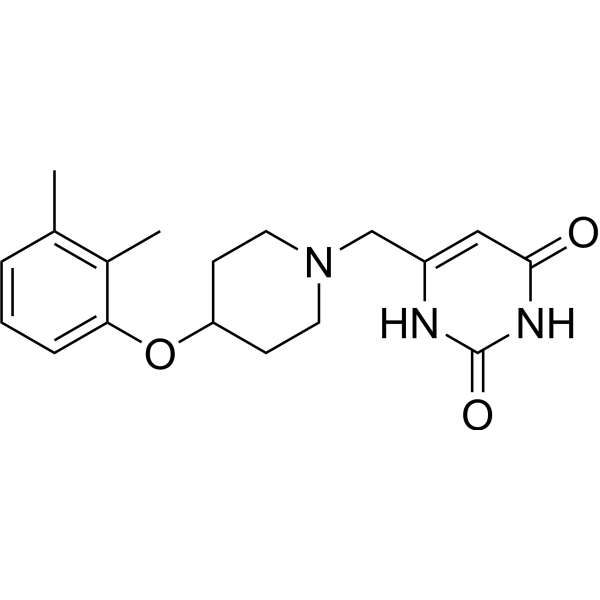
    NITD-304 is an orally active anti-tuberculosis agent. NITD-304 exerts inhibitory and bactericidal activities gainst Mycobacterium tuberculosis and multidrug-resistant Mycobacterium tuberculosis. NITD-304 inhibits mycobacterial cell wall biosynthesis and demonstrates synergistic or additive growth inhibitory activity with select antibacterial agents. NITD-304 shows low risk of cardiotoxicity and drug-drug interactions, with no inhibition of major cytochrome P-450 enzymes or hERG channel. NITD-304 can be used for the research of tuberculosis and multidrug-resistant tuberculosis .
    NITD-304
  • HY-131040

    NOD-like Receptor (NLR) Inflammation/Immunology
    NLRP3-IN-NBC6 is a potent, selective NLRP3 inflammasome inhibitor (IC50= 574 nM) that acts independently of Ca 2+. NLRP3-IN-NBC6 inhibits Nigericin (HY-127019)-induced inflammasome activation in THP-1 cells and Imiquimod (HY-B0180)-induced IL-1β release from LPS-primed bone marrow-derived macrophages (BMDMs) .
    NLRP3-IN-NBC6
  • HY-N3887

    Haplophytin B; Haplophytine B

    Bacterial Infection
    Evoxine (Haplophytin B) is a compound that selectively inhibits CO2-induced immunosuppression and has activity in inhibiting the expression of interleukin-6 and chemokine CCL2 in human THP-1 macrophages. Evoxine shows antimicrobial activity against a wide range of bacteria, especially performing well in minimum inhibitory concentration (MIC) tests against Escherichia coli, Bacillus subtilis, and Staphylococcus aureus. Evoxine extracts may find application in crude drug preparations in West Africa, provided that their in vivo toxicity results are negative .
    Evoxine
  • HY-176256

    STING Cancer
    endo-S-cGAFMP (Compound 3) is a STING agonist. endo-S-cGAFMP induces the production of interferon regulatory factors and proinflammatory cytokines by activating the cGAS-STING pathway, thereby enhancing innate and adaptive immune responses. endo-S-cGAFMP has potent immunostimulatory capacity in THP1 monocytes and RAW macrophages (EC50 values of 2.45 μM and 5.54 μM, respectively). endo-S-cGAFMP has significant antitumor activity. endo-S-cGAFMP can be used as a potential cancer immunotherapeutic agent, especially for studies of systemic administration .
    endo-S-cGAFMP
  • HY-P10972

    Glucose-dependent Insulinotropic Peptide (22-51) (human)

    NF-κB MMP Calcium Channel Cardiovascular Disease Neurological Disease
    GIP (22-51) human (Glucose-dependent Insulinotropic Peptide (22-51) human) is a potent proatherosclerotic peptide hormone consisting of 30 amino acids. GIP (22-51) human can activate the NF-κB signaling pathway, promote the expression of MMP-8, and induce the expression of proinflammatory and proatherosclerotic proteins. GIP (22-51) human can also increase the level of intracellular free Ca 2+ in THP-1-induced macrophages. GIP (22-51) human can be used in the research of atherosclerosis .
    GIP (22-51) human
  • HY-N3700

    Rutaceline

    Bacterial HIV TNF Receptor Interleukin Related Infection Inflammation/Immunology
    Decarine (Rutaceline) is a benzophenanthridine alkaloid found in Zanthoxylum species. Decarinewith shows anti-inflammatory, antimycobacterial, and anti-HIV activity. Decarine inhibits NO, TNF-α, IL-1β, IL-6, and IL-8 production in inflammatory cell models. Decarine inhibits growth of Mycobacterium tuberculosis strains, reduces intracellular Mycobacterium tuberculosis survival, and shows low cytotoxicity toward human macrophages. Decarine inhibits HIV replication in acutely infected lymphocytes. Decarine can be used for the researches of inflammation, tuberculosis, and HIV infection .
    Decarine
  • HY-168089

    NOD-like Receptor (NLR) Inflammation/Immunology
    NLRP3-IN-49 (compound Z48) is a potent and specific NLRP3 inhibitor (IC50=0.26 μM in THP-1 cells, IC50=0.21 μM in mouse bone marrow macrophages). NLRP3-IN-49 can directly bind to NLRP3 protein (Kd=1.05 μM), effectively preventing the assembly and activation of NLRP3 inflammasome, thereby exhibiting anti-inflammatory properties. NLRP3-IN-49 can be used in the study of inflammatory bowel disease .
    NLRP3-IN-49
  • HY-162094

    Acyltransferase Bacterial Infection
    CMX410 is an orally active and selective Mycobacterium tuberculosis Pks13 acyltransferase domain inhibitor and anti-bacterial agent. CMX410 reacts with the catalytic serine of the Pks13-AT domain to form a stable β-lactam ring, disables the enzyme’s active site, reduces trehalose monomycolate and trehalose dimycolate levels, triggers cell lysis, and reduces intracellular bacterial burden. CMX410 can be used for the research of tuberculosis .
    CMX410
  • HY-168520

    NOD-like Receptor (NLR) Inflammation/Immunology
    NLRP3-IN-57 (compound 5) inhibits the NLRP3 inflammasome, thereby reducing IL-1β levels in LPS plus Nigericin-induced THP-1 macrophages. .
    NLRP3-IN-57
  • HY-174144

    Prostaglandin Receptor Inflammation/Immunology
    RJG-2036 is a potent covalent inhibitor of human prostaglandin reductase 2 (PTGR2)(IC50=100 nM). RJG-2036 inhibits NADPH-dependent reduction, significantly reducing secretion of proinflammatory cytokines like TNF-α and multiple eicosanoids in LPS-stimulated THP-1 macrophages. RJG-2036 is promising for research of inflammatory diseases .
    RJG-2036
  • HY-162122

    PPAR Inflammation/Immunology
    PPARα/γ agonist 3 (Compound 4) is a dual agonist of PPARα/γ. PPARα/γ agonist 3 has anti-inflammatory activity, significantly reducing inflammatory markers such as IL-6 and MCP-1 on THP-1 macrophages through NF-κB activation. PPARα/γ agonist 3 can be used in the study of metabolic syndrome and metabolic dysfunction-related fatty liver disease (MAFLD) .
    PPARα/γ agonist 3
  • HY-178471

    FABP Interleukin Related Metabolic Disease Inflammation/Immunology
    FABP4/5-IN-6 is an orally active, potent FABP4/5 inhibitor (Ki = 0.41/2.53 μM), showing low selectivity over FABP3 (Ki = 59.72 μM). FABP4/5-IN-6 inhibits the secretion of MCP-1 and IL-6 in Lipopolysaccharides (HY-D1056) (LPS)-induced THP-1 macrophage. FABP4/5-IN-6 exhibits significant anti-inflammatory effects and attenuates LPS-induced liver injury. FABP4/5-IN-6 has low hERG inhibition (LD50 > 2000 mg/kg). FABP4/5-IN-6 can be used for the study of Inflammation-related diseases .
    FABP4/5-IN-6
  • HY-149493

    PI3K Inflammation/Immunology Cancer
    IHMT-PI3K-455 (Compound 15u) is a potent, selective, orally active PI3Kγ/δ dual inhibitor with IC50s of 7.1 nM and 0.57 nM for PI3Kγ and PI3Kδ, respectively. IHMT-PI3K-455 suppresses the AKT phosphorylation. IHMT-PI3K-455 inhibits tumor growth by recruiting and activating more CD8 + killing T cells.IHMT-PI3K-455 is used in cancer research .
    IHMT-PI3K-455
  • HY-18620R

    STAT PI3K NF-κB MEK ERK Bacterial Antibiotic Akt Inflammation/Immunology
    DZ2002 (Standard) is the analytical standard of DZ2002. This product is intended for research and analytical applications. DZ2002 is an orally active, reversible and low-cytotoxic type III SAHH inhibitor (Ki=17.9 nM), with good immunosuppressive activity. DZ2002 prevents the development of experimental dermal fibrosis by reversing the profibrotic phenotype of various cell types. DZ2002 can be used in studies of autoimmune diseases such as lupus syndrome and systemic sclerosis .
    DZ2002 (Standard)
  • HY-175183

    Bacterial Infection
    Antituberculosis agent-15 (Compound 18c) is a selective antimycobacterial agent with MICs of 0.45 and 0.28  μM for M. tuberculosis H37Rv (ATCC 27294) and its wild-type H37Rv-LP (ATCC 25618), respectively. Antituberculosis agent-15 has potent intracellular inhibitory activities in macrophage infection models with IC50s of 0.16  μM. Antituberculosis agent-15 can be used for tuberculosis research .
    Antituberculosis agent-15
  • HY-N1117

    Phosphatase NO Synthase Infection Metabolic Disease Cancer
    Tristin is a PTP1B inhibitor (IC50=21.2 μM) with antioxidant and antifungal activities. Tristin inhibits lipid peroxidation and NO production in LPS-stimulated macrophages, and also exhibits activity against a variety of phytopathogenic fungi. Tristin is also able to inhibit cancer cell proliferation. Tristin can be used in the research of diseases associated with phytopathogenic fungal infection, leukemia, type 2 diabetes and inflammatory responses .
    Tristin
  • HY-124693

    Apoptosis Cancer
    DB1055 is a HOXA9 inhibitor that competes with HOXA9 binding to DNA (blocking its DNA interaction activity). DB1055 induces in vitro cell growth reduction, cell apoptosis, and differentiation in human acute myeloid leukemia (AML) cells. DB1055 leads to monocyte-to-macrophage differentiation and exhibits antileukemic activities in a human THP-1 AML in vivo model. DB1055 does not impact human CD34+ bone marrow cells. DB1055 can be used for the research of acute myeloid leukemia[1].
    DB1055
  • HY-100401AR

    CS-505 (Standard)

    Acyltransferase Reference Standards Cardiovascular Disease
    Pactimibe (sulfate) (Standard) is the analytical standard of Pactimibe (sulfate) (HY-100401A). This product is intended for research and analytical applications. Pactimibe sulfate (CS-505) is a dual ACAT1/2 inhibitor with IC50s of 4.9 μM and 3.0 μM, respectively. Pactimibe sulfate (CS-505) inhibits ACAT with IC50s of 2.0 μM, 2.7 μM, 4.7 μM in the liver, macrophages and THP-1 cells, respectively . Pactimibe sulfate (CS-505) noncompetitively inhibits oleoyl-CoA with a Ki value of 5.6 μM. Moreover, Pactimibe sulfate (CS-505) obviously inhibits cholesteryl ester formation with an IC50 of 6.7 μM. Pactimibe sulfate (CS-505) possesses anti-atherosclerotic potential with lowering plasma cholesterol activity .
    Pactimibe sulfate (Standard)
  • HY-181812

    JNK p38 MAPK Interleukin Related TNF Receptor Inflammation/Immunology
    JNK2/MKK7 PPI-IN-1 is an orally active JNK2 inhibitor with an IC50 of 0.99 μM and a Kd of 81.6 μM. JNK2/MKK7 PPI-IN-1 inhibits JNK2 kinase activity, disrupts JNK2-MKK7 protein-protein interaction, and reduces c-Jun phosphorylation. JNK2/MKK7 PPI-IN-1 inhibits LPS-induced overexpression of inflammatory cytokines IL-6 and TNF-α. JNK2/MKK7 PPI-IN-1 can be used for the research of acute lung injury .
    JNK2/MKK7 PPI-IN-1
  • HY-D3410

    Fluorescent Dye GLUT Others
    CDr17 is a GLUT1 substrate and selective fluorescent dye staining M1 microphages. CDr17 utilizes the Gating-Oriented Live-cell Distinction (GOLD) mechanism to enter M1 macrophages (Ex/Em = 646/662 nm) .
    CDr17
  • HY-183288

    COX Interleukin Related TNF Receptor Inflammation/Immunology
    COX-2-IN-66 is a cyclooxygenase-2 (COX-2) inhibitor with an IC50 of 8.43 μM. COX-2-IN-66 reduces release of pro-inflammatory cytokines IL-6 and TNF-α. COX-2-IN-66 exhibits acceptable cellular tolerability, with cytokine-modulating concentrations remaining below its cytotoxic threshold. COX-2-IN-66 can be used for the research of inflammation .
    COX-2-IN-66
  • HY-W1130452

    Liposome Cancer
    Lipid C16-C is an ionizable cationic lipid that can be used to prepare lipid nanoparticles (LNPs) for mRNA delivery. Lipid C16-C mediates ApoE-independent macropinocytosis-based mRNA delivery to macrophages, with endosomal acidification enabling endosomal escape and release of mRNA cargo into the cytosol .
    Lipid C16-C
  • HY-183627

    PI5P4K Cancer
    066ATZ is a PIP4K2A/2B inhibitor with human PIP4K2A Ki 100 nM and PIP4K2B Ki 800 nM. 066ATZ binds to ATP-binding sites of PIP4K2A and PIP4K2B to block lipid kinase activity. 066ATZ can be used for the research of non-small cell lung cancer .
    066ATZ
  • HY-182723

    GPR84 Cancer
    PSB-16671 is an allosteric agonist of GPR84. PSB-16671 recruits β-arrestins and couples to Gi, enhances the Gi activation potency of orthosteric agonists, and exerts a synergistic effect with orthosteric agonists. PSB-16671 promotes G protein activation and partial chemotaxis independent of GPR84 in mouse neutrophils, maintains the phagocytic function of macrophages against cancer cells without inducing receptor desensitization. PSB-16671 can be used in cancer-related research .
    PSB-16671

Inquiry Online

Your information is safe with us. * Required Fields.

Salutation


Country or Region *

Applicant Name *


Organization Name *

Department *


Email Address *


Product Name *

Cat. No.


Requested quantity *

Phone Number *


Remarks

Inquiry Online

Inquiry Information

Product Name:
Cat. No.:
Quantity:
MCE Japan Authorized Agent:

