1. Search Result
Search Result
Results for "

Vascular disrupting

" in MedChemExpress (MCE) Product Catalog:

32

Inhibitors & Agonists

5

Natural
Products

1

Isotope-Labeled Compounds

Targets Recommended:
Cat. No. Product Name Target Research Areas Chemical Structure
  • HY-10964
    Vadimezan
    Maximum Cited Publications
    71 Publications Verification

    DMXAA; ASA-404

    STING IFNAR Influenza Virus Infection Cancer
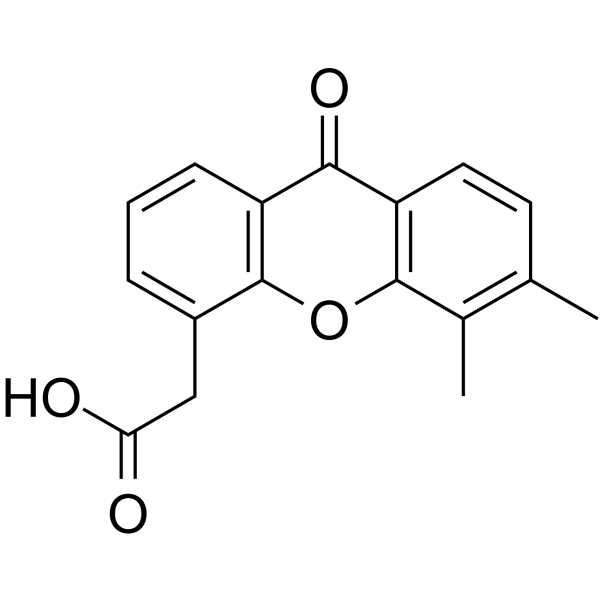
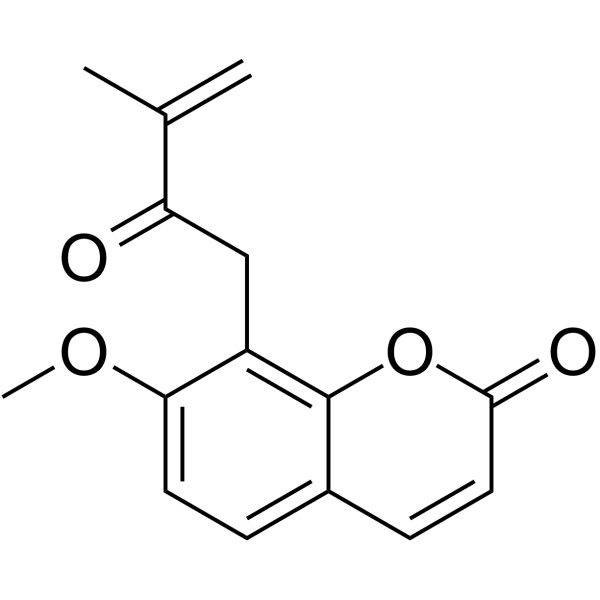
    Vadimezan (DMXAA), the tumor vascular disrupting agent (tumor-VDA), is a murine agonist of the stimulator of interferon genes (STING) and also a potent inducer of type I IFNs and other cytokines. Vadimezan is unable to activate human STING. Vadimezan has anti-influenza virus H1N1-PR8 activities.
    Vadimezan
  • HY-126010
    Dooku1
    15+ Cited Publications

    Piezo Channel Others
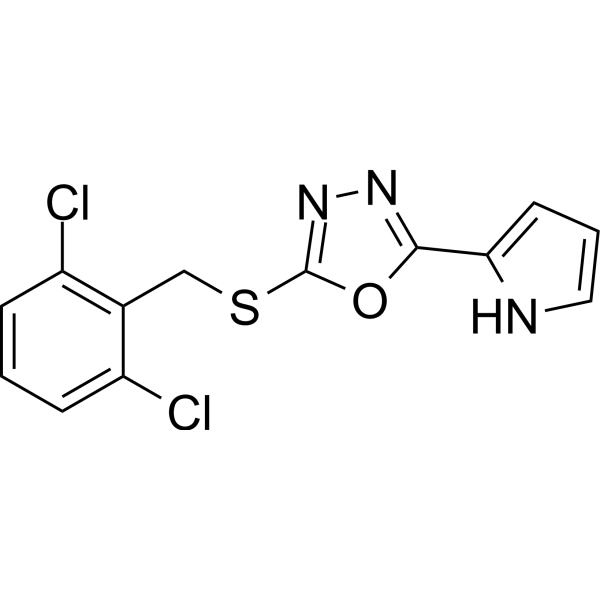
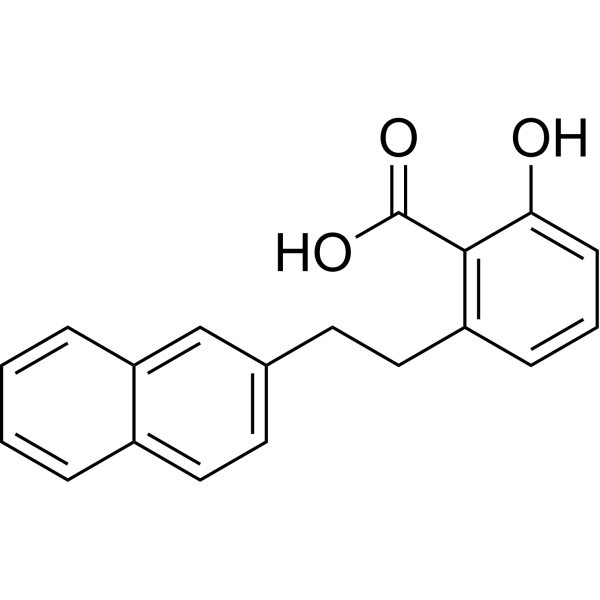
    Dooku1 is a reversibly Yoda1 antagonist with IC50 value of 1.3 μM and 1.5 μM for 2 μM Yoda1-induced Ca 2+ entry HEK 293 cells and HUVECs, respectively. Dooku1 can disrupt Yoda1-induced Piezo1 channel activity and inhibit Yoda1-induced relaxation of aorta. Dooku1 can be used for vascular physiology and disease research .
    Dooku1
  • HY-Y0488A
    Formic acid ammonium
    2 Publications Verification

    Ammonium formate

    Environmental Pollutants Calcium Channel NO Synthase Bacterial ATP Synthase Metabolic Disease
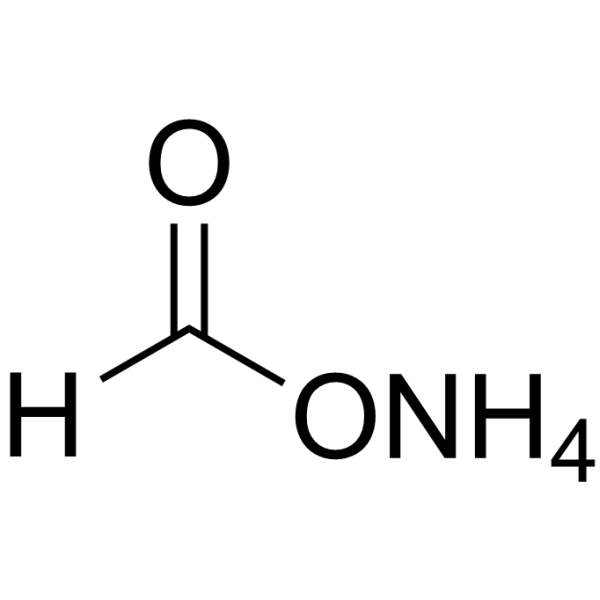
    Formic acid ammonium is the ammonium salt form of formic acid, which is an endogenous metabolite. Formic acid ammonium activates the nitric oxide/cyclic guanosine monophosphate (NO/cGMP) signaling pathway in endothelial cells and inhibits calcium ion influx in vascular smooth muscle cells, resulting in vasomotor relaxation. Formic acid ammonium inhibits cytochrome C oxidase (CcO) and disrupts the electron transport chain, leading to ATP depletion. Formic acid ammonium can be used as a feed additive, which can lower the feed pH value, inhibit the growth of microorganisms (such as Escherichia coli, Salmonella), and extend the shelf life of the feed .
    Formic acid ammonium
  • HY-14444
    Plinabulin
    2 Publications Verification

    NPI-2358

    Microtubule/Tubulin Cancer
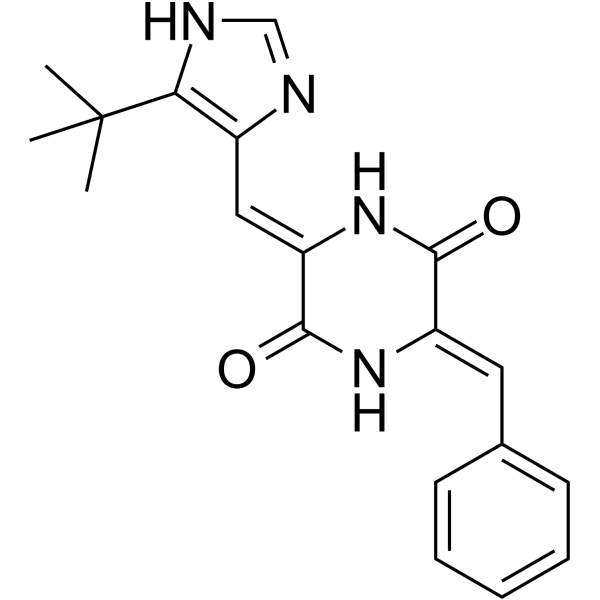
    Plinabulin (NPI-2358) is a vascular disrupting agen (VDA) against tubulin-depolymerizing with an IC50 of 9.8 nM against HT-29 cells . Plinabulin binds the colchicine binding site of β-tubulin preventing polymerization and has potent inhibitory to tumor cells .
    Plinabulin
  • HY-113205

    15-keto-PGE2

    Endogenous Metabolite Prostaglandin Receptor STAT PPAR Fungal Drug Metabolite Cardiovascular Disease Infection Endocrinology Cancer
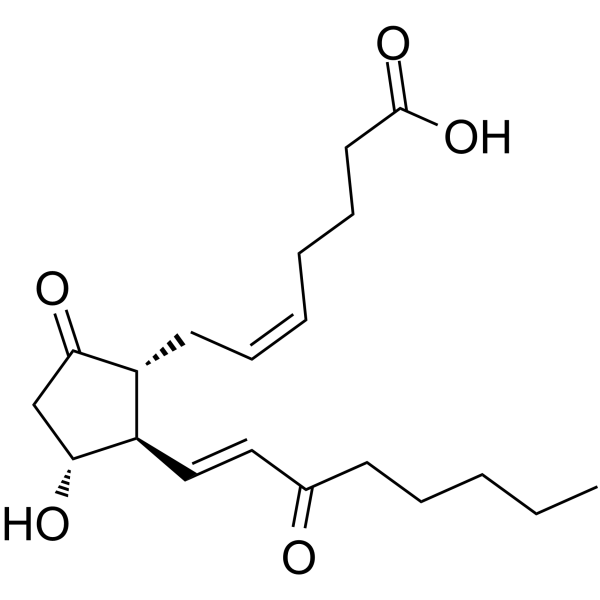
    15-keto-Prostaglandin E2 (15-keto-PGE2) is an endogenous PGE2 metabolite. 15-keto-Prostaglandin E2 inhibits STAT3 activation by binding to the Cys259 residue of STAT3. 15-keto-Prostaglandin E2 binds to and stabilizes EP2 and EP4 receptors. 15-keto-Prostaglandin E2 inhibits the growth and progression of breast cancer cells. 15-keto-Prostaglandin E2 activates PPAR-γ and promotes fungal growth. 15-keto-Prostaglandin E2 disrupts glomerular vascularization during zebrafish development and reduces the surface area of the glomerular filtration barrier .
    15-keto-Prostaglandin E2
  • HY-10498
    Lexibulin
    2 Publications Verification

    CYT-997

    Microtubule/Tubulin Reactive Oxygen Species (ROS) Apoptosis Cancer
    Lexibulin (CYT-997) is a potent and orally active tubulin polymerisation inhibitor with IC50s of 10-100 nM in cancer cell lines; with potent cytotoxic and vascular disrupting activity in vitro and in vivo . Lexibulin induces cell apoptosis and induces mitochondrial ROS generation in GC cells .
    Lexibulin
  • HY-125864B

    MMP Cadherin Cardiovascular Disease Neurological Disease
    Murine Fibrinogen is a native fibrinogen derived from mouse plasma. Murine Fibrinogen acts as a cerebrovascular permeability enhancer. Murine Fibrinogen activates matrix metalloproteinase-9 (MMP-9), downregulates the expression of vascular endothelial cadherin (VE-cadherin), and upregulates the expression of plasmalemmal vesicle-associated protein-1 (PV-1). Murine Fibrinogen increases macromolecular leakage from pial veins, thereby disrupting the microvascular integrity of cerebral blood vessels. Murine Fibrinogen can be used in studies related to cerebrovascular dysfunction .
    Murine Fibrinogen
  • HY-N3677

    OGT Akt mTOR GSK-3 Reactive Oxygen Species (ROS) Apoptosis PARP MDM-2/p53 Inflammation/Immunology Cancer
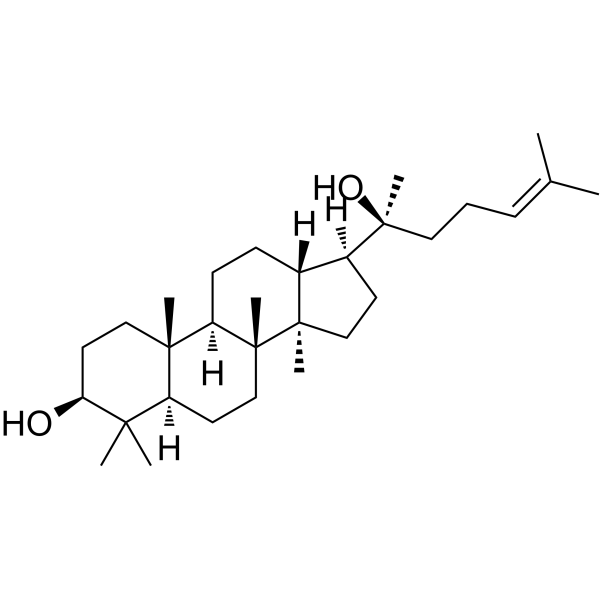
    Dammarenediol II is a ginsenoside precursor . Dammarenediol II reduces the activity of O-GlcNAc transferase (OGT) and downregulates the global O-GlcNAcylation level. Dammarenediol II inhibits the phosphorylation of Akt, mTOR and GSK3β. Dammarenediol II inhibits human carboxylesterase activity, VEGF-induced ROS production, stress fiber formation and vascular endothelial cadherin disruption. Dammarenediol II promotes cell apoptosis (apoptosis), increases the levels of cleaved PARP1 and p53, and inhibits retinal microvascular leakage. Dammarenediol II can be used in studies related to liver cancer and diabetic retinopathy .
    Dammarenediol II
  • HY-116940
    Sm4
    1 Publications Verification

    Oct3/4 Notch STAT Cancer
    Sm4 is a selective and orally active SOX18 inhibitor. Sm4 inhibits SOX18-DNA binding (IC50 = 97.5 μM); Sm4 disrupts the SOX18-RBPJ protein-protein interaction (IC50 = 42.3 μM). Sm4 blocks SOX18 DNA binding, disrupts multiple SOX18 protein-protein interactions with RBPJ, DDX1, DDX17, ILF3, SOX7 and STAT1, modulates SOX18 chromatin binding dynamics. Sm4 exerts anti‑angiogenic and anti‑lymphangiogenic effects, reduces tumor vascular density, triggers vascular defects in zebrafish, prolongs survival in mouse metastatic cancer models. Sm4 can be used for the research of breast cancer .
    Sm4
  • HY-N2173
    Forsythoside E
    1 Publications Verification

    Others Cardiovascular Disease Inflammation/Immunology
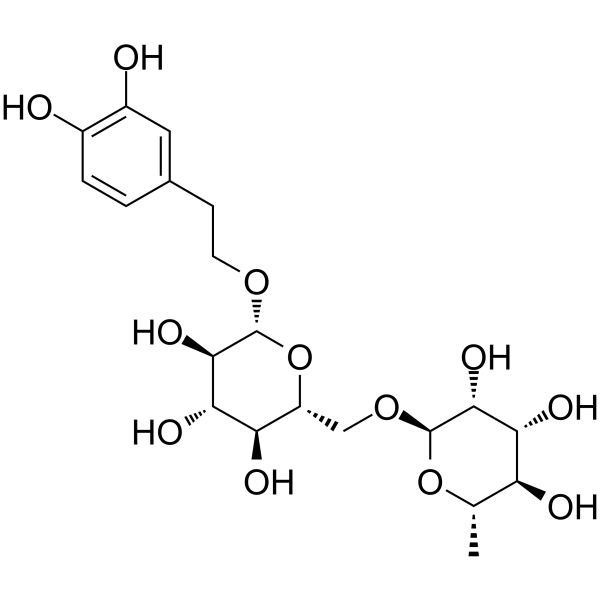
    Forsythoside E is a phenylethanoid glycoside compound. Forsythoside E can be isolated from Shuanghuanglian. Forsythoside E does not induce vascular leakage or promote histamine release in mice. Forsythoside E does not cause pseudo-allergic reactions .
    Forsythoside E
  • HY-16114
    BNC105
    1 Publications Verification

    Microtubule/Tubulin Cancer
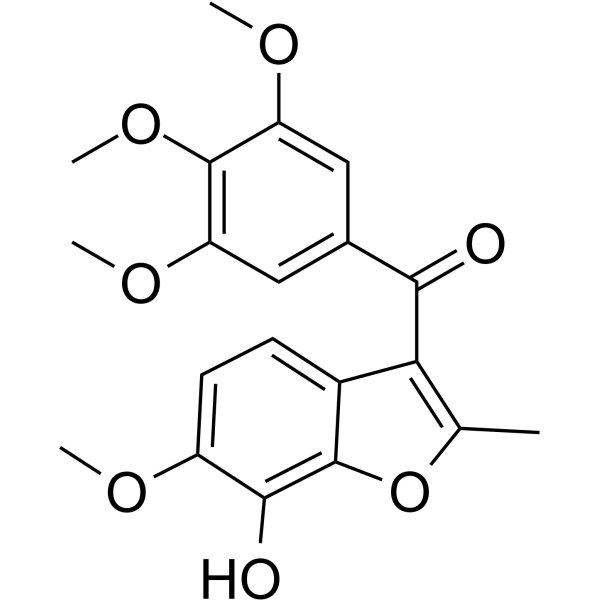
    BNC105 is a tubulin polymerization inhibitor with potent antiproliferative and tumor vascular disrupting properties.
    BNC105
  • HY-B0263S

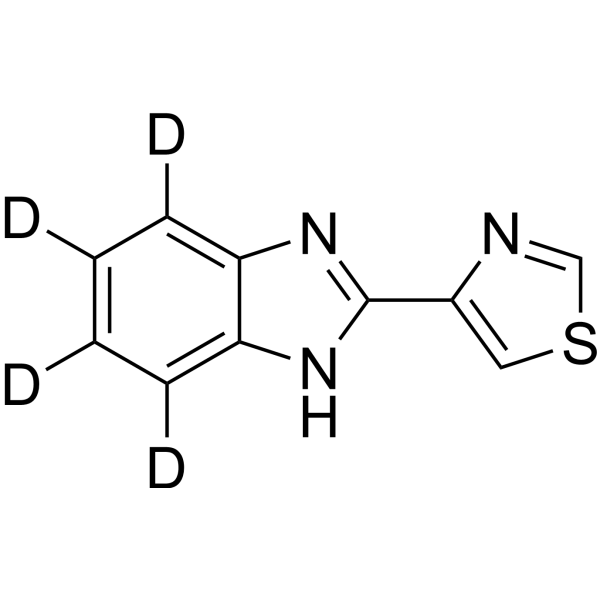
    2-(4-Thiazolyl)benzimidazole-d4

    Mitochondrial Metabolism Parasite Others
    Thiabendazole-d4 is a deuterated form of Thiabendazole, which is an antiseptic, antifungal and antiparasitic agent .
    Thiabendazole-d4
  • HY-B2062
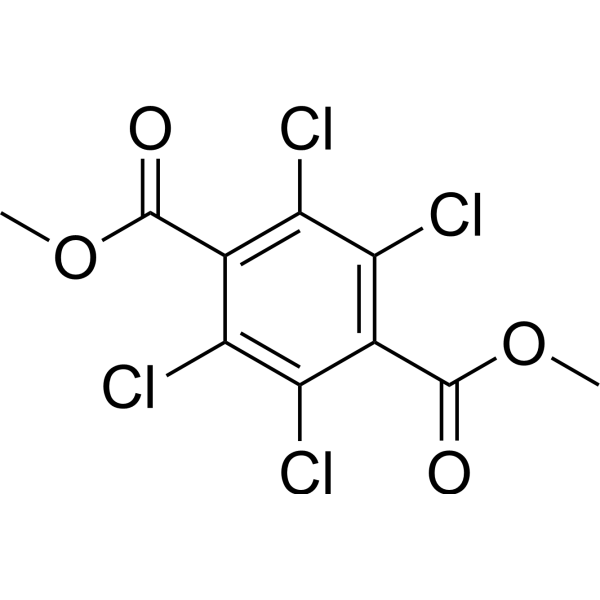
    Chlorthal-dimethyl
    1 Publications Verification

    Dimethyl tetrachloroterephthalate

    Environmental Pollutants Biochemical Assay Reagents Others
    Chlorthal-dimethyl (Dimethyl tetrachloroterephthalate) is a plant growth regulator. Chlorthal-dimethyl affects cell division and differentiation, interfering with the normal development of vascular tissue. Chlorthal-dimethyl causes localized swelling of tomato hypocotyls and disrupts normal mitosis in germinating millet seedlings .
    Chlorthal-dimethyl
  • HY-121287

    Herbicide Cardiovascular Disease
    Ioxynil is an herbicide that act as endocrine disruptor. Ioxynil can disrupt vascular and heart development in zebrafish .
    Ioxynil
  • HY-13598

    CKD-516

    Microtubule/Tubulin Cancer
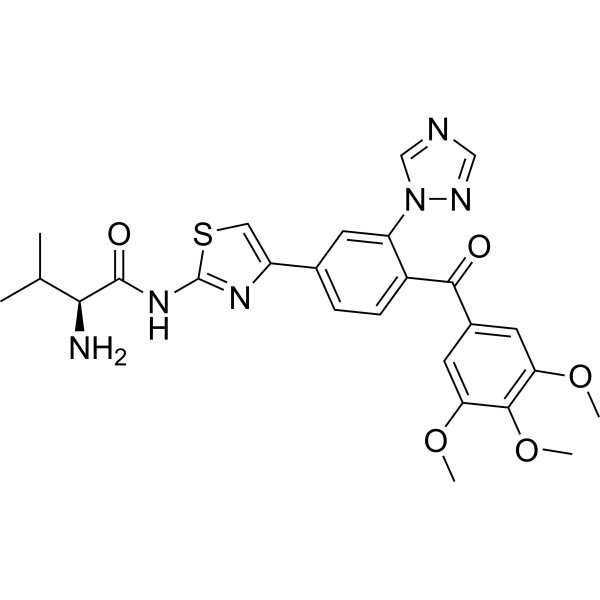
    Valecobulin (CKD516) is a valine proagent of (S516) and a vascular disrupting agent (VDA). Valecobulin is a potent β-tubulin polymerization inhibitor with marked antitumor activity against murine and human solid tumors .
    Valecobulin
  • HY-16147

    Oxi4503; CA1P; Combretastatin A1 diphosphate

    Microtubule/Tubulin Cancer
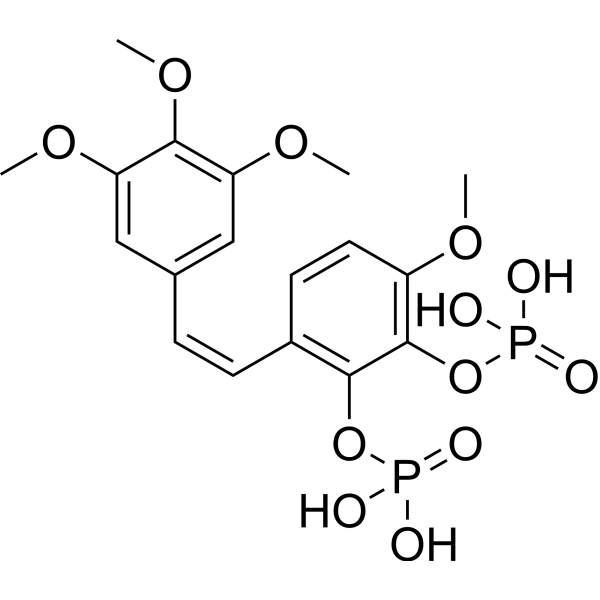
    Combretastatin A1 phosphate (Oxi4503) is a potent vascular disruptive agent. Combretastatin A1 phosphate exerts anti-angiogenic effects on tumors. Combretastatin A1 phosphate has the potential for the research of pancreatic neuroendocrine tumors .
    Combretastatin A1 phosphate
  • HY-13598A

    CKD-516 hydrochloride

    Microtubule/Tubulin Cancer
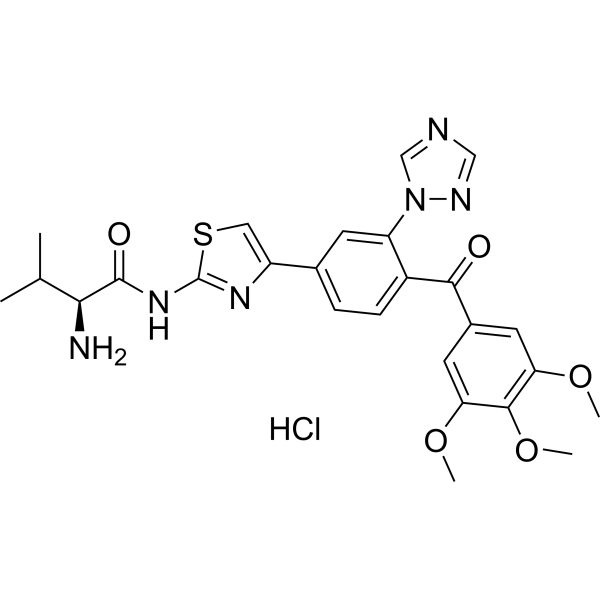
    Valecobulin hydrochloride (CKD-516 hydrochloride) is a valine proagent of S516 (HY-130233) and a vascular disrupting agent (VDA). Valecobulin hydrochloride is a potent β-tubulin polymerization inhibitor with marked antitumor activity against murine and human solid tumors .
    Valecobulin hydrochloride
  • HY-15855

    Microtubule/Tubulin Cancer
    Fosbretabulin (tromethamine), also known as combretastatin A4 phosphate (CA4P), is a vascular disrupting agent evaluated for its efficacy against anaplastic thyroid carcinoma (ATC). It targets tumor neovasculature, causing acute and reversible reductions in tumor blood flow and central necrosis .
    Fosbretabulin tromethamine
  • HY-10964R

    DMXAA (Standard); ASA-404 (Standard)

    STING IFNAR Influenza Virus Reference Standards Infection Cancer
    Vadimezan (Standard) (DMXAA (Standard)) is the analytical standard of Vadimezan (HY-10964). This product is intended for research and analytical applications. Vadimezan (DMXAA; ASA-404), the tumor vascular disrupting agent (tumor-VDA), is a murine agonist of the stimulator of interferon genes (STING) and also a potent inducer of type I IFNs and other cytokines. Vadimezan is unable to activate human STING. Vadimezan has anti-influenza virus H1N1-PR8 activities.
    Vadimezan (Standard)
  • HY-B2062R

    Dimethyl tetrachloroterephthalate (Standard)

    Drug Intermediate Mitosis Reference Standards Others
    Chlorthal-dimethyl (Standard) is the analytical standard of Chlorthal-dimethyl. This product is intended for research and analytical applications. Chlorthal-dimethyl (Dimethyl tetrachloroterephthalate) is a plant growth regulator. Chlorthal-dimethyl affects cell division and differentiation, interfering with the normal development of vascular tissue. Chlorthal-dimethyl causes localized swelling of tomato hypocotyls and disrupts normal mitosis in germinating millet seedlings .
    Chlorthal-dimethyl (Standard)
  • HY-145820

    Apoptosis Microtubule/Tubulin Cancer
    Tubulin inhibitor 14 is a potent NQO2 (quinone oxidoreductase 2) inhibitor with an IC50 of 1.0 μM. Tubulin inhibitor 14 also inhibits tubulin polymerization and the formation of endothelial cell capillary-like tubes. Tubulin inhibitor 14 is a microtubule-destabilizing agent with potential tumor-selectivity and antiangiogenic and vascular disrupting features .
    Tubulin inhibitor 14
  • HY-14815

    Combretastatin A4 phosphate

    Apoptosis Microtubule/Tubulin Cancer
    Fosbretabulin (Combretastatin A4 phosphate) is a vascular disruptor with antitumor activity against atypical thyroid carcinoma (ATC) cell lines and xenografts. Fosbretabulin inhibits tumor growth by inhibiting microtubule polymerization, inducing apoptosis, and suppressing angiogenesis in tumors .
    Fosbretabulin
  • HY-111170

    Microtubule/Tubulin Cancer
    STA-9584 is a potent vascular disrupting agent (VDA) that targets tubulin. STA-9584 exhibits potent antitumor activity in mouse xenograft model by selectively targeting microvasculature at both the center and periphery of tumors. STA-9584 can be used for research in prostate and breast cancer .
    STA-9584
  • HY-10498A

    CYT-997 dihydrochloride

    Microtubule/Tubulin Reactive Oxygen Species (ROS) Apoptosis Cancer
    Lexibulin dihydrochloride (CYT-997 dihydrochloride) is a potent and orally active tubulin polymerisation inhibitor with IC50s of 10-100 nM in cancer cell lines; with potent cytotoxic and vascular disrupting activity in vitro and in vivo . Lexibulin dihydrochloride induces cell apoptosis and induces mitochondrial ROS generation in GC cells .
    Lexibulin dihydrochloride
  • HY-118555

    Drug Derivative Others
    Vascular disrupting agent 1 is an active compound.
    Vascular disrupting agent 1
  • HY-14919

    MN-029 free base

    Microtubule/Tubulin Cancer
    Denibulin, a novel vascular-disrupting agent, inhibits microtubule assembly reversibly, disrupting tumor vascular endothelial cell cytoskeletons. Denibulin demonstrated tolerability and potential anti-vascular effects, warranting further investigation in cancer therapy .
    Denibulin
  • HY-15406

    Microtubule/Tubulin Cardiovascular Disease Cancer
    BNC105P is a phosphate prodrug of BNC105 (HY-16114), that exhibits activity as a vascular disrupting agent (VDA) and an antitumor agent through conversion to active BNC105 .
    BNC105P
  • HY-122757

    Curcumin pyrazole

    Others Cancer
    Hydrazinocurcumin (Curcumin pyrazole) is a potent endothelial cell proliferation inhibitor (IC50=520 nM). Hydrazinocurcumin disrupts angiogenic signaling pathways and inhibits endothelial cell migration and tube formation, exerting anti-angiogenic activity. Hydrazinocurcumin is promising for research of tumor angiogenesis inhibition, metastatic cancer, and vascular-dependent diseases such as retinopathies .
    Hydrazinocurcumin
  • HY-10498R

    CYT-997 (Standard)

    Reference Standards Microtubule/Tubulin Reactive Oxygen Species (ROS) Apoptosis Cancer
    Lexibulin (Standard) is the analytical standard of Lexibulin. This product is intended for research and analytical applications. Lexibulin (CYT-997) is a potent and orally active tubulin polymerisation inhibitor with IC50s of 10-100 nM in cancer cell lines; with potent cytotoxic and vascular disrupting activity in vitro and in vivo . Lexibulin induces cell apoptosis and induces mitochondrial ROS generation in GC cells .
    Lexibulin (Standard)
  • HY-155112

    Microtubule/Tubulin FLT3 Bcr-Abl Cancer
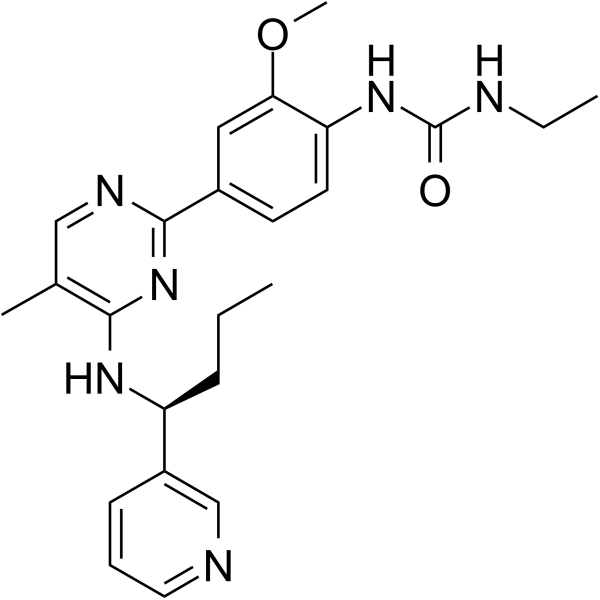
    Antiproliferative agent-30 (Compound 8g) inhibits tubulin assembly and inhibits FLT3 and Abl1. Antiproliferative agent-30 has vascular-disrupting activity. Antiproliferative agent-30 has broad antiproliferative activities against cancer cell lines (IC50s: 0.054 nM, 0.008 nM, 0.144 nM for HCT-116, K562, MV-4-11 cells respectively). Antiproliferative agent-30 also has anticancer effect against AML with FLT3-ITD-TKD mutation .
    Antiproliferative agent-30
  • HY-Y0488AR

    Ammonium formate (Standard)

    Reference Standards NO Synthase Calcium Channel Bacterial ATP Synthase Metabolic Disease
    Formic acid ammonium (Standard) is the analytical standard of Formic acid ammonium. This product is intended for research and analytical applications. Formic acid ammonium is the ammonium salt form of formic acid, which is an endogenous metabolite. Formic acid ammonium activates the nitric oxide/cyclic guanosine monophosphate (NO/cGMP) signaling pathway in endothelial cells and inhibits calcium ion influx in vascular smooth muscle cells, resulting in vasomotor relaxation. Formic acid ammonium inhibits cytochrome C oxidase (CcO) and disrupts the electron transport chain, leading to ATP depletion. Formic acid ammonium can be used as a feed additive, which can lower the feed pH value, inhibit the growth of microorganisms (such as Escherichia coli, Salmonella), and extend the shelf life of the feed.
    Formic acid ammonium (Standard)
  • HY-183985

    HSP HDAC STAT Cardiovascular Disease
    Hsp110/HDAC6-IN-1 is an orally active Hsp110/HDAC6 dual inhibitor. Hsp110/HDAC6-IN-1 disrupts Hsp110-STAT3 protein-protein interaction, suppresses HDAC6 enzymatic activity, and suppresses STAT3 signaling pathway. Hsp110/HDAC6-IN-1 inhibits abnormal proliferation and migration of human pulmonary arterial endothelial cells, and suppresses pulmonary vascular remodeling in rats. Hsp110/HDAC6-IN-1 can be used for the research of pulmonary arterial hypertension .
    Hsp110/HDAC6-IN-1

Inquiry Online

Your information is safe with us. * Required Fields.

Salutation


Country or Region *

Applicant Name *


Organization Name *

Department *


Email Address *


Product Name *

Cat. No.


Requested quantity *

Phone Number *


Remarks

Inquiry Online

Inquiry Information

Product Name:
Cat. No.:
Quantity:
MCE Japan Authorized Agent:

