



298 Results for "

adenocarcinoma cell

" in MedChemExpress (MCE) Product Catalog:
Products (298)

298 Results for "adenocarcinoma cell" in MCE Product Catalog:

26
26 Publications Verification
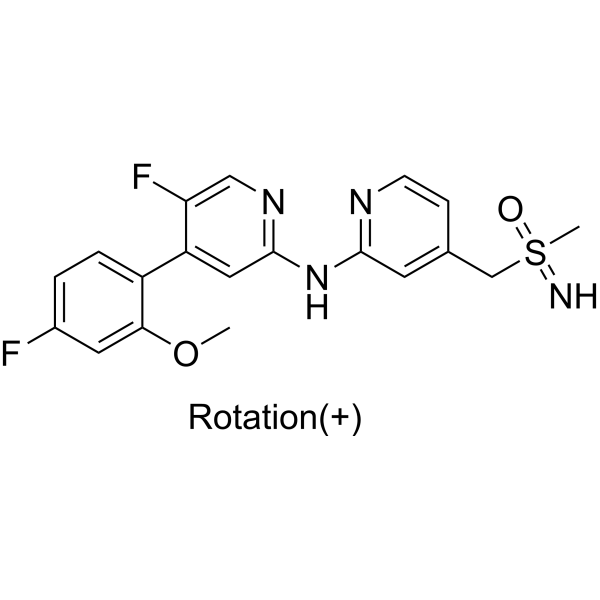
Cat. No.: HY-135146
CAS No.: 2170136-65-7
Purity:  99.95%
Synonyms: (R)-GSK3482364
Research Areas:  

Cancer

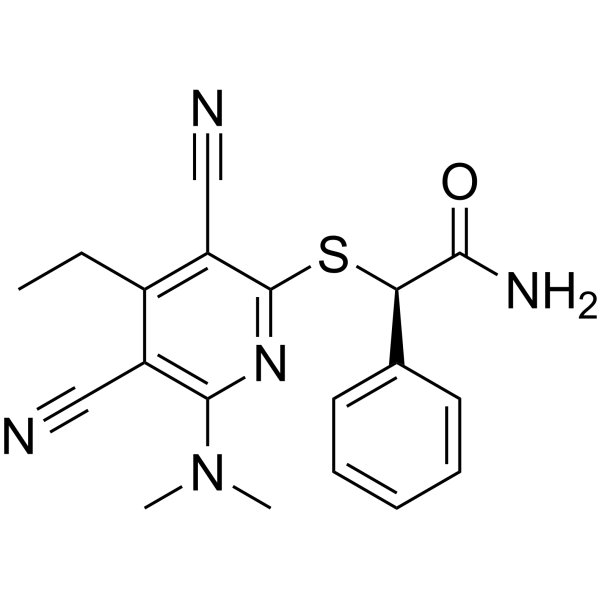
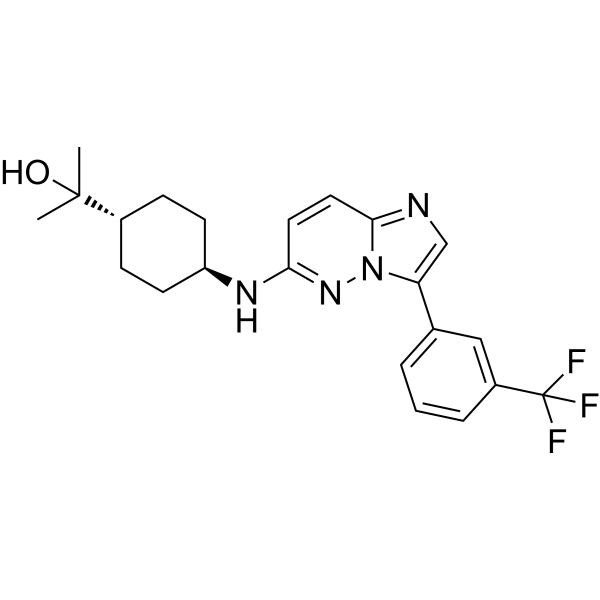
GSK-3484862 is a highly potent non-covalent inhibitor and demethylating agent of DNMT1. GSK-3484862 induces genome-wide DNA demethylation, including the regulatory elements of DNMT3B and the promoter region of TERT, and significantly inhibits cell viability, growth, proliferation and self-renewal. GSK-3484862 blocks the transformation of young AT2 cells, induces apoptosis, and generates transcriptomic features similar to those of senescent cells. GSK-3484862 is widely used in studies related to lung cancer, oral squamous cell carcinoma and lung adenocarcinoma .
loading...
    loading...
14
14 Cited Publications
Cat. No.: HY-100498
CAS No.: 1224887-10-8
Purity:  99.62%
Target:  

FAK Apoptosis

Research Areas:  

Cancer

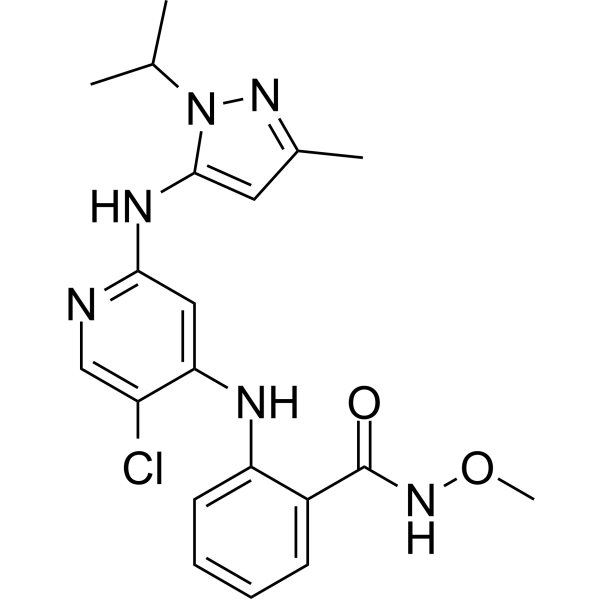
GSK2256098 is a selective FAK kinase inhibitor, which inhibits growth and survival of pancreatic ductal adenocarcinoma cells.
loading...
    loading...
13
13 Cited Publications
Cat. No.: HY-17411
CAS No.: 1180-71-8
Synonyms: Limonoic acid 3,19:16,17 dilactone
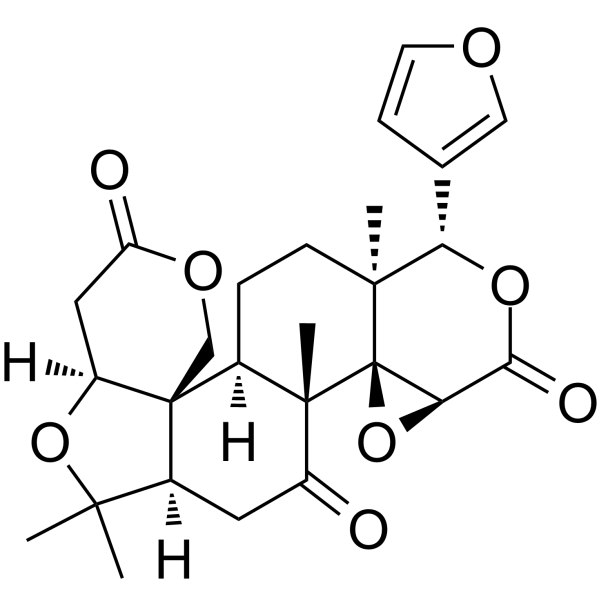
Limonin inhibits HIV-1 with an EC50 of 60.0 μM. Limonin induces human colon adenocarcinoma cells apoptosis with an IC50 of 54.74 μM. Limonin has antiviral and antitumor activities .
loading...
    loading...
10
10 Cited Publications
Cat. No.: HY-129241
CAS No.: 330834-54-3
Purity:  99.33%
AGX51 is a pan-Id (inhibitors of DNA-binding/differentiation proteins) antagonist that disrupts ID-E protein interactions, thereby triggering ubiquitin-mediated proteasomal degradation of ID1, ID2, ID3 and ID4. AGX51 induces ROS production, G0/G1 cell cycle arrest, non-apoptotic cell death, and regulates EMT-related proteins. AGX51 reduces the proliferation, migration and myofibroblast differentiation of lung fibroblasts, alleviates pulmonary fibrosis, inhibits cancer cell viability and tumor growth, impairs neovascularization, and shows no obvious toxicity in mice. AGX51 can be used in research related to idiopathic pulmonary fibrosis, triple-negative breast cancer, breast cancer, pancreatic ductal adenocarcinoma, colorectal tumors, wet age-related macular degeneration and retinopathy of prematurity .
loading...
    loading...
6
6 Cited Publications
Cat. No.: HY-145928
CAS No.: 2417987-45-0
Purity:  99.31%
Synonyms: GDC-6036
Target:  

Ras

Research Areas:  

Cancer

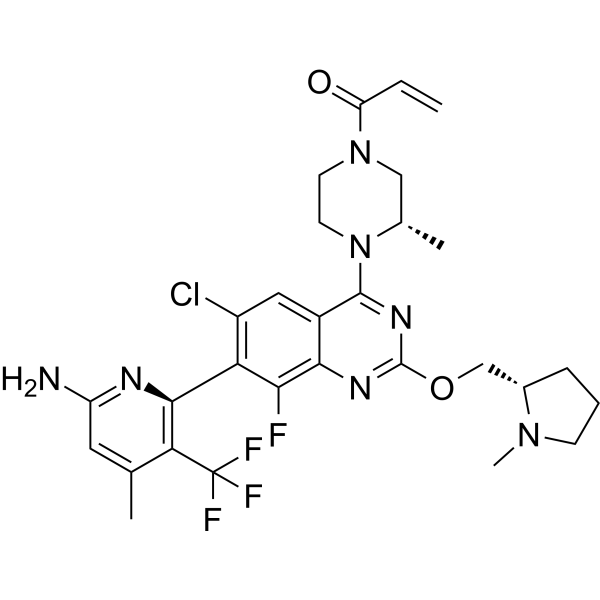
Divarasib (GDC-6036) is an orally active, selective KRAS G12C inhibitor with an IC50 of <0.01 μM. Divarasib covalently binds Cys12 in GDP-bound KRAS G12C, occupies the switch II pocket, blocks GTP binding and SOS-mediated reactivation, and inhibits oncogenic KRAS signaling. Divarasib induces tumor shrinkage and robust tumor growth inhibition in KRAS G12C-positive models and cancer cells. Divarasib can be used for the research of non-small cell lung cancer, colorectal adenocarcinoma, pancreatic ductal adenocarcinoma, and other KRAS G12C-mutated solid tumors .
loading...
    loading...
6
6 Cited Publications
Cat. No.: HY-145928B
CAS No.: 2762240-36-6
Synonyms: GDC-6036 adipate
Target:  

Ras

Research Areas:  

Cancer

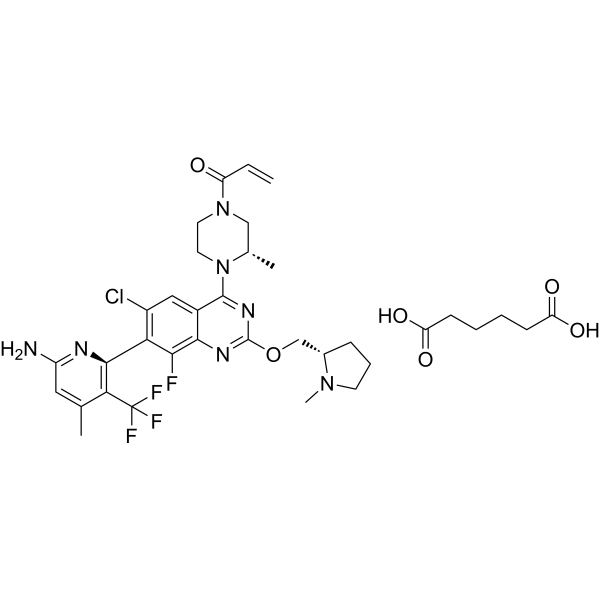
Divarasib (GDC-6036) adipate is an orally active, selective KRASG12C inhibitor with an IC50 of <0.01 μM. Divarasib adipate covalently binds Cys12 in GDP-bound KRASG12C, occupies the switch II pocket, blocks GTP binding and SOS-mediated reactivation, and inhibits oncogenic KRAS signaling. Divarasib adipate induces tumor shrinkage and robust tumor growth inhibition in KRASG12C-positive models and cancer cells. Divarasib adipate can be used for the research of non-small cell lung cancer, colorectal adenocarcinoma, pancreatic ductal adenocarcinoma, and other KRASG12C-mutated solid tumors .
loading...
    loading...
4
4 Cited Publications
Cat. No.: HY-P99058
CAS No.: 1496553-00-4
Synonyms: IMAB362; Claudiximab; GC-182

Target:  

Inhibitory Antibodies

Research Areas:  

Cancer

Zolbetuximab (IMAB362) is a monoclonal antibody targeting Claudin-18.2. Zolbetuximab mediates specific killing of Claudin-18.2-positive cells through immune effector mechanisms. Zolbetuximab can be used for the research of gastrointestinal adenocarcinomas and pancreatic tumors .
loading...
    loading...
4
4 Cited Publications
Cat. No.: HY-101126
CAS No.: 1361951-15-6
Purity:  99.96%
Synonyms: TP-3654
Research Areas:  

Cancer

Nuvisertib (TP-3654) is an orally active second-generation pan-PIM kinase inhibitor with Ki values of 5 nM, 239 nM, and 42 nM against PIM-1, PIM-2, and PIM-3, respectively. Nuvisertib inhibits JAK-independent inflammatory and survival signaling pathways, reduces the production of proinflammatory cytokines, restores apoptotic sensitivity, inhibits mTORC1, MYC, and TGF-β signaling pathways, and decreases the expression of fibrosis markers. Nuvisertib selectively impairs the transport function of ABCG2, resensitizes multidrug-resistant cancer cells to cytotoxic drugs, and overcomes JAK2 inhibitor resistance. Nuvisertib can be used in research related to myelofibrosis, renal cell carcinoma, multidrug-resistant cancer, advanced solid tumors, urothelial carcinoma, and prostate adenocarcinoma .
loading...
    loading...
4
4 Cited Publications
Cat. No.: HY-N2445
CAS No.: 37308-75-1
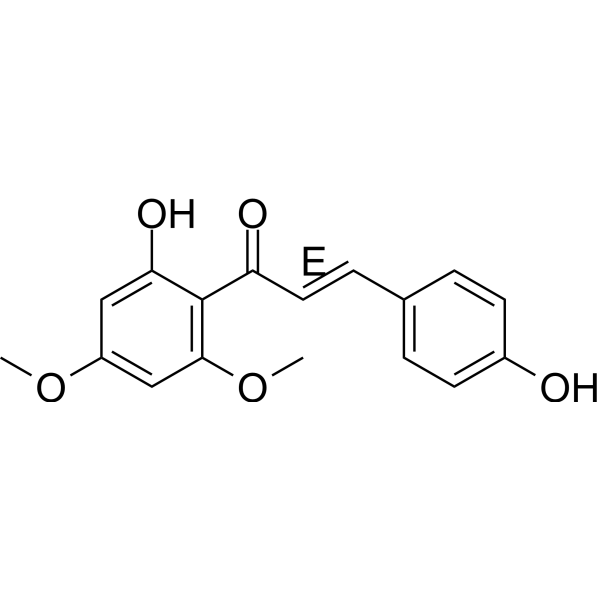
Flavokawain C is an orally active natural chalcone. Flavokawain C inhibits the proliferation of various cancer cells. Flavokawain C upregulates GADD153 in cancer cells, inhibits the phosphorylation of Akt and JNK, suppresses early ERK phosphorylation, activates late ERK phosphorylation, activates caspase related subtypes, induces PARP-1 cleavage, causes upregulation of p21 and p27, downregulation of mutant p53 and anti-apoptotic IAP proteins, elevates intracellular ROS levels, reduces SOD activity, and induces apoptosis. Flavokawain C downregulates FABP4, induces autophagy in cancer cells, and activates the AMPK/mTOR pathway . Flavokawain C decreases the expression of glycolysis-related proteins GLUT1 and HK2, and inhibits glycolysis in nasopharyngeal carcinoma cells. Flavokawain C inhibits the activation of the EGFR/PI3K/Akt/mTOR signaling pathway and reduces the expression of HSP90B1. Flavokawain C inhibits angiogenesis by decreasing the expression of angiogenic proteins Ang-1 and VEGF in human umbilical vein endothelial cells. Flavokawain C increases γ-H2AX levels in cells, inhibits the phosphorylation of FAK, PI3K and AKT in cells, and induces DNA damage in cells. Flavokawain C exerts anti-tumor activity in multiple tumor xenograft mouse models. Flavokawain C is applicable to research related to colorectal cancer, colon adenocarcinoma, nephroblastoma, nasopharyngeal carcinoma and liver cancer .
loading...
    loading...
3
3 Cited Publications
Cat. No.: HY-P99048
CAS No.: 2072873-06-2
Synonyms: IBI308

Target:  

PD-1/PD-L1

Research Areas:  

Inflammation/Immunology Cancer

Sintilimab (IBI308) is a safe and effectivel humanized IgG4 monoclonal antibody that binds to PD-1 with a KD value of 74 pM. Sintilimab blocks the interaction of PD-1 with its ligands (PD-L1 and PL-L2), consequently helping to restore the endogenous antitumour T-cell response. Sintilimab combined with prebiotics inhibits tumor volume and regulates immune cell subpopulation balance in lung adenocarcinoma mice. Sintilimab can be used for the research of classical Hodgkin's lymphoma, non-small cell lung cancer and oesophageal cancer .
loading...
    loading...
3
3 Cited Publications
Cat. No.: HY-70006
CAS No.: 851983-85-2
Synonyms: TOK-001; VN-124-1
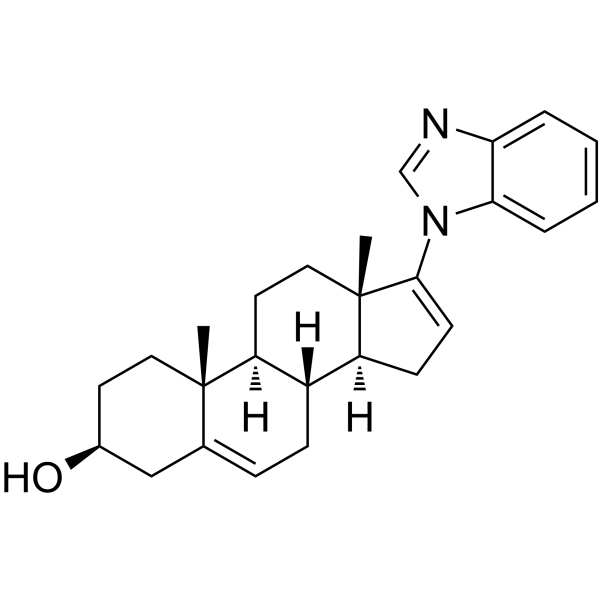
Galeterone (TOK-001) is a potent, orally active molecular glue degrader, which degrades androgen receptor (AR) and its splice variants (AR-Vs) and MAP kinase-interacting serine/threonine protein kinase Mnk1/2. Galeterone also functions as a CYP17 inhibitor (IC50 = 47 nM). Galeterone induces cell apoptosis. Galeterone inhibits tumor growth in human prostate cancer xenograft mouse models. Galeterone can be used for castration resistant prostate cancer (CRPC) and pancreatic ductal adenocarcinoma (PDAC) research [1][2].
loading...
    loading...
2
2 Cited Publications
Cat. No.: HY-146148
CAS No.: 52348-60-4
Purity:  98.99%
Target:  

Histone Demethylase

Research Areas:  

Cancer

KDM4C-IN-1 is a histone lysine demethylase KDM4C inhibitor with an IC50 of 8 nM. KDM4C-IN-1 inhibits cancer cell proliferation. KDM4C-IN-1 can be used in the research of hepatocellular carcinoma and adenocarcinoma alveolar basal epithelial carcinoma .
loading...
    loading...
2
2 Cited Publications
Cat. No.: HY-118119
CAS No.: 938069-71-7
Purity:  99.12%
CAY10526 is an inhibitor of Y-box binding protein 1 (YB-1) and microsomal prostaglandin E2 synthase 1 (mPGES1). CAY10526 inhibits the production of PGE2 by suppressing YB-1 and mPGES1. CAY10526 induces cell apoptosis (apoptosis) and inhibits the JAK/STAT, TGF-β/Smad3 and PI3K/AKT signaling pathways. CAY10526 can be used in research related to melanoma, prostate cancer, esophageal adenocarcinoma, T-cell lymphoma, etc .
loading...
    loading...
2
2 Cited Publications
Cat. No.: HY-146244
CAS No.: 525625-52-9
Purity:  98.32%
Synonyms: ODN 2006; PF-3512676; CpG 7909; ODN 7909
Agatolimod ((ODN 2006; PF-3512676; CpG 7909)) is a TLR9 agonist and immunomodulator with an EC50 of 180 nM against human TLR9. Agatolimod activates and upregulates the expression of both TLR9 and TLR6, and mediates downstream signaling pathways via IRAK4, IRF5, IRF7. Agatolimod induces Th1-type innate and adaptive immune responses, activates various immune cells and promotes antigen presentation, regulates antibody levels and immune cell infiltration, upregulates the secretion of multiple cytokines, induces apoptosis and cell cycle arrest, enhances cytotoxicity, and clears intracellular Salmonella. Agatolimod is applicable to research on COVID-19, breast cancer, lung adenocarcinoma, HPV-related tumors, melanoma, and salmonellosis .
loading...
    loading...
2
2 Cited Publications
Cat. No.: HY-13495
CAS No.: 1404437-62-2
Purity:  99.91%
ML281 is a highly selective inhibitor of serine/threonine kinase 33 (STK33) with an IC50 value of 14 nM. ML281 shows 700-fold selectivity over PKA and 550-fold over AurB. ML281 exerts core mechanism by inhibiting STK33: in small cell lung cancer, ML281 downregulates RPS6/BAD signaling phosphorylation, induces apoptosis, and suppresses proliferation, invasion . ML281 reduces STK33-mediated 4-hydroxyphenylpyruvate dioxygenase (HPD) phosphorylation in tyrosinemia . ML281 is suitable for research on STK33 function, KRAS mutation-related cancers (pancreatic cancer, colon cancer, lung adenocarcinoma, etc.), small cell lung cancer, and tyrosinemia-related damage
loading...
    loading...
2
2 Cited Publications
Cat. No.: HY-103019
CAS No.: 1610408-97-3
Purity:  99.89%
Synonyms: (+)-BAY-1251152; (+)-VIP152; (S)-Enitociclib
Enitociclib ((+)-BAY-1251152; (+)-VIP152) is a selective CDK9 inhibitor (IC50=3 nM) that inhibits transcriptional elongation by blocking Ser2/Ser5 phosphorylation of RNA polymerase II. Enitociclib specifically depletes key short-lived proteins such as c-MYC, MCL-1 and induces tumor cell apoptosis. Enitociclib also interferes with the production of enhancer RNAs (eRNA) and enhancer-promoter interactions, and downregulates oncogene expression at the epigenetic level. Enitociclib exerts synergistic effects with agents including Bortezomib (HY-10227), Lenalidomide (HY-A0003), Pomalidomide (HY-10984), Venetoclax (HY-15531) and Paclitaxel (HY-B0015), and even reverses paclitaxel resistance. Enitociclib serves as a vital research tool for various malignancies such as double-hit diffuse large B-cell lymphoma, multiple myeloma and pancreatic ductal adenocarcinoma .
loading...
    loading...
1
1 Cited Publications
Cat. No.: HY-P99350
CAS No.: 2413817-97-5
Synonyms: AMG 910; Anti-Human CD3xClaudin18 2

Target:  

CD3

Research Areas:  

Cancer

Gresonitamab (AMG 910) is a half-life extended (HLE) bispecific T-cell engager (BiTE) antibody targets CD3-positive T cells and CLDN18.2-expressing tumor cells. Gresonitamab can be used for the research of adenocarcinoma .
loading...
    loading...
1
1 Cited Publications
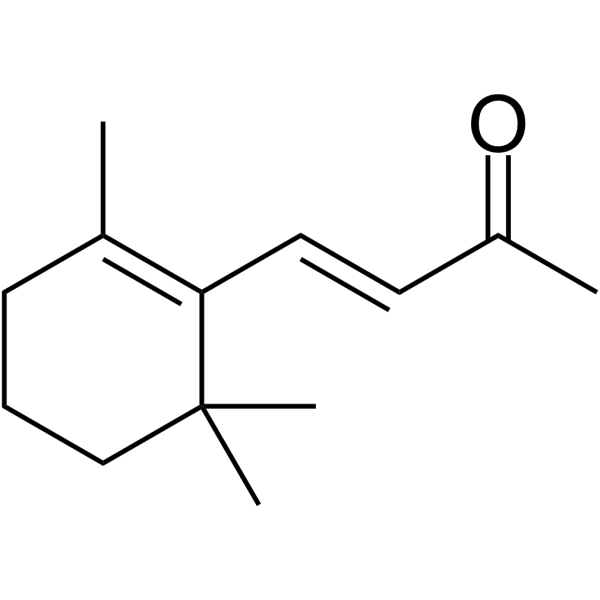
Cat. No.: HY-W015084
CAS No.: 14901-07-6
β-Ionone is effective in the induction of apoptosis in gastric adenocarcinoma SGC7901 cells. Anti-cancer activity .
loading...
    loading...
1
1 Cited Publications
Cat. No.: HY-W012985
CAS No.: 600-22-6
Methyl pyruvate is a p53/p21 axis inhibitor, intrinsic apoptosis inhibitor, cytotoxic agent, ATP production enhancer, proteasome function restorer, TDP-43 localization normalizer, ATP-sensitive potassium (K +ATP) channel inhibitor, depolarizer, and insulin secretagogue .Methyl pyruvate turns off apoptotic pathways, induces cancer cell death, acts as a substrate for dimeric dihydrodiol dehydrogenase, enhances TCA cycle activity, rescues proteasome impairment and TDP-43 mislocalization, inhibits K +ATP channels independent of ATP, depolarizes pancreatic β-cell membranes, modulates insulin secretion, and enters pancreatic β-cell mitochondria via a specific transporter .Methyl pyruvate can be used for the research of lung adenocarcinoma, ovarian clear cell adenocarcinoma, breast adenocarcinoma, amyotrophic lateral sclerosis, and type II diabetes .
loading...
    loading...
1
1 Cited Publications
Cat. No.: HY-124745
CAS No.: 1228280-29-2
Purity:  99.88%
Target:  

MAP4K Wnt Apoptosis

Research Areas:  

Cancer

KY-05009 is an ATP-competitive Traf2- and Nck-interacting kinase (TNIK) inhibitor with a Ki of 100 nM. KY-05009 pharmacologically inhibits TGF-β1-induced epithelial-to-mesenchymal transition (EMT) in human lung adenocarcinoma cells. KY-05009 inhibits the protein expression of TNIK and transcriptional activity of Wnt target genes and induces apoptosis in cancer cells. KY-05009 exerts anti-cancer activity .
loading...
    loading...

