869 Results for "

and melanoma

" in MedChemExpress (MCE) Product Catalog:
Products (869)

869 Results for "and melanoma" in MCE Product Catalog:

316
316 Publications Verification
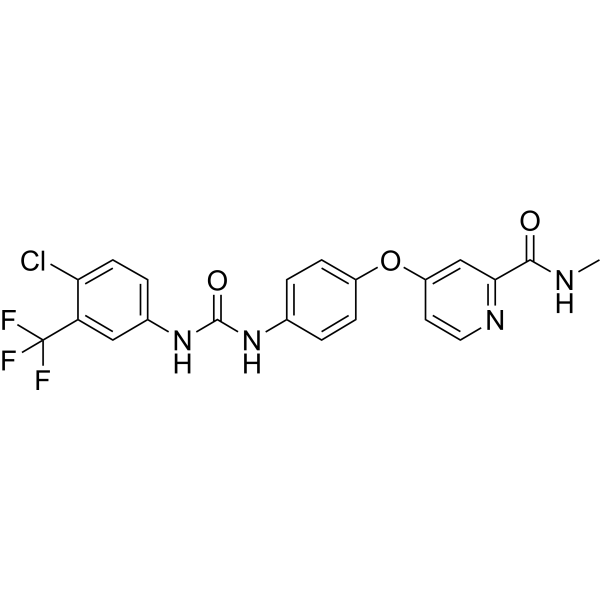
Cat. No.: HY-10201
CAS No.: 284461-73-0
Purity:  99.92%
Synonyms: Bay 43-9006
Sorafenib (Bay 43-9006) is a potent oral active multikinase inhibitor. Sorafenib blocks autophosphorylation and activity of receptor tyrosine kinases (VEGFR-2, VEGFR-3) and RAF family kinases, thereby suppressing the RAF/MEK/ERK and PI3K/Akt pathways, inhibiting STAT3 phosphorylation, and selectively inhibiting the MAPK pathway in cancer cells. Sorafenib induces cell cycle arrest, autophagy, apoptosis, and PARP cleavage, reduces Bcl-2, Bcl-XL, cyclin D1 levels, and activates Bak and Bax. Sorafenib inhibits tumor growth and metastasis in mouse and rat models. Sorafenib can be used for cancer research, such as colon, breast, non-small-cell lung cancer (NSCLC), ovarian, pancreatic, melanoma, colorectal and hepatocellular carcinoma .
loading...
    loading...
316
316 Publications Verification
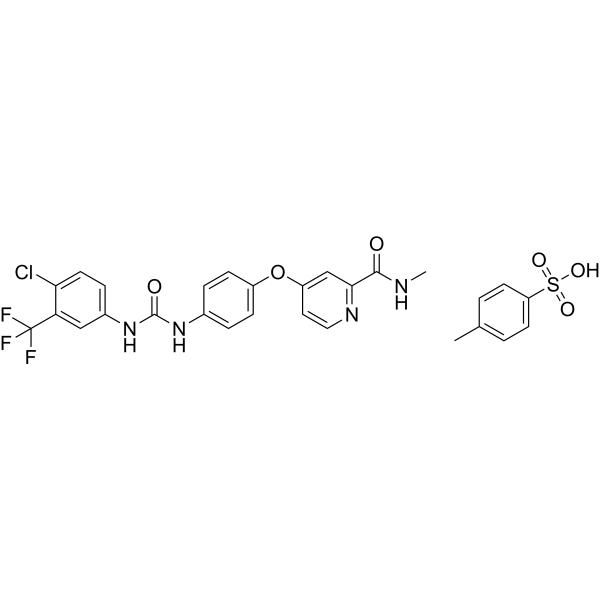
Cat. No.: HY-10201A
CAS No.: 475207-59-1
Purity:  99.75%
Synonyms: Bay 43-9006 tosylate
Sorafenib (Bay 43-9006) tosylate is a potent oral active multikinase inhibitor. Sorafenib blocks autophosphorylation and activity of receptor tyrosine kinases (VEGFR-2, VEGFR-3) and RAF family kinases, thereby suppressing the RAF/MEK/ERK and PI3K/Akt pathways, inhibiting STAT3 phosphorylation, and selectively inhibiting the MAPK pathway in cancer cells. Sorafenib tosylate induces cell cycle arrest, autophagy, apoptosis, and PARP cleavage, reduces Bcl-2, Bcl-XL, cyclin D1 levels, and activates Bak and Bax. Sorafenib tosylate inhibits tumor growth and metastasis in mouse and rat models. Sorafenib tosylate can be used for cancer research, such as colon, breast, non-small-cell lung cancer (NSCLC), ovarian, pancreatic, melanoma, colorectal and hepatocellular carcinoma .
loading...
    loading...
131
131 Cited Publications
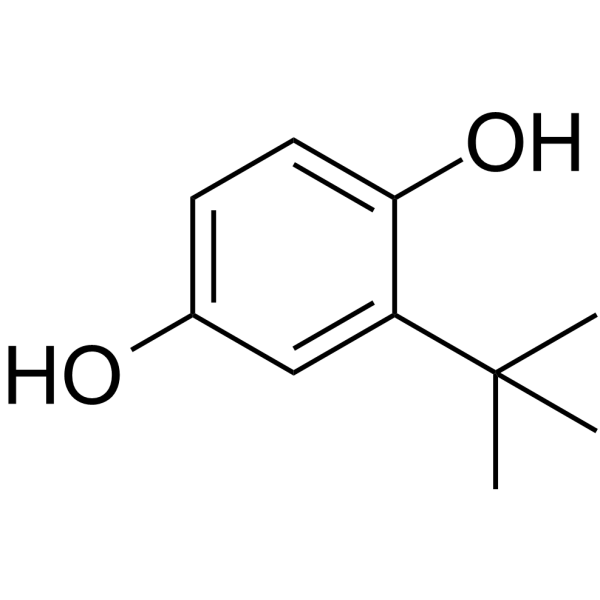
Cat. No.: HY-100489
CAS No.: 1948-33-0
Purity:  99.89%
Synonyms: tert-Butylhydroquinone
TBHQ (tert-Butylhydroquinone) is a widely used Nrf2 activator, protects against Doxorubicin (DOX)-induced cardiotoxicity through activation of Nrf2 . TBHQ (tert-Butylhydroquinone) is also an ERK activator; rescues Dehydrocorydaline (DHC)-induced cell proliferation inhibitionin melanoma .
loading...
    loading...
79
79 Cited Publications
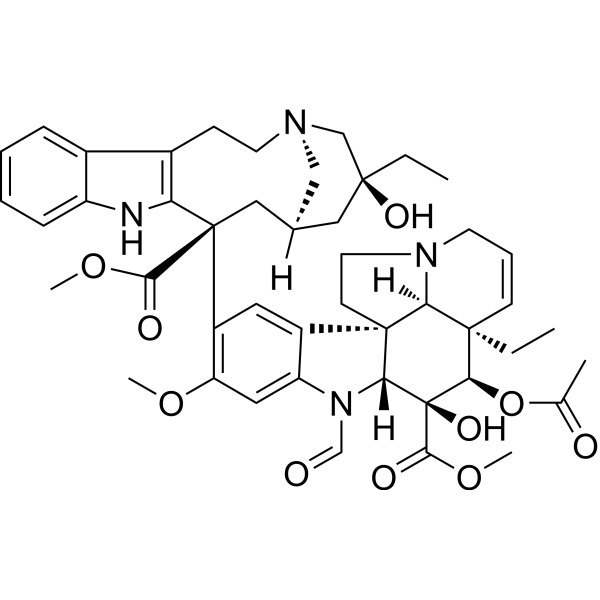
Cat. No.: HY-N0488A
CAS No.: 57-22-7
Synonyms: Leurocristine; NSC-67574; 22-Oxovincaleukoblastine
Vincristine (Leurocristine; NSC-67574; 22-Oxovincaleukoblastine) is a microtubule inhibitor that disrupts microtubule polymerization by binding to β-tubulin (with a Ki of 85 nM in bovine), arrests the cell cycle and induces apoptosis. Vincristine inhibits cell replication, tumor blood flow and the proliferation of various cancer cells, while triggering effects such as oxidative stress, inflammation, calcium overload, epithelial-mesenchymal transition and peripheral neuropathic pain. Vincristine upregulates the expression of various transporters and nuclear receptors, and enriches gastric cancer stem-like cells. Vincristine is used in research related to various tumors including acute lymphoblastic leukemia, lymphoma, melanoma, gastric cancer, solid tumors and sarcomas .
loading...
    loading...
79
79 Cited Publications
Cat. No.: HY-N0488
CAS No.: 2068-78-2
Synonyms: Leurocristine sulfate; NSC-67574 sulfate; 22-Oxovincaleukoblastine sulfate
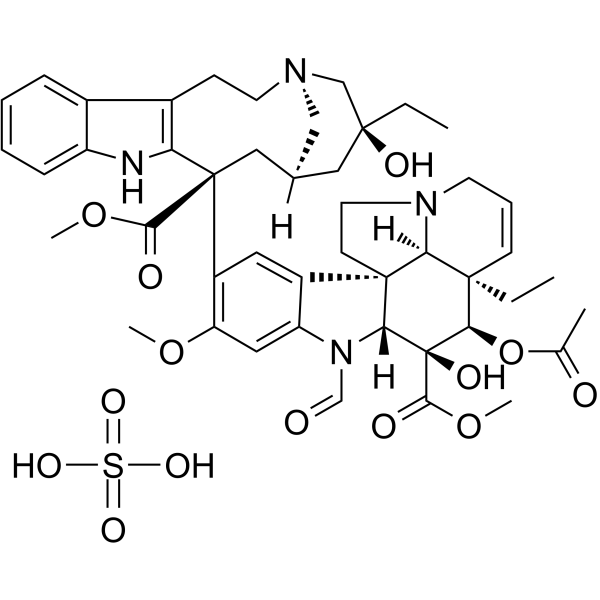
Vincristine (Leurocristine; NSC-67574; 22-Oxovincaleukoblastine) sulfate is a microtubule inhibitor that disrupts microtubule polymerization by binding to β-tubulin (with a Ki of 85 nM in bovine), arrests the cell cycle and induces apoptosis. Vincristine sulfate inhibits cell replication, tumor blood flow and the proliferation of various cancer cells, while triggering effects such as oxidative stress, inflammation, calcium overload, epithelial-mesenchymal transition and peripheral neuropathic pain. Vincristine sulfate upregulates the expression of various transporters and nuclear receptors, and enriches gastric cancer stem-like cells. Vincristine sulfate is used in research related to various tumors including acute lymphoblastic leukemia, lymphoma, melanoma, gastric cancer, solid tumors and sarcomas .
loading...
    loading...
75
75 Cited Publications
Cat. No.: HY-16141
CAS No.: 188968-51-6
Synonyms: EMD 121974
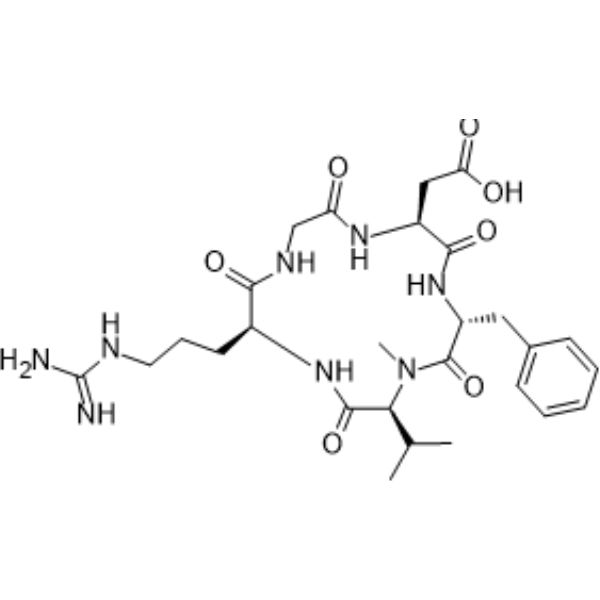
Cilengitide (EMD 121974) is an integrin (integrin) inhibitor with blood-brain barrier permeability, with IC50 values against human targets as follows: 0.61 nM for αvβ3, 8.4 nM for αvβ5, 14.9 nM for α5β1, 5400 nM for αIIbβ3, 2050 nM for αvβ6, 2350 nM for αvβ8. Cilengitide inhibits the binding of integrins to vitronectin, fibronectin, fibrinogen and LAP (TGF-β), and serves as an internal standard for solid-phase integrin binding assays. Cilengitide inhibits tumor cell viability, induces apoptosis, reduces the phosphorylation levels of STAT3, AKT and mTOR, downregulates the expression of PD-L1, inhibits cell viability and angiogenesis, regulates anti-tumor immune responses and slows tumor growth. Cilengitide can be used in research related to glioblastoma, melanoma, advanced solid tumors and refractory brain tumors .
loading...
    loading...
75
75 Cited Publications
Cat. No.: HY-16143
CAS No.: 199807-35-7
Synonyms: EMD 121974 TFA
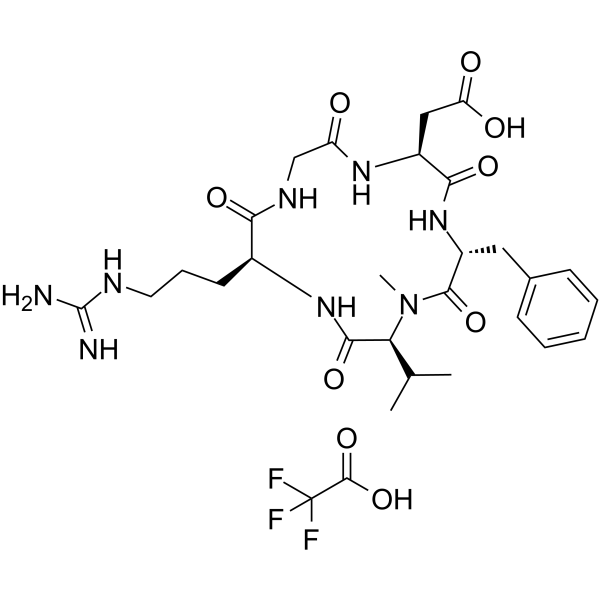
Cilengitide TFA (EMD 121974 TFA) is an integrin (integrin) inhibitor with blood-brain barrier permeability, with IC50 values against human targets as follows: 0.61 nM for αvβ3, 8.4 nM for αvβ5, 14.9 nM for α5β1, 5400 nM for αIIbβ3, 2050 nM for αvβ6, 2350 nM for αvβ8. Cilengitide TFA inhibits the binding of integrins to vitronectin, fibronectin, fibrinogen and LAP (TGF-β), and serves as an internal standard for solid-phase integrin binding assays. Cilengitide TFA inhibits tumor cell viability, induces apoptosis, reduces the phosphorylation levels of STAT3, AKT and mTOR, downregulates the expression of PD-L1, inhibits cell viability and angiogenesis, regulates anti-tumor immune responses and slows tumor growth. Cilengitide TFA can be used in research related to glioblastoma, melanoma, advanced solid tumors and refractory brain tumors .
loading...
    loading...
56
56 Cited Publications
Cat. No.: HY-13328
CAS No.: 1224844-38-5
Purity:  99.63%
Synonyms: INK-128; MLN0128; TAK-228
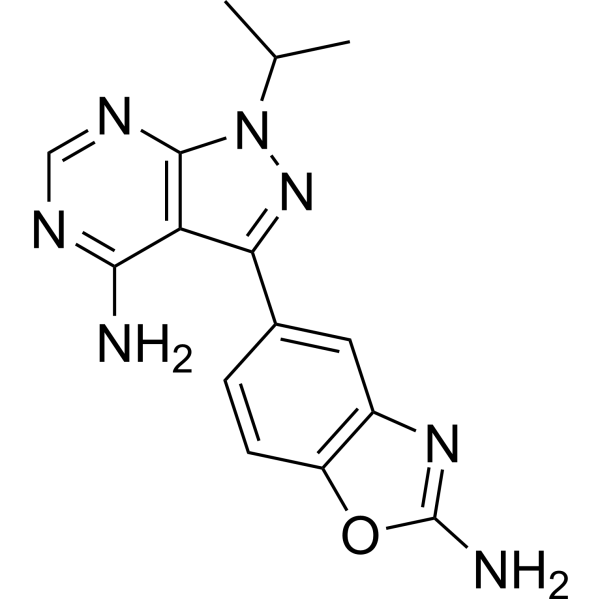
Sapanisertib (INK-128; MLN0128; TAK-228) is an orally active dual mTORC1/mTORC2 inhibitor. Sapanisertib directly and simultaneously inhibits mTORC1/2 activity through competitive binding with ATP, thereby comprehensively blocking downstream processes such as protein and lipid synthesis and cytoskeletal reorganization, consequently suppressing tumor cell proliferation and promoting apoptosis. Sapanisertib is applicable to research on melanoma, ovarian cancer, pulmonary fibrosis, and hematological malignancies .
loading...
    loading...
54
54 Cited Publications
Cat. No.: HY-15816A
CAS No.: 1956366-10-1
Purity:  99.89%
Synonyms: BVD-523 hydrochloride; VRT752271 hydrochloride
Target:  

ERK

Research Areas:  

Cancer

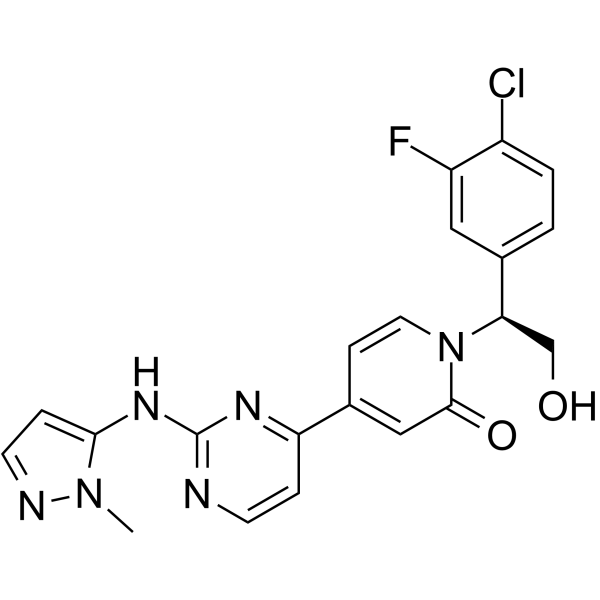
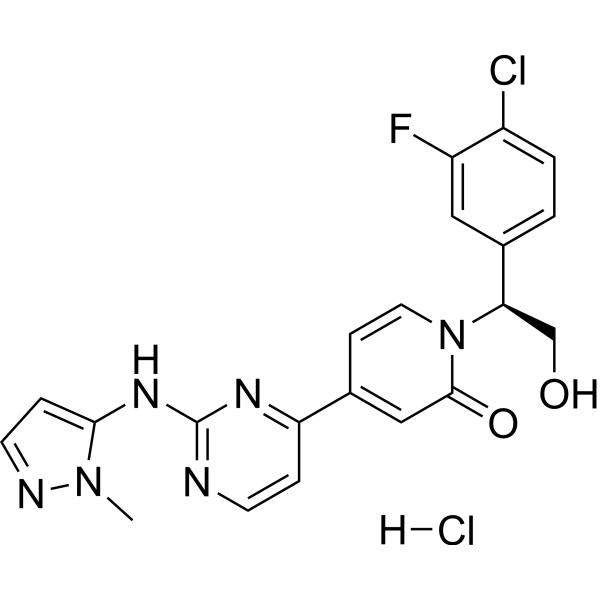
Ulixertinib hydrochloride (BVD-523 hydrochloride) is a potent, orally active, highly selective, ATP-competitive and reversible covalent inhibitor of ERK1/2 kinases, with an IC50 of <0.3 nM against ERK2. Ulixertinib hydrochloride inhibits the phosphorylated ERK2 (pERK) and downstream kinase RSK (pRSK) in an A375 melanoma cell line .
loading...
    loading...
54
54 Cited Publications
Cat. No.: HY-15816
CAS No.: 869886-67-9
Purity:  99.95%
Synonyms: BVD-523; VRT752271
Target:  

ERK

Research Areas:  

Cancer

Ulixertinib (BVD-523; VRT752271) is a potent, orally active, highly selective, ATP-competitive and reversible covalent inhibitor of ERK1/2 kinases, with an IC50 of <0.3 nM against ERK2. Ulixertinib (BVD-523; VRT752271) inhibits the phosphorylated ERK2 (pERK) and downstream kinase RSK (pRSK) in an A375 melanoma cell line .
loading...
    loading...
52
52 Cited Publications
Cat. No.: HY-15947
CAS No.: 1453848-26-4
Synonyms: GDC-0994
Research Areas:  

Cancer

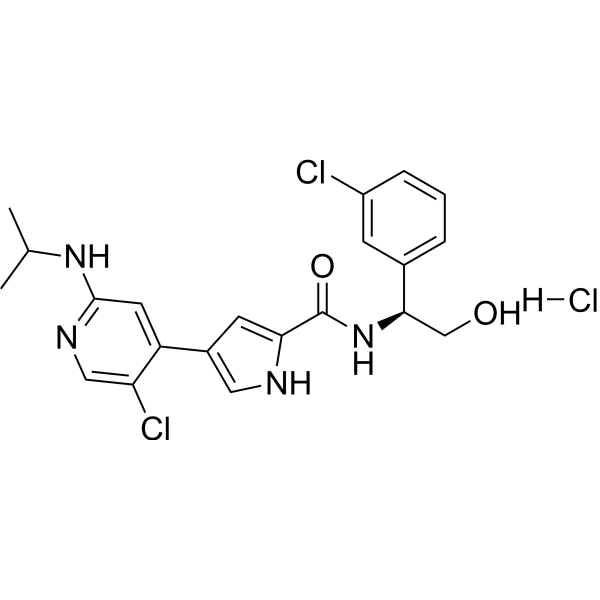
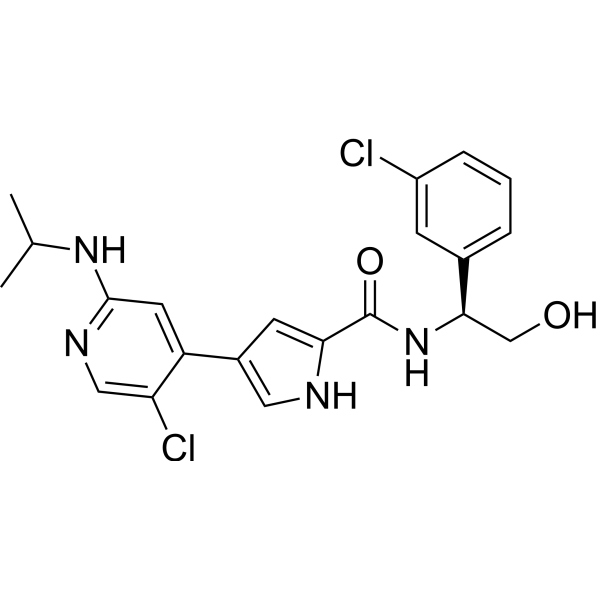
Ravoxertinib (GDC-0994) is an orally active ERK1/2 inhibitor. Ravoxertinib inhibits the ERK1/2 MAPK signaling pathway and reduces the expression levels of c-Myc, HK2 and LDHA. Ravoxertinib decreases mammosphere formation, and exerts additive and/or superadditive cytotoxicity when combined with Ipatasertib (HY-15186) in 3D tumor sphere models. Ravoxertinib can be used in research related to various cancers including breast cancer, melanoma, head and neck cancer, non-small cell lung cancer, ovarian cancer and Merkel cell carcinoma .
loading...
    loading...
52
52 Cited Publications
Cat. No.: HY-15947A
CAS No.: 2070009-58-2
Synonyms: GDC-0994 hydrochloride
Research Areas:  

Cancer

Ravoxertinib hydrochloride (GDC-0994 hydrochloride) is an orally active ERK1/2 inhibitor. Ravoxertinib hydrochloride inhibits the ERK1/2 MAPK signaling pathway and reduces the expression levels of c-Myc, HK2 and LDHA. Ravoxertinib hydrochloride decreases mammosphere formation, and exerts additive and/or superadditive cytotoxicity when combined with Ipatasertib (HY-15186) in 3D tumor sphere models. Ravoxertinib hydrochloride can be used in research related to various cancers including breast cancer, melanoma, head and neck cancer, non-small cell lung cancer, ovarian cancer and Merkel cell carcinoma .
loading...
    loading...
52
52 Cited Publications
Cat. No.: HY-15676
CAS No.: 1229705-06-9
Purity:  99.93%
Synonyms: RG7388
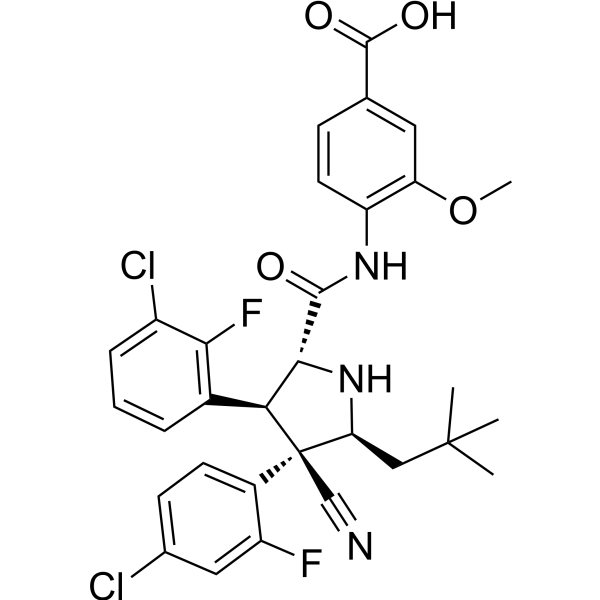
Idasanutlin (RG7388) is an orally bioavailable MDM2 inhibitor with an IC50 of 6 nM. Idasanutlin disrupts MDM2-p53 binding, stabilizes and activates p53, triggering cell cycle arrest, apoptosis, and reduced cancer cell viability. Idasanutlin reduces EGFR protein expression and phosphorylation, suppresses downstream SHP2, MEK1/2, ERK1/2, AKT, mTOR, p70(S6K1), and S6 signaling. Idasanutlin induces mitochondrial ROS production, drives p38 MAPK phosphorylation, upregulates NOXA, and mediates caspase-3-dependent apoptosis and gasdermin E-mediated pyroptosis. Idasanutlin can be used for the research of TP53-mutant non-small cell lung cancer, T-cell acute lymphoblastic leukemia, colorectal carcinoma, melanoma, diffuse large B-cell lymphoma, mantle cell lymphoma, non-Hodgkin lymphoma, severe fever with thrombocytopenia syndrome, neuroblastoma, acute lymphoblastic leukemia, relapsed or refractory acute myeloid leukemia, osteosarcoma, solid tumors, and hematological tumors .
loading...
    loading...
25
25 Cited Publications
Cat. No.: HY-N0289
CAS No.: 2188-68-3
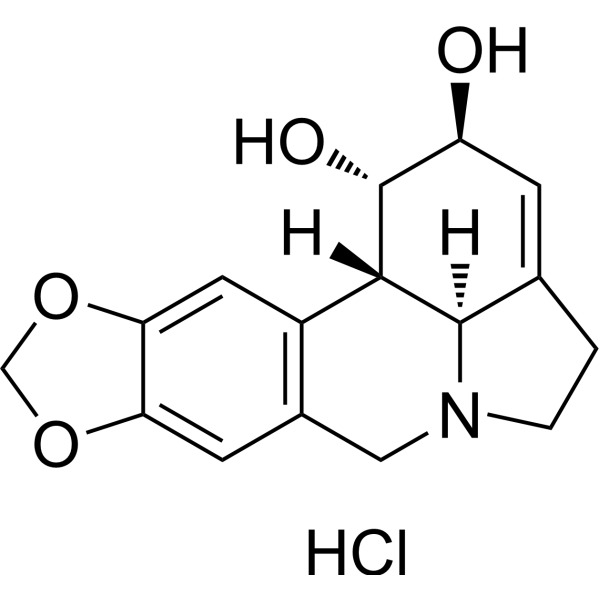
Lycorine hydrochloride is the main active ingredient of the herbal medicine derived from Lycoris radiata (L’Her.) Herb. and is also a melanoma vasculogenic inhibitor and has anti-tumor activity . Lycorine hydrochloride effectively inhibits mitotic proliferation of Hey1B cells (IC50 of 1.2 μM) .
loading...
    loading...
25
25 Cited Publications
Cat. No.: HY-N0288
CAS No.: 476-28-8
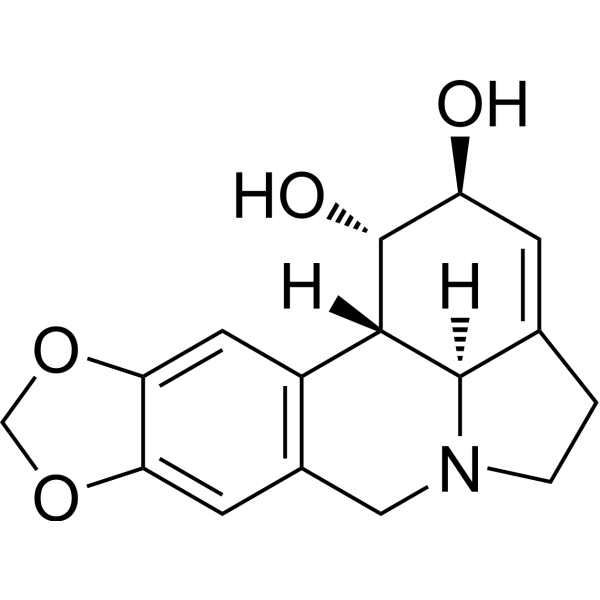
Lycorine is a natural alkaloid extracted from the Amaryllidaceae plant. Lycorine is a potent and orally active SCAP inhibitor with a Kd value 15.24 nM. Lycorine downregulates the SCAP protein level without changing its transcription . Lycorine is also a melanoma vasculogenic inhibitor . Lycorine can be used for the study of prostate cancer and metabolic diseases .
loading...
    loading...
22
22 Cited Publications
Cat. No.: HY-A0129
CAS No.: 51-74-1
Synonyms: Histamine diphosphate
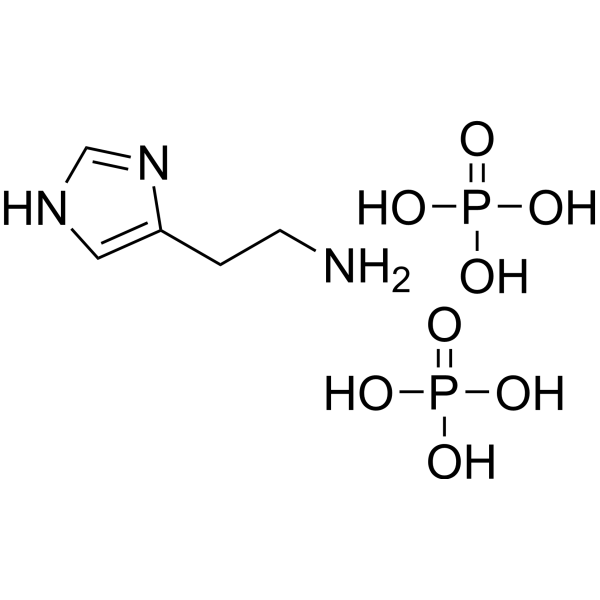
Histamine phosphate is the agonist for histamine receptor and a vasodilator. Histamine phosphate is an organic nitrogen compound that participates in local immune responses, regulates intestinal physiological functions, and acts as a neurotransmitter. Histamine phosphate affects p38 MAPK/Akt signaling pathway, exhibits antitumor, antioxidant and anti-inflammatory activities. Histamine phosphate can be used in the research of acute myeloid leukemia, malignant melanoma, and renal cell carcinoma .
loading...
    loading...
22
22 Cited Publications
Cat. No.: HY-B0722
CAS No.: 56-92-8
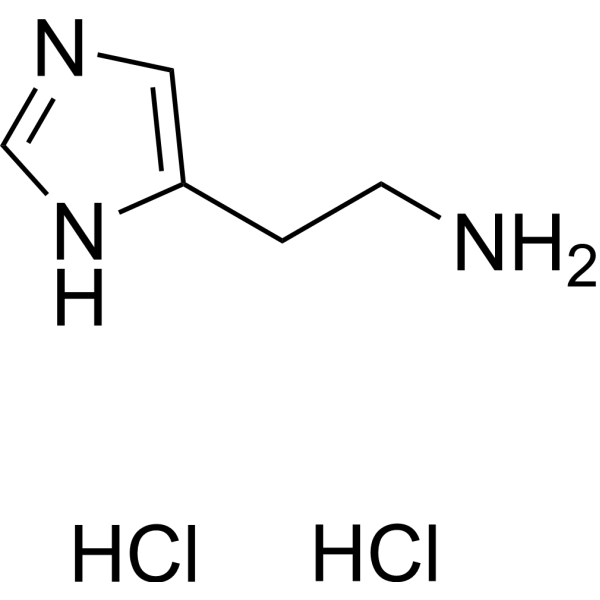
Histamine dihydrochloride is the agonist for histamine receptor and a vasodilator. Histamine dihydrochloride is an organic nitrogen compound that participates in local immune responses, regulates intestinal physiological functions, and acts as a neurotransmitter. Histamine dihydrochloride affects p38 MAPK/Akt signaling pathway, exhibits antitumor, antioxidant and anti-inflammatory activities. Histamine dihydrochloride can be used in the research of acute myeloid leukemia, malignant melanoma, and renal cell carcinoma .
loading...
    loading...
22
22 Cited Publications
Cat. No.: HY-B1204
CAS No.: 51-45-6
Synonyms: Ergamine
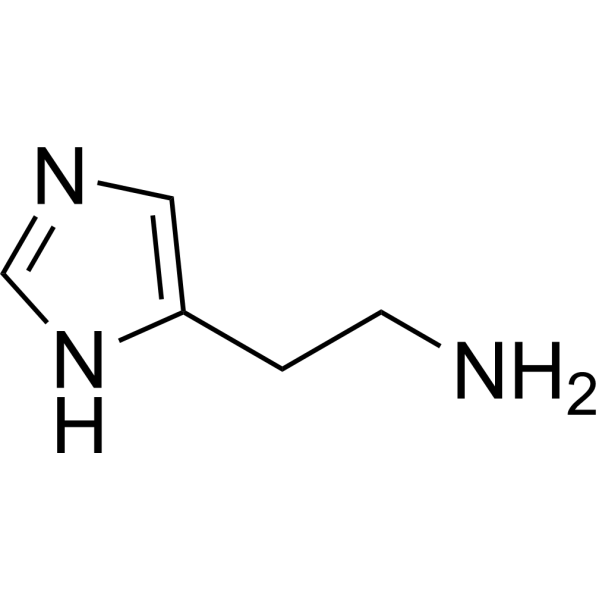
Histamine is the agonist for histamine receptor and a vasodilator. Histamine is an organic nitrogen compound that participates in local immune responses, regulates intestinal physiological functions, and acts as a neurotransmitter. Histamine affects p38 MAPK/Akt signaling pathway, exhibits antitumor, antioxidant and anti-inflammatory activities. Histamine can be used in the research of acute myeloid leukemia, malignant melanoma, and renal cell carcinoma .
loading...
    loading...
21
21 Cited Publications
Cat. No.: HY-106376A
CAS No.: 83730-53-4
Purity:  99.35%
Synonyms: L-Buthionine sulfoximine; L-BSO
Target:  

Ferroptosis

Research Areas:  

Cancer

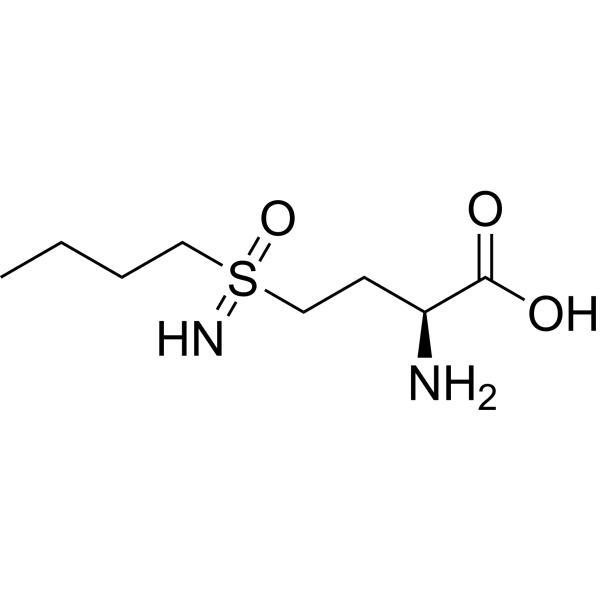
L-Buthionine-(S,R)-sulfoximine is a cell-permeable, potent, fast acting and irreversible inhibitor of g-glutamylcysteine synthetase and depletes cellular glutathione levels. The IC50 value of L-Buthionine-(S,R)-sulfoximine on melanoma, breast and ovarian tumor specimens are 1.9 μM, 8.6 μM, and 29 μM, respectively.
loading...
    loading...
21
21 Cited Publications
Cat. No.: HY-106376C
Purity:  ≥98.0%
Synonyms: L-Buthionine sulfoximine hydrochloride; L-BSO hydrochloride
Target:  

Ferroptosis

Research Areas:  

Metabolic Disease Cancer

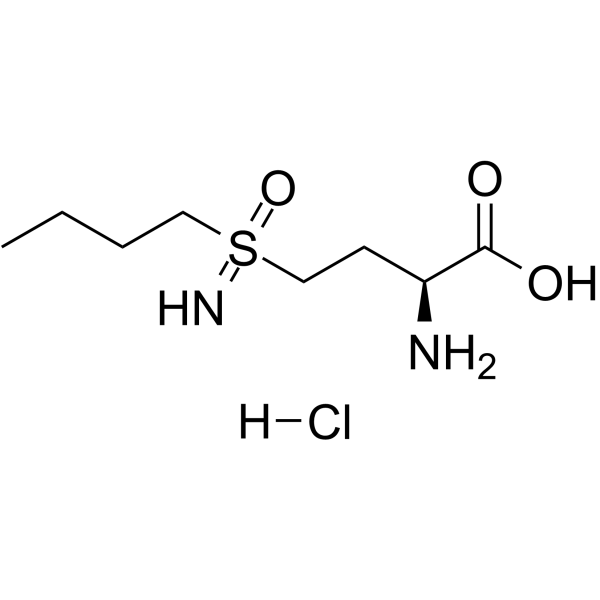
L-Buthionine-(S,R)-sulfoximine hydrochloride is a cell-permeable, potent, fast acting, orally active and irreversible inhibitor of g-glutamylcysteine synthetase and depletes cellular glutathione levels. The IC50 value of L-Buthionine-(S,R)-sulfoximine on melanoma, breast and ovarian tumor specimens are 1.9 μM, 8.6 μM, and 29 μM, respectively .
loading...
    loading...

