100 Results for "

antibacterial metabolite

" in MedChemExpress (MCE) Product Catalog:
Products (100)

100 Results for "antibacterial metabolite" in MCE Product Catalog:

3
3 Cited Publications
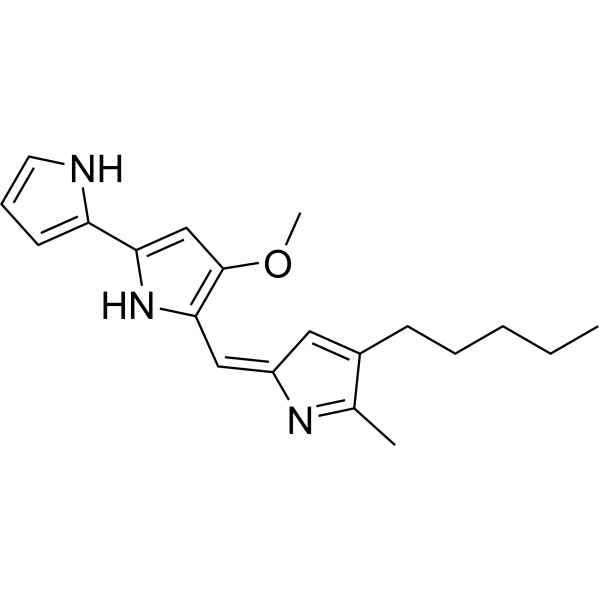
Cat. No.: HY-100711
CAS No.: 82-89-3
Purity:  99.89%
Synonyms: Prodigiosine; NSC47147
Prodigiosin (Prodigiosine) is a red pigment produced by bacteria as a bioactive secondary metabolite. Prodigiosin is a potent inhibitor of the Wnt/β-catenin pathway. Prodigiosin has antibacterial, antifungal, antiprotozoal, antimalarial, immunosuppressive, and anticancer properties .
loading...
    loading...
3
3 Cited Publications
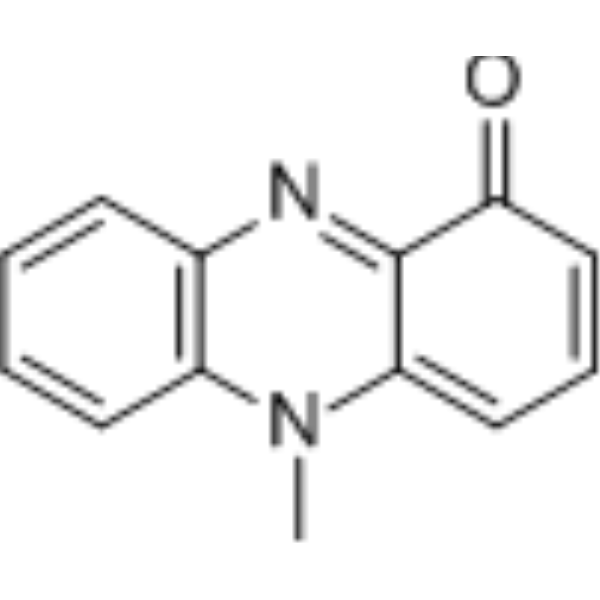
Cat. No.: HY-111278
CAS No.: 85-66-5
Purity:  99.23%
Synonyms: Pyocyanine; Sanazin; Sanasin
Pyocyanin (Pyocyanine) is a toxic, quorum sensing (QS) controlled metabolite produced by Pseudomonas aeruginosa. Pyocyanin is a REDOX active compound that promotes the production of reactive oxygen species (ROS). Pyocyanin has antibacterial and anti-inflammatory activity .
loading...
    loading...
3
3 Cited Publications
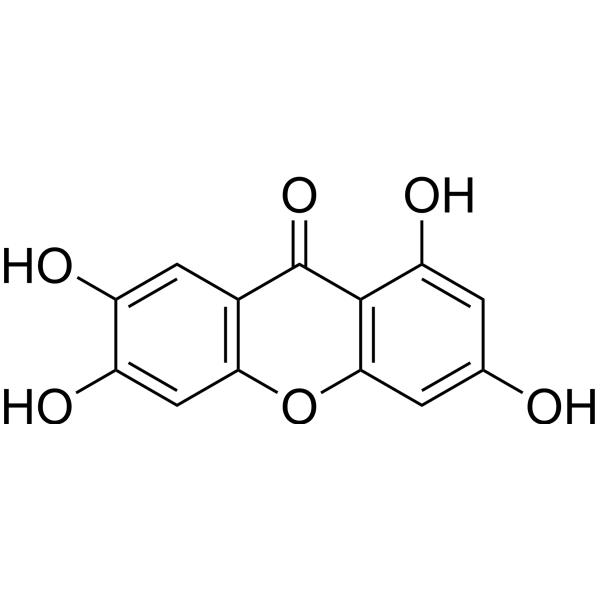
Cat. No.: HY-N1029
CAS No.: 3542-72-1
Synonyms: Mangiferitin
Norathyriol (Mangiferitin) is a natural metabolite of Mangifera. Norathyriol inhibits α-glucosidase in a noncompetitive manner with an IC50 of 3.12 μM . Norathyriol inhibits PPARα, PPARβ, and PPARγ with IC50s of 92.8 µM, 102.4 µM, and 153.5 µM, respectively . Antioxidant, anticancer, antimicrobial, anti-inflammatory, anti-bacterial activities.
loading...
    loading...
3
3 Cited Publications
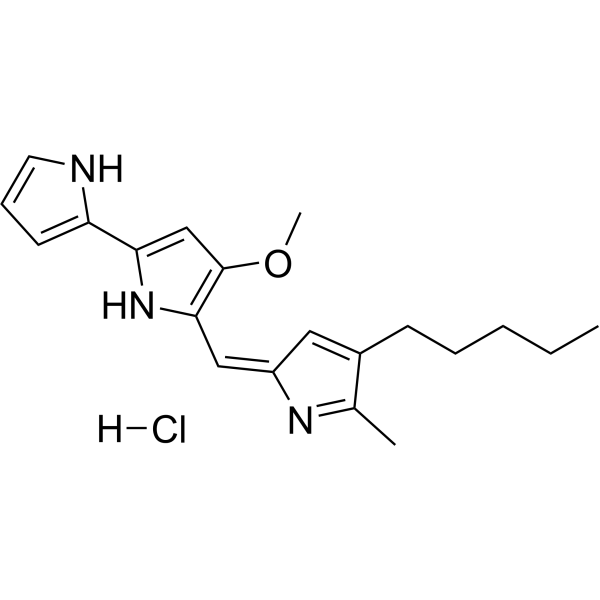
Cat. No.: HY-100711A
CAS No.: 56144-17-3
Purity:  98.00%
Synonyms: Prodigiosine hydrochloride
Prodigiosin (Prodigiosine) hydrochloride is a red pigment produced by bacteria as a bioactive secondary metabolite. Prodigiosin hydrochloride is a potent proapoptotic agent, and inhibits Wnt/β-catenin pathway. Prodigiosin hydrochloride has antibacterial, antifungal, antiprotozoal, antimalarial, immunosuppressive, and anticancer properties .
loading...
    loading...
2
2 Cited Publications
Cat. No.: HY-B0212
CAS No.: 144-83-2
Target:  

Bacterial Antibiotic

Research Areas:  

Infection Inflammation/Immunology

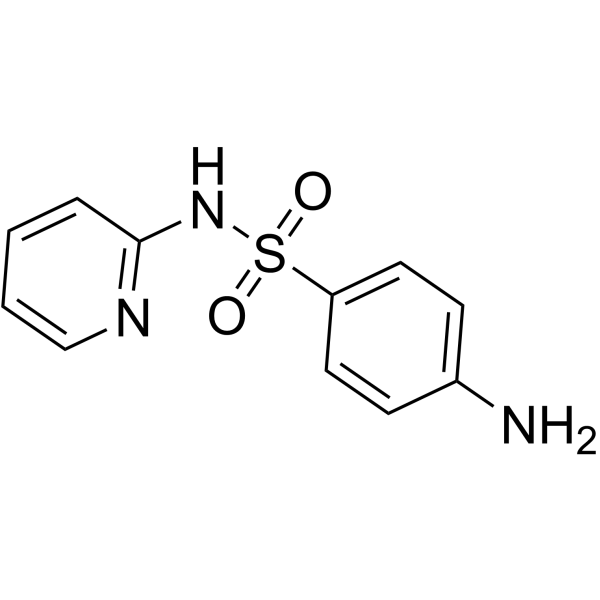
Sulfapyridine, a major metabolite of Sulfasalazine, is a sulfonamide antibiotic agent. Sulfapyridine inhibits recombinant P. carinii dihydropteroate synthetase (DHPS) with an IC50 of 0.18 μM. Sulfapyridine has antibacterial, anti-inflammatory and anti-rheumatic activities .
loading...
    loading...
2
2 Cited Publications
Cat. No.: HY-N0656
CAS No.: 125-46-2
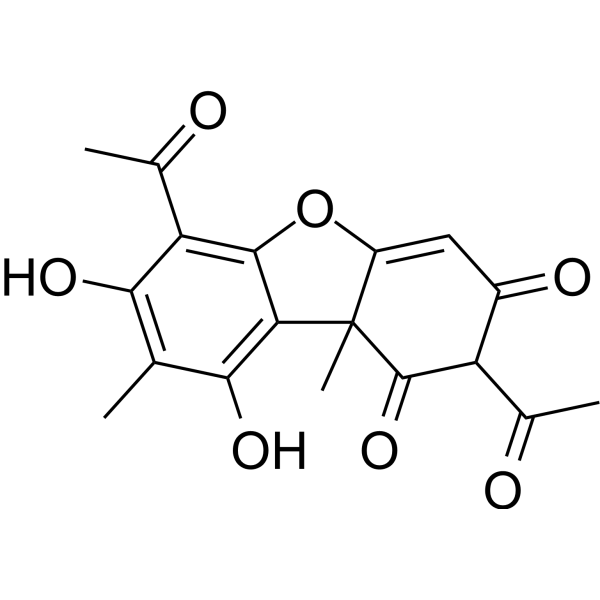
Usnic acid is a secondary metabolite of lichens with a unique dibenzofuran skeleton. Usnic acid inhibits DNA/RNA synthesis and has antibacterial activity. Usnic acid induces cell cycle arrest and apoptosis and has anticancer activity. Usnic acid inhibits RANKL-mediated osteoclast formation and function by reducing the transcriptional and translational expression of NFATc1. Usnic acid has antioxidant and anti-inflammatory activities by inhibiting lipid peroxidation and myeloperoxidase .
loading...
    loading...
1
1 Cited Publications
Cat. No.: HY-101411
CAS No.: 3025-96-5
Purity:  ≥98.0%
Synonyms: N-acetyl GABA
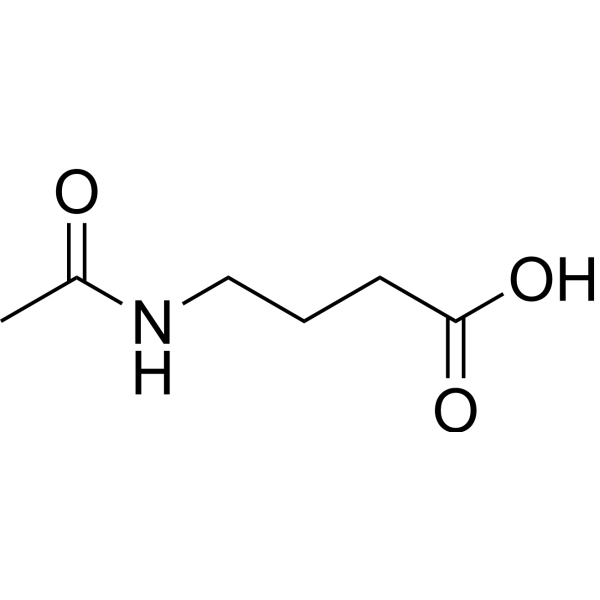
4-Acetamidobutanoic acid (N-acetyl GABA), the main metabolite of GABA, exhibits antioxidant and antibacterial activities .
loading...
    loading...
1
1 Cited Publications
Cat. No.: HY-N2040
CAS No.: 7755-01-3
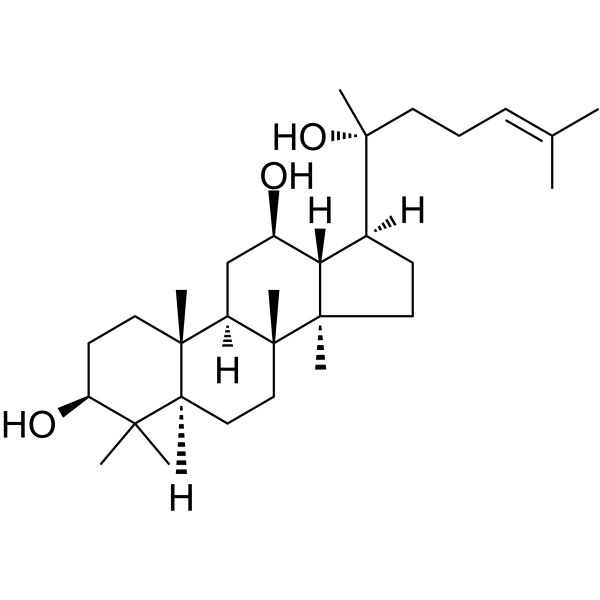
(20R)-Protopanaxadiol is a metabolite of ginsenosides. (20R)-Protopanaxadiol has anti-inflammatory and antibacterial activities, but shows no significant cytotoxicity against tumor cell lines. In addition, (20R)-Protopanaxadiol can inhibit the uptake of 2-deoxy-D-glucose (2-DG) .
loading...
    loading...
1
1 Cited Publications
Cat. No.: HY-107858
CAS No.: 93-03-8
Purity:  99.98%
Synonyms: 3,4-Dimethoxybenzyl alcohol
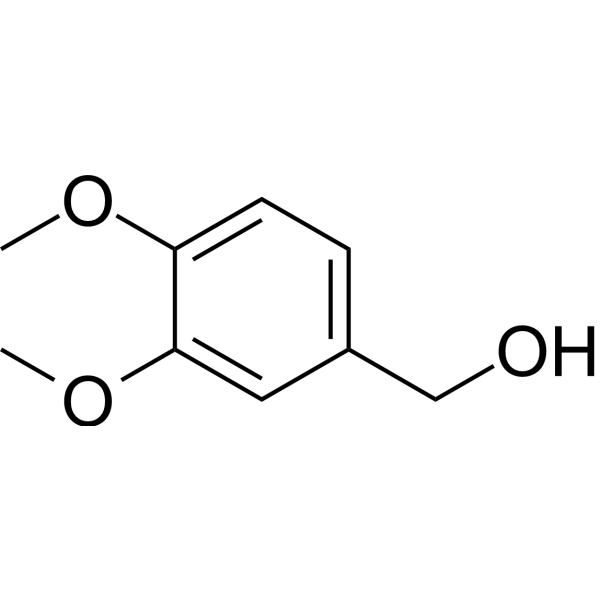
Veratryl alcohol (3,4-Dimethoxybenzyl alcohol) is a secondary metabolite of lignin-degrading fungi, commonly used as a substrate for lignin peroxidase (LiP) to measure lignin degradation activity. Veratryl alcohol protects LiP from inactivation by H2O2 and prevents the accumulation of LiP III compounds. Veratryl alcohol also acts as a stabilizer for manganese-dependent peroxidases (MnP). Veratryl alcohol is a quorum-sensing inhibitor (QSI) and exhibits antibacterial efficacy .
loading...
    loading...
1
1 Cited Publications
Cat. No.: HY-78542
CAS No.: 220347-05-7
Synonyms: AR-C124910
Target:  

Bacterial

Research Areas:  

Infection Cardiovascular Disease

Deshydroxyethoxy ticagrelor (AR-C124910) is a metabolite of Ticagrelor (HY-10064) with antimicrobial and antiplatelet activities against MRSA .
loading...
    loading...
Cat. No.: HY-P1939
CAS No.: 2873-36-1
Synonyms: Cyclo(L-prolyl-L-leucyl)
Research Areas:  

Infection

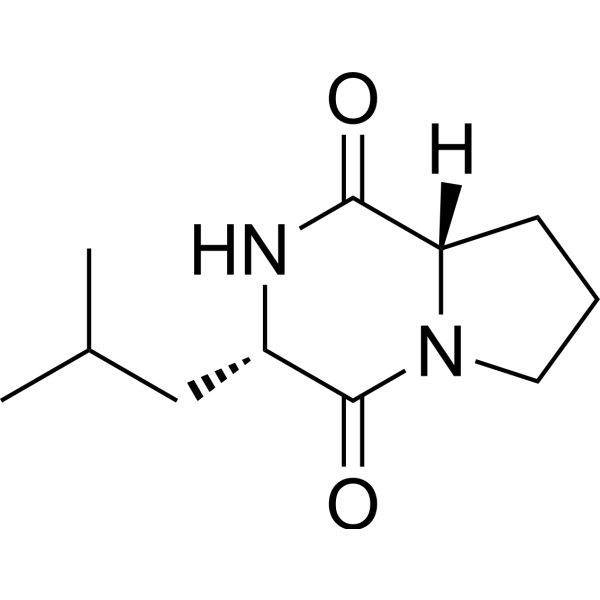
Cyclo(L-Leu-L-Pro) is a cyclic dipeptide with broad-spectrum antibacterial, antiviral and antifungal activities. Its biological activity is highly dependent on the stereoconfiguration and is widely present in microbial metabolites. Cyclo(L-Leu-L-Pro) efficiently and specifically inhibits the production of aflatoxin by Aspergillus flavus. The cis configuration of Cyclo(L-Leu-L-Pro) (cis-cyclo(L-Leu-L-Pro)) has broad-spectrum antibacterial activity against multi-drug resistant bacteria and significantly inhibits the influenza A virus H3N2 .
loading...
    loading...
Cat. No.: HY-W010323
CAS No.: 615-94-1
Synonyms: DHBQ
Research Areas:  

Others

2,5-Dihydroxy-1,4-benzoquinone (DHBQ) is a redox-active quinone-based organic ligand with antibacterial activity that can be obtained from fungal metabolites. After 2,5-Dihydroxy-1,4-benzoquinone is incorporated into the Fe (dhbq) metal-organic framework, a two-electron redox process occurs, which helps improve the discharge capacity of Li +-ion battery cathodes. 2,5-Dihydroxy-1,4-benzoquinone can be used to construct conductive metal-organic frameworks suitable for Li +-ion battery cathodes .
loading...
    loading...
Cat. No.: HY-N13356
CAS No.: 5652-48-2
Synonyms: gamma-Glutamylthreonine; H-γ-Glu-Thr-OH; γ-Glu-Thr
L-gamma-Glutamyl-L-threonine (gamma-Glutamylthreonine; H-γ-Glu-Thr-OH; γ-Glu-Thr) is a dipeptide obtained through the formal condensation of the L-glutamic acid side chain carboxyl group and the L-threonine amino group. L-gamma-Glutamyl-L-threonine is present in high concentrations in human urine and exhibits antibacterial activity against Gram-negative bacterial. L-gamma-Glutamyl-L-threonine is also a flavor compound. Gamma-Glutamylthreonine is a metabolite catalyzed by γ-glutamyl transpeptidase and is associated with immune regulation. Gamma-Glutamylthreonine can be used in research on inflammation and bacterial infections .
loading...
    loading...
Cat. No.: HY-113369
CAS No.: 604-34-2
Purity:  99.20%
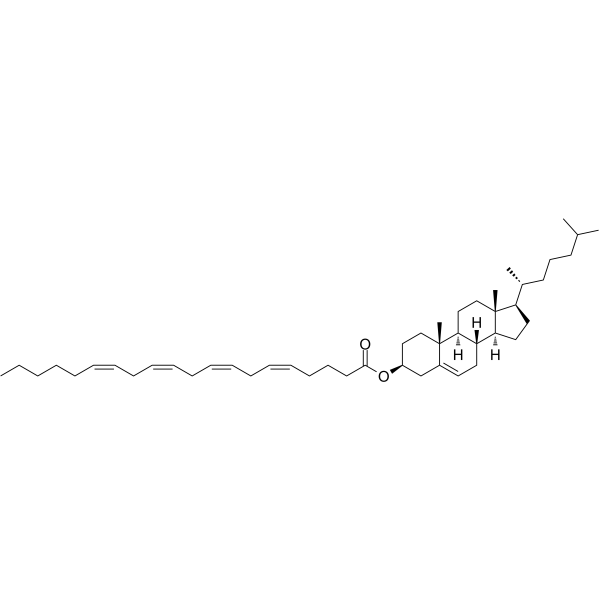
Cholesteryl arachidonate, a lipid, is an endogenous metabolite. Cholesteryl arachidonate has antibacterial activity .
loading...
    loading...
Cat. No.: HY-139558
CAS No.: 303175-44-2
Purity:  99.85%
Synonyms: PD0184264; ATR-002
Research Areas:  

Infection Cancer

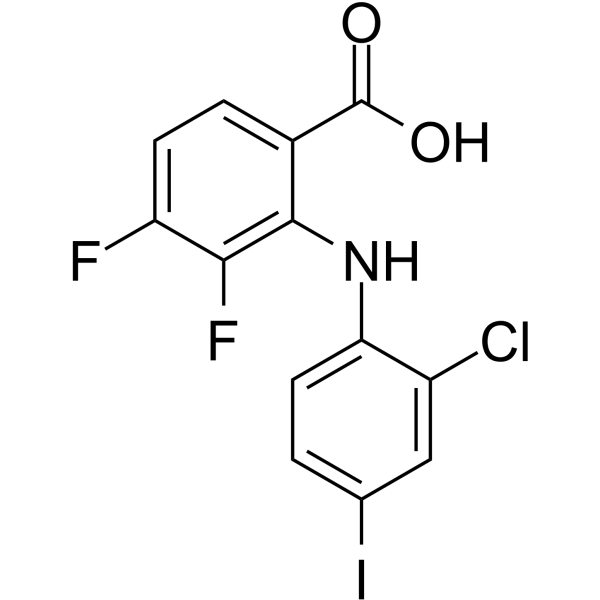
Zapnometinib (PD0184264), an active metabolite of CI-1040, is a MEK inhibitor, with an IC50 of 5.7 nM. Zapnometinib exhibits antiviral activity against influenza virus and antibacterial activities .
loading...
    loading...
Cat. No.: HY-N7719
CAS No.: 475-54-7
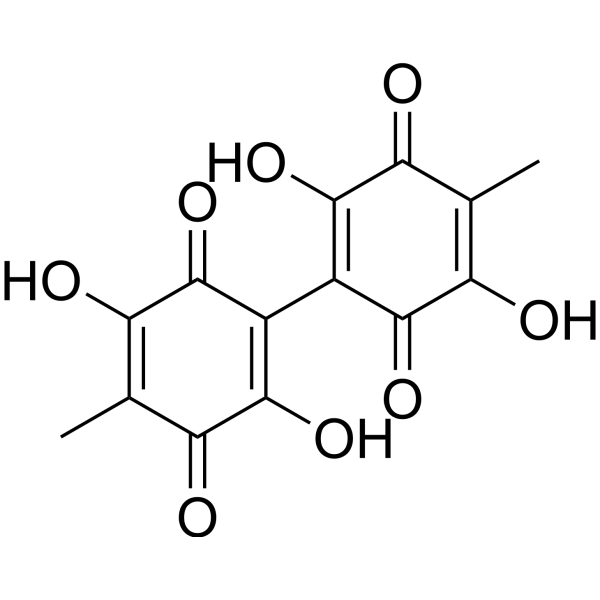
Oosporein is a microbial metabolite and a red crystalline toxin produced by various fungi. Oosporein can promote the reproduction of fungi in host bodies by inhibiting insect immunity, and possesses multiple activities such as antibacterial, antiviral (HSV), and insecticidal effects. Oosporein can inhibit plant growth. In addition, Oosporein can also induce apoptosis, cell membrane damage, oxidative stress, and mitochondrial damage. Oosporein has certain antitumor activity .
loading...
    loading...
Cat. No.: HY-N2907
CAS No.: 479-20-9
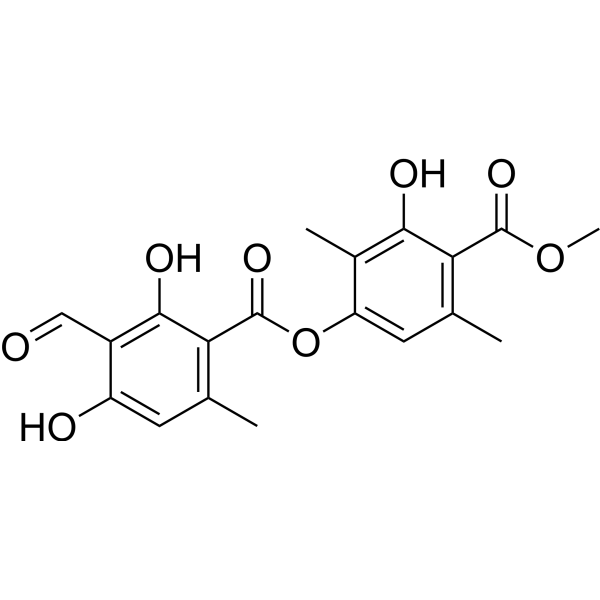
Atranorin is a secondary metabolite of lichens and AKT inhibitor. Atranorin possesses multiple activities such as antibacterial, anti-inflammatory, antioxidant, anti-glycation, analgesic, and anti-tumor effects. Atranorin has IC50 values for scavenging DPPH and ABTS free radicals of 117 μM and less than 10 μM, respectively. Additionally, Atranorin also exhibits effects in promoting wound healing. Atranorin can be used in the research of various diseases, including myelodysplastic syndromes, tumors, and inflammatory conditions .
loading...
    loading...
Cat. No.: HY-118099
CAS No.: 108656-33-3
Purity:  99.45%
Target:  

Drug Metabolite

Research Areas:  

Infection

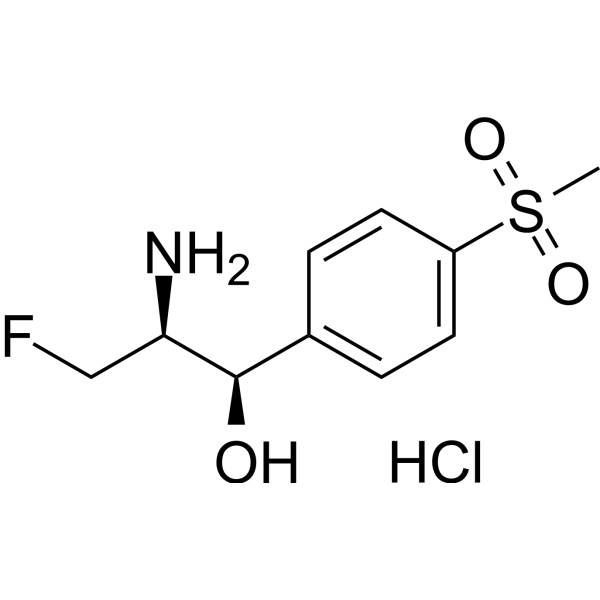
Florfenicol amine hydrochloride is the major metabolite of Florfenicol (HY-B1374) and serves as a marker residue in studies of the in vivo disposition and residue depletion of Florfenicol. Florfenicol amine hydrochloride is eliminated more slowly than the parent compound and persists in plasma and tissues. Florfenicol amine hydrochloride is used in veterinary research for studies on the metabolism, pharmacokinetics, and residue depletion of Florfenicol .
loading...
    loading...
Cat. No.: HY-W017187
CAS No.: 3602-55-9
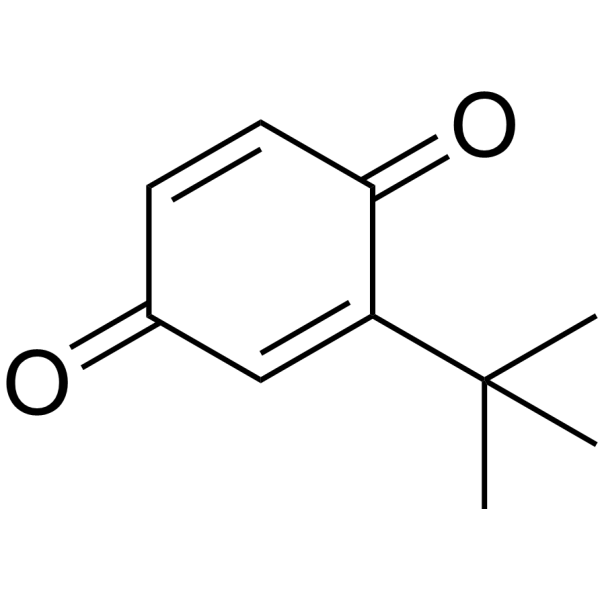
2-tert-Butyl-1,4-benzoquinone is a food additive oxidant, an electrophilic metabolite of Butylated hydroxyanisole (HY-B1066), and an antibacterial agent. 2-tert-Butyl-1,4-benzoquinone reduces virulence factors, activates Nrf2, and induces S-arylation of its negative regulator Keap1. 2-tert-Butyl-1,4-benzoquinone induces HO-1. 2-tert-Butyl-1,4-benzoquinone exhibits quorum sensing inhibitory activity against Chromobacterium violaceum .
loading...
    loading...
Cat. No.: HY-W002751
CAS No.: 567-61-3
6-Methylsalicylic acid is the secondary metabolite that could be isolated from some fungi. 6-Methylsalicylic acid can be used as building blocks for synthesis of antibacterial and anti-inflammatory agents .
loading...
    loading...

