Search Result
Results for "
antidepressant-like activity
" in MedChemExpress (MCE) Product Catalog:
9
Isotope-Labeled Compounds
| Cat. No. |
Product Name |
Target |
Research Areas |
Chemical Structure |
-
- HY-N6947
-
Lutein
4 Publications Verification
Xanthophyll
|
Endogenous Metabolite
Apoptosis
Reactive Oxygen Species (ROS)
|
Neurological Disease
Inflammation/Immunology
|
|
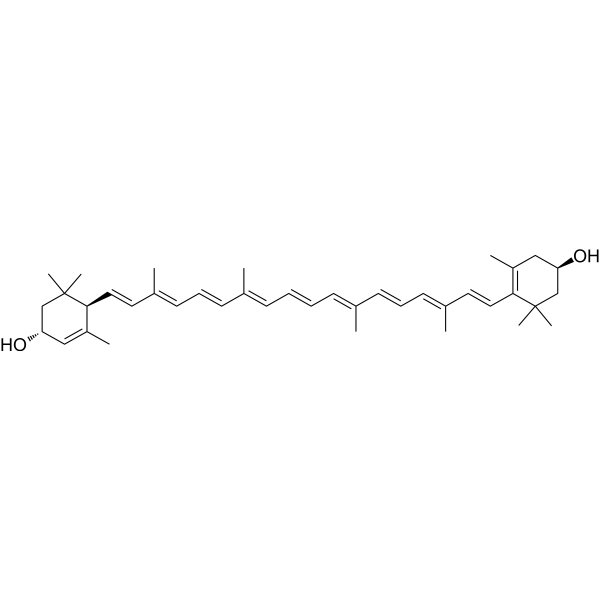
Lutein (Xanthophyll) is a carotenoid with reported anti-inflammatory properties. A large body of evidence shows that lutein has several beneficial effects, especially on eye health . Lutein exerts its biological activities, including anti-inflammation, anti-oxidase and anti-apoptosis, through effects on reactive oxygen species (ROS) . Lutein is able to arrive in the brain and shows antidepressant-like and neuroprotective effects. Lutein is orally active .
|
-
-
- HY-N0765
-
-
-
- HY-10864
-
URB-597
5 Publications Verification
KDS-4103
|
FAAH
Autophagy
Mitophagy
|
Neurological Disease
|
|
URB-597 (KDS-4103) is an orally bioavailable and selective FAAH inhibitor. URB-597 inhibits FAAH activity with an IC50s of approximately 5 nM in rat brain membranes, 0.5 nM in intact rat neurons, 3 nM in human liver microsomes. Antidepressant-like effects. Analgesic activity .
|
-
-
- HY-101254
-
Luzindole
Maximum Cited Publications
18 Publications Verification
N-0774
|
Melatonin Receptor
|
Neurological Disease
|
|
Luzindole (N-0774) is a selective melatonin receptor antagonist. Luzindole preferentially targets MT2 (Mel1b) over MT1 (Mel1a) with Ki values of 10.2 and 158 nM for human MT2 and MT1, respectively. Luzindole suppresses experimental autoimmune encephalomyelitis (EAE), and exerts antidepressant-like activity .
|
-
-
- HY-17573
-
|
|
Oxytocin Receptor
|
Neurological Disease
Endocrinology
|
|
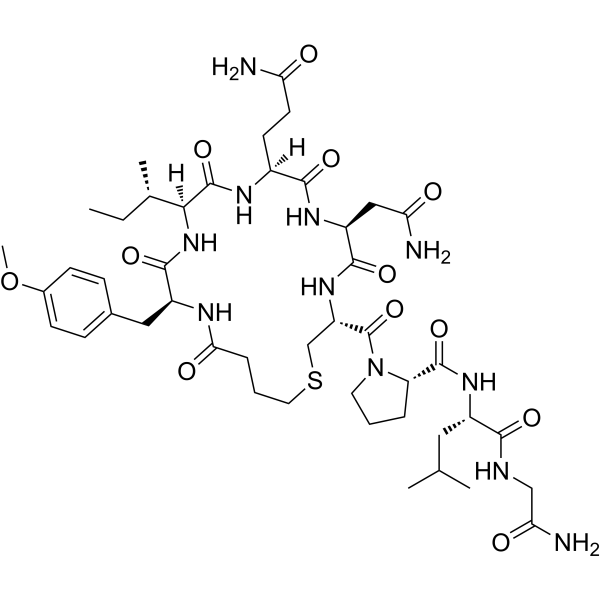
Carbetocin, an oxytocin (OT) analogue, is an oxytocin receptor agonist with a Ki of 7.1 nM. Carbetocin has high affinity to chimeric N-terminus (E1) of the oxytocin receptor (Ki=1.17 μM). Carbetocin has the potential for postpartum hemorrhage research. Carbetocin can crosse the blood-brain barrier and produces antidepressant-like activity via activation of oxytocin receptors in the CNS .
|
-
-
- HY-107670
-
|
DHβE hydrobromide
|
nAChR
|
Neurological Disease
|
|
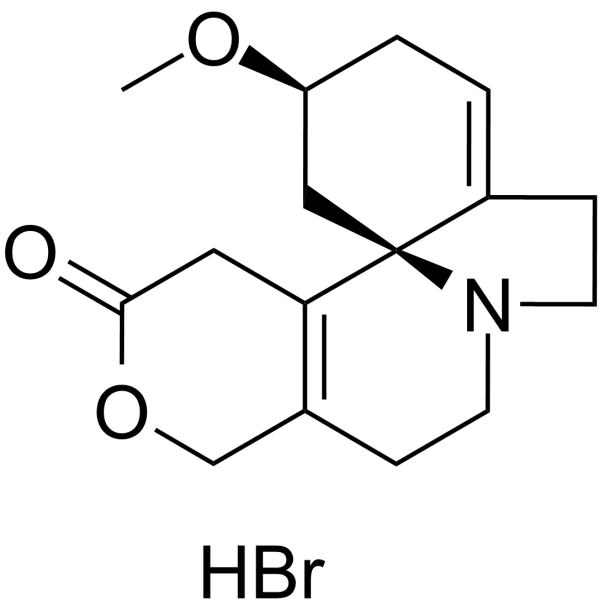
Dihydro-β-erythroidine (DHβE) hydrobromide is a potent, orally active, and competitive antagonist of neuronal nAChRs. Dihydro-β-erythroidine hydrobromide shows selectivity for α4β4 and α4β2 nAChRs, with IC50s of 0.19 and 0.37 μM, respectively. Antidepressant-like activities .
|
-
-
- HY-N0059
-
|
|
Parasite
Bacterial
AMPK
PPAR
|
Infection
Neurological Disease
Metabolic Disease
|
|
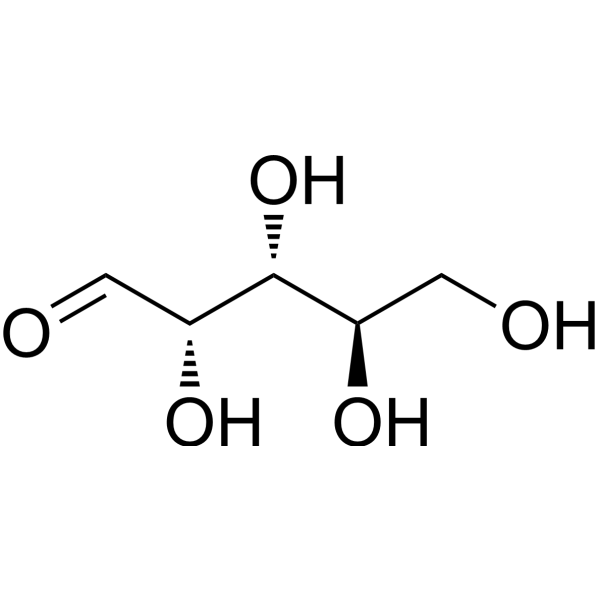
D-Arabinose is is an orally active antidepressant and a growth inhibitor of C. elegans (IC50 is 7.5 mM). D-Arabinose can penetrate the blood-brain barrier, selectively interfere with the metabolism of D-ribose and D-fructose, and inhibit the growth of nematodes. D-Arabinose can also inhibit the synthesis of cell biofilm and exert antibacterial activity. D-Arabinose activates the ACSS2-PPARγ/TFEB-CRTC1 axis through the lysosomal AXIN-LKB1-AMPK pathway, inducing CRTC1 transcription, exerts antidepressant-like activity. D-Arabinose is the ring-opened form of the aldopentose D-?Arabinose (HY-N7082) .
|
-
-
- HY-N0700
-
|
α-Asarone; trans-Asarone
|
GABA Receptor
|
Neurological Disease
|
|
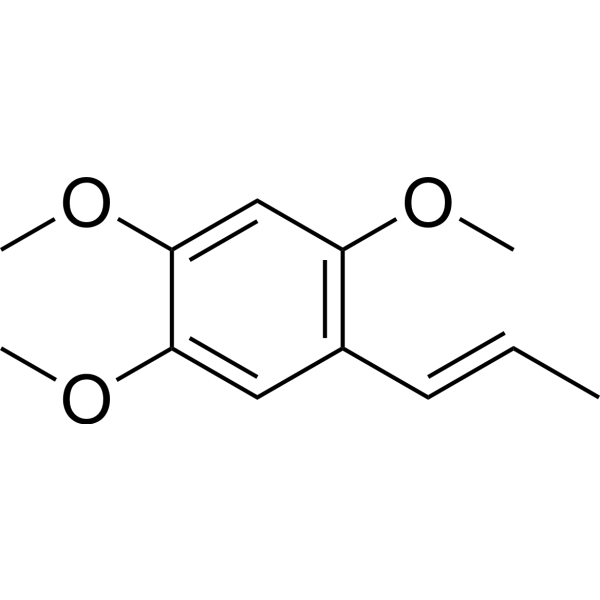
alpha-Asarone (α-Asarone) is one of the main psychoactive compounds, and possesses an antidepressant-like activity in mice.
|
-
-
- HY-15978
-
|
|
Others
|
Neurological Disease
|
|
P7C3-A20 is a derivative of P7C3 with potent proneurogenic and neuroprotective activity. P7C3-A20 exerts an antidepressant-like effect. P7C3-A20 can cross the blood-brain barrier and therefore has the potential for brain injury treatment .
|
-
-
- HY-N6838
-
|
1,1,1,1-Kestohexose
|
Others
|
Others
|
|
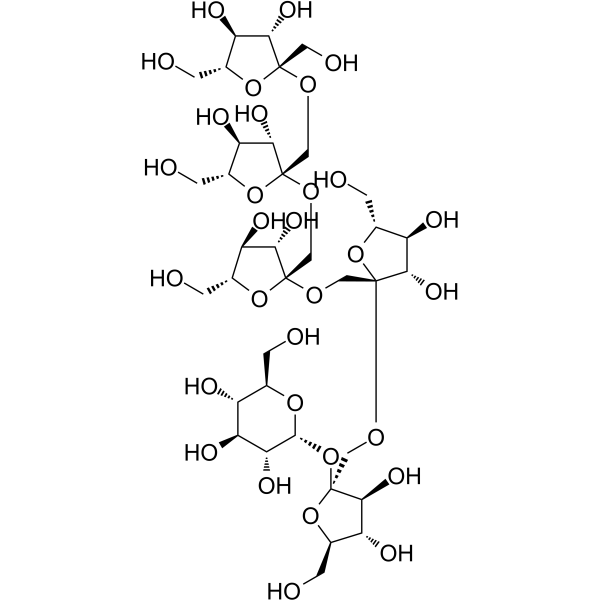
1,1,1,1-Kestohexaose (1,1,1,1-Kestohexose) is an insulin-type fructooligosaccharide hexasaccharide. 1,1,1,1-Kestohexaose exhibits neuroprotective and anti-depressant-like activities. 1,1,1,1-Kestohexaose can alleviate Corticosteron (HY-B1618)-induced decrease in cell viability and NGF expression in vitro .
|
-
-
- HY-15446
-
|
RG7090; RO4917523
|
mGluR
|
Neurological Disease
|
|
Basimglurant (RG7090; RO4917523) is a selective, orally active, blood-brain barrier permeable negative allosteric modulator of metabotropic glutamate receptor 5 (mGluR5), with a Ki of 1.4 nM (against [ 3H]-ABP688 (HY-110141)) and 35.6 nM (against [ 3H]-MPEP (HY-14609A)). Basimglurant inhibits mGlu5-mediated signaling pathways and receptor constitutive activity, regulates dopamine levels in the nucleus accumbens, exerts anxiolytic, antidepressant-like, analgesic and arousal-promoting effects, and alters δ-wave power during non-rapid eye movement sleep. Basimglurant can be used in research on depression, fragile X syndrome, anxiety disorders, etc .
|
-
-
- HY-B1311
-
|
SKF-525A; U-5446; RP-5171
|
Cytochrome P450
Monoamine Oxidase
Bcl-2 Family
Survivin
PARP
|
Neurological Disease
Inflammation/Immunology
Cancer
|
|
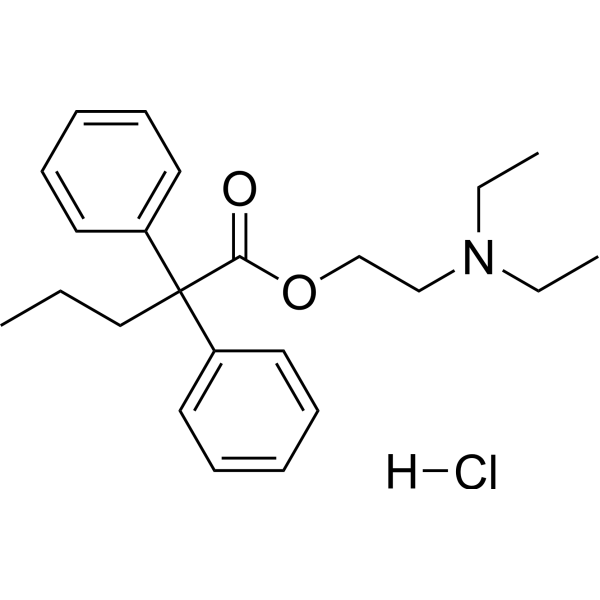
Proadifen (SKF-525A) hydrochloride is a non-competitive Cytochrome P450 inhibitor with an IC50 value of 19 μM. Proadifen hydrochloride reduces monoamine oxidase A (MAO-A) activity and reverses the antidepressantlike behavioral effect of Imipramine (HY-B1490A) and Desipramine (HY-B1272A) in rats. Proadifen hydrochloride also reduces N, N-dimethyltryptamine (DMT) metabolism in liver microsomes and inhibits N-demethylationand Acridone (HY-W007771) formation. Proadifen hydrochloride augments Lipopolysaccharide (LPS) (HY-D1056)-induced fever and exacerbates Prostaglandin E2 (PGE2) (HY-101952) levels in the rat. Proadifen hydrochloride is promising for research of metabolism-related deseases, ovarian carcinoma, inflammation and dopamine neurons-related deseases .
|
-
-
- HY-N2085
-
|
(S)-(-)-Perillaldehyde; (S)-Perillaldehyde
|
Environmental Pollutants
|
Neurological Disease
|
|
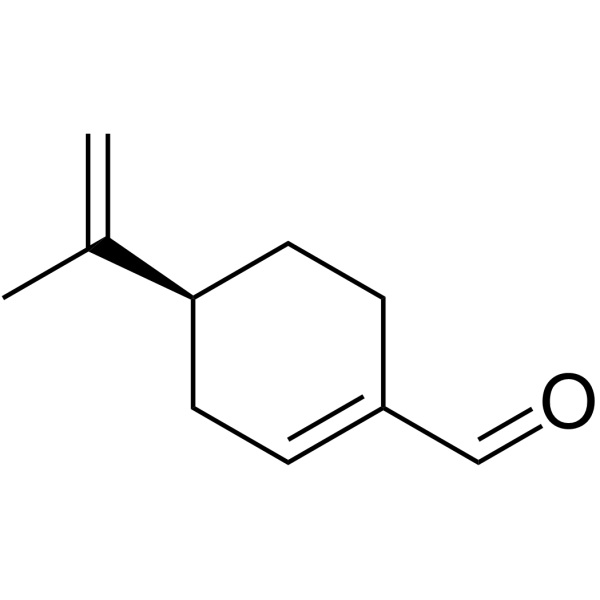
L-Perillaldehyde is a major component in the essential oil containing in Perillae Herba. Inhalation of L-Perillaldehyde shows antidepressant-like activity through the olfactory nervous function .
|
-
-
- HY-N7082
-
|
|
Parasite
Bacterial
AMPK
PPAR
|
Infection
Neurological Disease
Metabolic Disease
|
|
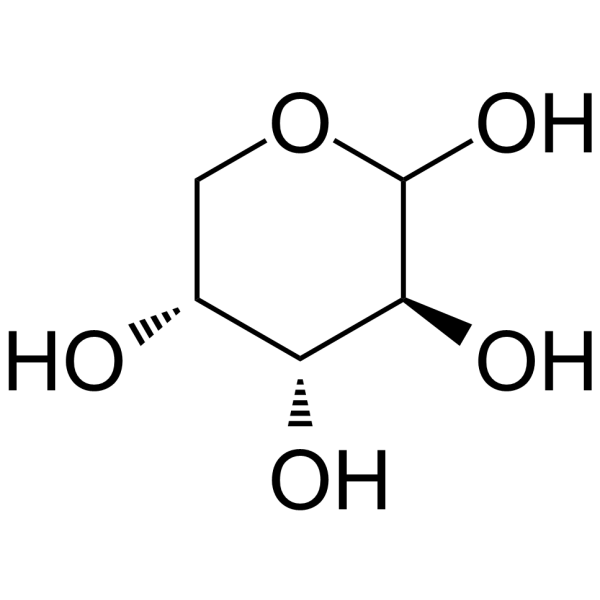
D-Arabinopyranose is a rare aldehyde pentose, and its ring-opened form is D-arabinose (HY-N0059). D-arabinose is is an orally active antidepressant and a growth inhibitor of C. elegans (IC50 is 7.5 mM). D-arabinose can penetrate the blood-brain barrier, selectively interfere with the metabolism of D-ribose and D-fructose, and inhibit the growth of nematodes. D-arabinose can also inhibit the synthesis of cell biofilm and exert antibacterial activity. D-arabinose activates the ACSS2-PPARγ/TFEB-CRTC1 axis through the lysosomal AXIN-LKB1-AMPK pathway, inducing CRTC1 transcription, exerts antidepressant-like activity. D-arabinose is the ring-opened form of the aldopentose D-?Arabinose (HY-N7082) .
|
-
-
- HY-B1017
-
|
EN-1733A
|
Dopamine Receptor
|
Neurological Disease
|
|
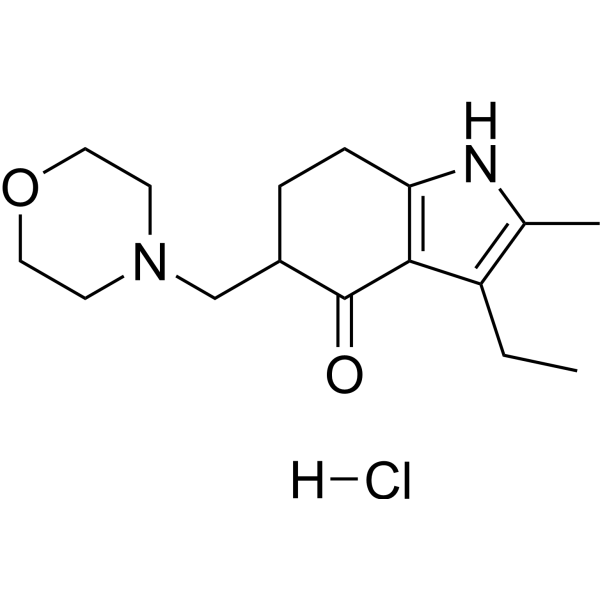
Molindone hydrochloride (EN-1733A) is an orally active and brain-penetrant dopamine D2/D5 receptor antagonist. Molindone hydrochloride shows antipsychotic and antidepressant-like activities. Molindone hydrochloride suppresses spontaneous locomotion, and antagonizes apomorphine-induced emesis. Molindone hydrochloride can be used for the research of neurological disease .
|
-
-
- HY-17573A
-
|
|
Oxytocin Receptor
|
Neurological Disease
Endocrinology
|
|
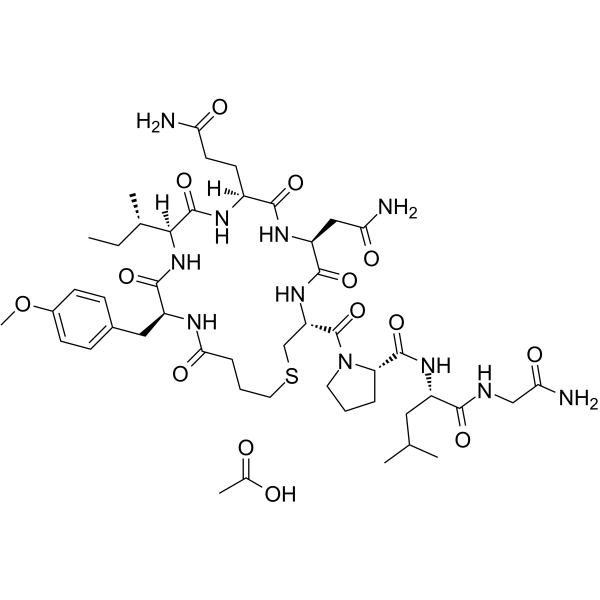
Carbetocin acetate, an oxytocin (OT) analogue, is an oxytocin receptor agonist with a Ki of 7.1 nM. Carbetocin acetate has high affinity to chimeric N-terminus (E1) of the oxytocin receptor (Ki=1.17 μM). Carbetocin acetate has the potential for postpartum hemorrhage research. Carbetocin acetate can crosse the blood-brain barrier and produces antidepressant-like activity via activation of oxytocin receptors in the CNS .
|
-
-
- HY-137472
-
|
|
GSK-3
|
Neurological Disease
|
|
SAR502250 is a potent, selective, ATP competitive, orally active and brain-penetrant inhibitor of GSK3, with an IC50 of 12 nM for human GSK-3β. SAR502250 displays antidepressant-like activity. SAR502250 can be used for the research of Alzheimer’s disease (AD) .
|
-
-
- HY-107731
-
-
-
- HY-116594A
-
|
|
Sigma Receptor
5-HT Receptor
|
Neurological Disease
|
|
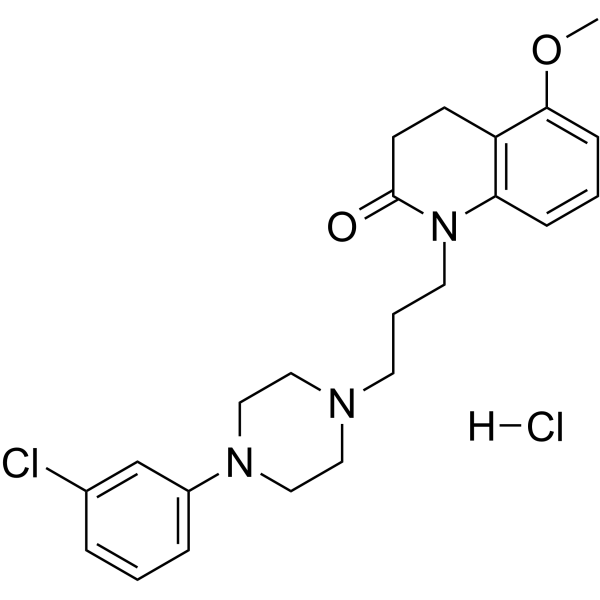
OPC-14523 hydrochloride is an orally active sigma and 5-HT1A receptor agonist, with high affinity for sigma receptors (σ1/2 IC50=47/56 nM), the 5-HT1A receptor (IC50=2.3 nM), and the 5-HT transporter (IC50=80 nM). OPC-14523 hydrochloride shows antidepressant-like activity .
|
-
-
- HY-123411
-
|
BCI 632
|
mGluR
|
Neurological Disease
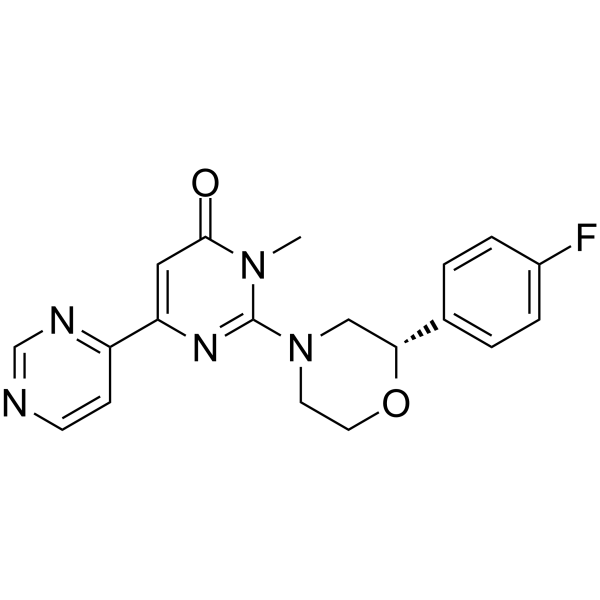
|
MGS0039 is a type II group mGluR antagonist. MGS0039 has a high affinity for mGluR2 and mGluR3, with Ki values of 2.2 nM and 4.5 nM, respectively. MGS0039 can attenuate the inhibitory effect of glutamate-induced cyclic AMP formation triggered by Forskolin (HY-15371) in CHO cells expressing mGluR2/mGluR3. MGS0039 shows antidepressant-like activity in rats .
|
-
-
- HY-P10405A
-
|
|
Dopamine Receptor
|
Neurological Disease
|
|
TAT-D1 peptide acetate is a dopamine D1-D2 receptor heterodimer inhibitor. TAT-D1 peptide acetate disrupts the function of dopamine D1-D2 receptor heteromers, enhances subchronic amphetamine-induced locomotor activity, and exacerbates the expression of amphetamine-induced locomotor sensitization. TAT-D1 peptide acetate produces rapid anxiolytic and antidepressant-like effects in rat models of depression and anxiety, and inhibits c-fos expression in the nucleus accumbens of rats. TAT-D1 peptide acetate can be used in the research of psychostimulant addiction, depression and anxiety disorders .
|
-
-
- HY-146202
-
|
|
Phosphodiesterase (PDE)
|
Others
|
|
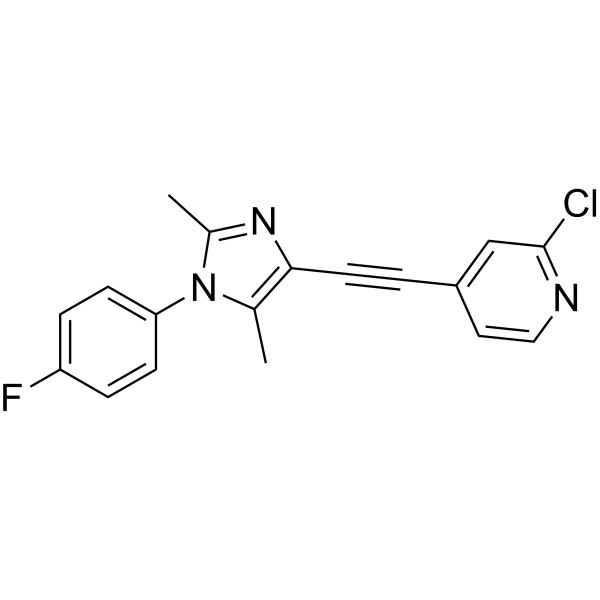
5-HT1A/5-HT7 receptor antagonist (5-HT1A Ki = 8 nM, Kb = 0.04 nM; 5-HT7 Ki = 451 nM, Kb = 460 nM) with PDE4B/PDE7A inhibitory activity (PDE4B IC50 = 80.4 μM; PDE7A IC50 = 151.3 μM) , its antidepressant like effect is stronger than that of escitalopram as a reference agent.
|
-
-
- HY-N3204
-
|
|
Apoptosis
|
Neurological Disease
|
|
Neoechinulin A is an isoprenyl indole alkaloid that exhibits scavenging, neurotrophic factor-like, and anti-apoptotic activities. Neoechinulin A induces memory improvements and antidepressant-like effects in mice .
|
-
-
- HY-10864R
-
|
KDS-4103 (Standard)
|
FAAH
Autophagy
Mitophagy
Reference Standards
|
Neurological Disease
|
|
URB-597 (Standard) is the analytical standard of URB-597. This product is intended for research and analytical applications. URB-597 (KDS-4103) is an orally bioavailable and selective FAAH inhibitor. URB-597 inhibits FAAH activity with an IC50s of approximately 5 nM in rat brain membranes, 0.5 nM in intact rat neurons, 3 nM in human liver microsomes. Antidepressant-like effects. Analgesic activity .
|
-
-
- HY-169870
-
|
(+)-Mecamylamine; TC-5214
|
nAChR
|
Neurological Disease
|
|
Dexmecamylamine ((+)-Mecamylamine) is the antagonist for nicotinic acetylcholine receptor (nAChR), that antagonises the α3β4/α4β2/α7/α1β1γδ receptor with IC50 of micromolare levels. Dexmecamylamine exhibits anxiolytic and antidepressant-like activities .
|
-
-
- HY-18332B
-
|
|
Dopamine Transporter
Adrenergic Receptor
5-HT Receptor
|
Neurological Disease
|
|
DOV-102,677 is an orally sctive triple monoamine neurotransmitter reuptake inhibitor that simultaneously inhibits the dopamine (DAT) (IC50 = 129 nM; Ki = 222 nM), norepinephrine (NET) (IC50 = 103 nM; Ki = 1030 nM), and serotonin (SERT) (IC50 = 133 nM; Ki = 740 nM) transporters. DOV-102,677 demonstrated significant antidepressant-like activity and sensory-motor gating regulatory effects in mouse experiments. DOV-102,677 can be used for research on depression .
|
-
-
- HY-105127
-
|
CGP 11305A hydrochloride
|
Monoamine Oxidase
|
Neurological Disease
|
Brofaromine (hydrochloride) is a monoamine oxidase A (MAO-A) inhibitor and a 5-HT uptake inhibitor. Brofaromine (hydrochloride) shows antidepressant-like activity in the social conflict test in rats .
|
-
-
- HY-P10405
-
|
|
Dopamine Receptor
|
Neurological Disease
|
|
TAT-D1 peptide is a dopamine D1-D2 receptor heterodimer inhibitor. TAT-D1 peptide disrupts the function of dopamine D1-D2 receptor heteromers, enhances subchronic amphetamine-induced locomotor activity, and exacerbates the expression of amphetamine-induced locomotor sensitization. TAT-D1 peptide produces rapid anxiolytic and antidepressant-like effects in rat models of depression and anxiety, and inhibits c-fos expression in the nucleus accumbens of rats. TAT-D1 peptide can be used in the research of psychostimulant addiction, depression and anxiety disorders .
|
-
-
- HY-N0059R
-
|
|
Reference Standards
Parasite
Bacterial
AMPK
PPAR
|
Infection
Neurological Disease
Metabolic Disease
|
|
D-Arabinose (Standard) is the analytical standard of D-Arabinose. This product is intended for research and analytical applications. D-Arabinose is is an orally active antidepressant and a growth inhibitor of C. elegans (IC50 is 7.5 mM). D-Arabinose can penetrate the blood-brain barrier, selectively interfere with the metabolism of D-ribose and D-fructose, and inhibit the growth of nematodes. D-Arabinose can also inhibit the synthesis of cell biofilm and exert antibacterial activity. D-Arabinose activates the ACSS2-PPARγ/TFEB-CRTC1 axis through the lysosomal AXIN-LKB1-AMPK pathway, inducing CRTC1 transcription, exerts antidepressant-like activity. D-Arabinose is the ring-opened form of the aldopentose D-?Arabinose (HY-N7082) .
|
-
-
- HY-N0059S1
-
|
|
Isotope-Labeled Compounds
Parasite
Bacterial
AMPK
PPAR
|
Infection
Neurological Disease
Metabolic Disease
|
|
D-Arabinose- 13C-1 is the 13C labeled D-Arabinose (HY-N0059). D-Arabinose is is an orally active antidepressant and a growth inhibitor of C. elegans (IC50 is 7.5 mM). D-Arabinose can penetrate the blood-brain barrier, selectively interfere with the metabolism of D-ribose and D-fructose, and inhibit the growth of nematodes. D-Arabinose can also inhibit the synthesis of cell biofilm and exert antibacterial activity. D-Arabinose activates the ACSS2-PPARγ/TFEB-CRTC1 axis through the lysosomal AXIN-LKB1-AMPK pathway, inducing CRTC1 transcription, exerts antidepressant-like activity. D-Arabinose is the ring-opened form of the aldopentose D-?Arabinose (HY-N7082) .
|
-
-
- HY-N0059S3
-
|
|
Isotope-Labeled Compounds
Parasite
Bacterial
AMPK
PPAR
|
Infection
Neurological Disease
Metabolic Disease
|
|
D-Arabinose- 13C-3 is the 13C labeled D-Arabinose (HY-N0059). D-Arabinose is is an orally active antidepressant and a growth inhibitor of C. elegans (IC50 is 7.5 mM). D-Arabinose can penetrate the blood-brain barrier, selectively interfere with the metabolism of D-ribose and D-fructose, and inhibit the growth of nematodes. D-Arabinose can also inhibit the synthesis of cell biofilm and exert antibacterial activity. D-Arabinose activates the ACSS2-PPARγ/TFEB-CRTC1 axis through the lysosomal AXIN-LKB1-AMPK pathway, inducing CRTC1 transcription, exerts antidepressant-like activity. D-Arabinose is the ring-opened form of the aldopentose D-?Arabinose (HY-N7082) .
|
-
-
- HY-A0139
-
|
NSC 108165; Navan; Navane
|
Sigma Receptor
mAChR
Histamine Receptor
Dopamine Receptor
Adrenergic Receptor
|
Others
|
|
Thiothixene is a typical antipsychotic. It selectively binds to dopamine D2 over D1, D3, and D4 receptors (Kis=0.417, 338, 186.2, and 363.1 nM, respectively). Thiothixene also binds to various serotonin (5-HT), histamine H1, α1- and α2-adrenergic, muscarinic acetylcholine, and sigma receptors (Kis=15-5,754 nM) as well as the dopamine, norepinephrine, and serotonin transporters (Kis=3.16-30 μM). In vivo, thiothixene reduces spontaneous and amphetamine-induced locomotor activity in rats. It enhances latent inhibition, as measured by a decreased lick latency in response to light and foot shock stimuli, which is a measure of selective attention in rats.3 Thiothixene also increases competitive behavior in submissive mice, indicating antidepressant-like behavior.
|
-
-
- HY-123106
-
|
|
Melanocortin Receptor
|
Others
|
|
MCL-0129 is a compound with anxiolytic and antidepressant activity and is a selective MC4 receptor antagonist that exhibits anxiolytic and antidepressant-like behaviors in multiple rodent models.
|
-
-
- HY-116236
-
|
LY2607540
|
mGluR
|
Others
|
|
THIIC (LY2607540) is a compound with anxiolytic and antidepressant potential. It is a positive allosteric modulator of mGlu receptors, exhibits anxiolytic and antidepressant-like activities in multiple animal models, and can also affect sleep and neurochemical changes.
|
-
-
- HY-N0700R
-
|
α-Asarone (Standard); trans-Asarone (Standard)
|
Reference Standards
GABA Receptor
|
Neurological Disease
|
|
alpha-Asarone (Standard) is the analytical standard of alpha-Asarone. This product is intended for research and analytical applications. alpha-Asarone (α-Asarone) is one of the main psychoactive compounds, and possesses an antidepressant-like activity in mice.
|
-
-
- HY-N0765R
-
|
|
Reference Standards
Fungal
|
Infection
Neurological Disease
Inflammation/Immunology
|
|
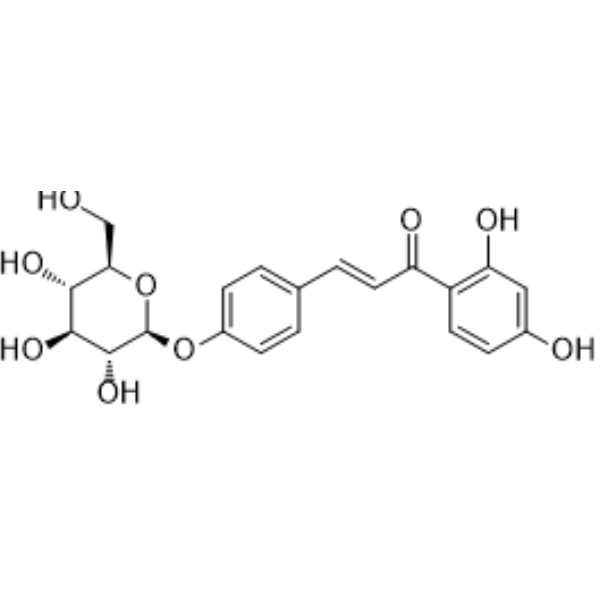
Isoliquiritin (Standard) is the analytical standard of Isoliquiritin. This product is intended for research and analytical applications. Isoliquiritin, isolated from Licorice Root, inhibits angiogenesis and tube formation. Isoliquiritin also exhibits antidepressant-like, anti-oxidative, anti-Inflammatory effects and antifungal activity .
|
-
-
- HY-170945
-
|
|
iGluR
Serotonin Transporter
|
Neurological Disease
|
|
Antidepressant agent 9 (Compound 24) is an orally active and BBB-penetrable NMDAR and SERT inhibitor with IC50 values of 3.50 μM and 1044 nM, respectively. Antidepressant agent 9 has good metabolic stability and plasma exposure. Antidepressant agent 9 can exert antidepressant-like activity in the mouse forced swim test .
|
-
-
- HY-159106
-
-
-
- HY-W728451
-
|
|
FAAH
|
Cardiovascular Disease
Neurological Disease
|
|
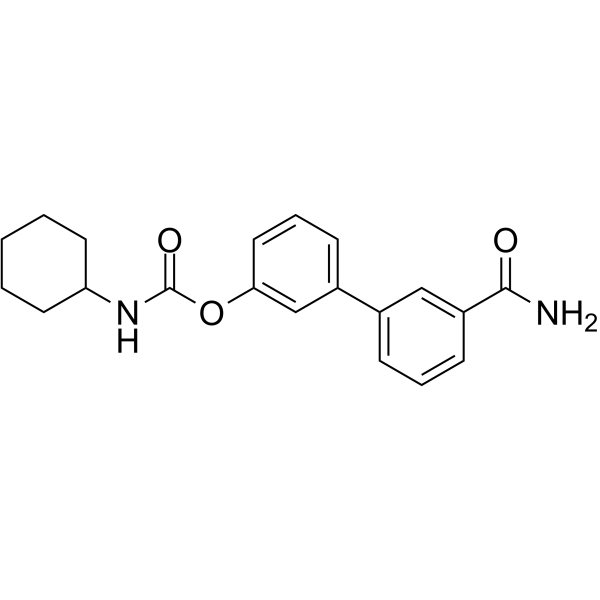
URB694 is a carbamate FAAH inhibitor that irreversibly carbamoylate the nucleophile catalytic serine in FAAH active site. URB694 exhibits antidepressant-like activity and cardioprotective effects. URB694 can be used to prepare 11C-Carbonyl-URB694 for in vivo positron emission tomography (PET) imaging studies of the brain FAAH .
|
-
-
- HY-175508
-
|
|
iGluR
|
Neurological Disease
|
|
NMDA receptor modulator 9 is an orally active NMDA receptor positive allosteric modulator (PAM). NMDA receptor modulator 9 enhances GluN2A receptor activity. NMDA receptor modulator 9 demonstrates significant antidepressant-like effects in chronic restraint stress (CRS)-induced depression mice. NMDA receptor modulator 9 can be used for the study of depression .
|
-
-
- HY-101254R
-
|
N-0774 (Standard)
|
Reference Standards
Melatonin Receptor
|
Neurological Disease
|
|
Luzindole (Standard) is the analytical standard of Luzindole. This product is intended for research and analytical applications. Luzindole (N-0774) is a selective melatonin receptor antagonist. Luzindole preferentially targets MT2 (Mel1b) over MT1 (Mel1a) with Ki values of 10.2 and 158 nM for human MT2 and MT1, respectively. Luzindole suppresses experimental autoimmune encephalomyelitis (EAE), and exerts antidepressant-like activity .
|
-
-
- HY-B1017R
-
|
EN-1733A (Standard)
|
Reference Standards
Dopamine Receptor
|
Neurological Disease
|
|
Molindone hydrochloride (Standard) is the analytical standard of Molindone hydrochloride (HY-B1017). This product is intended for research and analytical applications. Molindone hydrochloride (EN-1733A) is an orally active and brain-penetrant dopamine D2/D5 receptor antagonist. Molindone hydrochloride shows antipsychotic and antidepressant-like activities. Molindone hydrochloride suppresses spontaneous locomotion, and antagonizes apomorphine-induced emesis. Molindone hydrochloride can be used for the research of neurological disease .
|
-
-
- HY-116594
-
|
|
Sigma Receptor
5-HT Receptor
|
Neurological Disease
|
|
OPC-14523 free base is an orally active sigma and 5-HT1A receptor agonist, with high affinity for sigma receptors (σ1/2 IC50=47/56 nM), the 5-HT1A receptor (IC50=2.3 nM), and the 5-HT transporter (IC50=80 nM). OPC-14523 free base shows antidepressant-like activity .
|
-
-
- HY-116062A
-
|
|
Histone Methyltransferase
|
Neurological Disease
|
|
JNJ-7925476 is a triple reuptake inhibitor that selectively and potently inhibits the activity of the serotonin transporter (SERT), norepinephrine transporter (NET), and dopamine transporter (DAT). JNJ-7925476 is rapidly absorbed into the blood and its concentration in the brain is 7-fold higher than that in plasma. The occupancy ED(50) values of JNJ-7925476 for SERT, NET, and DAT in the rat brain are 0.18, 0.09, and 2.4 mg/kg, respectively. JNJ-7925476 rapidly induces a significant increase in the levels of extracellular serotonin, dopamine, and norepinephrine in the rat cerebral cortex in a dose-dependent manner. JNJ-7925476 exhibits potent antidepressant-like activity in the mouse tail suspension test. These results suggest that JNJ-7925476 has in vivo efficacy in biochemical and behavioral models of depression .
|
-
-
- HY-N0059S4
-
|
|
Isotope-Labeled Compounds
Parasite
Bacterial
AMPK
PPAR
|
Infection
Neurological Disease
Metabolic Disease
|
|
D-Arabinose-d2 is the deuterium labeled D-Arabinose (HY-N0059). D-Arabinose is is an orally active antidepressant and a growth inhibitor of C. elegans (IC50 is 7.5 mM). D-Arabinose can penetrate the blood-brain barrier, selectively interfere with the metabolism of D-ribose and D-fructose, and inhibit the growth of nematodes. D-Arabinose can also inhibit the synthesis of cell biofilm and exert antibacterial activity. D-Arabinose activates the ACSS2-PPARγ/TFEB-CRTC1 axis through the lysosomal AXIN-LKB1-AMPK pathway, inducing CRTC1 transcription, exerts antidepressant-like activity. D-Arabinose is the ring-opened form of the aldopentose D-?Arabinose (HY-N7082) .
|
-
-
- HY-N0059S
-
|
|
Isotope-Labeled Compounds
Parasite
Bacterial
AMPK
PPAR
|
Infection
Neurological Disease
Metabolic Disease
|
|
D-Arabinose- 13C is the 13C labeled D-Arabinose (HY-N0059). D-Arabinose is is an orally active antidepressant and a growth inhibitor of C. elegans (IC50 is 7.5 mM). D-Arabinose can penetrate the blood-brain barrier, selectively interfere with the metabolism of D-ribose and D-fructose, and inhibit the growth of nematodes. D-Arabinose can also inhibit the synthesis of cell biofilm and exert antibacterial activity. D-Arabinose activates the ACSS2-PPARγ/TFEB-CRTC1 axis through the lysosomal AXIN-LKB1-AMPK pathway, inducing CRTC1 transcription, exerts antidepressant-like activity. D-Arabinose is the ring-opened form of the aldopentose D-?Arabinose (HY-N7082) .
|
-
-
- HY-N0059S6
-
|
|
Isotope-Labeled Compounds
Parasite
Bacterial
AMPK
PPAR
|
Infection
Neurological Disease
Metabolic Disease
|
|
D-Arabinose-d6 is the deuterium labeled D-Arabinose (HY-N0059). D-Arabinose is is an orally active antidepressant and a growth inhibitor of C. elegans (IC50 is 7.5 mM). D-Arabinose can penetrate the blood-brain barrier, selectively interfere with the metabolism of D-ribose and D-fructose, and inhibit the growth of nematodes. D-Arabinose can also inhibit the synthesis of cell biofilm and exert antibacterial activity. D-Arabinose activates the ACSS2-PPARγ/TFEB-CRTC1 axis through the lysosomal AXIN-LKB1-AMPK pathway, inducing CRTC1 transcription, exerts antidepressant-like activity. D-Arabinose is the ring-opened form of the aldopentose D-?Arabinose (HY-N7082) .
|
-
-
- HY-N0059S5
-
|
|
Isotope-Labeled Compounds
Parasite
Bacterial
AMPK
PPAR
|
Infection
Neurological Disease
Metabolic Disease
|
|
D-Arabinose-d5 is the deuterium labeled D-Arabinose (HY-N0059). D-Arabinose is is an orally active antidepressant and a growth inhibitor of C. elegans (IC50 is 7.5 mM). D-Arabinose can penetrate the blood-brain barrier, selectively interfere with the metabolism of D-ribose and D-fructose, and inhibit the growth of nematodes. D-Arabinose can also inhibit the synthesis of cell biofilm and exert antibacterial activity. D-Arabinose activates the ACSS2-PPARγ/TFEB-CRTC1 axis through the lysosomal AXIN-LKB1-AMPK pathway, inducing CRTC1 transcription, exerts antidepressant-like activity. D-Arabinose is the ring-opened form of the aldopentose D-?Arabinose (HY-N7082) .
|
-
-
- HY-N0059S2
-
|
|
Isotope-Labeled Compounds
Parasite
Bacterial
AMPK
PPAR
|
Infection
Neurological Disease
Metabolic Disease
|
|
D-Arabinose- 13C-2 is the 13C labeled D-Arabinose (HY-N0059). D-Arabinose is is an orally active antidepressant and a growth inhibitor of C. elegans (IC50 is 7.5 mM). D-Arabinose can penetrate the blood-brain barrier, selectively interfere with the metabolism of D-ribose and D-fructose, and inhibit the growth of nematodes. D-Arabinose can also inhibit the synthesis of cell biofilm and exert antibacterial activity. D-Arabinose activates the ACSS2-PPARγ/TFEB-CRTC1 axis through the lysosomal AXIN-LKB1-AMPK pathway, inducing CRTC1 transcription, exerts antidepressant-like activity. D-Arabinose is the ring-opened form of the aldopentose D-?Arabinose (HY-N7082) .
|
-
-
- HY-N7082S
-
|
|
Isotope-Labeled Compounds
Parasite
Bacterial
AMPK
PPAR
|
Infection
Neurological Disease
Metabolic Disease
|
|
D-Arabinopyranos- 13C5 is 13C labeled D-Arabinopyranos (HY-N7082). D-Arabinopyranose is a rare aldehyde pentose, and its ring-opened form is D-arabinose (HY-N0059). D-arabinose is is an orally active antidepressant and a growth inhibitor of C. elegans (IC50 is 7.5 mM). D-arabinose can penetrate the blood-brain barrier, selectively interfere with the metabolism of D-ribose and D-fructose, and inhibit the growth of nematodes. D-arabinose can also inhibit the synthesis of cell biofilm and exert antibacterial activity. D-arabinose activates the ACSS2-PPARγ/TFEB-CRTC1 axis through the lysosomal AXIN-LKB1-AMPK pathway, inducing CRTC1 transcription, exerts antidepressant-like activity. D-arabinose is the ring-opened form of the aldopentose D-?Arabinose (HY-N7082) .
|
-
- HY-W748758
-
|
NSC 108165-d8; Navan-d8; Navane-d8
|
Isotope-Labeled Compounds
Dopamine Receptor
Histamine Receptor
mAChR
Adrenergic Receptor
Sigma Receptor
|
Others
|
|
(Z)-Thiothixene-d8 (NSC 108165-d8; Navan-d8; Navane-d8) is the deuterium labeled Thiothixene (HY-A0139). Thiothixene is a typical antipsychotic. It selectively binds to dopamine D2 over D1, D3, and D4 receptors (Kis=0.417, 338, 186.2, and 363.1 nM, respectively). Thiothixene also binds to various serotonin (5-HT), histamine H1, α1- and α2-adrenergic, muscarinic acetylcholine, and sigma receptors (Kis=15-5,754 nM) as well as the dopamine, norepinephrine, and serotonin transporters (Kis=3.16-30 μM). In vivo, thiothixene reduces spontaneous and amphetamine-induced locomotor activity in rats. It enhances latent inhibition, as measured by a decreased lick latency in response to light and foot shock stimuli, which is a measure of selective attention in rats.3 Thiothixene also increases competitive behavior in submissive mice, indicating antidepressant-like behavior.
|
-
- HY-B1311R
-
|
SKF-525A (Standard); U-5446 (Standard); RP-5171 (Standard)
|
Reference Standards
Cytochrome P450
Monoamine Oxidase
Bcl-2 Family
Survivin
PARP
|
Neurological Disease
Inflammation/Immunology
Cancer
|
|
Proadifen (hydrochloride) (Standard) is the analytical standard of Proadifen (hydrochloride). This product is intended for research and analytical applications. Proadifen (SKF-525A) hydrochloride is a non-competitive Cytochrome P450 inhibitor with an IC50 value of 19 μM. Proadifen hydrochloride reduces monoamine oxidase A (MAO-A) activity and reverses the antidepressantlike behavioral effect of Imipramine (HY-B1490A) and Desipramine (HY-B1272A) in rats. Proadifen hydrochloride also reduces N, N-dimethyltryptamine (DMT) metabolism in liver microsomes and inhibits N-demethylationand Acridone (HY-W007771) formation. Proadifen hydrochloride augments Lipopolysaccharide (LPS) (HY-D1056)-induced fever and exacerbates Prostaglandin E2 (PGE2) (HY-101952) levels in the rat. Proadifen hydrochloride is promising for research of metabolism-related deseases, ovarian carcinoma, inflammation and dopamine neurons-related deseases [4] .
|
-
- HY-182363
-
|
|
Serotonin Transporter
|
Neurological Disease
|
|
A6CDQ is a human organic cation transporter (hOCT) inhibitor with antidepressant-like activity that can cross the blood-brain barrier. A6CDQ potently inhibits the transport activities mediated by hOCT1, hOCT2 and hOCT3. A6CDQ exhibits significant antidepressant-like effects in the mouse tail suspension test. A6CDQ can be used in studies related to depression .
|
-
- HY-182688
-
|
|
Thyroid Hormone Receptor
|
Neurological Disease
|
|
ITYR-DBRMD is a type III deiodinase (DIO3) inhibitor. ITYR-DBRMD shows antidepressant-like activity and reduces latency to feed in mice. ITYR-DBRMD can be used for the research of depression .
|
-
- HY-182247
-
|
|
Serotonin Transporter
Dopamine Transporter
|
Neurological Disease
|
|
D-473 is an orally active, blood-brain barrier penetrant and serotonin-preferring reuptake inhibitor. D-473 inhibits serotonin, dopamine and norepinephrine transporters, and significantly elevates the extracellular levels of these three neurotransmitters in rat brain regions. D-473 exhibits definite antidepressant-like activity without inducing motor activation. D-473 is widely used in studies related to major depressive disorder .
|
-
- HY-182597
-
|
|
Imidazoline Receptor
5-HT Receptor
Adrenergic Receptor
|
Neurological Disease
|
|
Tracizoline is an orally active I2-imidazoline receptor agonist. Tracizoline functionally modulates I2-imidazoline receptors, regulates hippocampal FADD cell fate adaptor, attenuates mechanical and thermal hyperalgesia, activates α2A-adrenergic receptors with very weak partial agonism, and induces antidepressant-like activity via 5-HT1A receptor activation. Tracizoline can be used for the research of inflammatory pain, neuropathic pain, and depression .
|
-
- HY-179568
-
|
|
Monoamine Transporter
|
Neurological Disease
|
|
F3288-0031 is a brain-penetrant norepinephrine transporter (NET) allosteric inhibitor with inhibitory rates of 73.5% at 20 μM. F3288-0031 binds within the inner vestibule of NET, stabilizing the inward-open state and has a preferential NET/SERT inhibition with pIC50 = 5.9. F3288-0031 shows no detectable off-target functional activity in vitro. F3288-0031 demonstrates robust antidepressant-like efficacy in vivo without confounding locomotor effects, F3288-0031 can be used for depressive disorder and related neuropsychiatric conditions .
|
-
- HY-114515
-
|
RG7090 sulfate; RO4917523 sulfate
|
mGluR
|
Neurological Disease
|
|
Basimglurant (RG7090; RO4917523) sulfate is a selective, orally active, blood-brain barrier permeable negative allosteric modulator of metabotropic glutamate receptor 5 (mGluR5), with a Ki of 1.4 nM (against [ 3H]-ABP688 (HY-110141)) and 35.6 nM (against [ 3H]-MPEP (HY-14609A)). Basimglurant sulfate inhibits mGlu5-mediated signaling pathways and receptor constitutive activity, regulates dopamine levels in the nucleus accumbens, exerts anxiolytic, antidepressant-like, analgesic and arousal-promoting effects, and alters δ-wave power during non-rapid eye movement sleep. Basimglurant sulfate can be used in research on depression, fragile X syndrome, anxiety disorders, etc .
|
-
- HY-186169
-
|
|
5-HT Receptor
Drug Derivative
|
Neurological Disease
|
|
R-MDDMA, 4-methylenedioxymethamphetamine (MDMA) analogue, is a 5-HT2A/5-HT2C receptor modulator. R-MDDMA shows antagonistic activity against 5-HT2A/5-HT2C with IC50 values of 642 and 137 nM, and also shows partial agonist activity with EC50 values of 24.5 and 14.4 nM, but does not activate 5-HT2B receptors. R-MDDMA promotes cortical neuron growth. R-MDDMA facilitates fear extinction learning and produces antidepressant-like effects in preclinical rodent models. R-MDDMA can be used for the researches of post-traumatic stress disorder and depression .
|
-
- HY-15446R
-
|
RG7090 (Standard); RO4917523 (Standard)
|
Reference Standards
mGluR
|
Neurological Disease
|
|
Basimglurant (RG7090; RO4917523) (Standard) is the analytical standard of Basimglurant. This product is intended for research and analytical applications. Basimglurant is a selective, orally active, blood-brain barrier permeable negative allosteric modulator of metabotropic glutamate receptor 5 (mGluR5), with a Ki of 1.4 nM (against [ 3H]-ABP688 (HY-110141)) and 35.6 nM (against [ 3H]-MPEP (HY-14609A)). Basimglurant inhibits mGlu5-mediated signaling pathways and receptor constitutive activity, regulates dopamine levels in the nucleus accumbens, exerts anxiolytic, antidepressant-like, analgesic and arousal-promoting effects, and alters δ-wave power during non-rapid eye movement sleep. Basimglurant can be used in research on depression, fragile X syndrome, anxiety disorders, etc.
|
-
- HY-179579
-
|
|
5-HT Receptor
|
Neurological Disease
|
|
TMU4142 is a selective 5-HT1a agonist with high GoA activity. TMU4142 has weak Gi3 activity, can elicit rapid antidepressant like effects without triggering significant activation of dorsal raphe nucleus (DRN) 5-HT1a R autoreceptors or serotonergic neuron firing. TMU4142 demonstrates fast-acting efficacy in mouse models of depression. TMU4142 can be used for antidepressants research .
|
-
| Cat. No. |
Product Name |
Target |
Research Area |
-
- HY-17573
-
|
|
Oxytocin Receptor
|
Neurological Disease
Endocrinology
|
|
Carbetocin, an oxytocin (OT) analogue, is an oxytocin receptor agonist with a Ki of 7.1 nM. Carbetocin has high affinity to chimeric N-terminus (E1) of the oxytocin receptor (Ki=1.17 μM). Carbetocin has the potential for postpartum hemorrhage research. Carbetocin can crosse the blood-brain barrier and produces antidepressant-like activity via activation of oxytocin receptors in the CNS .
|
-
- HY-17573A
-
|
|
Oxytocin Receptor
|
Neurological Disease
Endocrinology
|
|
Carbetocin acetate, an oxytocin (OT) analogue, is an oxytocin receptor agonist with a Ki of 7.1 nM. Carbetocin acetate has high affinity to chimeric N-terminus (E1) of the oxytocin receptor (Ki=1.17 μM). Carbetocin acetate has the potential for postpartum hemorrhage research. Carbetocin acetate can crosse the blood-brain barrier and produces antidepressant-like activity via activation of oxytocin receptors in the CNS .
|
-
- HY-122794
-
|
Tyr-Leu
|
Peptides
|
Neurological Disease
|
|
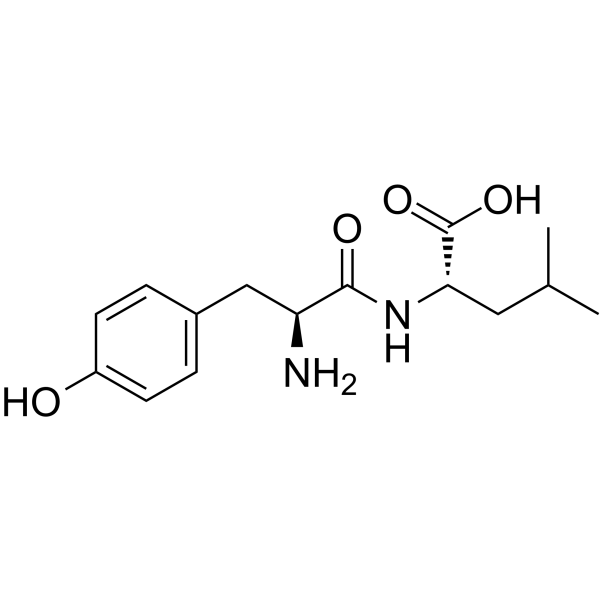
Tyrosylleucine (Tyr-Leu, YL), an orally active dipeptide, exhibits a potent antidepressant-like activity .
|
-
- HY-122794A
-
|
Tyr-Leu TFA
|
Peptides
|
Neurological Disease
|
|
Tyrosylleucine (Tyr-Leu, YL) TFA, an orally active dipeptide, exhibits a potent antidepressant-like activity .
|
-
- HY-P10405A
-
|
|
Dopamine Receptor
|
Neurological Disease
|
|
TAT-D1 peptide acetate is a dopamine D1-D2 receptor heterodimer inhibitor. TAT-D1 peptide acetate disrupts the function of dopamine D1-D2 receptor heteromers, enhances subchronic amphetamine-induced locomotor activity, and exacerbates the expression of amphetamine-induced locomotor sensitization. TAT-D1 peptide acetate produces rapid anxiolytic and antidepressant-like effects in rat models of depression and anxiety, and inhibits c-fos expression in the nucleus accumbens of rats. TAT-D1 peptide acetate can be used in the research of psychostimulant addiction, depression and anxiety disorders .
|
-
- HY-P10405
-
|
|
Dopamine Receptor
|
Neurological Disease
|
|
TAT-D1 peptide is a dopamine D1-D2 receptor heterodimer inhibitor. TAT-D1 peptide disrupts the function of dopamine D1-D2 receptor heteromers, enhances subchronic amphetamine-induced locomotor activity, and exacerbates the expression of amphetamine-induced locomotor sensitization. TAT-D1 peptide produces rapid anxiolytic and antidepressant-like effects in rat models of depression and anxiety, and inhibits c-fos expression in the nucleus accumbens of rats. TAT-D1 peptide can be used in the research of psychostimulant addiction, depression and anxiety disorders .
|
| Cat. No. |
Product Name |
Category |
Target |
Chemical Structure |
-
- HY-N6947
-
-
-
- HY-N0765
-
-
-
- HY-107670
-
-
-
- HY-N0059
-
-
-
- HY-N0700
-
-
-
- HY-N6838
-
|
1,1,1,1-Kestohexose
|
Polysaccharides
other families
Classification of Application Fields
Other Diseases
Plants
Disease Research Fields
Saccharides
Source Classification
|
Others
|
|
1,1,1,1-Kestohexaose (1,1,1,1-Kestohexose) is an insulin-type fructooligosaccharide hexasaccharide. 1,1,1,1-Kestohexaose exhibits neuroprotective and anti-depressant-like activities. 1,1,1,1-Kestohexaose can alleviate Corticosteron (HY-B1618)-induced decrease in cell viability and NGF expression in vitro .
|
-
-
- HY-N2085
-
-
-
- HY-N7082
-
|
|
Infection
Microorganisms
Classification of Application Fields
Disease Research Fields
Saccharides
Monosaccharides
Source Classification
|
Parasite
Bacterial
AMPK
PPAR
|
|
D-Arabinopyranose is a rare aldehyde pentose, and its ring-opened form is D-arabinose (HY-N0059). D-arabinose is is an orally active antidepressant and a growth inhibitor of C. elegans (IC50 is 7.5 mM). D-arabinose can penetrate the blood-brain barrier, selectively interfere with the metabolism of D-ribose and D-fructose, and inhibit the growth of nematodes. D-arabinose can also inhibit the synthesis of cell biofilm and exert antibacterial activity. D-arabinose activates the ACSS2-PPARγ/TFEB-CRTC1 axis through the lysosomal AXIN-LKB1-AMPK pathway, inducing CRTC1 transcription, exerts antidepressant-like activity. D-arabinose is the ring-opened form of the aldopentose D-?Arabinose (HY-N7082) .
|
-
-
- HY-N3204
-
-
-
- HY-N0059R
-
|
|
Structural Classification
Human Gut Microbiota Metabolites
Microorganisms
Endogenous metabolite
Saccharides
Source Classification
|
Reference Standards
Parasite
Bacterial
AMPK
PPAR
|
|
D-Arabinose (Standard) is the analytical standard of D-Arabinose. This product is intended for research and analytical applications. D-Arabinose is is an orally active antidepressant and a growth inhibitor of C. elegans (IC50 is 7.5 mM). D-Arabinose can penetrate the blood-brain barrier, selectively interfere with the metabolism of D-ribose and D-fructose, and inhibit the growth of nematodes. D-Arabinose can also inhibit the synthesis of cell biofilm and exert antibacterial activity. D-Arabinose activates the ACSS2-PPARγ/TFEB-CRTC1 axis through the lysosomal AXIN-LKB1-AMPK pathway, inducing CRTC1 transcription, exerts antidepressant-like activity. D-Arabinose is the ring-opened form of the aldopentose D-?Arabinose (HY-N7082) .
|
-
-
- HY-N0700R
-
-
-
- HY-N0765R
-
-
| Cat. No. |
Product Name |
Chemical Structure |
-
- HY-N0059S1
-
|
|
|
D-Arabinose- 13C-1 is the 13C labeled D-Arabinose (HY-N0059). D-Arabinose is is an orally active antidepressant and a growth inhibitor of C. elegans (IC50 is 7.5 mM). D-Arabinose can penetrate the blood-brain barrier, selectively interfere with the metabolism of D-ribose and D-fructose, and inhibit the growth of nematodes. D-Arabinose can also inhibit the synthesis of cell biofilm and exert antibacterial activity. D-Arabinose activates the ACSS2-PPARγ/TFEB-CRTC1 axis through the lysosomal AXIN-LKB1-AMPK pathway, inducing CRTC1 transcription, exerts antidepressant-like activity. D-Arabinose is the ring-opened form of the aldopentose D-?Arabinose (HY-N7082) .
|
-
-
- HY-N0059S3
-
|
|
|
D-Arabinose- 13C-3 is the 13C labeled D-Arabinose (HY-N0059). D-Arabinose is is an orally active antidepressant and a growth inhibitor of C. elegans (IC50 is 7.5 mM). D-Arabinose can penetrate the blood-brain barrier, selectively interfere with the metabolism of D-ribose and D-fructose, and inhibit the growth of nematodes. D-Arabinose can also inhibit the synthesis of cell biofilm and exert antibacterial activity. D-Arabinose activates the ACSS2-PPARγ/TFEB-CRTC1 axis through the lysosomal AXIN-LKB1-AMPK pathway, inducing CRTC1 transcription, exerts antidepressant-like activity. D-Arabinose is the ring-opened form of the aldopentose D-?Arabinose (HY-N7082) .
|
-
-
- HY-N0059S4
-
|
|
|
D-Arabinose-d2 is the deuterium labeled D-Arabinose (HY-N0059). D-Arabinose is is an orally active antidepressant and a growth inhibitor of C. elegans (IC50 is 7.5 mM). D-Arabinose can penetrate the blood-brain barrier, selectively interfere with the metabolism of D-ribose and D-fructose, and inhibit the growth of nematodes. D-Arabinose can also inhibit the synthesis of cell biofilm and exert antibacterial activity. D-Arabinose activates the ACSS2-PPARγ/TFEB-CRTC1 axis through the lysosomal AXIN-LKB1-AMPK pathway, inducing CRTC1 transcription, exerts antidepressant-like activity. D-Arabinose is the ring-opened form of the aldopentose D-?Arabinose (HY-N7082) .
|
-
-
- HY-N0059S
-
|
|
|
D-Arabinose- 13C is the 13C labeled D-Arabinose (HY-N0059). D-Arabinose is is an orally active antidepressant and a growth inhibitor of C. elegans (IC50 is 7.5 mM). D-Arabinose can penetrate the blood-brain barrier, selectively interfere with the metabolism of D-ribose and D-fructose, and inhibit the growth of nematodes. D-Arabinose can also inhibit the synthesis of cell biofilm and exert antibacterial activity. D-Arabinose activates the ACSS2-PPARγ/TFEB-CRTC1 axis through the lysosomal AXIN-LKB1-AMPK pathway, inducing CRTC1 transcription, exerts antidepressant-like activity. D-Arabinose is the ring-opened form of the aldopentose D-?Arabinose (HY-N7082) .
|
-
-
- HY-N0059S6
-
|
|
|
D-Arabinose-d6 is the deuterium labeled D-Arabinose (HY-N0059). D-Arabinose is is an orally active antidepressant and a growth inhibitor of C. elegans (IC50 is 7.5 mM). D-Arabinose can penetrate the blood-brain barrier, selectively interfere with the metabolism of D-ribose and D-fructose, and inhibit the growth of nematodes. D-Arabinose can also inhibit the synthesis of cell biofilm and exert antibacterial activity. D-Arabinose activates the ACSS2-PPARγ/TFEB-CRTC1 axis through the lysosomal AXIN-LKB1-AMPK pathway, inducing CRTC1 transcription, exerts antidepressant-like activity. D-Arabinose is the ring-opened form of the aldopentose D-?Arabinose (HY-N7082) .
|
-
-
- HY-N0059S5
-
|
|
|
D-Arabinose-d5 is the deuterium labeled D-Arabinose (HY-N0059). D-Arabinose is is an orally active antidepressant and a growth inhibitor of C. elegans (IC50 is 7.5 mM). D-Arabinose can penetrate the blood-brain barrier, selectively interfere with the metabolism of D-ribose and D-fructose, and inhibit the growth of nematodes. D-Arabinose can also inhibit the synthesis of cell biofilm and exert antibacterial activity. D-Arabinose activates the ACSS2-PPARγ/TFEB-CRTC1 axis through the lysosomal AXIN-LKB1-AMPK pathway, inducing CRTC1 transcription, exerts antidepressant-like activity. D-Arabinose is the ring-opened form of the aldopentose D-?Arabinose (HY-N7082) .
|
-
-
- HY-N0059S2
-
|
|
|
D-Arabinose- 13C-2 is the 13C labeled D-Arabinose (HY-N0059). D-Arabinose is is an orally active antidepressant and a growth inhibitor of C. elegans (IC50 is 7.5 mM). D-Arabinose can penetrate the blood-brain barrier, selectively interfere with the metabolism of D-ribose and D-fructose, and inhibit the growth of nematodes. D-Arabinose can also inhibit the synthesis of cell biofilm and exert antibacterial activity. D-Arabinose activates the ACSS2-PPARγ/TFEB-CRTC1 axis through the lysosomal AXIN-LKB1-AMPK pathway, inducing CRTC1 transcription, exerts antidepressant-like activity. D-Arabinose is the ring-opened form of the aldopentose D-?Arabinose (HY-N7082) .
|
-
-
- HY-N7082S
-
|
|
|
D-Arabinopyranos- 13C5 is 13C labeled D-Arabinopyranos (HY-N7082). D-Arabinopyranose is a rare aldehyde pentose, and its ring-opened form is D-arabinose (HY-N0059). D-arabinose is is an orally active antidepressant and a growth inhibitor of C. elegans (IC50 is 7.5 mM). D-arabinose can penetrate the blood-brain barrier, selectively interfere with the metabolism of D-ribose and D-fructose, and inhibit the growth of nematodes. D-arabinose can also inhibit the synthesis of cell biofilm and exert antibacterial activity. D-arabinose activates the ACSS2-PPARγ/TFEB-CRTC1 axis through the lysosomal AXIN-LKB1-AMPK pathway, inducing CRTC1 transcription, exerts antidepressant-like activity. D-arabinose is the ring-opened form of the aldopentose D-?Arabinose (HY-N7082) .
|
-
-
- HY-W748758
-
|
|
|
(Z)-Thiothixene-d8 (NSC 108165-d8; Navan-d8; Navane-d8) is the deuterium labeled Thiothixene (HY-A0139). Thiothixene is a typical antipsychotic. It selectively binds to dopamine D2 over D1, D3, and D4 receptors (Kis=0.417, 338, 186.2, and 363.1 nM, respectively). Thiothixene also binds to various serotonin (5-HT), histamine H1, α1- and α2-adrenergic, muscarinic acetylcholine, and sigma receptors (Kis=15-5,754 nM) as well as the dopamine, norepinephrine, and serotonin transporters (Kis=3.16-30 μM). In vivo, thiothixene reduces spontaneous and amphetamine-induced locomotor activity in rats. It enhances latent inhibition, as measured by a decreased lick latency in response to light and foot shock stimuli, which is a measure of selective attention in rats.3 Thiothixene also increases competitive behavior in submissive mice, indicating antidepressant-like behavior.
|
-
Your information is safe with us. * Required Fields.
Inquiry Information
- Product Name:
- Cat. No.:
- Quantity:
- MCE Japan Authorized Agent:

