From 11:00 pm to 12:00 pm EST ( 8:00 pm to 9:00 pm PST ) on January 6th, the website will be under maintenance. We are sorry for the inconvenience. Please arrange your schedule properly.
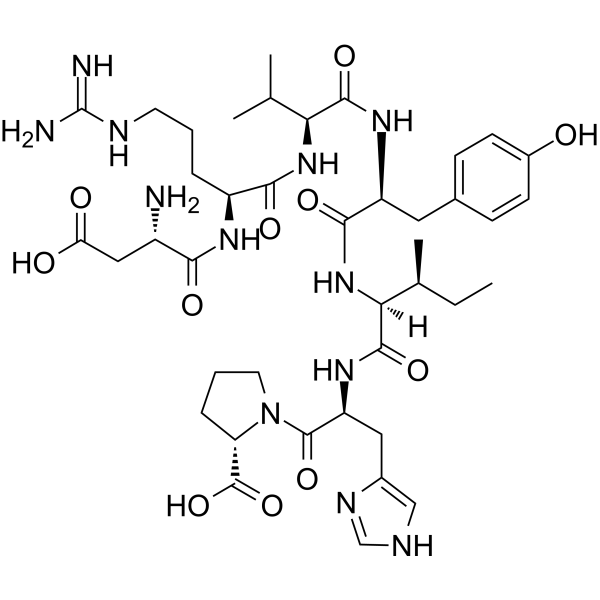
Angiotensin 1-7 (Ang-(1-7)) is an endogenous heptapeptide from the renin-angiotensin system (RAS) with a cardioprotective role due to its anti-inflammatory and anti-fibrotic activities in cardiac cells. Angiotensin 1-7 inhibits purified canine ACE activity (IC50=0.65 μM). Angiotensin 1-7 acts as a local synergistic modulator of kinin-induced vasodilation by inhibiting ACE and releasing nitric oxide. Angiotensin 1-7 blocks Ang II-induced smooth muscle cell proliferation and hypertrophy and shows antiangiogenic and growth-inhibitory effects on the endothelium. Angiotensin 1-7 shows anti-inflammatory activity .
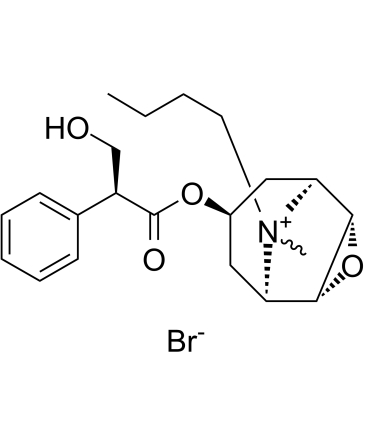
Scopolamine butylbromide (Hyoscine butylbromide) is an orally active anticholinergic agent and spasmolytic. Scopolamine butylbromide binds with high affinity to rat cardiacM2 (Ki 83 nmol/L), hM2 (Ki 233 nmol/L), rat intestinal M3 (Ki 290 nmol/L) and hM3 (Ki 643 nmol/L) muscarinic receptors. Scopolamine butylbromide exerts a dose-dependent antagonistic effect on Carbachol-induced gastrointestinal smooth muscle spasm. Scopolamine butylbromide can be used for the research of abdominal colic and pain associated with gastrointestinal spasm, functional abdominal pain, chronic gastropathy and gastric ulcer .
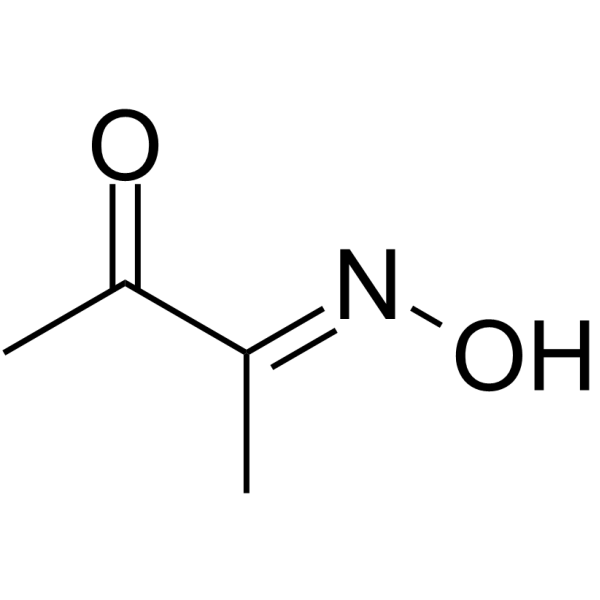
Biacetyl monoxime (Diacetyl monoxime), a myosin ATPase inhibitor, is a skeletal and cardiacmuscle contraction inhibitor. Biacetyl monoxime is also a well-characterized non-competitive inhibitor of chemical and motile activity of skeletal musclemyosin-II. Biacetyl monoxime induces sarcoplasmic reticulum Ca 2+ release .
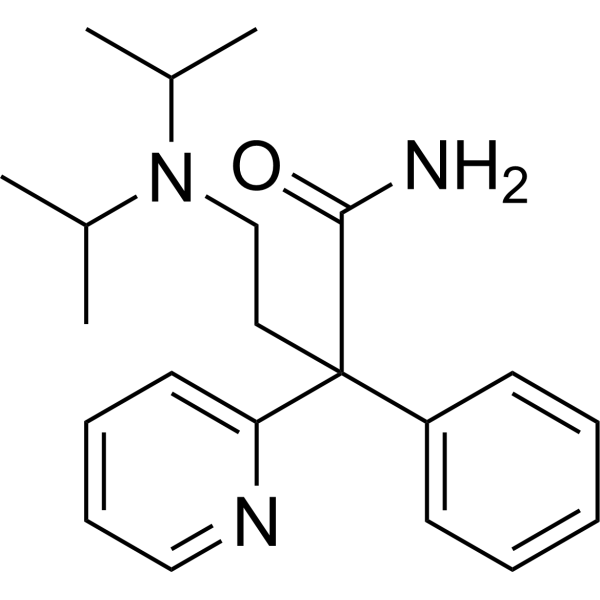
Disopyramide (Dicorantil) is a class IA antiarrhythmic agent with efficacy in ventricular and atrial arrhythmias. Disopyramide blocks the fast inward sodium current of cardiacmuscle and prolongs the duration of cardiac action potentials. Disopyramide inhibits HERG encoded potassium channels. Disopyramide also exhibits complex protein binding, and has a potent negative inotropic action .
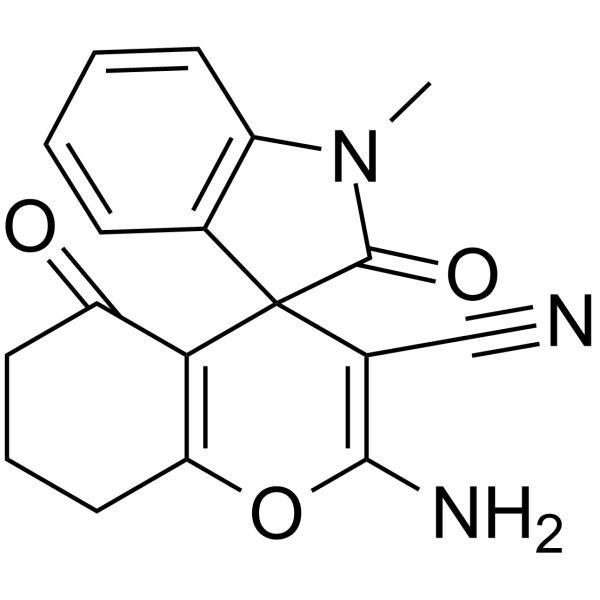
MT-110 (BPN-0027490) is a non-muscle myosin NMIIB-selective inhibitor with high brain penetration and favorable safety profile. MT-110 specifically disrupts NMIIB-dependent actin dynamics in dendritic spines, while it exerts no significant adverse effects on cardiac myosin II and cardiac functions (such as cardiac output and heart rate) at tested concentrations. A single administration of MT-110 produces long-lasting (sustained for several weeks) blockade of methamphetamine motivation associated with environmental cues. MT-110 exhibits extremely high specificity, with no interference with cocaine motivation, hippocampus-dependent memory, fear memory, or locomotor and anxiety-like behaviors. MT-110 serves as a valuable tool compound for investigating the mechanisms of methamphetamine use disorder .
3-(3-Hydroxyphenyl)propionic acid (3HPPA) is an endothelium-dependent nitric oxide (NO) release promoter and endothelial nitric oxide synthase (eNOS) activator. 3-(3-Hydroxyphenyl)propionic acid activates eNOS to mediate vascular smooth muscle relaxation and enhances endothelial cell NO synthesis, inducing vasodilation and reducing peripheral vascular resistance. 3-(3-Hydroxyphenyl)propionic acid can dose-dependently reduce systolic and diastolic blood pressure in spontaneously hypertensive rats (SHR) without affecting cardiac contractility or heart rate. 3-(3-Hydroxyphenyl)propionic acid has antihypertensive and vascular protective effects and can be used in the prevention and treatment of cardiovascular diseases .
Aspartate aminotransferase (EC 2.6.1.1), porcine heart is a metabolic regulator with the highest activity in the heart, liver and skeletal muscle. Aspartate aminotransferase, porcine heart comprises two isozymes: the cytoplasmic form (AST1) and the mitochondrial form (AST2). By catalyzing reversible transamination reactions between oxaloacetate, L-glutamate and other substances, it is deeply involved in key physiological processes such as amino acid metabolism, the tricarboxylic acid cycle and neurotransmitter synthesis. Aspartate aminotransferase, porcine heart also provides substrate support for the synthesis of urea and purines/pyrimidines. Aspartate aminotransferase, porcine heart is a serum marker reflecting cardiac and hepatic injury, and its abnormal levels are also closely associated with myocardial infarction, cardiovascular diseases and various cancers .
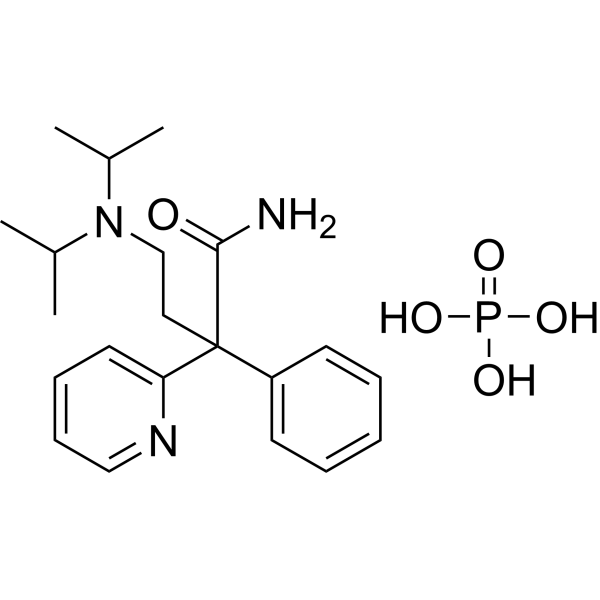
Disopyramide phosphate is a class IA antiarrhythmic agent with efficacy in ventricular and atrial arrhythmias. Disopyramide phosphate blocks the fast inward sodium current of cardiacmuscle and prolongs the duration of cardiac action potentials. Disopyramide phosphate inhibits HERG encoded potassium channels. Disopyramide phosphate also exhibits complex protein binding, and has a potent negative inotropic action .
MuRF1-IN-1 is an orally active MuRF1 inhibitor. MuRF1-IN-1 can inhibit the interaction between MuRF1 and titin as well as E3 ligase activity. MuRF1-IN-1 can alleviate skeletal muscle atrophy and dysfunction in cardiac cachexia .
Chromium chloride is a trivalent chromium compound and an essential trace mineral. Chromium chloride enhances insulin-stimulated GLUT4 translocation and glucose uptake in skeletal muscle. Chromium chloride regulates glucose and lipid metabolism, inhibits TNF-α secretion and oxidative stress in monocytes treated with high glucose or H2O2, and reverses hydrogen peroxide-induced cell growth inhibition. Chromium chloride reduces coronary and aortic lipid deposition and serum cholesterol levels in hypercholesterolemic rabbits. Chromium chloride can be used in research related to diabetes and cardiac atherosclerosis .
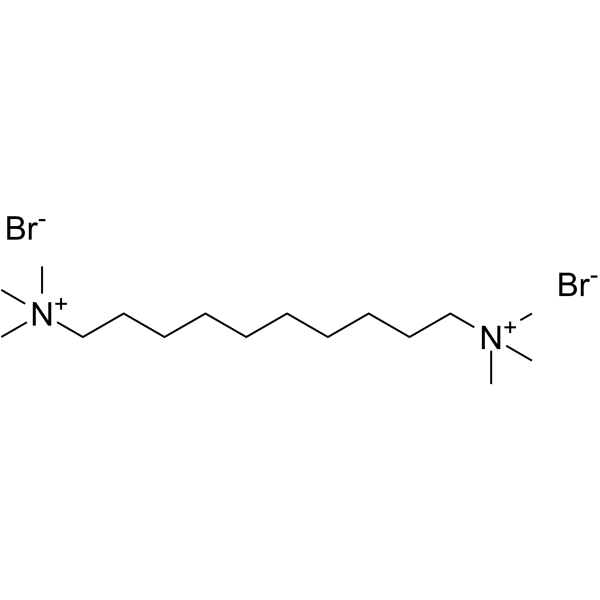
Decamethonium Bromide is an acetylcholine receptor inhibitor and muscle relaxant. Decamethonium Bromide first induces depolarization of skeletal muscles, and then binds to postsynaptic acetylcholine receptors to induce persistent paralysis .\n
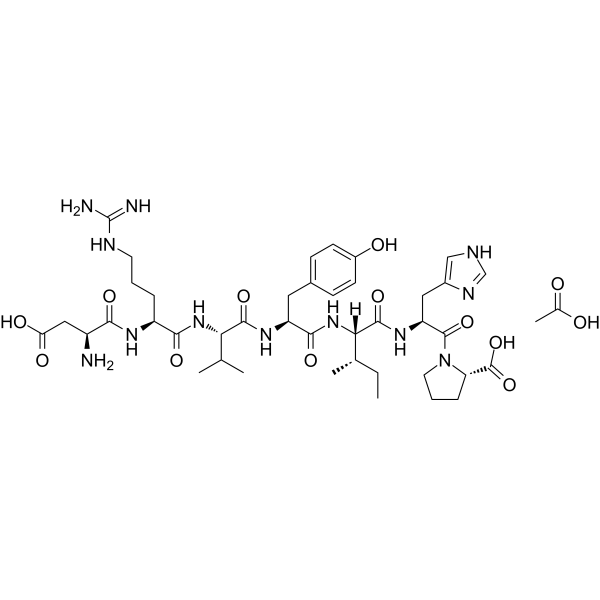
Angiotensin 1-7 (Ang-(1-7)) acetate is an endogenous heptapeptide from the renin-angiotensin system (RAS) with a cardioprotective role due to its anti-inflammatory and anti-fibrotic activities in cardiac cells. Angiotensin 1-7 acetate inhibits purified canine ACE activity (IC50=0.65 μM). Angiotensin 1-7 acetate acts as a local synergistic modulator of kinin-induced vasodilation by inhibiting ACE and releasing nitric oxide. Angiotensin 1-7 acetate blocks Ang II-induced smooth muscle cell proliferation and hypertrophy and shows antiangiogenic and growth-inhibitory effects on the endothelium .
Aspartate aminotransferase (EC 2.6.1.1), Genetically engineered bacteria is a metabolic regulator with the highest activity in the heart, liver and skeletal muscle. Aspartate aminotransferase, Genetically engineered bacteria comprises two isozymes: the cytoplasmic form (AST1) and the mitochondrial form (AST2). By catalyzing reversible transamination reactions between oxaloacetate, L-glutamate and other substances, it is deeply involved in key physiological processes such as amino acid metabolism, the tricarboxylic acid cycle and neurotransmitter synthesis. Aspartate aminotransferase, Genetically engineered bacteria also provides substrate support for the synthesis of urea and purines/pyrimidines. Aspartate aminotransferase, Genetically engineered bacteria is a serum marker reflecting cardiac and hepatic injury, and its abnormal levels are also closely associated with myocardial infarction, cardiovascular diseases and various cancers .
PF-07208254 is a selective, orally active allosteric inhibitor of branched-chain ketoacid dehydrogenase kinase (BDK) (IC50=110 nM, Ki=54 nM, KD=84 nM). PF-07208254 inhibits BDK-mediated BCKDH phosphorylation and enhances the catabolism of branched-chain amino acids (BCAAs) and branched-chain keto acids (BCKAs) by binding to the allosteric pocket of BDK, reducing BDK binding to BCKDH-E2 and promoting BDK degradation. PF-07208254 inhibits BDK activity in human skeletal muscle cells (IC50=540 nM) and has activity to improve cardiac function and metabolism. PF-07208254 can be used in the study of cardiometabolic diseases (e.g., heart failure, type 2 diabetes) .
Triethyl phosphate is a versatile phosphate ester compound. Triethyl phosphate induces rapid and short-acting anesthesia, and exhibits hypotensive, smooth muscle relaxant, and cardiac inhibitory effects. Triethyl phosphate also modulates cholinergic toxicity; its anesthetic effect shows sex- and age-dependency in rodents, and it interacts with SKF 525-A (HY-B1311) to alter the duration of anesthesia .
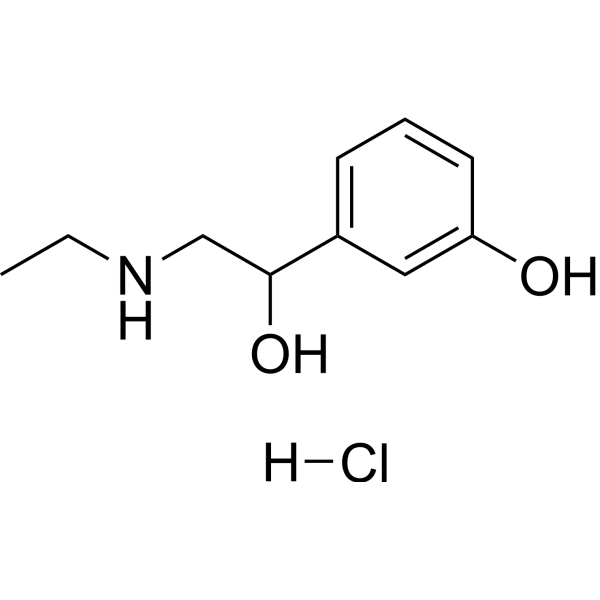
Etilefrine hydrochloride is a sympathetic nerve agonist and AMPK activator that selectively targets α1/β1 adrenergic receptors. Etilefrine hydrochloride stimulates α1 adrenergic receptors, leading to contraction of vascular smooth muscle and increased peripheral resistance. Etilefrine hydrochloride also stimulates β1 receptors to enhance myocardial contractility and increase heart rate, thereby increasing blood pressure and improving cardiac output. Etilefrine hydrochloride also bidirectionally regulates the AMPK/Akt pathway and modulates the phosphorylation levels. Etilefrine hydrochloride can be used in cardiovascular research, such as postural hypotension, chylothorax, and improving low cardiac output .
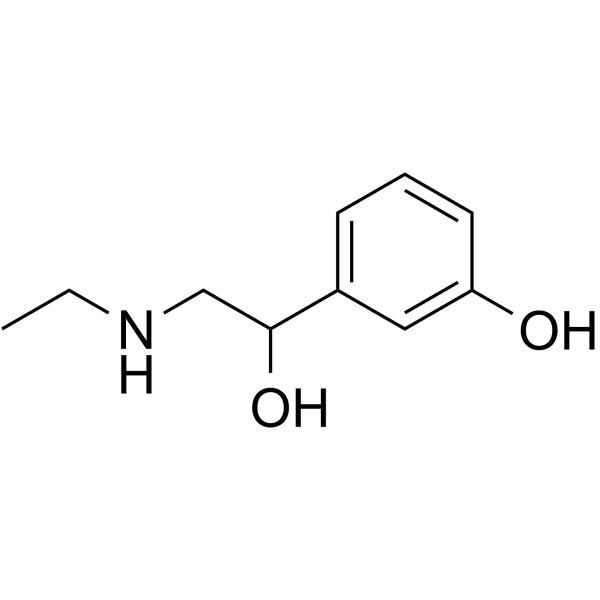
Etilefrine is a sympathetic nerve agonist and AMPK activator that selectively targets α1/β1 adrenergic receptors. Etilefrine stimulates α1 adrenergic receptors, leading to contraction of vascular smooth muscle and increased peripheral resistance. Etilefrine also stimulates β1 receptors to enhance myocardial contractility and increase heart rate, thereby increasing blood pressure and improving cardiac output. Etilefrine also bidirectionally regulates the AMPK/Akt pathway and modulates the phosphorylation levels. Etilefrine can be used in cardiovascular research, such as postural hypotension, chylothorax, and improving low cardiac output .
DMTr-2'-O-C22-rA-3'-CE-Phosphoramidite is an RNA phosphoramidite monomer. DMTr-2'-O-C22-rA-3'-CE-Phosphoramidite allows site-specific introduction of a 2'-O-C22 lipophilic modification at adenosine positions to construct double-stranded RNA (dsRNA) molecules with extrahepatic delivery capability. DMTr-2'-O-C22-rA-3'-CE-Phosphoramidite supports target gene silencing in skeletal muscle, cardiacmuscle and adipose tissue by enhancing the lipophilicity and tissue uptake efficiency of dsRNA. DMTr-2'-O-C22-rA-3'-CE-Phosphoramidite can be used for the construction and mechanism research of nucleic acid silencing molecules .
Piperidolate is a cholinergic antagonist. Piperidolate prevents ventricular fibrillation during hypothermic cardiac manipulations to support cardiac procedures post-preoperative defibrillation. Piperidolate causes dose-dependent cardiac depression. Piperidolate can be used for the research of ventricular fibrillation .
Piperidolate hydrochloride is a cholinergic antagonist. Piperidolate hydrochloride prevents ventricular fibrillation during hypothermic cardiac manipulations to support cardiac procedures post-preoperative defibrillation. Piperidolate hydrochloride causes dose-dependent cardiac depression. Piperidolate hydrochloride can be used for the research of ventricular fibrillation .
(+)-Sotalol ((S)-Sotalol) is the S-isomer of Sotalol (HY-103196). Sotalol is an orally active, non-selective β-adrenergic receptor blocker. (+)-Sotalol is an antiarrhythmic agent. (+)-Sotalol can prolong action potential duration in isolated cardiacmuscle .
M617 is a selective galanin receptor 1 (GAL1) agonist, with Kis of 0.23 and 5.71 nM for GAL1 and GAL2, respectively. M617, acting through its central GAL1, can promote GLUT4 expression and enhance GLUT4 content in the cardiacmuscle of type 2 diabetic rats .
Aprindine is an Ib-class anti-arrhythmic agent. Aprindine mainly exerts its effect by blocking sodium channels (INa), thereby reducing the excitability and conduction velocity of cardiacmuscle cells. Aprindine significantly inhibits delayed potassium currents, which helps to prolong the atrial effective refractory period (AERP) and inhibit the occurrence of atrial fibrillation. Aprindine can also regulate intracellular calcium ion concentration by inhibiting Na +/Ca 2+ exchange current (INCX), thereby further stabilizing cardiac electrical activity. Aprindine can be used for the study of atrial fibrillation (AF) and ventricular arrhythmias .
Sodium octadecyl sulfate (Sodium stearyl sulfate) is a long-chain alkyl sodium sulfate that functions as an emulsifier, crosslinking agent, and regulator. Sodium octadecyl sulfate has high safety, with a LD50 greater than 3.00 Gm./Kg for both intraperitoneal injection in mice and oral administration in rats. Sodium octadecyl sulfate enhances continuous contraction of the gastrocnemius muscle in frogs and boosts intestinal smooth muscle activity in albino rats. However, Sodium octadecyl sulfate exerts no significant effect on isolated tortoise myocardium and does not alter the conduction function of frog sciatic nerves. Sodium octadecyl sulfate can also be used to coat the surface of starch aggregates, promote crosslinking and increase aggregate size through hydrophobic and electrostatic interactions, and further form a coexistent B-V type crystalline structure with acid-hydrolyzed gelatinized starch, thereby effectively modifying the structure and surface properties of high-starch systems .
DMTr-2'-O-C22-rC (Ac)-3'-CE-Phosphoramidite is an RNA phosphoramidite monomer. DMTr-2'-O-C22-rC (Ac)-3'-CE-Phosphoramidite enables site-specific introduction of 2'-O-C22 lipophilic modification at cytidine positions during oligonucleotide synthesis, which is used to construct double-stranded RNA (dsRNA) molecules with extrahepatic delivery capability. DMTr-2'-O-C22-rC (Ac)-3'-CE-Phosphoramidite supports target gene silencing in skeletal muscle, cardiacmuscle and adipose tissue by enhancing the lipophilicity and tissue uptake efficiency of dsRNA. Construction and mechanism study of DMTr-2'-O-C22-rC (Ac)-3'-CE-Phosphoramidite nucleic acid silencing molecules .
Tarafenacin (SVT-40776) D-tartrate is an orally active, selective M3 muscarinic receptor (M3 muscarinic receptor) antagonist with 203-fold selectivity over the M2 muscarinic receptor. Tarafenacin D-tartrate does not affect atrial contraction, arterial blood pressure or arterial pressure at high doses. Tarafenacin D-tartrate can be used in the research of overactive bladder .
JB061 is a nonmuscle myosin inhibitor with IC50s of 4.4 μM (Cardiacmuscle myosin), 9.1 μM (Skeletal muscle myosin), and >100 μM (Smooth muscle myosin II), respectively. JB061 poorly decreases ATPase activity (IC50>200 μM). JB061 shows cytotoxicity against COS-7 cells with an IC50 value of 39 μM .
Aprindine hydrochloride is an Ib-class anti-arrhythmic agent. Aprindine hydrochloride mainly exerts its effect by blocking sodium channels (INa), thereby reducing the excitability and conduction velocity of cardiacmuscle cells. Aprindine hydrochloride significantly inhibits delayed potassium currents, which helps to prolong the atrial effective refractory period (AERP) and inhibit the occurrence of atrial fibrillation. Aprindine hydrochloride can also regulate intracellular calcium ion concentration by inhibiting Na +/Ca 2+ exchange current (INCX), thereby further stabilizing cardiac electrical activity. Aprindine hydrochloride can be used for the study of atrial fibrillation (AF) and ventricular arrhythmias .
DMTr-2'-O-C22-rG (ibu)-3'-CE-Phosphoramidite is an RNA phosphoramidite monomer for oligonucleotide synthesis. DMTr-2'-O-C22-rG (ibu)-3'-CE-Phosphoramidite enables site-specific introduction of 2'-O-C22 lipophilic modification at guanosine positions to construct double-stranded RNA (dsRNA) molecules with extrahepatic delivery capability. DMTr-2'-O-C22-rG (ibu)-3'-CE-Phosphoramidite supports target gene silencing in skeletal muscle, cardiacmuscle and adipose tissue by enhancing the lipid solubility and tissue uptake efficiency of dsRNA. DMTr-2'-O-C22-rG (ibu)-3'-CE-Phosphoramidite can be used for the construction and mechanism research of nucleic acid silencing molecules .
Endothelin 1 (swine, human), Alexa Fluor 488-labeled is an Endothelin-1 conjugated with Alexa Fluor 488 (HY-D1304). Endothelin-1 is an endogenous vasoconstrictor and agonist of ETA/ETBreceptor. Endothelin 1 (swine, human) exerts effects including promoting mitosis, angiogenesis, tumor invasion and metastasis, and inhibiting apoptosis. Endothelin 1 (swine, human) induces inflammation and oxidative stress by activating the NF-κB pathway. Endothelin 1 (swine, human), Alexa Fluor 488-labeled is specifically designed for fluorescence imaging, flow cytometry or receptor localization studies, and can be used in research related to sepsis, atherosclerosis, systemic inflammatory response syndrome, cancer and congestive heart failure .
3-Chlorodiphenylamine is a high affinity Ca 2+ sensitizer of cardiacmuscle. 3-Chlorodiphenylamine is based on diphenylamine and binds to the isolated N-domain of cardiac troponin C (cTnC) (Kd=6 µM). 3-Chlorodiphenylamine is an excellent starting scaffold for the development of more potent Ca 2+-sensitizing compounds due to its small size, and can be used for systolic heart failure research .
Doxorubicinol, a potent inhibitor of the cardiac sarcoplasmic reticulum calcium pump, inhibits systolic myocardial function in isolated heart muscle. Doxorubicinol inhibits tumor cell growth and has cardiotoxicity.
Recainam (Wy-42362) is a potent orally active antiarrhythmic agent and a sodium channel inhibitor. Recainam elevates ventricular fibrillation threshold, suppresses induced cardiac dysrhythmias, and may accentuate cardiac tissue refractoriness heterogeneity. Recainam can be used for the research of arrhythmias .
Aspartate aminotransferase (EC 2.6.1.1), Human liver is a metabolic regulator with the highest activity in the heart, liver and skeletal muscle. Aspartate aminotransferase, Human liver comprises two isozymes: the cytoplasmic form (AST1) and the mitochondrial form (AST2). By catalyzing reversible transamination reactions between oxaloacetate, L-glutamate and other substances, it is deeply involved in key physiological processes such as amino acid metabolism, the tricarboxylic acid cycle and neurotransmitter synthesis. Aspartate aminotransferase, Human liver also provides substrate support for the synthesis of urea and purines/pyrimidines. Aspartate aminotransferase, Human liver is a serum marker reflecting cardiac and hepatic injury, and its abnormal levels are also closely associated with myocardial infarction, cardiovascular diseases and various cancers .
Etamiphyllin camsylate (Etamiphylline camsylate) is a cardiac stimulant with oral activity that increases cardiac output without increasing heart rate. Etamiphyllin camsylate is also a respiratory stimulant used for respiratory failure, as Etamiphyllin camsylate relaxes the smooth muscles of the bronchi and bronchioles, thereby opening up the airways to relieve chronic obstructive pulmonary disease .
Negamycin (hydrochloride) is a dipeptide antibiotic. Negamycin (hydrochloride) can restore dystrophin expression in skeletal and cardiacmuscles in mdx Duchenne muscular dystrophy (DMD) murine model. Negamycin (hydrochloride) can bind to a partial sequence of the eukaryotic rRNA-decoding A-site. Negamycin (hydrochloride) can be studied in DMD research .
AGL 2043 is an effective inhibitor of PDGFR (IC50=0.8 μM) and TEL-PDGFR kinases, as well as FLT3 and KIT kinases. AGL 2043 can effectively inhibit porcine cardiac smooth muscle cell proliferation and balloon-induced vascular stenosis, and is suitable for development as an anti-restenotic and anticancer agent .
Nifenalol hydrochloride is a β-adrenergic receptor antagonist. Nifenalol hydrochloride induces the Early Afterdepolarization (EAD) effect. EAD is a phenomenon in cardiac electrophysiology that usually occurs during an action potential in ventricular muscle cells and can lead to arrhythmia. The EAD effect of Nifenalol hydrochloride can be blocked by Tetrodotoxin. Nifenalol hydrochloride is used in the study of conditions such as irregular heartbeat or high blood pressure .
Chrysosplenol C is a type of flavonoid compound. Chrysosplenol C selectively activates cardiacmyosin ATPase, with its EC50 being 45 µM. Chrysosplenol C enhances the release of intracellular calcium ions by activating protein kinase C (PKC), thereby increasing the contractility of rat ventricular muscle cells. Chrysosplenol C can be used in the research of heart failure .
Magnocurarine is a neuromuscular junction blocker that inhibits muscle contraction by functionally blocking signal transmission without directly damaging nerve or muscle tissues. In frog, mouse and rabbit models, Magnocurarine exerts a dose-dependent paralytic effect, which progresses gradually from limb weakness and loss of righting reflex to respiratory depression and even cardiac arrest. Although high doses cause complete cessation of movement, Magnocurarine does not affect the spinal multineuronal reflex in frogs. Magnocurarine exhibits biological activity similar to that of tubocurarine (HY-125901) in various animal models .
RS-87337 is an orally active antiarrhythmic agent that increases the duration and the maximum rate of rise of cardiacmuscle action potentials. RS-87337 is promising for research of antiarrhythmic and cardioprotective agents .
JB062 is a nonmuscle myosin inhibitor with IC50 values of 1.6, 5.4, and >100 μM for Skeletal muscle myosin, Cardiacmuscle myosin, and Smooth muscle myosin II, respectively. JB062 has cytotoxic to human cancer cells but not normal cells. JB062 can be used in research of muscle spasticity, chronic musculoskeletal pain, and hypertrophic cardiomyopathy .
Disopyramide hydrochloride is a class IA antiarrhythmic agent with efficacy in ventricular and atrial arrhythmias. Disopyramide hydrochloride blocks the fast inward sodium current of cardiacmuscle and prolongs the duration of cardiac action potentials. Disopyramide hydrochloride inhibits HERG encoded potassium channels. Disopyramide hydrochloride also exhibits complex protein binding, and has a potent negative inotropic action .
Troponin modulator 1 (compound 7) modulates the mutant cardiacmuscle thin filament function. Troponin modulator 1 enhances Ca 2+ sensitivity by phosphorylation with an EC50 of 67 μM .
Disopyramide (Standard) is the analytical standard of Disopyramide. This product is intended for research and analytical applications. Disopyramide (Dicorantil) is a class IA antiarrhythmic agent with efficacy in ventricular and atrial arrhythmias. Disopyramide blocks the fast inward sodium current of cardiacmuscle and prolongs the duration of cardiac action potentials. Disopyramide inhibits HERG encoded potassium channels. Disopyramide also exhibits complex protein binding, and has a potent negative inotropic action .
Disopyramide (phosphate) (Standard) is the analytical standard of Disopyramide (phosphate). This product is intended for research and analytical applications. Disopyramide phosphate is a class IA antiarrhythmic agent with efficacy in ventricular and atrial arrhythmias. Disopyramide phosphate blocks the fast inward sodium current of cardiacmuscle and prolongs the duration of cardiac action potentials. Disopyramide phosphate inhibits HERG encoded potassium channels. Disopyramide phosphate also exhibits complex protein binding, and has a potent negative inotropic action .
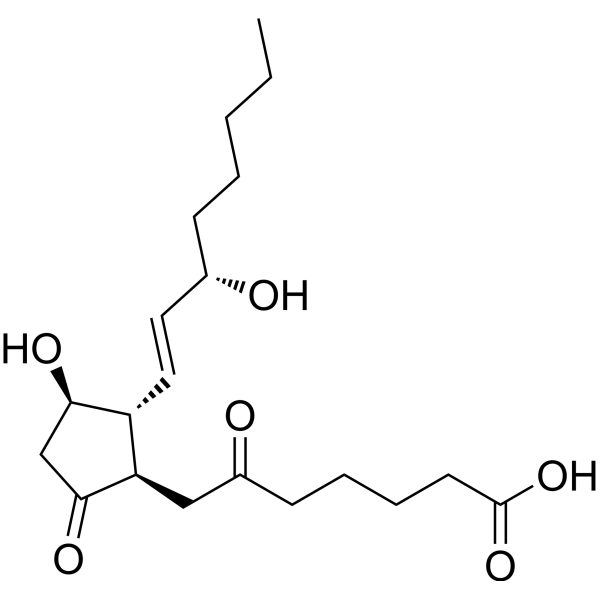
6-Keto-PGE1 (6-keto-Prostaglandin E1) is a biologically active derivative of PGE1. 6-Keto-PGE1 inhibits adenosine diphosphate-induced platelet aggregation. 6-Keto-PGE1 reduces cardiac afterload, decreases the accumulation of plasma myocardial depressant factor (MDF), lowers arterial blood pressure, dilates vascular beds, inhibits the vasoconstrictive response of vascular smooth muscle, and increases pulmonary compliance. 6-Keto-PGE1 directly stabilizes isolated cat liver lysosomes and significantly reduces the release of β-glucuronidase and cathepsin D. 6-Keto-PGE1 prolongs the survival time of traumatized rats and exerts protective effects through hemodynamic and cytoprotective actions. 6-Keto-PGE1 reduces central airway resistance. 6-Keto-PGE1 can be used in studies related to traumatic shock .
Succinate calcium is a key intermediate product of the citric acid cycle (tricarboxylic acid cycle). Succinate calcium can act as a specific ligand for the G protein-coupled receptor GPR91. Succinate calcium can increase the amplitude of calcium transient in cardiacmuscle cells and accelerate the decay rate of calcium transient. Succinate calcium can induce myocardial apoptosis .
M617 TFA is a selective galanin receptor 1 (GAL1) agonist, with Kis of 0.23 and 5.71 nM for GAL1 and GAL2, respectively. M617 TFA, acting through its central GAL1, can promote GLUT4 expression and enhance GLUT4 content in the cardiacmuscle of type 2 diabetic rats .
Etilefrine (Standard) is the analytical standard of Etilefrine. This product is intended for research and analytical applications. Etilefrine is a sympathetic nerve agonist and AMPK activator that selectively targets α1/β1 adrenergic receptors. Etilefrine stimulates α1 adrenergic receptors, leading to contraction of vascular smooth muscle and increased peripheral resistance. Etilefrine also stimulates β1 receptors to enhance myocardial contractility and increase heart rate, thereby increasing blood pressure and improving cardiac output. Etilefrine also bidirectionally regulates the AMPK/Akt pathway and modulates the phosphorylation levels. Etilefrine can be used in cardiovascular research, such as postural hypotension, chylothorax, and improving low cardiac output .
Etilefrine hydrochloride (Standard) is the analytical standard of Etilefrine hydrochloride (HY-A0144A). This product is intended for research and analytical applications. Etilefrine hydrochloride is a sympathetic nerve agonist and AMPK activator that selectively targets α1/β1 adrenergic receptors. Etilefrine hydrochloride stimulates α1 adrenergic receptors, leading to contraction of vascular smooth muscle and increased peripheral resistance. Etilefrine hydrochloride also stimulates β1 receptors to enhance myocardial contractility and increase heart rate, thereby increasing blood pressure and improving cardiac output. Etilefrine hydrochloride also bidirectionally regulates the AMPK/Akt pathway and modulates the phosphorylation levels. Etilefrine hydrochloride can be used in cardiovascular research, such as postural hypotension, chylothorax, and improving low cardiac output .
Carbuterol (SKF 40383-A) is a selective β2-adrenergic receptor agonist that primarily targets bronchial smooth muscle, exhibiting significant bronchodilatory and anti-allergic activity. Carbuterol can directly inhibit the immunologically induced release of histamine and slow-reacting substance of anaphylaxis (SRS-A), thereby alleviating allergic responses. Carbuterol exerts mild β1-mediated cardiac stimulation and is applicable to studies related to respiratory and immune-related diseases such as asthma and allergic disorders .
ZD0947 is an ATP-sensitive potassium channel activator with relatively effective activation of smooth muscle KATP channels (SUR2B/Kir6.1 and SUR2B/Kir6.2). ZD0947 partially antagonizes pancreatic KATP channels (SUR1/Kir6.2) and cardiac KATP channels (SUR2A/Kir6.2). ZD0947 is potentially used to inhibit overactive bladder (OAB) .
Carbuterol (SKF 40383-A) hydrochloride is a selective β2-adrenergic receptor agonist that primarily targets bronchial smooth muscle, exhibiting significant bronchodilatory and anti-allergic activity. Carbuterol hydrochloride can directly inhibit the immunologically induced release of histamine and slow-reacting substance of anaphylaxis (SRS-A), thereby alleviating allergic responses. In addition, it exerts mild β1-mediated cardiac stimulation and is applicable to studies related to respiratory and immune-related diseases such as asthma and allergic disorders .
ALK5-IN-82 is a potent and selective inhibitor against activin receptor-like kinase 5 (ALK5) with an IC50 value of 9.1 nM. ALK5-IN-82 inhibits the protein expression of α-smooth muscle actin (α-SMA), collagen I and tissue inhibitor of metalloproteinase 1 (TIMP-1)/matrix metalloproteinase 13 (MMP-13) in transforming growth factor-β-induced human umbilical vein endothelial cells. ALK5-IN-82 is promising for research of cardiac fibrosis .
Recainam (Wy-42362) hydrochloride is a potent orally active antiarrhythmic agent and a sodium channel inhibitor. Recainam hydrochloride elevates ventricular fibrillation threshold, suppresses induced cardiac dysrhythmias, and may accentuate cardiac tissue refractoriness heterogeneity. Recainam hydrochloride can be used for the research of arrhythmias .
Scopolamine butylbromide (Standard) is the analytical standard of Scopolamine butylbromide (HY-N0340). This product is intended for research and analytical applications. Scopolamine butylbromide (Hyoscine butylbromide) is an orally active anticholinergic agent and spasmolytic. Scopolamine butylbromide binds with high affinity to rat cardiacM2 (Ki 83 nmol/L), hM2 (Ki 233 nmol/L), rat intestinal M3 (Ki 290 nmol/L) and hM3 (Ki 643 nmol/L) muscarinic receptors. Scopolamine butylbromide exerts a dose-dependent antagonistic effect on Carbachol-induced gastrointestinal smooth muscle spasm. Scopolamine butylbromide can be used for the research of abdominal colic and pain associated with gastrointestinal spasm, functional abdominal pain, chronic gastropathy and gastric ulcer .
Talfirastide (Standard) is the analytical standard of Talfirastide. This product is intended for research and analytical applications. Angiotensin 1-7 (Ang-(1-7)) is an endogenous heptapeptide from the renin-angiotensin system (RAS) with a cardioprotective role due to its anti-inflammatory and anti-fibrotic activities in cardiac cells. Angiotensin 1-7 inhibits purified canine ACE activity (IC50=0.65 μM). Angiotensin 1-7 acts as a local synergistic modulator of kinin-induced vasodilation by inhibiting ACE and releasing nitric oxide. Angiotensin 1-7 blocks Ang II-induced smooth muscle cell proliferation and hypertrophy and shows antiangiogenic and growth-inhibitory effects on the endothelium. Angiotensin 1-7 shows anti-inflammatory activity .
Piperidolate (Standard) is the analytical standard of Piperidolate. This product is intended for research and analytical applications. Piperidolate is a cholinergic antagonist. Piperidolate prevents ventricular fibrillation during hypothermic cardiac manipulations to support cardiac procedures post-preoperative defibrillation. Piperidolate causes dose-dependent cardiac depression. Piperidolate can be used for the research of ventricular fibrillation .
Tarafenacin (SVT-40776) is an orally active, selective M3 muscarinic receptor (M3 muscarinic receptor) antagonist with 203-fold selectivity over the M2 muscarinic receptor. Tarafenacin does not affect atrial contraction, arterial blood pressure or arterial pressure at high doses. Tarafenacin can be used in the research of overactive bladder .
RSD-921 (PD-123497) is a potent Na + channel blocker with anti-arrhythmic activity. RSD-921 displays a low affinity for κ-opioid receptors and behaves as a weak κ-agonist in vitro. RSD 921 displays state-, time- and voltage-dependent block of the open state of cardiac, skeletal muscle and neuronal Na + channels expressed in Xenopus oocytes. RSD-921 can be used for cardiac arrhythmias research .
Acetylstrophanthidin is a cardiac glycoside compound and a positive inotropic agent. Acetylstrophanthidin increases myocardial oxygen consumption in cat papillary muscles under constant load or tension, as well as under afterload (isotonic) and isometric contraction conditions .
N-Demethyldiltiazem is a metabolite of Diltiazem (HY-B0632). N-Demethyldiltiazem increases coronary blood flow, modulates cardiac function, decreases systemic blood pressure and heart rate, and alters papillary muscle developed tension .
RCC-36 hydrochloride is an L-type calcium channel inhibitor and competitive muscarinic receptor antagonist. RCC-36 hydrochloride inhibits L-type calcium currents in voltage- and concentration-dependent fashion with no effect on cardiac K + currents. RCC-36 hydrochloride suppresses maximum acetylcholine-induced contractile responses, inhibits detrusor muscle contractions induced by potassium chloride, calcium chloride, and electric field stimulation, including atropine-resistant contractions. RCC-36 hydrochloride can be used for the research of urinary frequency, urinary incontinence, and bladder overactivity .
PKCε is an isoform of the large PKC family of protein kinases. In cardiacmuscle cells, PKCε regulates muscle contraction through its actions at sarcomeric proteins, and PKCε modulates cardiac cell metabolism through its actions at mitochondria. PKCε Recombinant Human Active Protein Kinase is a recombinant PKCε protein that can be used to study PKCε-related functions .
CK-571 is a potent and selective inhibitor of smooth muscle myosin-2 (SMM), with an IC50 value of 86 nM. CK-571 exhibits IC50 values for cardiacmuscle myosin (CMM), skeletal muscle myosin (SKM), and non-muscle myosin-2A (NMM-2A) of 2.3, 42, and 0.58 μM, respectively. CK-571 can be used for research on asthma, chronic obstructive pulmonary disease, and other smooth muscle-related diseases .
Magnocurarine chloride is a neuromuscular junction blocker that inhibits muscle contraction by functionally blocking signal transmission without directly damaging nerve or muscle tissues. In frog, mouse and rabbit models, Magnocurarine chloride exerts a dose-dependent paralytic effect, which progresses gradually from limb weakness and loss of righting reflex to respiratory depression and even cardiac arrest. Although high doses cause complete cessation of movement, Magnocurarine chloride does not affect the spinal multineuronal reflex in frogs. Magnocurarine chloride exhibits biological activity similar to that of tubocurarine (HY-125901) in various animal models .
(S)-Bopindolol is a β-adrenergic receptor blocker that can be used to prevent, inhibit, can be used to reduce muscle mass and/or functional loss and/or decreased bone density caused by weight loss. (S)-Bopindolol can protect the myocardium and/or cardiac function, or prevent low blood pressure and/or increased heart rate during weight loss .
Mouse Mef2c mRNA encodes the mouse myocyte enhancer factor 2C (Mef2c) protein, a transcription activator which binds specifically to the MEF2 element present in the regulatory regions of many muscle-specific genes. Mef2c controls cardiac morphogenesis and myogenesis, and is also involved in vascular development, neurogenesis and the development of cortical architecture.
Aprindine hydrochloride (Standard) is the analytical reference standard of Aprindine hydrochloride (HY-A0236A). This product is used for research and analytical applications. Aprindine hydrochloride is an Ib-class anti-arrhythmic agent. Aprindine hydrochloride mainly exerts its effect by blocking sodium channels (INa), thereby reducing the excitability and conduction velocity of cardiacmuscle cells. Aprindine hydrochloride significantly inhibits delayed potassium currents, which helps to prolong the atrial effective refractory period (AERP) and inhibit the occurrence of atrial fibrillation. Aprindine hydrochloride can also regulate intracellular calcium ion concentration by inhibiting Na +/Ca 2+ exchange current (INCX), thereby further stabilizing cardiac electrical activity. Aprindine hydrochloride can be used for the study of atrial fibrillation (AF) and ventricular arrhythmias.
SERCA2a activator 2 (Compound 25) is a potent SERCA2a (cardiac type) activator, which also has an activating effect on SERCA1a (skeletal muscle type). SERCA2a activator 2, under [Ca²⁺]MAX conditions activates the ATPase activity of SERCA2a and promotes Ca²⁺ uptake, with its EC₅₀ values being 4 μM and 0.80 μM respectively. SERCA2a activator 2 also exhibits consistent activating effects under more physiological [Ca²⁺]MID conditions. SERCA2a activator 2 has low cytotoxicity and can be used for research on diseases such as heart failure .
Clofilium phosphate (LY 150378) is an antiarrhythmic/antifibrillatory agent. Clofilium phosphate significantly prolongs the action potential duration and effective refractory period of canine cardiac Purkinje fibers, increases the ventricular fibrillation threshold, reduces the risk of reentrant arrhythmias, and enables spontaneous conversion of some ventricular fibrillation episodes to sinus rhythm. Clofilium phosphate is applicable to research related to ventricular fibrillation, arrhythmias, and ventricular tachyarrhythmias .
UR 8225 is an orally active ATP-sensitive K + channel activator with vasodilator, smooth muscle relaxant, antihypertensive, and bronchodilator activities. UR 8225 induces membrane hyperpolarization by increasing outward K + conductance and reduces Ca 2+ influx through voltage-gated L-type Ca 2+ channels. UR 8225 reduces total peripheral vascular resistance, shortens cardiac action potential duration, inhibits agonist-induced Ca 2+ influx, and stimulates renin release. UR 8225 induces reflex tachycardia but lacks β-adrenergic receptor blocking activity. UR 8225 is widely applicable to research in fields related to hypertension, myocardial ischemia, ventricular fibrillation, and other conditions .
L-Balenine is an orally active Pin1 inhibitor and intracellular pH buffer. L-Balenine enhances the phagocytic activity of macrophages, and promotes the expression of pro-inflammatory and anti-inflammatory cytokines during muscle degeneration. L-Balenine also upregulates the expression of myogenic marker genes associated with regeneration, thereby effectively driving skeletal muscle regeneration. L-Balenine can be widely used in studies related to skeletal muscle injury and its repair mechanisms .
Aspartate aminotransferase (EC 2.6.1.1), Human (HEK293) is a metabolic regulator with the highest activity in the heart, liver and skeletal muscle. Aspartate aminotransferase, Human (HEK293) comprises two isozymes: the cytoplasmic form (AST1) and the mitochondrial form (AST2). By catalyzing reversible transamination reactions between oxaloacetate, L-glutamate and other substances, it is deeply involved in key physiological processes such as amino acid metabolism, the tricarboxylic acid cycle and neurotransmitter synthesis. Aspartate aminotransferase, Human (HEK293) also provides substrate support for the synthesis of urea and purines/pyrimidines. Aspartate aminotransferase, Human (HEK293) is a serum marker reflecting cardiac and hepatic injury, and its abnormal levels are also closely associated with myocardial infarction, cardiovascular diseases and various cancers .
Asocainol hydrochloride (Goe 4704 hydrochloride) is an antiarrhythmic agent. Asocainol hydrochloride reduces the maximum rate of action potential rise and action potential amplitude. Asocainol hydrochloride is applicable for the research of arrhythmias .
Cyclocreatine phosphate dilithium is a synthetic intracellular energy buffer. Cyclocreatine phosphate dilithium mediates antiproliferative activity in cells with high creatine kinase levels and inhibits solid tumor growth. Cyclocreatine phosphate dilithium maintains adenosine triphosphate (ATP) levels and protects tissues from hypoxia, cellular damage and inflammation during ischemic events. Cyclocreatine phosphate dilithium accumulates in skeletal muscle, reduces muscle phosphocreatine and total creatine levels, and acts both as a bioenergetic/anti-inflammatory agent and an experimental tool for the assessment of ischemic injury. Cyclocreatine phosphate dilithium can be used in studies related to solid tumors, heart failure and ischemia .
Stellettamide A TFA is a marine toxin found in a marine sponge. Stellettamide A TFA is a calmodulin inhibitor. Stellettamide A TFA can inhibit Ca 2+/Mg 2+ ATPase, phosphodiesterase, myosin light chain , and Mg 2+-ATPase. Stellettamide A TFA inhibits high K +- and Ca 2+-induced contraction in permeabilized smooth muscle. Stellettamide A TFA exhibits antifungal activity against Mortierella remannianus. Stellettamide A TFA can be used for the research of fungal infection .
Succinylcholine iodide is a depolarizing neuromuscular blocker with rapid onset and short duration of action. Succinylcholine iodide also acts as an agonist of the Acetylcholine receptor. Succinylcholine iodide is used for emergency airway management .
Sodium channels conduct sodium ions (Na+) through a cell's plasma membrane that are the source of excitatory currents for the nervous system and muscle. Na channels are classified according to the trigger that opens the channel for such ions, i.e. either a voltage-change (Voltage-gated, voltage-sensitive, or voltage-dependent sodium channel also called VGSCs or Nav channel) or a binding of a substance (a ligand) to the channel (ligand-gated sodium channels). Dysfunction in voltage-gated sodium channels correlates with neurological and cardiac diseases, including epilepsy, myopathies, pain and cardiac arrhythmias. Sodium channel blockers are used in the treatment of cardiac arrhythmia, pain and convulsion.
MCE offers a unique collection of 187 sodium channel blocker and antagonists, all of which have the identified inhibitory effect on sodium channels. MCE Sodium Channel Blocker Library can be used for neurological and cardiac diseases drug discovery and sodium channel research.
Etilefrine hydrochloride is a sympathetic nerve agonist and AMPK activator that selectively targets α1/β1 adrenergic receptors. Etilefrine hydrochloride stimulates α1 adrenergic receptors, leading to contraction of vascular smooth muscle and increased peripheral resistance. Etilefrine hydrochloride also stimulates β1 receptors to enhance myocardial contractility and increase heart rate, thereby increasing blood pressure and improving cardiac output. Etilefrine hydrochloride also bidirectionally regulates the AMPK/Akt pathway and modulates the phosphorylation levels. Etilefrine hydrochloride can be used in cardiovascular research, such as postural hypotension, chylothorax, and improving low cardiac output .
Sodium octadecyl sulfate (Sodium stearyl sulfate) is a long-chain alkyl sodium sulfate that functions as an emulsifier, crosslinking agent, and regulator. Sodium octadecyl sulfate has high safety, with a LD50 greater than 3.00 Gm./Kg for both intraperitoneal injection in mice and oral administration in rats. Sodium octadecyl sulfate enhances continuous contraction of the gastrocnemius muscle in frogs and boosts intestinal smooth muscle activity in albino rats. However, Sodium octadecyl sulfate exerts no significant effect on isolated tortoise myocardium and does not alter the conduction function of frog sciatic nerves. Sodium octadecyl sulfate can also be used to coat the surface of starch aggregates, promote crosslinking and increase aggregate size through hydrophobic and electrostatic interactions, and further form a coexistent B-V type crystalline structure with acid-hydrolyzed gelatinized starch, thereby effectively modifying the structure and surface properties of high-starch systems .
Etilefrine hydrochloride (Standard) is the analytical standard of Etilefrine hydrochloride (HY-A0144A). This product is intended for research and analytical applications. Etilefrine hydrochloride is a sympathetic nerve agonist and AMPK activator that selectively targets α1/β1 adrenergic receptors. Etilefrine hydrochloride stimulates α1 adrenergic receptors, leading to contraction of vascular smooth muscle and increased peripheral resistance. Etilefrine hydrochloride also stimulates β1 receptors to enhance myocardial contractility and increase heart rate, thereby increasing blood pressure and improving cardiac output. Etilefrine hydrochloride also bidirectionally regulates the AMPK/Akt pathway and modulates the phosphorylation levels. Etilefrine hydrochloride can be used in cardiovascular research, such as postural hypotension, chylothorax, and improving low cardiac output .
Angiotensin 1-7 (Ang-(1-7)) is an endogenous heptapeptide from the renin-angiotensin system (RAS) with a cardioprotective role due to its anti-inflammatory and anti-fibrotic activities in cardiac cells. Angiotensin 1-7 inhibits purified canine ACE activity (IC50=0.65 μM). Angiotensin 1-7 acts as a local synergistic modulator of kinin-induced vasodilation by inhibiting ACE and releasing nitric oxide. Angiotensin 1-7 blocks Ang II-induced smooth muscle cell proliferation and hypertrophy and shows antiangiogenic and growth-inhibitory effects on the endothelium. Angiotensin 1-7 shows anti-inflammatory activity .
Angiotensin 1-7 (Ang-(1-7)) acetate is an endogenous heptapeptide from the renin-angiotensin system (RAS) with a cardioprotective role due to its anti-inflammatory and anti-fibrotic activities in cardiac cells. Angiotensin 1-7 acetate inhibits purified canine ACE activity (IC50=0.65 μM). Angiotensin 1-7 acetate acts as a local synergistic modulator of kinin-induced vasodilation by inhibiting ACE and releasing nitric oxide. Angiotensin 1-7 acetate blocks Ang II-induced smooth muscle cell proliferation and hypertrophy and shows antiangiogenic and growth-inhibitory effects on the endothelium .
Endothelin 1 (swine, human), Alexa Fluor 488-labeled is an Endothelin-1 conjugated with Alexa Fluor 488 (HY-D1304). Endothelin-1 is an endogenous vasoconstrictor and agonist of ETA/ETBreceptor. Endothelin 1 (swine, human) exerts effects including promoting mitosis, angiogenesis, tumor invasion and metastasis, and inhibiting apoptosis. Endothelin 1 (swine, human) induces inflammation and oxidative stress by activating the NF-κB pathway. Endothelin 1 (swine, human), Alexa Fluor 488-labeled is specifically designed for fluorescence imaging, flow cytometry or receptor localization studies, and can be used in research related to sepsis, atherosclerosis, systemic inflammatory response syndrome, cancer and congestive heart failure .
M617 TFA is a selective galanin receptor 1 (GAL1) agonist, with Kis of 0.23 and 5.71 nM for GAL1 and GAL2, respectively. M617 TFA, acting through its central GAL1, can promote GLUT4 expression and enhance GLUT4 content in the cardiacmuscle of type 2 diabetic rats .
Talfirastide (Standard) is the analytical standard of Talfirastide. This product is intended for research and analytical applications. Angiotensin 1-7 (Ang-(1-7)) is an endogenous heptapeptide from the renin-angiotensin system (RAS) with a cardioprotective role due to its anti-inflammatory and anti-fibrotic activities in cardiac cells. Angiotensin 1-7 inhibits purified canine ACE activity (IC50=0.65 μM). Angiotensin 1-7 acts as a local synergistic modulator of kinin-induced vasodilation by inhibiting ACE and releasing nitric oxide. Angiotensin 1-7 blocks Ang II-induced smooth muscle cell proliferation and hypertrophy and shows antiangiogenic and growth-inhibitory effects on the endothelium. Angiotensin 1-7 shows anti-inflammatory activity .
DPc10 is a biological active peptide. (This is amino acids 2460 to 2495 fragment of cardiac ryanodine receptor (RyR2). RyR2 controls calcium release from the sarcoplasmic reticulum, which begins muscle contraction. Mutated RyR2 is associated to ventricular tachycardia (VT) and sudden death.)
Angiotensin 1-7 (Ang-(1-7)) is an endogenous heptapeptide from the renin-angiotensin system (RAS) with a cardioprotective role due to its anti-inflammatory and anti-fibrotic activities in cardiac cells. Angiotensin 1-7 inhibits purified canine ACE activity (IC50=0.65 μM). Angiotensin 1-7 acts as a local synergistic modulator of kinin-induced vasodilation by inhibiting ACE and releasing nitric oxide. Angiotensin 1-7 blocks Ang II-induced smooth muscle cell proliferation and hypertrophy and shows antiangiogenic and growth-inhibitory effects on the endothelium. Angiotensin 1-7 shows anti-inflammatory activity .
Scopolamine butylbromide (Hyoscine butylbromide) is an orally active anticholinergic agent and spasmolytic. Scopolamine butylbromide binds with high affinity to rat cardiacM2 (Ki 83 nmol/L), hM2 (Ki 233 nmol/L), rat intestinal M3 (Ki 290 nmol/L) and hM3 (Ki 643 nmol/L) muscarinic receptors. Scopolamine butylbromide exerts a dose-dependent antagonistic effect on Carbachol-induced gastrointestinal smooth muscle spasm. Scopolamine butylbromide can be used for the research of abdominal colic and pain associated with gastrointestinal spasm, functional abdominal pain, chronic gastropathy and gastric ulcer .
3-(3-Hydroxyphenyl)propionic acid (3HPPA) is an endothelium-dependent nitric oxide (NO) release promoter and endothelial nitric oxide synthase (eNOS) activator. 3-(3-Hydroxyphenyl)propionic acid activates eNOS to mediate vascular smooth muscle relaxation and enhances endothelial cell NO synthesis, inducing vasodilation and reducing peripheral vascular resistance. 3-(3-Hydroxyphenyl)propionic acid can dose-dependently reduce systolic and diastolic blood pressure in spontaneously hypertensive rats (SHR) without affecting cardiac contractility or heart rate. 3-(3-Hydroxyphenyl)propionic acid has antihypertensive and vascular protective effects and can be used in the prevention and treatment of cardiovascular diseases .
Angiotensin 1-7 (Ang-(1-7)) acetate is an endogenous heptapeptide from the renin-angiotensin system (RAS) with a cardioprotective role due to its anti-inflammatory and anti-fibrotic activities in cardiac cells. Angiotensin 1-7 acetate inhibits purified canine ACE activity (IC50=0.65 μM). Angiotensin 1-7 acetate acts as a local synergistic modulator of kinin-induced vasodilation by inhibiting ACE and releasing nitric oxide. Angiotensin 1-7 acetate blocks Ang II-induced smooth muscle cell proliferation and hypertrophy and shows antiangiogenic and growth-inhibitory effects on the endothelium .
PF-07208254 is a selective, orally active allosteric inhibitor of branched-chain ketoacid dehydrogenase kinase (BDK) (IC50=110 nM, Ki=54 nM, KD=84 nM). PF-07208254 inhibits BDK-mediated BCKDH phosphorylation and enhances the catabolism of branched-chain amino acids (BCAAs) and branched-chain keto acids (BCKAs) by binding to the allosteric pocket of BDK, reducing BDK binding to BCKDH-E2 and promoting BDK degradation. PF-07208254 inhibits BDK activity in human skeletal muscle cells (IC50=540 nM) and has activity to improve cardiac function and metabolism. PF-07208254 can be used in the study of cardiometabolic diseases (e.g., heart failure, type 2 diabetes) .
Doxorubicinol, a potent inhibitor of the cardiac sarcoplasmic reticulum calcium pump, inhibits systolic myocardial function in isolated heart muscle. Doxorubicinol inhibits tumor cell growth and has cardiotoxicity.
Chrysosplenol C is a type of flavonoid compound. Chrysosplenol C selectively activates cardiacmyosin ATPase, with its EC50 being 45 µM. Chrysosplenol C enhances the release of intracellular calcium ions by activating protein kinase C (PKC), thereby increasing the contractility of rat ventricular muscle cells. Chrysosplenol C can be used in the research of heart failure .
Magnocurarine is a neuromuscular junction blocker that inhibits muscle contraction by functionally blocking signal transmission without directly damaging nerve or muscle tissues. In frog, mouse and rabbit models, Magnocurarine exerts a dose-dependent paralytic effect, which progresses gradually from limb weakness and loss of righting reflex to respiratory depression and even cardiac arrest. Although high doses cause complete cessation of movement, Magnocurarine does not affect the spinal multineuronal reflex in frogs. Magnocurarine exhibits biological activity similar to that of tubocurarine (HY-125901) in various animal models .
Scopolamine butylbromide (Standard) is the analytical standard of Scopolamine butylbromide (HY-N0340). This product is intended for research and analytical applications. Scopolamine butylbromide (Hyoscine butylbromide) is an orally active anticholinergic agent and spasmolytic. Scopolamine butylbromide binds with high affinity to rat cardiacM2 (Ki 83 nmol/L), hM2 (Ki 233 nmol/L), rat intestinal M3 (Ki 290 nmol/L) and hM3 (Ki 643 nmol/L) muscarinic receptors. Scopolamine butylbromide exerts a dose-dependent antagonistic effect on Carbachol-induced gastrointestinal smooth muscle spasm. Scopolamine butylbromide can be used for the research of abdominal colic and pain associated with gastrointestinal spasm, functional abdominal pain, chronic gastropathy and gastric ulcer .
Talfirastide (Standard) is the analytical standard of Talfirastide. This product is intended for research and analytical applications. Angiotensin 1-7 (Ang-(1-7)) is an endogenous heptapeptide from the renin-angiotensin system (RAS) with a cardioprotective role due to its anti-inflammatory and anti-fibrotic activities in cardiac cells. Angiotensin 1-7 inhibits purified canine ACE activity (IC50=0.65 μM). Angiotensin 1-7 acts as a local synergistic modulator of kinin-induced vasodilation by inhibiting ACE and releasing nitric oxide. Angiotensin 1-7 blocks Ang II-induced smooth muscle cell proliferation and hypertrophy and shows antiangiogenic and growth-inhibitory effects on the endothelium. Angiotensin 1-7 shows anti-inflammatory activity .
Acetylstrophanthidin is a cardiac glycoside compound and a positive inotropic agent. Acetylstrophanthidin increases myocardial oxygen consumption in cat papillary muscles under constant load or tension, as well as under afterload (isotonic) and isometric contraction conditions .
Magnocurarine chloride is a neuromuscular junction blocker that inhibits muscle contraction by functionally blocking signal transmission without directly damaging nerve or muscle tissues. In frog, mouse and rabbit models, Magnocurarine chloride exerts a dose-dependent paralytic effect, which progresses gradually from limb weakness and loss of righting reflex to respiratory depression and even cardiac arrest. Although high doses cause complete cessation of movement, Magnocurarine chloride does not affect the spinal multineuronal reflex in frogs. Magnocurarine chloride exhibits biological activity similar to that of tubocurarine (HY-125901) in various animal models .
L-Balenine is an orally active Pin1 inhibitor and intracellular pH buffer. L-Balenine enhances the phagocytic activity of macrophages, and promotes the expression of pro-inflammatory and anti-inflammatory cytokines during muscle degeneration. L-Balenine also upregulates the expression of myogenic marker genes associated with regeneration, thereby effectively driving skeletal muscle regeneration. L-Balenine can be widely used in studies related to skeletal muscle injury and its repair mechanisms .
Stellettamide A TFA is a marine toxin found in a marine sponge. Stellettamide A TFA is a calmodulin inhibitor. Stellettamide A TFA can inhibit Ca 2+/Mg 2+ ATPase, phosphodiesterase, myosin light chain , and Mg 2+-ATPase. Stellettamide A TFA inhibits high K +- and Ca 2+-induced contraction in permeabilized smooth muscle. Stellettamide A TFA exhibits antifungal activity against Mortierella remannianus. Stellettamide A TFA can be used for the research of fungal infection .
Cardiac troponin I, also known as Tnni3, plays a key role as an inhibitory subunit in the troponin complex, a key regulator of calcium sensitivity in actomyosin ATPase activity in striated muscle.Tnni3 interacts with TRIM63, emphasizing its involvement in complex cellular processes.Cardiac troponin I/Tnni3 Protein, Mouse (His-SUMO) is the recombinant mouse-derived Cardiac troponin I/Tnni3 protein, expressed by E.coli , with N-SUMO, N-6*His labeled tag.
C protein cardiacmuscle isoform; C-protein; cardiacmuscle isoform; cardiac MyBP C; cardiac MyBP-C; cardiac myosin binding protein C ; cardiac-type; CMH4; FHC; MYBP C; MYBPC; MYBPC3; Myosin binding protein C cardiac; Myosin binding protein C cardiac-type; Myosin-binding protein C; myosin-binding protein C cardiac type; MYPC3_HUMAN
MYBPC3 Protein, positioned in the crossbridge region of vertebrate striated muscle A bands, binds to myosin heavy chain (MHC), F-actin, and native thin filaments, influencing actin-activated myosin ATPase. Its presence suggests potential modulation of muscle contraction, indicating a functional impact on the contractile apparatus, or a structural role in muscle fibers. MYBPC3 Protein, Human (His-SUMO) is the recombinant human-derived MYBPC3 protein, expressed by E. coli , with N-SUMO, N-6*His labeled tag.
C protein cardiacmuscle isoform; C-protein; cardiacmuscle isoform; cardiac MyBP C; cardiac MyBP-C; cardiac myosin binding protein C ; cardiac-type; CMH4; FHC; MYBP C; MYBPC; MYBPC3; Myosin binding protein C cardiac; Myosin binding protein C cardiac-type; Myosin-binding protein C; myosin-binding protein C cardiac type; MYPC3_HUMAN
MYBPC3 Protein, positioned in the crossbridge region of vertebrate striated muscle A bands, binds to myosin heavy chain (MHC), F-actin, and native thin filaments, influencing actin-activated myosin ATPase. Its presence suggests potential modulation of muscle contraction, indicating a functional impact on the contractile apparatus, or a structural role in muscle fibers. MYBPC3 Protein, Human (HEK293, His) is the recombinant human-derived MYBPC3 protein, expressed by HEK293 , with C-6*His labeled tag.
ATP synthase alpha chain; ATP synthase alpha chain; mitochondrial; ATP synthase subunit alpha; ATP synthase subunit alpha mitochondrial; ATP synthase; H+ transporting; mitochondrial F1 complex; alpha subunit 1; cardiacmuscle; ATP synthase; H+ transporting; mitochondrial F1 complex; alpha subunit; 1; ATP synthase; H+ transporting; mitochondrial F1 complex; alpha subunit; isoform 1; cardiacmuscle; ATP synthase; H+ transporting; mitochondrial F1 complex; alpha subunit; isoform 2; non-cardiacmuscle-like 2; ATP sythase F1 ATPase; alpha subunit; ATP5A; Atp5a1; ATP5AL2; ATPA_HUMAN; ATPM; Epididymis secretory sperm binding protein Li 123m; hATP1; HEL-S-123m; MC5DN4; mitochondrial; Mitochondrial ATP synthetase; Mitochondrial ATP synthetase oligomycin resistant; Modifier of Min 2; Modifier of Min 2 mouse homolog; Modifier of Min 2; mouse; homolog of; MOM2; OMR; ORM; OTTHUMP00000163475
ATP5F1A is an important component of mitochondrial ATP synthase (complex V) that coordinates ATP production from ADP by utilizing the transmembrane proton gradient. As part of the F-type ATPase, the α and β subunits of ATP5F1A form the catalytic core to achieve ATP hydrolysis. ATP5F1A Protein, Human (His-SUMO) is the recombinant human-derived ATP5F1A protein, expressed by E. coli , with N-6*His, N-SUMO labeled tag.
ATP5F1A is an important component of mitochondrial ATP synthase (complex V) that coordinates ATP production from ADP by utilizing the transmembrane proton gradient. As part of the F-type ATPase, the α and β subunits of ATP5F1A form the catalytic core to achieve ATP hydrolysis. ATP5F1A Protein, Human (His) is the recombinant human-derived ATP5F1A protein, expressed by E. coli , with N-6*His labeled tag.
The ATP2A2 protein is a magnesium-dependent enzyme that hydrolyzes ATP and transfers calcium from the cytoplasm to the sarcoplasmic reticulum. It participates in autophagy during starvation and interacts with VMP1 to achieve ER isolating membrane contact. ATP2A2 Protein, Human (His) is the recombinant human-derived ATP2A2 protein, expressed by E. coli , with N-6*His labeled tag.
The CACNA1C protein is the alpha-1C subunit of voltage-gated calcium channels that generate L-type calcium currents that are critical for calcium influx and sarcoplasmic release. Its role in excitation-contraction coupling is critical for cardiac development, rhythm regulation, and smooth muscle cell contraction. CACNA1C Protein, Pig (Cell-Free, His) is the recombinant pig-derived CACNA1C protein, expressed by E. coli Cell-free , with N-10*His labeled tag.
Slow Skeletal Myosin Heavy chain Antibody (YA6787) is a Rabbit-derived and non-conjugated IgG monoclonal antibody, targeting to Slow Skeletal Myosin Heavy chain.
alpha smooth muscle Actin Antibody is a non-conjugated and Rabbit origined IgG monoclonal antibody, targeting to alpha smooth muscle Actin. It can be used as a loading control antibody.
DMTr-2'-O-C22-rA-3'-CE-Phosphoramidite is an RNA phosphoramidite monomer. DMTr-2'-O-C22-rA-3'-CE-Phosphoramidite allows site-specific introduction of a 2'-O-C22 lipophilic modification at adenosine positions to construct double-stranded RNA (dsRNA) molecules with extrahepatic delivery capability. DMTr-2'-O-C22-rA-3'-CE-Phosphoramidite supports target gene silencing in skeletal muscle, cardiacmuscle and adipose tissue by enhancing the lipophilicity and tissue uptake efficiency of dsRNA. DMTr-2'-O-C22-rA-3'-CE-Phosphoramidite can be used for the construction and mechanism research of nucleic acid silencing molecules .
DMTr-2'-O-C22-rC (Ac)-3'-CE-Phosphoramidite is an RNA phosphoramidite monomer. DMTr-2'-O-C22-rC (Ac)-3'-CE-Phosphoramidite enables site-specific introduction of 2'-O-C22 lipophilic modification at cytidine positions during oligonucleotide synthesis, which is used to construct double-stranded RNA (dsRNA) molecules with extrahepatic delivery capability. DMTr-2'-O-C22-rC (Ac)-3'-CE-Phosphoramidite supports target gene silencing in skeletal muscle, cardiacmuscle and adipose tissue by enhancing the lipophilicity and tissue uptake efficiency of dsRNA. Construction and mechanism study of DMTr-2'-O-C22-rC (Ac)-3'-CE-Phosphoramidite nucleic acid silencing molecules .
DMTr-2'-O-C22-rG (ibu)-3'-CE-Phosphoramidite is an RNA phosphoramidite monomer for oligonucleotide synthesis. DMTr-2'-O-C22-rG (ibu)-3'-CE-Phosphoramidite enables site-specific introduction of 2'-O-C22 lipophilic modification at guanosine positions to construct double-stranded RNA (dsRNA) molecules with extrahepatic delivery capability. DMTr-2'-O-C22-rG (ibu)-3'-CE-Phosphoramidite supports target gene silencing in skeletal muscle, cardiacmuscle and adipose tissue by enhancing the lipid solubility and tissue uptake efficiency of dsRNA. DMTr-2'-O-C22-rG (ibu)-3'-CE-Phosphoramidite can be used for the construction and mechanism research of nucleic acid silencing molecules .
Mouse Mef2c mRNA encodes the mouse myocyte enhancer factor 2C (Mef2c) protein, a transcription activator which binds specifically to the MEF2 element present in the regulatory regions of many muscle-specific genes. Mef2c controls cardiac morphogenesis and myogenesis, and is also involved in vascular development, neurogenesis and the development of cortical architecture.
Inquiry Online
Your information is safe with us. * Required Fields.
Western blot analysis of extracts from THP-1(lane 2(20μg), Jurkat (lane 3(20μg) and NIH3T3(lane 4(20μg) using FOXO1A (HY-P80132) Rabbit mAb. Proteins were transferred
to a PVDF membrane and blocked with 5% non-fat milk in TBST for 2 hour at room temperature. The primary antibody (1/1000) and Loading control antibody (Beta Actin, HY-P80438, 1/10000) was
used in 5% non-fat milk in TBST at 4°C overnight. Goat Anti-Mouse/Rabbit IgG-HRP Secondary Antibody (1/10000) was used for 1 hour at room temperature.
Western blot analysis of extracts from THP-1(lane 2(20μg), Jurkat (lane 3(20μg) and NIH3T3(lane 4(20μg) using FOXO1A (HY-P80132) Rabbit mAb. Proteins were transferred
to a PVDF membrane and blocked with 5% non-fat milk in TBST for 2 hour at room temperature. The primary antibody (1/1000) and Loading control antibody (Beta Actin, HY-P80438, 1/10000) was
used in 5% non-fat milk in TBST at 4°C overnight. Goat Anti-Mouse/Rabbit IgG-HRP Secondary Antibody (1/10000) was used for 1 hour at room temperature.
Western blot analysis of extracts from THP-1(lane 2(20μg), Jurkat (lane 3(20μg) and NIH3T3(lane 4(20μg) using FOXO1A (HY-P80132) Rabbit mAb. Proteins were transferred
to a PVDF membrane and blocked with 5% non-fat milk in TBST for 2 hour at room temperature. The primary antibody (1/1000) and Loading control antibody (Beta Actin, HY-P80438, 1/10000) was
used in 5% non-fat milk in TBST at 4°C overnight. Goat Anti-Mouse/Rabbit IgG-HRP Secondary Antibody (1/10000) was used for 1 hour at room temperature.
Western blot analysis of extracts from THP-1(lane 2(20μg), Jurkat (lane 3(20μg) and NIH3T3(lane 4(20μg) using FOXO1A (HY-P80132) Rabbit mAb. Proteins were transferred
to a PVDF membrane and blocked with 5% non-fat milk in TBST for 2 hour at room temperature. The primary antibody (1/1000) and Loading control antibody (Beta Actin, HY-P80438, 1/10000) was
MedchemExpress Validation 03
Western blot analysis of extracts from THP-1(lane 2(20μg), Jurkat (lane 3(20μg) and NIH3T3(lane 4(20μg) using FOXO1A (HY-P80132) Rabbit mAb. Proteins were transferred
MedchemExpress Validation 04
Western blot analysis of extracts from THP-1(lane 2(20μg), Jurkat (lane 3(20μg) and NIH3T3(lane 4(20μg) using FOXO1A (HY-P80132) Rabbit mAb. Proteins were transferred
to a PVDF membrane and blocked with 5% non-fat milk in TBST for 2 hour at room temperature. The primary antibody (1/1000) and Loading control antibody (Beta Actin, HY-P80438, 1/10000) was
used in 5% non-fat milk in TBST at 4°C overnight. Goat Anti-Mouse/Rabbit IgG-HRP Secondary Antibody (1/10000) was used for 1 hour at room temperature.
MedchemExpress Validation
Western blot analysis of extracts from THP-1(lane 2(20μg), Jurkat (lane 3(20μg) and NIH3T3(lane 4(20μg) using FOXO1A (HY-P80132) Rabbit mAb. Proteins were transferred
to a PVDF membrane and blocked with 5% non-fat milk in TBST for 2 hour at room temperature. The primary antibody (1/1000) and Loading control antibody (Beta Actin, HY-P80438, 1/10000) was
used in 5% non-fat milk in TBST at 4°C overnight. Goat Anti-Mouse/Rabbit IgG-HRP Secondary Antibody (1/10000) was used for 1 hour at room temperature.
Western blot analysis of extracts from THP-1(lane 2(20μg), Jurkat (lane 3(20μg) and NIH3T3(lane 4(20μg) using FOXO1A (HY-P80132) Rabbit mAb. Proteins were transferred
to a PVDF membrane and blocked with 5% non-fat milk in TBST for 2 hour at room temperature. The primary antibody (1/1000) and Loading control antibody (Beta Actin, HY-P80438, 1/10000) was
used in 5% non-fat milk in TBST at 4°C overnight. Goat Anti-Mouse/Rabbit IgG-HRP Secondary Antibody (1/10000) was used for 1 hour at room temperature.
MedchemExpress Validation
Western blot analysis of extracts from THP-1(lane 2(20μg), Jurkat (lane 3(20μg) and NIH3T3(lane 4(20μg) using FOXO1A (HY-P80132) Rabbit mAb. Proteins were transferred
to a PVDF membrane and blocked with 5% non-fat milk in TBST for 2 hour at room temperature. The primary antibody (1/1000) and Loading control antibody (Beta Actin, HY-P80438, 1/10000) was
used in 5% non-fat milk in TBST at 4°C overnight. Goat Anti-Mouse/Rabbit IgG-HRP Secondary Antibody (1/10000) was used for 1 hour at room temperature.
MedchemExpress Validation
Western blot analysis of extracts from THP-1(lane 2(20μg), Jurkat (lane 3(20μg) and NIH3T3(lane 4(20μg) using FOXO1A (HY-P80132) Rabbit mAb. Proteins were transferred
to a PVDF membrane and blocked with 5% non-fat milk in TBST for 2 hour at room temperature. The primary antibody (1/1000) and Loading control antibody (Beta Actin, HY-P80438, 1/10000) was
used in 5% non-fat milk in TBST at 4°C overnight. Goat Anti-Mouse/Rabbit IgG-HRP Secondary Antibody (1/10000) was used for 1 hour at room temperature.
MedchemExpress Validation
Western blot analysis of extracts from THP-1(lane 2(20μg), Jurkat (lane 3(20μg) and NIH3T3(lane 4(20μg) using FOXO1A (HY-P80132) Rabbit mAb. Proteins were transferred
to a PVDF membrane and blocked with 5% non-fat milk in TBST for 2 hour at room temperature. The primary antibody (1/1000) and Loading control antibody (Beta Actin, HY-P80438, 1/10000) was
used in 5% non-fat milk in TBST at 4°C overnight. Goat Anti-Mouse/Rabbit IgG-HRP Secondary Antibody (1/10000) was used for 1 hour at room temperature.
MedchemExpress Validation
Western blot analysis of extracts from THP-1(lane 2(20μg), Jurkat (lane 3(20μg) and NIH3T3(lane 4(20μg) using FOXO1A (HY-P80132) Rabbit mAb. Proteins were transferred
to a PVDF membrane and blocked with 5% non-fat milk in TBST for 2 hour at room temperature. The primary antibody (1/1000) and Loading control antibody (Beta Actin, HY-P80438, 1/10000) was
used in 5% non-fat milk in TBST at 4°C overnight. Goat Anti-Mouse/Rabbit IgG-HRP Secondary Antibody (1/10000) was used for 1 hour at room temperature.
MedchemExpress Validation
Western blot analysis of extracts from THP-1(lane 2(20μg), Jurkat (lane 3(20μg) and NIH3T3(lane 4(20μg) using FOXO1A (HY-P80132) Rabbit mAb. Proteins were transferred
to a PVDF membrane and blocked with 5% non-fat milk in TBST for 2 hour at room temperature. The primary antibody (1/1000) and Loading control antibody (Beta Actin, HY-P80438, 1/10000) was
used in 5% non-fat milk in TBST at 4°C overnight. Goat Anti-Mouse/Rabbit IgG-HRP Secondary Antibody (1/10000) was used for 1 hour at room temperature.
MedchemExpress Validation
Western blot analysis of extracts from THP-1(lane 2(20μg), Jurkat (lane 3(20μg) and NIH3T3(lane 4(20μg) using FOXO1A (HY-P80132) Rabbit mAb. Proteins were transferred
to a PVDF membrane and blocked with 5% non-fat milk in TBST for 2 hour at room temperature. The primary antibody (1/1000) and Loading control antibody (Beta Actin, HY-P80438, 1/10000) was
used in 5% non-fat milk in TBST at 4°C overnight. Goat Anti-Mouse/Rabbit IgG-HRP Secondary Antibody (1/10000) was used for 1 hour at room temperature.
MedChemExpress values your privacy and your trust is important to us. We use cookies to enhance your website experience. Some cookies are necessary to run the website.
Privacy and Cookie Policy

