1. Search Result
Search Result
Results for "

cerebral disease

" in MedChemExpress (MCE) Product Catalog:

135

Inhibitors & Agonists

1

Screening Libraries

10

Peptides

35

Natural
Products

9

Isotope-Labeled Compounds

13

Antibodies

Cat. No. Product Name Target Research Areas Chemical Structure
  • HY-113402
    Gamma-glutamylcysteine
    4 Publications Verification

    γ-Glu-Cys

    Endogenous Metabolite Interleukin Related TNF Receptor AMPK Sirtuin STAT PI3K NF-κB JAK p38 MAPK JNK Akt Apoptosis Ferroptosis Cardiovascular Disease Neurological Disease Inflammation/Immunology
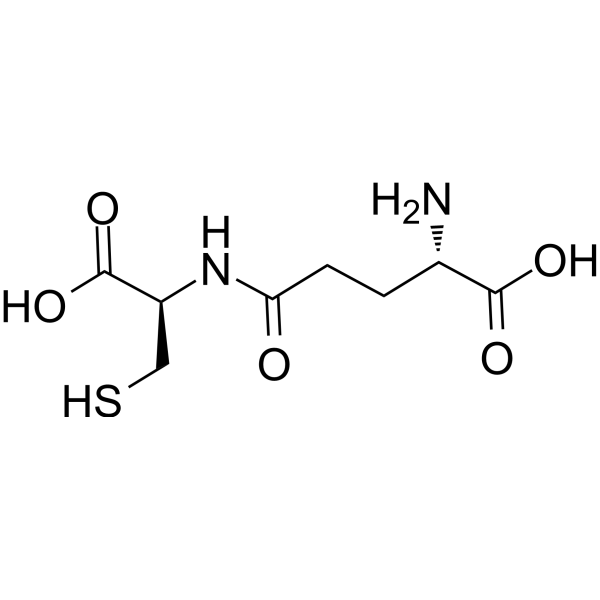
    Gamma-glutamylcysteine (γ-Glu-Cys) is an orally active, blood-brain barrier permeable dipeptide . Gamma-glutamylcysteine activates AMPK, SIRT1, IL-4/STAT6, AC/cAMP/PI3K, IGF-1R/IRS1/PI3K, and Nrf2 signaling pathways; it inhibits NF-κB, JAK1/STAT1/3, MAPKs, cadmium-induced p38 MAPK, JNK, and PI3K/Akt signaling pathways. Gamma-glutamylcysteine regulates macrophage polarization, modulates the trafficking of CD36 and GLUT4, induces glutathione synthesis, improves metabolic dysfunction, reduces lipid deposition, ameliorates glucose homeostasis, inhibits apoptosis (Apoptosis), stabilizes mitochondria, suppresses lipid peroxidation, iron accumulation and ferroptosis (Ferroptosis), reduces ds-HMGB1 levels, reverses mechanical hyperalgesia, and alleviates hepatic lipid droplet formation. Gamma-glutamylcysteine is applicable to research related to inflammatory bowel disease, type 2 diabetes, cadmium-induced neurotoxicity, Alzheimer's disease, cerebral ischemia/reperfusion injury, neuropathy, and alcoholic liver disease .
    Gamma-glutamylcysteine
  • HY-B1715
    Oxiracetam
    1 Publications Verification

    ISF2522

    GABA Receptor NO Synthase Neurological Disease Inflammation/Immunology
    Oxiracetam (ISF2522) is an orally active and a BBB-penetrable cyclic derivative of γ-aminobutyric acid (GABA). Oxiracetam reaches the hippocampus and cerebral cortex in high concentrations. Oxiracetam can promote cognitive function and regulate inflammatory response, with powerful neuroprotective effects. Oxiracetam can be used in the study of central nervous system diseases .
    Oxiracetam
  • HY-17001A
    Flupirtine
    1 Publications Verification

    D 9998

    Potassium Channel iGluR GABA Receptor Neurological Disease Inflammation/Immunology
    Flupirtine (D 9998) is an orally active, blood-brain barrier-crossing non-opioid analgesic and neuroprotective agent. Flupirtine is a neuronal potassium channel opener (Kv7 activator), a NMDA receptor antagonist and a GABA receptor activator. Flupirtine stabilizes blood-brain-barrier integrity, reduces oxidative stress and brain leukocyte infiltration, enhances angioneurogenesis, suppresses calcium influx, stabilizes neuronal resting membrane potential, and counteracts focal cerebral ischemia. Flupirtine exhibits analgesic, muscle relaxant properties, protects neurons from excitotoxic, ischemic, or cytokine-mediated death. Flupirtine functions as a non-opioid analgesic without antipyretic or antiphlogistic properties, shows no relevant affinity to opiate receptor. Flupirtine can be used for the research of focal cerebral ischemia, pain, Alzheimer’s disease, or multiple sclerosis .
    Flupirtine
  • HY-113126

    Endogenous Metabolite ATP Synthase Neurological Disease Metabolic Disease
    3-Hydroxyisobutyric acid is an intermediate in the metabolic pathways of L-valine and thymine, and can be found in urine. 3-Hydroxyisobutyric acid is a secreted mediator of endothelial cell fatty acid transport and insulin resistance. 3-Hydroxyisobutyric acid can also inhibit key enzymes of energy metabolism in the cerebral cortex of young rats. The levels of 3-Hydroxyisobutyric acid are closely related to various diseases such as 3-hydroxyisobutyric aciduria, diabetes, and ketoacidosis .
    3-Hydroxyisobutyric acid
  • HY-P1032
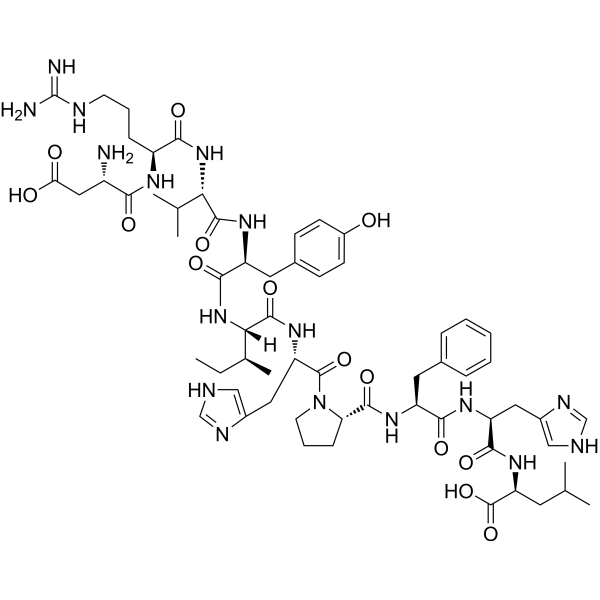
    Angiotensin I (human, mouse, rat)
    3 Publications Verification

    Endogenous Metabolite Angiotensin-converting Enzyme (ACE) Cardiovascular Disease
    Angiotensin I is a decapeptide hormone. Angiotensin I is the precursor of Angiotensin II (HY-13948). Angiotensin I can be used in the study of cardiovascular diseases such as hypertension and vasospasm .
    Angiotensin I (human, mouse, rat)
  • HY-107661
    Arundic Acid
    2 Publications Verification

    ONO-2506; (R)-2-Propyloctanoic acid

    ERK Akt NF-κB EAAT Cardiovascular Disease Neurological Disease
    Arundic Acid is an orally effective astrocyte function modulator and neuroprotective agent. Arundic Acid increases the expression and function of the astrocytic glutamate transporter EAAT1 by activating the ERK, Akt and NF-κB pathways. Arundic Acid attenuates retinal ganglion cell death in a normal-tension glaucoma model. Arundic Acid exerts neuroprotective effects in a mouse model of Parkinson's disease. Arundic Acid is a S100β protein synthesis inhibitor that prevents neurological deficits and brain tissue damage after intracerebral hemorrhage in rats. Arundic Acid downregulates neuroinflammation and astrocytic dysfunction after status epilepticus in immature rats. Arundic Acid is applicable to research related to Parkinson's disease, cerebral ischemia, glaucoma, intracerebral hemorrhage and epilepsy .
    Arundic Acid
  • HY-12882A
    Ifenprodil tartrate
    Maximum Cited Publications
    10 Publications Verification

    NP-120 tartrate; RC-61-91 tartrate

    iGluR Adrenergic Receptor Potassium Channel Calcium Channel Influenza Virus Infection Neurological Disease
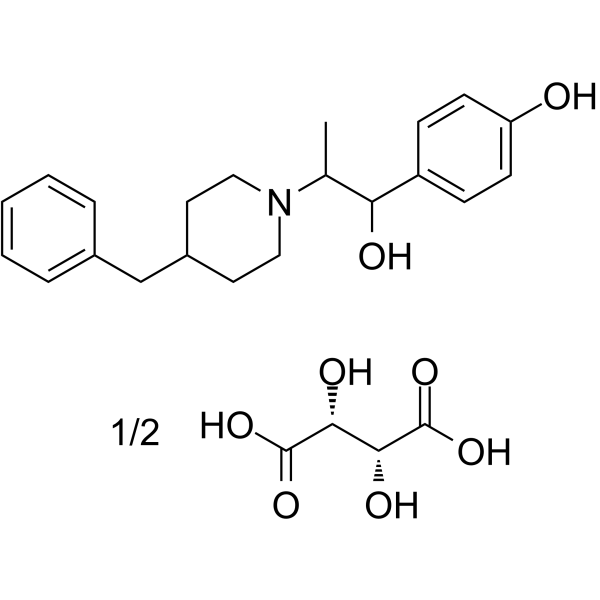
    Ifenprodil (NP-120) tartrate, a cerebral vasodilator, is a noncompetitive NMDA receptor antagonist. Ifenprodil tartrate exerts high affinity at NR1A/NR2B receptors (IC50=0.34 μM) over 400-fold than at NR1A/NR2A receptors (IC50=146 μM) . Ifenprodil tartrate is an α1 adrenergic receptor antagonist. Ifenprodil tartrate inhibits GIRK (Kir3), reduces inward currents through the basal GIRK activity. Ifenprodil tartrate has reliable inhibitory effects against A/H1N1 strains (EC50 of 6.6 µM). Ifenprodil tartrate has neuroprotective, anticonvulsant and antinociceptive effects. Ifenprodil tartrate can be used for the study of cerebrovascular diseases and peripheral arterial obliterative disease .
    Ifenprodil tartrate
  • HY-113402A
    Gamma-glutamylcysteine TFA
    4 Publications Verification

    γ-Glu-Cys TFA

    Interleukin Related TNF Receptor Endogenous Metabolite AMPK Sirtuin STAT PI3K NF-κB JAK p38 MAPK JNK Akt Apoptosis Ferroptosis Cardiovascular Disease Neurological Disease Inflammation/Immunology
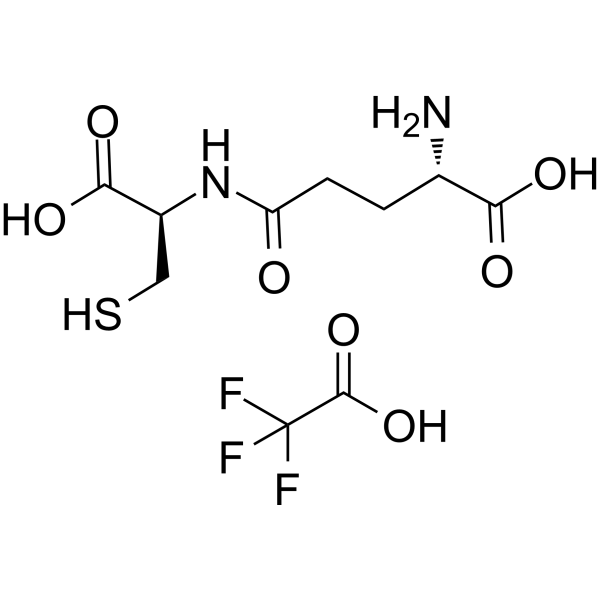
    Gamma-glutamylcysteine TFA (γ-Glu-Cys TFA) is an orally active, blood-brain barrier permeable dipeptide . Gamma-glutamylcysteine TFA activates AMPK, SIRT1, IL-4/STAT6, AC/cAMP/PI3K, IGF-1R/IRS1/PI3K, and Nrf2 signaling pathways; it inhibits NF-κB, JAK1/STAT1/3, MAPKs, cadmium-induced p38 MAPK, JNK, and PI3K/Akt signaling pathways. Gamma-glutamylcysteine TFA regulates macrophage polarization, modulates the trafficking of CD36 and GLUT4, induces glutathione synthesis, improves metabolic dysfunction, reduces lipid deposition, ameliorates glucose homeostasis, inhibits apoptosis (Apoptosis), stabilizes mitochondria, suppresses lipid peroxidation, iron accumulation and ferroptosis (Ferroptosis), reduces ds-HMGB1 levels, reverses mechanical hyperalgesia, and alleviates hepatic lipid droplet formation. Gamma-glutamylcysteine TFA is applicable to research related to inflammatory bowel disease, type 2 diabetes, cadmium-induced neurotoxicity, Alzheimer's disease, cerebral ischemia/reperfusion injury, neuropathy, and alcoholic liver disease .
    Gamma-glutamylcysteine TFA
  • HY-113037C

    Farnesyl diphosphate ammonium

    TRP Channel Endogenous Metabolite Calcium Channel Neurological Disease Inflammation/Immunology Cancer
    Farnesyl pyrophosphate (Farnesyl diphosphate) ammonium is a metabolic intermediate in the mevalonate (MVA) pathway. It is a TRP channel (TRPM2) agonist that triggers Ca2+ influx and cell death. Farnesyl pyrophosphate ammonium is a key branch substrate for cholesterol synthesis, ubiquinone synthesis, protein farnesylation, and geranylgeranyl pyrophosphate (GGPP) synthesis. Farnesyl pyrophosphate ammonium is used in research on cerebral ischemia, neurodegenerative diseases, pancreatic cancer, inflammation, and autoimmune diseases .
    Farnesyl pyrophosphate ammonium
  • HY-17001
    Flupirtine Maleate
    1 Publications Verification

    D 9998 Maleate

    Potassium Channel iGluR GABA Receptor Neurological Disease Inflammation/Immunology
    Flupirtine (D 9998) Maleate is an orally active, blood-brain barrier-crossing non-opioid analgesic and neuroprotective agent. Flupirtine Maleate is a neuronal potassium channel opener (Kv7 activator), a NMDA receptor antagonist and a GABA receptor activator. Flupirtine Maleate stabilizes blood-brain-barrier integrity, reduces oxidative stress and brain leukocyte infiltration, enhances angioneurogenesis, suppresses calcium influx, stabilizes neuronal resting membrane potential, and counteracts focal cerebral ischemia. Flupirtine Maleate exhibits analgesic, muscle relaxant properties, protects neurons from excitotoxic, ischemic, or cytokine-mediated death. Flupirtine Maleate functions as a non-opioid analgesic without antipyretic or antiphlogistic properties, shows no relevant affinity to opiate receptor. Flupirtine Maleate can be used for the research of focal cerebral ischemia, pain, Alzheimer’s disease, or multiple sclerosis .
    Flupirtine Maleate
  • HY-B1277
    Trihexyphenidyl hydrochloride
    3 Publications Verification

    mAChR Cholinesterase (ChE) Neurological Disease
    Trihexyphenidyl hydrochloride is a selective and orally active M1 muscarinic receptor antagonist with an IC50 of 3.7 nM for rat cerebral cortex M1 muscarinic receptors. Trihexyphenidyl hydrochloride modulates cholinergic activity, countering acetylcholine supersensitivity in neural pathways. Trihexyphenidyl hydrochloride improves movement disorder, inhibits McN-A-343 (HY-107648)-induced pressor responses, vagally-induced bradycardia and vasodilatation. Trihexyphenidyl hydrochloride can be used for the research of Parkinson's disease. .
    Trihexyphenidyl hydrochloride
  • HY-B0340

    DM9384; DZL-221

    nAChR iGluR mGluR PKC GABA Receptor Calcium Channel Neurological Disease
    Nefiracetam is a cognition-enhancing agent. Nefiracetam is an activator of nAChR, N-methyl-D-aspartate receptor (NMDAR), mGluR5, PKC, gamma-aminobutyric acid (GABA), and N/L-type Ca 2+ channels. Nefiracetam promotes neuroplasticity and enhances neuroprotection. Nefiracetam can be used in Alzheimer's disease, epilepsy, and cerebral ischemia research .
    Nefiracetam
  • HY-N12060

    Bcl-2 Family Caspase Apoptosis Autophagy Reactive Oxygen Species (ROS) Akt JNK ERK Cardiovascular Disease Neurological Disease
    Ginkgo biloba extract is a natural product that can be isolated from Ginkgo biloba leaves . Ginkgo biloba extract alleviates oxidative stress-induced neuronal apoptosis (Apoptosis) by stabilizing mitochondrial function, regulating Bcl-2 family proteins and inhibiting caspase activation. Ginkgo biloba extract alleviates testicular injury by upregulating SKP2 and inhibiting Beclin1-independent autophagy (Autophagy) . Ginkgo biloba extract alleviates various types of neuronal damage in animal models. Ginkgo biloba extract reduces behavioral sensitization in rats. Ginkgo biloba extract counteracts Aβ-induced neurotoxicity by blocking a series of Aβ-triggered events, including glucose uptake, ROS accumulation, AKT activation, mitochondrial dysfunction, JNK and ERK 1/2 pathways, and apoptosis, and also interferes with the formation of Aβ oligomers. Ginkgo biloba extract is applicable to research related to cerebral hypoperfusion, testicular injury, Alzheimer's disease, Parkinson's disease, multi-infarct dementia, stroke, traumatic brain injury and amyotrophic lateral sclerosis .
    Ginkgo biloba extract
  • HY-P1146
    Semax
    1 Publications Verification

    Amyloid-β Cardiovascular Disease Neurological Disease Inflammation/Immunology
    Semax is a BBB-penetrable adrenocorticotropic hormone-like peptide and can form stable complexes with Cu 2+. Semax is a synthetic peptide analog of Adrenocorticotropic hormone (ACTH) (4-10). Semax has immunomodulatory, nootropic and neuroprotective activities. Semax can be used in the research of central nervous system diseases such as Alzheimer's disease and cerebral ischemia .
    Semax
  • HY-B0531

    COX Phosphodiesterase (PDE) NF-κB NO Synthase Prostaglandin Receptor Infection Neurological Disease Inflammation/Immunology Cancer
    Triflusal is an orally bioavailable, blood-brain barrier-permeable dual Cyclooxygenase-1 (COX-1)/cAMP phosphodiesterase inhibitor. Triflusal inhibits platelet aggregation, NF-κB activation, iNOS activity, and prostaglandin synthesis in ischaemic tissue. Triflusal stimulates neutrophil nitric oxide production, eNOS protein expression, and cNOS activity. Triflusal alleviates cerebral ischemic injury in rats and ameliorates pathological lesions and related gene expression in transgenic Alzheimer’s disease models. Triflusal can be used for the research of thromboembolic/ischemic cardiovascular and cerebrovascular diseases, and Alzheimer’s disease .
    Triflusal
  • HY-B0910A
    Pyrithioxin dihydrochloride
    2 Publications Verification

    Pyritinol dihydrochloride; Pyridoxine disulfide dihydrochloride; Vitamin B6 disulfide dihydrochloride

    Drug Derivative Infection Neurological Disease Metabolic Disease Inflammation/Immunology Cancer
    Pyrithioxin (Pyritinol) dihydrochloride is the dihydrochloride salt of Pyrithioxin (HY-B0910). Pyrithioxin (Pyritinol) is an orally active neurodynamic compound. Pyrithioxin can promote the metabolism of glucose and amino acids, increase carotid blood flow and improve cerebral blood flow. Pyrithioxin exhibits anti-inflammation, anti-tumor and neuroprotective effect. Pyrithioxin can be used for the researches of cancer, inflammation, immunology, metabolic and neurological disease such as cerebral infarct, epilepsy, fibrosarcomas and rheumatoid polyarthritis .
    Pyrithioxin dihydrochloride
  • HY-17550

    DM-235

    iGluR Neurological Disease
    Sunifiram (DM-235) is an ampakine-like compound and an agonist of AMPA receptor with oral activity. Sunifiram can increase the release of acetylcholine in the rat cerebral cortex and exhibits potent cognitive enhancement effects with better nootropic activity compared to piracetam (HY-B0585). Sunifiram is promising for research in neurodegenerative diseases such as mild cognitive impairment (MCI) and Alzheimer's disease (AD) .
    Sunifiram
  • HY-N0507

    TNF Receptor Interleukin Related Neurological Disease Inflammation/Immunology
    Rosavin, an orally bioactive phenylpropanoid from Rhodiola rosea L. (RRL), is an adaptogen that enhances the body’s response to environmental stress. Rosavin significantly influences bone tissue metabolism by inhibiting osteoclastogenesis and promoting osteoblast differentiation, also impacts various diseases, demonstrating antidepressant, adaptogenic, and anxiolytic effects in mouse models. Additionally, Rosavin improves survival, reducing intestinal damage in irradiated rats and Ischemia-reperfusion(I/R)-induced cerebral injury in vivo by regulating inflammation and oxidative stress, making it a promising candidate for research in radiation-induced intestinal injury, I/R-induced cerebral injury and osteoporosis .
    Rosavin
  • HY-N2255
    Crebanine
    4 Publications Verification

    Akt Apoptosis NF-κB Reactive Oxygen Species (ROS) p38 MAPK ERK Interleukin Related TNF Receptor NO Synthase nAChR Bacterial Cancer
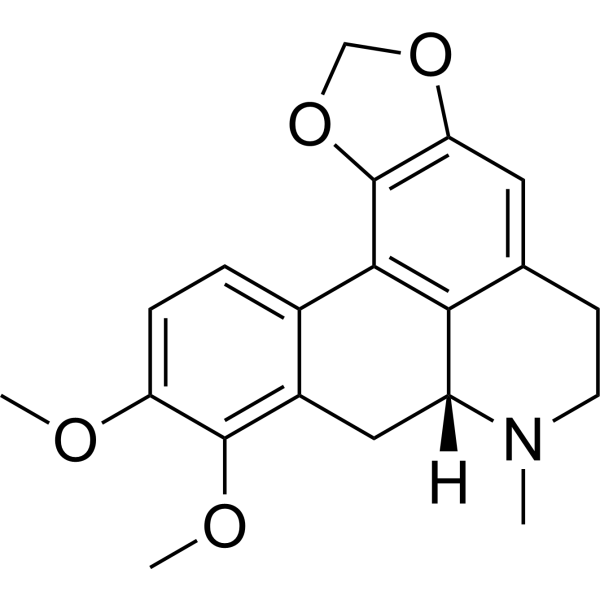
    Crebanine is an isoquinoline-like alkaloid that can be derived from Stephania. Crebanine is an antagonist of the α7-nAChR with an IC50 of 19.1 μM. Crebanine suppresses the proliferation, migration, and invasion of cancer cells, triggers reactive oxygen species (ROS) burst, and promotes apoptosis. Crebanine inhibits the AKT/FoxO3a, NF-κB and MAPK signaling pathways. Crebanine attenuates NOX2 hyperactivation, exhibits antioxidant properties by reducing reactive oxygen species and peroxidation in microglia cells. Crebanine inhibits voltage-dependent Na + current in guinea-pig ventricular myocytes. Crebanine has high inhibitory activity against gram-positive animal pathogenic bacteria. Crebanine ameliorates ischemia-reperfusion brain damage in middle cerebral artery occlusion and reperfusion (MCAO/R) rats. Crebanine significantly improves Scopolamine (HY-N0296)-induced cognitive deficits in ICR mice. Crebanine can be used for the study of hepatocellular carcinoma (HCC), cerebral ischemia and Alzheimer's disease .
    Crebanine
  • HY-12882
    Ifenprodil
    5+ Cited Publications

    NP-120; RC-61-91

    iGluR Adrenergic Receptor Potassium Channel Calcium Channel Influenza Virus Infection Neurological Disease
    Ifenprodil (NP-120), a cerebral vasodilator, is a noncompetitive NMDA receptor antagonist. Ifenprodil exerts high affinity at NR1A/NR2B receptors (IC50=0.34 μM) over 400-fold than at NR1A/NR2A receptors (IC50=146 μM) . Ifenprodil is an α1 adrenergic receptor antagonist. Ifenprodil inhibits GIRK (Kir3), reduces inward currents through the basal GIRK activity. Ifenprodil has reliable inhibitory effects against A/H1N1 strains (EC50 of 6.6 µM). Ifenprodil has neuroprotective, anticonvulsant and antinociceptive effects. Ifenprodil can be used for the study of cerebrovascular diseases and peripheral arterial obliterative disease .
    Ifenprodil
  • HY-N0392

    Toll-like Receptor (TLR) PI3K Akt NF-κB MDM-2/p53 Caspase MEK Bcl-2 Family p38 MAPK Mitophagy Reactive Oxygen Species (ROS) Apoptosis Calcium Channel Cardiovascular Disease Infection Neurological Disease
    Polygalasaponin F is an orally active triterpenoid saponin monomer. Polygalasaponin F downregulates the expression of Bax, p53, caspase-3, NF-κB p65 and MEK1; restores and upregulates the expression of Bcl-2; activates the PI3K/Akt signaling pathway; inhibits the phosphorylation of p38 MAPK, nuclear translocation of NF-κB, TLR4-mediated signaling pathway, mitophagy (Mitophagy) and ROS production; enhances cell viability and suppresses apoptosis (Apoptosis). Polygalasaponin F maintains mitochondrial function, alleviates Ca 2+ overload, upregulates pCREB and BDNF, preserves cell viability and inhibits the release of inflammatory cytokines. Polygalasaponin F alleviates lung injury induced by influenza A H1N1 and cerebral ischemia-reperfusion injury. Polygalasaponin F is applicable to researches related to Parkinson's disease, cerebral ischemia, pneumonia induced by influenza A H1N1, stroke and Alzheimer's disease .
    Polygalasaponin F
  • HY-43521

    Target Protein Ligand-Linker Conjugates Btk STAT Inflammation/Immunology Cancer
    Ibrutinib-MPEA is an orally active, blood-brain barrier permeable inhibitor of BTK and STAT5. As a derivative of Ibrutinib (HY-10997) conjugated with a PROTAC linker, Ibrutinib-MPEA allows the synthesis of a series of PROTAC molecules. Ibrutinib-MPEA significantly reduces the proliferation of neoplastic mast cells and primary mastocytoma cells by inducing apoptosis and inhibiting IgE-dependent histamine release. Ibrutinib-MPEA is applicable to the research of canine mast cell tumors, cerebral ischemia/reperfusion injury in diabetic mice, and neuroinflammation-related diseases .
    Ibrutinib-MPEA
  • HY-128393
    Trilinolein
    1 Publications Verification

    PI3K Akt E-Selectin Apoptosis MMP MEK ERK Cancer
    Trilinolein is an orally active triglyceride that inhibits the PI3K/Akt, Ras/MEK/ERK signaling pathways, and MMP-2. Trilinolein can reduce oxidative stress, induce apoptosis, and inhibit cell migration. Trilinolein can be used in the research fields of cardiovascular disease, cerebrovascular disease (such as cerebral ischemia), and non-small cell lung cancer .
    Trilinolein
  • HY-W008344

    Nucleoside Antimetabolite/Analog Apoptosis Infection Cardiovascular Disease Neurological Disease Inflammation/Immunology Cancer
    2-Chloroadenosine is an adenosine analog, a transporter permeabilizer of nucleoside transporters, and a competitive uridine influx inhibitor (apparent Ki=33 μM). 2-Chloroadenosine binds to nitrobenzylthioinosine with high affinity (apparent Ki=0.18 mM). 2-Chloroadenosine promotes Apoptosis and increases cerebral blood flow. 2-Chloroadenosine has anticonvulsant properties. 2-Chloroadenosine is used to study infection, inflammatory diseases, cancer, blood-related diseases, lung injury, epilepsy, and kidney disease .
    2-Chloroadenosine
  • HY-N0385
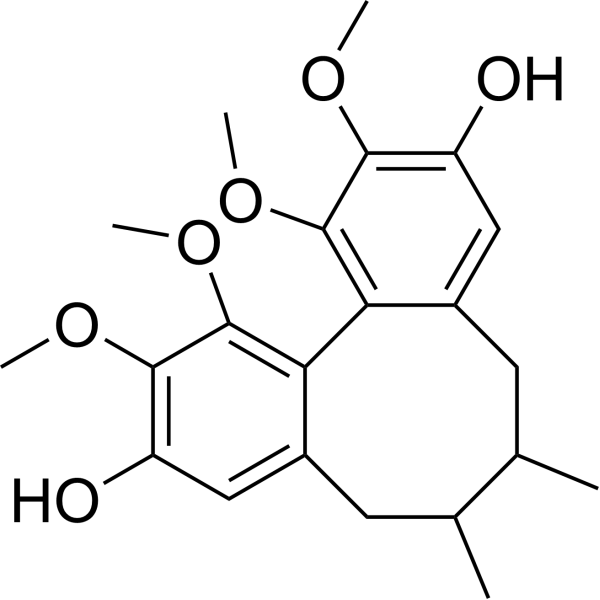
    Gomisin J
    3 Publications Verification

    NO Synthase AMPK CaMK NF-κB Keap1-Nrf2 Cardiovascular Disease Inflammation/Immunology
    Gomisin J is a Schisandra chinensis-derived lignan that can inhibit multiple targets such as eNOS, AMPK (LKB1, CaMKIIβ), fetuin-A, NF-κB, Nrf2/HO-1, and can pass through the blood-brain barrier. Gomisin J increases NO bioavailability by activating eNOS, regulates lipid metabolism by activating the AMPK pathway, inhibits fetuin-A and NF-κB to exert anti-inflammatory effects, and activates Nrf2/HO-1 to enhance antioxidant capacity. Gomisin J has the activities of anti-hypertension, regulating liver lipid metabolism, and reducing cerebral ischemia-reperfusion injury, and can be used for research on hypertension, non-alcoholic fatty liver disease, cerebral ischemia-reperfusion injury, etc .
    Gomisin J
  • HY-B1451

    TA-6366

    Angiotensin-converting Enzyme (ACE) MMP JNK Cardiovascular Disease Neurological Disease Metabolic Disease Inflammation/Immunology
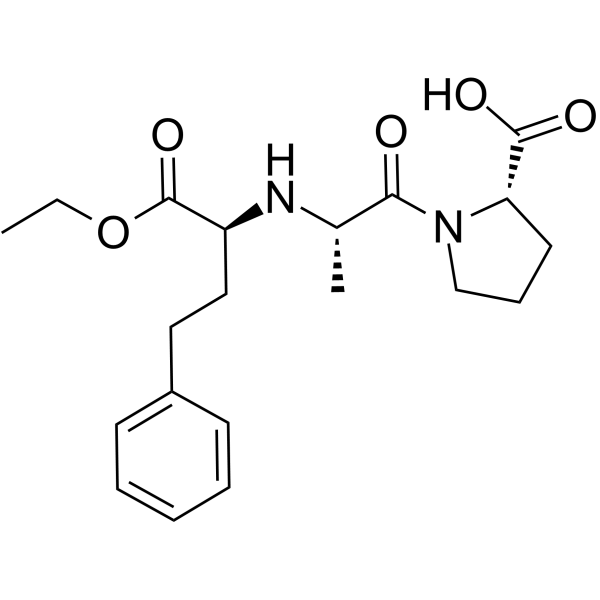
    Imidapril hydrochloride (TA-6366) is an orally active dual inhibitor of angiotensin-converting enzyme (ACE) and MMP-9. Imidapril hydrochloride inhibits lipopolysaccharide-induced phosphorylation of c-Jun, MKK4 and JNK in monocytes, and downregulates the production of specific inflammatory factors such as TNF-α and IP-10, thereby exerting anti-inflammatory activity. Imidapril hydrochloride also effectively ameliorates mesangial expansion and reduces urinary albumin excretion by inhibiting angiotensin AngII production, lowering glomerular pressure and oxidative stress, thus delaying disease progression. Imidapril hydrochloride can also directly bind to the active site of MMP-9 to inhibit gelatinase activity, and suppress the enlargement of cerebral aneurysms without altering systemic blood pressure. Imidapril hydrochloride is widely applicable to related studies on autoimmune glomerulonephritis, diabetic nephropathy, cerebral aneurysms and other conditions .
    Imidapril hydrochloride
  • HY-B1090

    Calcium Channel Histamine Receptor Cardiovascular Disease Endocrinology
    Cinnarizine is an orally active, effective and selective inhibitor of L-type calcium channel Cav1.3 with an IC50 of 1.5 μM (in vestibular hair cells). Cinnarizine can cross the blood-brain barrier and regulate calcium homeostasis and dopamine neurotransmission. Cinnarizine inhibits the influx of calcium ions into smooth muscle cells by blocking L-type calcium channels, thereby relaxing vascular smooth muscle, improving cerebral circulation and reducing blood viscosity, while antagonizing dopamine receptors. Cinnarizine can be used in the study of vestibular vertigo, Meniere's disease and cerebrovascular diseases .
    Cinnarizine
  • HY-N10424
    Brazilein
    2 Publications Verification

    Na+/K+ ATPase Apoptosis Interleukin Related NO Synthase Bacterial Parasite Cardiovascular Disease Infection Neurological Disease Inflammation/Immunology
    Brazilein is a compound with anti-inflammatory and neuroprotective activities, with an IC50 of 500 μM against guinea pig Na +,K +-ATPase. Brazilein reduces iNOS mRNA expression, thereby inhibiting nitric oxide production in immune cells. Brazilein suppresses inflammatory responses by reducing the mRNA expression of TNF-α and IL-6, but has no effect on IL-1β expression. Brazilein reduces the cerebral infarction volume and improves the neurological function scores of rats with cerebral ischemia-reperfusion injury. Brazilein induces apoptosis of splenic lymphocytes in mice. Brazilein inhibits humoral immune responses in mice, and causes thymus and spleen atrophy as well as body weight loss in mice. Brazilein also possesses antimalarial and antibacterial activities. Brazilein is also a red dye. Brazilein can be used in studies related to the infection, nervous system, cardiovascular system and inflammatory diseases .
    Brazilein
  • HY-P6437A

    Dynamin Cardiovascular Disease Neurological Disease
    Drp1 peptide inhibitor P110 (Compound P110) TFA is a selective Drp1 peptide inhibitor with neuroprotective properties. Drp1 peptide inhibitor P110 TFA can inhibit the activation of Drp1, prevent MPTP (HY-15608)-induced Drp1 mitochondrial translocation, and alleviate MPTP-induced dopaminergic neuron loss, dopaminergic nerve terminal damage, and behavioral deficits, and can be used in the study of Alzheimer's disease. Additionally, Drp1 peptide inhibitor P110 TFA can reduce mitochondrial damage and organ injury in animal models of Huntington's disease, cerebral ischemic injury, and myocardial infarction .
    Drp1 peptide inhibitor P110 TFA
  • HY-P1146A
    Semax acetate
    1 Publications Verification

    Amyloid-β Cardiovascular Disease Neurological Disease Inflammation/Immunology
    Semax acetate is a BBB-penetrable adrenocorticotropic hormone-like peptide and can form stable complexes with Cu 2+. Semax acetate is a synthetic peptide analog of Adrenocorticotropic hormone (ACTH) (4-10). Semax acetate has immunomodulatory, nootropic and neuroprotective activities. Semax acetate can be used in the research of central nervous system diseases such as Alzheimer's disease and cerebral ischemia .
    Semax acetate
  • HY-121833

    Trk Receptor Akt ERK Neurological Disease Cancer
    Gambogic amide is a potent and selective agonist of TrkA and also induces its tyrosine phosphorylation and activation of downstream signaling, including Akt and MAPK. Gambogic amide specifically interacts with the cytoplasmic juxtamembrane domain of the TrkA receptor and triggers its dimerization, leading to activation. Gambogic amide has neuroprotective activity preventing glutamate-induced neuronal cell death. Gambogic amide has improved efficacy in a transient middle cerebral artery occlusion model of stroke and could be used to study neurodegenerative diseases and stroke .
    Gambogic amide
  • HY-P6437

    Dynamin Cardiovascular Disease Neurological Disease
    Drp1 peptide inhibitor P110 (Compound P110) is a selective Drp1 peptide inhibitor with neuroprotective properties. Drp1 peptide inhibitor P110 can inhibit the activation of Drp1, prevent MPTP-induced Drp1 mitochondrial translocation, and alleviate MPTP-induced dopaminergic neuron loss, dopaminergic nerve terminal damage, and behavioral deficits, and can be used in the study of Alzheimer's disease. Additionally, Drp1 peptide inhibitor P110 can reduce mitochondrial damage and organ injury in animal models of Huntington's disease, cerebral ischemic injury, and myocardial infarction .
    Drp1 peptide inhibitor P110
  • HY-103479

    Acyltransferase Cardiovascular Disease Neurological Disease Metabolic Disease Cancer
    GOAT-IN-1 is an inhibitor of ghrelin O-acyltransferase (GOAT), which could be useful for the prophylaxis or treatment of obesity, diabetes, hyperlipidemia, metabolic, non-alcoholic fatty liver, steatohepatitis, sarcopenia, appetite control, alcohol/narcotic dependence, Alzheimer’s disease, Parkinson’s disease, cerebrovascular dementia, cerebral apoplexy, cerebral infarction, cardic disease, some kind of tumors.
    GOAT-IN-1
  • HY-139427

    β-Methylglutaconic acid

    GABA Receptor Cardiovascular Disease Neurological Disease Metabolic Disease
    3-Methylglutaconic acid is the major metabolites accumulating in 3-Methylglutaconic aciduria (MGTA). 3-Methylglutaconic acid can induce lipid oxidative damage and protein oxidative. 3-Methylglutaconic acid decreases the non-enzymatic antioxidant defenses in cerebral cortex supernatants to elicit oxidative stress in the cerebral cortex. 3-Methylglutaconic acid can be used for brain damage disease research .
    3-Methylglutaconic acid
  • HY-133712

    Tunodafil

    Phosphodiesterase (PDE) Neurological Disease
    Yonkenafil (Tunodafil), a novel phosphodiesterase 5 (PDE5) inhibitor, is effective in reducing cerebral infarction, neurological deficits, edema, and neuronal damage in the infarcted area. Yonkenafil may improve cognitive function by modulating neurogenesis and has a potential therapeutic effect on Alzheimer's disease .
    Yonkenafil
  • HY-107802
    Breviscapine
    2 Publications Verification

    Breviscapinun

    NF-κB Interleukin Related TGF-beta/Smad Calcium Channel Cardiovascular Disease Neurological Disease Inflammation/Immunology
    Breviscapine (Breviscapinun) is a flavonoid compound with antioxidant, anti-inflammatory, anti-fibrotic, and neuroprotective activities. Breviscapine ameliorates cerebral ischemia/reperfusion injury and vascular dementia, and inhibits the formation of postoperative abdominal adhesions. The mechanism of action of Breviscapine involves the regulation of oxidative stress, inflammatory cytokines, signaling pathways such as TGF-β/Smad, and cellular calcium overload. Breviscapine is used for research on diseases including cardiovascular and cerebrovascular diseases .
    Breviscapine
  • HY-B1451A

    TA-6366 free base

    Angiotensin-converting Enzyme (ACE) MMP JNK Cardiovascular Disease Metabolic Disease
    Imidapril (TA-6366 free base) is an orally active dual inhibitor of angiotensin-converting enzyme (ACE) and MMP-9. Imidapril inhibits lipopolysaccharide-induced phosphorylation of c-Jun, MKK4 and JNK in monocytes, and downregulates the production of specific inflammatory factors such as TNF-α and IP-10, thereby exerting anti-inflammatory activity. Imidapril also effectively ameliorates mesangial expansion and reduces urinary albumin excretion by inhibiting angiotensin AngII production, lowering glomerular pressure and oxidative stress, thus delaying disease progression. Imidapril can also directly bind to the active site of MMP-9 to inhibit gelatinase activity, and suppress the enlargement of cerebral aneurysms without altering systemic blood pressure. Imidapril is widely applicable to related studies on autoimmune glomerulonephritis, diabetic nephropathy, cerebral aneurysms and other conditions .
    Imidapril
  • HY-B0265A

    (R)-BAY-e 9736

    Calcium Channel Cardiovascular Disease Neurological Disease
    (R)-Nimodipine ((R)-BAY-e 9736) is an orally active, blood-brain barrier-permeable L-type calcium channel blocker with an IC50 of 5 nM. (R)-Nimodipine inhibits corticosterone release by blocking calcium channels on the hypothalamic-pituitary-adrenal axis, thereby reversing immobilization stress-induced memory impairment and behavioral abnormalities. (R)-Nimodipine is widely used in studies related to aneurysmal subarachnoid hemorrhage, cerebral ischemia, epilepsy, age-related degenerative neurological diseases, and alcohol intoxication .
    (R)-Nimodipine
  • HY-118342
    PQCA
    1 Publications Verification

    mAChR Neurological Disease
    PQCA is a highly selective and potent muscarinic M1 receptor positive allosteric modulator. PQCA has an EC50 value of 49 nM and 135 nM on rhesus and human M1 receptor, respectively. PQCA is inactive for other muscarinic receptors. PQCA has potential to reduce the cognitive deficits associated with Alzheimer's disease .
    PQCA
  • HY-143333
    Nrf2 activator-3
    1 Publications Verification

    Keap1-Nrf2 Neurological Disease Inflammation/Immunology
    Nrf2 activator-3 is a potent Nrf2 activator. Nrf2 activator-3 is used for cerebral ischemic injury research .
    Nrf2 activator-3
  • HY-N11911
    Verazine
    1 Publications Verification

    (-)-Verazine

    Fungal Infection Neurological Disease
    Verazine ((-)-Verazine) is an anti-Fungal Agent that can be found in the dried roots and rhizoma of Veratrum maackii Regel. Verazine causes DNA damage in the cerebellum and cerebral cortex of mice in a dose-dependent manner. Verazine can be used in the study of fungal infections and neurological diseases .
    Verazine
  • HY-113037CS

    Farnesyl diphosphate-d2 triammonium

    Isotope-Labeled Compounds TRP Channel Endogenous Metabolite Calcium Channel Neurological Disease Inflammation/Immunology Cancer
    Farnesyl pyrophosphate-d2 (Farnesyl diphosphate-d2) triammonium is a deuterium labeled Farnesyl pyrophosphate triammonium (HY-113037C). Farnesyl pyrophosphate ammonium is a metabolic intermediate in the mevalonate (MVA) pathway. It is a TRP channel (TRPM2) agonist that triggers Ca2+ influx and cell death. Farnesyl pyrophosphate ammonium is a key branch substrate for cholesterol synthesis, ubiquinone synthesis, protein farnesylation, and geranylgeranyl pyrophosphate (GGPP) synthesis. Farnesyl pyrophosphate ammonium is used in research on cerebral ischemia, neurodegenerative diseases, pancreatic cancer, inflammation, and autoimmune diseases.
    Farnesyl pyrophosphate-d2 triammonium
  • HY-130452

    NO Synthase Neurological Disease
    NOS1-IN-1 is a selective and cell-permeable nNOS inhibitor with a Ki of 120 nM. NOS1-IN-1 exhibits 2617-fold and 325-fold selectivity over eNOS (Ki=39 μM) and iNOS (Ki=325 μM) , respectively . NOS1-IN-1 can be used for the research of neurological disease, including cerebral palsy (CP) .
    NOS1-IN-1
  • HY-B0910
    Pyrithioxin
    2 Publications Verification

    Pyritinol; Pyridoxine disulfide; Vitamin B6 disulfide

    Drug Derivative Neurological Disease Metabolic Disease Inflammation/Immunology Cancer
    Pyrithioxin (Pyritinol) is an orally active neurodynamic compound. Pyrithioxin can promote the metabolism of glucose and amino acids, increase carotid blood flow and improve cerebral blood flow. Pyrithioxin exhibits anti-inflammation, anti-tumor and neuroprotective effect. Pyrithioxin can be used for the researches of cancer, inflammation, immunology, metabolic and neurological disease such as cerebral infarct, epilepsy, fibrosarcomas and rheumatoid polyarthritis .
    Pyrithioxin
  • HY-113037B

    Farnesyl diphosphate

    TRP Channel Endogenous Metabolite Calcium Channel Neurological Disease Inflammation/Immunology Cancer
    Farnesyl pyrophosphate is a metabolic intermediate in the mevalonate (MVA) pathway. It is a TRP channel (TRPM2) agonist that triggers Ca2+ influx and cell death. Farnesyl pyrophosphate is a key branch substrate for cholesterol synthesis, ubiquinone synthesis, protein farnesylation, and geranylgeranyl pyrophosphate (GGPP) synthesis. Farnesyl pyrophosphate is used in research on cerebral ischemia, neurodegenerative diseases, pancreatic cancer, inflammation, and autoimmune diseases.
    Farnesyl pyrophosphate
  • HY-153595

    DAPK Cardiovascular Disease
    DAPK-IN-2 is a DAPK inhibitor. DAPK-IN-2 can be used for the research of cerebral infarction and ischemic diseases .
    DAPK-IN-2
  • HY-B1277A

    mAChR Cholinesterase (ChE) Cardiovascular Disease Neurological Disease
    Trihexyphenidyl is a selective and orally active M1 muscarinic receptor antagonist with an IC50 of 3.7 nM for rat cerebral cortex M1 muscarinic receptors. Trihexyphenidyl modulates cholinergic activity, countering acetylcholine supersensitivity in neural pathways. Trihexyphenidyl improves movement disorder, inhibits McN-A-343 (HY-107648)-induced pressor responses, vagally-induced bradycardia and vasodilatation. Trihexyphenidyl can be used for the research of Parkinson's disease. .
    Trihexyphenidyl
  • HY-113037AS

    Farnesyl diphosphate-d6

    Isotope-Labeled Compounds TRP Channel Endogenous Metabolite Calcium Channel Neurological Disease Inflammation/Immunology Cancer
    Farnesyl pyrophosphate-d6 (Farnesyl diphosphate-d6) is a deuterium labeled Farnesyl pyrophosphate (HY-113037B). Farnesyl pyrophosphate is a metabolic intermediate in the mevalonate (MVA) pathway. It is a TRP channel (TRPM2) agonist that triggers Ca2+ influx and cell death. Farnesyl pyrophosphate is a key branch substrate for cholesterol synthesis, ubiquinone synthesis, protein farnesylation, and geranylgeranyl pyrophosphate (GGPP) synthesis. Farnesyl pyrophosphate is used in research on cerebral ischemia, neurodegenerative diseases, pancreatic cancer, inflammation, and autoimmune diseases.
    Farnesyl pyrophosphate-d6
  • HY-110230

    D 9998-d4 hydrochloride

    Isotope-Labeled Compounds Potassium Channel iGluR GABA Receptor Neurological Disease Inflammation/Immunology
    Flupirtine-d4 (D 9998-d4) hydrochloride is the deuterium labeled Flupirtine hydrochloride (HY-W709349). Flupirtine hydrochloride is an orally active, blood-brain barrier-crossing non-opioid analgesic and neuroprotective agent. Flupirtine hydrochloride is a neuronal potassium channel opener (Kv7 activator), a NMDA receptor antagonist and a GABA receptor activator. Flupirtine hydrochloride stabilizes blood-brain-barrier integrity, reduces oxidative stress and brain leukocyte infiltration, enhances angioneurogenesis, suppresses calcium influx, stabilizes neuronal resting membrane potential, and counteracts focal cerebral ischemia. Flupirtine hydrochloride exhibits analgesic, muscle relaxant properties, protects neurons from excitotoxic, ischemic, or cytokine-mediated death. Flupirtine hydrochloride functions as a non-opioid analgesic without antipyretic or antiphlogistic properties, shows no relevant affinity to opiate receptor. Flupirtine hydrochloride can be used for the research of focal cerebral ischemia, pain, Alzheimer’s disease, or multiple sclerosis .
    Flupirtine-d4 hydrochloride
  • HY-119495

    Thyroid Hormone Receptor Neurological Disease
    JTP 2942 is a thyrotropin-releasing hormone analogue. JTP 2942 can promote the release of Acetylcholine in the hippocampus and frontal cortex of rats. JTP 2942 possesses neuroprotective and cognitive-improving activities. JTP 2942 dose-dependently improves motor and neurological deficits in rat models of chronic focal cerebral ischemia. JTP 2942 can be used for the research of cerebral ischemia, motor neuron diseases, and other related conditions .
    JTP 2942

Inquiry Online

Your information is safe with us. * Required Fields.

Salutation


Country or Region *

Applicant Name *


Organization Name *

Department *


Email Address *


Product Name *

Cat. No.


Requested quantity *

Phone Number *


Remarks

Inquiry Online

Inquiry Information

Product Name:
Cat. No.:
Quantity:
MCE Japan Authorized Agent:

