

1. Search Result
Search Result
Results for "

cerebrovascular disease

" in MedChemExpress (MCE) Product Catalog:

76

Inhibitors & Agonists

3

Screening Libraries

1

Fluorescent Dyes

1

Biochemical Assay Reagents

1

Peptides

22

Natural
Products

6

Isotope-Labeled Compounds

1

Click Chemistry

2

Oligonucleotides

Cat. No. Product Name Target Research Areas Chemical Structure
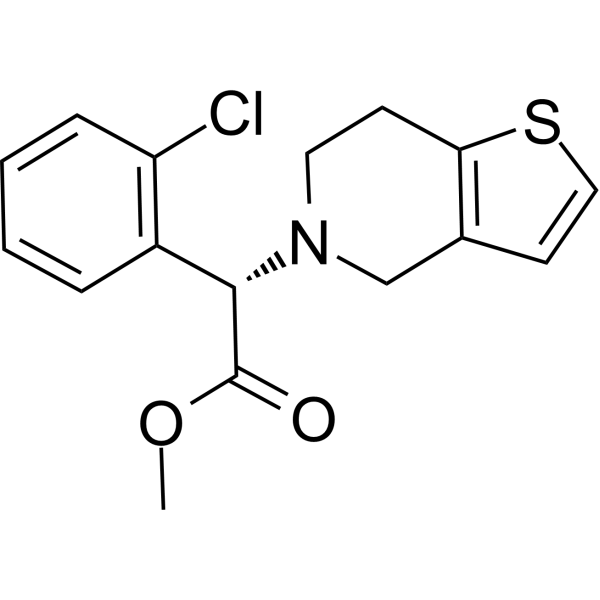
  • HY-15283
    Clopidogrel
    Maximum Cited Publications
    30 Publications Verification

    Clopidogrelum

    P2Y Receptor Cardiovascular Disease Cancer
    Clopidogrel is an orally active platelet inhibitor that targets P2Y12 receptor. Clopidogrel is used to inhibit blood clots in coronary artery disease, peripheral vascular disease, and cerebrovascular disease.
    Clopidogrel
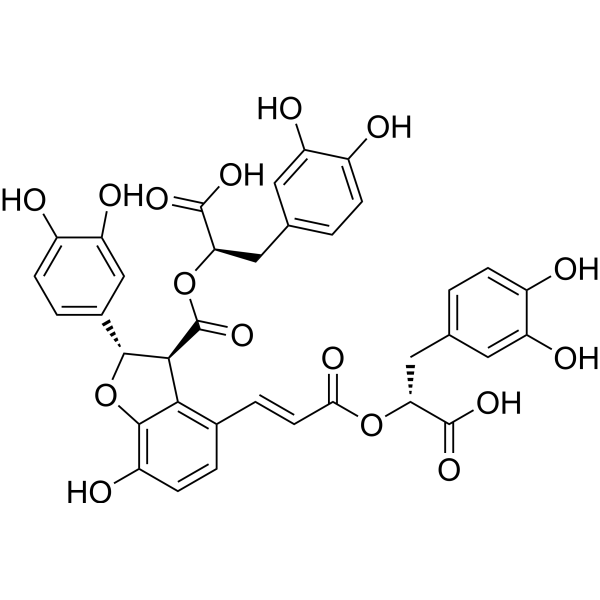
  • HY-N1362
    Salvianolic acid B
    Maximum Cited Publications
    20 Publications Verification

    Lithospermic acid B

    Autophagy Cardiovascular Disease
    Salvianolic acid B is an active ingredient of Salvia miltiorrhiza, which has been widely applied in China for the management of various microcirculation-related disorders, such as cardiovascular disease, cerebrovascular disease, and diabetic vascular complication.
    Salvianolic acid B
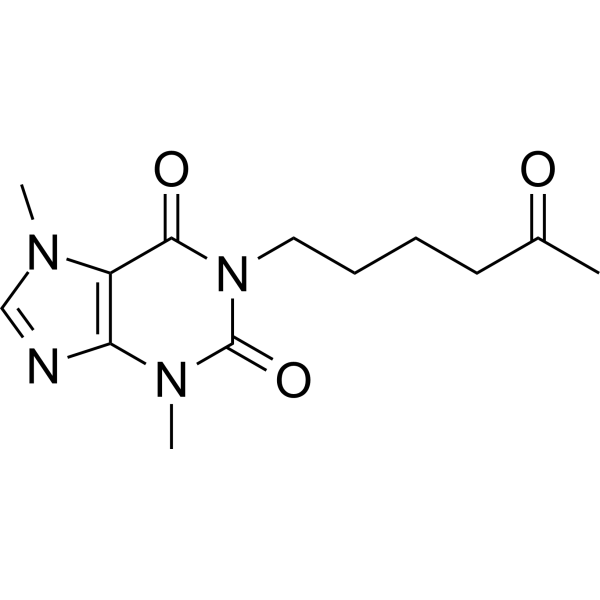
  • HY-B0715
    Pentoxifylline
    10+ Cited Publications

    BL-191; PTX; Oxpentifylline

    Phosphodiesterase (PDE) Autophagy HIV Cardiovascular Disease Cancer
    Pentoxifylline (BL-191), a haemorheological agent, is an orally active non-selective phosphodiesterase (PDE) inhibitor, with immune modulation, anti-inflammatory, hemorheological, anti-fibrinolytic and anti-proliferation effects. Pentoxifylline can be used for the research of peripheral vascular disease, cerebrovascular disease and a number of other conditions involving a defective regional microcirculation .
    Pentoxifylline
  • HY-N1913
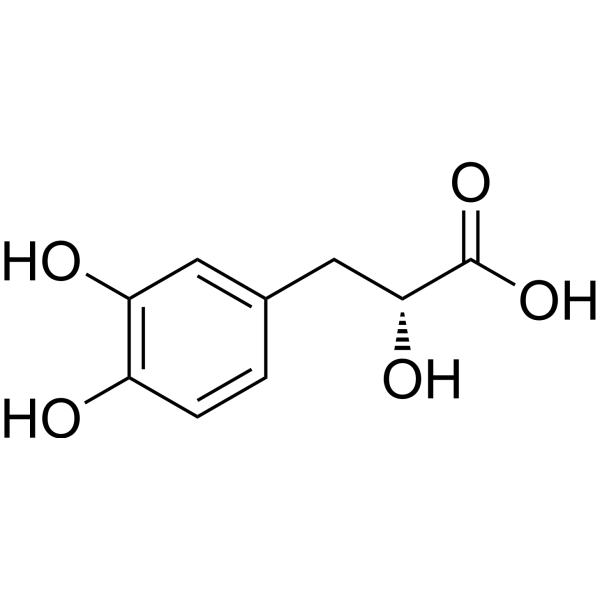
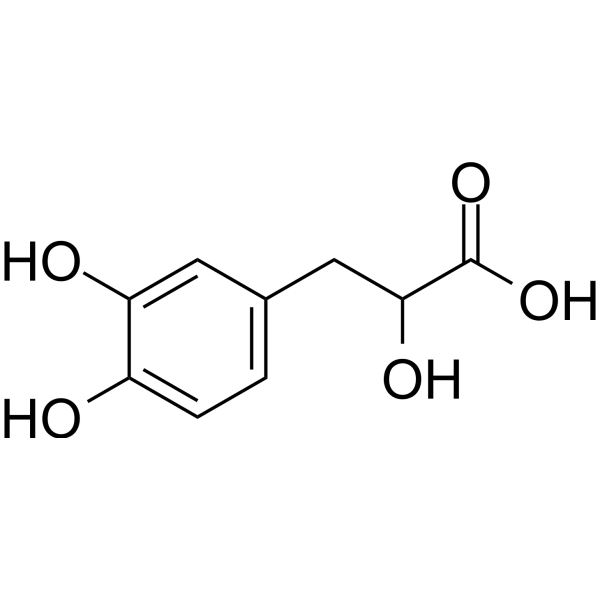
    Danshensu
    5+ Cited Publications

    Dan shen suan A; Salvianic acid A

    Keap1-Nrf2 NF-κB Reactive Oxygen Species (ROS) SARS-CoV Apoptosis Infection Cardiovascular Disease Inflammation/Immunology Cancer
    Danshensu (Dan shen suan A), an orally active phenolic compound, can induce Nrf2/HO-1 activation and inhibition of NF-κB pathway. Danshensu reduces reactive oxygen species (ROS) production, upregulates antioxidant defense mechanism and inhibits intrinsic apoptotic pathway. Danshensu displays a potent antiviral activity against SARS-CoV-2 with EC50 of 0.97 μM. Danshensu has anti-oxidation, anti-apoptosis, anti-lung inflammatory and has the potential for COVID-19, cardiovascular and cerebrovascular diseases research .
    Danshensu
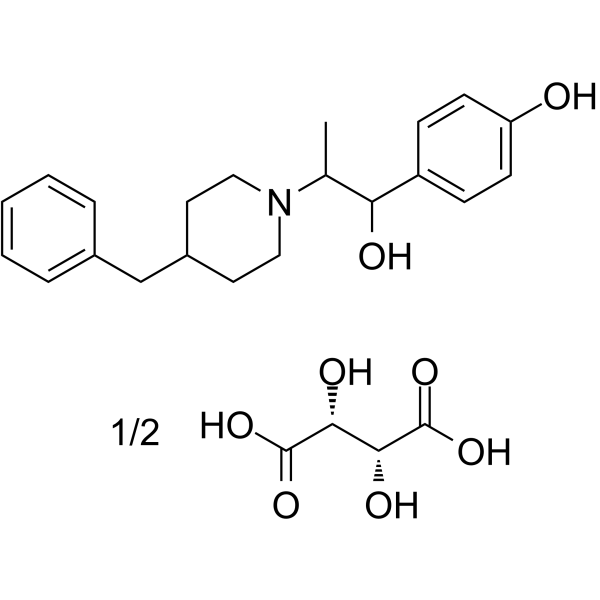
  • HY-12882A
    Ifenprodil tartrate
    5+ Cited Publications

    NP-120 tartrate; RC-61-91 tartrate

    iGluR Adrenergic Receptor Potassium Channel Calcium Channel Influenza Virus Infection Neurological Disease
    Ifenprodil (NP-120) tartrate, a cerebral vasodilator, is a noncompetitive NMDA receptor antagonist. Ifenprodil tartrate exerts high affinity at NR1A/NR2B receptors (IC50=0.34 μM) over 400-fold than at NR1A/NR2A receptors (IC50=146 μM) . Ifenprodil tartrate is an α1 adrenergic receptor antagonist. Ifenprodil tartrate inhibits GIRK (Kir3), reduces inward currents through the basal GIRK activity. Ifenprodil tartrate has reliable inhibitory effects against A/H1N1 strains (EC50 of 6.6 µM). Ifenprodil tartrate has neuroprotective, anticonvulsant and antinociceptive effects. Ifenprodil tartrate can be used for the study of cerebrovascular diseases and peripheral arterial obliterative disease .
    Ifenprodil tartrate
  • HY-B0553
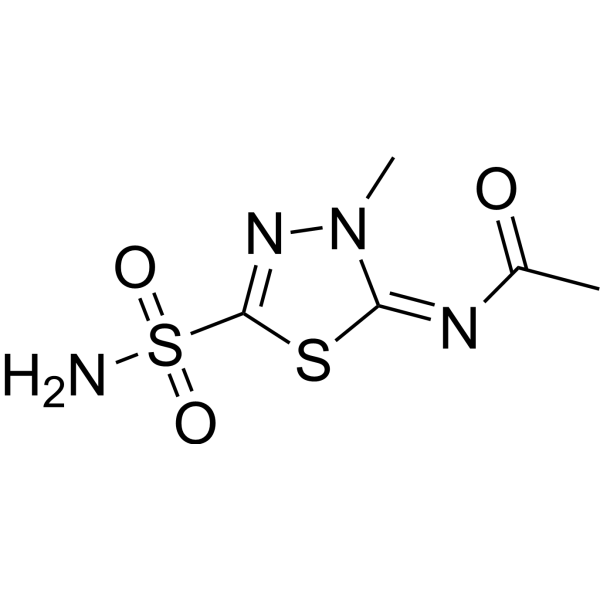
    Methazolamide
    4 Publications Verification

    L584601

    Carbonic Anhydrase Apoptosis Reactive Oxygen Species (ROS) Caspase Cardiovascular Disease Neurological Disease Inflammation/Immunology Cancer
    Methazolamide (L584601) is a BBB-penetrable and orally active carbonic anhydrase inhibitor, with a Ki of 14 nM for human carbonic anhydrase II. Methazolamide can reduce intraocular pressure and has a neuroprotective effect, being able to inhibit neuronal apoptosis. Methazolamide can be used in the research of ophthalmic diseases such as glaucoma and cerebrovascular diseases such as subarachnoid hemorrhage .
    Methazolamide
  • HY-118284
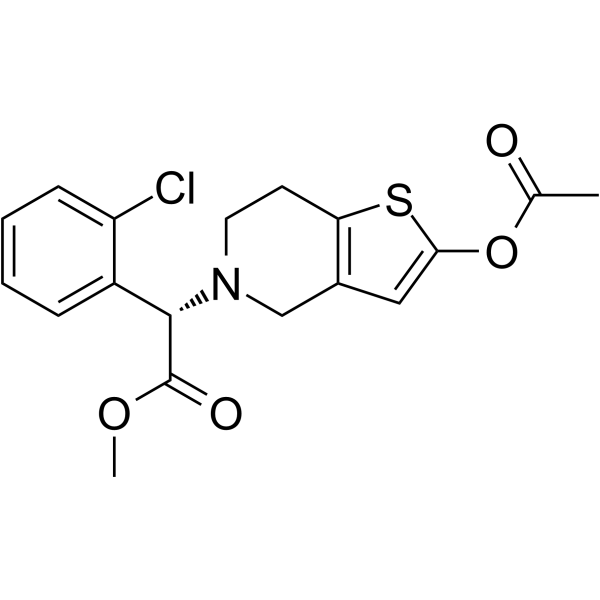
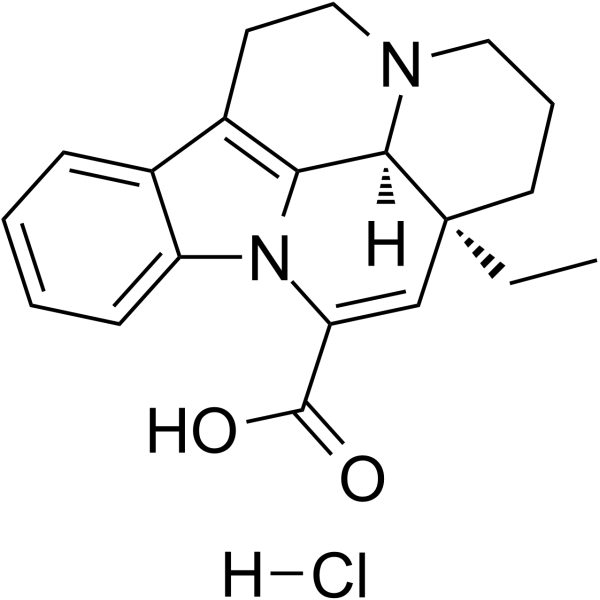
    Vicagrel
    1 Publications Verification

    P2Y Receptor Cardiovascular Disease
    Vicagrel is a potent, safe and orally active antiplatelet agent, which works by irreversibly inhibiting P2Y12 receptor. Vicagrel can be used for the research of blood clots in coronary artery disease, peripheral vascular disease, and cerebrovascular disease .
    Vicagrel
  • HY-B0531

    COX Phosphodiesterase (PDE) NF-κB NO Synthase Prostaglandin Receptor Infection Neurological Disease Inflammation/Immunology Cancer
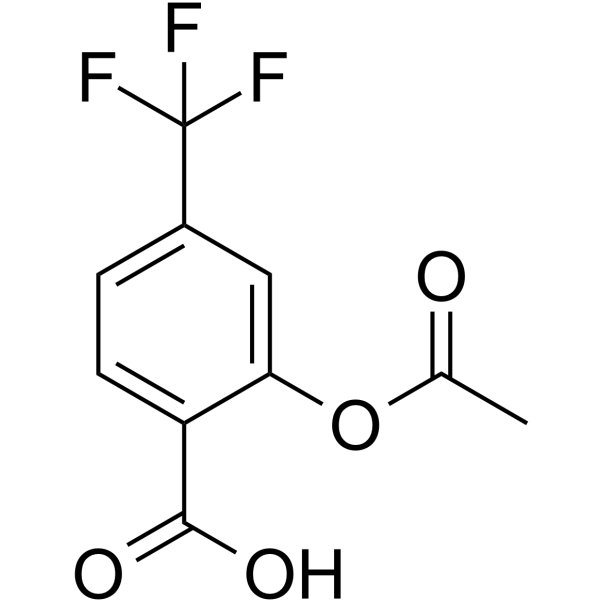
    Triflusal is an orally bioavailable, blood-brain barrier-permeable dual Cyclooxygenase-1 (COX-1)/cAMP phosphodiesterase inhibitor. Triflusal inhibits platelet aggregation, NF-κB activation, iNOS activity, and prostaglandin synthesis in ischaemic tissue. Triflusal stimulates neutrophil nitric oxide production, eNOS protein expression, and cNOS activity. Triflusal alleviates cerebral ischemic injury in rats and ameliorates pathological lesions and related gene expression in transgenic Alzheimer’s disease models. Triflusal can be used for the research of thromboembolic/ischemic cardiovascular and cerebrovascular diseases, and Alzheimer’s disease .
    Triflusal
  • HY-NP165

    AGEs

    Biochemical Assay Reagents Cardiovascular Disease Metabolic Disease Inflammation/Immunology
    Advanced glycation end products (AGEs) are a series of stable compounds generated through non-enzymatic reactions between reducing sugars and proteins, lipids, or nucleic acids. Advanced glycation end products are often used as targets to evaluate the inhibitory effects of anti-glycation compounds. Advanced glycation end products can be applied to research on diabetes, cardiovascular and cerebrovascular diseases, inflammation, aging, and other conditions .
    Advanced glycation end products
  • HY-N2127
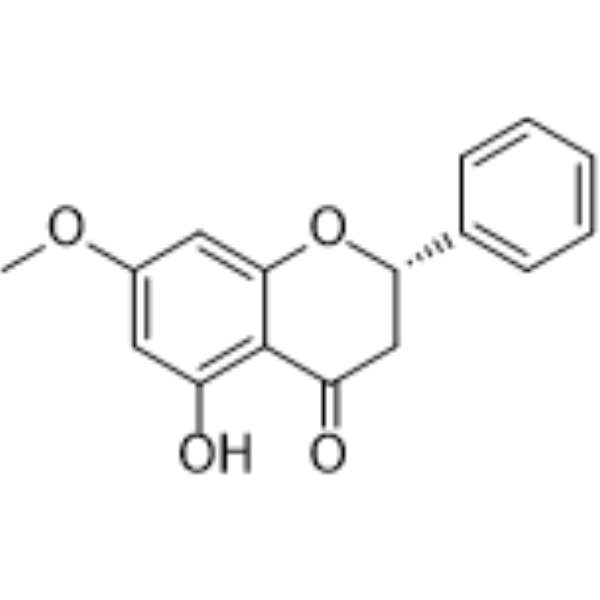
    Pinostrobin
    3 Publications Verification

    Amyloid-β Apoptosis Ser/Thr Protease HSV Interleukin Related Infection Cardiovascular Disease Neurological Disease Inflammation/Immunology Cancer
    Pinostrobin is a flavonoid with anti-cancer, antioxidant, antiviral and neuroprotective activities. Pinostrobin has oral activity. Pinostrobin is a potent PCSK9 inhibitor that inhibits the catalytic activity of PCSK9. Pinostrobin can be used in the research of viral infections, cancer, leukemia, cardiovascular and cerebrovascular diseases, cirrhosis, inflammation and neurological diseases .
    Pinostrobin
  • HY-12882
    Ifenprodil
    5+ Cited Publications

    NP-120; RC-61-91

    iGluR Adrenergic Receptor Potassium Channel Calcium Channel Influenza Virus Infection Neurological Disease
    Ifenprodil (NP-120), a cerebral vasodilator, is a noncompetitive NMDA receptor antagonist. Ifenprodil exerts high affinity at NR1A/NR2B receptors (IC50=0.34 μM) over 400-fold than at NR1A/NR2A receptors (IC50=146 μM) . Ifenprodil is an α1 adrenergic receptor antagonist. Ifenprodil inhibits GIRK (Kir3), reduces inward currents through the basal GIRK activity. Ifenprodil has reliable inhibitory effects against A/H1N1 strains (EC50 of 6.6 µM). Ifenprodil has neuroprotective, anticonvulsant and antinociceptive effects. Ifenprodil can be used for the study of cerebrovascular diseases and peripheral arterial obliterative disease .
    Ifenprodil
  • HY-W506116

    Ostruthine

    Bacterial DNA/RNA Synthesis Cardiovascular Disease Infection
    Ostruthin is a natural coumarin compound with bacterial and antimycobacterial activities . Ostruthin inhibits the growth of mycobacteria and Staphylococcus aureus. Ostruthin suppresses vascular smooth muscle cell proliferation as well as de novo cellular DNA synthesis. Ostruthin is applicable to research related to mycobacterial infections and cardiovascular and cerebrovascular diseases .
    Ostruthin
  • HY-128393
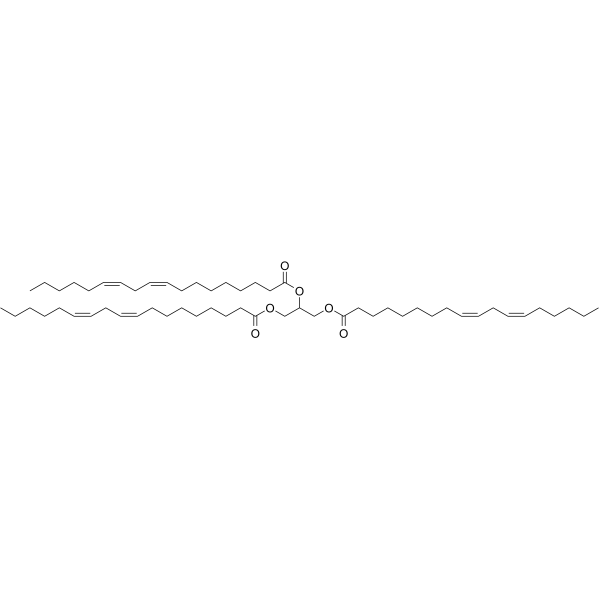
    Trilinolein
    1 Publications Verification

    PI3K Akt E-Selectin Apoptosis MMP MEK ERK Cancer
    Trilinolein is an orally active triglyceride that inhibits the PI3K/Akt, Ras/MEK/ERK signaling pathways, and MMP-2. Trilinolein can reduce oxidative stress, induce apoptosis, and inhibit cell migration. Trilinolein can be used in the research fields of cardiovascular disease, cerebrovascular disease (such as cerebral ischemia), and non-small cell lung cancer .
    Trilinolein
  • HY-B1090

    Calcium Channel Histamine Receptor Cardiovascular Disease Endocrinology
    Cinnarizine is an orally active, effective and selective inhibitor of L-type calcium channel Cav1.3 with an IC50 of 1.5 μM (in vestibular hair cells). Cinnarizine can cross the blood-brain barrier and regulate calcium homeostasis and dopamine neurotransmission. Cinnarizine inhibits the influx of calcium ions into smooth muscle cells by blocking L-type calcium channels, thereby relaxing vascular smooth muscle, improving cerebral circulation and reducing blood viscosity, while antagonizing dopamine receptors. Cinnarizine can be used in the study of vestibular vertigo, Meniere's disease and cerebrovascular diseases .
    Cinnarizine
  • HY-148837

    PROTACs c-Myc Casein Kinase Infection Cardiovascular Disease Cancer
    PROTAC c-Myc degrader-1 (Compound A153) is a multiple target protein degrader (PROTAC). PROTAC c-Myc degrader-1 effective degrades c-MYC, CK1α, GSPT1 and IKZF1/2/3 proteins in a variety of tumor cells. PROTAC c-Myc degrader-1 can be used for c-Myc high expression related disease research, such as cancer, cardiovascular and cerebrovascular diseases, and viral infection (Pink: c-Myc ligand (HY-168685); Blue: E3 ligase ligand (HY-W093472); Black: linker (HY-W015808)) .
    GT19630
  • HY-P5381
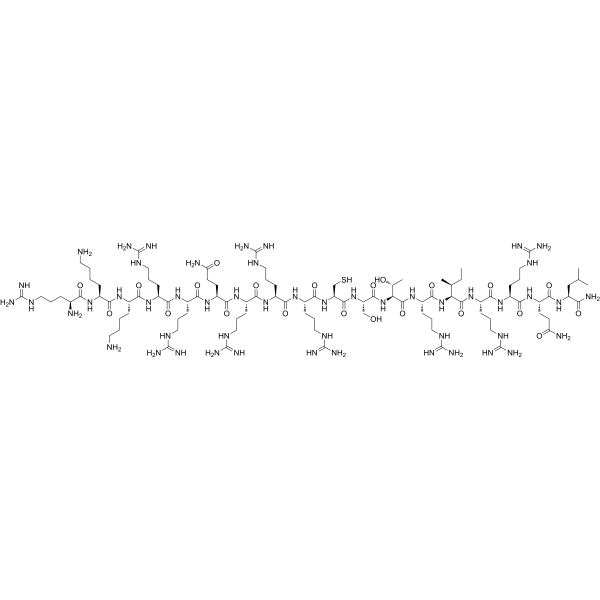
    gp91 ds-tat
    1 Publications Verification

    NADPH Oxidase Ferroptosis Reactive Oxygen Species (ROS) Glutathione Peroxidase TRP Channel Cardiovascular Disease Neurological Disease Inflammation/Immunology
    gp91 ds-tat, a biological active peptide, is a NADPH oxidase 2 (Nox2) inhibitor. gp91 ds-tat blocks NADPH oxidase-dependent superoxide production. gp91 ds-tat ameliorates high glucose-induced increase in total ROS, LPOs and iron levels. gp91 ds-tat inhibits homocysteine (Hcy)-induced activation of NLRP3 inflammasomes and restores Hcy-inhibited lysosomal TRPML1 channel activity. gp91 ds-tat improves cerebrovascular and cognitive function in APP/PS1 mice. gp91 ds-tat can be used for the study of Alzheimer’s disease (AD), glomerular inflammation and cardiovascular disease .
    gp91 ds-tat
  • HY-100634

    (±)-4-hydroxy Propranolol hydrochloride

    Adrenergic Receptor Cardiovascular Disease
    4-Hydroxypropranolol hydrochloride is a non-cardiac selective β-adrenergic receptor antagonist and a metabolite produced after oral administration of Propranolol (HY-B0573B). 4-Hydroxypropranolol hydrochloride also acts as a membrane stabilizer and possesses intrinsic sympathomimetic inhibitory activity. 4-Hydroxypropranolol hydrochloride blocks β-adrenergic receptors to antagonize the effects of catecholamines, acts as a partial β-adrenergic receptor agonist, and induces membrane stabilization. 4-Hydroxypropranolol hydrochloride alters heart rate, left ventricular contractility, and atrioventricular conduction time. 4-Hydroxypropranolol hydrochloride can be used in research related to cardiovascular and cerebrovascular diseases .
    4-Hydroxypropranolol hydrochloride
  • HY-N1775

    3,4-DHAP

    Tyrosinase Reactive Oxygen Species (ROS) Keap1-Nrf2 PARP Autophagy Apoptosis Cardiovascular Disease Neurological Disease Metabolic Disease Inflammation/Immunology Cancer
    3',4'-Dihydroxyacetophenone (3,4-DHAP) is a phenolic compound with oral bioavailability, possessing potent antioxidant, anti-inflammatory, anticancer and cardiovascular protective activities. 3',4'-Dihydroxyacetophenone inhibits mushroom Tyrosinase activity with an IC50 of 10 μM, thereby suppressing melanogenesis . 3',4'-Dihydroxyacetophenone inhibits platelet aggregation in platelet-rich plasma. 3',4'-Dihydroxyacetophenone reduces ROS levels in human umbilical vein endothelial cells treated with high glucose, upregulates the expression of Nrf2, HO-1 and PARP-1 in cells, and promotes the nuclear translocation of Nrf2 . 3',4'-Dihydroxyacetophenone induces autophagy and apoptosis. 3',4'-Dihydroxyacetophenone inhibits seed germination/growth in most plants. 3',4'-Dihydroxyacetophenone can be used in the research of cancer, neurodegenerative diseases, non-alcoholic steatohepatitis, diabetes, obesity, skin pigmentation disorders, and cardiovascular and cerebrovascular diseases .
    3',4'-Dihydroxyacetophenone
  • HY-148191

    HIV Protease Infection Cardiovascular Disease Inflammation/Immunology Cancer
    CL-197 is an orally active and long-acting purine anti-HIV nucleoside reverse transcriptase inhibitor (NRTI). CL-197 has potential effect on the research of viral, oncological and cerebrovascular diseases . CL-197 is a click chemistry reagent, it contains an Alkyne group and can undergo copper-catalyzed azide-alkyne cycloaddition (CuAAc) with molecules containing Azide groups.
    CL-197
  • HY-N0938
    Safflower yellow
    3 Publications Verification

    Fluorescent Dye Others
    Safflower yellow is extracted from the flowers of the plant safflower (Carthamus tinctorius) and as the traditional Chinese medicine it has been extensively used for the treatment of cardio cerebrovascular diseases.
    Safflower yellow
  • HY-125962

    Fluorescent Dye Amyloid-β Neurological Disease
    X-34 is a lipophilic and bright yellow-green fluorescent derivative of Congo red (HY-D0236). X-34 can be used to stain neuritic and diffuse plaques, neurofibrillary tangles (NFTs), neuropil threads, and cerebrovascular amyloid in the brain. X-34 can be used for research of Alzheimer’s disease .
    X-34
  • HY-121765

    N,S-Diacetyl-L-cysteine

    Endogenous Metabolite Metabolic Disease
    Dacisteine (N,S-Diacetyl-L-cysteine) is a cysteine derivative and displays a less New Delhi metallo-beta-lactamase-1 (NDM-1) inhibitor with an IC50 value of 1000 μM . Dacisteine can be used for the treatment of cardiovascular and cerebrovascular diseases caused by platelet aggregation .
    Dacisteine
  • HY-100662

    Bisdesethylchloroquine

    Drug Metabolite Cardiovascular Disease Infection
    Didesethyl chloroquine (Bisdesethylchloroquine) is the major metabolite of the antimalarial agent Chloroquine (HY-17589A). Didesethyl chloroquine is a potent myocardial inhibitor. Didesethyl chloroquine reduces calcium binding and accumulation in cardiac mitochondria, induces mitochondrial swelling, rupture and membrane conformational changes. Didesethyl chloroquine inhibits the growth of Plasmodium falciparum strains. Didesethyl chloroquine can be used in research related to malaria, chikungunya virus infection, and cardiovascular and cerebrovascular diseases .
    Didesethyl chloroquine
  • HY-W012352

    Glutathione Peroxidase Ferroptosis Wnt β-catenin Apoptosis Cardiovascular Disease Neurological Disease
    2-Hydroxyanthraquinone is a product generated by the photochemical oxidation of Anthracene (ANT) (HY-Y0299). 2-Hydroxyanthraquinone induces ferroptosis in cardiomyocytes by depleting GSH and inhibiting GPX4, leading to cardiac developmental malformations. 2-Hydroxyanthraquinone causes damage to the cerebrovascular system and blood-brain barrier in zebrafish by downregulating the Wnt/β-catenin signaling pathway, as well as inducing inflammation and neuronal apoptosis. 2-Hydroxyanthraquinone can be used in studies related to cerebrovascular diseases and cardiotoxicity .
    2-Hydroxyanthraquinone
  • HY-103479

    Acyltransferase Cardiovascular Disease Neurological Disease Metabolic Disease Cancer
    GOAT-IN-1 is an inhibitor of ghrelin O-acyltransferase (GOAT), which could be useful for the prophylaxis or treatment of obesity, diabetes, hyperlipidemia, metabolic, non-alcoholic fatty liver, steatohepatitis, sarcopenia, appetite control, alcohol/narcotic dependence, Alzheimer’s disease, Parkinson’s disease, cerebrovascular dementia, cerebral apoplexy, cerebral infarction, cardic disease, some kind of tumors.
    GOAT-IN-1
  • HY-107802
    Breviscapine
    2 Publications Verification

    Breviscapinun

    NF-κB Interleukin Related TGF-beta/Smad Calcium Channel Cardiovascular Disease Neurological Disease Inflammation/Immunology
    Breviscapine (Breviscapinun) is a flavonoid compound with antioxidant, anti-inflammatory, anti-fibrotic, and neuroprotective activities. Breviscapine ameliorates cerebral ischemia/reperfusion injury and vascular dementia, and inhibits the formation of postoperative abdominal adhesions. The mechanism of action of Breviscapine involves the regulation of oxidative stress, inflammatory cytokines, signaling pathways such as TGF-β/Smad, and cellular calcium overload. Breviscapine is used for research on diseases including cardiovascular and cerebrovascular diseases .
    Breviscapine
  • HY-N1913A
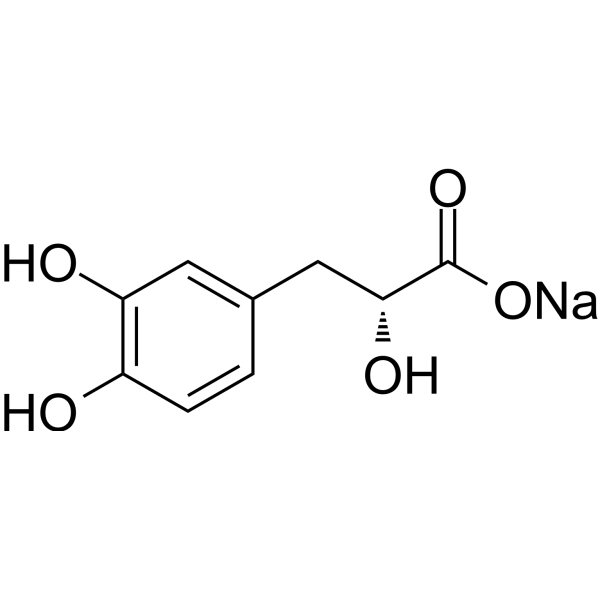
    Danshensu sodium
    5+ Cited Publications

    Dan shen suan A sodium; Salvianic acid A sodium

    Keap1-Nrf2 NF-κB Reactive Oxygen Species (ROS) SARS-CoV Apoptosis Infection Cardiovascular Disease Inflammation/Immunology Cancer
    Danshensu (Dan shen suan A) sodium, an orally active phenolic compound, can induce Nrf2/HO-1 activation and inhibition of NF-κB pathway. Danshensu sodium reduces reactive oxygen species (ROS) production, upregulates antioxidant defense mechanism and inhibits intrinsic apoptotic pathway. Danshensu sodium displays a potent antiviral activity against SARS-CoV-2 with EC50 of 0.97 μM. Danshensu sodium has anti-oxidation, anti-apoptosis, anti-lung inflammatory and has the potential for COVID-19, cardiovascular and cerebrovascular diseases research .
    Danshensu sodium
  • HY-E70231

    Others Cardiovascular Disease
    Thrombin-like enzyme is a proteolytic enzyme extraction of Agkistrodon halys venom. Thrombin-like enzyme can be used for degradation of fibrinogen. Thrombin-like enzyme can exacerbate myosin-induced EAM (experimental autoimmune myositis). Thrombin-like enzyme can be used for degradation of fibrinogen. Thrombin-like enzyme is commonly used for research of acute ischemic cerebrovascular disease, thromboangiitis obliterans, deep phlebitis and sudden deafness .
    Thrombin-like enzyme
  • HY-N1362R

    Lithospermic acid B (Standard)

    Reference Standards Autophagy Cardiovascular Disease
    Salvianolic acid B (Standard) is the analytical standard of Salvianolic acid B. This product is intended for research and analytical applications. Salvianolic acid B is an active ingredient of Salvia miltiorrhiza, which has been widely applied in China for the management of various microcirculation-related disorders, such as cardiovascular disease, cerebrovascular disease, and diabetic vascular complication.
    Salvianolic acid B (Standard)
  • HY-B0715S2

    BL-191-d5; PTX-d5; Oxpentifylline-d5

    Phosphodiesterase (PDE) Autophagy HIV Cardiovascular Disease Cancer
    Pentoxifylline-d5 is the deuterium labeled Pentoxifylline. Pentoxifylline (BL-191), a haemorheological agent, is an orally active non-selective phosphodiesterase (PDE) inhibitor, with immune modulation, anti-inflammatory, hemorheological, anti-fibrinolytic and anti-proliferation effects. Pentoxifylline can be used for the research of peripheral vascular disease, cerebrovascular disease and a number of other conditions involving a defective regional microcirculation .
    Pentoxifylline-d5
  • HY-B1558A
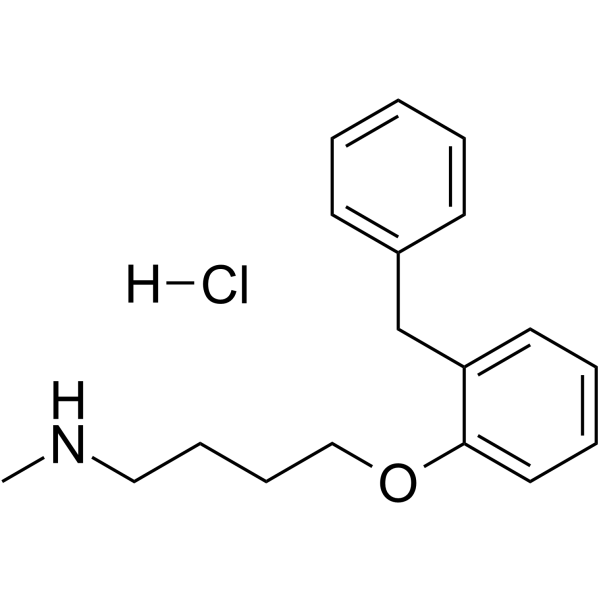
    Bifemelane hydrochloride
    2 Publications Verification

    MCI-2016

    Monoamine Oxidase Neurological Disease
    Bifemelane hydrochloride (MCI-2016) is a potent, selective and competitive inhibitor of monoamine oxidase A (MAO-A), with a Ki of 4.20 μM. Bifemelane hydrochloride also inhibits MAO-B noncompetitively with a Ki of 46.0 μM. Bifemelane hydrochloride has a potent antidepressant activity and can be used for the research of cognitive and emotional disturbances related to cerebrovascular disease .
    Bifemelane hydrochloride
  • HY-66010

    MD-67350

    Calcium Channel Cardiovascular Disease
    Cinepazide Maleate (MD-67350) is a piperazine derivative and acts as a weak calcium channel blocker. Cinepazide Maleate is a potent vasodilator and can be used for the research of cerebrovascular diseases, including ischemic stroke, brain?infarct et. al .
    Cinepazide Maleate
  • HY-113145

    (Rac)-Danshensu; (Rac)-Tanshinol

    Drug Isomer Others
    (Rac)-Salvianic acid A is the racemate of Salvianic acid A (HY-N1913). Salvianic acid A, an orally active phenolic compound, can induce Nrf2/HO-1 activation and inhibition of NF-κB pathway. Danshensu has anti-oxidation, anti-apoptosis, anti-lung inflammatory and has the potential for COVID-19, cardiovascular and cerebrovascular diseases research .
    (Rac)-Salvianic acid A
  • HY-10314A

    SB-214857-A

    Integrin Cardiovascular Disease
    Lotrafiban hydrochloride is an orally-active platelet GPIIb/IIIa blocker for research of coronary and cerebrovascular disease.
    Lotrafiban hydrochloride
  • HY-108744

    HMG-CoA Reductase (HMGCR) Cardiovascular Disease
    Pitavastatin magnesium is an orally active HMG-CoA Reductase inhibitor. Pitavastatin magnesium lowers total cholesterol and low-density lipoprotein cholesterol in a hyperlipidemic rat model. Pitavastatin magnesium can be used in research on cardiovascular and cerebrovascular diseases such as hyperlipidemia .
    Pitavastatin magnesium
  • HY-B0715S

    BL-191-d6; PTX-d6; Oxpentifylline-d6

    Phosphodiesterase (PDE) Autophagy HIV Cardiovascular Disease Cancer
    Pentoxifylline-d6 is the deuterium labeled Pentoxifylline. Pentoxifylline (BL-191), a haemorheological agent, is an orally active non-selective phosphodiesterase (PDE) inhibitor, with immune modulation, anti-inflammatory, hemorheological, anti-fibrinolytic and anti-proliferation effects. Pentoxifylline can be used for the research of peripheral vascular disease, cerebrovascular disease and a number of other conditions involving a defective regional microcirculation .
    Pentoxifylline-d6
  • HY-B0715R

    BL-191 (Standard); PTX (Standard); Oxpentifylline (Standard)

    HIV Autophagy Phosphodiesterase (PDE) Reference Standards Cardiovascular Disease Cancer
    Pentoxifylline (Standard) is the analytical standard of Pentoxifylline. This product is intended for research and analytical applications. Pentoxifylline (BL-191), a haemorheological agent, is an orally active non-selective phosphodiesterase (PDE) inhibitor, with immune modulation, anti-inflammatory, hemorheological, anti-fibrinolytic and anti-proliferation effects. Pentoxifylline can be used for the research of peripheral vascular disease, cerebrovascular disease and a number of other conditions involving a defective regional microcirculation .
    Pentoxifylline (Standard)
  • HY-120960

    ARA-S

    Akt p38 MAPK Apoptosis Potassium Channel Cardiovascular Disease Neurological Disease
    N-Arachidonoyl-L-serine (ARA-S) is an endocannabinoid. N-Arachidonoyl-L-serine induces phosphorylation of Akt and MAPK in endothelial cells. N-Arachidonoyl-L-serine also induces endothelium-dependent vasodilation in isolated rat mesenteric and abdominal aortas. N-Arachidonoyl-L-serine exhibits neuroprotective effects after traumatic brain injury by reducing apoptosis. N-Arachidonoyl-L-serine promotes the opening of KV7.1/KCNE1 channels in mammalian cells and shortens the action potential duration in cardiomyocytes. N-Arachidonoyl-L-serine may be used in research on cardiovascular and cerebrovascular diseases and neurological disorders .
    N-Arachidonoyl-L-serine
  • HY-N13380

    Others Cardiovascular Disease Neurological Disease Metabolic Disease
    6’-O-Galloylsalidroside is an active component of Rhodiola. 6’-O-Galloylsalidroside is promising for research of Alzheimer’s disease, lung diseases, cerebrovascular disease, diabetes, cardiovascular disease and aging-related diseases .
    6′‐O‐Galloylsalidroside
  • HY-66010A

    Calcium Channel Cardiovascular Disease
    Cinepazide is a piperazine derivative and acts as a weak calcium channel blocker. Cinepazide is a potent vasodilator and can be used for the research of cerebrovascular diseases, including ischemic stroke, brain infarct et. al .
    Cinepazide
  • HY-112678

    HIF/HIF Prolyl-Hydroxylase Cardiovascular Disease
    TM6008 is a potent and orally active prolyl hydroxylase (PHD) inhibitor. TM6008 chelats transition metal (copper) and inhibits the autoxidation of ascorbic acid with an IC50 value is 0.57 μM. TM6008  exerts organ protection against ischemia in vivo and can be used for cerebrovascular disease research .
    TM6008
  • HY-10314

    SB-214857

    Integrin Cardiovascular Disease
    Lotrafiban is an orally-active platelet GPIIb/IIIa blocker for research of coronary and cerebrovascular disease.
    Lotrafiban
  • HY-N5078

    Others Cardiovascular Disease
    Terrestrosin K, a steroidal saponin from Tribulus terrestris L., has potential to treat cardiovascular and cerebrovascular diseases .
    Terrestrosin K
  • HY-164014

    Autophagy Cardiovascular Disease
    9-CCN is a lipid compound that specifically targets macrophages. 9-CCN can be used in the study of cardiovascular and cerebrovascular diseases .
    9-CCN
  • HY-124229

    Sodium Channel Calcium Channel Cardiovascular Disease
    PD 122860 is a calcium channel blocker. PD 122860 also can stimulate sodium channel. PD 122860 can be used for the research of cardiovascular and cerebrovascular diseases .
    PD 122860
  • HY-15283R

    Clopidogrelum (Standard)

    Reference Standards P2Y Receptor Cardiovascular Disease Cancer
    Clopidogrel (Standard) is the analytical standard of Clopidogrel. This product is intended for research and analytical applications. Clopidogrel is an orally active platelet inhibitor that targets P2Y12 receptor. Clopidogrel is used to inhibit blood clots in coronary artery disease, peripheral vascular disease, and cerebrovascular disease.
    Clopidogrel (Standard)
  • HY-126568

    Nafronyl

    Endogenous Metabolite Cardiovascular Disease
    Naftidrofuryl (Nafronyl) is a compound that has the ability to enhance cellular oxidative capacity and antispasmodic activity. Naftidrofuryl is used to inhibit peripheral and cerebrovascular diseases. Naftidrofuryl is claimed to improve blood circulation .
    Naftidrofuryl
  • HY-P2749

    Biochemical Assay Reagents Cardiovascular Disease Cancer
    Glutamine synthetase is an enzyme that converts glutamate and ammonia into glutamine. Glutamine synthetase can inhibit angiogenesis in ocular and inflammatory skin diseases. Glutamine synthetase can also palmitoylate RHOJ, thereby inhibiting endothelial cell migration. Glutamine synthetase can be used in research on various diseases, including cardiovascular and cerebrovascular diseases and cancer .
    Glutamine synthetase
  • HY-161703

    Adenosine Deaminase Cardiovascular Disease
    2-Hydroxy-3′-O-methyladenosine is a synthetic intermediate product that can be used in the research of ischemic heart disease, cerebrovascular disease, kidney disease, inflammatory allergies and other diseases. 2-phenylamino-N6,2'-O-dimethyladenosine produced from 2-Hydroxy-3′-O-methyladenosine is an inhibitor of adenosine deaminase with a Ki of 13 nM .
    2-Hydroxy-3′-O-methyladenosine
  • HY-167824

    Endogenous Metabolite Neurological Disease
    SSR180711 is a potent and subtype-selective α7 agonist with activity in Alzheimer's disease and schizophrenia research. SSR180711 can be used to study subtypes of intracerebral hemorrhage associated with cerebral small vessel disease. SSR180711 shows potential in electrophysiological and behavioral studies to evaluate its effects on cognitive function. SSR180711 also has potential for studying cerebrovascular lesions and their effects .
    SSR180711

Inquiry Online

Your information is safe with us. * Required Fields.

Salutation


Country or Region *

Applicant Name *


Organization Name *

Department *


Email Address *


Product Name *

Cat. No.


Requested quantity *

Phone Number *


Remarks

Inquiry Online

Inquiry Information

Product Name:
Cat. No.:
Quantity:
MCE Japan Authorized Agent:

