

Search Result
Results for "
cotton
" in MedChemExpress (MCE) Product Catalog:
5
Biochemical Assay Reagents
7
Isotope-Labeled Compounds
| Cat. No. |
Product Name |
Target |
Research Areas |
Chemical Structure |
-
- HY-P9944
-
|
MEDI 493
|
RSV
|
Infection
Inflammation/Immunology
Cancer
|
|
Palivizumab (MEDI 493) is a humanized monoclonal antibody against respiratory syncytial virus (RSV). Palivizumab can bind to RSV F protein with a Kd value of 1.4 nM. Palivizumab can prevent respiratory syncytial virus infection in cotton mice .
|
-
-
- HY-B0838
-
-
-
- HY-N0335
-
Indigo
1 Publications Verification
|
Fluorescent Dye
|
Others
|
|
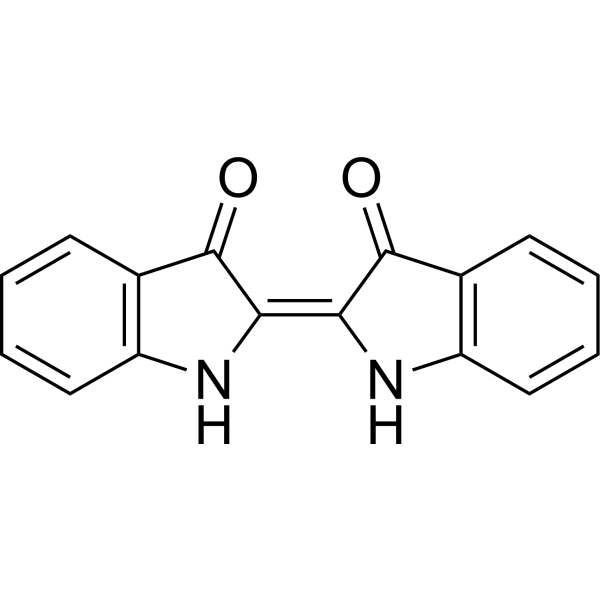
Indigo is a blue dye. Indigo stains cellulose fibers such as cotton. Indigo stains food or biological samples to visualize and quantify the uptake or distribution of substances by organisms .
|
-
-
- HY-122984
-
-
-
- HY-Y1887
-
|
|
Environmental Pollutants
Biochemical Assay Reagents
Insecticide
|
Cardiovascular Disease
Infection
Inflammation/Immunology
|
|
Cottonseed oil is an edible oil extracted from the seeds of cotton (Gossypium hirsutum). Its fatty acid composition includes 26-35% saturated fatty acids, 42-52% polyunsaturated fatty acids, and 18-24% monounsaturated fatty acids. Cottonseed oil is regarded as an Insecticide, as it is used to protect the trunks of apple trees from damage by the apple clearwing moth. Cottonseed oil possesses anti-inflammatory and cardioprotective properties. It also has extensive applications in many fields such as biofuels, animal husbandry, cosmetics, agriculture, and chemical industry .
|
-
-
- HY-136372
-
-
-
- HY-B1851
-
|
|
Environmental Pollutants
Parasite
|
Infection
|
|
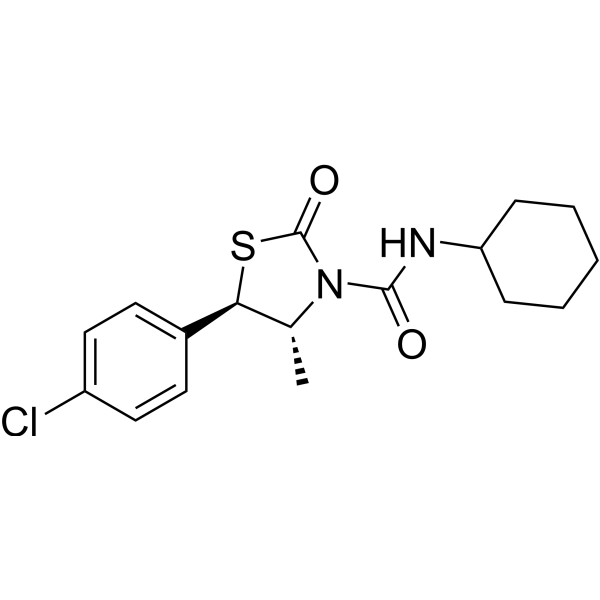
Hexythiazox is a selective acaricide with ovicidal, larvicidal and nymphicidal activities. Hexythiazox is widely used for chemical control of mites on cotton, fruits and vegetables. Hexythiazox is harmless to mammals and has no effect on beneficial insects and predators of mites .
|
-
-
- HY-D0953
-
|
Solvent Blue 38
|
Environmental Pollutants
Fluorescent Dye
|
Neurological Disease
|
|
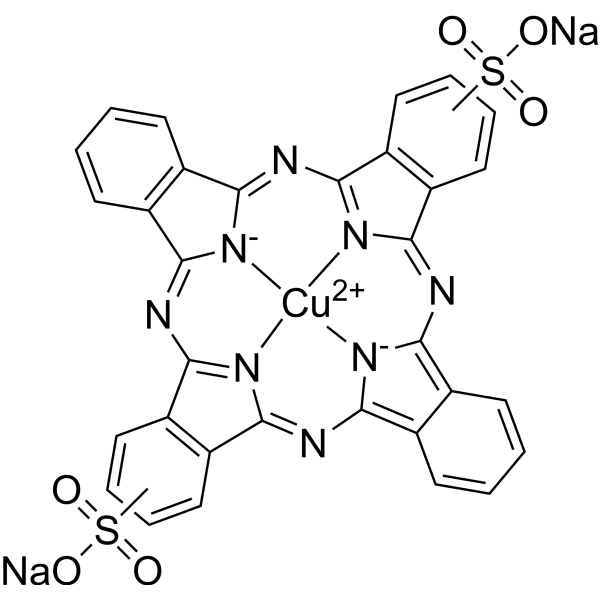
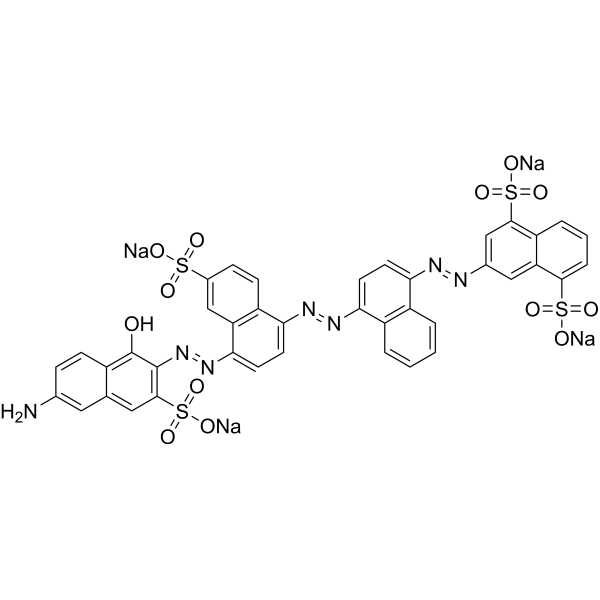
Direct Blue 86 (Solvent Blue 38) is a myelin-sheath stain, commonly utilized in microscopy to detect demyelination in the central nervous system. Direct Blue 86 also is a dye with various applications including as a commercial dye in the printing of cotton and mucilage glue fabrics .
|
-
-
- HY-B0838R
-
-
-
- HY-B1885
-
|
|
Environmental Pollutants
Apoptosis
Insecticide
Cholinesterase (ChE)
AMPK
PI3K
Parasite
Akt
SOD
|
Infection
|
|
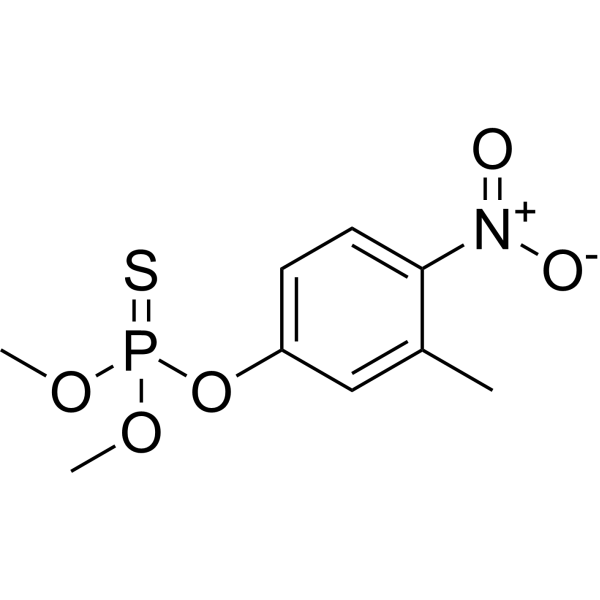
Fenitrothion is a broad-spectrum and orally active insecticide/acaricide. Fenitrothion inhibits cholinesterase, AMPKα and IRS1/PI3K/AKT. Fenitrothion causes Apoptosis, reduces SOD activity. Fenitrothion shows insecticidal effect against Rhyzopertha dominica and Tribolium castaneum adults. Fenitrothion is widely used in cotton crops, vegetable crops, fruit crops and field crops, especially rice. Fenitrothion can be used for brain and spleen toxicology studies .
|
-
-
- HY-D1196
-
|
|
Fluorescent Dye
|
|
|
Direct Blue 71 is a good dyeing agent for cotton fabrics and can be adsorbed by palm ash and removed from the aqueous solution.
|
-
-
- HY-Y1058
-
|
BHA
|
Fungal
|
Infection
|
|
Benzohydroxamic acid (BHA) is a chitin deacetylase (CDA) inhibitor with significant antifungal activity. The Ki values of BHA against the CDAs of Verticillium dahliae and Puccinia striiformis f. sp. tritici are 8.31 μM and 9.83 μM, respectively. Benzohydroxamic acid can restore the defense responses of infected host plants, upregulate the expression of defense-related genes, and reduce the growth and reproduction of fungi in plants. Benzohydroxamic acid can be used in the research of the field of controlling agricultural fungal diseases, such as various plant fungal diseases caused by Verticillium dahliae, Puccinia striiformis and other fungi, like cotton wilt and wheat stripe rust .
|
-
-
- HY-B0941A
-
|
Benzyladenine, suitable for plant cell culture; 6-BAP, suitable for plant cell culture; N6-Benzyladenine, suitable for plant cell culture
|
Biochemical Assay Reagents
|
Others
|
|
6-Benzylaminopurine,suitable for plant cell culture is a cytokinin that induces plant growth and development by stimulating cell division, and prolongs the freshness of green vegetables through inhibiting respiratory kinases .
|
-
-
- HY-W017448
-
|
N,N-Dimethylpiperidinium chloride; PIX
|
Environmental Pollutants
Biochemical Assay Reagents
|
Others
|
|
Mepiquat chloride (N,N-Dimethylpiperidinium chloride) is a systemic plant growth regulator. Mepiquat chloride reduces the activity of RuBP carboxylase. Mepiquat chloride decreases plant height, total length of vegetative and fruiting branches, and total leaf area of cotton. Mepiquat chloride reduces the net photosynthetic rate of cotton leaves. Mepiquat chloride promotes starch accumulation in cotton leaves without altering sucrose content .
|
-
-
- HY-D0245
-
-
-
- HY-D0485
-
|
|
Fluorescent Dye
|
Others
|
|
Fluorescent brightener 24 is a stilbene-type fluorescent brightener and fading regulator .
|
-
-
- HY-163311
-
|
|
Transketolase
Herbicide
|
Others
|
|
Transketolase-IN-6 is a potent transketolase inhibitor and a herbicide. Transketolase-IN-6 inhibits root growth of Digitaria sanguinalis, Amaranthus retroflexus, and Setaria viridis. Transketolase-IN-6 shows low phytotoxicity to wheat, maize, soybean, and cotton. Transketolase-IN-6 can be used for the research of herbicidal agent development .
|
-
-
- HY-175249
-
|
|
|
Others
|
|
TKL-IN-2 is a herbicide and SvTKL inhibitor with an IC50 of 0.11 mg/L. TKL-IN-2 binds to the SvTKL active site, interacts with key pocket residues, and inhibits enzyme activity. TKL-IN-2 can be used for the research of weed control in maize, wheat, soybean, and cotton fields .
|
-
-
- HY-W111522
-
|
di-Sodium hydrogen phosphite, 98%
|
Biochemical Assay Reagents
|
Others
|
|
Sodium phosphite dibasic pentahydrate, 98% (di-Sodium hydrogen phosphite, 98%) is an inorganic phosphorus source and an alkali metal salt of phosphorous acid. Sodium phosphite dibasic pentahydrate, 98% acts as a catalyst for the butanetetracarboxylic acid-based crosslinking reaction of cotton cellulose .
|
-
-
- HY-D0350
-
-
-
- HY-B0838S
-
|
|
Isotope-Labeled Compounds
|
Metabolic Disease
|
|
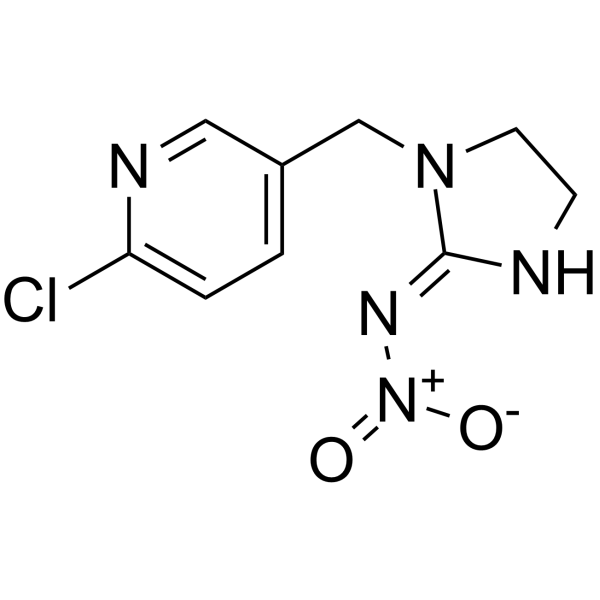
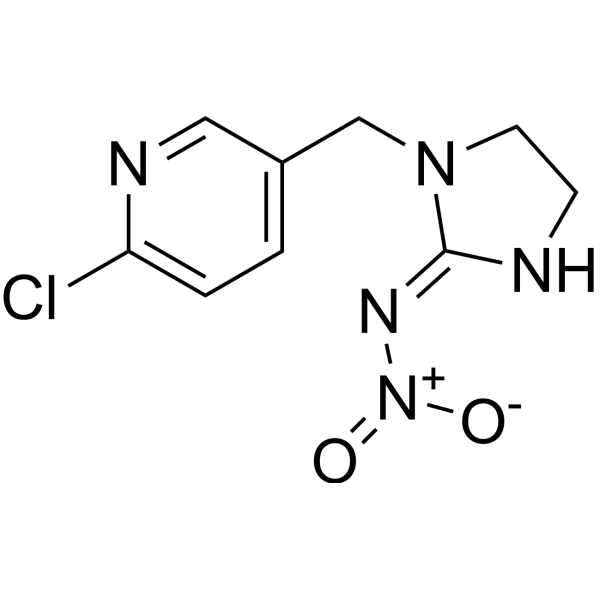
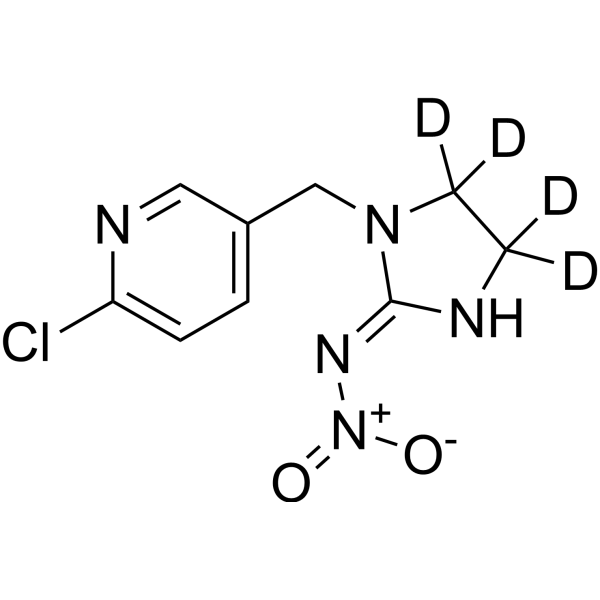
Imidacloprid-d4 is the deuterium labeled Imidacloprid . Imidacloprid is an effective and widely used neonicotinoid pesticide to control pests of cereals, vegetables, tea and cotton .
|
-
-
- HY-131964
-
|
|
Drug Metabolite
|
Others
|
|
Imidacloprid-urea is a metabolite of Imidacloprid (HY-B0838). Imidacloprid is an effective and widely used neonicotinoid pesticide to control pests of cereals, vegetables, tea and cotton. Imidacloprid-urea can occupy or block adsorption sites of imidacloprid on soil, potentially affecting the fate, transport, and bioavailability of imidacloprid in the environment .
|
-
-
- HY-D0312
-
|
Sunchromine Fast Blue MB
|
Biochemical Assay Reagents
|
Others
|
|
Mordant Blue 13 is a synthetic dye used in the textile industry. It belongs to a class of metal complex dyes that are able to form strong bonds with fabrics and other materials. Mordant Blue 13 is commonly used for dyeing cotton, wool and silk fibres, it produces a fast blue color. It can be applied to textiles by a variety of methods including impregnation, padding and printing.
|
-
-
- HY-178026
-
|
|
HPPD
Protoporphyrinogen IX oxidase
|
Others
|
|
HPPD/PPO-IN-1 (Compound B14) is dual-functional inhibitor of HPPD and PPO with IC50s of 0.12 μM and 0.51 μM for Arabidopsis thaliana HPPD and Nicotiana tabacum PPO, respectively. HPPD/PPO-IN-1 has broad-spectrum herbicidal activity against weeds with a crop safety to peanuts and cotton. HPPD/PPO-IN-1 can be used for the development of environmentally friendly herbicides .
|
-
-
- HY-136240
-
|
|
Parasite
|
Infection
|
|
Tioxazafen is a disubstituted oxadiazole and a broad-spectrum seed treatment nematicide. Tioxazafen is designed to provide consistent broad-spectrum control of nematodes in corn, soy, and cotton .
|
-
-
- HY-11098
-
|
R170591
|
RSV
|
Infection
|
|
JNJ 2408068 is a potent RSV (respiratory syncytial virus) inhibitor. JNJ 2408068 significantly inhibits replication of RSV A and B subtypes in the lungs of cotton rats without any evidence of toxicity. The minimum protective dose of JNJ 2408068 appears to be approximately 0.39 mg/kg .
|
-
-
- HY-D0518
-
-
-
- HY-D0539
-
-
-
- HY-D1183
-
-
-
- HY-D1207
-
|
|
Fluorescent Dye
|
|
|
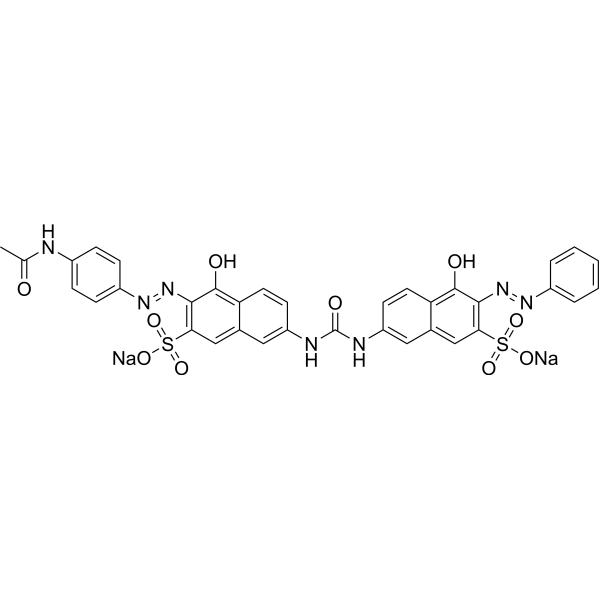
Direct Orange 26 is a good dyeing agent for cotton fabrics.
|
-
-
- HY-D0648
-
-
-
- HY-D0774
-
|
|
Fluorescent Dye
|
|
|
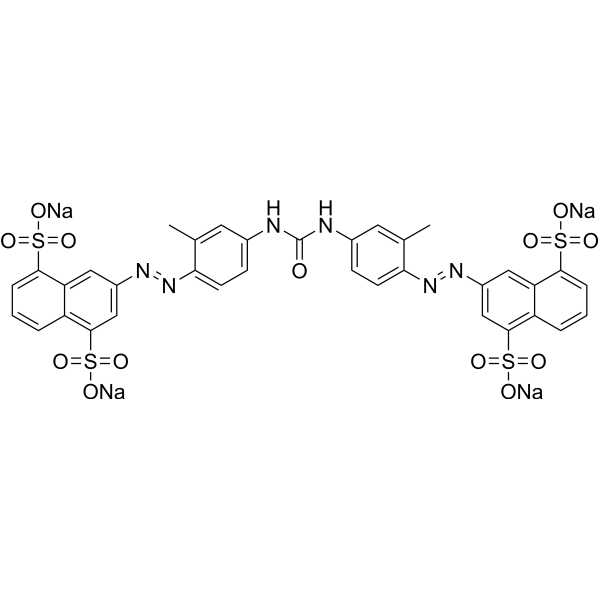
Direct Black 168 is a good dyeing agent for cotton fabrics.
|
-
-
- HY-D0465
-
|
|
Fluorescent Dye
|
|
|
C.I. Direct black 80 is a good dyeing agent for cotton fabrics.
|
-
-
- HY-D0482
-
|
|
Fluorescent Dye
|
|
|
C.I. Direct blue 80 is a good dyeing agent for cotton fabrics.
|
-
-
- HY-D0419
-
|
|
Fluorescent Dye
|
|
|
C.I. Direct green 26 is a good dyeing agent for cotton fabrics.
|
-
-
- HY-D2253
-
|
|
Fluorescent Dye
|
Others
|
|
Direct Blue 108 has the structure of triphenyl two oxazine, and can be used in dyeing of cotton, viscose fiber, silk and its blended fabrics .
|
-
-
- HY-D1273
-
-
-
- HY-W087913
-
|
|
Biochemical Assay Reagents
|
Others
|
|
alpha-Naphtholphthalein is an indicator that is light yellow at pH 6 and gradually shows a clear color change with increasing pH to light green-green-blue. alpha-Naphtholphthalein can be impregnated into cotton-blend fabrics and used to develop medical supplies for wound pH monitoring, such as medical gauze, hospital gowns and compression bandages .
|
-
-
- HY-118565
-
|
|
Endogenous Metabolite
Bacterial
|
Infection
|
|
Rhizocarpic acid (Compound 2) is a secondary metabolite of lichen. Rhizocarpic acid effectively inhibits the growth of bacteria, such as Bacillus subtilis and Staphylococcus aureus, as well as murine myeloma NS-1 cells. Rhizocarpic acid is an antioxidant and an insect antifeedant with an ED50 of 71 μmol/g dry weight against neonate larvae of the Egyptian cotton leaf worm Spodoptera littoralis .
|
-
-
- HY-B0828
-
|
|
Parasite
Cholinesterase (ChE)
|
Others
|
|
Triazophos, a non-systemic insecticide and acaricide that acts as an acetylcholinesterase (AChE) inhibitor, covalently and irreversibly binds to the acetylcholine binding site, thus blocking the hydrolysis of acetylcholine and leading to hyperexcitability; it is effective against a variety of soil insects and mites, including aphids, thrips, midges, beetles, Lepidoptera larvae, cutworms, and spider mites in crops such as ornamentals, cotton, rice, maize, soybeans, oil palms, olives, and coffee.
|
-
-
- HY-N10831
-
|
|
Others
|
Others
|
|
Ajuganipponin A is a nature product that could be isolated from the aerial parts of Ajuga nipponensis. Ajuganipponin A has antifeedant activity against larvae of the Egyptian cotton leafworm .
|
-
-
- HY-122984R
-
|
|
Herbicide
Reference Standards
|
Others
|
|
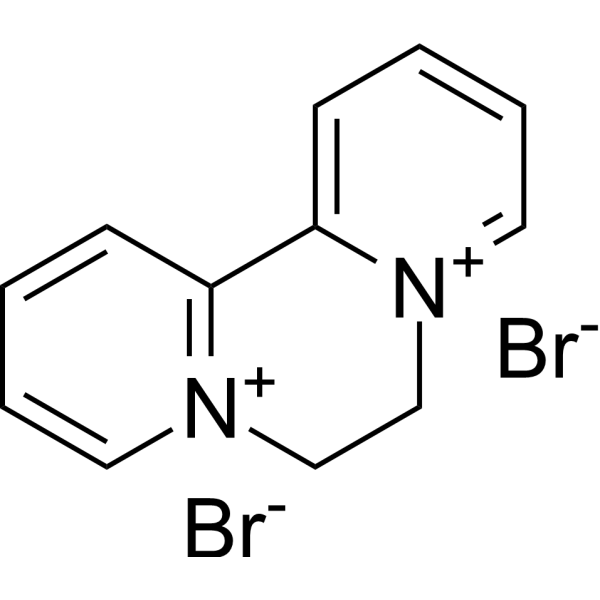
Diquat (dibromide) (Standard) is the analytical standard of Diquat (dibromide). This product is intended for research and analytical applications. Diquat dibromide is a comprehensive herbicide commonly used in the cultivation of cotton, soybeans, and other crops to combat unwanted weeds. Diquat dibromide has an IC50 of 60 mg/L in the Allium root growth inhibition test .
|
-
-
- HY-178165
-
|
|
Drug Derivative
|
Others
|
|
PPO-IN-22 (Compound B-04) is a benzothiazol-2(3H)-one derivative. PPO-IN-22 is a herbicide. PPO-IN-22 exhibits excellent post-emergence herbicidal activity against broadleaf weeds. PPO-IN-22 demonstrates potent pre-emergence activity against both dicotyledonous and monocotyledonous weeds. PPO-IN-22 exhibits favorable crop safety as a selective pre-emergence herbicide in soybean, peanut, and cotton cultivation systems .
|
-
-
- HY-125511
-
|
|
Fungal
|
Infection
|
|
Chaetoviridin A exhibits antifungal activity against several plants pathogen, inhibits growth of Verticillium dahliae through cell necrosis and mycelial deformation, and thus improves sensitivity of V. dahliae to stress, increases the emergence rate and plant height of cotton .
|
-
-
- HY-D1035
-
-
-
- HY-D0401
-
-
-
- HY-D0361
-
-
-
- HY-D0658
-
-
-
- HY-D0483
-
|
|
Fluorescent Dye
|
|
|
Direct yellow 106 is a good dyeing agent for cotton fabrics.
|
-
-
- HY-D1165
-
-
- HY-D0338
-
|
|
Fluorescent Dye
|
|
|
Direct Yellow 26 is a good dyeing agent for cotton fabrics.
|
-
- HY-D0432
-
|
|
Fluorescent Dye
|
|
|
Direct yellow 34 is a good dyeing agent for cotton fabrics.
|
-
- HY-D1238
-
-
- HY-D0329
-
-
- HY-D0325
-
|
|
Fluorescent Dye
|
|
|
Direct Black BH sodium is a good dyeing agent for cotton fabrics.
|
-
- HY-D0540
-
-
- HY-D0683
-
|
|
Fluorescent Dye
|
|
|
Direct yellow 28 is a good dyeing agent for cotton fabrics.
|
-
- HY-D1226
-
|
|
Fluorescent Dye
|
|
|
Direct violet 51 is a good dyeing agent for cotton fabrics.
|
-
- HY-D0436
-
|
|
Fluorescent Dye
|
|
|
C.I. Direct black 32 is a good dyeing agent for cotton fabrics.
|
-
- HY-D0440
-
|
|
Fluorescent Dye
|
|
|
C.I. Direct green 28 is a good dyeing agent for cotton fabrics.
|
-
- HY-D0443
-
|
|
Fluorescent Dye
|
|
|
C.I. Direct black 22 is a good dyeing agent for cotton fabrics.
|
-
- HY-D0437
-
|
|
Fluorescent Dye
|
|
|
C.I. Direct blue 75 is a good dyeing agent for cotton fabrics.
|
-
- HY-D0396
-
|
DR16
|
Fluorescent Dye
|
|
|
C.I. Direct red 16 is a good dyeing agent for cotton fabrics.
|
-
- HY-D0451
-
|
|
Fluorescent Dye
|
|
|
C.I. Direct orange 102 is a good dyeing agent for cotton fabrics.
|
-
- HY-D0425
-
-
- HY-118217
-
-
- HY-117860
-
|
|
Fluorescent Dye
|
Others
|
|
Vat Yellow 4 is a synthetic anthraquinone vat dye. Vat Yellow 4 can be used for the dyeing of cotton, rayon, and wool by textile industries .
|
-
- HY-157162
-
|
|
Cholinesterase (ChE)
|
Others
|
|
Insecticidal agent 5 (compound 8) is an AChE-targeting insecticide with an LD50 of 27.65 ppm against the cotton leafworm Spodoptera littoralis .
|
-
- HY-118217R
-
|
RPA90946 (Standard)
|
Endogenous Metabolite
Reference Standards
|
Others
|
|
Cyclanilide (Standard) is the analytical standard of Cyclanilide. This product is intended for research and analytical applications. Cyclanilide (RPA90946) serves as a plant growth regulator that is applied to cotton during various growth stages.
|
-
- HY-136560
-
|
|
Drug Metabolite
|
Others
|
|
6-Azathymine acid is a metabolite of Pymetrozine. Pymetrozine is active against plant-sucking insects, such as aphids and whiteflies in vegetables, cotton, field crops and fruits and affects the nervous regulation of feeding behavior .
|
-
- HY-B1851S
-
|
|
Isotope-Labeled Compounds
Parasite
|
Infection
|
|
Hexythiazox-d11 is deuterium labeled Hexythiazox. Hexythiazox is a selective acaricide with ovicidal, larvicidal and nymphicidal activities. Hexythiazox is widely used for chemical control of mites on cotton, fruits and vegetables. Hexythiazox is harmless to mammals and has no effect on beneficial insects and predators of mites .
|
-
- HY-B1851R
-
|
|
Reference Standards
Parasite
|
Infection
|
|
Hexythiazox (Standard) is the analytical standard of Hexythiazox. This product is intended for research and analytical applications. Hexythiazox is a selective acaricide with ovicidal, larvicidal and nymphicidal activities. Hexythiazox is widely used for chemical control of mites on cotton, fruits and vegetables. Hexythiazox is harmless to mammals and has no effect on beneficial insects and predators of mites .
|
-
- HY-122984S
-
|
|
Isotope-Labeled Compounds
Herbicide
|
Others
|
|
Diquat-d4 (dibromide) is the deuterium labeled Diquat dibromide (HY-122984) . Diquat dibromide is a comprehensive herbicide commonly used in the cultivation of cotton, soybeans, and other crops to combat unwanted weeds. Diquat dibromide has an IC50 of 60 mg/L in the Allium root growth inhibition test .
|
-
- HY-100196AR
-
|
PQQ disodium salt (Standard); Methoxatin disodium salt (Standard)
|
Reference Standards
Endogenous Metabolite
|
Inflammation/Immunology
|
|
Triazophos (Standard) is the analytical standard of Triazophos. This product is intended for research and analytical applications. Triazophos, a non-systemic insecticide and acaricide that acts as an acetylcholinesterase (AChE) inhibitor, covalently and irreversibly binds to the acetylcholine binding site, thus blocking the hydrolysis of acetylcholine and leading to hyperexcitability; it is effective against a variety of soil insects and mites, including aphids, thrips, midges, beetles, Lepidoptera larvae, cutworms, and spider mites in crops such as ornamentals, cotton, rice, maize, soybeans, oil palms, olives, and coffee.
|
-
- HY-B0828R
-
|
|
Parasite
Reference Standards
|
Others
|
|
Triazophos (Standard) is the analytical standard of Triazophos. This product is intended for research and analytical applications. Triazophos, a non-systemic insecticide and acaricide that acts as an acetylcholinesterase (AChE) inhibitor, covalently and irreversibly binds to the acetylcholine binding site, thus blocking the hydrolysis of acetylcholine and leading to hyperexcitability; it is effective against a variety of soil insects and mites, including aphids, thrips, midges, beetles, Lepidoptera larvae, cutworms, and spider mites in crops such as ornamentals, cotton, rice, maize, soybeans, oil palms, olives, and coffee.
|
-
- HY-W758421
-
-
- HY-136372R
-
|
|
Herbicide
Reference Standards
|
Others
|
|
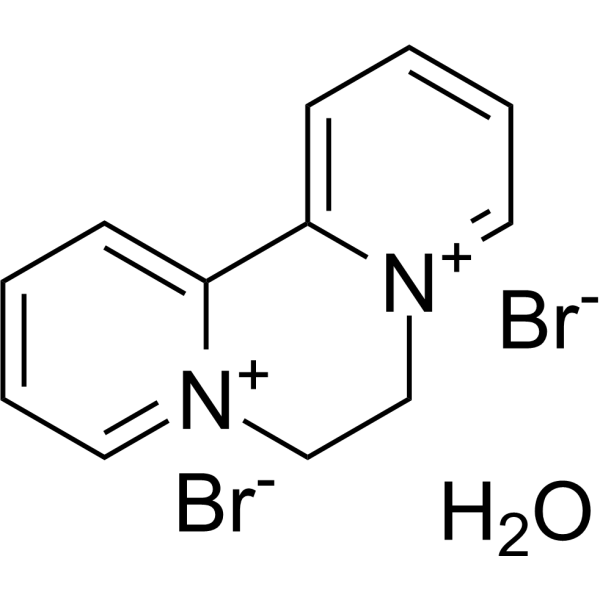
Diquat (dibromide hydrate) (Standard) is the analytical standard of Diquat (dibromide hydrate). This product is intended for research and analytical applications. Diquat dibromide hydrate is a comprehensive herbicide. Diquat dibromide hydrate increases the production of ROS and triggers mitophagy. Diquat dibromide hydrate generates free radicals such as superoxide anions through redox cycles, which induce oxidative stress. Diquat dibromide hydrate is cytotoxic, reproductive, and neurotoxic. Diquat dibromide hydrate is used in cotton, soybean, and other crops to combat noxious weeds .
|
-
- HY-B1885S
-
|
|
Isotope-Labeled Compounds
Insecticide
Cholinesterase (ChE)
AMPK
PI3K
Akt
Apoptosis
SOD
|
Infection
|
|
Fenitrothion-d6 is the deuterium labeled Fenitrothion (HY-B1885). Fenitrothion is a broad-spectrum and orally active insecticide/acaricide. Fenitrothion inhibits cholinesterase, AMPKα and IRS1/PI3K/AKT. Fenitrothion causes Apoptosis, reduces SOD activity. Fenitrothion shows insecticidal effect against Rhyzopertha dominica and Tribolium castaneum adults. Fenitrothion is widely used in cotton crops, vegetable crops, fruit crops and field crops, especially rice. Fenitrothion can be used for brain and spleen toxicology studies .
|
-
- HY-B1885R
-
|
|
Reference Standards
Insecticide
Parasite
Cholinesterase (ChE)
AMPK
PI3K
Akt
Apoptosis
SOD
|
Infection
|
|
Fenitrothion (Standard) is the analytical standard of Fenitrothion (HY-B1885). This product is intended for research and analytical applications. Fenitrothion is a broad-spectrum and orally active insecticide/acaricide. Fenitrothion inhibits cholinesterase, AMPKα and IRS1/PI3K/AKT. Fenitrothion causes Apoptosis, reduces SOD activity. Fenitrothion shows insecticidal effect against Rhyzopertha dominica and Tribolium castaneum adults. Fenitrothion is widely used in cotton crops, vegetable crops, fruit crops and field crops, especially rice. Fenitrothion can be used for brain and spleen toxicology studies .
|
-
- HY-W587665
-
|
|
Insecticide
|
Infection
|
|
Demeton-S sulfoxide is a systemic insecticide. When Demeton-S sulfoxide is topically applied to cotton stems, it is absorbed and transported to cotton leaves, whereas its penetration and diffusion capabilities are limited when it is topically applied to young lemon leaves .
|
-
- HY-W747529
-
|
|
Herbicide
|
Others
|
|
Fluthiacet-methyl is an isoxazole herbicide and also a protoporphyrinogen oxidase (Protox) inhibitor. Fluthiacet-methyl inhibits chlorophyll biosynthesis in cotyledons of velvetleaf and cotton. Fluthiacet-methyl induces electrolyte leakage in cotyledons of sensitive plants such as velvetleaf and cotton. Fluthiacet-methyl induces the accumulation of protoporphyrin IX in cotton cotyledons .
|
-
- HY-W753728
-
|
|
Insecticide
|
Infection
|
|
Xiaochongliulin is a organophosphate insecticide. Xiaochongliulin shows insecticidal activity against citrus red mite, citrus scales, cotton bollworm, diamondback moth, and rice planthopper. Xiaochongliulin has low acute oral toxicity in rats .
|
-
- HY-180882
-
|
EIDD-3608
|
DNA/RNA Synthesis
|
Infection
|
|
GHP-88310 (EIDD-3608) is a potent, orally active orthoparamyxovirus polymerases inhibitor. GHP-88310 exhibits potent activity against HPIV3 and related respiroviruses, measles virus (MeV) and related morbilliviruses. GHP-88310 exhibits efficacy in both canine distemper virus (CDV) ferret models and HPIV3 cotton rat models. GHP-88310 can be used for orthoparamyxovirus disease research .
|
-
- HY-121774
-
|
C.I. 37550
|
Biochemical Assay Reagents
|
Others
|
|
Naphthol AS-ITR (C.I. 37550) is used as a dyeing base agent for cotton and has a high affinity for cotton. Naphthol AS-ITR can also be used for dyeing viscose fibers, silk, nylon, and printing cotton fabrics, as well as for manufacturing lake pigments .
|
-
- HY-133010R
-
|
|
Reference Standards
Drug Metabolite
|
Cancer
|
|
Cyclanilide (Standard) is the analytical standard of Cyclanilide. This product is intended for research and analytical applications. Cyclanilide (RPA90946) serves as a plant growth regulator that is applied to cotton during various growth stages.
|
-
- HY-W412336
-
|
|
Biochemical Assay Reagents
P2Y Receptor
|
Others
|
|
Acid blue 129 is an acidic dye and highly selective antagonist at the P2Y-receptor of the guinea pig taenia coli. Acid blue 129 does not show any effect at the P2X-receptor of the rat vas deferens. Acid blue 129 can be used for the dyeing of cotton, wool, silk, nylon, paper and leather .
|
-
- HY-W750980
-
|
|
TNF Receptor
Interleukin Related
|
Inflammation/Immunology
|
|
β-Bisabolol is a potent anti-inflammatory agent that can be found in cotton gin trash. β-Bisabolol inhibits the production of nitric oxide (NO), pGE2, TNF-α, IL-6, and IL-8 in LPS (HY-D1056)-stimulated macrophages and fibroblast cells. β-Bisabolol can be used for the research on inflammatory conditions .
|
-
- HY-W753500
-
|
|
Others
|
Endocrinology
|
|
(E,E)-9,11-Tetradecadienyl acetate is a female sex pheromone isolated from light-induced isomerization products in female coastal noctuid moths .
|
-
- HY-122984S1
-
-
- HY-B0828S
-
|
Hostathion 40EC-d5; Hostathion-d5; Hostation-d5
|
Isotope-Labeled Compounds
Parasite
Cholinesterase (ChE)
|
Others
|
|
Triazophos-d5 (Hostathion 40EC-d5) is the deuterium labeled Triazophos(HY-B0828) . Triazophos, a non-systemic insecticide and acaricide that acts as an acetylcholinesterase (AChE) inhibitor, covalently and irreversibly binds to the acetylcholine binding site, thus blocking the hydrolysis of acetylcholine and leading to hyperexcitability; it is effective against a variety of soil insects and mites, including aphids, thrips, midges, beetles, Lepidoptera larvae, cutworms, and spider mites in crops such as ornamentals, cotton, rice, maize, soybeans, oil palms, olives, and coffee.
|
-
- HY-N18043
-
|
|
Drug Derivative
|
Others
|
|
Rehmaglutin C is an iridoid lactone.Rehmaglutin C can be found in the dried root of Rehmannia glutinosa LiBosCH .
|
-
- HY-N18035
-
|
|
Insecticide
|
Infection
|
|
Spinosyn K is an insecticide found in the actinomycete Saccharopolyspora spinosa. Spinosyn K shows strong insecticidal activity .
|
-
- HY-P992423
-
|
|
RSV
|
Infection
|
|
NIAID RSVF2-5 is a human monoclonal antibody fragment. NIAID RSVF2-5 binds to conserved, distinct conformational epitopes on RSV fusion glycoprotein, and shows activity against RSV subgroup A and B strains. NIAID RSVF2-5 reduces pulmonary and lung viral titers in RSV-infected rodents. NIAID RSVF2-5 can be used for the research of respiratory syncytial virus infection .
|
-
- HY-114811
-
|
|
Insecticide
GABA Receptor
Chloride Channel
|
Infection
Neurological Disease
|
|
Leptophos oxon, a metabolite of leptophos, is a GABAA receptor chloride channel inhibitor with an IC50 values of 89.6 μM. Leptophos oxon inhibits GABA-induced chloride influx, binds to GABAA receptor-associated TBPS sites, and inhibits TBPS binding to voltage-dependent chloride channels. Leptophos oxon is a insecticide. Leptophos oxon can be used for the research of neurological disease .
|
-
| Cat. No. |
Product Name |
Type |
| Cat. No. |
Product Name |
Type |
-
- HY-Y1887
-
|
|
Biochemical Assay Reagents
|
|
Cottonseed oil is an edible oil extracted from the seeds of cotton (Gossypium hirsutum). Its fatty acid composition includes 26-35% saturated fatty acids, 42-52% polyunsaturated fatty acids, and 18-24% monounsaturated fatty acids. Cottonseed oil is regarded as an Insecticide, as it is used to protect the trunks of apple trees from damage by the apple clearwing moth. Cottonseed oil possesses anti-inflammatory and cardioprotective properties. It also has extensive applications in many fields such as biofuels, animal husbandry, cosmetics, agriculture, and chemical industry .
|
-
- HY-B0941A
-
|
Benzyladenine, suitable for plant cell culture; 6-BAP, suitable for plant cell culture; N6-Benzyladenine, suitable for plant cell culture
|
Biochemical Assay Reagents
|
|
6-Benzylaminopurine,suitable for plant cell culture is a cytokinin that induces plant growth and development by stimulating cell division, and prolongs the freshness of green vegetables through inhibiting respiratory kinases .
|
-
- HY-W017448
-
|
N,N-Dimethylpiperidinium chloride; PIX
|
Biochemical Assay Reagents
|
|
Mepiquat chloride (N,N-Dimethylpiperidinium chloride) is a systemic plant growth regulator. Mepiquat chloride reduces the activity of RuBP carboxylase. Mepiquat chloride decreases plant height, total length of vegetative and fruiting branches, and total leaf area of cotton. Mepiquat chloride reduces the net photosynthetic rate of cotton leaves. Mepiquat chloride promotes starch accumulation in cotton leaves without altering sucrose content .
|
-
- HY-W111522
-
|
di-Sodium hydrogen phosphite, 98%
|
Biochemical Assay Reagents
|
|
Sodium phosphite dibasic pentahydrate, 98% (di-Sodium hydrogen phosphite, 98%) is an inorganic phosphorus source and an alkali metal salt of phosphorous acid. Sodium phosphite dibasic pentahydrate, 98% acts as a catalyst for the butanetetracarboxylic acid-based crosslinking reaction of cotton cellulose .
|
-
- HY-W087913
-
|
|
Biochemical Assay Reagents
|
|
alpha-Naphtholphthalein is an indicator that is light yellow at pH 6 and gradually shows a clear color change with increasing pH to light green-green-blue. alpha-Naphtholphthalein can be impregnated into cotton-blend fabrics and used to develop medical supplies for wound pH monitoring, such as medical gauze, hospital gowns and compression bandages .
|
| Cat. No. |
Product Name |
Target |
Research Area |
Image |
-
- HY-P9944
-
|
MEDI 493
|
RSV
|
Infection
Inflammation/Immunology
Cancer
|
|
Palivizumab (MEDI 493) is a humanized monoclonal antibody against respiratory syncytial virus (RSV). Palivizumab can bind to RSV F protein with a Kd value of 1.4 nM. Palivizumab can prevent respiratory syncytial virus infection in cotton mice .
|
-
(5)
-
- HY-P992423
-
|
|
RSV
|
Infection
|
|
NIAID RSVF2-5 is a human monoclonal antibody fragment. NIAID RSVF2-5 binds to conserved, distinct conformational epitopes on RSV fusion glycoprotein, and shows activity against RSV subgroup A and B strains. NIAID RSVF2-5 reduces pulmonary and lung viral titers in RSV-infected rodents. NIAID RSVF2-5 can be used for the research of respiratory syncytial virus infection .
|
-
(5)
| Cat. No. |
Product Name |
Category |
Target |
Chemical Structure |
-
- HY-N0335
-
-
-
- HY-118565
-
-
-
- HY-N10831
-
-
-
- HY-125511
-
|
|
Natural Products
Microorganisms
Source Classification
|
Fungal
|
|
Chaetoviridin A exhibits antifungal activity against several plants pathogen, inhibits growth of Verticillium dahliae through cell necrosis and mycelial deformation, and thus improves sensitivity of V. dahliae to stress, increases the emergence rate and plant height of cotton .
|
-
-
- HY-100196AR
-
|
PQQ disodium salt (Standard); Methoxatin disodium salt (Standard)
|
Quinones
Structural Classification
Microorganisms
Benzene Quinones
Endogenous metabolite
Source Classification
|
Reference Standards
Endogenous Metabolite
|
|
Triazophos (Standard) is the analytical standard of Triazophos. This product is intended for research and analytical applications. Triazophos, a non-systemic insecticide and acaricide that acts as an acetylcholinesterase (AChE) inhibitor, covalently and irreversibly binds to the acetylcholine binding site, thus blocking the hydrolysis of acetylcholine and leading to hyperexcitability; it is effective against a variety of soil insects and mites, including aphids, thrips, midges, beetles, Lepidoptera larvae, cutworms, and spider mites in crops such as ornamentals, cotton, rice, maize, soybeans, oil palms, olives, and coffee.
|
-
-
- HY-W750980
-
-
-
- HY-W753500
-
-
-
- HY-N18043
-
-
-
- HY-N18035
-
-
| Cat. No. |
Compare |
Product Name |
Species |
Source |
Image |
Compare Products
|
| Products |
|
| Cat. No. |
|
| Species |
|
| Source |
|
| Tag |
|
| Accession |
|
| Gene ID |
|
| Molecular Weight |
|
| Purity |
|
| Endotoxin Level |
|
| Biological Activity |
|
| Appearance |
|
| Formulation |
|
| Storage & Stability |
|
| Shipping |
|
| Free Sample |
Yes
No
|
| Size |
* This product has been "discontinued".
Optimized version of product available:
|
| Cat. No. |
Product Name |
Chemical Structure |
-
- HY-B0838S
-
|
|
|
Imidacloprid-d4 is the deuterium labeled Imidacloprid . Imidacloprid is an effective and widely used neonicotinoid pesticide to control pests of cereals, vegetables, tea and cotton .
|
-
-
- HY-B1851S
-
|
|
|
Hexythiazox-d11 is deuterium labeled Hexythiazox. Hexythiazox is a selective acaricide with ovicidal, larvicidal and nymphicidal activities. Hexythiazox is widely used for chemical control of mites on cotton, fruits and vegetables. Hexythiazox is harmless to mammals and has no effect on beneficial insects and predators of mites .
|
-
-
- HY-122984S
-
|
|
|
Diquat-d4 (dibromide) is the deuterium labeled Diquat dibromide (HY-122984) . Diquat dibromide is a comprehensive herbicide commonly used in the cultivation of cotton, soybeans, and other crops to combat unwanted weeds. Diquat dibromide has an IC50 of 60 mg/L in the Allium root growth inhibition test .
|
-
-
- HY-W758421
-
|
|
|
Diquat-d8 dibromide is a deuterium labeled Diquat dibromide (HY-122984). Diquat dibromide is a comprehensive herbicide. Diquat dibromide increases the production of ROS and triggers mitochondrial Autophagy. Diquat dibromide generates free radicals such as superoxide anions through redox cycles, which induce oxidative stress. Diquat dibromide is cytotoxic, reproductive, and neurotoxic. Diquat dibromide is used in cotton, soybean, and other crops to combat noxious weeds .
|
-
-
- HY-B1885S
-
|
|
|
Fenitrothion-d6 is the deuterium labeled Fenitrothion (HY-B1885). Fenitrothion is a broad-spectrum and orally active insecticide/acaricide. Fenitrothion inhibits cholinesterase, AMPKα and IRS1/PI3K/AKT. Fenitrothion causes Apoptosis, reduces SOD activity. Fenitrothion shows insecticidal effect against Rhyzopertha dominica and Tribolium castaneum adults. Fenitrothion is widely used in cotton crops, vegetable crops, fruit crops and field crops, especially rice. Fenitrothion can be used for brain and spleen toxicology studies .
|
-
-
- HY-122984S1
-
|
|
|
Diquat-d12 dibromide 1 is the deuterium labeled Diquat dibromide (HY-122984). Diquat dibromide is a comprehensive herbicide. Diquat dibromide increases the production of ROS and triggers mitochondrial Autophagy. Diquat dibromide generates free radicals such as superoxide anions through redox cycles, which induce oxidative stress. Diquat dibromide is cytotoxic, reproductive, and neurotoxic. Diquat dibromide is used in cotton, soybean, and other crops to combat noxious weeds .
|
-
-
- HY-B0828S
-
|
|
|
Triazophos-d5 (Hostathion 40EC-d5) is the deuterium labeled Triazophos(HY-B0828) . Triazophos, a non-systemic insecticide and acaricide that acts as an acetylcholinesterase (AChE) inhibitor, covalently and irreversibly binds to the acetylcholine binding site, thus blocking the hydrolysis of acetylcholine and leading to hyperexcitability; it is effective against a variety of soil insects and mites, including aphids, thrips, midges, beetles, Lepidoptera larvae, cutworms, and spider mites in crops such as ornamentals, cotton, rice, maize, soybeans, oil palms, olives, and coffee.
|
-
| Cat. No. |
Product Name |
|
Classification |
-
- HY-Y1887
-
|
|
|
Solvents
|
|
Cottonseed oil is an edible oil extracted from the seeds of cotton (Gossypium hirsutum). Its fatty acid composition includes 26-35% saturated fatty acids, 42-52% polyunsaturated fatty acids, and 18-24% monounsaturated fatty acids. Cottonseed oil is regarded as an Insecticide, as it is used to protect the trunks of apple trees from damage by the apple clearwing moth. Cottonseed oil possesses anti-inflammatory and cardioprotective properties. It also has extensive applications in many fields such as biofuels, animal husbandry, cosmetics, agriculture, and chemical industry .
|
Your information is safe with us. * Required Fields.
Inquiry Information
- Product Name:
- Cat. No.:
- Quantity:
- MCE Japan Authorized Agent:

