59 Results for "

farnesoid-X receptor

" in MedChemExpress (MCE) Product Catalog:
Products (59)

59 Results for "farnesoid-X receptor" in MCE Product Catalog:

32
32 Publications Verification
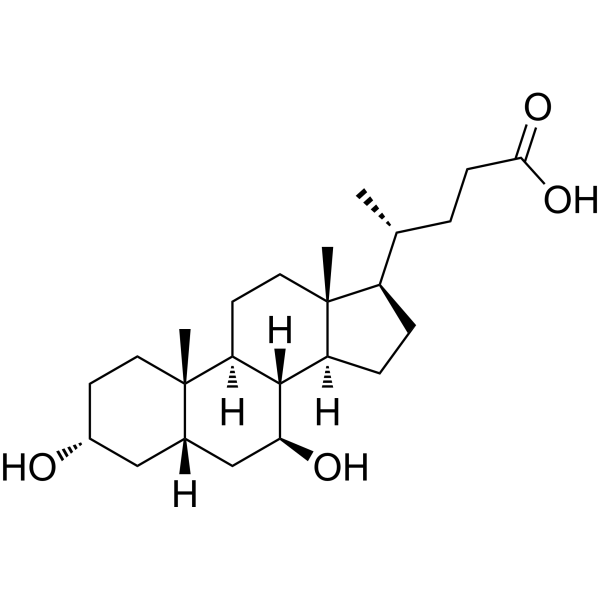
Cat. No.: HY-13771
CAS No.: 128-13-2
Purity:  99.94%
Synonyms: Ursodeoxycholate; Ursodiol; UDCA
Ursodeoxycholic acid (Ursodeoxycholate) is a secondary bile acid issued from the transformation of (cheno)deoxycholic acid by intestinal bacteria, acting as a key regulator of the intestinal barrier integrity and essential for lipid metabolism. Ursodeoxycholic acid acts as signaling molecule, exerting its effects by interacting with bile acid activated receptors, including G-protein coupled bile acid receptor 5 (TGR5, GPCR19) and the farnesoid X receptor (FXR). Ursodeoxycholic acid can be used for the research of a variety of hepatic and gastrointestinal diseases. Ursodeoxycholic acid also reduces ACE2 expression and is beneficial for reducing SARS-CoV-2 infection. Orally active .
loading...
    loading...
32
32 Publications Verification
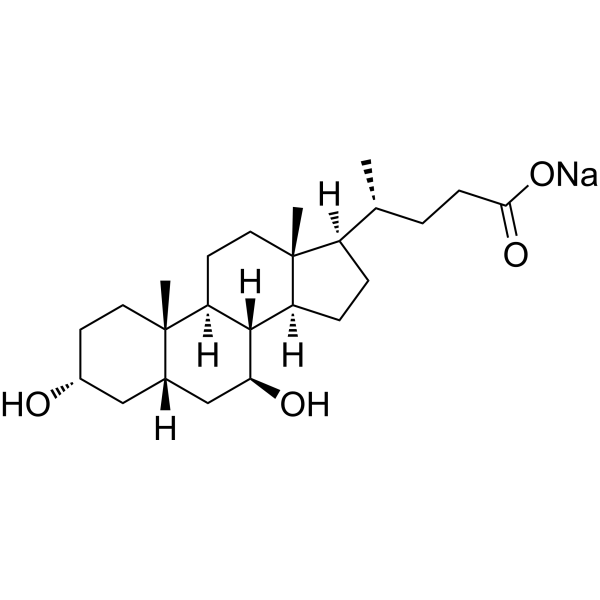
Cat. No.: HY-13771A
CAS No.: 2898-95-5
Purity:  99.06%
Synonyms: Ursodeoxycholate sodium; Ursodiol sodium; UCDA sodium
Ursodeoxycholic acid (Ursodeoxycholate) sodium is a secondary bile acid issued from the transformation of (cheno)deoxycholic acid by intestinal bacteria, acting as a key regulator of the intestinal barrier integrity and essential for lipid metabolism. Ursodeoxycholic acid sodium acts as signaling molecule, exerting its effects by interacting with bile acid activated receptors, including G-protein coupled bile acid receptor 5 (TGR5, GPCR19) and the farnesoid X receptor (FXR). Ursodeoxycholic acid sodium can be used for the research of a variety of hepatic and gastrointestinal diseases. Orally active .
loading...
    loading...
28
28 Cited Publications
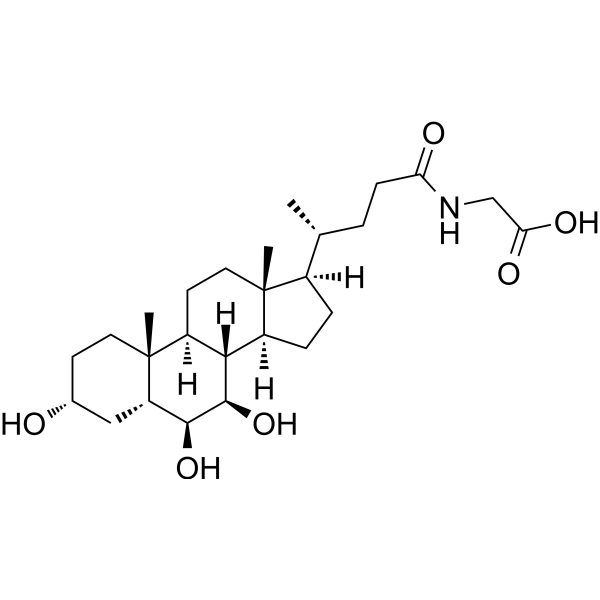
Cat. No.: HY-114392
CAS No.: 66225-78-3
Purity:  99.75%
Target:  

FXR Autophagy

Gly-β-MCA, a bile acid, is a potent, sable, intestine-selective and oral bioactive farnesoid X receptor (FXR) inhibitor that may be a candidate for the treatment of metabolic disorders .
loading...
    loading...
22
22 Cited Publications
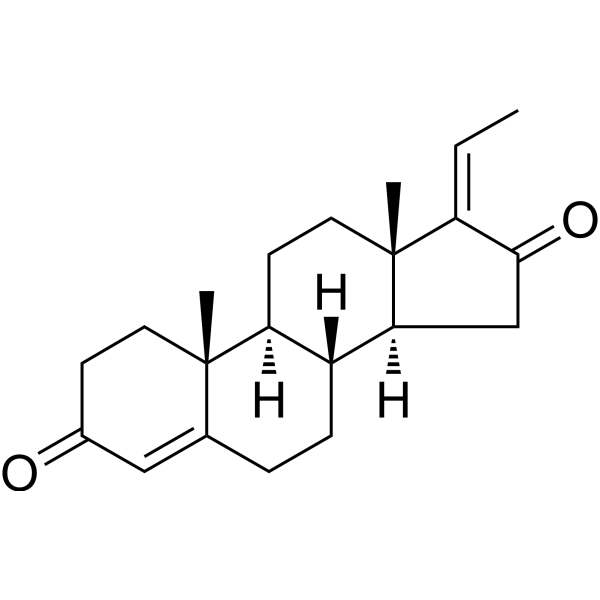
Cat. No.: HY-107738
CAS No.: 95975-55-6
Purity:  99.81%
Synonyms: Z/E-Guggulsterone
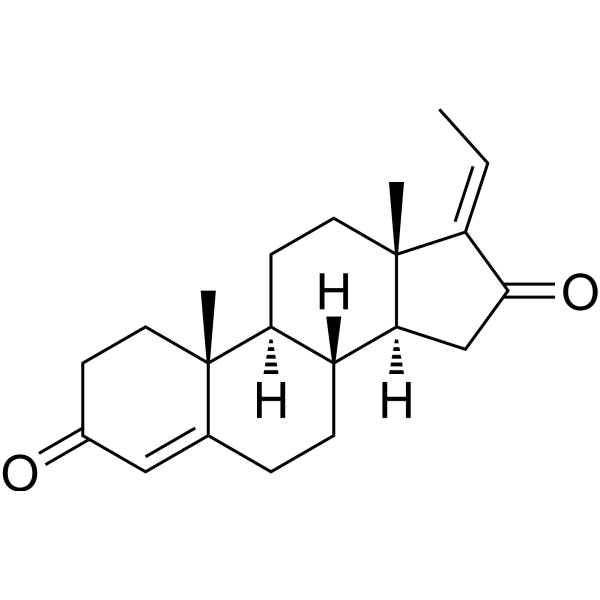
Guggulsterone is a plant sterol derived from the gum resin of the tree Commiphora wightii. Guggulsterone inhibits the growth of a wide variety of tumor cells and induces apoptosis through down regulation of antiapoptotic gene products (IAP1, xIAP, Bfl-1/A1, Bcl-2, cFLIP and survivin), modulation of cell cycle proteins (cyclin D1 and c-Myc), activation of caspases and JNK, inhibition of Akt . Guggulsterone, a farnesoid X receptor (FXR) antagonist, with IC50s of 24.06 μM and 39.05 μM for (-)-(E)-Guggulsterone (HY-N7781) and (Z)-Guggulsterone (HY-110066), respectively .
loading...
    loading...
6
6 Cited Publications
Cat. No.: HY-135103
CAS No.: 145022-92-0
Purity:  98.60%
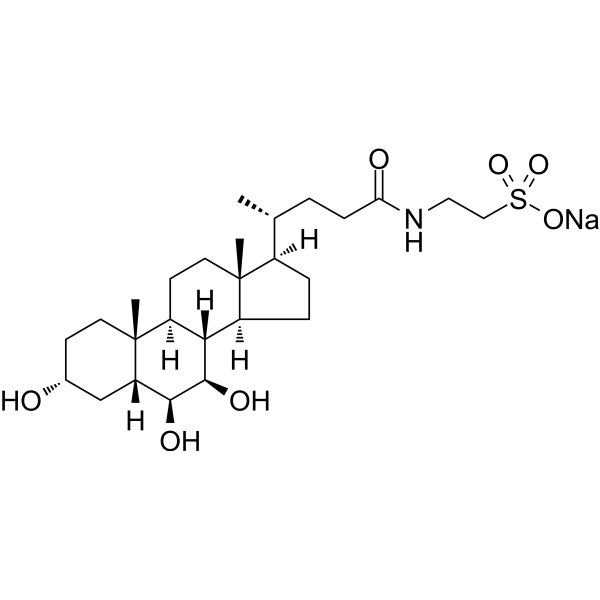
Synonyms: T-βMCA sodium
Target:  

FXR

Research Areas:  

Cancer

Tauro-β-muricholic Acid sodium (T-βMCA sodium), a endogenous metabolite, is a competitive and reversible farnesoid X receptor (FXR) antagonist, with an IC50 of 40 μM .
loading...
    loading...
6
6 Cited Publications
Cat. No.: HY-12434
CAS No.: 1000403-03-1
Purity:  99.81%
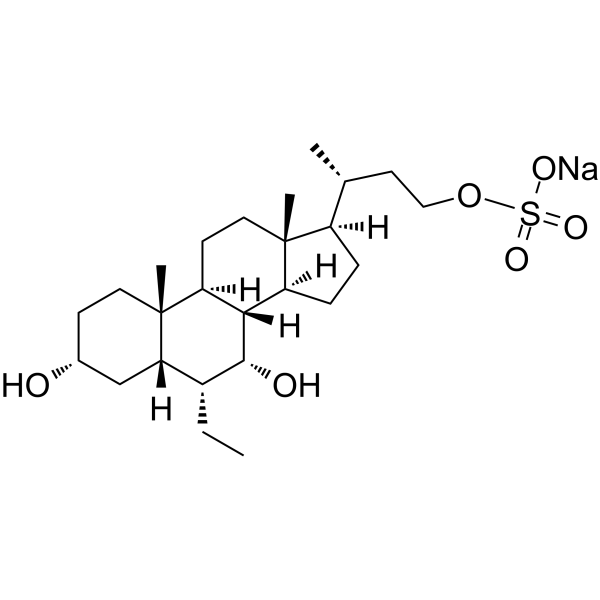
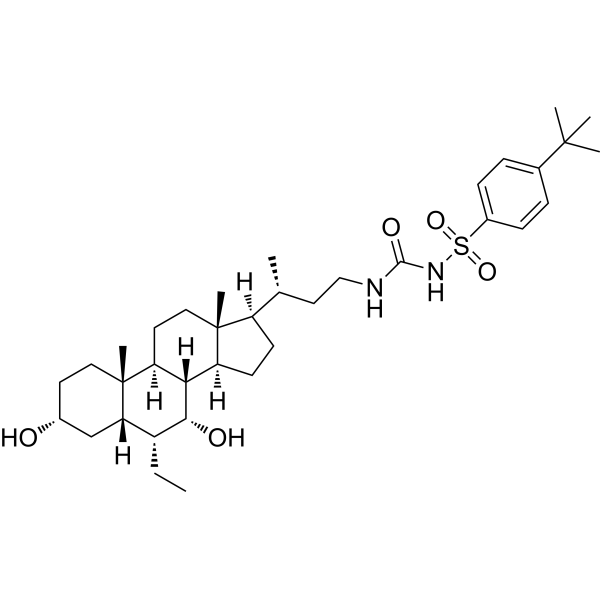
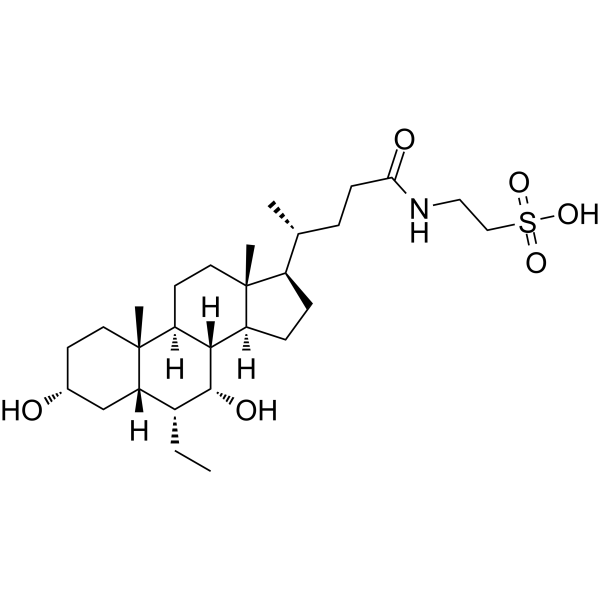
INT-767 is a dual farnesoid X receptor (FXR)/TGR5 agonist with mean EC50s of 30 and 630 nM, respectively .
loading...
    loading...
4
4 Cited Publications
Cat. No.: HY-14908
CAS No.: 717824-30-1
Purity:  99.14%
Synonyms: 4sc-101; SC12267
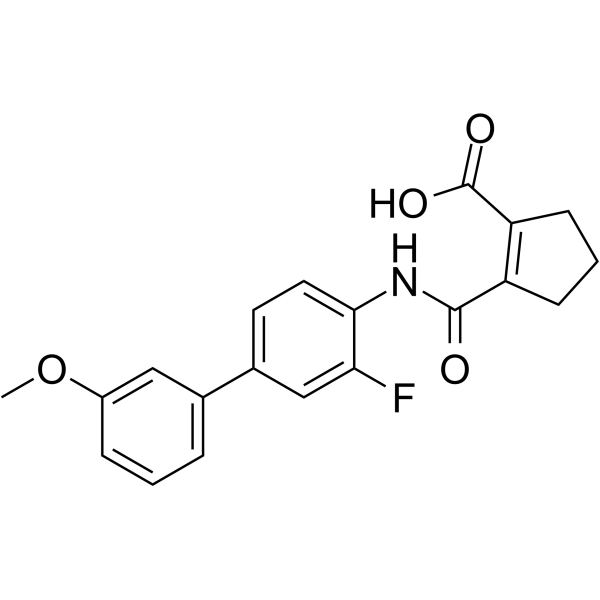
Vidofludimus is an orally active inhibitor for dihydroorotate dehydrogenase (DHODH) and also is a novel modulator for farnesoid X receptor (FXR). Vidofludimus, as an immunomodulatory agent, can be used for the research of autoimmune disorders such as inflammatory bowel disease (IBD). Vidofludimus also can be used for the research of fatty liver by targeting FXR .
loading...
    loading...
4
4 Cited Publications
Cat. No.: HY-N0712
CAS No.: 104472-68-6
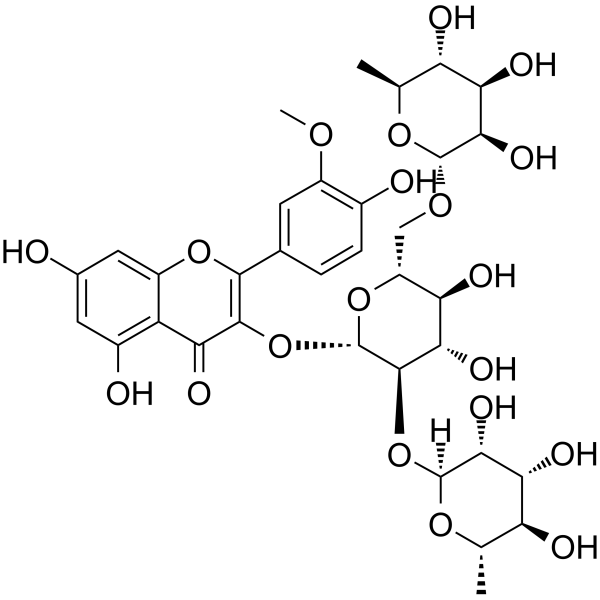
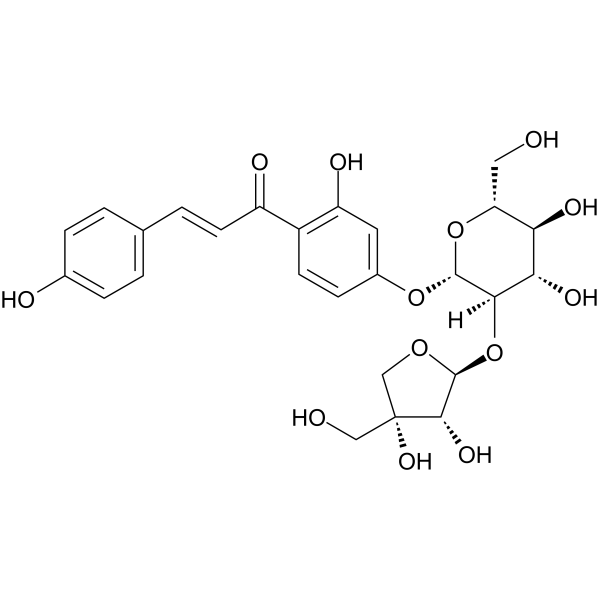
Typhaneoside is an orally active activator of PI3K/Akt/mTOR and farnesoid X receptor. Typhaneoside promotes the activation of AMPK and Caspase-3, induces apoptosis, ferroptosis, autophagy, ROS accumulation, cell cycle arrest at the G2/M phase, and reduces cancer cell viability. Typhaneoside improves glucose and lipid metabolism, alleviates inflammatory responses, oxidative stress and hepatic lipid accumulation, and exerts hepatoprotective effects. Typhaneoside can be used in research related to heart failure after myocardial infarction, acute myeloid leukemia, non-alcoholic fatty liver disease and neurological disorders .
loading...
    loading...
3
3 Cited Publications
Cat. No.: HY-110267
CAS No.: 1609564-75-1
Purity:  99.01%
Target:  

FXR

Research Areas:  

Metabolic Disease

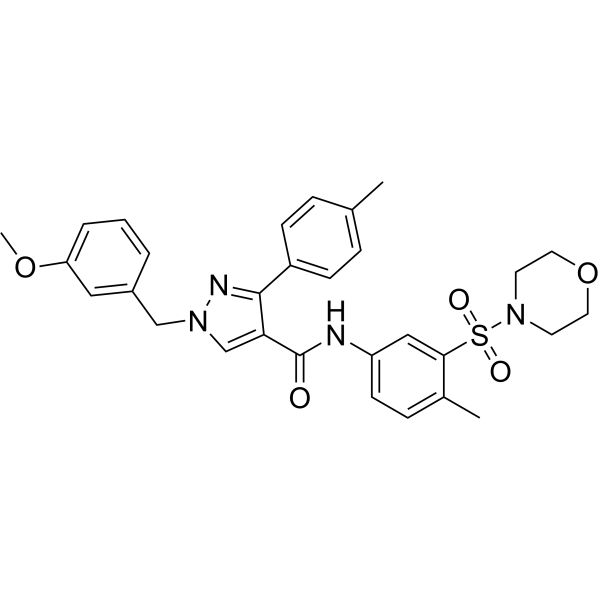
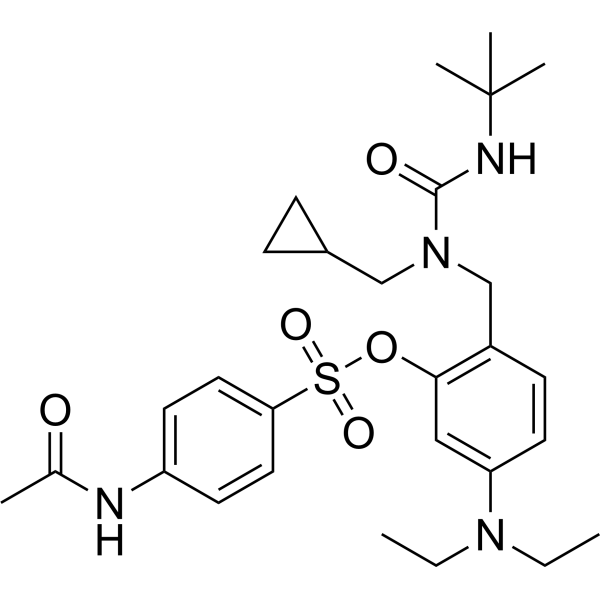
DY268 is a farnesoid X receptor (FXR) antagonist (IC50=7.5 nM). It inhibits FXR transactivation in a cell-based assay with an IC50 value of 468 nM. DY268 can be used in the study of drug-induced liver injury (DILI) .
loading...
    loading...
1
1 Cited Publications
Cat. No.: HY-113478S
CAS No.: 347841-46-7
Purity:  99.52%
Synonyms: Ursodeoxycholate-d4; Ursodiol-d4; UDCA-d4
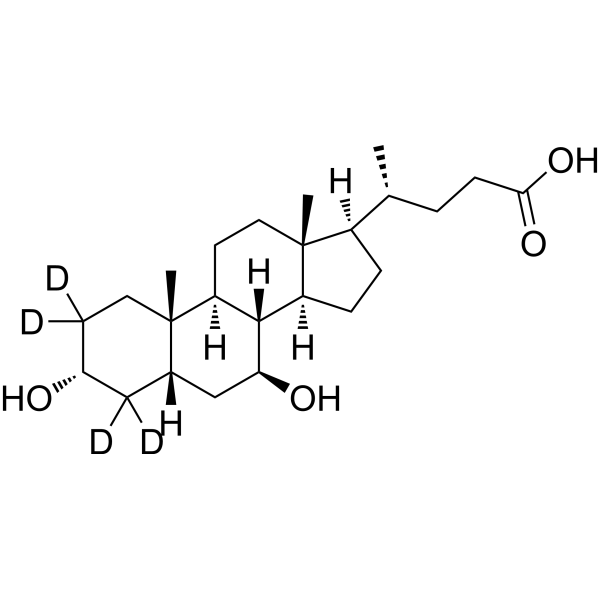
Ursodeoxycholic acid-2,2,4,4-d4 is the deuterium labeled Ursodeoxycholic acid (HY-13771). Ursodeoxycholic acid is a secondary bile acid issued from the transformation of (cheno)deoxycholic acid by intestinal bacteria, acting as a key regulator of the intestinal barrier integrity and essential for lipid metabolism. Ursodeoxycholic acid acts as signaling molecule, exerting its effects by interacting with bile acid activated receptors, including G-protein coupled bile acid receptor 5 (TGR5, GPCR19) and the farnesoid X receptor (FXR). Ursodeoxycholic acid can be used for the research of a variety of hepatic and gastrointestinal diseases. Ursodeoxycholic acid also reduces ACE2 expression and is beneficial for reducing SARS-CoV-2 infection .
loading...
    loading...
1
1 Cited Publications
Cat. No.: HY-100277
CAS No.: 76541-72-5
Purity:  99.10%
Synonyms: SR-202
Target:  

PPAR

Research Areas:  

Metabolic Disease

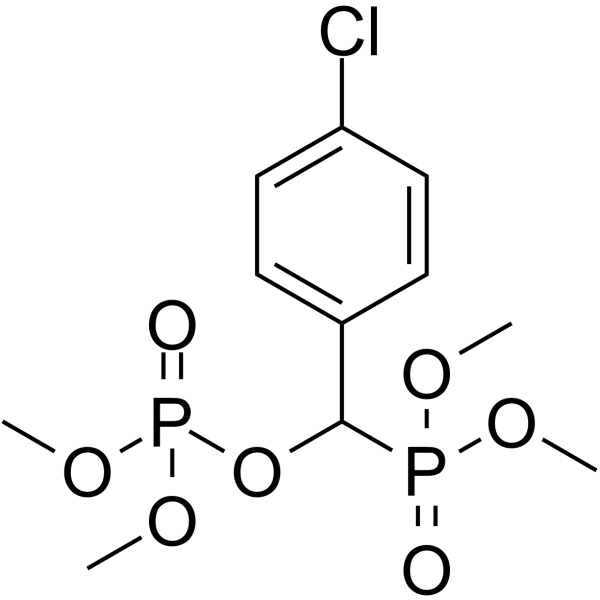
Mifobate (SR-202) is a potent and specific PPARγ antagonist. Mifobate (SR-202) selectively inhibits Thiazolidinedione (TZD)-induced PPARγ transcriptional activity (IC50=140 μM). Mifobate (SR-202) does not affect basal or ligand-stimulated transcriptional activity of PPARα, PPARβ, or the farnesoid X receptor (FXR). Mifobate (SR-202) shows antiobesity and antidiabetic effects .
loading...
    loading...
Cat. No.: HY-N3431
CAS No.: 20196-89-8
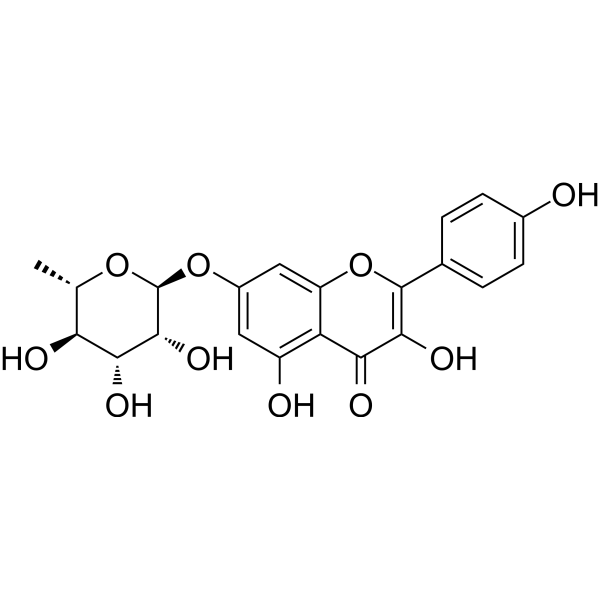
Kaempferol-7-O-rhamnoside is a PD-1/PD-L1 inhibitor and farnesoid X receptor (FXR) agonist. Kaempferol-7-O-rhamnoside demonstrates cardioprotective potential targeting the AMPKα1 signaling pathway. Kaempferol-7-O-rhamnoside significantly upregulates the mRNA expression of AMPKα1 in H9c2 cardiomyocytes. Kaempferol-7-O-rhamnoside reverses APAP-induced reduction of glutathione (GSH) content and increase of ROS production in L02 cells. Kaempferol-7-O-rhamnoside has the potential for heart failure .
loading...
    loading...
Cat. No.: HY-109096
CAS No.: 1773489-72-7
Purity:  99.41%
Synonyms: LMB763
Target:  

FXR Autophagy

Research Areas:  

Inflammation/Immunology

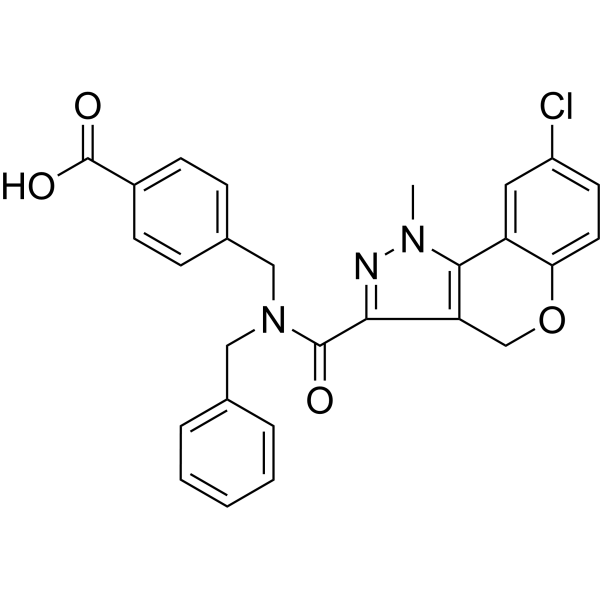
Nidufexor (LMB763) is an orally-available farnesoid X receptor (FXR) agonist for the research of nonalcoholic steatohepatitis (NASH) .
loading...
    loading...
Cat. No.: HY-134988
CAS No.: 1933507-63-1
Purity:  96.01%
Research Areas:  

Inflammation/Immunology

EDP-305 is an orally active, potent and selective farnesoid X receptor (FXR) agonist, with EC50 values of 34 nM (chimeric FXR in CHO cells) and 8 nM (full-length FXR in HEK cells). EDP-305 shows a potent and consistent antifibrotic effect. EDP-305 can be used for primary biliary cholangitis (PBC) and non-alcoholic steatohepatitis (NASH) research .
loading...
    loading...
Cat. No.: HY-N6987
CAS No.: 29913-71-1
Licraside, found in Glycyrrhiza glabra, is a Farnesoid X receptor (FXR) activator. Licraside activates FXR to induce upregulation of SHP and BSEP, regulates bile acid homeostasis, reduces elevated biliary and serum TBA, serum ALT, AST, GGT, ALP, and TBIL levels, and attenuates liver histopathological damage. Licraside inhibits factor Xa with an IC50 of 48.54 mM. Licraside can be used for the research of cholestasis and thromboembolic diseases .
loading...
    loading...
Cat. No.: HY-N7781
CAS No.: 39025-24-6
Synonyms: (E)-Guggulsterone
(-)-(E)-Guggulsterone ((E)-Guggulsterone) is an orally active natural stereoisomer of Guggulsterone (HY-107738). (-)-(E)-Guggulsterone is an antagonist for the Farnesoid X Receptor (FXR) with an IC50 of 24.06 μM and possesses potent hypolipidemic properties. (-)-(E)-Guggulsterone suppresses dengue virus (DENV) replication by upregulating antiviral interferon responses by inducing HO-1 expression via Nrf2 activation. (-)-(E)-Guggulsterone exhibits antibacterial activities against Bacillus subtilis, Staphylococcus aureus and Pseudomonas aeruginosa. (-)-(E)-Guggulsterone has cardiac protective and antioxidant activities in rats .
loading...
    loading...
Cat. No.: HY-13771R
CAS No.: 128-13-2
Synonyms: Ursodeoxycholate (Standard); Ursodiol (Standard); UDCA (Standard)
Ursodeoxycholic acid (Standard) is the analytical standard of Ursodeoxycholic acid. This product is intended for research and analytical applications. Ursodeoxycholic acid (Ursodeoxycholate) is a secondary bile acid issued from the transformation of (cheno)deoxycholic acid by intestinal bacteria, acting as a key regulator of the intestinal barrier integrity and essential for lipid metabolism. Ursodeoxycholic acid acts as signaling molecule, exerting its effects by interacting with bile acid activated receptors, including G-protein coupled bile acid receptor 5 (TGR5, GPCR19) and the farnesoid X receptor (FXR). Ursodeoxycholic acid can be used for the research of a variety of hepatic and gastrointestinal diseases. Ursodeoxycholic acid also reduces ACE2 expression and is beneficial for reducing SARS-CoV-2 infection. Orally active .
loading...
    loading...
Cat. No.: HY-135399
CAS No.: 863239-61-6
Purity:  ≥98.0%
Target:  

FXR

Research Areas:  

Inflammation/Immunology

Tauro-obeticholic acid is an active metabolite of Obeticholic acid. Obeticholic acid is an orally bioavailable farnesoid-X receptor (FXR) agonist .
loading...
    loading...
Cat. No.: HY-163436
CAS No.: 1338190-14-9
Research Areas:  

Metabolic Disease

F44-A13 is an orally active and highly selective farnesoid X receptor (FXR) antagonist with an IC50 value of 1.1 μM. F44-A13 can optimize cholesterol metabolism and reduce its activity by inducing CYP7A1 expression. F44-A13 reduces levels of cholesterol, triglycerides, and low-density lipoprotein cholesterol (LDL-C) in mouse models. F44-A13 can be used in the study of metabolic diseases associated with lipid disorders .
loading...
    loading...
Cat. No.: HY-151959
CAS No.: 3025841-47-5
FXR agonist 4 (compound 10a) is an agonist of farnesoid X receptor (FXR) with an EC50 value of 1.05 μM. FXR agonist 4 effectively improves hyperlipidemia, hepatic steatosis, insulin resistance and hepatic inflammation in DIO mice. FXR agonist 4 can be used for the research of non-alcoholic fatty liver disease (NAFLD) .
loading...
    loading...

