
66 Results for "

freshwater compartment

" in MedChemExpress (MCE) Product Catalog:
Products (66)

66 Results for "freshwater compartment" in MCE Product Catalog:

2
2 Cited Publications
Cat. No.: HY-Y0284
CAS No.: 84-66-2
Diethyl phthalate is an orally active plasticizer and detergent base. Diethyl phthalate increases the activities of ACP, ALP, SDH, and ALT in liver, muscle, or both tissues. Diethyl phthalate induces dose-dependent mortality and sluggish behavior in freshwater fish. Diethyl phthalate may induce male reproductive toxicity. Diethyl phthalate is added to plastic polymers to help maintain their flexibility .
loading...
    loading...
1
1 Cited Publications
Cat. No.: HY-D1563
CAS No.: 312961-83-4
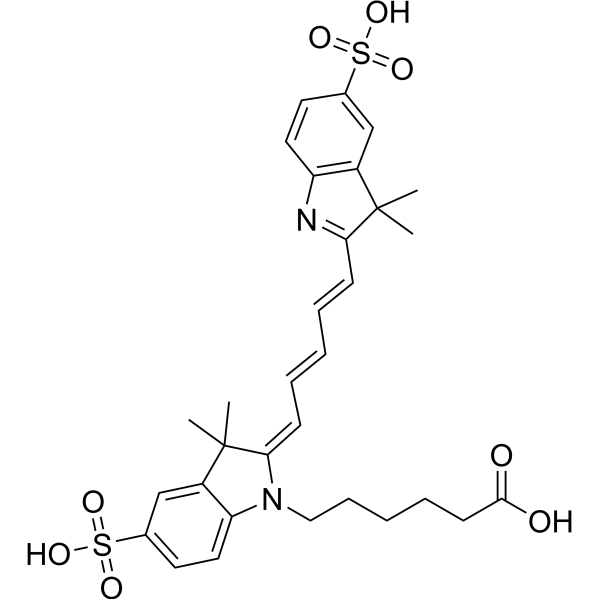
pH Receptor Probe is a pH-sensitive cyanine derivative and a environmental sensitive fluorophore. pH Receptor Probe has a pH-sensitive maximal absorption at 644 nm and emission at 664 nm. pH Receptor Probe has been used as a pH sensor of lysosomal compartments .
loading...
    loading...
1
1 Cited Publications
Cat. No.: HY-D1694
CAS No.: 1064123-31-4
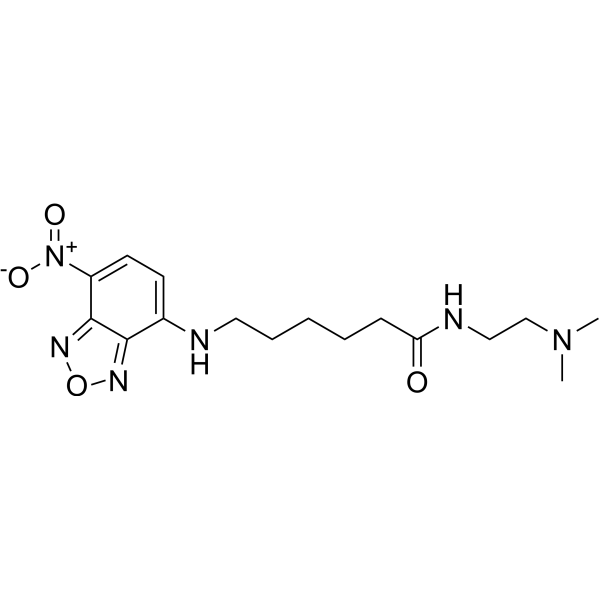
LysoTracker Yellow HCK 123 is a potent yellow membrane-permeable fluorescent probe. LysoTracker Yellow HCK 123 is a weakly basic amine that selectively accumulates in cellular compartments with low luminal pH .
loading...
    loading...
Cat. No.: HY-W011063
CAS No.: 21438-66-4
Target:  

Cathepsin

Research Areas:  

Metabolic Disease

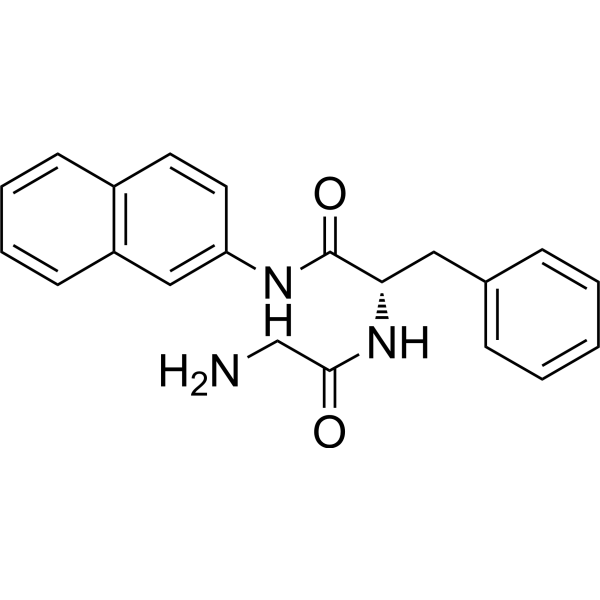
Gly-Phe-β-naphthylamide is a substrate of Cathepsin C (HY-P2922) and belongs to the lysosomal agonist. Gly-Phe-β-naphthylamide can freely pass through the cell membrane and organelle membrane. Gly-Phe-β-naphthylamide will be specifically hydrolyzed by Cathepsin C, ultimately leading to a permeability lysis when it enters the acidic compartment. Gly-Phe-β-naphthylamide can be used to study lysosomal hydrolysis, lysosomal membrane permeability, and the function of cathepsin C .
loading...
    loading...
Cat. No.: HY-Y0261A
CAS No.: 7783-20-2
Ammonium sulphate,≥99.0%,AR is an inorganic sulfate salt used for molecular biology . Ammonium sulphate,≥99.0%,AR can be used to precipitate proteins, separate antibodies, and enhance antigen-antibody reactions. Ammonium sulphate,≥99.0%,AR can serve as a nitrogen source in plant fertilizers and has developmentally toxicity to freshwater snails, but increases the number of Anopheles africanus and Culex mosquito larvae in rice paddies. Ammonium sulphate,≥99.0%,AR also inhibits the conversion of glucose to ascorbic acid in plants .
loading...
    loading...
Cat. No.: HY-115675
CAS No.: 568558-66-7
Target:  

PI4K

Research Areas:  

Others

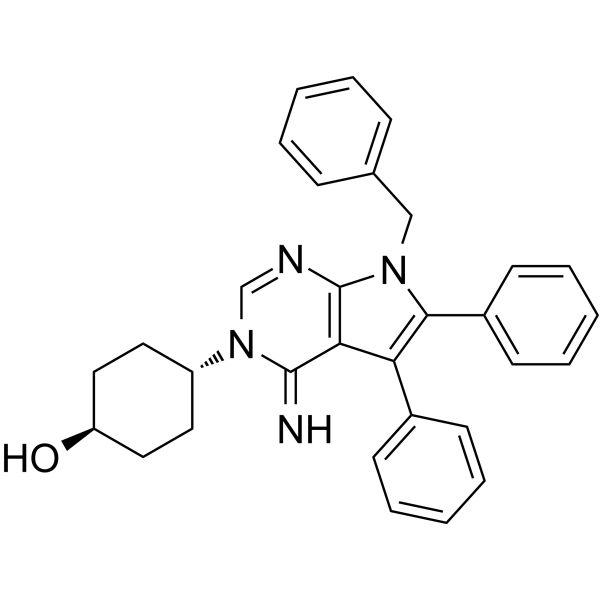
NC03 is a PI4K2A inhibitor and reducing agent. NC03 inhibits the activity of PI4K2A, thereby reducing the production of PI4P in the cellular compartments where PI4K2A functions. NC03 rapidly induces a decrease in PI4P pools in the Golgi and endosomal compartments. NC03 reduces PI4P production in Rab7-positive late endosomes .
loading...
    loading...
Cat. No.: HY-120118
CAS No.: 1443414-10-5
Purity:  99.90%
Synonyms: ML246
Target:  

DNA/RNA Synthesis

Research Areas:  

Cancer

Metarrestin (ML246) is an orally active, first-in-class and specific perinucleolar compartment inhibitor. Metarrestin disrupts the nucleolar structure and inhibits RNA polymerase (Pol) I transcription, at least in part by interacting with the translation elongation factor eEF1A2. Metarrestin blocks metastatic development and extends survival in mouse cancer models .
loading...
    loading...
Cat. No.: HY-139533
CAS No.: 383907-36-6
Purity:  ≥99.0%
Research Areas:  

Others

Phosphatidylinositols, soya, sodium salts is a mixture of phosphatidylinositols. Phosphoinositides are lipids involved in the vesicular transport of proteins and lipids between the different compartments of eukaryotic cells. They act by recruiting and/or activating effector proteins and thus are involved in regulating various cellular functions, such as vesicular budding, membrane fusion and cytoskeleton dynamics .
loading...
    loading...
Cat. No.: HY-156214
CAS No.: 2982819-94-1
Purity:  99.53%
Synonyms: AP1867-PEG2-JQ1; AP-PEG2-JQ1
Research Areas:  

Others

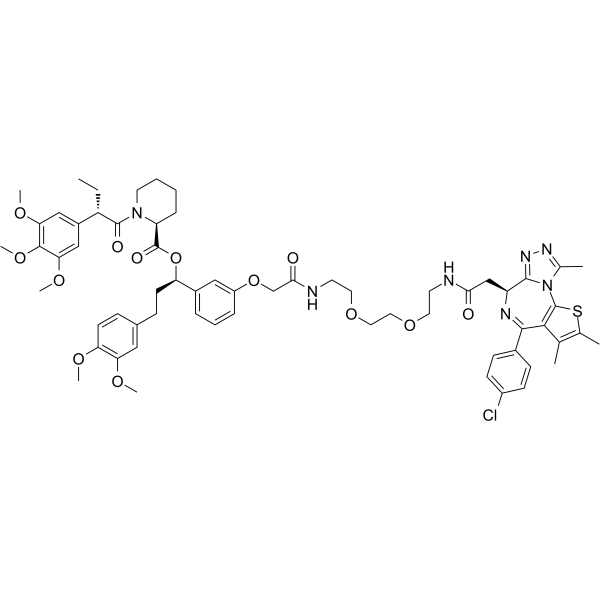
NICE-01 (AP1867-PEG2-JQ1; AP-PEG2-JQ1) is a bifunctional compound that bind to proteins in separate cellular compartments that can induce nuclear import of cytosolic cargoes, using nuclear-localized bromodomain-containing protein 4 (BRD4) as a “carrier” for co-import and nuclear trapping of cytosolic proteins .
loading...
    loading...
Cat. No.: HY-122519
CAS No.: 25155-23-1
Purity:  98.06%
Research Areas:  

Others

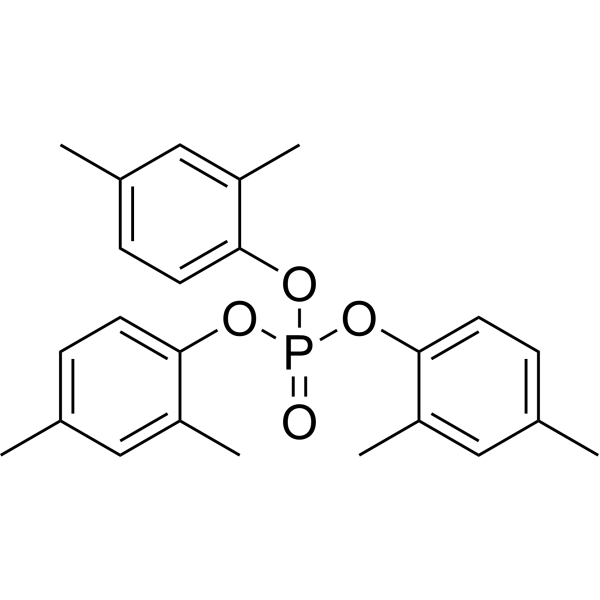
Trixylyl phosphate is a triaryl phosphate compound. Each benzene ring of Trixylyl phosphate contains two methyl groups, and compared with other triaryl phosphate compounds, it exhibits lower toxicity to freshwater algae .
loading...
    loading...
Cat. No.: HY-10220
CAS No.: 936487-67-1
Target:  

PI3K Apoptosis

Research Areas:  

Cancer

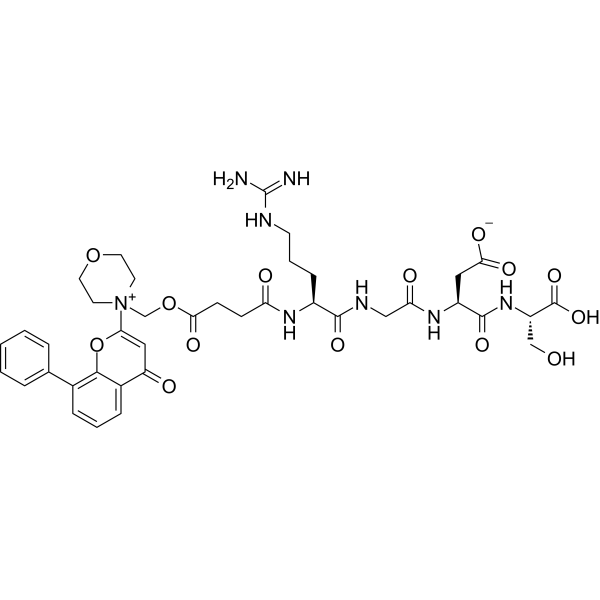
SF1126 is a relevant pan and dual first-in-class PI3K/BRD4 inhibitor, has antitumor and anti-angiogenic activity. SF1126 is an RGDS-conjugated LY294002 proagent, which is designed to exhibit increased solubility and bind to specific integrins within the tumor compartment. SF1126 induces cell apoptosis .
loading...
    loading...
Cat. No.: HY-P11335A
Research Areas:  

Others

Oscillamide Y TFA is the trifluoroacetate salt of Oscillamide Y (HY-P11335). Oscillamide Y (Compound 1), a ureido-containing cyclic peptide, is a Chymotrypsin inhibitor. Oscillamide Y can be isolated from freshwater toxic cyanobacterium Oscillatoria agardhii. Oscillamide Y has potent toxicity against fish, daphnid magna and algae with a stimulatory effect for Raphidocelis subcapitata (EC50: 4.62 mg/L). Oscillamide Y induces high luminescence inhibition in Aliivibrio fischeri. Oscillamide Y can be used for ecological development research .
loading...
    loading...
Cat. No.: HY-129242
CAS No.: 2896-70-0
Purity:  97.01%
Synonyms: 4-Oxo-Tempo
Research Areas:  

Metabolic Disease Cancer

Tempone (4-Oxo-Tempo) is a nitroxide radical spin label and ROS scavenger. Tempone induces cytotoxicity in lymphoma cells. Tempone serves as a substrate for intracellular reduction to hydroxylamine, rapidly equilibrates between intracellular and extracellular compartments, reduces nitroxide radical spin labels at the ubiquinol site of the respiratory chain, and acts as an alternative terminal electron acceptor when electron flow to oxygen is blocked. Tempone serves as a superoxide sensor, a T2-weighted MRI contrast agent, and a dynamic nuclear polarization polarizing agent for 13C. Tempone inhibits superoxide and peroxynitrite, hydroxyl radical generation, nitrotyrosine formation, and poly (ADP-ribose) formation, and alleviates renal dysfunction and injury in ischemia/reperfusion and hydrogen peroxide-induced injury. Tempone can be used for research on ischemia-reperfusion injury, acute renal failure, and lymphoma .
loading...
    loading...
Cat. No.: HY-121466
CAS No.: 6981-18-6
Purity:  99.69%
Target:  

Antibiotic

Research Areas:  

Infection

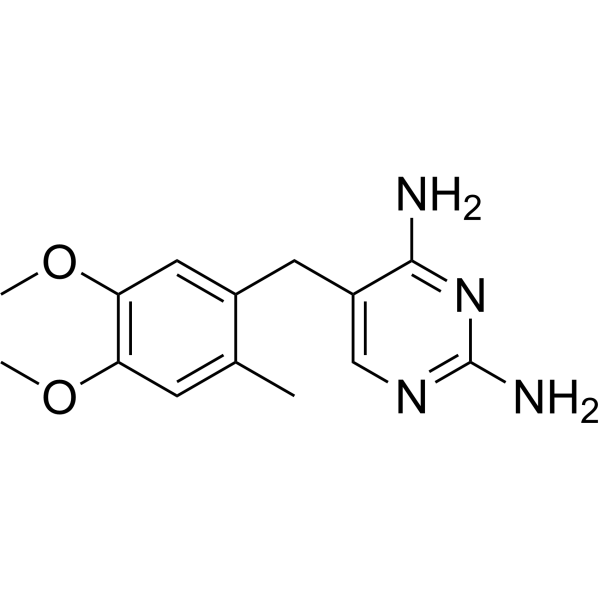
Ormetoprim is a veterinary antimicrobial which commonly used in aquaculture and poultry industries. Ormetoprim can be used to prevent the spread of disease in freshwater aquaculture and promote growth in farm animals .
loading...
    loading...
Cat. No.: HY-DY1071
CAS No.: 312961-83-4
pH Receptor Probe (solution) is a pH-sensitive cyanine derivative and a environmental sensitive fluorophore. pH Receptor Probe has a pH-sensitive maximal absorption at 644 nm and emission at 664 nm. pH Receptor Probe has been used as a pH sensor of lysosomal compartments .
Solvent and concentration: DMSO: 10 mM
loading...
    loading...
Cat. No.: HY-110334
CAS No.: 1883548-88-6
Target:  

Fluorescent Dye

Research Areas:  

Others

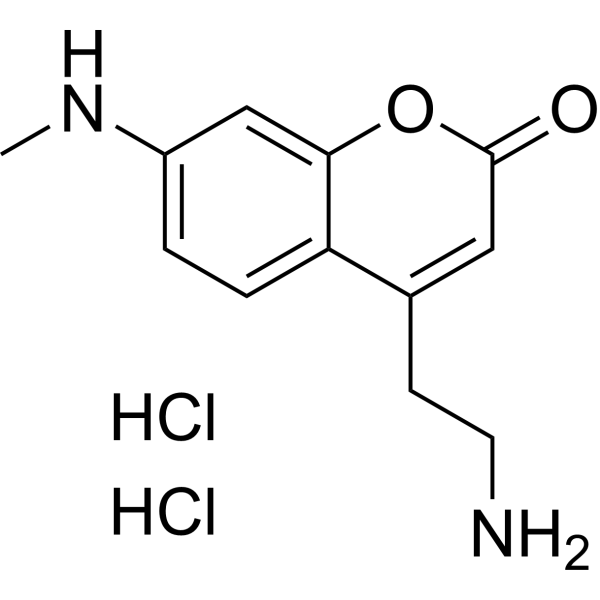
FFN 206 dihydrochloride, a fluorescent probe, is used as an excellent Vesicular Monoamine Transporter 2 (VMAT2) substrate with an apparent Km of 1.16 μM. FFN 206 dihydrochloride is capable of detecting VMAT2 activity in intact cells using fluorescence microscopy, with subcellular localization to VMAT2-expressing acidic compartments without apparent labeling of other organelles .
loading...
    loading...
Cat. No.: HY-W096997A
CAS No.: 142-31-4
Synonyms: Sodium capryl sulfate, 95%
Sodium octyl sulfate (Sodium capryl sulfate; SOS), 95% is a medium-chain anionic surfactant. Sodium octyl sulfate (SOS), 95% exhibits strong hydrophobic interactions with serum albumins (such as human serum albumin HSA and bovine serum albumin BSA), but only weak interactions with other proteins including myoglobin and hemoglobin. Sodium octyl sulfate (SOS), 95% acts as an environmental pollutant in freshwater ecosystems, mimicking the interspecific pheromones released by *Daphnia magna* to induce the formation of multicellular colonies in green algae .
loading...
    loading...
Cat. No.: HY-121935
CAS No.: 117-18-0
Purity:  99.96%
Research Areas:  

Infection

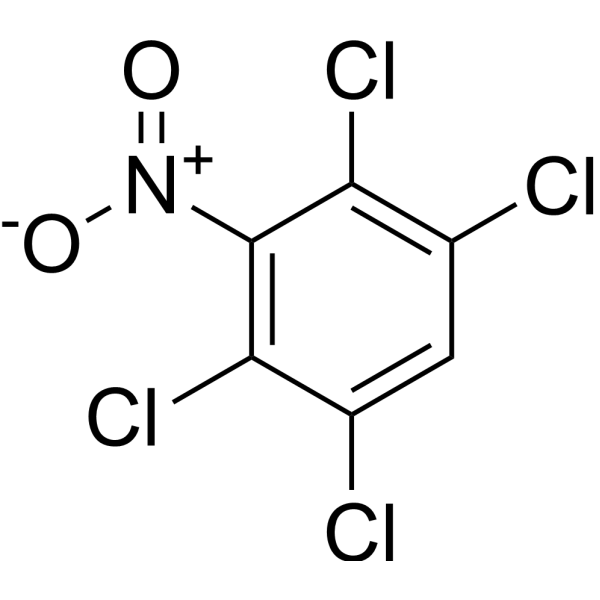
Tecnazene is a dinitroaromatic fungicide and plant growth regulator. Tecnazene binds irreversibly to human skin tissues and exhibits acute toxicity in Rattus norvegicus (brown rat). Tecnazene exerts sprouting-inhibiting and antifungal activities by inhibiting the sprouting of potato tuber buds and blocking the growth and reproduction of fungi that cause dry rot. Tecnazene has significant antifungal and sprouting-inhibiting activities, and shows high toxicity to aquatic organisms such as freshwater fish and crustaceans. Tecnazene is used for sprouting inhibition and dry rot control during potato storage .
loading...
    loading...
Cat. No.: HY-177440
CAS No.: 958860-12-3
Research Areas:  

Metabolic Disease

T26A is a highly selective prostaglandin transporter (PGT) inhibitor.T26A does not interact with the PGT homolog OATPc, blocks PGT-mediated PGE2 influx, and blocks PGE2 metabolism.T26A retains PGE2 in the extracellular compartment and reduces intracellular PGE2 metabolites.T26A elevates circulating endogenous PGE2 levels, reduces circulating endogenous PGE2 metabolite levels, and slows metabolism of exogenously injected PGE2 in Rattus norvegicus via intravenous injection.T26A does not affect PGE2 synthesis.T26A can be used for the research of PGT function in adult animals .
loading...
    loading...
Cat. No.: HY-Y0284S
CAS No.: 93952-12-6
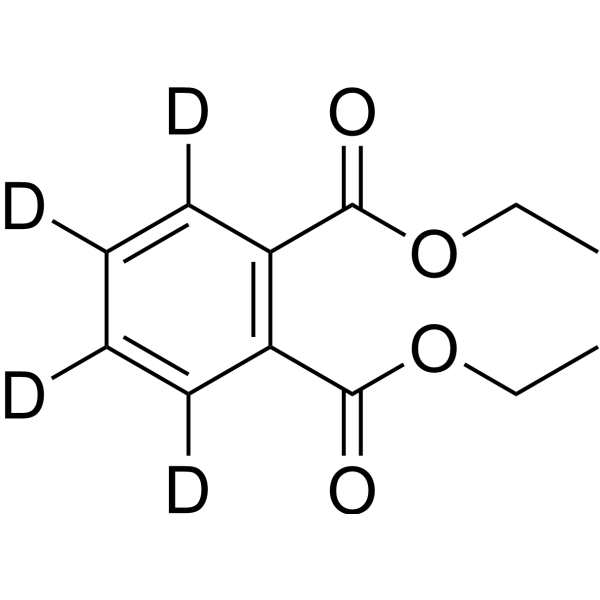
Diethyl phthalate-d4 is the d4 labeled Diethyl phthalate (HY-Y0284). Diethyl phthalate is an orally active plasticizer and detergent base. Diethyl phthalate increases the activities of ACP, ALP, SDH, and ALT in liver, muscle, or both tissues. Diethyl phthalate induces dose-dependent mortality and sluggish behavior in freshwater fish. Diethyl phthalate may induce male reproductive toxicity. Diethyl phthalate is added to plastic polymers to help maintain their flexibility .
loading...
    loading...

