
1. Search Result
Search Result
Results for "

homologous

" in MedChemExpress (MCE) Product Catalog:

142

Inhibitors & Agonists

1

Screening Libraries

1

Fluorescent Dyes

6

Biochemical Assay Reagents

11

Peptides

3

Inhibitory Antibodies

10

Natural
Products

5

Recombinant Proteins

28

Isotope-Labeled Compounds

23

Antibodies

2

Click Chemistry

3

Oligonucleotides

Cat. No. Product Name Target Research Areas Chemical Structure
  • HY-N0830
    Palmitic acid
    95+ Cited Publications

    Environmental Pollutants Endogenous Metabolite HSP Cardiovascular Disease Neurological Disease Metabolic Disease Cancer
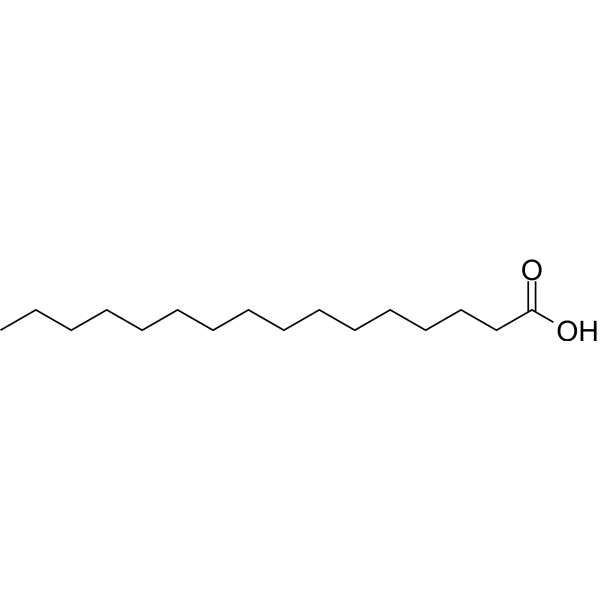
    Palmitic acid is a long-chain saturated fatty acid commonly found in both animals and plants. PA can induce the expression of glucose-regulated protein 78 (GRP78) and CCAAT/enhancer binding protein homologous protein (CHOP) in in mouse granulosa cells. Palmitic acid is used to establish a cell steatosis model .
    Palmitic acid
  • HY-D0842
    Bovine Serum Albumin
    50+ Cited Publications

    Albumin bovine serum; BSA

    Biochemical Assay Reagents Inflammation/Immunology
    Bovine Serum Albumin (BSA) is a 583-residue protein consisting of three homologous all-α domains, organized in a heart-shaped structure. BSA is a globular protein that is used in numerous biochemical applications.
    Bovine Serum Albumin
  • HY-D0842A

    Albumin bovine serum (Low Endotoxin,Fatty acid free); BSA (Low Endotoxin,Fatty acid free)

    Biochemical Assay Reagents Nucleoside Antimetabolite/Analog Inflammation/Immunology
    Bovine Serum Albumin (Low Endotoxin,Fatty acid free) (BSA) is a 583 amino acid globular protein and oligonucleotide binding protein composed of three homologous full α domains. Bovine Serum Albumin (Low Endotoxin,Fatty acid free) (BSA) blocks the overall binding of oligonucleotides to cells. Bovine Serum Albumin (Low Endotoxin,Fatty acid free) (BSA) regulates the development of hamster embryos and induces arthritis .
    Bovine Serum Albumin (Low Endotoxin,Fatty acid free)
  • HY-N0830B
    Palmitic acid sodium
    95+ Cited Publications

    Environmental Pollutants Endogenous Metabolite HSP Cancer
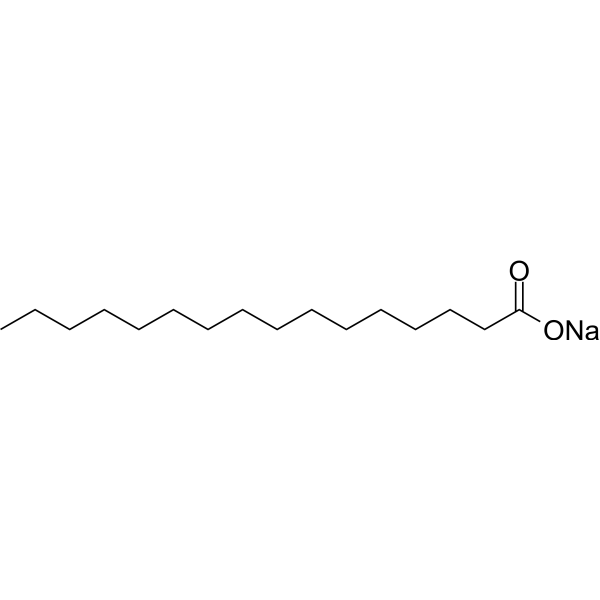
    Palmitic acid sodium is a long-chain saturated fatty acid commonly found in both animals and plants. Palmitic acid sodium can induce the expression of glucose-regulated protein 78 (GRP78) and CCAAT/enhancer binding protein homologous protein (CHOP) in in mouse granulosa cells. Palmitic acid sodium is used to establish a cell steatosis model .
    Palmitic acid sodium
  • HY-D0086
    DIDS sodium salt
    20+ Cited Publications

    MDL101114ZA

    VDAC RAD51 Cancer
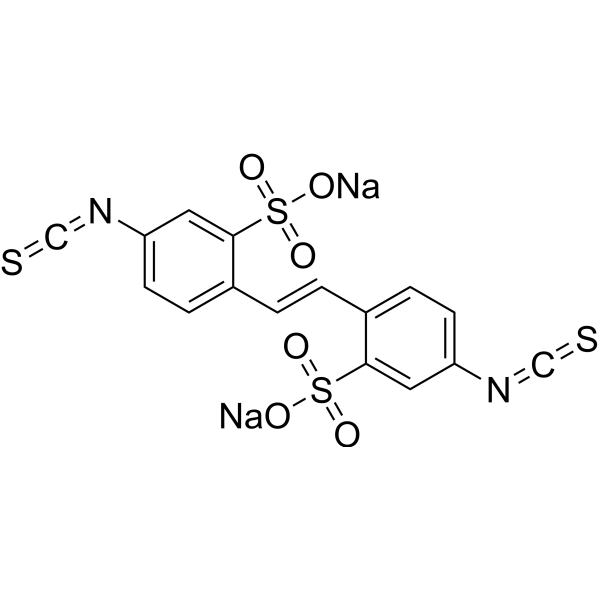
    DIDS sodium salt (MDL101114ZA) is a dual inhibitor of ABCA1 and VDAC1. DIDS also inhibits RAD51, inhibiting RAD51-mediated homologous pairing and strand exchange reactions. DIDS inhibits anion exchange and binding to red blood cell membranes, inhibits the activation of caspase-3 and -9, and can be used in cancer research .
    DIDS sodium salt
  • HY-N0830S6
    Palmitic acid-13C16
    3 Publications Verification

    HSP Endogenous Metabolite Cardiovascular Disease Neurological Disease Metabolic Disease Cancer
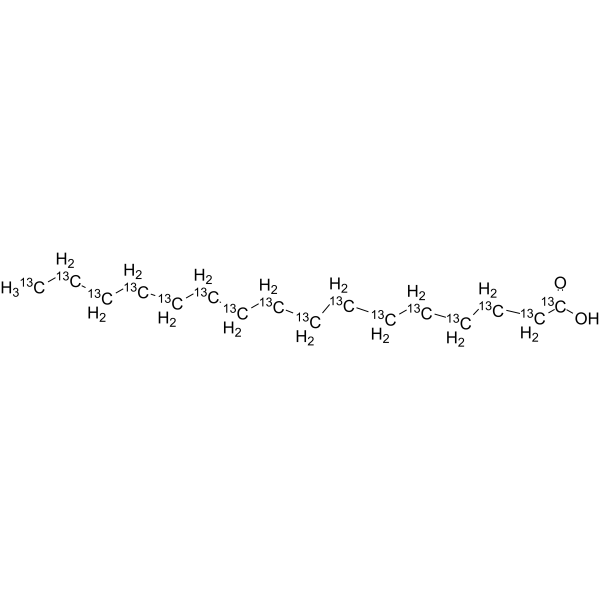
    Palmitic acid- 13C16 is the 13C-labeled Palmitic acid. Palmitic acid is a long-chain saturated fatty acid commonly found in both animals and plants. PA can induce the expression of glucose-regulated protein 78 (GRP78) and CCAAT/enhancer binding protein homologous protein (CHOP) in in mouse granulosa cells .
    Palmitic acid-13C16
  • HY-114778
    Fluzoparib
    4 Publications Verification

    SHR3162; Fuzuloparib

    PARP Cancer
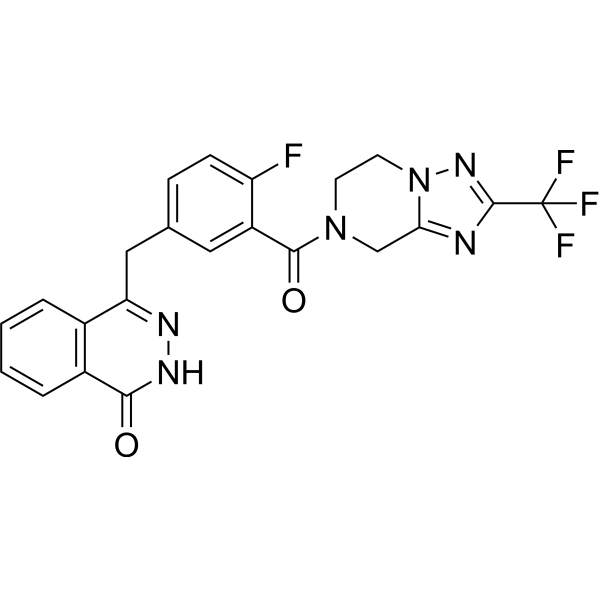
    Fluzoparib (SHR3162) is a potent and orally active PARP1 inhibitor (IC50=1.46±0.72 nM, a cell-free enzymatic assay) with superior antitumor activity. Fluzoparib selectively inhibits the proliferation of homologous recombination repair (HR)-deficient cells, and sensitizes both HR-deficient and HR-proficient cells to cytotoxic agents. Fluzoparib exhibits good pharmacokinetic properties in vivo and can be used for BRCA1/2-mutant relapsed ovarian cancer research .
    Fluzoparib
  • HY-19793
    RS-1
    5+ Cited Publications

    RAD51 Cancer
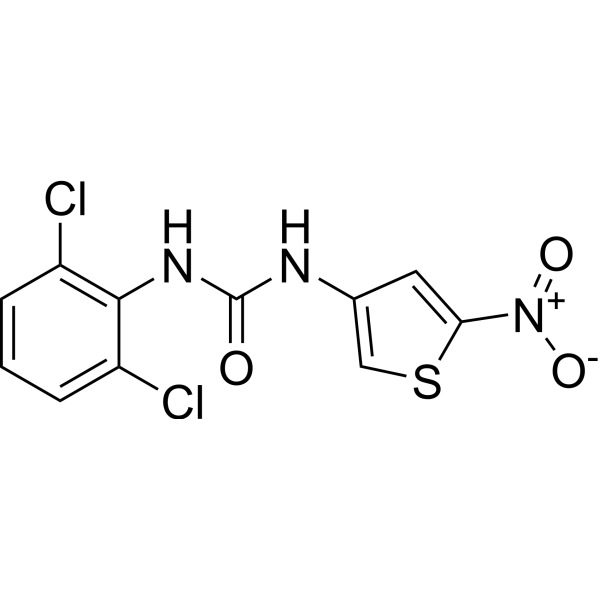
    RS-1 is a RAD51 activator. RS-1 enhances the homologous recombination activity of human RAD51 by promoting the formation of active presynaptic filaments .
    RS-1
  • HY-15317
    RI-1
    5+ Cited Publications

    RAD51 Cancer
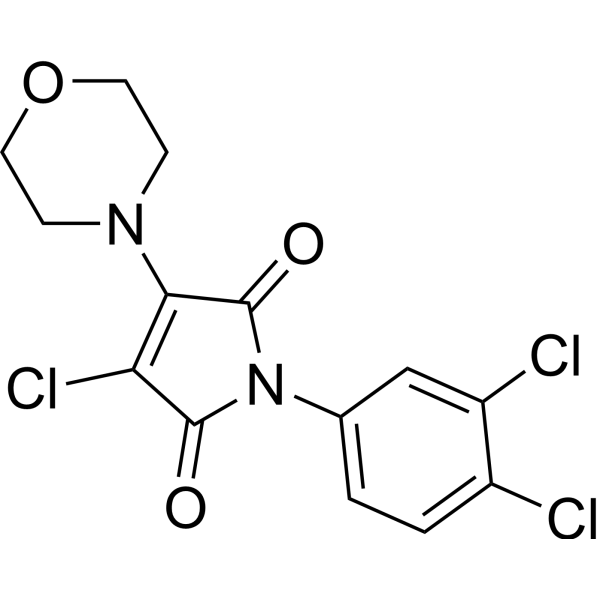
    RI-1 is a RAD51 inhibitor, with IC50s ranging from 5 to 30 μM. RI-1 binds covalently to the surface of RAD51 protein at cysteine 319. RI-1 inactivates RAD51 by directly binding to a protein surface that serves as an interface between protein subunits in RAD51 filaments. RI-1 can disrupt homologous recombination in human cells .
    RI-1
  • HY-N0830S2

    HSP Endogenous Metabolite Cardiovascular Disease Neurological Disease Metabolic Disease Cancer
    Palmitic acid-d31 is the deuterium labeled Palmitic acid. Palmitic acid is a long-chain saturated fatty acid commonly found in both animals and plants. PA can induce the expression of glucose-regulated protein 78 (GRP78) and CCAAT/enhancer binding protein homologous protein (CHOP) in in mouse granulosa cells .
    Palmitic acid-d31
  • HY-110188
    BiP inducer X
    5+ Cited Publications

    Apoptosis Neurological Disease
    BiP inducer X, a selective inducer of immunoglobulin heavy chain binding protein (BiP)/GRP78, is an effective ER (endoplasmic reticulum) stress inhibitor. BiP inducer X preferentially induces BiP with slight inductions of GRP94, calreticulin, and C/EBP homologous protein. BiP inducer X protects neurons from ER stress .
    BiP inducer X
  • HY-N0830S9

    Isotope-Labeled Compounds HSP Cardiovascular Disease Neurological Disease Metabolic Disease Cancer
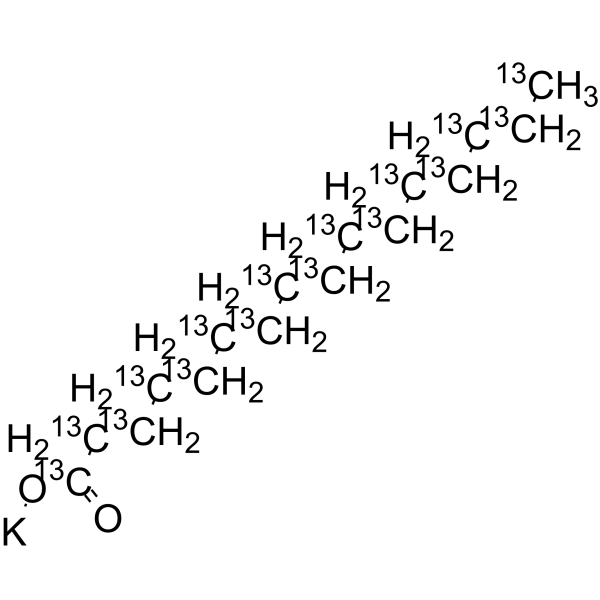
    Palmitic acid- 13C is the 13C-labeled Palmitic acid (HY-N0830). Palmitic acid is a long-chain saturated fatty acid commonly found in both animals and plants. Palmitic acid can induce the expression of glucose-regulated protein 78 (GRP78) and CCAAT/enhancer binding protein homologous protein (CHOP) in in mouse granulosa cells .
    Palmitic acid-13C
  • HY-CP002

    Biochemical Assay Reagents Others
    Bovine Serum Albumin (BSA) is a 583 amino acid protein consisting of three homologous full alpha structural domains. BSA is a spherical protein essential for the transport of molecules such as fatty acids, drugs and hormones from the blood. It is used in many biochemical applications as a drug carrier for biologically active compounds. For long-term storage, recombinant protein solution should be diluted further with 0.1% BSA .
    Bovine Serum Albumin, Carrier Protein
  • HY-13237
    GSK2578215A
    4 Publications Verification

    LRRK2 Autophagy Mitophagy Neurological Disease Cancer
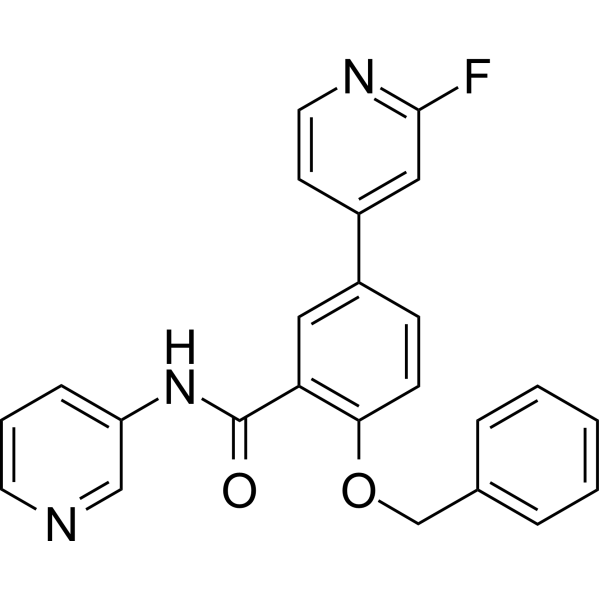
    GSK2578215A is a potent and highly selective LRRK2 inhibitor, which exhibits IC50s of around 10 nM against both wild-type LRRK2 and the G2019S mutant.
    GSK2578215A
  • HY-19939S
    VX-984
    4 Publications Verification

    M9831

    DNA-PK Cancer
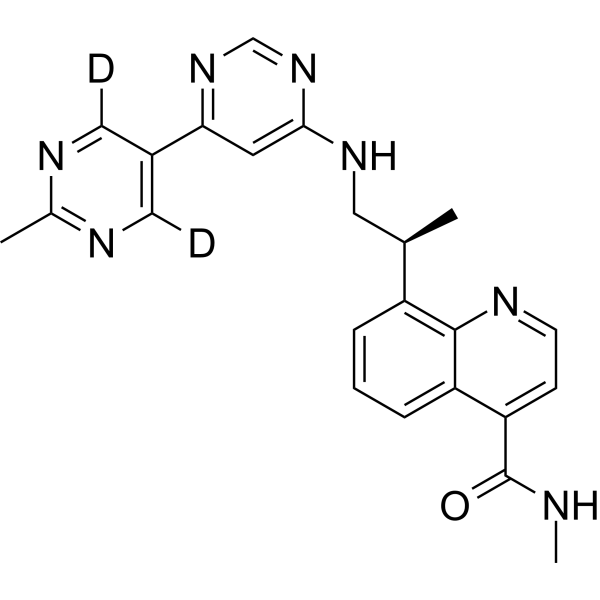
    VX-984 is an orally active, potent, selective and BBB-penetrated DNA-PK inhibitor. VX-984 efficiently inhibits NHEJ (non-homologous end joining) and increases DSBs (DNA double-strand breaks). VX-984 can be used for glioblastomas (GBM) and non-small cell lung cancer (NSCLC) research. VX-984 is a de novo deuterium .
    VX-984
  • HY-126073
    DFP00173
    5+ Cited Publications

    Aquaporin Inflammation/Immunology Cancer
    DFP00173 is a potent and selective aquaporin-3 (AQP3) inhibitor. DFP00173 inhibits mouse and human AQP3 with an IC50 of ~0.1-0.4 μM. DFP00173 is selective for AQP3 over the homologous AQP isoforms AQP7 and AQP9 .
    DFP00173
  • HY-116770
    PFM01
    5 Publications Verification

    Endonuclease Cancer
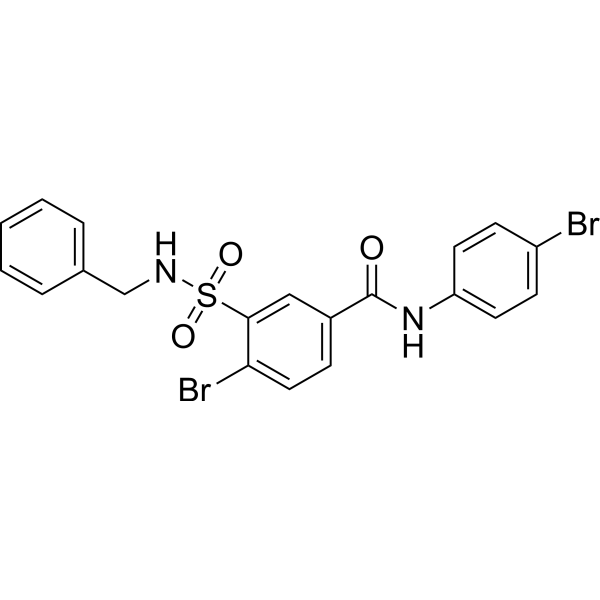
    PFM01, N-alkylated Mirin derivative, is a MRE11 endonuclease inhibitor. PFM01 can regulate double-strand break repair (DSBR) by nonhomologous end-joining (NHEJ) versus homologous recombination (HR) .
    PFM01
  • HY-N0830S5

    HSP Endogenous Metabolite Cardiovascular Disease Neurological Disease Metabolic Disease Cancer
    Palmitic acid-d3 is the deuterium labeled Palmitic acid. Palmitic acid is a long-chain saturated fatty acid commonly found in both animals and plants. PA can induce the expression of glucose-regulated protein 78 (GRP78) and CCAAT/enhancer binding protein homologous protein (CHOP) in in mouse granulosa cells .
    Palmitic acid-d3
  • HY-150147
    CAM833
    1 Publications Verification

    RAD51 Apoptosis Cancer
    CAM833 is a potent orthosteric inhibitor of the interaction between BRCA2 and RAD51 with a Kd of 366 nM against the ChimRAD51 protein. CAM833 also inhibits RAD51 oligomerization. CAM833 increases the progression of G2/M-arrested cells into apoptosis .
    CAM833
  • HY-116000
    Glumetinib
    2 Publications Verification

    Gumarontinib; SCC244

    c-Met/HGFR Cancer
    Glumetinib (SCC244) is a highly selective, orally bioavailable, ATP-competitive c-Met inhibitor with an IC50 of 0.42 nM. Glumetinib has greater than 2400-fold selectivity for c-Met over those 312 kinases evaluated, including the c-Met family member RON and highly homologous kinases Axl, Mer, TyrO3. Antitumor activity .
    Glumetinib
  • HY-16904
    RI-2
    1 Publications Verification

    RAD51 Cancer
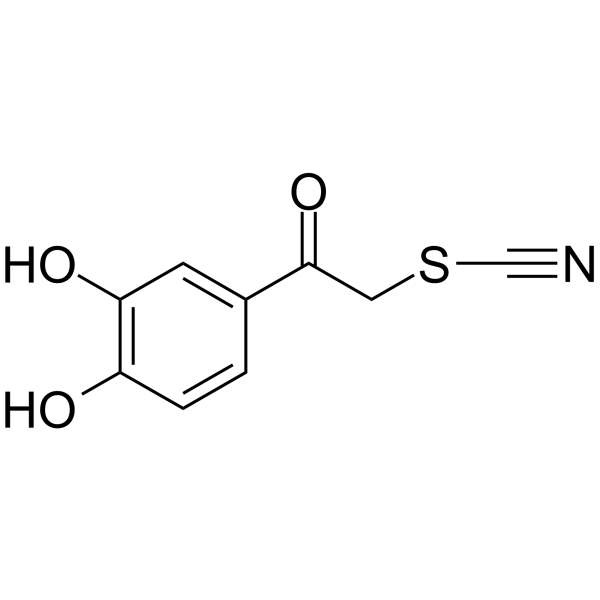
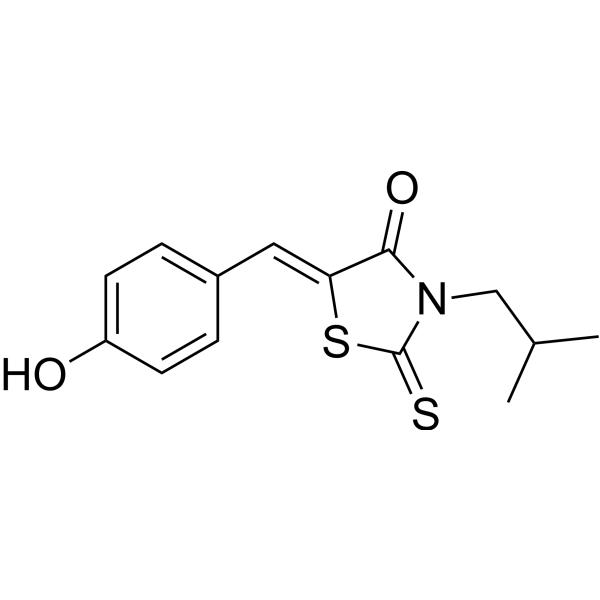
    RI-2 is a reversible RAD51 inhibitor, with an IC50 of 44.17 μM, and specifically inhibits homologous recombination repair in human cells.
    RI-2
  • HY-120836
    AOH1160
    1 Publications Verification

    DNA/RNA Synthesis Apoptosis Cancer
    AOH1160 is a potent oral small molecule proliferating cell nuclear antigen (PCNA) inhibitor that interferes with DNA replication, blocks homologous recombination-mediated DNA repair, leads to cell cycle arrest and induces apoptosis .
    AOH1160
  • HY-N0830R
    Palmitic acid (Standard)
    95+ Cited Publications

    Reference Standards HSP Endogenous Metabolite Cardiovascular Disease Neurological Disease Metabolic Disease Cancer
    Palmitic acid (Standard) is the analytical standard of Palmitic acid. This product is intended for research and analytical applications. Palmitic acid is a long-chain saturated fatty acid commonly found in both animals and plants. PA can induce the expression of glucose-regulated protein 78 (GRP78) and CCAAT/enhancer binding protein homologous protein (CHOP) in in mouse granulosa cells .
    Palmitic acid (Standard)
  • HY-E70094

    DNA/RNA Synthesis Others
    T4 UvsX Recombinase helps initiate DNA replication on a double-stranded DNA template by catalyzing synapsis between the template and a homologous DNA single strand that serves as primer. T4 UvsX Recombinase greatly amplifies the snap-back (hairpin-primed) DNA synthesis that is catalyzed by the T4 DNA polymerase holoenzyme on linear, single-stranded DNA templates .
    T4 UvsX Recombinase
  • HY-160700

    Deubiquitinase JNK Cancer
    TNG348 is an orally available allosteric inhibitor of the ubiquitin-specific protease USP1. TNG348 specifically and efficiently inhibits the activity of USP1, inhibiting its deubiquitination of proliferative PCNA and FANCD2, thereby disrupting the DNA repair process. TNG348 has inhibitory activity against breast and ovarian cancers carrying BRCA1/2 mutations and other homologous recombination defects (HRD) .
    TNG348
  • HY-121693

    MDL101114ZA free base

    VDAC RAD51 Cancer
    DIDS is a dual inhibitor of ABCA1 and VDAC1. DIDS also inhibits RAD51, inhibiting RAD51-mediated homologous pairing and strand exchange reactions. DIDS inhibits anion exchange and binding to red blood cell membranes, inhibits the activation of caspase-3 and -9, and can be used in cancer research .
    DIDS
  • HY-148183

    RAD51 Cancer
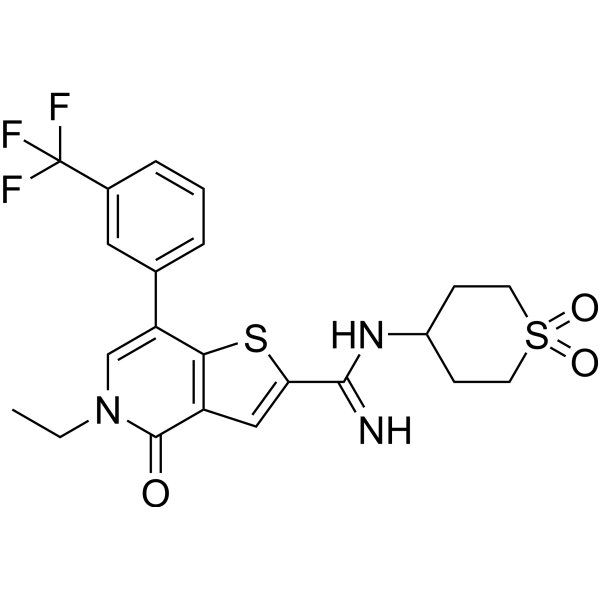
    Homologous recombination-IN-1 is a novel RAD51-BRCA2 protein-protein interaction inhibitor (EC50=19 μM). Homologous recombination-IN-1 can interfere with homologous recombination .
    Homologous recombination-IN-1
  • HY-161430

    DNA/RNA Synthesis Apoptosis PARP Cancer
    RTx-161 is a DNA polymerase θ inhibitor with an IC50 of 4.1 nM. RTx-161 induces DNA damage, PARP cleavage, apoptosis, and selectively kills homologous recombination-deficient (HRD) cells. RTx-161 acts synergistically with PARP inhibitors to suppress PARP inhibitor resistance in cancer cells. RTx-161 can be used for the research of BRCA G12C mutant cancer and HR-deficient cancers .
    RTx-161
  • HY-113064
    Selenocystine
    1 Publications Verification

    Endogenous Metabolite Cancer
    Selenocystine is a broad-spectrum anti-cancer agent. Selenocystine induces DNA damage in HepG2 cells, particularly in the form of DNA double strand breaks (DSBs). Selenocystine exhibits great promise as a therapeutic or adjuvant agent targeting DNA repair for cancer treatment .
    Selenocystine
  • HY-134258

    HOXA Cardiovascular Disease Others Cancer
    MEISi-1 is a homeodomain inhibitor of small molecule MEIS1 protein. MEISi-1 significantly inhibited the activity of luciferase reporter genes containing MEIS binding sites (TGACAG) and induced self-renewal of mouse and human HSCS in vitro and in vivo. MEISi-1 can be used for research in blood diseases, heart regeneration and cancer .
    MEISi-1
  • HY-N0830S18

    Isotope-Labeled Compounds HSP Endogenous Metabolite Metabolic Disease
    Palmitic acid-d is the deuterium labeled Palmitic acid. Palmitic acid is a long-chain saturated fatty acid commonly found in both animals and plants. PA can induce the expression of glucose-regulated protein 78 (GRP78) and CCAAT/enhancer binding protein homologous protein (CHOP) in in mouse granulosa cells .
    Palmitic acid-d1
  • HY-N0830BS1
    Palmitic acid-13C16 sodium
    3 Publications Verification

    Isotope-Labeled Compounds HSP Cardiovascular Disease Neurological Disease Metabolic Disease Cancer
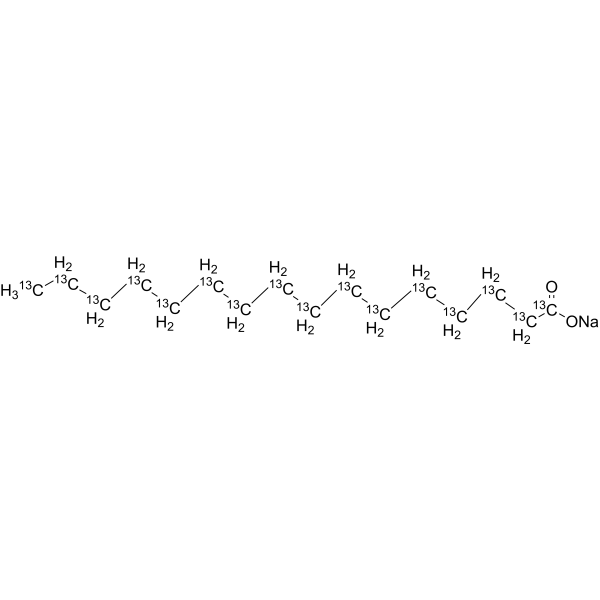
    Palmitic acid- 13C16 sodium is the 13C-labeled Palmitic acid sodium. Palmitic acid sodium is a long-chain saturated fatty acid commonly found in both animals and plants. Palmitic acid sodium can induce the expression of glucose-regulated protein 78 (GRP78) and CCAAT/enhancer binding protein homologous protein (CHOP) in in mouse granulosa cells .
    Palmitic acid-13C16 sodium
  • HY-N0830S4

    HSP Cardiovascular Disease Neurological Disease Metabolic Disease Cancer
    Palmitic acid-d2 is the deuterium labeled Palmitic acid. Palmitic acid is a long-chain saturated fatty acid commonly found in both animals and plants. Palmitic acid can induce the expression of glucose-regulated protein 78 (GRP78) and CCAAT/enhancer binding protein homologous protein (CHOP) in in mouse granulosa cells .
    Palmitic acid-d2
  • HY-N0830S7

    HSP Cardiovascular Disease Neurological Disease Metabolic Disease Cancer
    Palmitic acid-d4 is the deuterium labeled Palmitic acid. Palmitic acid is a long-chain saturated fatty acid commonly found in both animals and plants. Palmitic acid can induce the expression of glucose-regulated protein 78 (GRP78) and CCAAT/enhancer binding protein homologous protein (CHOP) in in mouse granulosa cells .
    Palmitic acid-d4
  • HY-N0830S3
    Palmitic acid-1-13C
    1 Publications Verification

    HSP Cardiovascular Disease Neurological Disease Metabolic Disease Cancer
    Palmitic acid-1- 13C is the 13C-labeled Palmitic acid. Palmitic acid is a long-chain saturated fatty acid commonly found in both animals and plants. Palmitic acid can induce the expression of glucose-regulated protein 78 (GRP78) and CCAAT/enhancer binding protein homologous protein (CHOP) in in mouse granulosa cells .
    Palmitic acid-1-13C
  • HY-N0830S

    Isotope-Labeled Compounds HSP Cardiovascular Disease Neurological Disease Metabolic Disease Cancer
    Palmitic acid-1,2,3,4- 13C4 is the 13C-labeled Palmitic acid. Palmitic acid is a long-chain saturated fatty acid commonly found in both animals and plants. Palmitic acid can induce the expression of glucose-regulated protein 78 (GRP78) and CCAAT/enhancer binding protein homologous protein (CHOP) in in mouse granulosa cells .
    Palmitic acid-1,2,3,4-13C4
  • HY-126972A
    RI(dl)-2 TFA
    1 Publications Verification

    RAD51 Cancer
    RI(dl)-2 TFA is a potent and selective RAD51-mediated D-loop formation inhibitor with an IC50 of 11.1 μM. RI(dl)-2 TFA does not influence RAD51 binding to ssDNA and inhibits homologous recombination (HR) activity in human cells (IC50 of 3.0 μM) .
    RI(dl)-2 TFA
  • HY-N0830S10

    Isotope-Labeled Compounds HSP Cardiovascular Disease Neurological Disease Metabolic Disease Cancer
    Palmitic acid- 13C2 is the 13C-labeled Palmitic acid. Palmitic acid is a long-chain saturated fatty acid commonly found in both animals and plants. Palmitic acid can induce the expression of glucose-regulated protein 78 (GRP78) and CCAAT/enhancer binding protein homologous protein (CHOP) in in mouse granulosa cells .
    Palmitic acid-13C2
  • HY-161431

    DNA/RNA Synthesis Cancer
    RTx-152 traps Polθ on DNA and is an allosteric Polθ-pol inhibitor (IC50: 6.2 nM). RTx-152 selectively kills HR-deficient cancer cells, and suppresses PARP inhibitor resistance in multiple genetic backgrounds, including homologous recombination (HR)-proficient cells. RTx-152 selectively kills BRCA2-null cells .
    RTx-152
  • HY-114141

    Prostaglandin Receptor Inflammation/Immunology Endocrinology
    BI-671800 is a highly specific and potent antagonist of chemoattractant receptor-homologous molecule on Th2 cells (DP2/CRTH2), with IC50 values of 4.5 nM and 3.7 nM for PGD2 binding to CRTH2 in hCRTH2 and mCRTH2 transfected cells, respectively . BI-671800 has potential for the treatment of poorly controlled asthma .
    BI-671800
  • HY-162384

    Histone Methyltransferase Cancer
    EPIC-0628 is an inhibitor of the HOTAIR-EZH2 interaction and promotes ATF3 expression. The long noncoding RNA HOTAIR has been found to regulate glioblastoma (GBM) progression and mediate DNA damage repair (DDR) by interacting with the catalytic subunit EZH2 of PRC2. EPIC-0628 also inhibits the ATF3-p38-E2F1 DDR pathway to inhibit the HR pathway and upregulates CDKN1A (p21) expression, causing cell cycle arrest. EPIC-0628 also synergizes with Temozolomide (TMZ) (HY-17364) to enhance its in vivo potency .
    EPIC-0628
  • HY-N0830S12

    HSP Endogenous Metabolite Cancer
    Palmitic acid-d4-1 is the deuterium labeled Palmitic acid. Palmitic acid is a long-chain saturated fatty acid commonly found in both animals and plants. PA can induce the expression of glucose-regulated protein 78 (GRP78) and CCAAT/enhancer binding protein homologous protein (CHOP) in in mouse granulosa cells .
    Palmitic acid-d4-1
  • HY-N0830S19

    Isotope-Labeled Compounds HSP Endogenous Metabolite Metabolic Disease
    Palmitic acid-d2-5 is the deuterium labeled Palmitic acid. Palmitic acid is a long-chain saturated fatty acid commonly found in both animals and plants. PA can induce the expression of glucose-regulated protein 78 (GRP78) and CCAAT/enhancer binding protein homologous protein (CHOP) in in mouse granulosa cells .
    Palmitic acid-d2-5
  • HY-P3758

    Natriuretic Peptide Receptor (NPR) Others
    BNP (1-21), Pro (Human) is a peptide containg 21 amino acids. B-Type Natriuretic Peptide (BNP), a cardiac natriuretic hormone. BNP together with the highly homologous atrial natriuretic peptide, it forms a dual natriuretic peptide system of the heart. BNP is responsible for changes in the heart organogenesis and is associated with transition to extrauterine life .
    BNP (1-21), Pro (Human)
  • HY-W127458

    Hexadecanoic acid, tin(2+) salt

    Environmental Pollutants Endogenous Metabolite HSP Neurological Disease Metabolic Disease Cancer
    Tin(II) palmitate (Hexadecanoic acid, tin(2+) salt) is a long-chain saturated fatty acid commonly found in animals and plants. Tin(II) palmitate can induce the expression of glucose-regulated protein 78 (GRP78) and CCAAT/enhancer-binding protein homologous protein (CHOP) in mouse granular cells. Tin(II) palmitate can be used to establish a model of cellular steatosis.
    Tin(II) palmitate
  • HY-122583

    RAD51 Cancer
    D-G23 is a selective RAD52 inhibitor. D-G23 disrupts RAD52-mediated DNA repair pathways and suppresses the growth of BRCA1- and BRCA2-deficient cancer cells. D-G23 is promising for research of homologous recombination-related cancers, such as hereditary breast cancer and ovarian cancer caused by BRCA1/2 mutations .
    D-G23
  • HY-175812

    Endonuclease Cancer
    MU876 (Compound 32) is a MUS81 inhibitor with an IC50 of 0.5  μM. MU876 effectively inhibits MUS81-dependent homologous recombination (HR) and break-induced replication (BIR) pathways. MU876 sensitizes cancer cells to DNA-damaging agents, such as Cisplatin (HY-17394), through impairing their ability to repair DNA lesions. MU876 can be used for cancers chemotherapy research .
    MU876
  • HY-173345

    RAD51 Cancer
    BRCA2-RAD51-IN-2 (compound S-35d) is a BRCA2-RAD51 inhibitor and inhibits homologous recombination repair in combination with 10 µM olaparib (HY-10162) .
    BRCA2-RAD51-IN-2
  • HY-142924

    ATM/ATR Cancer
    ATR-IN-8 is a potent inhibitor of ATR. ATR is a key enzyme in the homologous recombination repair pathway and belongs to the PIKK family. ATR-IN-8 has the potential for the research of cancer diseases (extracted from patent WO2021143821A1, compound 3) .
    ATR-IN-8
  • HY-175482

    PARP Neurological Disease Cancer
    PARP1-IN-43 (Compound 5350) is a blood-brain barrier (BBB) permeable PARP1 inhibitor, with an IC50 of 5 nM. PARP1-IN-43 can be used for the study of homologous recombination (HR)-deficient central nerve system (CNS) cancers .
    PARP1-IN-43

Inquiry Online

Your information is safe with us. * Required Fields.

Salutation


Country or Region *

Applicant Name *


Organization Name *

Department *


Email Address *


Product Name *

Cat. No.


Requested quantity *

Phone Number *


Remarks

Inquiry Online

Inquiry Information

Product Name:
Cat. No.:
Quantity:
MCE Japan Authorized Agent:

