
1. Search Result
Search Result
Results for "

human PBMC

" in MedChemExpress (MCE) Product Catalog:

96

Inhibitors & Agonists

2

Biochemical Assay Reagents

4

Peptides

4

MCE Kits

16

Inhibitory Antibodies

3

Natural
Products

1

Click Chemistry

10

Oligonucleotides

Cat. No. Product Name Target Research Areas Chemical Structure
  • HY-13205
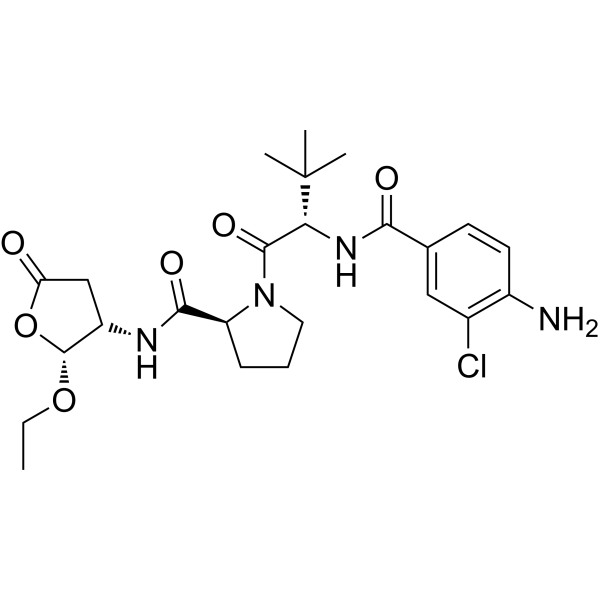
    Belnacasan
    Maximum Cited Publications
    169 Publications Verification

    VX-765

    Caspase Inflammation/Immunology
    Belnacasan (VX-765) is an orally bioactive proagent of VRT-043198, which is a potent and selective inhibitor of IL-converting enzyme (ICE)/caspase-1 with Kis of 0.8 nM and less than 0.6 nM for caspase-1 and caspase-4, respectively. Belnacasan (VX-765) inhibits the release of LPS-induced IL-1β and IL-18 by human PBMCs with an IC50 of ~0.7 μM .
    Belnacasan
  • HY-14644
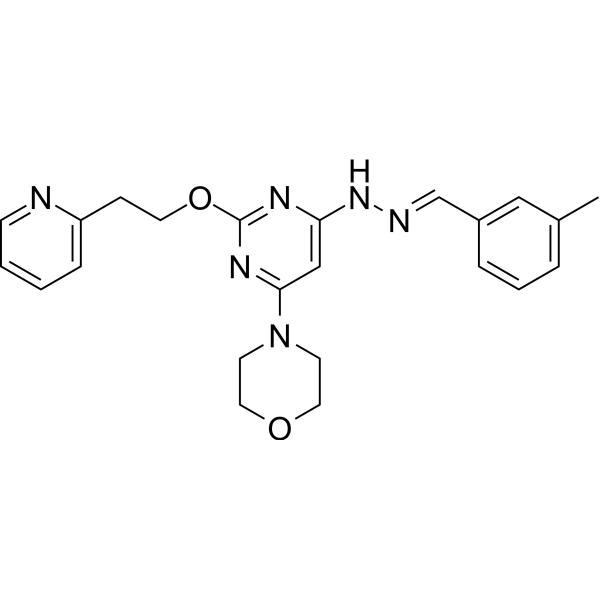
    Apilimod
    35+ Cited Publications

    STA 5326; LAM-002A free base; AIT-101

    Interleukin Related PIKfyve Inflammation/Immunology Cancer
    Apilimod (STA 5326) is a potent IL-12/IL-23 inhibitor, and strongly inhibits IL-12 with IC50s of 1 nM and 2 nM, in IFN-γ/SAC-stimulated human PBMCs and SAC-treated monkey PBMCs, respectively . Apilimod is a potent and highly selective PIKfyve inhibitor.
    Apilimod
  • HY-150096
    Zasocitinib
    1 Publications Verification

    NDI-034858; TAK-279

    JAK Inflammation/Immunology
    Zasocitinib (NDI-034858) is a TYK2 inhibitor, target TYK2 JH2 domain with binding constant Kd of <200 pM .
    Zasocitinib
  • HY-P990876

    PF-06480605; RVT-3101

    TNF Receptor NF-κB IFNAR Inflammation/Immunology
    Afimkibart (PF-06480605; RVT-3101) is a fully human monoclonal antibody that selectively inhibits trimeric tumor necrosis factor-like ligand 1A (TL1A). Afimkibart neutralizes active trimeric TL1A, blocks TL1A-induced signaling pathways. Afimkibart inhibits NF-κB activation and IFN-γ production. Afimkibart can be used for the research of inflammatory bowel disease .
    Afimkibart
  • HY-14644A
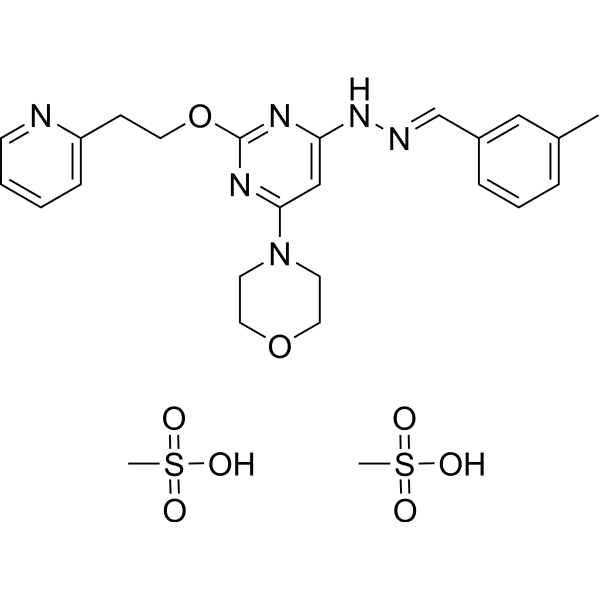
    Apilimod mesylate
    35+ Cited Publications

    STA 5326 mesylate; LAM-002A; AIT-101 mesylate

    Interleukin Related PIKfyve Inflammation/Immunology Cancer
    Apilimod (STA 5326) mesylate is a potent IL-12/IL-23 inhibitor, and strongly inhibits IL-12 with IC50s of 1 nM and 2 nM, in IFN-γ/SAC-stimulated human PBMCs and SAC-treated monkey PBMCs, respectively . Apilimod is a potent and highly selective PIKfyve inhibitor.
    Apilimod mesylate
  • HY-110133
    JTE-607
    5 Publications Verification

    Interleukin Related Inflammation/Immunology
    JTE-607, a highly selective inflammatory cytokine synthesis inhibitor, protects from endotoxin shock in mice. JTE-607 inhibits inflammatory cytokine production, including TNF-α, IL-1β, IL-6, IL-8 and IL-10, from LPS-stimulated human PBMCs, with IC50s of 11, 5.9, 8.8, 7.3 and 9.1 nM, respectively . Cleavage and Polyadenylation Specificity Factor 3 (CPSF3) is the target of JTE-607 .
    JTE-607
  • HY-P990774

    ASP-7266; TRAB-1; UPB-101

    Interleukin Related Inflammation/Immunology
    Verekitug (ASP-7266; TRAB-1; UPB-101) is a human monoclonal antibody targeting the thymic stromal lymphopoietin receptor (TSLPR), with a mean half-life of approximately 20 days. At doses of Verekitug ≥100 mg, complete and sustained TSLPR-specific occupancy is achieved, and the antibody does not bind to IL-7Rα. By inhibiting TSLP-driven inflammatory responses, Verekitug blocks TSLP-induced cell proliferation and TARC expression, while reducing fractional exhaled NO levels, blood eosinophil counts, and levels of IL-5 and IgE. Verekitug significantly improves scores for nasal polyps, nasal congestion and olfactory dysfunction, with favorable safety and good tolerability; potential adverse reactions include headache, upper respiratory tract infection, sinusitis and nasopharyngitis. Verekitug is used in relevant studies on asthma, chronic rhinosinusitis with nasal polyps and chronic obstructive pulmonary disease .
    Verekitug
  • HY-156438

    NT-0796

    NOD-like Receptor (NLR) Interleukin Related Neurological Disease
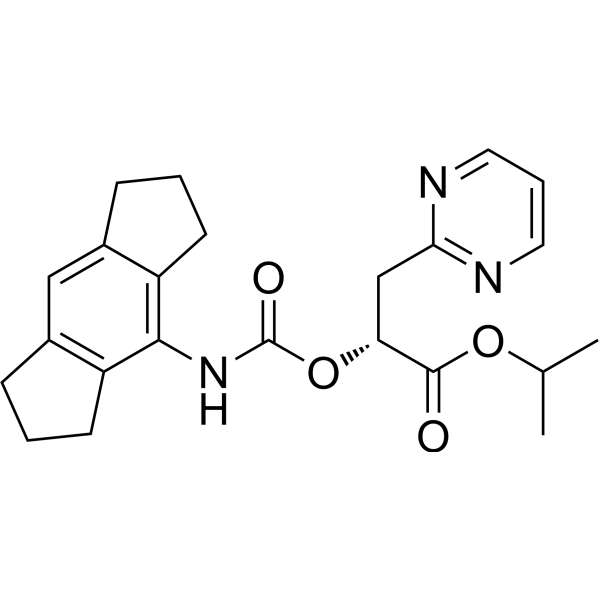
    Ruvonoflast (NT-0796) is an orally active, selective and CNS-penetrant NLRP3 inflammasome inhibitor. Ruvonoflast inhibits IL-1β release in human PBMC cells with an IC50 value of 0.32 nM. Ruvonoflast is an isopropyl ester that undergoes intracellular conversion to Ruvonoflast, the carboxylic acid active species. Ruvonoflast reverses high fat diet-induced obesity, systemic inflammation and astrogliosis in the diet-induced obesity mouse model. Ruvonoflast is promising for research of neurodegenerative disorders, including Alzheimer’s disease, Parkinson’s disease, multiple sclerosis, and amyotrophic lateral sclerosis .
    Ruvonoflast
  • HY-P99056

    PF 05082566

    TNF Receptor Inflammation/Immunology Cancer
    Utomilumab (PF 05082566) is a fully human IgG2 agonist monoclonal antibody that selectively binds to 4-1BB/CD137. Utomilumab can be used in the research of tumors such as follicular and other CD20 + non-Hodgkin lymphomas .
    Utomilumab
  • HY-164827

    Molecular Glues CDK Cancer
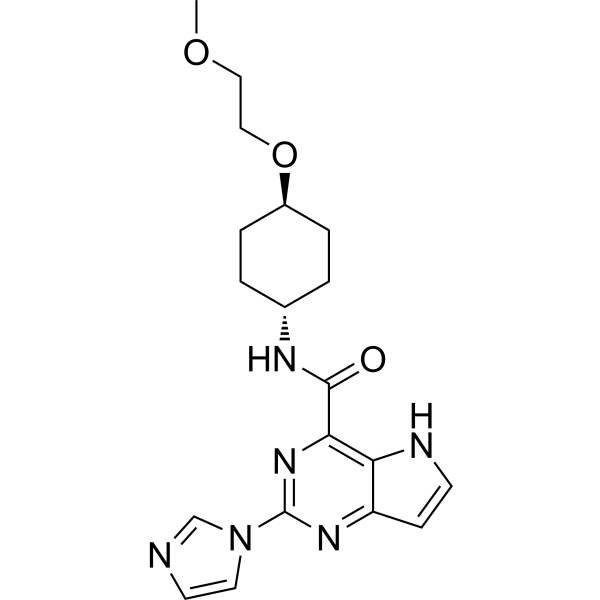
    CDK2 degrader 3 is a selective CDK2 molecular glue-like degrader. CDK2 degrader 3 induces G1 cell cycle arrest in CCNE1-amplified cancer cells. CDK2 degrader 3 is applicable to breast cancer-related research .
    CDK2 degrader 3
  • HY-132248

    Lenalidomide 5'-amine

    Drug Derivative TNF Receptor Inflammation/Immunology
    C5 Lenalidomide is a 5-amino-substituted Thalidomide (HY-14658) analog. C5 Lenalidomide inhibits LPS (HY-D1056)-stimulated TNF-α production .
    C5 Lenalidomide
  • HY-P11072

    Toll-like Receptor (TLR) Interleukin Related TNF Receptor Inflammation/Immunology
    IRF5-CPP5 is a cytosolic peptide that selectively targeting human IRF5 wirh a Kd of 0.53 μM. IRF5-CPP5 disrupts IRF5 homodimerization and inhibits its nuclear translocation without altering IRF5 phosphorylation levels. IRF5-CPP5 inhibits proinflammatory cytokine (IL-6, IL-1β, TNF-α) production. IRF5-CPP5 can be used for the research of systemic lupus erythematosus .
    IRF5-CPP5
  • HY-P991440

    TNF Receptor Inflammation/Immunology
    AMG-966 is a human bispecific antibody (bsAb) targeting TNFSF15/TL1A & TNFα. AMG 966 restores the ability of the aglycosylated Fc domain to bind FcγRIa and FcγRIIa, leading to the formation of anti-drug antibodies (ADA). AMG 966 can be used in research on Crohn's disease and ulcerative colitis. Recommended isotype control: Human IgG1 kappa, Isotype Control (HY-P99001) .
    AMG-966
  • HY-117878
    ML345
    1 Publications Verification

    IDE NOD-like Receptor (NLR) Interleukin Related Inflammation/Immunology Endocrinology
    ML345 is a potent and selective inhibitor of insulin-degrading enzyme (IDE) and NLRP3, with an IC50 of 188 nM against IDE. ML345 targets the Cys819 residue of IDE to inhibit IDE. ML345 selectively binds to NLRP3 in a non-covalent manner. ML345 inhibits inflammatory cytokines (IL-1β, IL-6) and exhibits potent anti-inflammatory activity. ML345 exerts a protective effect against miscarriage .
    ML345
  • HY-130000

    STP0404

    HIV Integrase HIV Infection
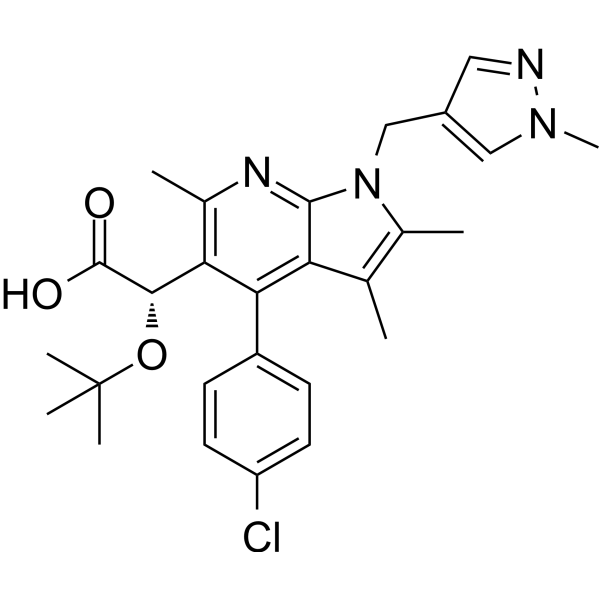
    Pirmitegravir is a potent and first-in-class inhibitor of allosteric integrase (ALLINI) that targets LEDGF/p75 binding site. Pirmitegravir displays picomolar IC50 in human PBMCs with a >24,000 therapeutic index against HIV-1. Pirmitegravir harbors outstanding anti-virus and safety properties .
    Pirmitegravir
  • HY-138568

    MAP4K Inflammation/Immunology
    HPK1-IN-3 is a potent and selective ATP-competitive hematopoietic progenitor kinase 1 (HPK1; MAP4K1) inhibitor with an IC50 of 0.25 nM. HPK1-IN-3 has IL-2 cellular potency with an EC50 of 108 nM in human peripheral blood mononuclear cells (PBMCs) .
    HPK1-IN-3
  • HY-162501
    Yaddle1
    1 Publications Verification

    Piezo Channel Inflammation/Immunology
    Yaddle1 is an agonist of the mechano-activated ion channel (Piezo1) with a half-maximal effective concentration (MEC50) of 0.40 μM. Yaddle1 can significantly trigger Ca 2+ inflow in T cells and induce T cell activation response. Yaddle1 can be used in the study of vaccine adjuvants .
    Yaddle1
  • HY-144987
    RBN013209
    1 Publications Verification

    CD38 LAG-3 Tim3 PD-1/PD-L1 Inflammation/Immunology Cancer
    RBN013209 is an orally active small molecule inhibitor of CD38 with an IC50 of 0.01 to 0.1 μM for human CD38. RBN013209 prevents the conversion of extracellular NAD + to ADPR or cADPR in tumor cells and PBMCs. RBN013209 can be used in the study of tumor. In addition, RBN013209 enables CAR-T cells to maintain the naive state and central memory state, and decreases the expression of cell activation markers and exhaustion-related inhibitory receptors .
    RBN013209
  • HY-177338

    STING Cyclic GMP-AMP Synthase IFNAR TNF Receptor Interleukin Related Inflammation/Immunology Cancer
    STING agonist-45 is a selective STING agonist (EC50 = 0.28 μM). STING agonist-45 activates the innate immune response through the cGAS-STING pathway, upregulating key markers such as p-TBK1 and IRF3. STING agonist-45 exhibits robust STING activation in human peripheral blood mononuclear cells (PBMCs), inducing the production of type I interferons (such as IFN-β) and downstream cytokines (such as TNF-α and IL-6). STING agonist-45 enhances anti-tumor immunity, inhibits tumor growth, and increases CD8 + T cell infiltration in mouse models. STING agonist-45 is promising for the study of STING-related diseases .
    STING agonist-45
  • HY-19393

    Phosphodiesterase (PDE) Cardiovascular Disease Inflammation/Immunology Cancer
    SCH 351591 is a highly selective, orally active PDE4 inhibitor, with IC50 values of 58 nM and 153 nM in humans and rats, respectively. SCH 351591 effectively inhibits pathological processes such as cytokine production, eosinophilia, airway hyperresponsiveness and bronchospasm. SCH 351591 also induces microvascular injury, activates mast cells and endothelial cells, and causes increases in serum histamine and various inflammatory factors, leading to early vascular damage. SCH 351591 has been widely used in studies related to asthma, chronic obstructive pulmonary disease and drug-induced vascular injury .
    SCH 351591
  • HY-14837

    Enisamium iodide

    Influenza Virus SARS-CoV Infection
    Amizon is an orally effective antiviral and anti-inflammatory agent. Amizon inhibits influenza virus replication and restricts viral RNA synthesis. Amizon reduces the mRNA expression of COX-1, COX-2, NF-κB, TGF1β, IL-1 and IL-6, and stimulates the secretion and mRNA expression of IL-10. Amizon inhibits the oxidative activity of macrophages and possesses antioxidant and free radical-scavenging activities. Amizon is applicable to research related to influenza and acute respiratory viral infections .
    Amizon
  • HY-153068

    Caspase Neurological Disease
    CZL55 is a caspase-1 inhibitor. CZL55 can be used for the research of febrile seizures (FS) .
    CZL55
  • HY-N7696

    Apoptosis Inflammation/Immunology
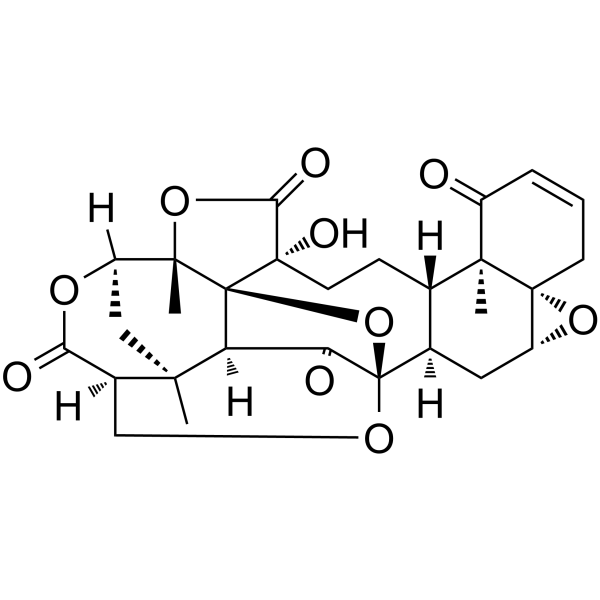
    Physalin F is a secosteroid with potent anti-inflammatory and immunomodulatory activities. Physalin F induces apoptosis of PBMC, decreasing the spontaneous proliferation and cytokine production caused by Human T-lymphotropic virus type 1 (HTLV-1) infection .
    Physalin F
  • HY-113854
    AZD2906
    1 Publications Verification

    Glucocorticoid Receptor Cardiovascular Disease Endocrinology
    AZD2906 is a selective glucocorticoid receptor (GR) agonist, increases micronucleated immature erythrocytes in the bone marrow of rats. AZD2906 shows IC50s of 2.2, 0.3, 41.6 and 7.5 nM at GR in human, rat PBMC and human, rat whole blood, respectively .
    AZD2906
  • HY-156961

    GLPG3667

    JAK Inflammation/Immunology
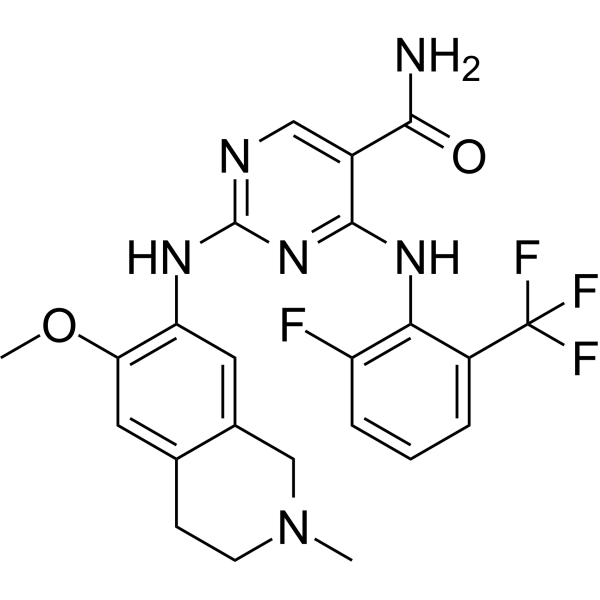
    Cadefrecitinib (GLPG3667) is a reversible, ATP-competitive and orally active TYK2 inhibitor with an IC50 of 2.3 nM. Cadefrecitinib inhibits IFNα/pSTAT1, and the IC50 values ​​in human peripheral blood mononuclear cell (PBMC) and whole blood assays are 70 nM and 623 nM, respectively. Cadefrecitinib has the potential for the study of inflammatory and autoimmune diseases .
    Cadefrecitinib
  • HY-P991424

    Interleukin Related STAT Inflammation/Immunology
    GSK2618960 is a human monoclonal antibody (mAb) targeting IL-7Ra/CD127. GSK2618960 inhibits IL-7-induced STAT5 phosphorylation. GSK2618960 enhances CD4 T cell proliferation response and increases CD83, CD86, and CD209 expression in PBMCs. GSK2618960 can be used for the research of autoimmune and allergic inflammatory diseases. Recommended isotype control: Human IgG1 kappa, Isotype Control (HY-P99001) .
    GSK2618960
  • HY-142989

    Liposome HIV HCV HBV Infection Cancer
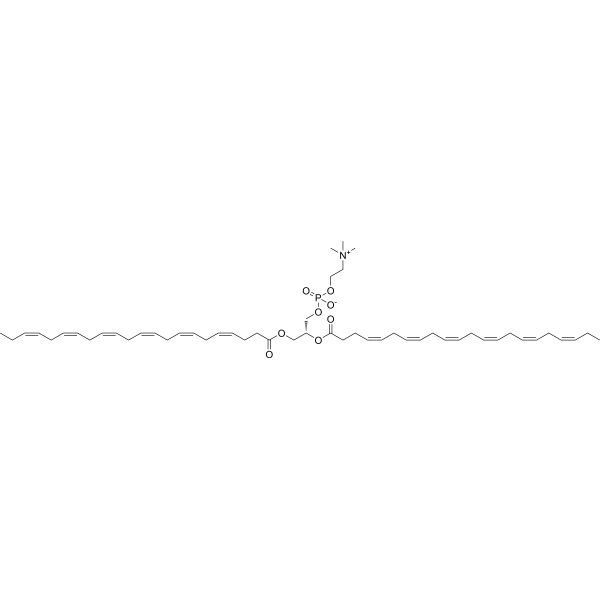
    1,2-Didocosahexaenoyl-sn-glycero-3-phosphocholine is a polyunsaturated phospholipid that serves as a component of lipid monolayers and small unilamellar vesicles. 1,2-Didocosahexaenoyl-sn-glycero-3-phosphocholine can be used to prepare endoplasmic reticulum-targeted liposomes (PERLs), which are composed of 1,2-didocosahexaenoyl-sn-glycero-3-phosphoethanolamine, l-α-phosphatidylinositol and l-α-phosphatidylserine at a molar ratio of 1.5:1.5:1:1. PERLs reduce cholesterol levels in human peripheral blood mononuclear cells (PBMCs) and decrease HIV-1 particle secretion from HIV-1-infected PBMCs. Liposomes formed from 1,2-Didocosahexaenoyl-sn-glycero-3-phosphocholine exhibit cytotoxicity against leukemia cells. 1,2-Didocosahexaenoyl-sn-glycero-3-phosphocholine is applicable to studies related to hepatitis C virus infection, HIV infection, hepatitis B virus infection and leukemia .
    1,2-Didocosahexaenoyl-sn-glycero-3-phosphocholine
  • HY-P99390

    MCLA 117

    CD3 Interleukin Related IFNAR TNF Receptor Inflammation/Immunology Cancer
    Tepoditamab (MCLA-117) is a full-length human IgG1 bispecific monoclonal antibody that binds to CLEC12A of myeloid cells and CD3 of cytotoxic T cells. Among others, CLEC12A is a myeloid differentiation antigen. Tepoditamab kills AML leukaemia mother cells and AML leukaemia stem cells, induces T cell-mediated proliferative lysis of AML cells. Tepoditamab induces upto 30-fold T-cell expansion. Tepoditamab results in moderate to strong cytokine (IFNγ, IL-6, IL-8, IL-10, and TNFα) and IFNγ release in human whole blood and PBMC, respectively. Tepoditamab can be used in acute myeloid leukaemia (AML) research .
    Tepoditamab
  • HY-144645

    Flavivirus Dengue Virus Virus Protease DNA/RNA Synthesis Infection
    SP-471P is a potent dengue virus (DENV) protease inhibitor with EC50s of 5.9 μM, 1.4 μM, 5.1 μM and 1.7 μM for DENV1, DENV2, DENV3 and DENV4, respectively and CC50 value over 100 μM. SP-471P can reduce DENV viral RNA synthesis .
    SP-471P
  • HY-P990090

    CBP-201

    Interleukin Related Inflammation/Immunology
    Rademikibart (CBP-201) is a human monoclonal antibody targeting IL-4Rα with a KD of 20.7 pM when binding to human IL-4Rα epitopes. Rademikibart does not bind to IL-4Rα from other species. Rademikibart inhibits IL-4 and IL-13-mediated STAT6 signaling, TF-1 cell proliferation and TARC production in PBMCs. Rademikibart has the potential for moderate-to-severe Th2 inflammatory diseases research .
    Rademikibart
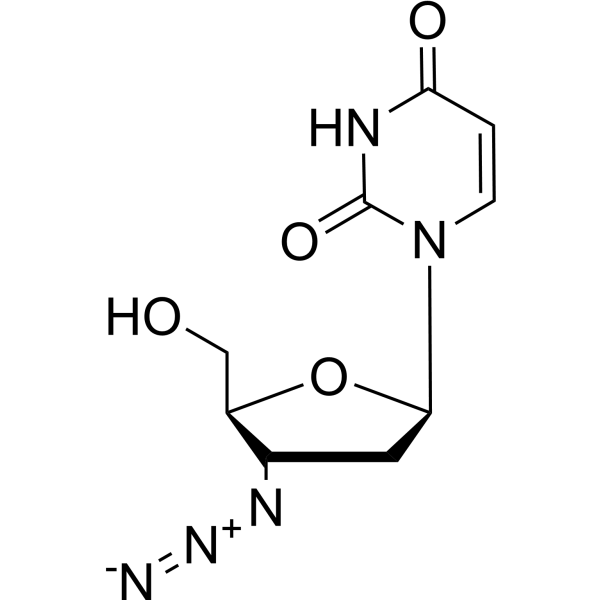
  • HY-106850

    AzdU; AzddU; CS-87

    HIV Infection
    3′-Azido-2′,3′-dideoxyuridine (AzdU) is a nucleoside analog of Zidovudine (HY-17413). 3′-Azido-2′,3′-dideoxyuridine is a potent inhibitor of human immunodeficiency virus (HIV) replication in human peripheral blood mononuclear cells (PBMC) with limited toxicity for human bone marrow cells (BMC) . 3′-Azido-2′,3′-dideoxyuridine is a click chemistry reagent, it contains an Azide group and can undergo copper-catalyzed azide-alkyne cycloaddition reaction (CuAAc) with molecules containing Alkyne groups. It can also undergo strain-promoted alkyne-azide cycloaddition (SPAAC) reactions with molecules containing DBCO or BCN groups.
    3′-Azido-2′,3′-dideoxyuridine
  • HY-119715

    CDK Apoptosis Inflammation/Immunology Cancer
    AG-012986 is a pan-CDK inhibitor with Ki values of 44 nM (CDK1), 9.2 nM (CDK4), 94 nM (CDK2), and IC50 values of 22 nM (CDK5), 4 nM (CDK9). AG-012986 causes apoptosis of T-cells by targeting upstream kinases in the p38 Mitogen-activated protein kinase (MAPK) pathway and impairing cellular survival. AG-012986 induces cell cycle arrest, retinoblastoma protein hypophosphorylation, and reduces Ki-67 expression. AG-012986 exerts antiproliferative activity in tumor cells, demonstrates antitumor efficacy in human xenograft models, and causes retinal and peripheral neurotoxicity, plus immune cell toxicity. AG-012986 can be used for the research of colon carcinoma, non-small cell lung carcinoma, lung carcinoma, breast carcinoma, ovarian tumor, pancreatic carcinoma, osteosarcoma, lymphoma, leukemia, retinotoxicity .
    AG-012986
  • HY-114170
    ML604440
    3 Publications Verification

    Proteasome Inflammation/Immunology
    ML604440 is a specific and cell-permeable Proteasome β1i (LMP2) subunit inhibitor. ML604440 can be used in experimental colitis, EAE and autoimmune disease research. ML604440 shows synergistic effects and advantageous when combined with LMP7 inhibitor .
    ML604440
  • HY-P990961

    IMM-2510; SYN-2510

    VEGFR PD-1/PD-L1 Cardiovascular Disease Inflammation/Immunology Cancer
    Palverafusp alfa (IMM-2510; SYN-2510) is a PD-L1/VEGF-targeting IgG1κ type humanized antibody. Palverafusp alfa blocks PD-1/PD-L1 binding, relieves immune suppression, mediates PD-L1-directed antibody-dependent cellular cytotoxicity (ADCC). Palverafusp alfa blocks VEGF/VEGFR binding, inhibits angiogenic signaling, relieves VEGF-induced immune suppression. Palverafusp alfa reduces endothelial cell proliferation, enhances ADCC and antibody-dependent cellular phagocytosis (ADCP), inhibits tumor growth, reverses T cell immune suppression. Palverafusp alfa exhibits immune stimulatory, antiangiogenic, and anti-tumor activity in the tumor microenvironment. Palverafusp alfa can be used for the research of cancer, such as solid tumors, non-small cell lung cancer .
    Palverafusp alfa
  • HY-103333

    N-Vanillylarachidonamide

    TRP Channel Cannabinoid Receptor CD74 Akt Orexin Receptor (OX Receptor) Neurological Disease Inflammation/Immunology
    Arvanil (N-Vanillylarachidonamide) is a mixed agonist of CB1 and TRPV1 receptors. Arvanil downregulates CD25, HLA-DR, CD134/OX40, blocks G1/S phase transition, and induces phosphorylation of Akt. Arvanil does not induce apoptosis in cells. Arvanil inhibits lymphocyte activation and ameliorates autoimmune encephalomyelitis. Arvanil can be used in research related to Huntington's disease, vomiting, and multiple sclerosis .
    Arvanil
  • HY-160231

    Toll-like Receptor (TLR) Inflammation/Immunology
    ssRNA42 (sodium) is a 20-mer phosphothioate protected single-stranded RNA oligonucleotide. ssRNA42 (sodium) derives from ssRNA40 by replacement of all G nucleotides with adenosine. ssRNA42 activated human PBMCs to secrete IFN-α, TNF-a, IL- 12p40, and IL-6, but ssRNA42 failed to stimulated murine pDCs and PBMCs.
    ssRNA42 sodium
  • HY-114592

    Toll-like Receptor (TLR) Interleukin Related TNF Receptor Inflammation/Immunology
    M199 is a potent TLR3/TLR9 signaling inhibitor. M199 induces secretion of IL-6, IL-8 and TNFα in human PBMCs. M199 is used as a selective inducer of the immune response .
    M199
  • HY-150742A

    Toll-like Receptor (TLR) Inflammation/Immunology
    ODN 2336 sodium is a A-Class CpG ODN (oligodeoxynucleotides), is a potent TLR9 agonist. ODN 2336 sodium induces the production of IFN-α. ODN 2336 sodium up-regulates the expression of IP-10 mRNA and IL-18 mRNA. ODN 2336 sodium can be used as adjuvant of vaccines .
    ODN 2336 sodium
  • HY-171692

    Cyclic GMP-AMP Synthase IFNAR STING Infection
    G3-YSD is a cGAS agonist. G3-YSD directly interacts with cGAS to enhance its enzymatic activity, promote the conversion of ATP and GTP into cGAMP, and trigger STING-dependent IFN-α/β secretion. G3-YSD acts as a viral mimic to replace actual viral DNA . G3-YSD is applicable to research related to long COVID and type 1 human immunodeficiency virus infection .
    G3-YSD
  • HY-162465

    STING IFNAR Cancer
    BDW568 is a selective STING A230 agonist with an EC50 of 5.7 μM. BDW568 triggers the interferon signaling pathway and induces the expression of interferon-stimulated genes including MX1 and OAS1. BDW568 is applicable for cancer-related research .
    BDW568
  • HY-155830

    ME3183; PDE4-IN-14

    Phosphodiesterase (PDE) Interleukin Related Neurological Disease Metabolic Disease Inflammation/Immunology Cancer
    Morcamilast (ME3183) is a selective and orally active PDE4 inhibitor, with IC50s of 1.28 nM (PDE4A1A), 2.33 nM (PDE4B1), and 1.63 nM (PDE4D2) respectively. Morcamilast shows weak inhibition of PDEs other than PDE4s Morcamilast is an anti-inflammatory agent and inhibits LPS (HY-D1056)-induced release of TNF-α, IL-12/23p40, IL-23, and IL-17A in human PBMCs and T cells. Morcamilast has antipruritic effect and can be used in the study of psoriasis, atopic dermatitis, and other inflammatory diseases .
    Morcamilast
  • HY-107401

    SCH-351125

    HIV CCR Calcium Channel Infection
    Ancriviroc (SCH-351125) is an orally active CCR5 antagonist with an IC50 value of 13 nM against hCCR5. Ancriviroc specifically binds to hCCR5, blocks ligand-induced signal transduction, calcium influx, GTPγS binding, chemotaxis, ligand binding, and HIV-1 entry, induces conformational changes in CCR5, and inhibits infection and replication of R5-tropic HIV-1 .
    Ancriviroc
  • HY-175167

    STING IFNAR Inflammation/Immunology
    diABZI-i is an orthogonal STING inhibitor. diABZI-i significantly inhibits cGAMP-induced IFNβ in PBMCs. diABZI-i also activates constitutive signaling of V155M SAVI and exerts potent agonistic effects in the STING V155M THP-1 cell model. diABZI-i can be used for research on monogenic autoinflammatory diseases such as SAVI .
    diABZI-i
  • HY-176847

    Orphan Nuclear Receptor Apoptosis Cancer
    DHQZ-17 is a HNF4A inhibitor. DHQZ-17 triggers apoptosis in head and neck squamous cell carcinoma cells. DHQZ-17 can be used for the research of head & neck squamous cell carcinoma .
    DHQZ-17
  • HY-153673

    IRAK PROTACs Cancer
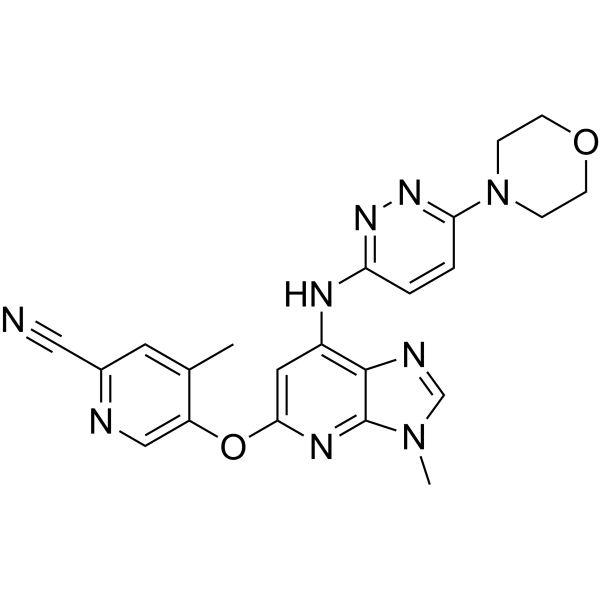
    PROTAC IRAK4 degrader-8 (Compound 2) is a PROTAC IRAK4 degrader (IC50: 15.5 nM). PROTAC IRAK4 degrader-8 degrades IRAK4 in THP-1 cells (DC50: 1.8 nM)。PROTAC IRAK4 degrader-8 also inhibits L-6 production in human whole blood and LPS-induced human PBMC cells, with IC50s of 246 nM and 2.2 nM respectively .
    PROTAC IRAK4 degrader-8
  • HY-150749A

    IFNAR Cancer
    ODN D-SL03 sodium is a C class CpG oligonucleotides, and can induce stimulate PBMCs to produce high level of IFN-α. ODN D-SL03 sodium can activate human B cells, NK cells and mononuclear cells and up-regulate expression of CD80, CD86 and HLA-DR on the surface of subsets in human PBMCs. ODN D-SL03 sodium also can inhibit the growth of the tumor. ODN D-SL03 sequence: 5'-tcgcgaacgttcgccgcgttcgaacgcgg-3' .
    ODN D-SL03 sodium
  • HY-P4984

    Biochemical Assay Reagents Inflammation/Immunology Cancer
    Toxic Shock Syndrome Toxin-1 (TSST-1) (58-78) is a T cell proliferation activator. Toxic Shock Syndrome Toxin-1 (TSST-1) (58-78) promotes the in vitro proliferation of human peripheral blood mononuclear cells (PBMC) in a dose-dependent manner. Toxic Shock Syndrome Toxin-1 (TSST-1) (58-78) can be used in research on inflammatory and immunity, as well as cancer .
    Toxic Shock Syndrome Toxin-1 (TSST-1) (58-78)
  • HY-W116336B

    Biochemical Assay Reagents Fungal Bacterial Infection Cancer
    Zinc oxide, 99.99% metals basis is a versatile wide-bandgap semiconductor with superior comprehensive properties. Zinc oxide, 99.99% metals basis serves as raw material for Schottky diodes, functional nanostructures, sensors, energy harvesters and photocatalysts for hydrogen production. Zinc oxide, 99.99% metals basis acts as a non-toxic antibacterial agent and selective cytotoxin against multiple bacteria, fungi and spores. Zinc oxide, 99.99% metals basis induces cancer cell death. Zinc oxide, 99.99% metals basis is applicable to drug delivery, biosensing, bioimaging and researches on cancer, microbial infections and skin diseases .
    Zinc oxide, 99.99% metals basis
  • HY-150742

    Toll-like Receptor (TLR) Inflammation/Immunology
    ODN 2336 is a A-Class CpG ODN (oligodeoxynucleotides), is a potent TLR9 agonist. ODN 2336 induces the production of IFN-α. ODN 2336 up-regulates the expression of IP-10 mRNA and IL-18 mRNA. ODN 2336 can be used as adjuvant of vaccines .
    ODN 2336
  • HY-177559

    NEKs Interleukin Related NOD-like Receptor (NLR) Inflammation/Immunology
    NEK7 degrader-2 (Compound 25) is a NEK7 degrader. NEK7 degrader-2 shows dose-dependent NEK7 degradation ability in human PBMC-derived macrophages. NEK7 degrader-2 reduce the release level of pro-inflammatory cytokines IL-1β induced by NLRP3 inflammasome activation. NEK7 degrader-2 can be used for the study of inflammatory diseases .
    NEK7 degrader-2

Inquiry Online

Your information is safe with us. * Required Fields.

Salutation


Country or Region *

Applicant Name *


Organization Name *

Department *


Email Address *


Product Name *

Cat. No.


Requested quantity *

Phone Number *


Remarks

Inquiry Online

Inquiry Information

Product Name:
Cat. No.:
Quantity:
MCE Japan Authorized Agent:

