1. Search Result
Search Result
Results for "

human carboxylesterase

" in MedChemExpress (MCE) Product Catalog:

32

Inhibitors & Agonists

2

Fluorescent Dyes

12

Natural
Products

5

Recombinant Proteins

Targets Recommended:
Cat. No. 상품명 Target 연구분야 Chemical Structure
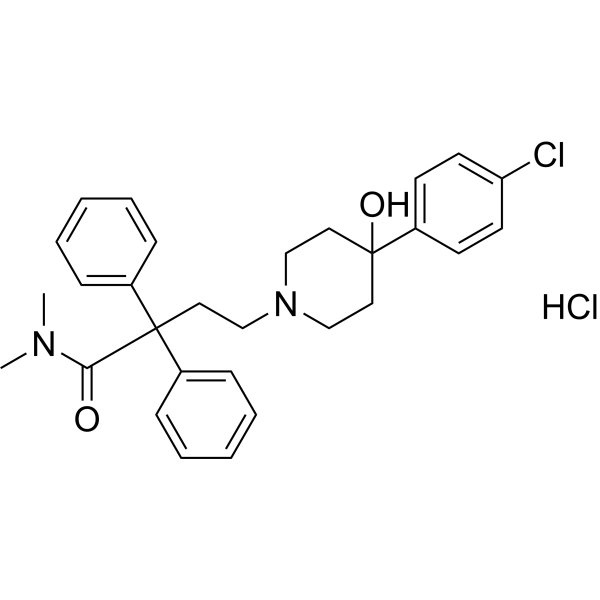
  • HY-B0418A
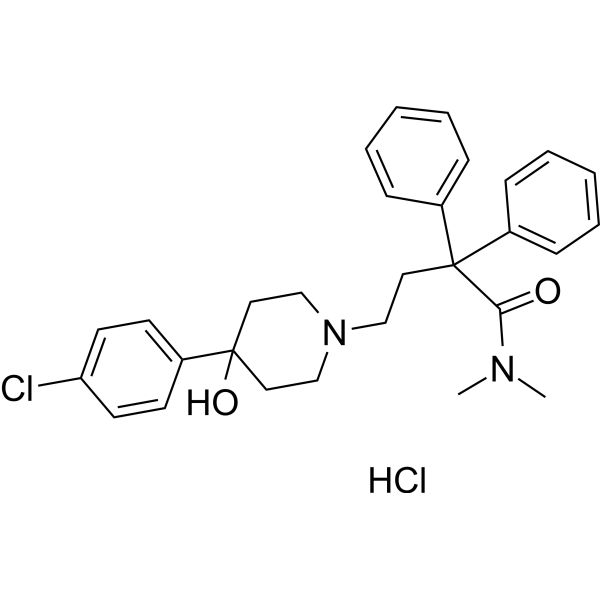
    Loperamide hydrochloride
    Maximum Cited Publications
    12 Publications Verification

    R-18553 hydrochloride

    Opioid Receptor Autophagy Neurological Disease Metabolic Disease Cancer
    Loperamide (hydrochloride) (R-18553 (hydrochloride)) is an opioid receptor agonist . Loperamide hydrochloride is a selective and competitive human intestinal carboxylesterases (hiCE) inhibitor. Loperamide hydrochloride has anti-diarrheal effect .
    Loperamide hydrochloride
  • HY-N0235
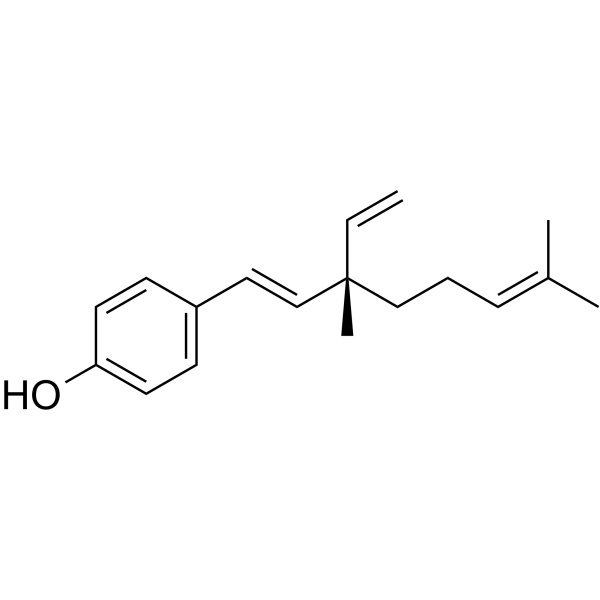
    Bakuchiol
    2 Publications Verification

    (S)-(+)-Bakuchiol

    Carboxylesterase (CES) p38 MAPK Autophagy UGT Infection Metabolic Disease Inflammation/Immunology Cancer
    Bakuchiol is a phytoestrogen that can be obtained from psoralen seeds. Bakuchiol has been proven to be a non-competitive inhibitor of multiple enzymes, including UDP-glucuronosyltransferase 2B7 (UGT2B7) and human carboxylesterase 2 (hCE2) , with IC50s values of 40.9 μM and 7.28 μM, respectively. Bakuchiol exhibits significant research and application potential in areas such as anti-inflammatory , antibacterial , antitumor therapies, as well as drug metabolism regulation.
    Bakuchiol
  • HY-N3677

    OGT Akt mTOR GSK-3 Reactive Oxygen Species (ROS) Apoptosis PARP MDM-2/p53 Inflammation/Immunology Cancer
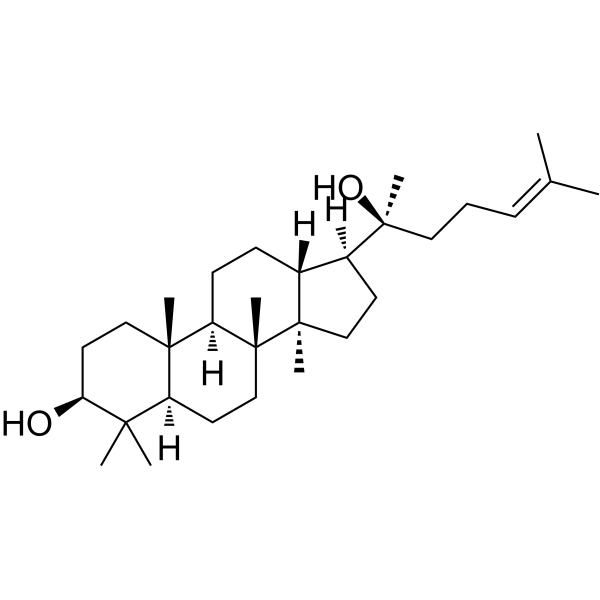
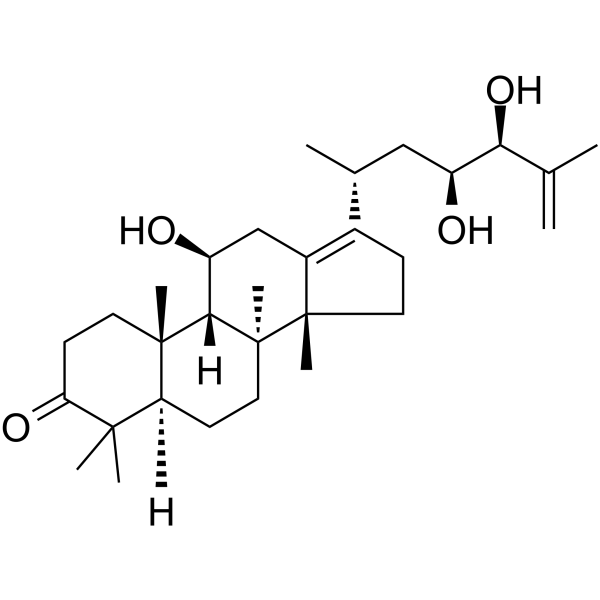
    Dammarenediol II is a ginsenoside precursor . Dammarenediol II reduces the activity of O-GlcNAc transferase (OGT) and downregulates the global O-GlcNAcylation level. Dammarenediol II inhibits the phosphorylation of Akt, mTOR and GSK3β. Dammarenediol II inhibits human carboxylesterase activity, VEGF-induced ROS production, stress fiber formation and vascular endothelial cadherin disruption. Dammarenediol II promotes cell apoptosis (apoptosis), increases the levels of cleaved PARP1 and p53, and inhibits retinal microvascular leakage. Dammarenediol II can be used in studies related to liver cancer and diabetic retinopathy .
    Dammarenediol II
  • HY-N1377

    Lysionotin

    Carboxylesterase (CES) DNA/RNA Synthesis Apoptosis Bacterial Infection Metabolic Disease Inflammation/Immunology Endocrinology Cancer
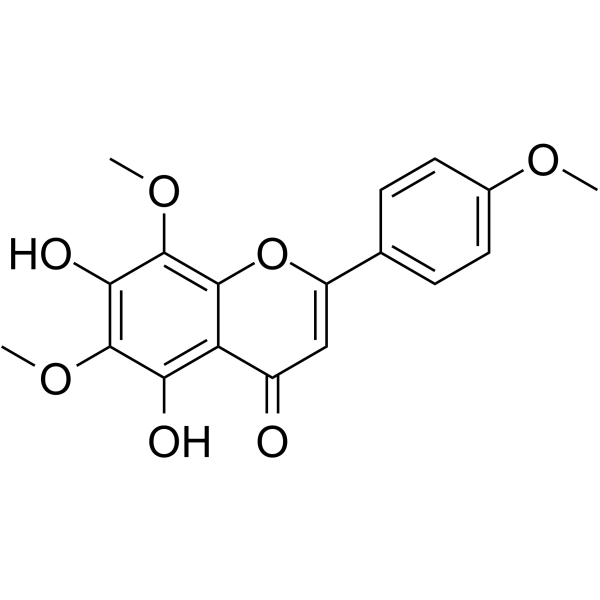
    Nevadensin (Lysionotin), a natural flavonoid, is a selective human carboxylesterase 1 (hCE1) inhibitor with an IC50 of 2.64 μM. Nevadensin is more selective for hCE1 than hCE2 (IC50 of 132.8 μM). Nevadensin can induce apoptosis and DNA damage in cancer cells. Nevadensin has a variety of pharmacological effects such as anti-inflammatory, anti-tumour, anti-hypertensive, anti-tubercular, antitussive, antioxidant and anti-microbial activities .
    Nevadensin
  • HY-B0384
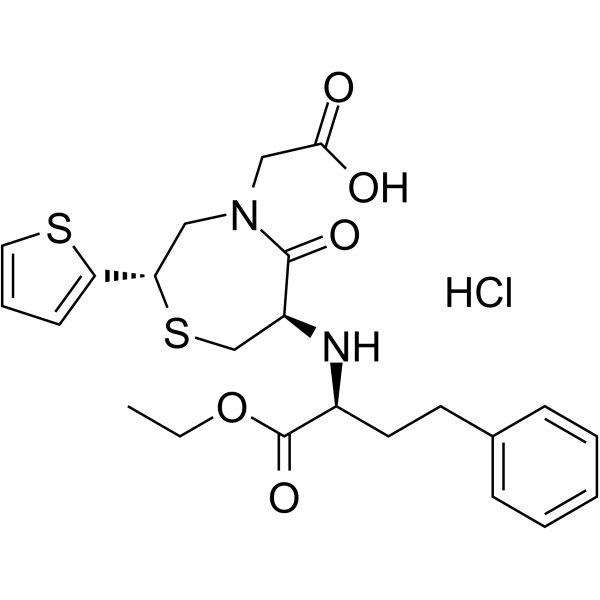
    Temocapril hydrochloride
    2 Publications Verification

    Angiotensin-converting Enzyme (ACE) Cardiovascular Disease
    Temocapril hydrochloride is an orally active angiotensin-converting enzyme (ACE) inhibitor. Temocapril hydrochloride can be used for the research of hypertension, congestive heart failure, acute myocardial infarction, insulin resistance, and renal diseases .
    Temocapril hydrochloride
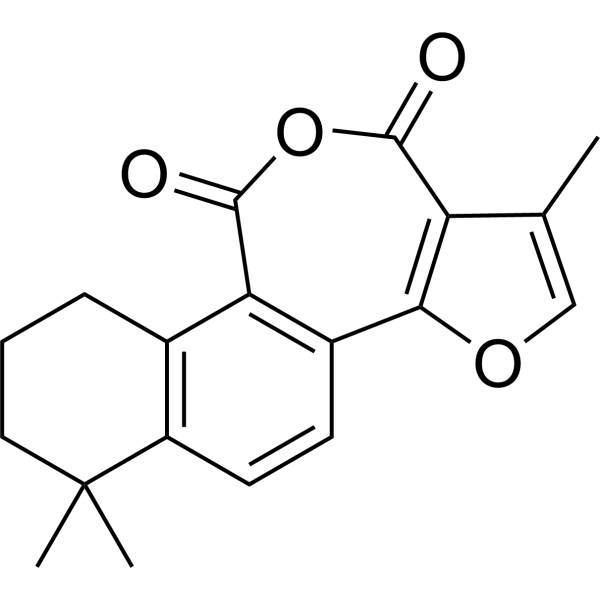
  • HY-N10686

    Carboxylesterase (CES) Cancer
    Tanshinone IIA anhydride, present in root extracts of Salvia miltiorrhiza, acts as an inhibitor of human carboxylesterase (CE). Tanshinone IIA anhydride has a Ki value of 1.9 nM against hCE1 and a Ki value of 1.4 nM against hiCE. Tanshinone IIA anhydride forms a stable covalent complex with serine Ser221 at the active site of hCE1, blocking the catalytic cycle of carboxylesterase, and the activity of the inactivated enzyme cannot recover spontaneously. Tanshinone IIA anhydride is applicable in metabolism-related studies .
    Tanshinone IIA anhydride
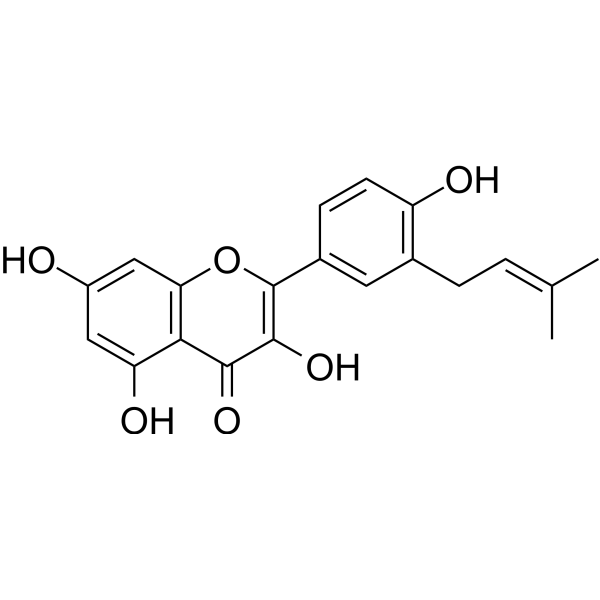
  • HY-N3474

    Carboxylesterase (CES) Others
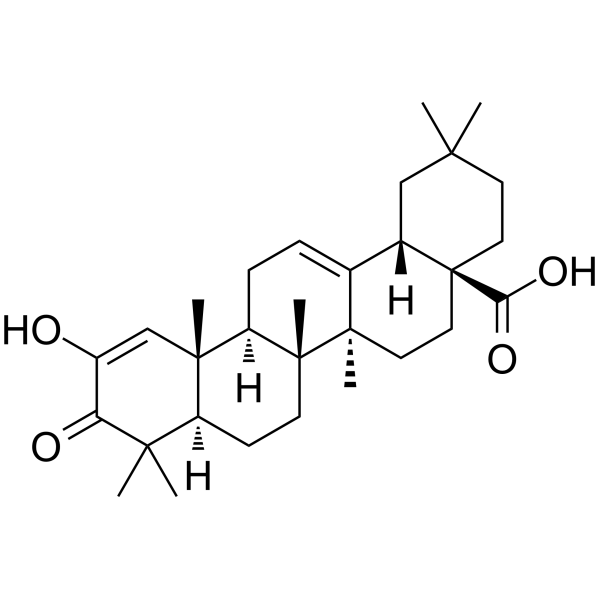
    Isolicoflavonol potently inhibits hCES2A (Human carboxylesterase 2)-mediated fluorescein diacetate hydrolysis in a reversible and mixed inhibition manner, with Ki values less than 1.0 μM .
    Isolicoflavonol
  • HY-100713
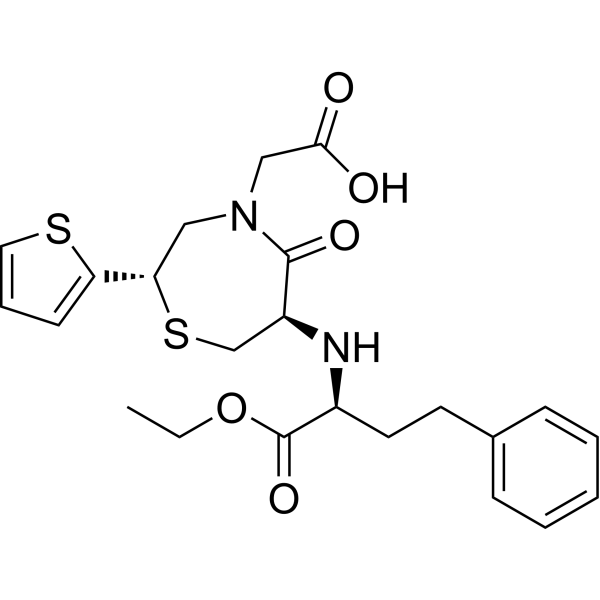
    Temocapril
    2 Publications Verification

    Angiotensin-converting Enzyme (ACE) Cardiovascular Disease
    Temocapril is an orally active angiotensin-converting enzyme (ACE) inhibitor. Temocapril can be used for the research of hypertension, congestive heart failure, acute myocardial infarction, insulin resistance, and renal diseases .
    Temocapril
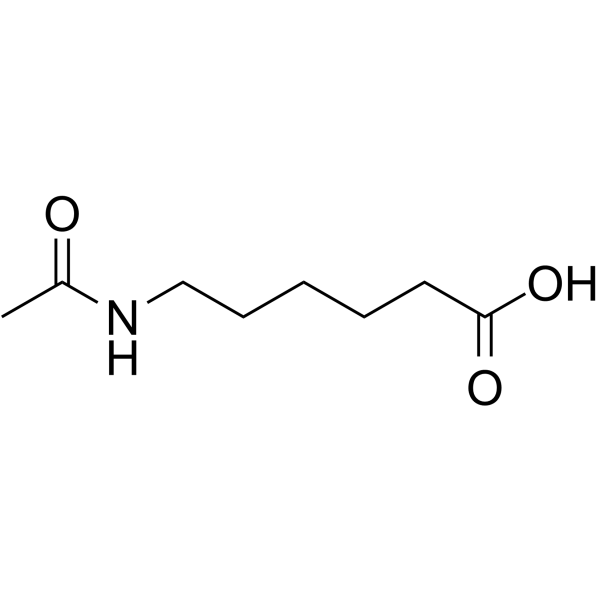
  • HY-B1259

    Acexamic acid; 6-Acetamidocaproic acid

    Drug Metabolite Drug Intermediate Inflammation/Immunology Cancer
    6-Acetamidohexanoic acid (Acexamic acid; 6-Acetamidocaproic acid) is a metabolite of Hexamethylene bisacetamide (HMBA) (HY-124284) with anti-pulmonary fibrosis activity. 6-Acetamidohexanoic acid does not induce differentiation of human promyelocytic leukemia cells, but is taken up by such cells. 6-Acetamidohexanoic acid serves as a carboxylic acid substrate component for constructing carboxylesterase-responsive near-infrared phototheranostic probes. 6-Acetamidohexanoic acid is applicable to research related to pulmonary fibrosis, refractory hypoxemia and cervical cancer .
    6-Acetamidohexanoic acid
  • HY-B0418AR

    R-18553 hydrochloride (Standard)

    Reference Standards Opioid Receptor Autophagy Neurological Disease Metabolic Disease Cancer
    Loperamide (hydrochloride) (Standard) is the analytical standard of Loperamide (hydrochloride). This product is intended for research and analytical applications. Loperamide (hydrochloride) (R-18553 (hydrochloride)) is an opioid receptor agonist . Loperamide hydrochloride is a selective and competitive human intestinal carboxylesterases (hiCE) inhibitor. Loperamide hydrochloride has anti-diarrheal effect .
    Loperamide hydrochloride (Standard)
  • HY-N0855

    Alisol-G; 25-Anhydroalisol A

    Carboxylesterase (CES) Bacterial HBV Infection Cancer
    Alisol G (25-Anhydroalisol A) is a human carboxylesterase 2 (hCES2) inhibitor with an IC50 of 3.85 μM. Alisol G exhibits cytotoxic activity against human cancer cells, antibacterial activity against Gram-positive strains, and anti-hepatitis B virus activity. Alisol G can be used in research related to lung cancer, breast cancer, prostate cancer, bacterial infections, and HBV infections .
    Alisol G
  • HY-E70599

    Carboxylesterase (CES) Metabolic Disease
    Human CES2 Enzyme is a carboxylesterase involved in drug metabolism and lipid homeostasis. Human CES2 Enzyme hydrolyzes triglycerides, cholesteryl esters and retinyl esters to regulate lipid metabolism and energy homeostasis. Human CES2 Enzyme improves glucose tolerance and insulin sensitivity, reduces hepatic lipid accumulation, alleviates white adipose tissue steatitis, decreases plasma cholesterol levels, and reduces body weight and white adipose tissue weight. Human CES2 Enzyme can be used in the research of metabolic syndrome .
    Human CES2 Enzyme
  • HY-144809

    Carboxylesterase (CES) Metabolic Disease
    Pancreatic lipase/Carboxylesterase 1-IN-1 (Compound 39) is a potent dual inhibitor of pancreatic lipase (PL) and human carboxylesterase 1A (hCES1A) with IC50 values of 2.13 µM and 0.055  µM against PL and hCES1A .
    Pancreatic lipase/Carboxylesterase 1-IN-1
  • HY-106409
    Tefinostat
    1 Publications Verification

    CHR-2845

    HDAC Apoptosis Cancer
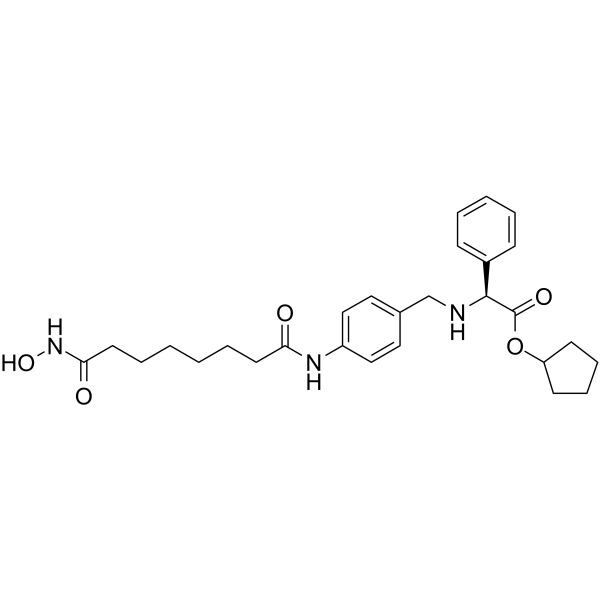
    Tefinostat (CHR-2845) is a monocyte/macrophage targeted histone deacetylase (HDAC) inhibitor. Tefinostat can be cleaved into active acid CHR-2847 by the intracellular esterase human carboxylesterase-1 (hCE-1). Tefinostat can be used for the research of leukaemias .
    Tefinostat
  • HY-23148

    N-Methylisatin

    Carboxylesterase (CES) Others
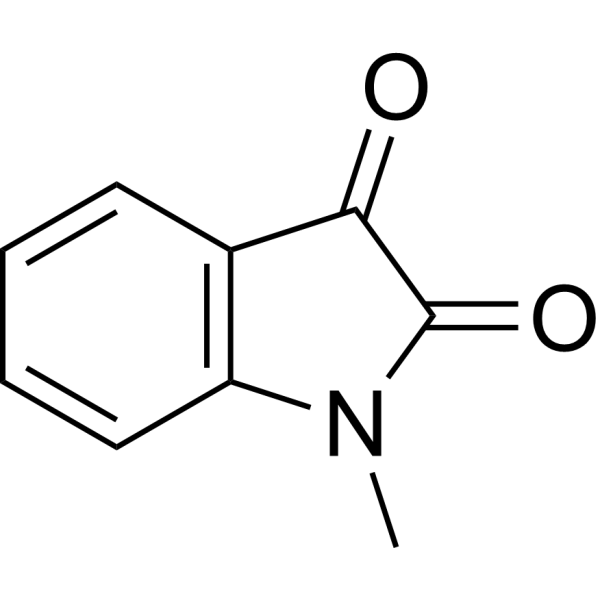
    1-Methylisatin is a potent and selective CE (carboxylesterases) inhibitor, with Kis of 38.2 and 5.38 μM for hiCE and hCE1, respectively. 1-Methylisatin interacts with Hb (human adult hemoglobin) by hydrophobic binding and electrostatic attraction. 1-Methylisatin can be used in the study of regulation of agent metabolism in vivo .
    1-Methylisatin
  • HY-N3921

    Carboxylesterase (CES) Cancer
    Gancaonin I, an Isoflavone, exhibits moderate inhibition on human carboxylesterase 2 (hCES2A) with IC50 of 1.72 μM. Gancaonin I inhibits hCES2A-mediated fluorescein diacetate (FD) hydrolysis .
    Gancaonin I
  • HY-124446

    Carboxylesterase (CES) Metabolic Disease
    Dibromsalicil (Compound 31) is a carboxylesterase (CES) inhibitor with activity of 72.7 nM against hiCE (human intestinal carboxylesterase) and 53.5 nM against rCE (rabbit liver carboxylesterase). Dibromsalicil has almost no activity against hCE1 (human liver carboxylesterase) and cholinesterase .
    Dibromsalicil
  • HY-N3413

    Carboxylesterase (CES) β-glucuronidase Metabolic Disease
    Kushenol X, a flavonoid compound isolated from the roots of Sophora flavescens. Kushenol X is a potent β-glucuronidase and human carboxylesterase 2 (hCE2) inhibitor with IC50s of 2.07 μM and 3.05 μM, respectively .
    Kushenol X
  • HY-D1739

    Fluorescent Dye Carboxylesterase (CES) Others
    DDAO phosphate diammonium is a fluorescent phosphatase substrate. DDAO phosphate diammonium has tunable excitation wavelength (600-650nm) and long emission wavelength (λem=656nm). DDAO phosphate diammonium can be used to detect the activity of different enzymes such as β-galactosidase, sulfatase, protein phosphatase 2A, carboxylesterase 2, human albumin and esterase.
    DDAO phosphate diammonium
  • HY-N0235R

    (S)-(+)-Bakuchiol (Standard)

    Carboxylesterase (CES) Reference Standards p38 MAPK Autophagy UGT Infection Metabolic Disease Inflammation/Immunology Cancer
    Bakuchiol (Standard) is the analytical standard of Bakuchiol. This product is intended for research and analytical applications. Bakuchiol is a phytoestrogen that can be obtained from psoralen seeds. Bakuchiol has been proven to be a non-competitive inhibitor of multiple enzymes, including UDP-glucuronosyltransferase 2B7 (UGT2B7) and human carboxylesterase 2 (hCE2) , with IC50s values of 40.9 μM and 7.28 μM, respectively. Bakuchiol exhibits significant research and application potential in areas such as anti-inflammatory , antibacterial , antitumor therapies, as well as drug metabolism regulation.
    Bakuchiol (Standard)
  • HY-147915

    Carboxylesterase (CES) Reactive Oxygen Species (ROS) Cancer
    Benz-AP is a potent photosensitizer. Benz-AP produces singlet oxygen, with a negative correlation with hCES2 (Human carboxylesterase 2) activity. Benz-AP displays a higher photocytotoxicity potency in cancer cells under low hCES2 environments. Upon TPE (Two-photon excitation), Benz-AP produces ROS and kills cancer cells and tumor spheroids .
    Benz-AP
  • HY-176465

    Carboxylesterase (CES) Inflammation/Immunology
    CES2A-IN-3 (Compound 9d) is a potent serine-targeting covalent human carboxylesterase 2A (hCES2A) inhibitor with an IC50 value of 0.12 nM. CES2A-IN-3 is promising for research of diarrhea and ulcerative colitis .
    CES2A-IN-3
  • HY-155228

    Carboxylesterase (CES) Inflammation/Immunology
    hCES2A-IN-2 (Compound 44) is an orally active human carboxylesterase 2 (hCES2A) inhibitor (IC50: 5.02 μM). hCES2A-IN-2 improves Irinotecan (HY-16562)-induced delayed diarrhea .
    LK-44
  • HY-N1377R

    Lysionotin (Standard)

    Carboxylesterase (CES) Reference Standards DNA/RNA Synthesis Apoptosis Bacterial Infection Metabolic Disease Inflammation/Immunology Endocrinology Cancer
    Nevadensin (Standard) (Lysionotin (Standard)) is the analytical standard of Nevadensin (HY-N1377). This product is intended for research and analytical applications. Nevadensin, a natural flavonoid, is a selective human carboxylesterase 1 (hCE1) inhibitor with an IC50 of 2.64 μM. Nevadensin is more selective for hCE1 than hCE2 (IC50 of 132.8 μM). Nevadensin can induce apoptosis and DNA damage in cancer cells. Nevadensin has a variety of pharmacological effects such as anti-inflammatory, anti-tumour, anti-hypertensive, anti-tubercular, antitussive, antioxidant and anti-microbial activities.
    Nevadensin (Standard)
  • HY-100713R

    Reference Standards Angiotensin-converting Enzyme (ACE) Cardiovascular Disease
    Temocapril (Standard) is the analytical standard of Temocapril. This product is intended for research and analytical applications. Temocapril is an orally active angiotensin-converting enzyme (ACE) inhibitor. Temocapril can be used for the research of hypertension, congestive heart failure, acute myocardial infarction, insulin resistance, and renal diseases .
    Temocapril (Standard)
  • HY-106409R

    CHR-2845 (Standard)

    Reference Standards HDAC Apoptosis Cancer
    Tefinostat (Standard) is the analytical standard of Tefinostat (HY-106409). This product is intended for research and analytical applications. Tefinostat (CHR-2845) is a monocyte/macrophage targeted histone deacetylase (HDAC) inhibitor. Tefinostat can be cleaved into active acid CHR-2847 by the intracellular esterase human carboxylesterase-1 (hCE-1). Tefinostat can be used for the research of leukaemias .
    Tefinostat (Standard)
  • HY-D3157

    Fluorescent Dye Others
    Photoactive esterase probe is a photoactivatable fluorescent probe for esterase. Photoactive esterase probe is used for the detection and imaging of esterase activity in living cells .
    Photoactive esterase probe
  • HY-182632

    Carboxylesterase (CES) Wnt β-catenin Inflammation/Immunology
    LP-935001 is a Notum carboxylesterase inhibitor with an IC50 of 0.4 nM.LP-935001 prevents palmitoleate group removal from Wnt proteins, restores Wnt/β-catenin signaling.LP-935001 enhances cortical bone thickness in rodent models.LP-935001 can be used for the research of bone loss/nonvertebral fractures .
    LP-935001
  • HY-B1259R

    Acexamic acid (Standard); 6-Acetamidocaproic acid (Standard)

    Reference Standards Drug Metabolite Drug Intermediate Inflammation/Immunology Cancer
    6-Acetamidohexanoic acid (Acexamic acid; 6-Acetamidocaproic acid) (Standard) is the analytical standard of 6-Acetamidohexanoic acid. This product is intended for research and analytical applications. 6-Acetamidohexanoic acid (Acexamic acid; 6-Acetamidocaproic acid) is a metabolite of Hexamethylene bisacetamide (HMBA) (HY-124284) with anti-pulmonary fibrosis activity. 6-Acetamidohexanoic acid does not induce differentiation of human promyelocytic leukemia cells, but is taken up by such cells. 6-Acetamidohexanoic acid serves as a carboxylic acid substrate component for constructing carboxylesterase-responsive near-infrared phototheranostic probes. 6-Acetamidohexanoic acid is applicable to research related to pulmonary fibrosis, refractory hypoxemia and cervical cancer.
    6-Acetamidohexanoic acid (Standard)
  • HY-183326

    IDMF

    Keap1-Nrf2 Inflammation/Immunology
    Isosorbide di-(methyl fumarate) (IDMF), topical DMF (HY-17363) derivative, is an NRF2/ARE pathway activator. Isosorbide di-(methyl fumarate) downregulates ANCR targets, modulates epithelial differentiation, represses proinflammatory cytokine genes, IL-17A- and TNF-induced keratinocyte genes, psoriatic skin lesion-specific genes, and immune response genes. Isosorbide di-(methyl fumarate) stimulates oxidative stress response gene transcription, reduces erythema and scaling in Imiquimod (HY-B0180)-induced psoriasiform lesions. Isosorbide di-(methyl fumarate) exhibits no genotoxicity or radiation sensitivity in skin fibroblasts, is nonirritating and nonsensitizing in rodent models. Isosorbide di-(methyl fumarate) can be used for the research of psoriasis vulgaris .
    Isosorbide di-(methyl fumarate)
  • HY-182372

    Epoxide Hydrolase Neurological Disease
    SH-11037 is a potent inhibitor of soluble epoxide hydrolase (sEH) and docks to the substrate binding cleft in the sEH hydrolase domain. SH-11037 dose-dependently suppresses angiogenesis in the choroidal sprouting assay ex vivo and inhibited ocular developmental angiogenesis in zebrafish larvae. SH-11037 reduces choroidal neovascularisation lesion volume in the laser-induced CNV mouse model. SH-11037 synergises with anti-VEGF treatments in vitro and in vivo. SH-11037 induces G2/M phase blockade and retains retinal endothelial cell viability at active concentrations without overt toxicity. SH-11037 can be used for the research of retinal neovascularization and ocular neovascularization .
    SH-11037
  • HY-B0384R

    Angiotensin-converting Enzyme (ACE) Reference Standards Cardiovascular Disease
    Temocapril (hydrochloride) (Standard) is the analytical standard of Temocapril (hydrochloride). This product is intended for research and analytical applications. Temocapril hydrochloride is an orally active angiotensin-converting enzyme (ACE) inhibitor. Temocapril hydrochloride can be used for the research of hypertension, congestive heart failure, acute myocardial infarction, insulin resistance, and renal diseases .
    Temocapril hydrochloride (Standard)

온라인 문의

Your information is safe with us. * Required Fields.

호칭


Country or Region *

고객명 *


회사명 *

Department *


메일주소 *


상품명 *

Cat. No.


Requested quantity *

전화번호 *


비고

온라인 문의

Inquiry Information

상품명:
Cat. No.:
수량:
MCE Japan Authorized Agent:

