
1. Search Result
Search Result
Pathways Recommended: Stem Cell/Wnt Cell Cycle/DNA Damage
Results for "

human chronic myeloid leukemia cells

" in MedChemExpress (MCE) Product Catalog:

21

Inhibitors & Agonists

1

Fluorescent Dyes

2

Inhibitory Antibodies

4

Natural
Products

2

Isotope-Labeled Compounds

Cat. No. Nombre del producto Target Áreas de investigación Chemical Structure
  • HY-P99488

    JSP-191; AMG-191

    c-Kit Inflammation/Immunology Cancer
    Briquilimab (JSP-191 or AMG-191) is a humanized IgG1 monoclonal antibody that binds human CD117 (c-Kit). Briquilimab blocks the interaction between CD117 receptor and stem cell factor on various CD117 expressing tissues. Briquilimab can lead to inhibition of SCF/c-Kit signaling and MC apoptosis. Briquilimab is a non-toxic approach to target and deplete HSC, enabling blood and immune reconstitution with minimal toxicity with the other agents being used for transient immune suppression to prevent immunologic rejection. Briquilimab can be used in various disease research such as severe combined immunodeficiency (SCID), myelodyplastic syndromes (MDS), acute myeloid leukemia (AML), chronic spontaneous urticarial (CSU), chronic inducible urticarial (CIndU) and asthema .
    Briquilimab
  • HY-G0017
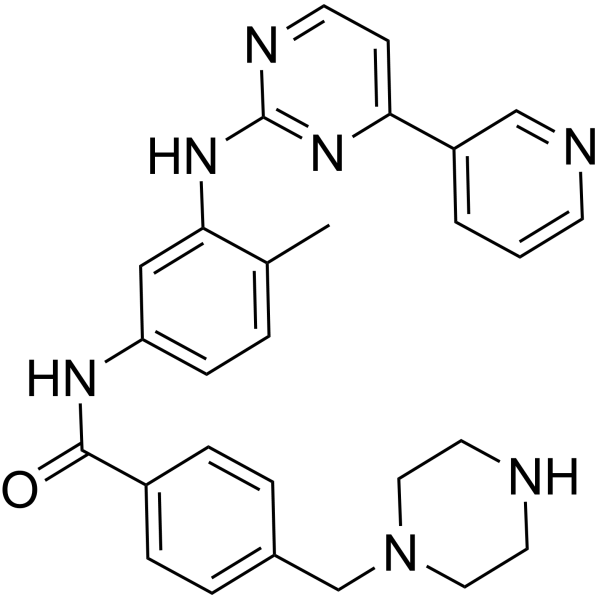
    N-Desmethyl imatinib
    1 Publications Verification

    Norimatinib; Imatinib metabolite N-Desmethyl imatinib; CGP 74588

    Drug Metabolite P-glycoprotein Apoptosis Neurological Disease Cancer
    N‑Desmethyl imatinib (Norimatinib) is an active metabolite of Imatinib (HY-15463), a selective c‑Abl inhibitor, and a substrate of P‑glycoprotein. N-Desmethyl imatinib binds to the c-Abl catalytic domain to prevent substrate phosphorylation, inhibits c-Abl-mediated α-synuclein activation and downstream inflammatory signaling pathways. N-Desmethyl imatinib induces apoptosis in K562 human leukemia cells. N-Desmethyl imatinib shows significantly elevated plasma levels in gastrointestinal stromal tumor (GIST) models with mild SARS-CoV-2 infection. N-Desmethyl imatinib can be used for the research of Parkinson’s disease, gastrointestinal stromal tumor, and chronic myeloid leukemia .
    N-Desmethyl imatinib
  • HY-Y0030

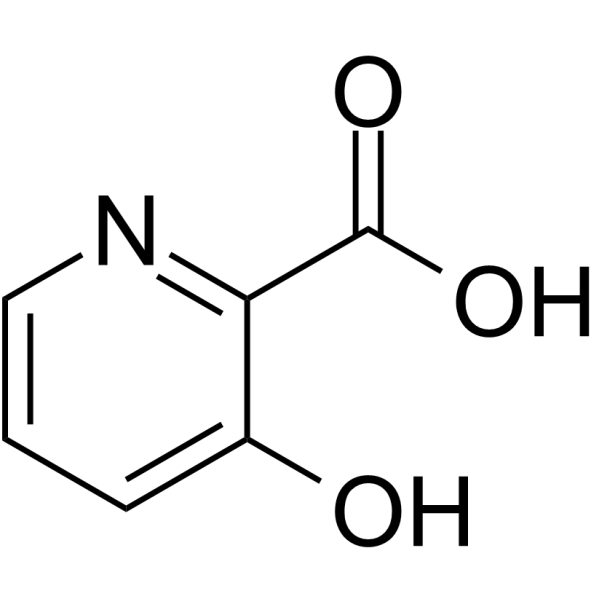
    3-hydroxypyridine-2-carboxylic acid

    Biochemical Assay Reagents Infection Cancer
    3-Hydroxypicolinic acid is a heterocyclic carboxylic acid ligand and cytotoxin, with a MIC90 of >25 μg/mL against Mycobacterium tuberculosis H37Rv. 3-Hydroxypicolinic acid inhibits the growth of cancer cells and normal fibroblasts. 3-Hydroxypicolinic acid is applicable to research related to chronic myeloid leukemia, human lung adenocarcinoma, and tuberculosis .
    3-Hydroxypicolinic acid
  • HY-N0007A

    Curcumin III; Didemethoxycurcumin

    Ferroptosis P-glycoprotein DNA/RNA Synthesis Inflammation/Immunology Cancer
    Bisdemethoxycucurmin (Curcumin III) is a curcuminoid compound and an inhibitor of P-glycoprotein and ferroptosis. Bisdemethoxycucurmin exhibits multiple activities such as anti-oxidation, anti-inflammation and anti-tumor. Bisdemethoxycucurmin can be used for the research of tumors and inflammatory diseases .
    Bisdemethoxycucurmin
  • HY-103275

    NSC 680410

    Bcr-Abl Apoptosis Cancer
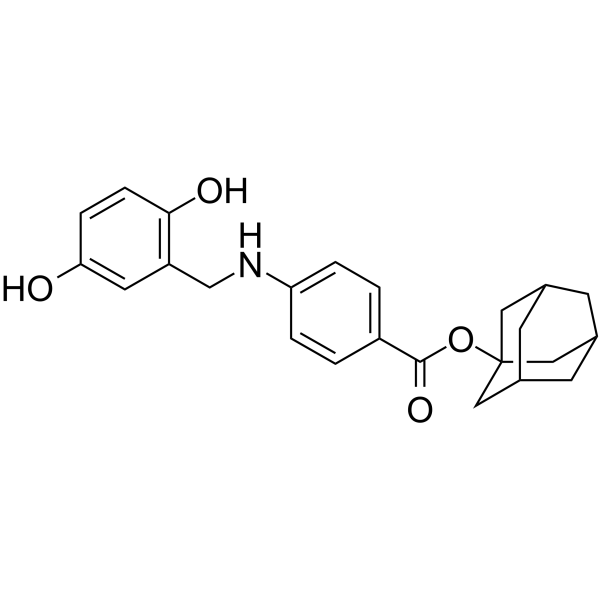
    Adaphostin (NSC 680410), the adamantyl ester of AG957, is a potent p210 bcr/abl inhibitor (IC50=14 μM). Adaphostin induces apoptosis in T-lymphoblastic human leukemia cell lines (IC50 ranging from 17 to 216 nM). Adaphostin has significant and selective activity against chronic and acute myeloid leukemia cells. Adaphostin increased the level of reactive oxygen species (ROS) within CLL B cells .
    Adaphostin
  • HY-125834

    PROTACs Bcr-Abl Apoptosis STAT JAK Cancer
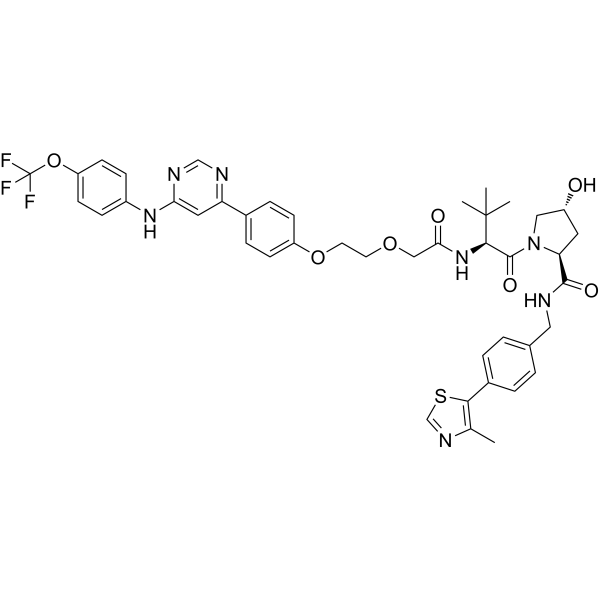
    GMB-475 is a potent BCR-ABL1 PROTAC based on Von Hippel-Lindau (VHL). GMB-475 targets the nutmeg pocket of ABL1 in an ectopic manner and degrades BCR-ABL1 protein through the ubiquitin proteasome pathway. GMB-475 inhibits the proliferation of human K562 cells and mouse Ba/F3 cells, and is used for the study of chronic myeloid leukemia. (Blue: VHL ligand (HY-125845); Black: Linker; Pink: BCR-ABL1 ligand (HY-11007)) .
    GMB-475
  • HY-117664

    DNA/RNA Synthesis Cancer
    PNR-7-02 is a dual Rev1 and human DNA polymerase η (hpol η) inhibitor, with an IC50 value of 8 μM against hpol η. PNR-7-02 binds to hpol η to disrupt the orientation of template DNA and block the catalytic function of hpol η. When used in combination with Cisplatin (HY-17394), PNR-7-02 induces DNA damage and replication stress in cells with intact hpol η function. PNR-7-02 can be used in mechanism studies related to chronic myeloid leukemia and ovarian cancer .
    PNR-7-02
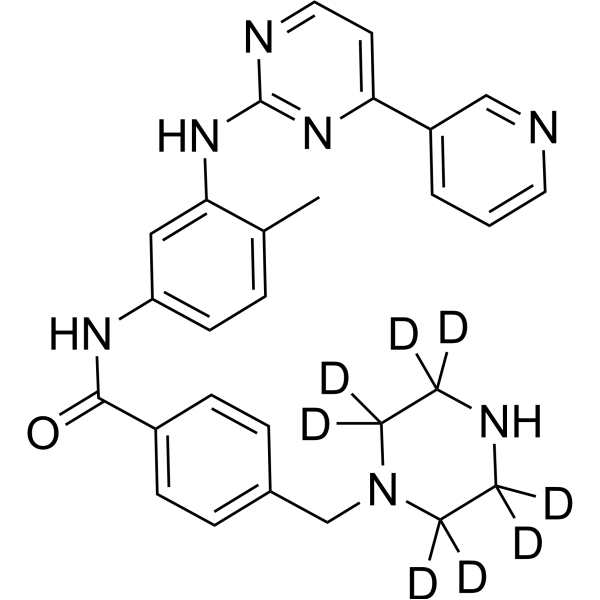
  • HY-G0017S

    Norimatinib-d8; Imatinib metabolite N-Desmethyl imatinib-d8; CGP 74588-d8

    Isotope-Labeled Compounds Drug Metabolite P-glycoprotein Apoptosis Neurological Disease Cancer
    N-Desmethyl imatinib-d8 is a deuterium labeled Imatinib metabolite N-Desmethyl Imatinib (HY-G0017). N‑Desmethyl imatinib (Norimatinib) is an active metabolite of Imatinib (HY-15463), a selective c‑Abl inhibitor, and a substrate of P‑glycoprotein. N-Desmethyl imatinib binds to the c-Abl catalytic domain to prevent substrate phosphorylation, inhibits c-Abl-mediated α-synuclein activation and downstream inflammatory signaling pathways. N-Desmethyl imatinib induces apoptosis in K562 human leukemia cells. N-Desmethyl imatinib exhibits significantly elevated plasma levels in gastrointestinal stromal tumor (GIST) settings following mild SARS CoV 2 infection. N-Desmethyl imatinib can be used for the research of Parkinson’s disease, gastrointestinal stromal tumor, and chronic myeloid leukemia .
    N-Desmethyl imatinib-d8
  • HY-Y0030R

    3-hydroxypyridine-2-carboxylic acid (Standard)

    Reference Standards Biochemical Assay Reagents Drug Intermediate Infection
    3-Hydroxypicolinic acid (Standard) is an analytical standard for 3-Hydroxypicolinic acid. This product is for research and analytical applications. 3-Hydroxypicolinic acid is a heterocyclic carboxylic acid ligand and cytotoxin, with a MIC90 of >25 μg/mL against Mycobacterium tuberculosis H37Rv. 3-Hydroxypicolinic acid inhibits the growth of cancer cells and normal fibroblasts. 3-Hydroxypicolinic acid is applicable to research related to chronic myeloid leukemia, human lung adenocarcinoma, and tuberculosis .
    3-Hydroxypicolinic acid (Standard)
  • HY-N15653

    Endogenous Metabolite Fungal NF-κB Infection Cancer
    Heveadride is a fungal metabolite and an antifungal agent. Heveadride is active against various filamentous fungi and some human pathogenic yeasts. Heaveadride induces down-regulation of TNFα-induced NF-κB activity in human chronic myeloid leukemia cells with an IC50 of 82.7 μM .
    Heveadride
  • HY-103275R

    NSC 680410 (Standard)

    Reference Standards Bcr-Abl Apoptosis Cancer
    Adaphostin (Standard) is the analytical standard of Adaphostin. This product is intended for research and analytical applications. Adaphostin (NSC 680410), the adamantyl ester of AG957, is a potent p210bcr/abl inhibitor (IC50=14 μM). Adaphostin induces apoptosis in T-lymphoblastic human leukemia cell lines (IC50 ranging from 17 to 216 nM). Adaphostin has significant and selective activity against chronic and acute myeloid leukemia cells. Adaphostin increased the level of reactive oxygen species (ROS) within CLL B cells .
    Adaphostin (Standard)
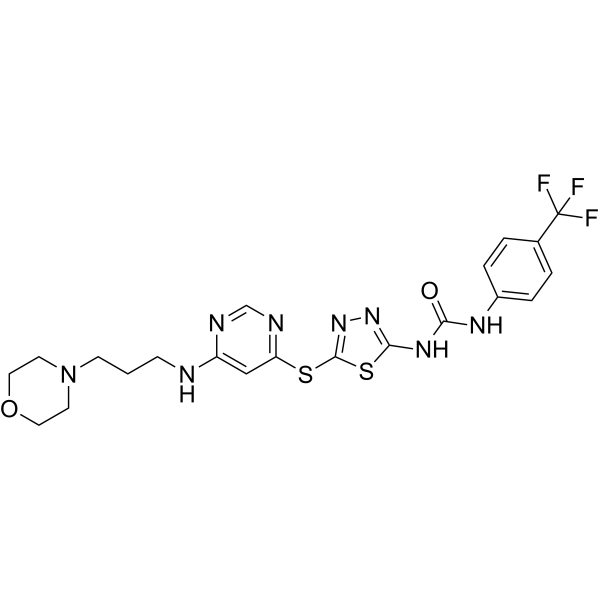
  • HY-128634

    Apoptosis PI3K MEK Cancer
    CML-IN-1 (compound 7) is a potent anticancer agent. CML-IN-1 displays very good induced-apoptosis effect for human chronic myeloid leukemia (CML) cell line K562. CML-IN-1 exerts its effect via a significantly reduced protein phosphorylation of PI3K/Akt signal pathway. CML-IN-1 (compound 4) also inhibits cell proliferation by suppressing the MEK/ERK signaling pathway in colorectal cancer .
    Anticancer agent 164
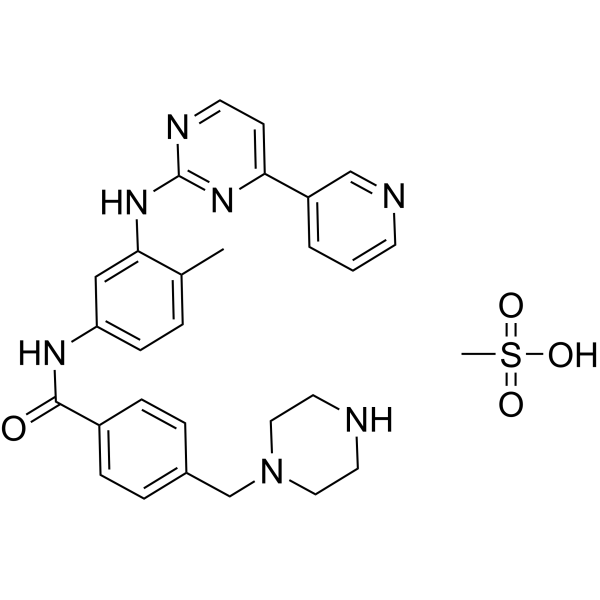
  • HY-G0017A

    Norimatinib mesylate; Imatinib metabolite N-Desmethyl imatinib mesylate; CGP 74588 mesylate

    Drug Metabolite P-glycoprotein Apoptosis Neurological Disease Cancer
    N-Desmethyl imatinib mesylate (Norimatinib mesylate) is an active metabolite of Imatinib (HY-15463), a selective c‑Abl inhibitor, and a substrate of P‑glycoprotein. N-Desmethyl imatinib mesylate binds to the c-Abl catalytic domain to prevent substrate phosphorylation, inhibits c-Abl-mediated α-synuclein activation and downstream inflammatory signaling pathways. N-Desmethyl imatinib mesylate induces apoptosis in K562 human leukemia cells. N-Desmethyl imatinib mesylate exhibits significantly elevated plasma levels in gastrointestinal stromal tumor (GIST) settings following mild SARS CoV 2 infection. N-Desmethyl imatinib mesylate can be used for the research of Parkinson’s disease, gastrointestinal stromal tumor, and chronic myeloid leukemia .
    N-Desmethyl imatinib mesylate
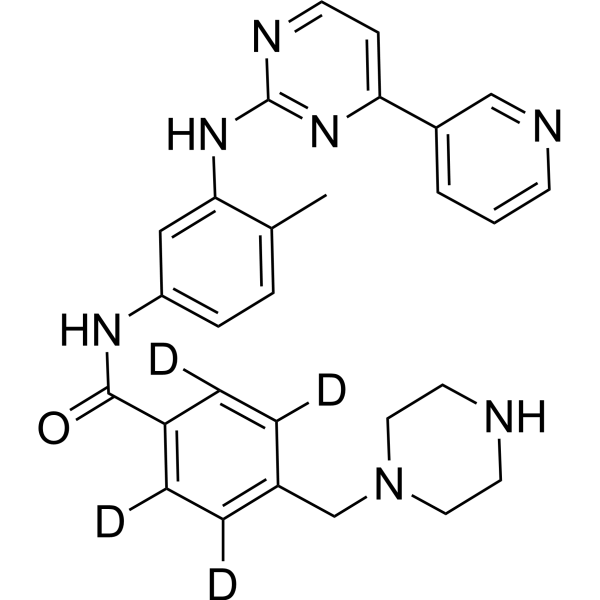
  • HY-G0017S1

    Norimatinib-d4; Imatinib metabolite N-Desmethyl imatinib-d4; CGP 74588-d4

    Isotope-Labeled Compounds Drug Metabolite P-glycoprotein Apoptosis Neurological Disease Cancer
    N-Desmethyl imatinib-d4 is the deuterium-labeled N-Desmethyl imatinib (HY-G0017). N‑Desmethyl imatinib (Norimatinib) is an active metabolite of Imatinib (HY-15463), a selective c‑Abl inhibitor, and a substrate of P‑glycoprotein. N-Desmethyl imatinib binds to the c-Abl catalytic domain to prevent substrate phosphorylation, inhibits c-Abl-mediated α-synuclein activation and downstream inflammatory signaling pathways. N-Desmethyl imatinib induces apoptosis in K562 human leukemia cells. N-Desmethyl imatinib exhibits significantly elevated plasma levels in gastrointestinal stromal tumor (GIST) settings following mild SARS CoV 2 infection. N-Desmethyl imatinib can be used for the research of Parkinson’s disease, gastrointestinal stromal tumor, and chronic myeloid leukemia .
    N-Desmethyl imatinib-d4
  • HY-G0017R

    Norimatinib (Standard); Imatinib metabolite N-Desmethyl imatinib (Standard); CGP 74588 (Standard)

    Reference Standards Drug Metabolite P-glycoprotein Apoptosis Others
    N‑Desmethyl imatinib (Standard) is the analytical standard of N‑Desmethyl imatinib (Norimatinib) (HY-G0017R). This product is intended for research and analytical applications. N‑Desmethyl imatinib (Norimatinib) is an active metabolite of Imatinib (HY-15463), a selective c‑Abl inhibitor, and a substrate of P‑glycoprotein. N-Desmethyl imatinib binds to the c-Abl catalytic domain to prevent substrate phosphorylation, inhibits c-Abl-mediated α-synuclein activation and downstream inflammatory signaling pathways. N-Desmethyl imatinib induces apoptosis in K562 human leukemia cells. N-Desmethyl imatinib exhibits significantly elevated plasma levels in gastrointestinal stromal tumor (GIST) settings following mild SARS CoV 2 infection. N-Desmethyl imatinib can be used for the research of Parkinson’s disease, gastrointestinal stromal tumor, and chronic myeloid leukemia .
    N-Desmethyl imatinib (Standard)
  • HY-119159

    NAMPT Caspase Apoptosis Cancer
    AS1604498 is a highly specific competitive inhibitor of human NAMPT, with an IC50 of 44.4 nM. AS1604498 functionally inhibits NAMPT enzymatic activity, reduces nicotinamide mononucleotide production, decreases intracellular NAD levels, activates caspase 3/7 and induces cancer cell apoptosis. AS1604498 is applicable to research related to chronic myeloid leukemia .
    AS1604498
  • HY-P992439

    CXCR Cancer
    PF-06747143 is recombinant anti-human antibody targeting CXCR4. PF-06747143 blocks CXCL12-induced calcium flux, F-actin polymerization, chemotaxis, cell migration, and leukemic cell bone marrow homing. PF-06747143 reduces tumor burden and improves survival in mouse models of hematologic malignancies. PF-06747143 can be used for the research of chronic lymphocytic leukemia, acute myeloid leukemia, and hematologic malignancies .
    PF-06747143
  • HY-181166

    EGFR Apoptosis Cancer
    EGFR-IN-194 is a potent EGFR tyrosine kinase inhibitor with an IC50 of 54.3 nM against human EGFR. EGFR-IN-194 induces apoptosis, inhibits migration in cancer cells, selectively promotes invasion in cancer cells, and exhibits antiproliferative effects across multiple cancer cell lines. EGFR-IN-194 can be used for the research of prostate adenocarcinoma, non-small cell lung carcinoma, breast carcinoma, chronic myeloid leukemia .
    EGFR-IN-194
  • HY-183754

    EGFR PI3K Akt Apoptosis Cancer
    EGFR-IN-213 is a selective inhibitor of EGFR L858R/T790M/C797S with a human IC50 of 0.48 nM. EGFR-IN-213 acts as an antiproliferative agent, inducing apoptosis and cell cycle arrest, and inhibiting colony formation, cell migration, and tube formation. EGFR-IN-213 can be used for the research of non-small cell lung cancer, chronic myeloid leukemia, gastric cancer, prostate cancer .
    EGFR-IN-213
  • HY-402815

    Drug Intermediate Cancer
    (E)-4-(Naphthalen-2-yl)but-3-en-2-one (Compound 7) is a small active molecule that can be used as building block. (E)-4-(Naphthalen-2-yl)but-3-en-2-one exhibits anti-leukemic activity, that inhibits the proliferation of human chronic myeloid leukemia cell K562 with an IC50 of 7.6 μM .
    (E)-4-(Naphthalen-2-yl)but-3-en-2-one
  • HY-D3185

    Fluorescent Dye Aldehyde Dehydrogenase (ALDH) Cancer
    AlDeSense AM is a cell-permeable ALDH1A1-selective fluorescent reporter. AlDeSense AM is oxidized by ALDH1A1, which eliminates photoinduced electron transfer quenching and enhances the fluorescent signal. AlDeSense AM can be used to detect cells with cancer stem cell properties, as well as to monitor the plasticity of cancer stem cells in cell culture systems and animal models. AlDeSense AM is applicable to the study of cancers associated with cancer stem cells, including chronic myeloid leukemia, melanoma, and breast cancer .
    AlDeSense AM

Consulta en línea

Your information is safe with us. * Required Fields.

Saludo


Country or Region *

Nombre del solicitante *


Nombre de la Organizaciòn *

Department *


Direcciòn del E-mail *


Nombre del producto *

Cat. No.


Requested quantity *

Número de teléfono *


Observaciones

Consulta en línea

Inquiry Information

Nombre del producto:
Cat. No.:
Cantidad:
MCE Japan Authorized Agent:

