
1. Search Result
Search Result
Results for "

human colon carcinoma

" in MedChemExpress (MCE) Product Catalog:

58

Inhibitors & Agonists

1

Biochemical Assay Reagents

1

Peptides

2

Inhibitory Antibodies

17

Natural
Products

1

Recombinant Proteins

1

Oligonucleotides

Cat. No. Product Name Target Research Areas Chemical Structure
  • HY-150190
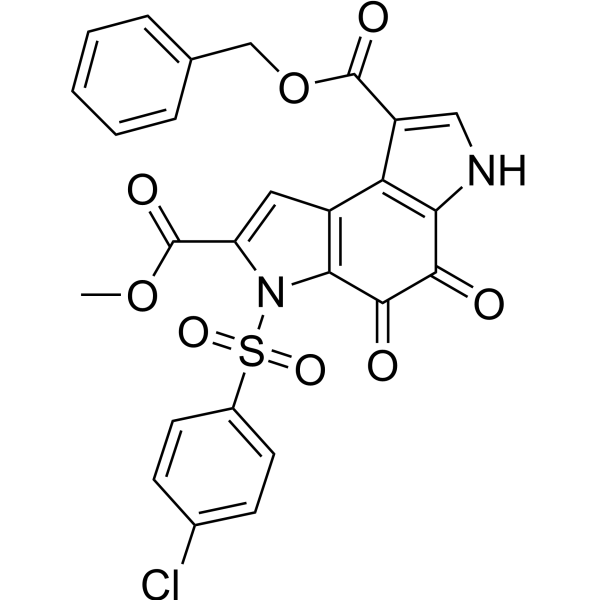
    F5446
    1 Publications Verification

    Histone Methyltransferase Apoptosis Cancer
    F5446 (Compound 1) is a selective small molecule inhibitor of SUV39H1 methyltransferase. F5446 decreases H3K9me3 deposition at the FAS promoter, increases Fas expression and increases colorectal carcinoma cell sensitivity to FasL-induced apoptosis in vitro. F5446 suppresses human colon tumor xenograft growth in vivo .
    F5446
  • HY-N6821

    Drug Derivative Inflammation/Immunology Cancer
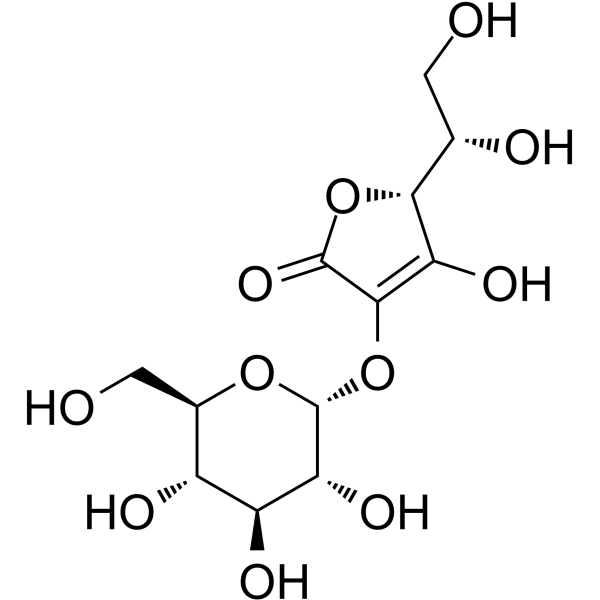
    2-O-α-D-Glucopyranosyl-L-ascorbic Acid is an orally active glucoside derivative of ascorbic acid. 2-O-α-D-Glucopyranosyl-L-ascorbic Acid can be hydrolyzed by α-glucosidase to release ascorbic acid. 2-O-α-D-Glucopyranosyl-L-ascorbic Acid inhibits melanin synthesis, prevents UV-induced cell damage, and promotes collagen synthesis in skin fibroblasts. 2-O-α-D-Glucopyranosyl-L-ascorbic Acid also induces oxidative stress to inhibit tumor growth. 2-O-α-D-Glucopyranosyl-L-ascorbic Acid can be used in research related to tumors, inflammation, and other conditions .
    2-O-α-D-Glucopyranosyl-L-ascorbic Acid
  • HY-134434
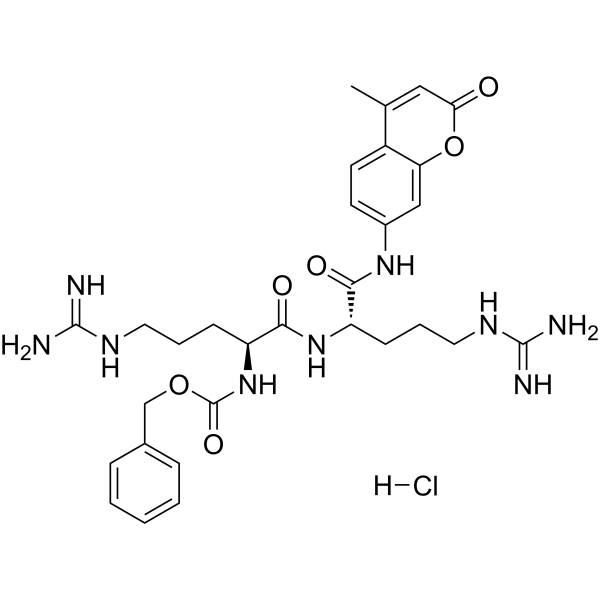
    Z-Arg-Arg-AMC hydrochloride
    1 Publications Verification

    Cathepsin Fluorescent Dye Others
    Z-Arg-Arg-AMC hydrochloride is a highly selective fluorescent Cathepsin B substrate. Z-Arg-Arg-AMC hydrochloride can be hydrolyzed by Cathepsin B to produce a fluorescent product for enzyme activity detection .
    Z-Arg-Arg-AMC hydrochloride
  • HY-N1511
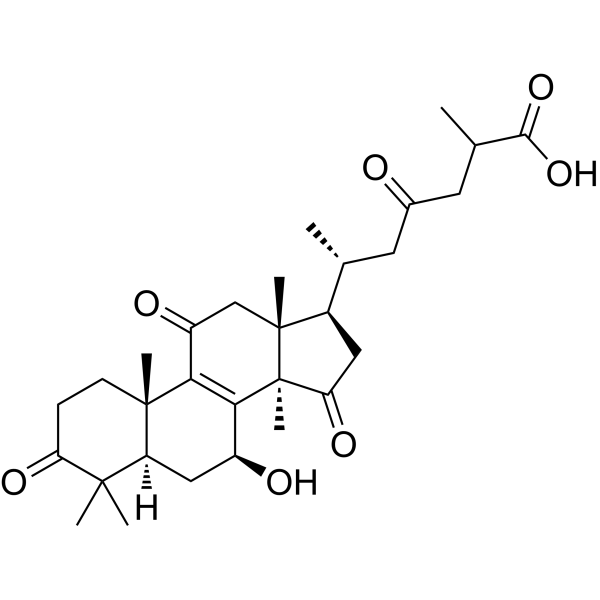
    Ganoderic acid D
    2 Publications Verification

    Sirtuin Apoptosis Cancer
    Ganoderic acid D, a highly oxygenated tetracyclic triterpenoid, is the major active component of Ganoderma lucidum. Ganoderic acid D upregulates the protein expression of SIRT3 and induces the deacetylated cyclophilin D (CypD) by SIRT3. Ganoderic acid D inhibits the energy reprogramming of colon cancer cells including glucose uptake, lactate production, pyruvate and acetyl-coenzyme production in colon cancer cells . Ganoderic acid D induces HeLa human cervical carcinoma apoptosis .
    Ganoderic acid D
  • HY-100549
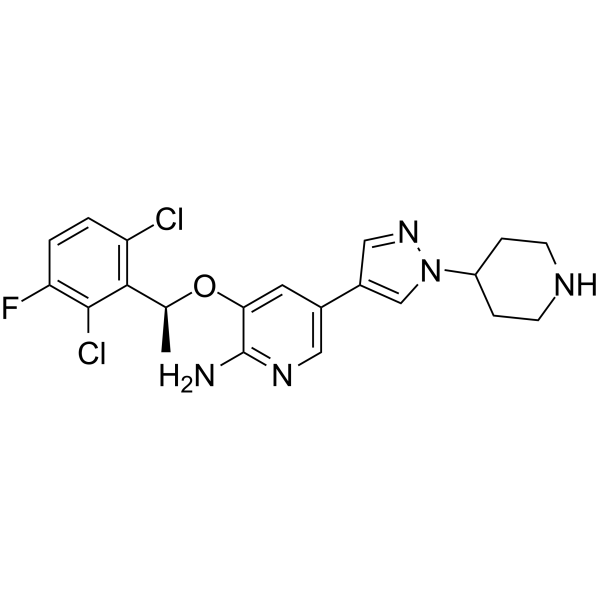
    (S)-Crizotinib
    3 Publications Verification

    DNA/RNA Synthesis Apoptosis Cancer
    (S)-Crizotinib is a potent and selective MTH1 (mutT homologue) inhibitor with an IC50 of 330 nM. (S)-Crizotinib disrupts nucleotide pool homeostasis via MTH1 inhibition, induces an increase in DNA single strand breaks, activates DNA repair in human colon carcinoma cells, and effectively suppresses tumour growth in animal models .
    (S)-Crizotinib
  • HY-108693

    Leukotriene Receptor Apoptosis Inflammation/Immunology
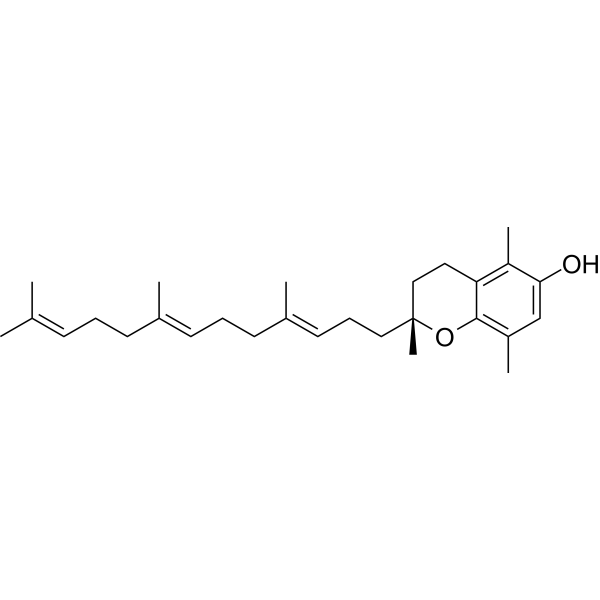
    β-Tocotrienol is an isomer of vitamin E. β-Tocotrienol is a less potent antioxidant than α-tocotrienol. β-Tocotrienol can be found in the tocotrienol-rich fraction (TRF) of palm oil, which possesses anti-carcinogenic effects in vitro on human colon carcinoma and prostate cancer cells. β-Tocotrienol inhibits the growth of A549 (GI50 = 1.38 μM) and U87MG (GI50 = 2.53 μM) cells. β-Tocotrienol also induces apoptosis in cancer cells. β-Tocotrienol can inhibit PD-L1 expression and mitigates PD-L1-mediated immune suppression in vitro and in vivo .
    β-Tocotrienol
  • HY-W590549

    DODAC

    Liposome Cancer
    Dioleyldimethylammonium chloride (DODAC) is a positively charged lipid promoter with membrane-disrupting activity, which is often formulated into cationic liposomes with dioleoylphosphatidylethanolamine. Dioleyldimethylammonium chloride is used in gene transfection research; through electrostatic interactions, it effectively promotes the binding of programmable fusion vesicles to cells and induces membrane disruption. Dioleyldimethylammonium chloride is also applied in studies on L1210 leukemia and LS180 human colon cancer .
    Dioleyldimethylammonium chloride
  • HY-N2445
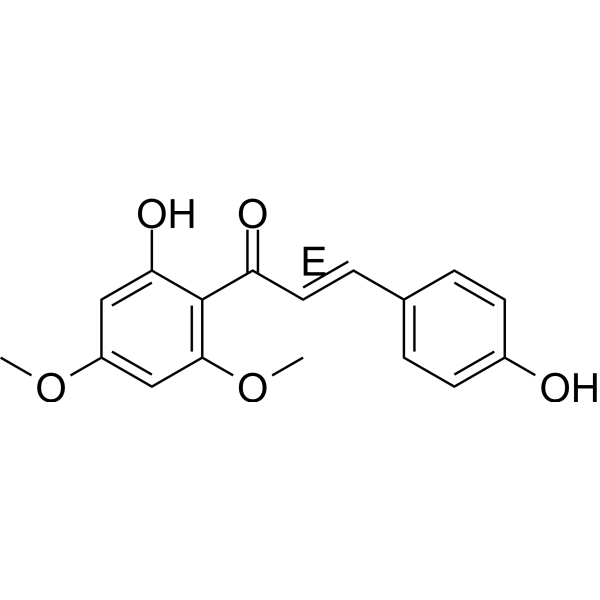
    Flavokawain C
    4 Publications Verification

    Apoptosis Akt JNK PERK Caspase PARP MDM-2/p53 IAP Reactive Oxygen Species (ROS) SOD FABP Autophagy AMPK mTOR GLUT EGFR PI3K HSP VEGFR FAK Cancer
    Flavokawain C is an orally active natural chalcone. Flavokawain C inhibits the proliferation of various cancer cells. Flavokawain C upregulates GADD153 in cancer cells, inhibits the phosphorylation of Akt and JNK, suppresses early ERK phosphorylation, activates late ERK phosphorylation, activates caspase related subtypes, induces PARP-1 cleavage, causes upregulation of p21 and p27, downregulation of mutant p53 and anti-apoptotic IAP proteins, elevates intracellular ROS levels, reduces SOD activity, and induces apoptosis. Flavokawain C downregulates FABP4, induces autophagy in cancer cells, and activates the AMPK/mTOR pathway . Flavokawain C decreases the expression of glycolysis-related proteins GLUT1 and HK2, and inhibits glycolysis in nasopharyngeal carcinoma cells. Flavokawain C inhibits the activation of the EGFR/PI3K/Akt/mTOR signaling pathway and reduces the expression of HSP90B1. Flavokawain C inhibits angiogenesis by decreasing the expression of angiogenic proteins Ang-1 and VEGF in human umbilical vein endothelial cells. Flavokawain C increases γ-H2AX levels in cells, inhibits the phosphorylation of FAK, PI3K and AKT in cells, and induces DNA damage in cells. Flavokawain C exerts anti-tumor activity in multiple tumor xenograft mouse models. Flavokawain C is applicable to research related to colorectal cancer, colon adenocarcinoma, nephroblastoma, nasopharyngeal carcinoma and liver cancer .
    Flavokawain C
  • HY-121382

    Cholinesterase (ChE) Apoptosis Necroptosis Neurological Disease Cancer
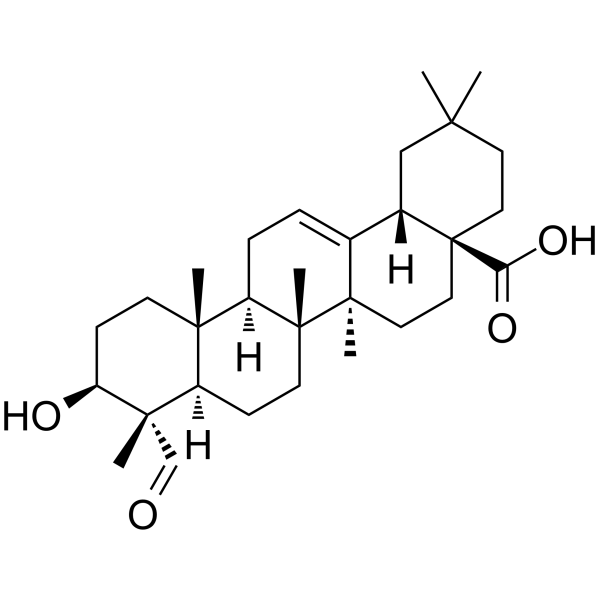
    Gypsogenin is a selective mixed-type BChE inhibitor (Ki=19.99 μM) that also exhibits significant cytotoxicity against various human cancer cell lines. Gypsogenin inhibits tumor growth by inducing cell cycle arrest and triggering apoptosis. Gypsogenin displays antibacterial activity against bacteria such as Bacillus subtilis and Bacillus thuringiensis, and often serves as a key parent nucleus for the synthesis of anticancer compounds. Gypsogenin is widely used in research on Alzheimer's disease and various cancers including colon cancer, melanoma, and leukemia .
    Gypsogenin
  • HY-119715

    CDK Apoptosis Inflammation/Immunology Cancer
    AG-012986 is a pan-CDK inhibitor with Ki values of 44 nM (CDK1), 9.2 nM (CDK4), 94 nM (CDK2), and IC50 values of 22 nM (CDK5), 4 nM (CDK9). AG-012986 causes apoptosis of T-cells by targeting upstream kinases in the p38 Mitogen-activated protein kinase (MAPK) pathway and impairing cellular survival. AG-012986 induces cell cycle arrest, retinoblastoma protein hypophosphorylation, and reduces Ki-67 expression. AG-012986 exerts antiproliferative activity in tumor cells, demonstrates antitumor efficacy in human xenograft models, and causes retinal and peripheral neurotoxicity, plus immune cell toxicity. AG-012986 can be used for the research of colon carcinoma, non-small cell lung carcinoma, lung carcinoma, breast carcinoma, ovarian tumor, pancreatic carcinoma, osteosarcoma, lymphoma, leukemia, retinotoxicity .
    AG-012986
  • HY-N8420

    Fungal Infection Cancer
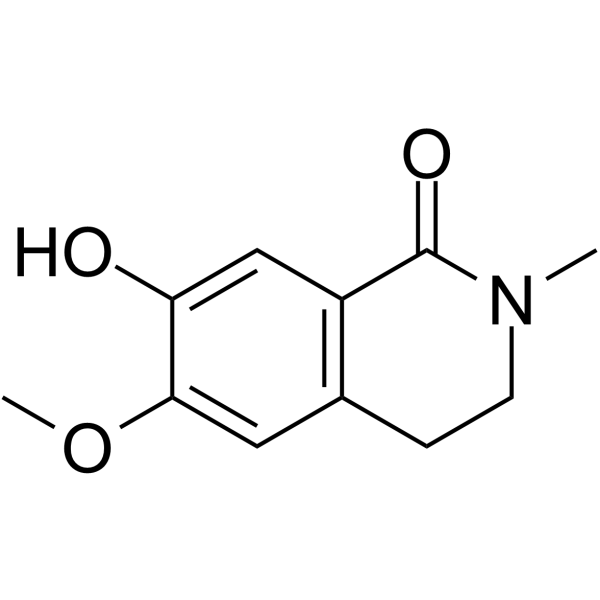
    Thalifoline is an isoquinoline alkaloid. Thalifoline exerts cytotoxic effects on cancer cells. Thalifoline inhibits the growth of Fusarium oxysporum f. sp. lycopersici. Thalifoline can be used in research related to lung adenocarcinoma, colon cancer, oral epidermoid carcinoma, and fungal infections .
    Thalifoline
  • HY-N10631

    Endogenous Metabolite Infection Inflammation/Immunology Cancer
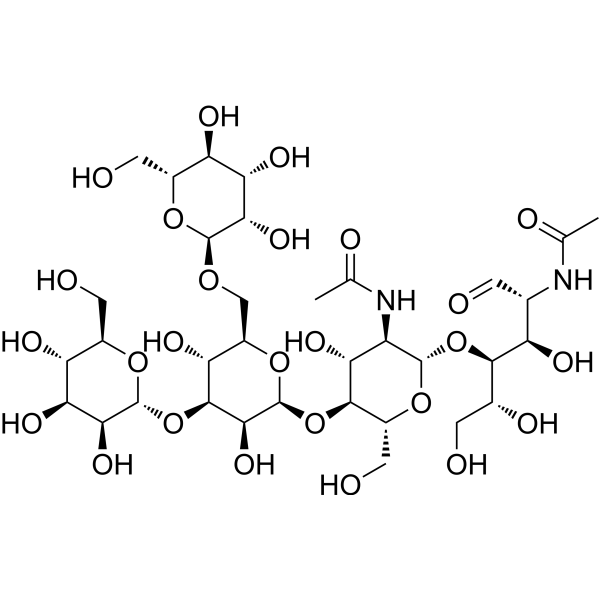
    Paucimannose is a mannosidic N-glycan epitope. It acts as a carcinoembryonic antigen, and a marker for cancer, stem cell properties and inflammation. Paucimannose mainly exists in plants and invertebrates. It consists of oligomannose-type N-glycans that preferentially bind to mannose-binding lectin. Paucimannose localizes on the surface of resting cells and translocates upon cell activation. It can be used in studies related to Pseudomonas aeruginosa infection, cancer and pancreatitis .
    Paucimannose
  • HY-W096169D

    Biochemical Assay Reagents Drug Intermediate Cancer
    Platinum is a metallic element, and its complexes act as orally active anticancer agents. Platinum-based complexes used for tumors include Cisplatin (HY-17394), Carboplatin (HY-17393), and Oxaliplatin (HY-17371) .
    Platinum
  • HY-N10203

    Endogenous Metabolite Cancer
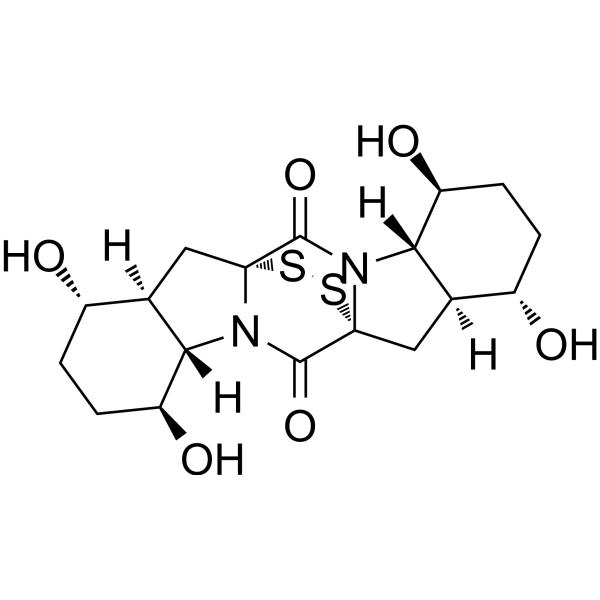
    Rostratin A is a cytotoxic disulfide found in the marine-derived fungus Exserohilum rostratum. Rostratin A shows in vitro cytotoxicity against human colon carcinoma (HCT-116) with an IC50 of 8.5 μg/mL .
    Rostratin A
  • HY-114247

    D-FMAU

    Nucleoside Antimetabolite/Analog Infection Cancer
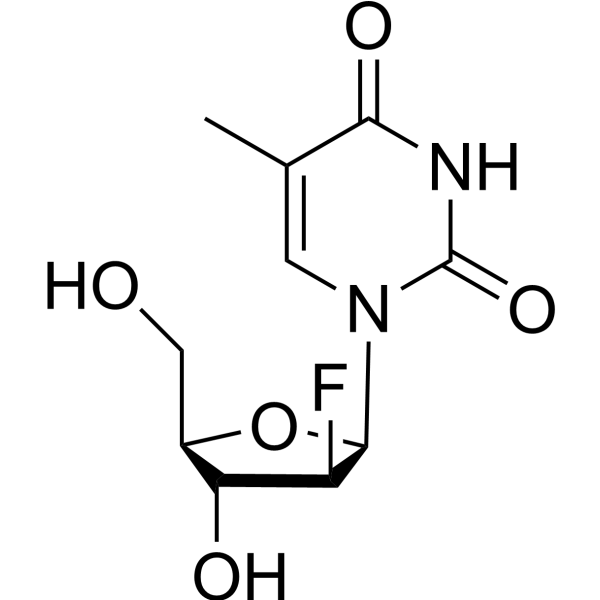
    FMAU is a nucleoside analog and cell proliferation marker that can be phosphorylated by human thymidine kinase and subsequently incorporated into DNA. FMAU is applicable to research related to herpes simplex virus infection, various cancers, hepatitis B virus infection, and Epstein-Barr virus infection .
    FMAU
  • HY-N10158

    Drug Derivative Cancer
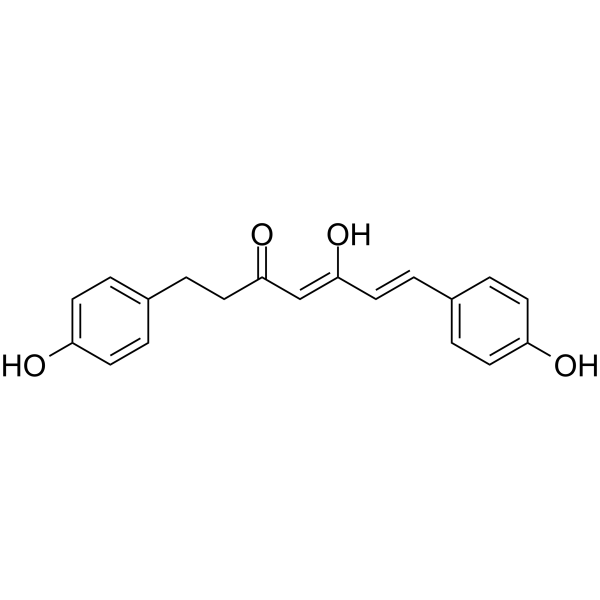
    1,7-Bis(4-hydroxyphenyl)-3-hydroxy-1,3-heptadien-5-one (compound 39), a diarylheptanoid, exhibits antiproliferative activity towards human HT-1080 fibrosarcoma and murine colon 26-L5 carcinoma cells .
    1,7-Bis(4-hydroxyphenyl)-3-hydroxy-1,3-heptadien-5-one
  • HY-N10985

    Drug Derivative Cancer
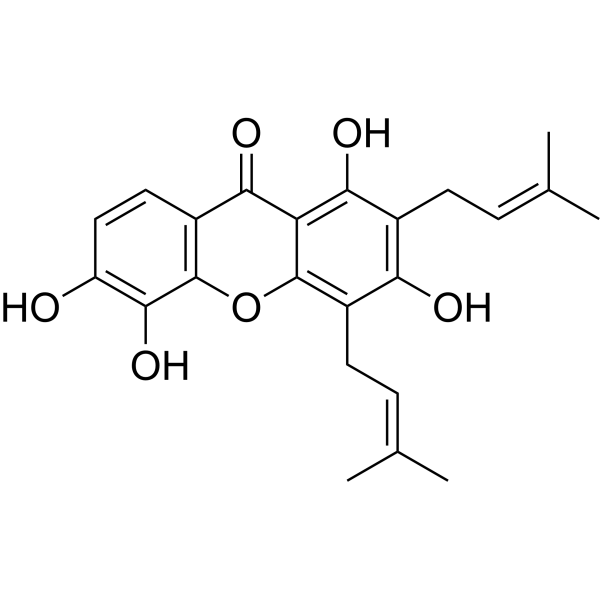
    Xanthone V1a, a derivative of Xanthone (HY-N0126), is an antioxidant that can be found in the roots of Cudrania tricuspidata and twig extracts of Maclura fruticosa. Xanthone V1a exerts cytotoxic effects against colon, hepatocellular, and gastric carcinoma cells. Xanthone V1a exhibits scavenging activitys against DPPH and ABTS. Xanthone V1a can be used for the research of colon carcinoma, hepatocellular carcinoma, and gastric carcinoma .
    Xanthone V1a
  • HY-W854385A
    Sialyl Lewis A sodium
    1 Publications Verification

    SLeA sodium

    Biochemical Assay Reagents Cancer
    Sialyl Lewis A (SLeA) sodium is a tumor-associated carbohydrate antigen, also known as carbohydrate antigen 19-9 (CA19-9), that binds to E-selectin (ELAM-1) and selectins to mediate cell-endothelium adhesion. Sialyl Lewis A sodium promotes cancer cell-vascular endothelium adhesion, and its surface presence correlates with increased tumorigenicity and invasiveness in cancer cells. Sialyl Lewis A sodium shows elevated expression in human adenocarcinomas of the colon, pancreas, and stomach, with expression levels linked to tumor progression and poor prognosis in colorectal and gastric carcinomas. Sialyl Lewis A sodium can be used for the research of cancers, such as colon, pancreas, stomach, and squamous lung cancer .
    Sialyl Lewis A sodium
  • HY-W854385

    SLeA

    Biochemical Assay Reagents E-Selectin Cancer
    Sialyl Lewis A (SLeA) is a tumor-associated carbohydrate antigen, also known as carbohydrate antigen 19-9 (CA19-9), that binds to E-selectin (ELAM-1) and selectins to mediate cell-endothelium adhesion. Sialyl Lewis A promotes cancer cell-vascular endothelium adhesion, and its surface presence correlates with increased tumorigenicity and invasiveness in cancer cells. Sialyl Lewis A shows elevated expression in human adenocarcinomas of the colon, pancreas, and stomach, with expression levels linked to tumor progression and poor prognosis in colorectal and gastric carcinomas. Sialyl Lewis A can be used for the research of cancers, such as colon, pancreas, stomach, and squamous lung cancer .
    Sialyl Lewis A
  • HY-129247

    MDM-2/p53 Aryl Hydrocarbon Receptor Cytochrome P450 Cancer
    Versicolorin A is a biosynthetic precursor of Aflatoxin B1 (HY-N6615). Versicolorin A induces phosphorylation of p53. Versicolorin A activates the aryl hydrocarbon receptor AhR and significantly induces the expression of CYP1A1. Versicolorin A exerts genotoxic and cytotoxic effects. Versicolorin A enhances the genotoxicity of aflatoxin B1 in cells by promoting CYP450-mediated bioactivation of aflatoxin B1. Versicolorin A can be used in research related to colorectal cancer and hepatocellular carcinoma .
    Versicolorin A
  • HY-W778423

    Dihydroxy Oxaliplatin-Pt(IV)

    Drug Intermediate Cancer
    [Pt(DACH)(OH)2(ox)] is a Pt(IV) derivative of Oxaliplatin (HY-17371) with two axial hydroxido ligands, used as a precursor for synthesizing Pt(IV)-HDAC inhibitor prodrugs. [Pt(DACH)(OH)2(ox)] exerts cytotoxic activity against human cancer cells and accumulates in cancer cells for nuclear internalization and nuclear DNA platination. [Pt(DACH)(OH)2(ox)] can be used for the research of lung carcinoma, breast carcinoma, pancreatic carcinoma, colon carcinoma .
    [Pt(DACH)(OH)2(ox)]
  • HY-121278

    Benzotriptum

    Cholecystokinin Receptor Inflammation/Immunology Cancer
    Benzotript (Benzotriptum) is a cholecystokinin-receptor (CCK) and gastrin receptor antagonist. Benzotript shows antiproliferative effects in human colon carcinoma cell lines .
    Benzotript
  • HY-P990850

    c-Myc Cancer
    Anti-c-myc Antibody (9E10) is a kind of mouse IgG1 chimeric antibody, targeting to human c-myc. Anti-c-myc Antibody (9E10) reacts with human c-myc, which is over-expressing in several types of human cancers including lung, breast and colon carcinomas. Anti-c-myc Antibody (9E10) can be can be used for the detections of western blot, ELISA, immunoprecipitation and flow cytometry .
    Anti-c-myc Antibody (9E10)
  • HY-N11048

    Bacterial Infection Cancer
    Amycolatopsin A is a 20-membered macrolide, that can be isolated from a strain of the rare actinomycete Amycolatopsis sp. MST‐108494. Amycolatopsin A shows antimycobacterial activity against Mycobacterium bovis (BCG) and M. tuberculosis (H37Rv) with IC50 values of 0.4 µM and 4.4 µM, respectively .
    Amycolatopsin A
  • HY-121352

    Drug Derivative Cancer
    Kibdelone C is a hexacyclic tetrahydroxanthone natural product and anticancer agent with sub-nanomolar GI50 activity against human SR leukemia and SN12C renal carcinoma cell lines. Kibdelone C disrupts the actin cytoskeleton in human cancer cells, leading to cell contraction and actin stress fiber formation, without direct actin binding, actin polymerization effects, topoisomerase I/II inhibition, or DNA binding. Kibdelone C can be used for the research of leukemia, and renal cell carcinoma .
    Kibdelone C
  • HY-N1511R

    Reference Standards Sirtuin Apoptosis Cancer
    Ganoderic acid D (Standard) is the analytical standard of Ganoderic acid D. This product is intended for research and analytical applications. Ganoderic acid D, a highly oxygenated tetracyclic triterpenoid, is the major active component of Ganoderma lucidum. Ganoderic acid D upregulates the protein expression of SIRT3 and induces the deacetylated cyclophilin D (CypD) by SIRT3. Ganoderic acid D inhibits the energy reprogramming of colon cancer cells including glucose uptake, lactate production, pyruvate and acetyl-coenzyme production in colon cancer cells . Ganoderic acid D induces HeLa human cervical carcinoma apoptosis .
    Ganoderic acid D (Standard)
  • HY-N11982

    Bacterial Infection Cancer
    Emeguisin A is a depsidone with an antibacterial activity. Emeguisin A inhibits the human colon carcinoma (HCT-116) cell viability with rate of 87.06% .
    Emeguisin A
  • HY-N10204

    Endogenous Metabolite Cancer
    Rostratin B, a cytotoxic disulfide, shows in vitro cytotoxicity against human colon carcinoma (HCT-116) with IC50 of 1.9 μg/mL .
    Rostratin B
  • HY-N10205

    Endogenous Metabolite Cancer
    Rostratin C, a cytotoxic disulfide, shows in vitro cytotoxicity against human colon carcinoma (HCT-116) with IC50 value of 0.76μg /mL .
    Rostratin C
  • HY-N3215

    Others Others
    Nagilactone C is a diterpene dilactone compound isolated from Podocarpus neriifolius. Nagilactone C has potent antiproliferative activity against human fibrosarcoma and murine colon carcinoma tumor cell lines .
    Nagilactone C
  • HY-147852

    Raf Cancer
    B-Raf IN 7 (compound 6a) is a potent B-Raf inhibitor, with an IC50 of 110.23 nM. B-Raf IN 7 exhibits antitumor activity against colon carcinoma (HCT-116), mammary gland (MCF-7), hepatocellular carcinoma (HEPG-2), human cervical carcinoma (Hela) and human prostate cancer (PC-3) cells, with IC50 values of 7.50, 9.87, 10.57, 11.63 and 12.83 µM .
    B-Raf IN 7
  • HY-147853

    Raf Cancer
    B-Raf IN 8 (compound 7g) is a potent B-Raf inhibitor, with an IC50 of 70.65 nM. B-Raf IN 8 exhibits antitumor activity against hepatocellular carcinoma (HEPG-2), colon carcinoma (HCT-116), mammary gland (MCF-7) and human prostate cancer (PC-3) cells, with IC50 values of 9.78, 13.78, 18.52 and 29.85 µM .
    B-Raf IN 8
  • HY-171906

    1-Arachidonoyl-sn-glycerol 3-phosphate; 1-Arachidonoyl LPA; LPA (20:4)

    LPL Receptor Inflammation/Immunology
    1-Arachidonoyl-2-hydroxy-sn-glycero-3-PA is a phospholipid containing arachidonic acid at the sn-1 position. It is a precursor to 1-arachidonoyl glycerol (1-Monoarachidin; HY-130567) . 1-Arachidonoyl-2-hydroxy-sn-glycero-3-PA binds to the LPA2/EDG4 receptor with an EC50 value of approximately 10 nM . It prevents TNF-α and IL-6 secretion in wild-type but not Lpa2-/- dendritic cells stimulated by LPS . It also decreases differentiation of HT-29 human colon carcinoma cells to goblet cells in the presence of sodium butyrate .
    1-Arachidonoyl-2-hydroxy-sn-glycero-3-PA
  • HY-108693R

    Leukotriene Receptor Reference Standards Apoptosis Inflammation/Immunology
    β-Tocotrienol (Standard) is the analytical standard of β-Tocotrienol. This product is intended for research and analytical applications. β-Tocotrienol is an isomer of vitamin E. β-Tocotrienol is a less potent antioxidant than α-tocotrienol. β-Tocotrienol can be found in the tocotrienol-rich fraction (TRF) of palm oil, which possesses anti-carcinogenic effects in vitro on human colon carcinoma and prostate cancer cells. β-Tocotrienol inhibits the growth of A549 (GI50 = 1.38 μM) and U87MG (GI50 = 2.53 μM) cells. β-Tocotrienol also induces apoptosis in cancer cells. β-Tocotrienol can inhibit PD-L1 expression and mitigates PD-L1-mediated immune suppression in vitro and in vivo .
    β-Tocotrienol (Standard)
  • HY-N3210

    Others Cancer
    Nb-Demethylechitamine is an alkaloid isolated from the methanol extract of Alstonia rostrata twigs. Nb-Demethylechitamine has in vitro cytotoxic activity against several human cancer cell lines, including human myeloid leukemia HL-60, liver cancer SMMC-7721, lung cancer A-549, breast cancer MCF-7, and colon cancer SW480 cells .
    Nb-Demethylechitamine
  • HY-182470

    CDK
    AG-012986 (dihydrochloride) is a pan-CDK inhibitor with Ki values of 44 nM (CDK1), 9.2 nM (CDK4), 94 nM (CDK2), and IC50 values of 22 nM (CDK5), 4 nM (CDK9). AG-012986 (dihydrochloride) causes apoptosis of T-cells by targeting upstream kinases in the p38 Mitogen-activated protein kinase (MAPK) pathway and impairing cellular survival. AG-012986 (dihydrochloride) induces cell cycle arrest, retinoblastoma protein hypophosphorylation, and reduces Ki-67 expression. AG-012986 (dihydrochloride) exerts antiproliferative activity in tumor cells, demonstrates antitumor efficacy in human xenograft models, and causes retinal and peripheral neurotoxicity, plus immune cell toxicity. AG-012986 (dihydrochloride) can be used for the research of colon carcinoma, non-small cell lung carcinoma, lung carcinoma, breast carcinoma, ovarian tumor, pancreatic carcinoma, osteosarcoma, lymphoma, leukemia, retinotoxicity .
    AG-012986 dihydrochloride
  • HY-124130

    Survivin Cancer
    MX106 is a survivin inhibitor and an analog of UC-112 (HY-12842). MX106 inhibits the expression of survivin both in vitro and in vivo. MX106 suppresses the proliferation of human melanoma cells, epidermoid carcinoma cells and colon cancer cells, and also exerts inhibitory effects on multidrug-resistant cell lines overexpressing P-glycoprotein .
    MX106
  • HY-183887

    PD-1/PD-L1 Cancer
    PD-L1-IN-11 is a PD-L1 inhibitor with human PD-L1 IC50 and KD of 27.82 μM and 49.50 μM, respectively. PD-L1-IN-11 directly binds to PD-L1 via a dimer-locking mechanism, occluding the PD-1 interaction surface to disrupt PD-1/PD-L1 interaction. PD-L1-IN-11 can be used for the research of melanoma, colon carcinoma .
    PD-L1-IN-11
  • HY-105368

    Drug Derivative Cancer
    KF 22678 is a thioester derivative of leinamycin. KF 22678 exhibits a broad antitumor spectrum against human carcinoma xenografts, including lung, colon, ovary, and prostate cancers. KF 22678 can be used for the study of cancer .
    KF 22678
  • HY-P991969

    EGFR Cancer
    LR004 is an EGFR monoclonal antibody, with a Kd of 2.80×10 -9 M against human EGFR. LR004 shows extremely weak inhibitory effect on the viability of EGFR-positive tumor cells in vitro, but inhibits the growth of EGFR-positive tumor xenografts as a single agent. LR004 is applicable to research related to advanced colorectal cancer, solid tumors, esophageal squamous cell carcinoma, epidermoid carcinoma, colon cancer and breast cancer .
    LR004
  • HY-181766

    EGFR VEGFR COX Microtubule/Tubulin Apoptosis Neurological Disease Cancer
    EGFR/VEGFR2-IN-11 is an EGFR/VEGFR2 inhibitor with IC50 values of 0.62 μM (human EGFR), 2.26 μM (human VEGFR-2), 17.38 μM (human COX-2), and 19.31 μM (human tubulin). EGFR/VEGFR2-IN-11 inhibits COX-2 activity and tubulin polymerization. EGFR/VEGFR2-IN-11 induces cell cycle arrest and apoptosis. EGFR/VEGFR2-IN-11 exerts selective and antiproliferative activity against human cancer cells. EGFR/VEGFR2-IN-11 can be used for the research of colon carcinoma, breast carcinoma, leukemia, lymphoma, glioblastoma .
    EGFR/VEGFR2-IN-11
  • HY-100549R

    DNA/RNA Synthesis Reference Standards Apoptosis Cancer
    (S)-Crizotinib (Standard) is the analytical standard of (S)-Crizotinib (HY-100549). This product is intended for research and analytical applications. (S)-Crizotinib is a potent and selective MTH1 (mutT homologue) inhibitor with an IC50 of 330 nM. (S)-Crizotinib disrupts nucleotide pool homeostasis via MTH1 inhibition, induces an increase in DNA single strand breaks, activates DNA repair in human colon carcinoma cells, and effectively suppresses tumour growth in animal models .
    (S)-Crizotinib (Standard)
  • HY-181667

    Phosphodiesterase (PDE) Cancer
    Enpp-1-IN-30 (compound 44a) is an orally active ENPP1 inhibitor with a human IC50 of 13.1 nM. Enpp-1-IN-30 prevents cGAMP degradation, activates the STING pathway. Enpp-1-IN-30 induces cytokine release to enhance innate immune response. Enpp-1-IN-30 exerts antitumor efficacy in syngeneic mouse models. Enpp-1-IN-30 can be used for the research of colon carcinoma .
    Enpp-1-IN-30
  • HY-159803

    6-O-(3-Ethoxypropionyl)-3',4'-O-exo-benzylidenechartreusin

    Endogenous Metabolite Cancer
    IST-622 (6-O-(3-Ethoxypropionyl)-3',4'-O-exo-benzylidenechartreusin) is an anti-tumor agent with significant growth inhibitory activity. IST-622 exhibits significant anti-tumor effects against a variety of mouse tumors such as P388 and L1210 leukemias, B16 melanoma, Lewis lung carcinoma, Colon 26 and Colon 38 adenocarcinomas, and M5076 reticulum cell sarcoma. IST-622 was orally administered and the results showed efficacy in different tumor types. In addition, IST-622 provided significant inhibitory effects against two human tumor xenograft models: large cell lung carcinoma (Lu-116) and gastric adenocarcinoma (St-4). IST-622 also exhibited significant growth inhibitory activity against P388 leukemia in vitro, with a half inhibitory concentration (IC50) more than 20 times lower than CT .
    IST-622
  • HY-183597

    Drug Derivative Cancer
    L-BPA-BPA is an aromatic dipeptide and an analog of L-BPA (HY-W087830). L-BPA-BPA undergoes rapid hydrolytic cleavage in vivo to release the boron neutron capture agent L-BPA. L-BPA-BPA enables boron delivery to tumors; when used in combination with neutron irradiation, it also induces immunological effects including vaccine responses and abscopal tumor suppression. L-BPA-BPA can be used in the research of colon cancer and hypopharyngeal cancer .
    L-BPA-BPA
  • HY-W787758

    4-yn-VPA

    HDAC P-glycoprotein Neurological Disease Cancer
    2-Propylpent-4-ynoic acid (4-yn-VPA) is a HDAC inhibitor (with an IC50 of 0.5 mM against human HDAC). 2-Propylpent-4-ynoic acid also induces P-glycoprotein function, and exhibits teratogenicity, fetal growth inhibition and neurotoxicity. 2-Propylpent-4-ynoic acid shows significant stereospecific teratogenic effects, with the S-enantiomer being more teratogenic than the R-enantiomer and other analogs. The neurotoxicity of 2-Propylpent-4-ynoic acid is independent of its stereochemical structure. 2-Propylpent-4-ynoic acid has been used in studies related to the pathogenesis of colon cancer and neural tube defects such as exencephaly .
    2-Propylpent-4-ynoic acid
  • HY-183922

    PI3K Epigenetic Reader Domain Cancer
    SRX3212 is a potent PI3Kα/BRD4 inhibitor with human IC50 values of 22 nM, 3.7 nM, and 32 nM for PI3Kα, BRD4BD1, and BRD4BD2, respectively. SRX3212 inhibits PI3K kinase activity and blocks acetyllysine binding function of BRD4BD1 and BRD4BD2. SRX3212 can be used for the research of mantle cell lymphoma, colon carcinoma, neuroblastoma, prostate cancer[1].
    SRX3212
  • HY-183877

    MDM-2/p53 Apoptosis Inflammation/Immunology Cancer
    YO-2 is a plasmin inhibitor and TP53 upregulator with anti-tumor and apoptosis-inducing activities. YO-2 upregulates the expression of TP53 and the tumor-suppressive miR-103/107, downregulates LRP1, and induces cellular DNA fragmentation and caspase cascade activation. YO-2 effectively blocks the growth of melanoma. YO-2 has been widely used in studies related to melanoma and colon cancer .
    YO-2
  • HY-N18086

    Others Cancer
    Bruceanic acid D is a quassinoid compound and cytotoxic agent that can be isolated from the xylem powder of Brucea antidysenterica. Bruceanic acid D specifically inhibits P-388 lymphocytic leukemia cells but shows no activity against human lung cancer cells and human colon cancer cells. Bruceanic acid D can be used in studies related to P-388 lymphocytic leukemia .
    Bruceanic acid D
  • HY-N19853

    Drug Derivative Cancer
    Mangiferonic acid is a triterpenoid found in the stems of Vatica diospyroides. Mangiferonic acid can be used for cancer research .
    Mangiferonic acid

Inquiry Online

Your information is safe with us. * Required Fields.

Salutation


Country or Region *

Applicant Name *


Organization Name *

Department *


Email Address *


Product Name *

Cat. No.


Requested quantity *

Phone Number *


Remarks

Inquiry Online

Inquiry Information

Product Name:
Cat. No.:
Quantity:
MCE Japan Authorized Agent:

