


183 Results for "

human hepatocellular carcinoma

" in MedChemExpress (MCE) Product Catalog:
Products (183)

183 Results for "human hepatocellular carcinoma" in MCE Product Catalog:

9
9 Cited Publications
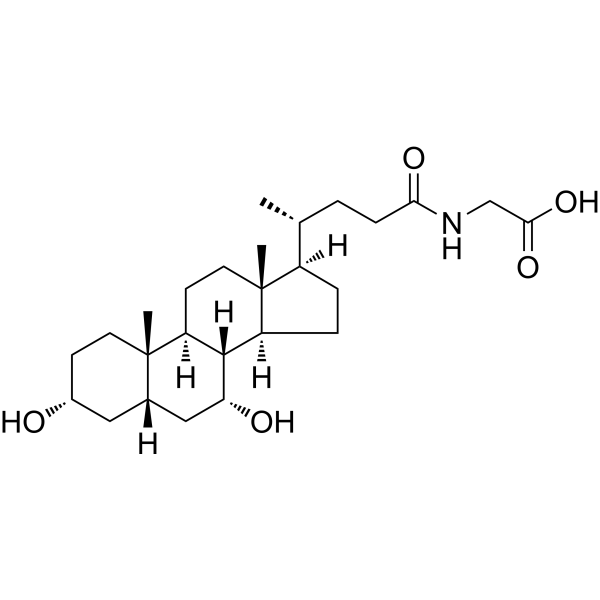
Cat. No.: HY-N2334
CAS No.: 640-79-9
Synonyms: Chenodeoxycholylglycine
Glycochenodeoxycholic acid (Chenodeoxycholylglycine) is a relatively toxic bile salt generated in the liver from chenodeoxycholic acid and glycine. Glycochenodeoxycholic acid inhibits Autophagosome formation and impairs lysosomal function by inhibiting lysosomal proteolysis and increasing lysosomal pH in human normal liver cells, leading to the Apoptosis of human hepatocyte cells. Glycochenodeoxycholic acid induces stemness and chemoresistance via activating STAT3 signaling pathway in hepatocellular carcinoma cells (HCC). Glycochenodeoxycholic acid is promising for research in the field of cholestasis desease, hepatocellular carcinoma and primary sclerosing cholangitis (PSC) .
loading...
    loading...
9
9 Cited Publications
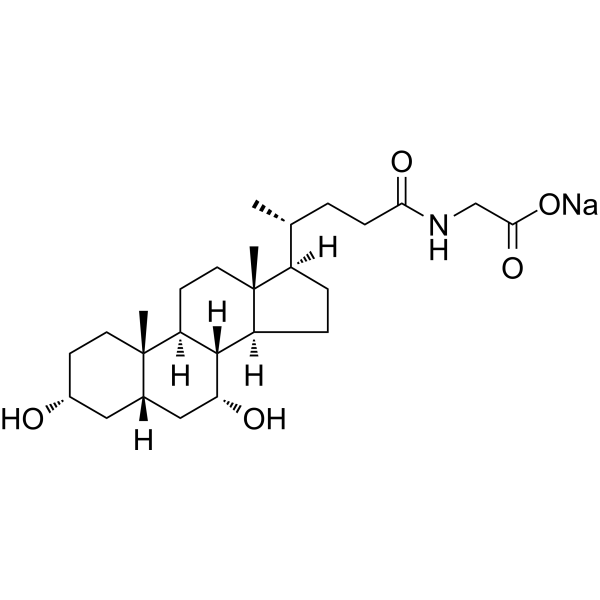
Cat. No.: HY-N2334A
CAS No.: 16564-43-5
Synonyms: Chenodeoxycholylglycine sodium salt; Sodium glycochenodeoxycholate
Glycochenodeoxycholic acid sodium salt (Sodium glycochenodeoxycholate) is a relatively toxic bile salt generated in the liver from chenodeoxycholic acid and glycine. Glycochenodeoxycholic acid sodium salt inhibits Autophagosome formation and impairs lysosomal function by inhibiting lysosomal proteolysis and increasing lysosomal pH in human normal liver cells, leading to the Apoptosis of human hepatocyte cells. Glycochenodeoxycholic acid sodium salt induces stemness and chemoresistance via activating STAT3 signaling pathway in hepatocellular carcinoma cells (HCC). Glycochenodeoxycholic acid sodium salt is promising for research in the field of cholestasis desease, hepatocellular carcinoma and primary sclerosing cholangitis (PSC) .
loading...
    loading...
9
9 Cited Publications
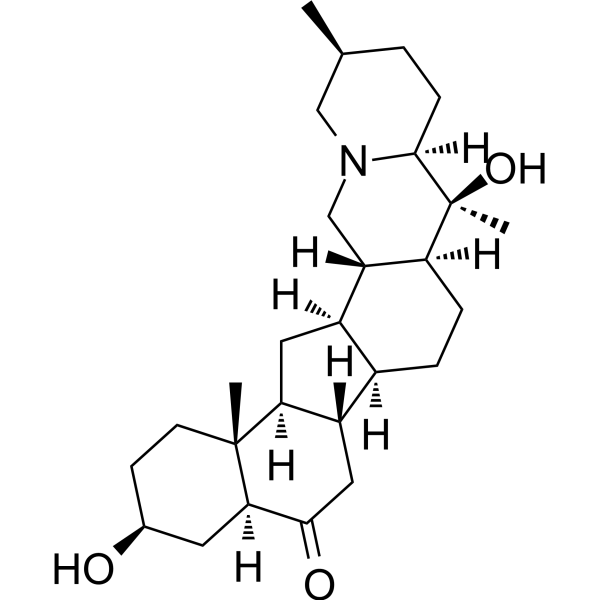
Cat. No.: HY-N0213
CAS No.: 18059-10-4
Synonyms: Verticinone; Raddeanine
Peiminine is a compound that can be isolated from Bolbostemma paniculatum (Maxim) Franquet (Cucurbitaceae family). Peiminine can induce apoptosis in human hepatocellular carcinoma HepG2 cells through both extrinsic and intrinsic apoptotic pathways. Peiminine has anti-inflammatory, anticancer, anti-osteoporosis, cardioprotective and other activities in many animal models .
loading...
    loading...
6
6 Cited Publications
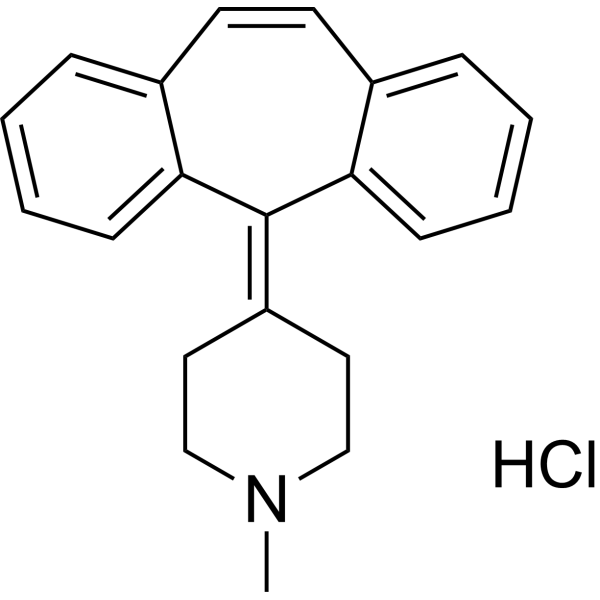
Cat. No.: HY-B0366A
CAS No.: 969-33-5
Synonyms: Cyproheptadine HCl
Cyproheptadine hydrochloride (Cyproheptadine HCl) acts as a p38 MAP kinase activator, CHK2 activator, histamine H1 receptor inhibitor and serotonin receptor inhibitor. Cyproheptadine hydrochloride mediates cell cycle arrest via G1 phase arrest, G1/S transition arrest, G0/G1 phase arrest, reduced expression of cyclins D1/D2/D3, upregulated expression of HBP1, p16, p21, p27, and decreased phosphorylation of retinoblastoma protein. Cyproheptadine hydrochloride induces Apoptosis by increasing PARP and cleaved PARP, as well as activating the mitochondrial caspase pathway. Cyproheptadine hydrochloride inhibits tumor growth with extremely low toxicity to normal cells. Cyproheptadine hydrochloride can be used in research related to hepatocellular carcinoma, multiple myeloma and acute myeloid leukemia .
loading...
    loading...
6
6 Cited Publications
Cat. No.: HY-B1165
CAS No.: 41354-29-4
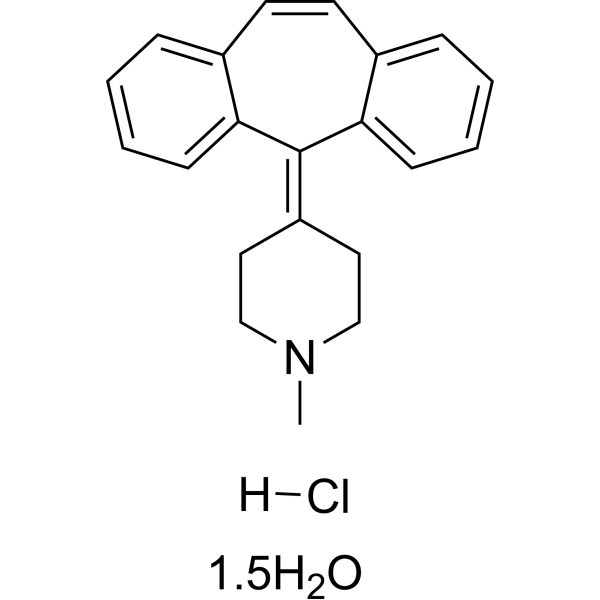
Cyproheptadine hydrochloride sesquihydrate acts as a p38 MAP kinase activator, CHK2 activator, histamine H1 receptor inhibitor and serotonin receptor inhibitor. Cyproheptadine hydrochloride sesquihydrate mediates cell cycle arrest via G1 phase arrest, G1/S transition arrest, G0/G1 phase arrest, reduced expression of cyclins D1/D2/D3, upregulated expression of HBP1, p16, p21, p27, and decreased phosphorylation of retinoblastoma protein. Cyproheptadine hydrochloride sesquihydrate induces Apoptosis by increasing PARP and cleaved PARP, as well as activating the mitochondrial caspase pathway. Cyproheptadine hydrochloride sesquihydrate inhibits tumor growth with extremely low toxicity to normal cells. Cyproheptadine hydrochloride sesquihydrate can be used in research related to hepatocellular carcinoma, multiple myeloma and acute myeloid leukemia .
loading...
    loading...
6
6 Cited Publications
Cat. No.: HY-B1622
CAS No.: 129-03-3
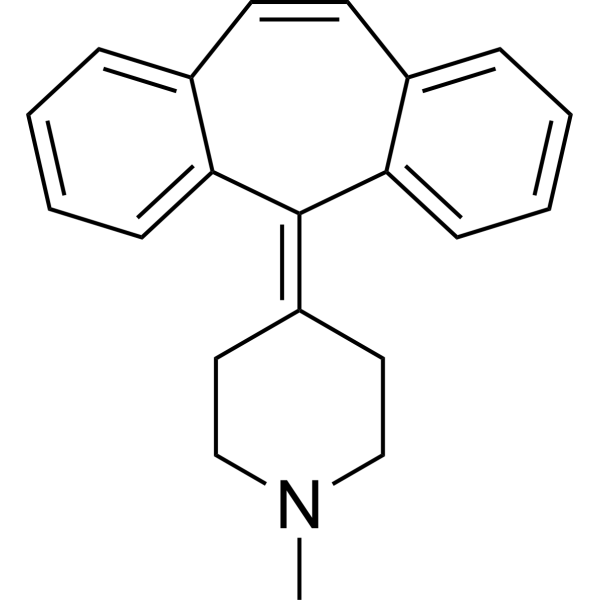
Cyproheptadine acts as a p38 MAP kinase activator, CHK2 activator, histamine H1 receptor inhibitor and serotonin receptor inhibitor. Cyproheptadine mediates cell cycle arrest via G1 phase arrest, G1/S transition arrest, G0/G1 phase arrest, reduced expression of cyclins D1/D2/D3, upregulated expression of HBP1, p16, p21, p27, and decreased phosphorylation of retinoblastoma protein. Cyproheptadine induces Apoptosis by increasing PARP and cleaved PARP, as well as activating the mitochondrial caspase pathway. Cyproheptadine inhibits tumor growth with extremely low toxicity to normal cells. Cyproheptadine can be used in research related to hepatocellular carcinoma, multiple myeloma and acute myeloid leukemia .
loading...
    loading...
4
4 Cited Publications
Cat. No.: HY-N0876
CAS No.: 464-74-4
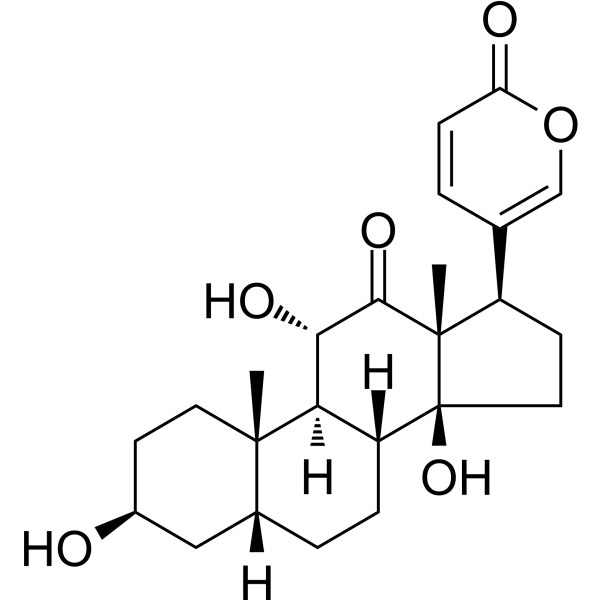
Arenobufagin is a natural bufadienolide that can be extracted from toad venom. Arenobufagin can induce apoptosis and autophagy in human hepatocellular carcinoma cells through inhibition of PI3K/Akt/mTOR pathway. Arenobufagin has potent antineoplastic activity against HCC HepG2 cells as well as corresponding multidrug-resistant HepG2/ADM cells. Arenobufagin can inhibit VEGF-mediated angiogenesis through suppression of VEGFR-2 signaling pathway .
loading...
    loading...
3
3 Cited Publications
Cat. No.: HY-116705
CAS No.: 70763-62-1
Purity:  99.99%
Target:  

Glycosyltransferase

Research Areas:  

Cancer

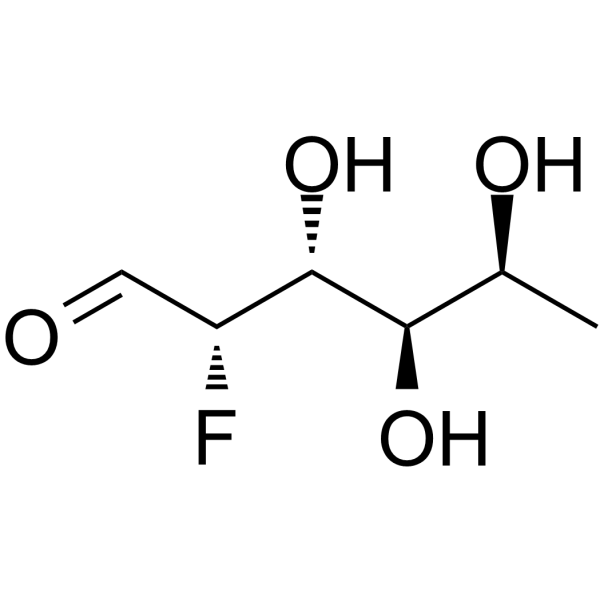
2-Deoxy-2-fluoro-L-fucose, an L-fucose analog, is a fucosylation inhibitor. 2-Deoxy-2-fluoro-L-fucose inhibits de novo synthesis of GDP-fucose in mammalian cells. Fucosylation is a relatively well-defined biomarker for progression in many human cancers; for example, pancreatic and hepatocellular carcinoma .
loading...
    loading...
2
2 Cited Publications
Cat. No.: HY-142684
CAS No.: 70205-50-4
Purity:  99.43%
Research Areas:  

Cancer

Pyruvate Carboxylase-IN-1 (compound 37) is a potent pyruvate carboxylase inhibitor with antiproliferative activity. The IC50 values ​​of pyruvate carboxylase-IN-1 against PC in cell lysates and cells are 0.204 and 0.104 μM, respectively .
loading...
    loading...
2
2 Cited Publications
Cat. No.: HY-P99353
CAS No.: 1463459-96-2
Synonyms: Anti-ACVRL1 / ALK-1 Reference Antibody (ascrinvacumab); PF-03446962; GT-90001C

Research Areas:  

Cancer

Ascrinvacumab (PF-03446962) is a human IgG2 monoclonal antibody targets ALK-1. Ascrinvacumab shows binding efficiency with human ALK1 with a Kd value of 7 nM. Ascrinvacumab can be used for the research of hepatocellular carcinoma (HCC) .
loading...
    loading...
2
2 Cited Publications
Cat. No.: HY-N0530
CAS No.: 12777-70-7
Synonyms: Dryocrassin
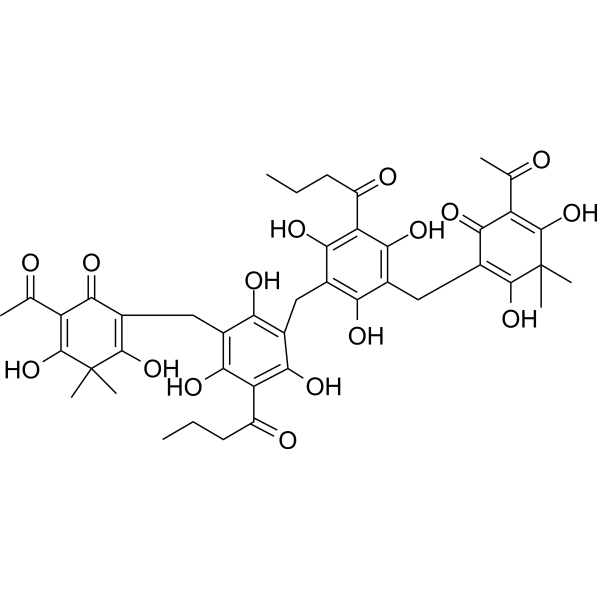
Dryocrassin ABBA (Dryocrassin) is an orally active phloroglucinol derivative that can be extracted from Phyllopteris officinalis. Dryocrassin ABBA has antitumor and antiviral activity. Dryocrassin ABBA induced apoptosis of human hepatocellular carcinoma cells through mitochondrial pathway mediated by Caspase .
loading...
    loading...
1
1 Cited Publications
Cat. No.: HY-P99013
CAS No.: 1365267-33-9
Synonyms: GC33; RO5137382
Target:  

Glycoprotein VI

Research Areas:  

Cancer

Codrituzumab (GC33) is a humanized monoclonal antibody targeting human GPC3 (glypican-3), with high affinity (Kd of 0.673 nM). GPC3 is an oncofetal protein expressed on the cell surface of hepatocellular carcinoma (HCC). Codrituzumab induces antibody-dependent cellular cytotoxicity (ADCC) and inhibits tumor growth .
loading...
    loading...
1
1 Cited Publications
Cat. No.: HY-W286743
CAS No.: 5746-04-3
Synonyms: CML; N6-(Carboxymethyl)-L-lysine; Nε-(1-Carboxymethyl)-L-lysine
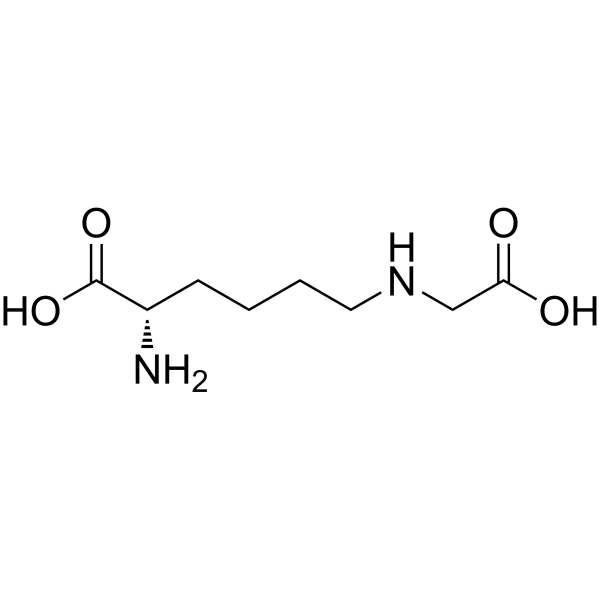
Nε-(Carboxymethyl)-L-lysine (CML) is an orally active advanced glycation end product. Nε-(Carboxymethyl)-L-lysine upregulates the expression of PLK1 and CEP20, and induces the activation of RAGE and ERK/NFκB. Nε-(Carboxymethyl)-L-lysine drives centrosome amplification. Nε-(Carboxymethyl)-L-lysine induces malignant transformation of hepatocytes and promotes the development of hepatocellular carcinoma. Nε-(Carboxymethyl)-L-lysine induces epithelial-mesenchymal transition in osteosarcoma cells and enhances their migration and invasion properties .
loading...
    loading...
1
1 Cited Publications
Cat. No.: HY-16728
CAS No.: 117928-94-6
Synonyms: GLYX-13
Target:  

iGluR ERK mTOR

Research Areas:  

Neurological Disease Cancer

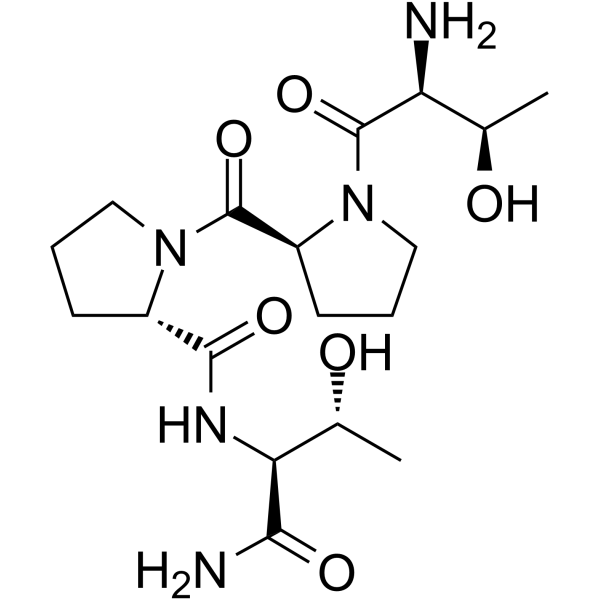
Rapastinel (GLYX-13) is a potent NMDAR modulator capable of crossing the blood-brain barrier, and it exhibits extremely high affinity for human NMDAR (EC50=0.0017-9.9 nM). Rapastinel enhances ERK signaling and activates the mTOR pathway, thereby upregulating the expression of BDNF and VGF, and inducing significant neuroplastic changes such as enhanced LTP and increased mature dendritic spine density in the hippocampus. Rapastinel moderately elevates the efflux of dopamine, norepinephrine and 5-HT in the prefrontal cortex, and uniquely avoids side effects of traditional antidepressants such as dissociation, addiction or sedation. Rapastinel is applicable to the research of major depressive disorder and hepatocellular carcinoma .
loading...
    loading...
1
1 Cited Publications
Cat. No.: HY-147785
CAS No.: 2543624-91-3
Research Areas:  

Cancer

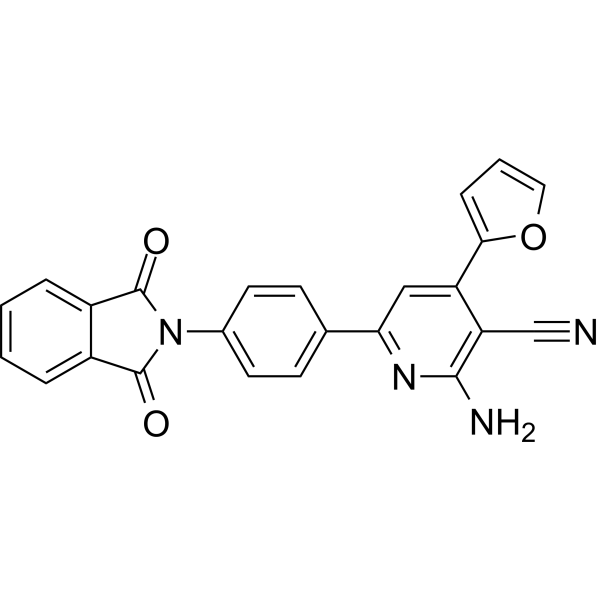
Pim-1 kinase inhibitor 2 is a PIM-1 kinase inhibitor with a human IC50 of 0.63 μM. Pim-1 kinase inhibitor 2 exhibits high selectivity for cancer cells over normal cells. Pim-1 kinase inhibitor 2 induces apoptosis, increases active caspase-3 levels, upregulates BAX, downregulates Bcl-2, and elevates the Bax/Bcl-2 ratio. Pim-1 kinase inhibitor 2 suppresses cancer cell proliferation and induces cell cycle arrest. Pim-1 kinase inhibitor 2 can be used for the research of prostate carcinoma, hepatocellular carcinoma, and breast adenocarcinoma .
loading...
    loading...
1
1 Cited Publications
Cat. No.: HY-13101
CAS No.: 1108147-88-1
Purity:  99.98%
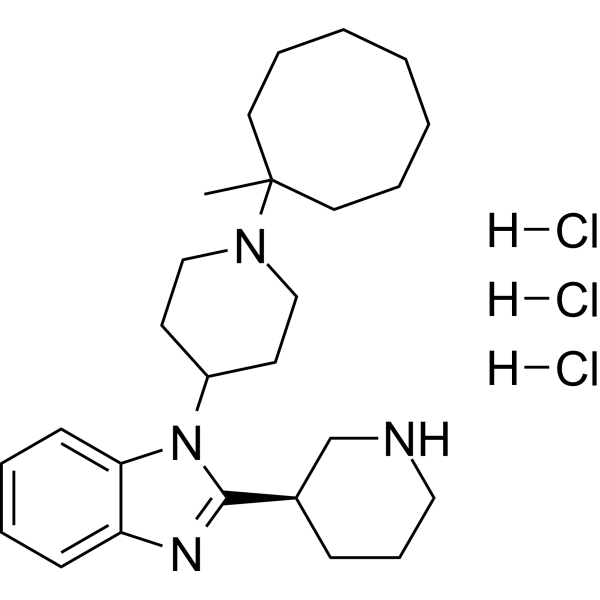
MCOPPB trihydrochloride is a NOP/ORL1 G protein-coupled receptor agonist and autophagy inhibitor that can cross the blood-brain barrier. MCOPPB trihydrochloride clears senescent cells, regulates locomotion, lipid storage and immune responses, and inhibits fibrosis and angiogenesis. MCOPPB trihydrochloride blocks autophagic flux, induces changes in locomotion and lipid storage, and activates the stress-responsive immune transcription network, thereby improving post-infarction cardiac function and exerting anxiolytic effects. MCOPPB trihydrochloride can be applied to research fields such as aging-related diseases and ischemic heart failure .
loading...
    loading...
1
1 Cited Publications
Cat. No.: HY-16728B
CAS No.: 1435786-04-1
Synonyms: GLYX-13 Trifluoroacetate
Target:  

iGluR mTOR ERK

Research Areas:  

Neurological Disease

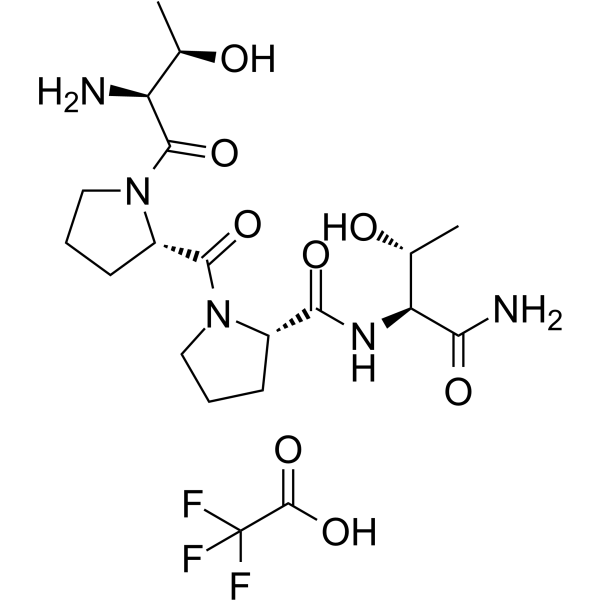
Rapastinel (GLYX-13) Trifluoroacetate is a potent NMDAR modulator capable of crossing the blood-brain barrier, and it exhibits extremely high affinity for human NMDAR (EC50=0.0017-9.9 nM). Rapastinel Trifluoroacetate enhances ERK signaling and activates the mTOR pathway, thereby upregulating the expression of BDNF and VGF, and inducing significant neuroplastic changes such as enhanced LTP and increased mature dendritic spine density in the hippocampus. Rapastinel Trifluoroacetate moderately elevates the efflux of dopamine, norepinephrine and 5-HT in the prefrontal cortex, and uniquely avoids side effects of traditional antidepressants such as dissociation, addiction or sedation. Rapastinel Trifluoroacetate is applicable to the research of major depressive disorder and hepatocellular carcinoma .
loading...
    loading...
1
1 Cited Publications
Cat. No.: HY-P990297

Target:  

CCR HIV

Anti-Mouse/Rat/Human CCL2/MCP-1 Antibody (2H5) is an anti-mouse/rat/human CCL2/MCP-1 IgG monoclonal antibody. Anti-Mouse/Rat/Human CCL2/MCP-1 Antibody (2H5) can reverse the immunosuppressive microenvironment by blocking the CCL2 signaling pathway. Anti-Mouse/Rat/Human CCL2/MCP-1 Antibody (2H5) can reduce the secretion of IFN-γ and the infiltration of macrophages. CCL2/MCP-1 Antibody (2H5) can reduce the amount of HIV virus by increasing the proportion of T cells. Anti-Mouse/Rat/Human CCL2/MCP-1 Antibody (2H5) can be used for researches on inflammation conditions, virus infection and cancer such as inflammatory bowel disease (IBD), hepatocellular carcinoma (HCC) and HIV .
loading...
    loading...
Cat. No.: HY-N8441
CAS No.: 466-07-9
Synonyms: 17β-Neriifolin
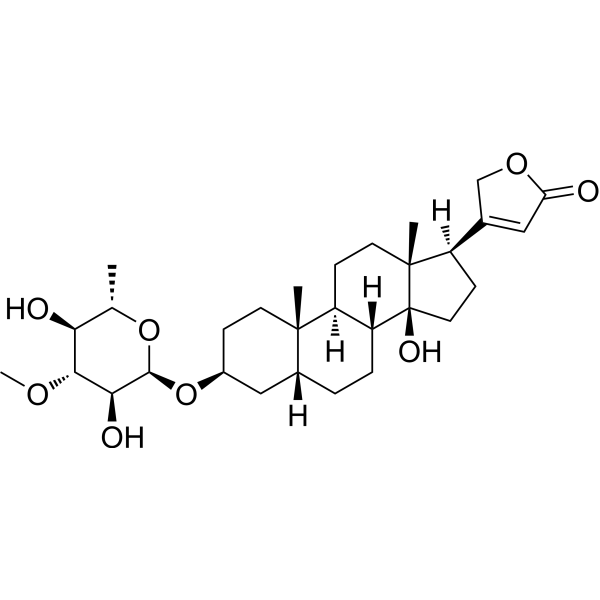
Neriifolin, a CNS-penetrating cardiac glycoside, is an inhibitor of the Na +, K +-ATPase. Neriifolin can target beclin 1, inhibits the formation of LC3-associated phagosomes and ameliorates experimental autoimmune encephalomyelitis (EAE) development. Neriifolin induces cell cycle arrest and apoptosis in human hepatocellular carcinoma HepG2 cells [2.
loading...
    loading...
Cat. No.: HY-P99159
CAS No.: 2128729-41-7

Target:  

Interleukin Related

Research Areas:  

Cancer

Ivuxolimab is a fully human IgG2 agonist targeting OX40 (CD134), which selectively binds to the OX40 receptor on the surface of activated CD4 + and CD8 + T cells without inducing antibody-dependent cytotoxicity. Ivuxolimab can promote T cell proliferation, survival and cytokine (such as IFN-γ, IL-2) secretion, inhibit regulatory T cell function, and enhance anti-tumor immune response. Ivuxolimab can be used in the study of melanoma, hepatocellular carcinoma, head and neck squamous cell carcinoma, etc .
loading...
    loading...

