
1. Search Result
Search Result
Results for "

human smooth muscle

" in MedChemExpress (MCE) Product Catalog:

84

Inhibitors & Agonists

2

Biochemical Assay Reagents

13

Peptides

3

Inhibitory Antibodies

7

Natural
Products

4

Recombinant Proteins

2

Isotope-Labeled Compounds

9

Antibodies

3

Oligonucleotides

Cat. No. 상품명 Target 연구분야 Chemical Structure
  • HY-13948
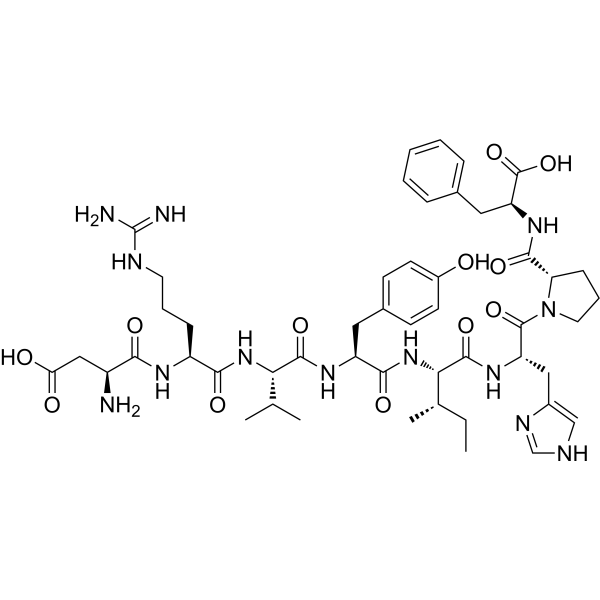
    Angiotensin II human
    Maximum Cited Publications
    222 Publications Verification

    Angiotensin II; Ang II; DRVYIHPF

    Angiotensin Receptor Apoptosis Cardiovascular Disease Infection Metabolic Disease Inflammation/Immunology Cancer
    Angiotensin II (Angiotensin II) is a vasoconstrictor and a major bioactive peptide of the renin/angiotensin system. Angiotensin II human plays a central role in regulating human blood pressure, which is mainly mediated by interactions between Angiotensin II and the G-protein-coupled receptors (GPCRs) Angiotensin II type 1 receptor (AT1R) and Angiotensin II type 2 receptor (AT2R). Angiotensin II human stimulates sympathetic nervous stimulation, increases aldosterone biosynthesis and renal actions. Angiotensin II human induces growth of vascular smooth muscle cells, increases collagen type I and III synthesis in fibroblasts, leading to thickening of the vascular wall and myocardium, and fibrosis. Angiotensin II human also induces apoptosis. Angiotensin II induces capillary formation from endothelial cells via the LOX-1 dependent redox-sensitive pathway .
    Angiotensin II human
  • HY-13948A
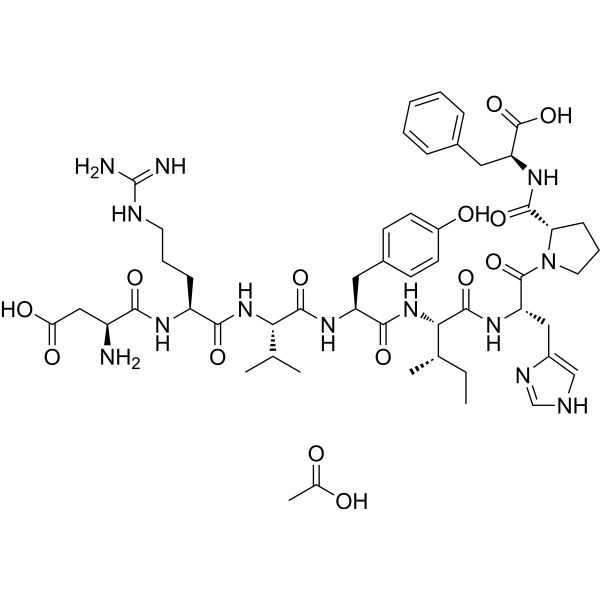
    Angiotensin II human acetate
    Maximum Cited Publications
    222 Publications Verification

    Angiotensin II acetate; Ang II acetate; DRVYIHPF acetate

    Angiotensin Receptor Apoptosis Cardiovascular Disease Infection Metabolic Disease Inflammation/Immunology Cancer
    Angiotensin II human (Angiotensin II) acetate is a vasoconstrictor and a major bioactive peptide of the renin/angiotensin system. Angiotensin II human acetate plays a central role in regulating human blood pressure, which is mainly mediated by interactions between Angiotensin II and the G-protein-coupled receptors (GPCRs) Angiotensin II type 1 receptor (AT1R) and Angiotensin II type 2 receptor (AT2R). Angiotensin II human acetate stimulates sympathetic nervous stimulation, increases aldosterone biosynthesis and renal actions. Angiotensin II human acetate induces growth of vascular smooth muscle cells, increases collagen type I and III synthesis in fibroblasts, leading to thickening of the vascular wall and myocardium, and fibrosis. Angiotensin II human acetate also induces apoptosis. Angiotensin II human acetate induces capillary formation from endothelial cells via the LOX-1 dependent redox-sensitive pathway .
    Angiotensin II human acetate
  • HY-P990688

    AMG-509

    CD3 Cancer
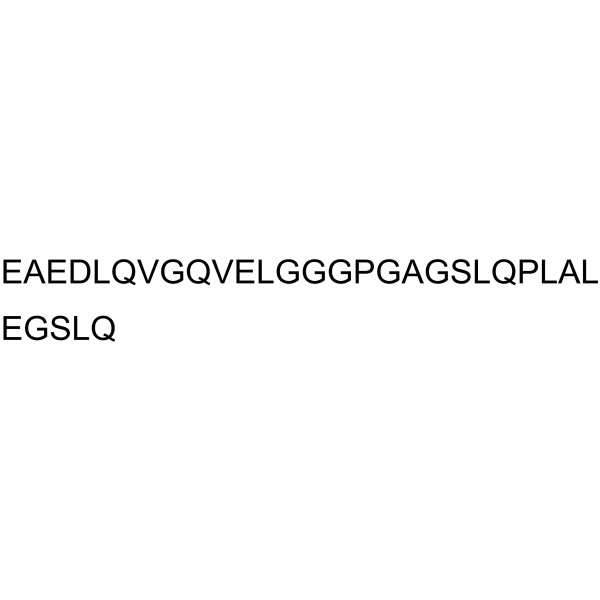
    Xaluritamig (AMG-509) is a bispecific T cell engager and cytolytic agent with a Kd of 27.6 nM for human CD3ε. Xaluritamig binds to CD3ε via an anti-CD3 single-chain variable fragment (scFv) domain, and to STEAP1 via a bispecific anti-STEAP1 antigen-binding fragment (Fab) domain, thereby recruiting and activating T cells and forming a bridge between T cells and STEAP1-expressing cancer cells. Xaluritamig induces T cell-mediated redirected cytotoxicity, tumor cell lysis, cytokine release, CD8 + T cell activation and expansion, as well as tumor stasis or regression. Xaluritamig contains an Fc domain with no effector function, which prolongs serum half-life, exhibits only minimal activity against cells with low STEAP1 expression and normal cells, and shows extremely low target-related off-tumor toxicity in cynomolgus monkeys. Xaluritamig is used in STEAP1×CD3 XmAb 2+1 immunotherapy and in research on metastatic castration-resistant prostate cancer and Ewing sarcoma .
    Xaluritamig
  • HY-12378
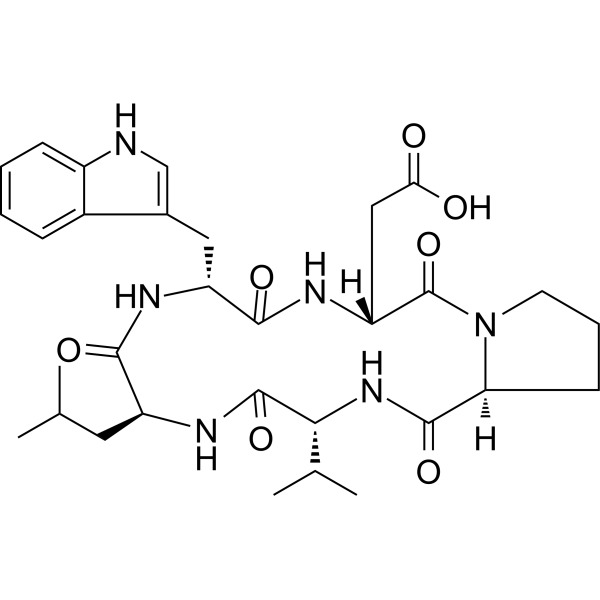
    BQ-123
    3 Publications Verification

    Endothelin Receptor Cardiovascular Disease
    BQ-123 is a potent and selective endothelin A (ETA) receptor antagonist with an IC50 of 7.3 nM and a Ki of 25 nM. BQ-123 inhibits endothelin-1-mediated proliferation of human pulmonary artery smooth muscle cells and lowers blood pressure in different rat models of hypertension .
    BQ-123
  • HY-P1856
    Proinsulin C-peptide (human)
    1 Publications Verification

    Insulin Receptor PDGFR MAPKAPK2 (MK2) Cardiovascular Disease Metabolic Disease Inflammation/Immunology
    Proinsulin C-peptide (human) is a peptide consisting of 31 amino acids that links the A and B chains of proinsulin to ensure its correct folding. Proinsulin C-peptide (human) inhibits the high glucose-induced increase in PDGF-β receptor protein expression and the phosphorylation of p42/p44 MAP kinase. Proinsulin C-peptide (human) increases the deformability of erythrocytes derived from type 1 diabetes, inhibits insulin-induced neointimal thickening, and suppresses the proliferation of rat aortic smooth muscle cells cultured under high-glucose conditions .
    Proinsulin C-peptide (human)
  • HY-B0010
    Formoterol fumarate
    5+ Cited Publications

    (±)Formoterol fumarate

    Adrenergic Receptor Inflammation/Immunology
    Formoterol fumarate ((±)Formoterol fumarate) is a selective β2-adrenoceptor agonist. Formoterol fumarate is at least as β2-adrenoceptor selective as Salbutamol (HY-B1037) and Terbutaline (HY-B0802A). Formoterol fumarate abolishs the contraction induced by Acetylcholine in bronchioles. Formoterol fumarate can be used for the research of chronic obstructive pulmonary disease and bronchial asthma .
    Formoterol fumarate
  • HY-B0549A

    Rec-7-0040; DW61

    Calcium Channel Adenosine Receptor mAChR Dopamine Receptor Adrenergic Receptor Cardiovascular Disease Infection Neurological Disease Cancer
    Flavoxate hydrochloride (Rec-7-0040; DW61) is an orally active L-type Ca 2+ channel inhibitor and antispasmodic. Flavoxate hydrochloride inhibits cyclic adenosine monophosphate production by blocking voltage-dependent inward Ba 2+ currents, regulating the brainstem micturition center, and stimulating G protein-coupled receptors. Consequently, Flavoxate hydrochloride induces relaxation of bladder smooth muscle and inhibits isovolumetric rhythmic contractions. Flavoxate hydrochloride effectively increases bladder capacity and alleviates symptoms of urgent urination frequency and pollakiuria caused by overactive bladder. Flavoxate hydrochloride can be used in research on overactive bladder and related voiding dysfunctions .
    Flavoxate hydrochloride
  • HY-N6031
    Dendrophenol
    3 Publications Verification

    Moscatilin

    NF-κB Apoptosis COX HIF/HIF Prolyl-Hydroxylase Wnt β-catenin JNK Cardiovascular Disease Inflammation/Immunology Cancer
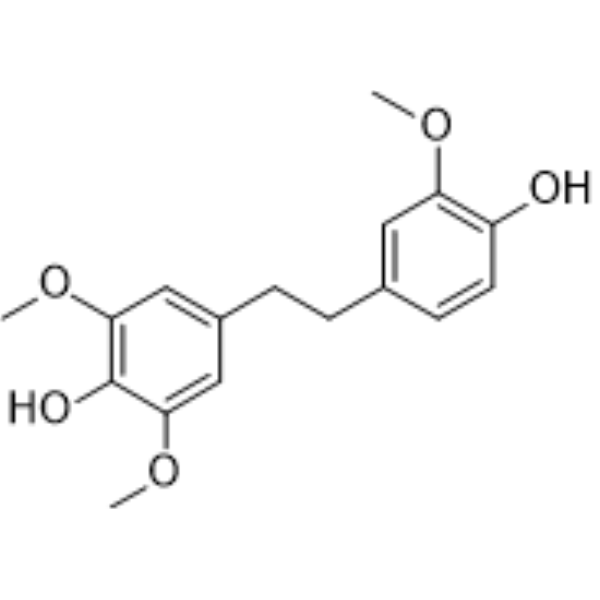
    Dendrophenol (Moscatilin) is a NF-κB inhibitor that inhibits inflammation. Dendrophenol exerts potent cytotoxic effect against tumor cells and induces cell cycle arrest and apoptosis. Dendrophenol has antitumor activity. In addition, Dendrophenol can inhibit vascular calcification by inhibiting the activation of WNT3/β-catenin .
    Dendrophenol
  • HY-W587488

    3′-AMP

    Nucleoside Antimetabolite/Analog Cyclic GMP-AMP Synthase Cancer
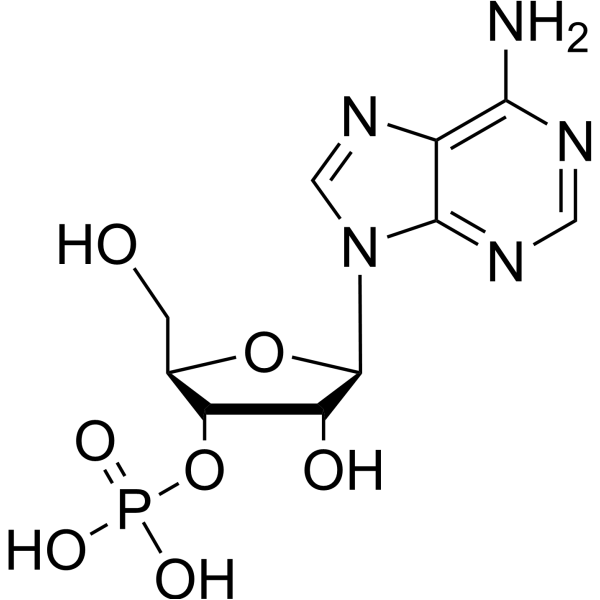
    Adenosine 3’-monophosphate (3’-AMP) is a nucleotide. Adenosine 3’-monophosphate is a cyclic AMP production agonist. Adenosine 3’-monophosphate increases cyclic AMP levels concentration-dependently in NG108-15 cells. Adenosine 3’-monophosphate can be used in the determination of acid phosphatase activity of human serum, which is estabilished as a laboratory procedure in the diagnosis of prostate cancer, metastatic mammary cancer and Gaucher’s disease. Adenosine 3’-monophosphate inhibits human aortic and coronary vascular smooth muscle cell proliferation via A2B receptors .
    Adenosine 3′-monophosphate
  • HY-13948B
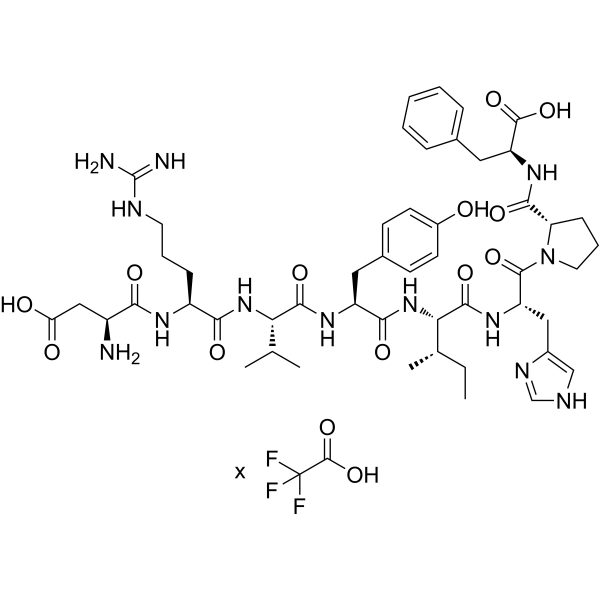
    Angiotensin II human TFA
    Maximum Cited Publications
    222 Publications Verification

    Angiotensin II TFA; Ang II TFA; DRVYIHPF TFA

    Angiotensin Receptor Apoptosis Cardiovascular Disease Metabolic Disease Cancer
    Angiotensin II human (Angiotensin II) TFA is a vasoconstrictor and a major bioactive peptide of the renin/angiotensin system. Angiotensin II human TFA plays a central role in regulating human blood pressure, which is mainly mediated by interactions between Angiotensin II and the G-protein-coupled receptors (GPCRs) Angiotensin II type 1 receptor (AT1R) and Angiotensin II type 2 receptor (AT2R). Angiotensin II human TFA stimulates sympathetic nervous stimulation, increases aldosterone biosynthesis and renal actions. Angiotensin II human TFA induces growth of vascular smooth muscle cells, increases collagen type I and III synthesis in fibroblasts, leading to thickening of the vascular wall and myocardium, and fibrosis. Angiotensin II human TFA also induces apoptosis. Angiotensin II human TFA induces capillary formation from endothelial cells via the LOX-1 dependent redox-sensitive pathway .
    Angiotensin II human TFA
  • HY-B1435

    Thymoxamine hydrochloride

    Adrenergic Receptor Cardiovascular Disease Neurological Disease Metabolic Disease
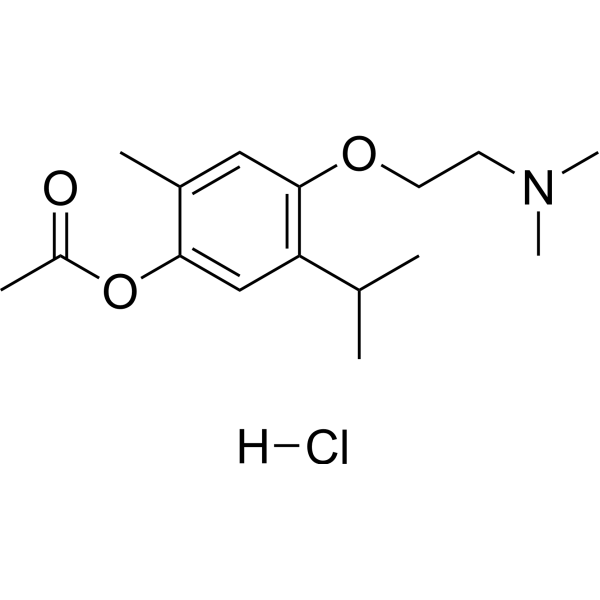
    Moxisylyte (Thymoxamine) hydrochloride is a selective α1A-adrenergic receptor antagonist. Moxisylyte hydrochloride competitively antagonizes the activation mediated by norepinephrine. Moxisylyte hydrochloride relaxes penile cavernous smooth muscle and aids erectile function. Moxisylyte hydrochloride is applicable to research related to erectile dysfunction and multiple system atrophy .
    Moxisylyte hydrochloride
  • HY-N2484
    Methylnissolin
    2 Publications Verification

    Astrapterocarpan

    PDGFR ERK Cardiovascular Disease Neurological Disease Metabolic Disease Inflammation/Immunology
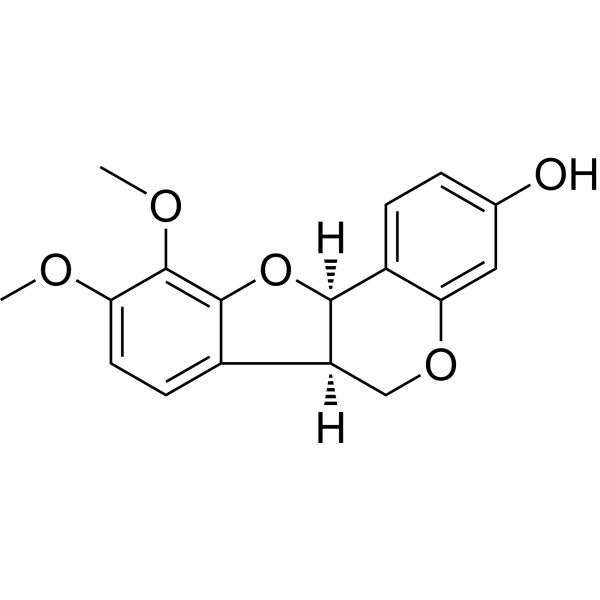
    Methylnissolin (Astrapterocarpan) is an osteoclast inhibitor with anti-inflammatory, neuroprotective and antioxidant activities. Methylnissolin downregulates the activation of the MAPK and PI3K/AKT pathways, inhibits the phosphorylation of MAPK1 and AKT1, and blocks PDGF-BB-induced phosphorylation of ERK1/2. Methylnissolin reduces the expression and secretion of proinflammatory mediators, decreases intracellular ROS levels, upregulates antioxidant enzymes, and downregulates osteoclastogenesis markers. Methylnissolin is applicable to research related to ischemic stroke, osteoporosis, cardiovascular diseases, skin aging, etc.
    Methylnissolin
  • HY-12379
    NS-2028
    1 Publications Verification

    Guanylate Cyclase Inflammation/Immunology
    NS-2028 is a highly selective soluble Guanylyl Cyclase (sGC) inhibitor with IC50 values of 30 nM and 200 nM for basal and NO-stimulated enzyme activity . NS-2028 inhibits soluble Guanylyl Cyclase activity in homogenates of mouse cerebellum and neuronal NO synthase with IC50 values of 17 nM and 20 nM . NS-2028 inhibits 3-morpholino-sydnonimine (SIN-1)-elicited formation of cyclic GMP in human cultured umbilical vein endothelial cells with an IC50 of 30 nM . NS-2028 is commonly used in the research of nitric oxide signaling pathways, it inhibits NO-dependent relaxant responses in non-vascular smooth muscle completely (1 μM) . NS-2028 reduces vascular endothelial growth factor-induced angiogenesis and permeability .
    NS-2028
  • HY-B1239
    Drofenine hydrochloride
    1 Publications Verification

    Hexahydroadiphenine hydrochloride

    Cholinesterase (ChE) Potassium Channel Amyloid-β TRP Channel Tau Protein NOD-like Receptor (NLR) JNK NF-κB IKK Neurological Disease Metabolic Disease Inflammation/Immunology
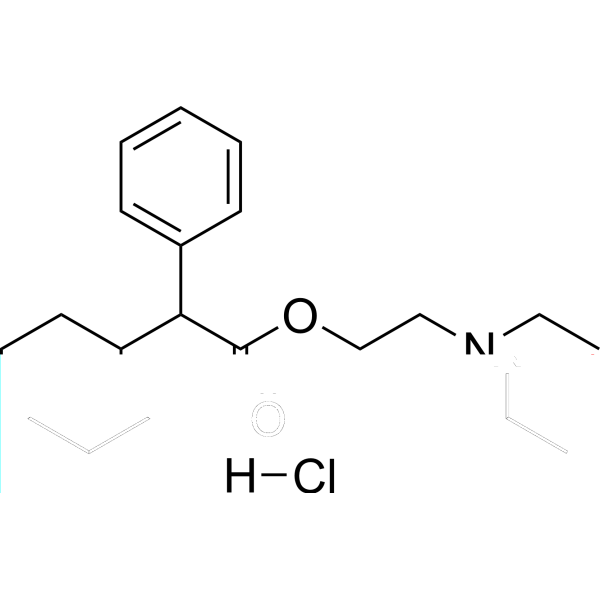
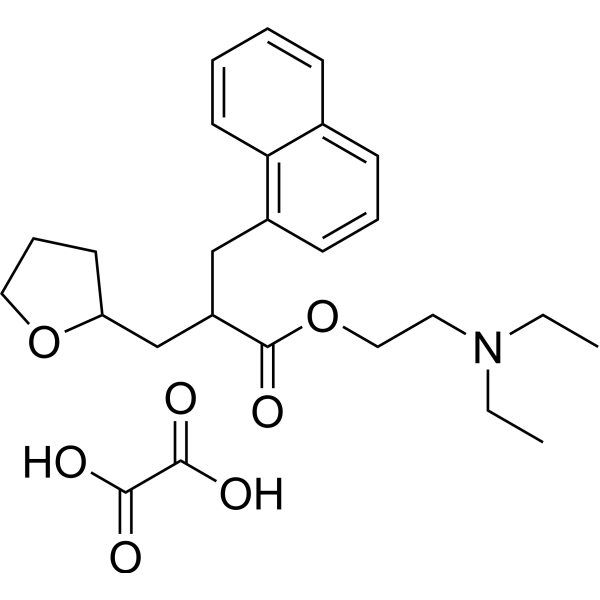
    Drofenine (Cycloadiphene; Hexahydroadiphenine) hydrochloride is an brain-penetrant antispasmodic agent. Drofenine hydrochloride is a Kv2.1 channel inhibitor with human IC50 of 9.53 μM. Drofenine hydrochloride is a butyrylcholinesterase (BChE) inhibitor with Ki of 0.003 mM, and is a TRPV3 activator. Drofenine hydrochloride blocks Kv2.1-dependent potassium efflux, inhibits Kv2.1/JNK/NF-κB and IkBa/NF-kB signaling, suppresses Kv2.1 mRNA/protein expression. Drofenine suppresses oligomeric -induced microglial NLRP3 inflammasome activation and neuronal Tau hyperphosphorylation, improves cognitive impairment, promotes neurite outgrowth. Drofenine hydrochloride induces calcium influx in keratinocytes and exert cytotoxicity against keratinocytes. Drofenine hydrochloride ameliorates diabetic peripheral neuropathy -like pathology. Drofenine hydrochloride can be used for the researches of Alzheimer's disease, diabetic peripheral neuropathy and smooth muscle spasm .
    Drofenine hydrochloride
  • HY-103322

    PKA Potassium Channel Metabolic Disease Cancer
    6-Bnz-cAMP sodium, a derivative of cyclic adenosine monophosphate (cAMP), is a selective PKA activator with inhibitory activity against the bTREK-1 K + channel. 6-Bnz-cAMP sodium does not activate the Epac signaling pathway. It inhibits the bTREK-1 K + channel via a voltage-independent, ATP-dependent mechanism that is independent of the PKA/Epac/calmodulin kinase/MAP kinase pathway. 6-Bnz-cAMP sodium activates CREB phosphorylation to regulate osteoblast-specific gene expression, induces osteoblast differentiation, promotes extracellular matrix mineralization, supports osteoblast proliferation, and shows no cytotoxicity toward osteoblasts. It can be used in studies related to bone tissue repair and regeneration .
    6-Bnz-cAMP sodium salt
  • HY-B1016

    AR-12008

    PDGFR Phosphodiesterase (PDE) Prostaglandin Receptor Cardiovascular Disease Neurological Disease
    Trapidil (AR-12008) is an orally active vasodilator and antiplatelet agent. Trapidil antagonizes platelet-derived growth factor (PDGF), inhibits phosphodiesterase, thromboxane A2 synthesis and pro-inflammatory cytokine production. Trapidil promotes prostacyclin biosynthesis, reduces lipid peroxidation, regulates nitric oxide metabolism, and inhibits cell proliferation and migration. Trapidil exerts tissue-protective effects, regulates bone turnover, and inhibits pyroptosis via the GPX3/Nrf2 pathway. Trapidil is applicable to research related to renal ischemia-reperfusion injury, chronic stable angina, restenosis, meningioma, diabetic cardiomyopathy and peripheral nerve crush injury .
    Trapidil
  • HY-112487

    Acyltransferase Metabolic Disease
    Sandoz 58-035 is a selective acyl-CoA:cholesterol acyltransferase (ACAT) inhibitor. Sandoz 58-035 inhibits this enzyme in intact cells and isolated microsomal fractions. Sandoz 58-035 blocks the esterification of exogenous vesicle-derived cholesterol and the incorporation of oleic acid into cellular cholesterol esters, reducing the formation and accumulation of cholesterol esters. Sandoz 58-035 causes a slight increase in cellular free cholesterol, and at high concentrations, it also causes a slight reduction in overall cellular protein synthesis. Sandoz 58-035 can be used in studies related to cellular cholesterol regulation .
    Sandoz 58-035
  • HY-142117

    Calcium Channel Chloride Channel Others
    Adenophostin A is an IP3 receptor (inositol 1,4,5-trisphosphate receptors) modulator and Ca 2+ releaser, with an IC50 of 1.3 nM, an EC50 of 1.4 nM, and a Ki of 0.18 nM in rats, and an IC50 of 0.95 nM in humans. Adenophostin A activates IP3 receptors, stimulates Ca 2+ release from intracellular stores and microsomes, inhibits the binding of [ 3H]IP3 to plasma membrane receptors, and activates chloride channels. Adenophostin A resists phosphorylation and dephosphorylation by IP3 metabolic enzymes to maintain its activity, and increases cytoplasmic [Ca 2+] levels via calcium mobilization from the endoplasmic reticulum of vascular smooth muscle cells. Adenophostin A is applicable to research related to hemorrhagic shock .
    Adenophostin A
  • HY-126146
    PKC-iota inhibitor 1
    2 Publications Verification

    PKC AMPK Metabolic Disease Cancer
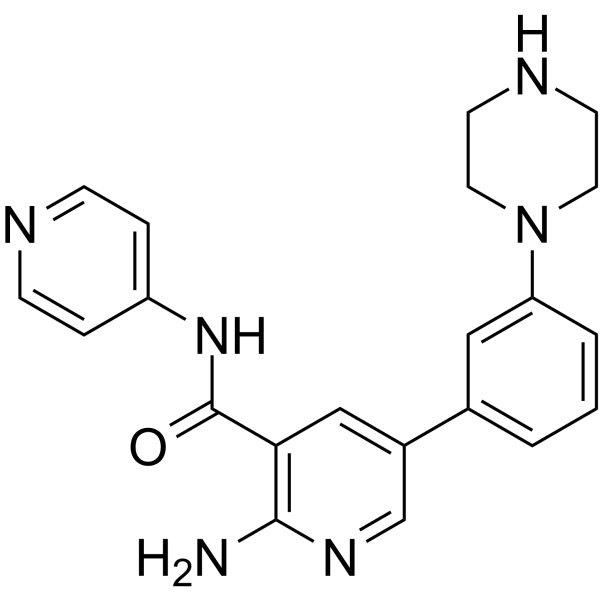
    PKC-iota inhibitor 1 is a protein kinase C-iota (PKC-ι) inhibitor with an IC50 value of 0.34 μM. PKC-iota inhibitor 1 can be used for the study of cancer .
    PKC-iota inhibitor 1
  • HY-W013195

    Nucleoside Antimetabolite/Analog Cancer
    8-Bromoadenosine is an adenosine analog. Adenosine analogs mostly act as smooth muscle vasodilators and have also been shown to inhibit cancer progression. 8-Bromoadenosine can quench the intrinsic fluorescence of human serum albumin (HSA) through static quenching procedure. 8-Bromoadenosine can be used to synthesize adenosine phosphate, such as Acadesine (HY-13417), Clofarabine (HY-A0005), Fludarabine phosphate (HY-B0028) and Vidarabine (HY-B0277) .
    8-Bromoadenosine
  • HY-108662

    2,2'-Pyridylisatogen tosylate

    P2Y Receptor Inflammation/Immunology Cancer
    PIT (2,2'-Pyridylisatogen tosylate) is a selective and non-competitive antagonist of P2Y1 receptor with an IC50 value of 0.14 μM for human P2Y1 receptor. PIT antagonizes P2Y1 receptor signaling without affecting nucleotide binding. PIT is an irreversible antagonist of responses to ATP at metabotropic purinoceptors (of the P2Y family) in some smooth muscles. PIT can be used for the research of chronic bronchitis and asthma .
    PIT
  • HY-B1035
    Levobunolol hydrochloride
    1 Publications Verification

    l-Bunolol hydrochloride

    Adrenergic Receptor Calcium Channel Casein Kinase Cardiovascular Disease
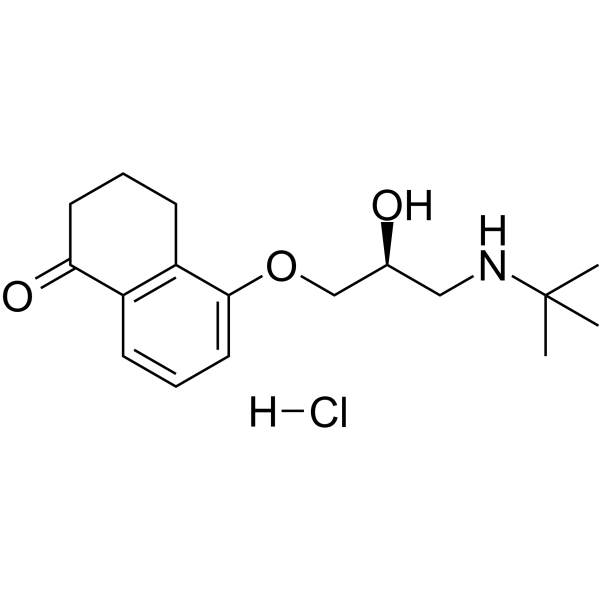
    Levobunolol (l-Bunolol) hydrochloride is a non-selective β-adrenergic antagonist and vasodilator. By blocking calcium ion influx and reducing the sensitivity of vascular smooth muscle to calcium, Levobunolol hydrochloride effectively dilates the ciliary arteries and increases ocular blood flow, so it is widely used in research on glaucoma and ocular hypertension. Levobunolol hydrochloride inhibits the β-receptor signaling pathway and the expression of related proliferation markers (such as CK3, CK14, CK19, Ki67) in corneal cells. In rabbit models, Levobunolol hydrochloride not only does not inhibit corneal epithelial regeneration, but also accelerates the healing of mechanical injury without adverse effects. Levobunolol hydrochloride also inhibits histamine-induced vasoconstriction and intracellular calcium elevation, exhibiting unique vascular regulatory activity. Levobunolol hydrochloride protects ocular blood flow and promotes corneal repair .
    Levobunolol hydrochloride
  • HY-150270A

    P2X Receptor Prostaglandin Receptor NOD-like Receptor (NLR) Caspase Interleukin Related Inflammation/Immunology
    NP-1815-PX sodium is an orally active dual inhibitor of P2X4 and prostaglandin TP receptors, with an IC50 of 0.26 μM against human P2X4 receptors. NP-1815-PX sodium specifically inhibits ATP-mediated prostaglandin production, TP receptor-induced calcium elevation, and the canonical/non-canonical NLRP3 inflammasome signaling pathway. NP-1815-PX sodium selectively blocks smooth muscle contractions induced by ATP, U46619 (HY-108566) and prostaglandin F2α. NP-1815-PX sodium not only produces anti-allodynic effects in vivo, but also significantly alleviates symptoms of DNBS (HY-W324435)-induced colitis (such as weight loss and tissue damage). NP-1815-PX sodium exerts anti-inflammatory effects by downregulating IL-1β levels and Caspase-1 activity. NP-1815-PX sodium is used in studies related to asthma and inflammatory bowel disease (colitis) .
    NP-1815-PX sodium
  • HY-113209

    8-iso-PGF2α

    Endogenous Metabolite Others
    8-Isoprostaglandin F2α is an isoprostane produced by the non-enzymatic peroxidation of arachidonic acid in membrane phospholipids. 8-Isoprostaglandin F2α is present in human plasma in two distinct forms - esterified in phospholipids and as the free acid. 8-Isoprostaglandin F2α is a weak TP receptor agonist in vascular smooth muscle.
    8-Isoprostaglandin F2α
  • HY-P1769

    Angiotensin Receptor Metabolic Disease Endocrinology
    Angiotensin II (5-8), human is an endogenous C-terminal fragment of the peptide vasoconstrictor angiotensin II . Angiotensin II binds the AT II type 1 (AT1) receptor, stimulating GPCRs in vascular smooth muscle cells and increasing intracellular Ca 2+ levels. Angiotensin II also acts at the Na +/H + exchanger in the proximal tubules of the kidney .
    Angiotensin II (5-8), human
  • HY-135517

    RXP-470

    MMP Cardiovascular Disease
    RXP470.1 (RXP-470) is a potent, selective MMP-12 inhibitor with a Ki of 0.2 nM against human MMP-12. RXP470.1 is 2 to 4 orders of magnitude less potent against other MMPs. RXP470.1 significantly reduces atherosclerotic plaque cross-sectional area in mouse. RXP470.1 results in less complex plaques with increased smooth muscle cell:macrophage ratio, less macrophage apoptosis, increased cap thickness, smaller necrotic cores, and decreased incidence of calcification .
    RXP470.1
  • HY-19664

    OPC-13340

    Calcium Channel NO Synthase Cardiovascular Disease
    Pranidipine (OPC-13340) is an orally active L-type voltage-dependent calcium channel (L-VDCC) blocker with a Ki value of 0.16 nM. Pranidipine inhibits calcium-induced contraction, suppresses slow-response action potentials, shortens action potential duration, reduces systolic and diastolic blood pressure, and exerts vasodilatory effects. Pranidipine enhances its vasodilatory effect by blocking NO decomposition. Pranidipine can be used in research related to essential hypertension, angina pectoris, myocardial infarction, and dilated cardiomyopathy .
    Pranidipine
  • HY-19529

    Endothelin Receptor Cardiovascular Disease Endocrinology
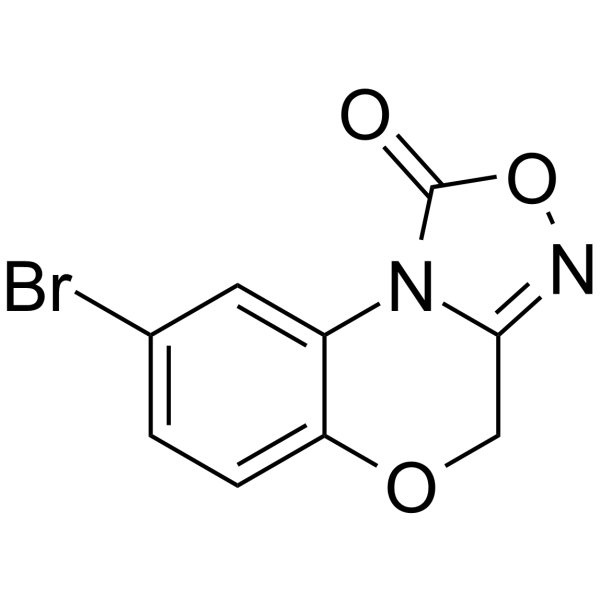
    Ro 46-2005 is a novel synthetic non-peptide endothelin receptor antagonist, inhibits the specific binding of 125I-ET-1 to human vascular smooth muscle cells (ETA receptor) with IC50 of 220 nM.
    Ro 46-2005
  • HY-103281

    Bombesin Receptor Metabolic Disease
    Litorin, an amphibian bombesin peptide derivative, is an bombesin receptor agonist. Litorin stimulates the contraction of smooth muscle, stimulates gastrin, gastric acid, and pancreatic secretion, and suppresses the nutriment in vivo .
    Litorin
  • HY-137325A

    Calcium Channel Metabolic Disease
    2-Chloro-ATP sodium (2-Chloro ATP) is an adenine nucleotide and an analog of ATP. It is an antagonist of the purinergic P2Y1 receptor and inhibits intracellular calcium mobilization induced by ADP (HY-W010918) in Jurkat cells expressing the human receptor (Ki=2.3 μM). 2-Chloro-ATP sodium is an agonist of the purinergic P2X receptor and induces inward currents in HEK293 cells expressing human bladder smooth muscle or rat PC12 forms of the receptor (EC50=0.5 and 2.5 μM). 2-Chloro-ATP sodium induces relaxation of precontracted guinea pig cecal strips in a concentration-dependent manner. 2-Chloro-ATP sodium has been used to study the substrate specificity of cyclic nucleotide-dependent protein kinases such as protein kinase A (PKA) and PKG.
    2-Chloro-ATP sodium
  • HY-17457

    Levosalbutamol hemitartrate

    Adrenergic Receptor PI3K Inflammation/Immunology
    Levalbuterol (Levosalbutamol) hemitartrate is a β2-adrenergic receptor agonist and PI3K inhibitor. Levalbuterol hemitartrate inhibits PI3K activity, reduces NF-κB and Rb protein expression, activates the cAMP/PKA pathway, and stimulates cAMP release. Levalbuterol hemitartrate relaxes airway smooth muscle, reduces intracellular calcium levels, and inhibits spasmogen-induced contractions. Levalbuterol hemitartrate can be used for the research of moderate-to-severe asthma .
    Levalbuterol hemitartrate
  • HY-14825A

    SVT-40776 D-tartrate

    mAChR Inflammation/Immunology
    Tarafenacin (SVT-40776) D-tartrate is an orally active, selective M3 muscarinic receptor (M3 muscarinic receptor) antagonist with 203-fold selectivity over the M2 muscarinic receptor. Tarafenacin D-tartrate does not affect atrial contraction, arterial blood pressure or arterial pressure at high doses. Tarafenacin D-tartrate can be used in the research of overactive bladder .
    Tarafenacin D-tartrate
  • HY-155106

    PKG Cardiovascular Disease
    SMA4 is a selective PKG1α activator with basal EC50 value of 29 μM. SMA4 facilitates phosphorylation of the known PKG1 substrate, vasodilator-stimulated phosphoprotein (VASP), and inhibits human pulmonary arterial smooth muscle cells (hPASMC) proliferation. SMA4 can be used for cardiovascular disease research .
    SMA4
  • HY-P991423

    21H3RK

    Notch Cancer
    MEDI0639 (21H3RK) is a human monoclonal antibody (mAb) targeting DLL4. MEDI0639 inhibits Notch1 binding to Dll4. MEDI0639 reverses Notch1-mediated growth inhibition of human umbilical vein endothelial cells in vitro. MEDI0639 promotes human angiogenesis and reduces the number of vessels covered by smooth muscle actin-positive mural cells. MEDI0639 can be used in Small cell lung cancer and solid tumors research .
    MEDI0639
  • HY-P4160

    THG113.31; ILGHXDYK

    Prostaglandin Receptor Endocrinology
    PDC31 (THG113.31; ILGHXDYK) is an allosteric and non-competitive inhibitor of FP Prostaglandin Receptor. PDC31 is the D-amino acid-based oligopeptide, is used for smooth muscle contractile agent. PDC31 decreases the strength and duration of uterine contractions in vivo, which can be used for research of preterm labor and primary dysmenorrhea (PD). PDC31 also enhances Ca 2+-dependent large-conductance K +-channel in human myometrial cells .
    PDC31
  • HY-123801

    GL-II-93

    GABA Receptor Inflammation/Immunology
    MIDD0301 (GL-II-93) is an orally available, active γ-aminobutyric acid type A receptor (GABAAR) inhibitor and anti-asthmatic agent. MIDD0301 exhibits biological and immunotoxicological safety in mice and does not affect the number of circulating lymphocytes, monocytes, and granulocytes. MIDD0301 has no significant adverse immune response at repeated doses, which is better than Prednisone (HY-B0214). MIDD0301 relaxes histamine-contracted guinea pig and human airway smooth muscle and is used in the study of bronchoconstrictive diseases .
    MIDD0301
  • HY-P2496

    Endothelin Receptor Fluorescent Dye NF-κB COX Prostaglandin Receptor Apoptosis TNF Receptor Interleukin Related MMP Cardiovascular Disease Inflammation/Immunology Cancer
    Endothelin 1 (swine, human), Alexa Fluor 488-labeled is an Endothelin-1 conjugated with Alexa Fluor 488 (HY-D1304). Endothelin-1 is an endogenous vasoconstrictor and agonist of ETA/ETB receptor. Endothelin 1 (swine, human) exerts effects including promoting mitosis, angiogenesis, tumor invasion and metastasis, and inhibiting apoptosis. Endothelin 1 (swine, human) induces inflammation and oxidative stress by activating the NF-κB pathway. Endothelin 1 (swine, human), Alexa Fluor 488-labeled is specifically designed for fluorescence imaging, flow cytometry or receptor localization studies, and can be used in research related to sepsis, atherosclerosis, systemic inflammatory response syndrome, cancer and congestive heart failure .
    Endothelin 1 (swine, human), Alexa Fluor 488-labeled
  • HY-N4267

    Calcium Channel Platelet-activating Factor Receptor (PAFR) UGT Leukotriene Receptor TNF Receptor PGE synthase Interleukin Related Cardiovascular Disease Infection Inflammation/Immunology
    Yangambin is a PAF receptor antagonist and UGT1A1/UGT1A3 inhibitor, with an IC50 of 29.7 μM and a Ki of 17.1 μM against human UGT1A1, and an IC50 of 56.5 μM and a Ki of 66.8 μM against human UGT1A3. Yangambin blocks PAF-mediated responses, inhibits LTB4-mediated neutrophil infiltration, and suppresses inflammatory events and anaphylactic contraction. Yangambin acts as a central nervous system inhibitor to reduce spontaneous activity, and also exhibits analgesic, anticonvulsant, antileishmanial, vasodilatory and hypotensive effects. Yangambin blocks voltage-gated Ca 2+ channels, reduces the production of NO, TNF-α, IL-6 and PGE2 in cells, increases the production of IL-10, and exerts a protective effect against cardiovascular injury. Yangambin can be used in research related to allergies, cutaneous leishmaniasis, central nervous system diseases and cardiovascular diseases .
    Yangambin
  • HY-W795960

    Biochemical Assay Reagents Calcium Channel Phospholipase Neurological Disease Metabolic Disease
    D-myo-inositol 1,4,5-trisphosphate sodium salt is a widely distributed intracellular second messenger. D-myo-inositol 1,4,5-trisphosphate sodium salt acts as a potent agonist of the Ins (1,4,5) P3 receptor with an EC50 of 0.12 μM and inhibits bovine PLC-δ1, with an IC50 of 5.4 μM for binding and an IC50 of 12.4 μM for hydrolysis. D-myo-inositol 1,4,5-trisphosphate sodium saltis metabolized into Ins (1,4) P2 and Ins (1,3,4,5) P4. D-myo-inositol 1,4,5-trisphosphate sodium salt mediates various cellular processes, including growth, development, fertilization, secretion, contraction and neuromodulation. D-myo-inositol 1,4,5-trisphosphate sodium salt inhibits PIP2 hydrolysis and Ca 2+-ATPase activity. D-myo-inositol 1,4,5-trisphosphate sodium salt is used for cardiac preconditioning, exerts cardioprotective effects and mimics ischemic preconditioning. D-myo-inositol 1,4,5-trisphosphate sodium salt is applied in studies related to intracellular calcium and phosphoinositol signaling pathways .
    D-myo-Inositol 1,4,5-trisphosphate sodium salt
  • HY-10568

    Phosphodiesterase (PDE) Metabolic Disease
    TC-E 5005 is a potent and selective PDE10A inhibitor with IC50 values of 7.28, 239, 779, 919, 3,100, and 3,700 nM for PDE10A, 2A, 11A, 5A, 7B and 3A, respectively. TC-E 5005 inhibits adrenergic and neurogenic smooth muscle contractions in the human prostate .
    TC-E 5005
  • HY-P1792

    Angiotensin Receptor Metabolic Disease Endocrinology
    Angiotensin II (1-4), human is an endogenous peptide produced from AT I by angiotensin-converting-enzyme (ACE). Angiotensin II binds the AT II type 1 (AT1) receptor, stimulating GPCRs in vascular smooth muscle cells and increasing intracellular Ca 2+ levels. Angiotensin II also acts at the Na +/H + exchanger in the proximal tubules of the kidney .
    Angiotensin II (1-4), human
  • HY-173235

    Galectin Cardiovascular Disease Inflammation/Immunology Cancer
    Galectin-3-IN-6 is a human and murine galectin-3 (Gal-3) inhibitor, with an IC50 of 12 nM against human galectin-3, an IC50 of 12.6 nM against mutant murine galectin-3 (V160A), and a Kd of 13 nM for human galectin-3, as well as oral bioavailability. Galectin-3-IN-6 reduces the levels of liver fibrosis markers type I collagen and α-smooth muscle actin in mouse models of acute liver injury and fibrosis. Galectin-3-IN-6 can be used for the research of acute liver injury and fibrosis .
    Galectin-3-IN-6
  • HY-135447

    Prostaglandin Receptor Others
    BM-531 is a dual-acting agent for thromboxane receptor (TXA2) antagonism and thromboxane synthase inhibition. BM-531 exerts anti-aggregatory effects on human citrated platelet-rich plasma (PRP), inhibiting Arachidonic acid (HY-109590A)-induced aggregation with an ED100 of 0.125 μM and U-46619 (HY-108566)-induced aggregation with an ED50 of 0.482 μM. BM-531 inhibits high-K +-induced contraction of porcine uterine smooth muscle .
    BM-531
  • HY-150270

    Prostaglandin Receptor P2X Receptor NOD-like Receptor (NLR) Caspase Interleukin Related Neurological Disease Inflammation/Immunology
    NP-1815-PX is an orally active dual inhibitor of P2X4 and prostaglandin TP receptors, with an IC50 of 0.26 μM against human P2X4 receptors. NP-1815-PX specifically inhibits ATP-mediated prostaglandin production, TP receptor-induced calcium elevation, and the canonical/non-canonical NLRP3 inflammasome signaling pathway. NP-1815-PX selectively blocks smooth muscle contractions induced by ATP, U46619 (HY-108566) and prostaglandin F2α. NP-1815-PX not only produces anti-allodynic effects in vivo, but also significantly alleviates symptoms of DNBS (HY-W324435)-induced colitis (such as weight loss and tissue damage). NP-1815-PX exerts anti-inflammatory effects by downregulating IL-1β levels and Caspase-1 activity. NP-1815-PX is used in studies related to asthma and inflammatory bowel disease (colitis) .
    NP-1815-PX
  • HY-P3853

    Neurokinin Receptor Neurological Disease
    GR 87389 is a potent NK2 receptor antagonist. GR 87389 antagonized GA 64349-induced smooth muscle strips contractions in a competitive manner in the human detrusor, prostate and prostatic urethra .
    GR 87389
  • HY-10419A
    AH23848 hemicalcium salt
    1 Publications Verification

    Prostaglandin Receptor Cardiovascular Disease
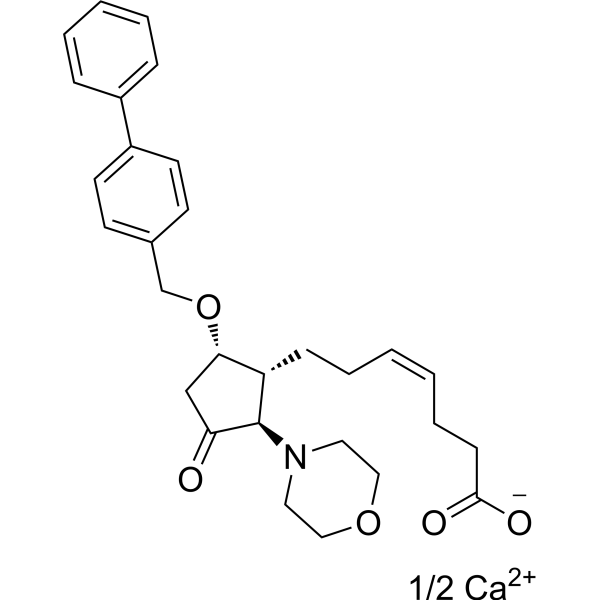
    AH23848 hemicalcium salt is an orally active, selective competitive blocker of the thromboxane A2 receptor, with an IC50 value of 50 nM. AH23848 hemicalcium salt shows no activity against other prostaglandin, serotonin (5-HT) or adenosine diphosphate (ADP) receptors. AH23848 hemicalcium salt can be used in the research of occlusive vascular diseases .
    AH23848 hemicalcium salt
  • HY-10419

    Thrombopoietin Receptor Cardiovascular Disease
    AH23848 (compound 6) is a competitive blocker of the thromboxane A2 receptor and an orally effective agent, with an IC50 value of 50 nM against human targets and a long duration of action.
    AH23848
  • HY-W783254

    PA(18:0e/0:0)

    G Protein-coupled Receptor Kinase (GRK) Calcium Channel Cardiovascular Disease Cancer
    C18 LPA (PA(18:0e/0:0)) is a water-soluble phospholipid that functions as a signaling molecule, influencing various cellular responses through G protein-coupled receptors (GPCRs). It is known to promote smooth muscle contraction, cytoskeletal rearrangement, and chemotaxis, while also playing a role in neurotransmitter release, cell proliferation, platelet aggregation, and Ca2+ mobilization. Elevated levels of C18 LPA in human plasma are associated with ovarian cancer and atherosclerosis, suggesting its potential as a biomarker for ovarian cancer.
    C18 LPA
  • HY-112417

    PDGFR FLT3 Apoptosis Akt PERK Bcl-2 Family Cardiovascular Disease Cancer
    Ki11502 is a multi-targeted receptor tyrosine kinase (RTK) inhibitor that selectively inhibits the activity of PDGF β/α receptors with IC50 values less than 10 nM. Ki11502 selectively inhibits PDGF β receptor phosphorylation, proliferation, and proteoglycan synthesis in human vascular smooth muscle cells. Ki11502 can induce Apoptosis) and exhibits profound antiproliferative effects on select subsets of leukemia, including those with Imatinib (HY-15463) resistant mutations. Ki11502 is highly suitable for studying the role of PDGF in vascular diseases, particularly the role of proteoglycans in atherosclerosis .
    Ki11502
  • HY-165587

    Prostaglandin Receptor Cardiovascular Disease
    BM-573 is an orally active dual thromboxane A₂ (TXA₂) modulator with an IC50 of 1.3 nM. BM-573 possesses both thromboxane synthase (TxAS) inhibition and thromboxane receptor (TP) antagonistic effects. BM-573 can completely inhibit platelet aggregation induced by Arachidonic acid (HY-109590) or U-46619 (TXA₂ analogues). BM-573 completely blocks the generation of TXB₂ (the stable metabolite of TXA₂) in human platelets and does not inhibit cyclooxygenase (COX-1/COX-2), thus avoiding interference with other prostaglandin synthesis. BM-573 has an inhibitory effect on U-46619-induced contractions in rat gastric fundus smooth muscle (ED₅₀ = 4.2 μM), but has no effect on contractions caused by PGE₂, PGF₂α, or PGI₂. BM-573 can be used in the study of atherosclerosis, myocardial infarction, pulmonary hypertension and shock .
    BM-573

온라인 문의

Your information is safe with us. * Required Fields.

호칭


Country or Region *

고객명 *


회사명 *

Department *


메일주소 *


상품명 *

Cat. No.


Requested quantity *

전화번호 *


비고

온라인 문의

Inquiry Information

상품명:
Cat. No.:
수량:
MCE Japan Authorized Agent:

