
1. Search Result
Search Result
Results for "

hyperthermia

" in MedChemExpress (MCE) Product Catalog:

36

Inhibitors & Agonists

1

Fluorescent Dye

3

Peptides

1

Isotope-Labeled Compounds

1

Oligonucleotides

Cat. No. Product Name Target Research Areas Chemical Structure
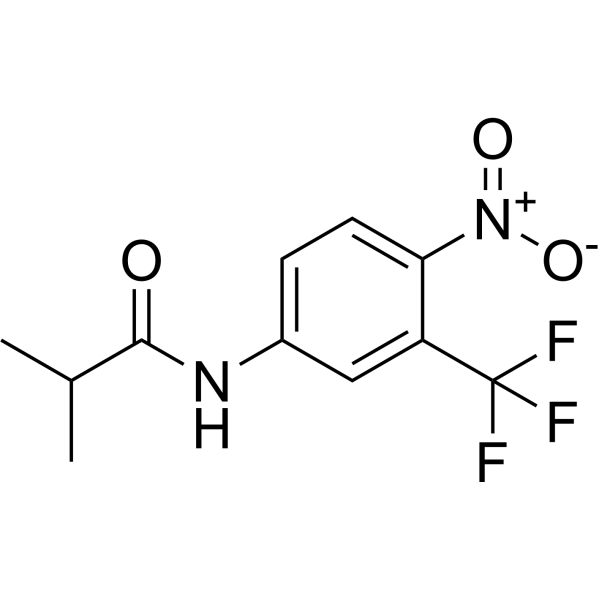
  • HY-B0022
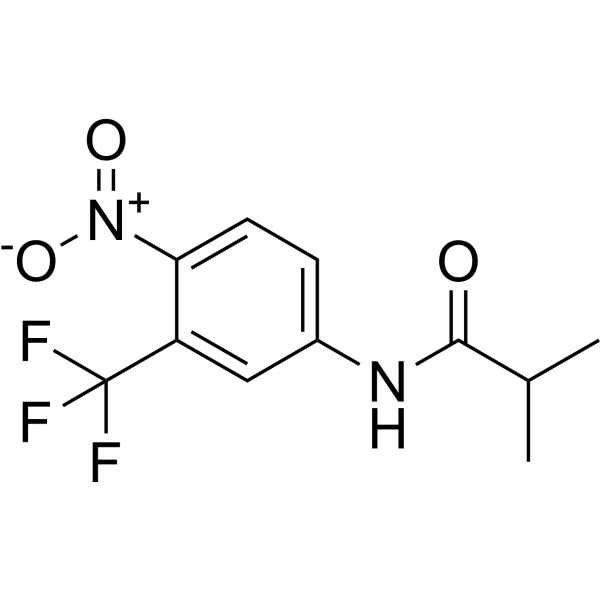
    Flutamide
    10+ Cited Publications

    SCH 13521

    Androgen Receptor Cancer
    Flutamide is an Androgen Receptor antagonist with Ki=55 nM. Flutamide inhibits prostate cancer progression and has synergistic effects with Docetaxel (HY-B0011). Flutamide also has the potential to protect against hyperthermia-induced multiple organ dysfunction syndrome .
    Flutamide
  • HY-12542
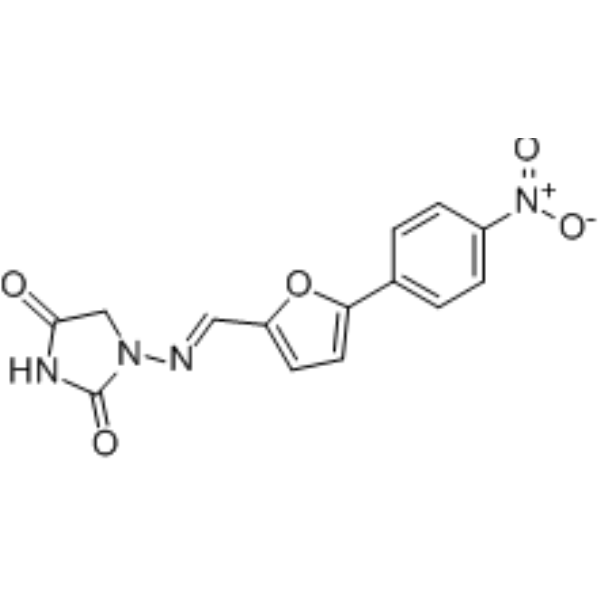
    Dantrolene
    Maximum Cited Publications
    15 Publications Verification

    F 368

    Calcium Channel Reactive Oxygen Species (ROS) Apoptosis Cardiovascular Disease Neurological Disease Inflammation/Immunology
    Dantrolene is an orally active, non-competitive glutathione reductase inhibitor with a Ki of 111.6 μM and an IC50 of 52.3 μM. Dantrolene is also a calcium channel protein inhibitor. Dantrolene inhibits the release of Ca 2+ from RyR1 and RyR3, which can be beneficial in a variety of pathologies caused by disruptions in calcium homeostasis (e.g., stroke, ischemia/reperfusion injury, and neurodegenerative diseases). Dantrolene offers relief of muscle spasms, malignant hyperthermia, and antitoxic, antipyretic, and anti-inflammatory properties .
    Dantrolene
  • HY-D1063
    IR-780
    5+ Cited Publications

    Fluorescent Dye Apoptosis Reactive Oxygen Species (ROS) Cancer
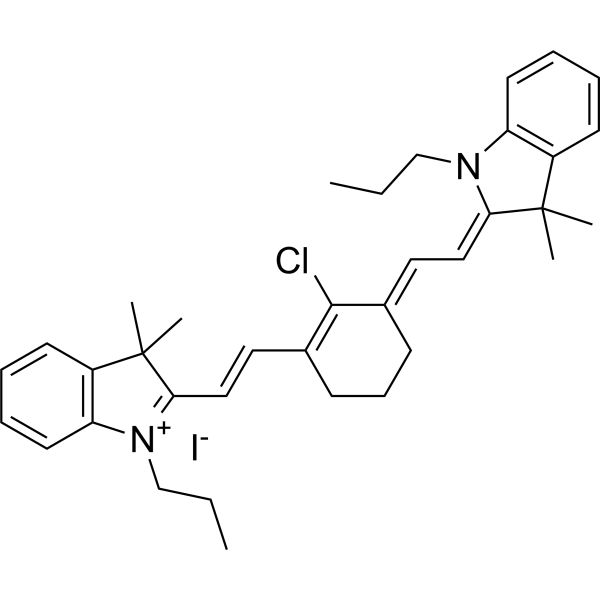
    IR-780 is a near-infrared fluorescent probe for in vivo imaging of tumor cells. IR-780 is transported into tumor cells via OATPs and ABCB10, with uptake dependent on glycolytic activity and plasma membrane potential. IR-780 preferentially accumulates in tumor cell mitochondria, including those of drug-resistant cancer cells, without chemical conjugation. IR-780 generates reactive oxygen species (ROS), induces hyperthermia and apoptosis, inhibits tumor growth and recurrence, and modulates HSP70 expression upon ultrasound or 808 nm laser exposure. IR-780 acts as a sonosensitizer, photodynamic and photothermal agent, and drug delivery carrier, with low acute imaging-dose toxicity and rapid vital organ clearance. IR-780 can be used for the research of cancer, such as breast cancer, lung cancer, and non-small cell lung cancer (NSCLC) .
    IR-780
  • HY-14657
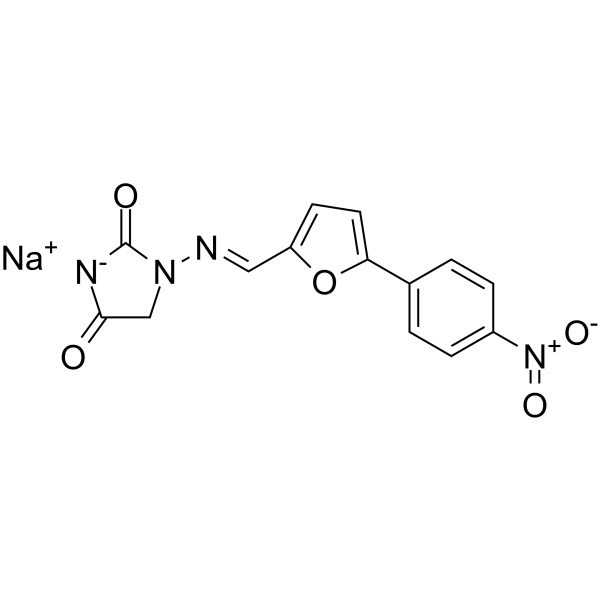
    Dantrolene sodium
    Maximum Cited Publications
    15 Publications Verification

    F 440

    Calcium Channel Reactive Oxygen Species (ROS) Apoptosis Cardiovascular Disease Neurological Disease Metabolic Disease
    Dantrolene sodium is an orally active, non-competitive glutathione reductase inhibitor with a Ki of 111.6 μM and an IC50 of 52.3 μM. Dantrolene sodium is also a calcium channel protein inhibitor. Dantrolene sodium inhibits the release of Ca 2+ from RyR1 and RyR3, which can be beneficial in a variety of pathologies caused by disruptions in calcium homeostasis (e.g., stroke, ischemia/reperfusion injury, and neurodegenerative diseases). Dantrolene sodium offers relief of muscle spasms, malignant hyperthermia, and antitoxic, antipyretic, and anti-inflammatory properties .
    Dantrolene sodium
  • HY-100672
    SR59230A
    10+ Cited Publications

    Adrenergic Receptor Cardiovascular Disease Metabolic Disease
    SR59230A is a potent, selective, and blood-brain barrier penetrating β3-adrenergic receptor antagonist with IC50s of 40, 408, and 648 nM for β3, β1, and β2 receptors, respectively .
    SR59230A
  • HY-12542A
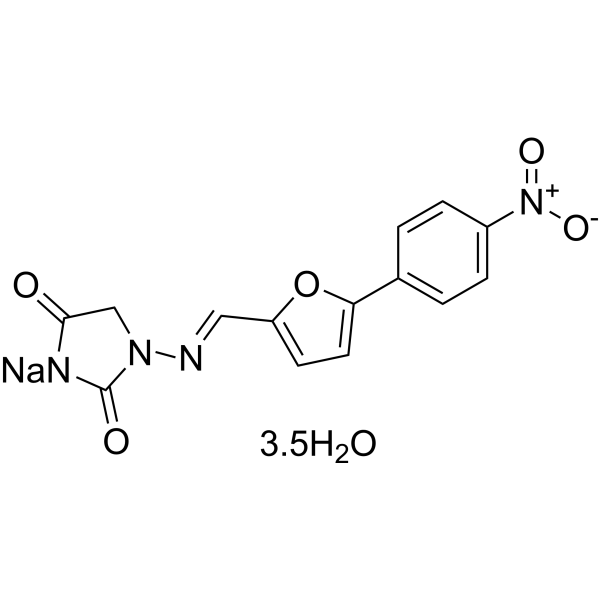
    Dantrolene sodium hemiheptahydrate
    Maximum Cited Publications
    15 Publications Verification

    Dantrolene sodium hydrate

    Calcium Channel Reactive Oxygen Species (ROS) Apoptosis Cardiovascular Disease Neurological Disease Metabolic Disease
    Dantrolene sodium hemiheptahydrate is an orally active, non-competitive glutathione reductase inhibitor with a Ki of 111.6 μM and an IC50 of 52.3 μM. Dantrolene sodium hemiheptahydrate is also a calcium channel protein inhibitor. Dantrolene sodium hemiheptahydrate inhibits the release of Ca 2+ from RyR1 and RyR3, which can be beneficial in a variety of pathologies caused by disruptions in calcium homeostasis (e.g., stroke, ischemia/reperfusion injury, and neurodegenerative diseases). Dantrolene sodium hemiheptahydrate offers relief of muscle spasms, malignant hyperthermia, and antitoxic, antipyretic, and anti-inflammatory properties .
    Dantrolene sodium hemiheptahydrate
  • HY-103200
    SR59230A hydrochloride
    10+ Cited Publications

    Adrenergic Receptor Cardiovascular Disease Metabolic Disease
    SR59230A hydrochloride is a potent, selective, and blood-brain barrier penetrating β3-adrenergic receptor antagonist with IC50s of 40, 408, and 648 nM for β3, β1, and β2 receptors, respectively .
    SR59230A hydrochloride
  • HY-113920A
    Azumolene
    3 Publications Verification

    EU4093 free base

    Calcium Channel Metabolic Disease
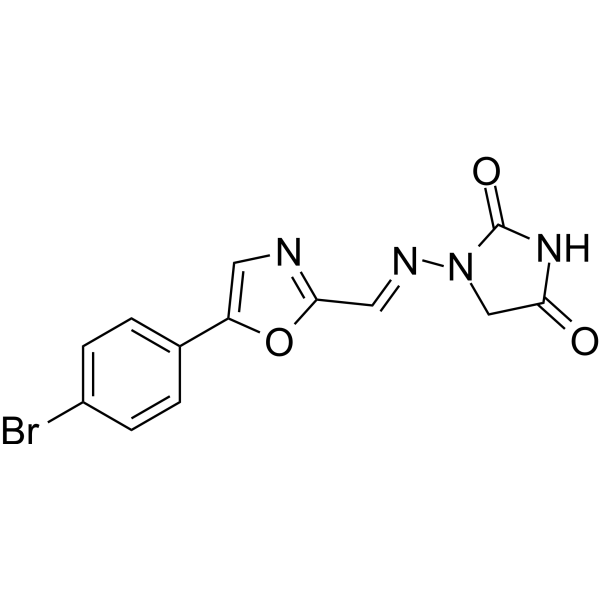
    Azumolene (EU4093 free base), a Dantrolene analog, is a muscle relaxant. Azumolene is a ryanodine receptor (RyR) modulator and inhibits the calcium-release through ryanodine receptor. Azumolene can be used for malignant hyperthermia research .
    Azumolene
  • HY-112030

    Potassium tetrachloroplatinate(Ⅱ)

    Biochemical Assay Reagents Cancer
    Dipotassium tetrachloroplatinate (Potassium tetrachloroplatinate (Ⅱ)) is an important reagent for the preparation of other platinum coordination complexes. Dipotassium tetrachloroplatinate acts as a radiosensitizer to enhance the killing effect of hyperthermia. Dipotassium tetrachloroplatinate serves as a catalyst. Dipotassium tetrachloroplatinate exhibits antitumor activity .
    Dipotassium tetrachloroplatinate
  • HY-103519

    GABA Receptor Neurological Disease
    rac-BHFF is a potent and orally active allosteric enhancer of GABAB receptor .
    rac-BHFF
  • HY-12699
    RO5166017
    2 Publications Verification

    Trace Amine-associated Receptor (TAAR) Metabolic Disease
    RO5166017 is an orally active and species-crosses TAAR1 agonist, with Ki values of 1.9 nM, 2.7 nM, 31 nM and 24 nM for mouse, rat, human and cynomolgus monkey, respectively .
    RO5166017
  • HY-160062

    Mucin Cancer
    S2.2 aptamer sodium is a nucleic acid-based MUC1-binding aptamer with high affinity and low toxicity. Upon binding to its target, S2.2 aptamer sodium undergoes a conformational switch and restores fluorescence signal, serving as a targeted imaging agent for MUC1-positive cancer cells. S2.2 aptamer sodium enables targeted delivery to breast cancer cells with overexpressed MUC1. When formulated as the S2.2-PEG-MZF molecular probe, S2.2 aptamer sodium possesses the functions of T2 signal inhibition, magnetic field-induced hyperthermia and targeted magnetic resonance molecular imaging. In the S2.2-PEG-MZF/DOX nanoliposome, S2.2 aptamer sodium supports targeted thermochemotherapy, effectively inhibiting cancer cell proliferation and invasion as well as inducing apoptosis, and is widely used in studies related to breast cancer .
    S2.2 aptamer sodium
  • HY-P3641A

    GnRH Receptor Neurological Disease Metabolic Disease
    Kisspeptin 13 TFA is the TFA salt form of Kisspeptin 13 (HY-P3641). Kisspeptin-13 TFA inhibits glucose-induced insulin secretion with an IC50 of 1.2 nM. Kisspeptin 13 TFA activates the hypothalamic-pituitary-adrenal (HPA) axis, causes hyperthermia, motor behavior and anxiety in rats. Kisspeptin 13 TFA interacts with α2-adrenergic and 5-HT2 serotonin receptors, exhibits antidepressant efficacy. Kisspeptin 13 TFA is an activator for GPR54 and GnRH receptor, which enhances memory and can be used in Alzheimer's disease research .
    Kisspeptin 13 TFA
  • HY-117820

    Vasopressin Receptor Cardiovascular Disease Neurological Disease
    TASP0390325 is a high affinity and orally active arginine vasopressin receptor 1B (V1B receptor) antagonist with antidepressant and anxiolytic activities .
    TASP0390325
  • HY-100672B

    Adrenergic Receptor Cardiovascular Disease Metabolic Disease
    (2R)-SR59230A is the isomer of SR59230A (HY-100672), and can be used as an experimental control. SR59230A is a potent, selective, and blood-brain barrier penetrating β3-adrenergic receptor antagonist with IC50s of 40, 408, and 648 nM for β3, β1, and β2 receptors, respectively .
    (2R)-SR59230A
  • HY-141564

    Calcium Channel Neurological Disease
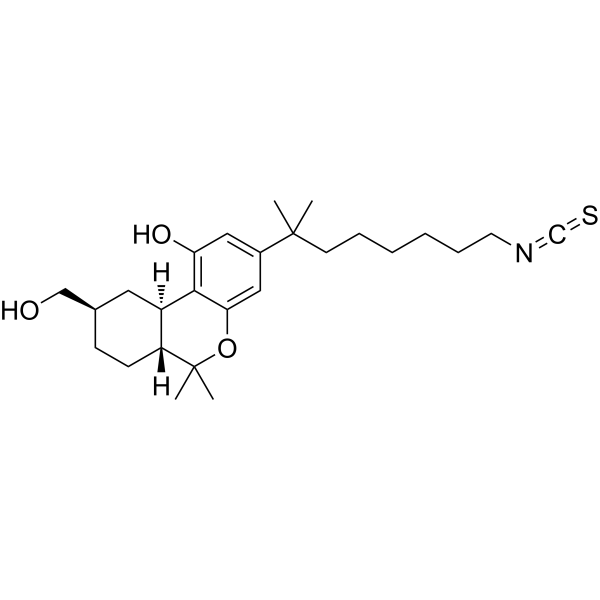
    RyR1-IN-1 (Compound 1) is a RyR1 inhibitor with an IC50 of 12 nM. RyR1-IN-1 blocks Ca²⁺ release and inhibits muscle tetany caused by caffeine and heat stress. RyR1-IN-1 can completely prevent the increase in body temperature and death caused by isoflurane and heat stress. RyR1-IN-1 can be used for the study of heat stroke .
    RyR1-IN-1
  • HY-D0227B
    THAM acetate
    1 Publications Verification

    Tris acetate; Tris(hydroxymethyl)aminomethane acetate

    Biochemical Assay Reagents Metabolic Disease
    THAM acetate is a low-toxicity amino alcohol buffer, a CO2-consuming proton acceptor that buffers carbon dioxide and acid both in vitro and in vivo. THAM acetate binds protons to form bicarbonate, reduces PaCO2, and induces intracellular alkalization, thereby ameliorating hypercapnia-induced elevation of pulmonary blood vessels and pulmonary arterial pressure. THAM acetate may cause PaCO2 rebound, hypoglycemia, and respiratory depression. THAM acetate removes amniotic epithelium and preserves the basement membrane, but depletes extracellular matrix and reduces the adhesion rate of limbal epithelial cells. THAM acetate can act as a CO2 carrier to enhance the productivity and carbon utilization rate of Scenedesmus obliquus. THAM acetate is a key component of buffer solutions used in various biological, cell culture, biochemical, and molecular biology applications .
    THAM acetate
  • HY-107505A

    mGluR Neurological Disease
    CBiPES is a potent mGlu2 positive allosteric modulator with an EC50 value of 92.8 nM. CBiPES attenuates stress-induced hyperthermia and Phencyclidine-induced hyperlocomotor activity. CBiPES can be used for research of neurological diseases, such as Parkinson's disease (PD) .
    CBiPES
  • HY-P3641

    GnRH Receptor Neurological Disease Metabolic Disease
    Kisspeptin 13 inhibits glucose-induced insulin secretion with an IC50 of 1.2 nM. Kisspeptin 13 activates the hypothalamic-pituitary-adrenal (HPA) axis, causes hyperthermia, motor behavior and anxiety in rats. Kisspeptin 13 interacts with α2-adrenergic and 5-HT2 serotonin receptors, exhibits antidepressant efficacy. Kisspeptin 13 is an activator for GPR54 and GnRH receptor, which enhances memory and can be used in Alzheimer's disease research .
    Kisspeptin 13
  • HY-107505

    mGluR Neurological Disease
    CBiPES hydrochloride is a mGlu2 receptor positive allosteric modulator (EC50: 92.8 nM). CBiPES hydrochloride attenuates stress-induced hyperthermia and PCP-induced hyperlocomotor activity. CBiPES hydrochloride can be used for research of neurological disease, such as Parkinson's disease (PD) .
    CBiPES hydrochloride
  • HY-129283

    Ras Others
    Goralatide is a compound that regulates the thermal sensitivity of hematopoietic progenitor cells. It can reduce the thermal sensitivity of normal hematopoietic progenitor cells and increase the difference in thermal sensitivity between leukemia progenitor cells and normal progenitor cells, thereby increasing the inhibition window of hyperthermia therapy.
    Goralatide
  • HY-121561

    At-1258; Nsc 245413

    DNA/RNA Synthesis Cancer
    Nitrocaphane (At-1258) is an antineoplastic agent whose target of action is DNA. Nitrocaphane has a broad antineoplastic spectrum. Nitrocaphane's cytotoxicity on HEp-2 cells can be enhanced by hyperthermia. Nitrocaphane can be used in the research of tumors such as malignant trophoblastic tumors .
    Nitrocaphane
  • HY-113920

    EU4093

    Calcium Channel Others
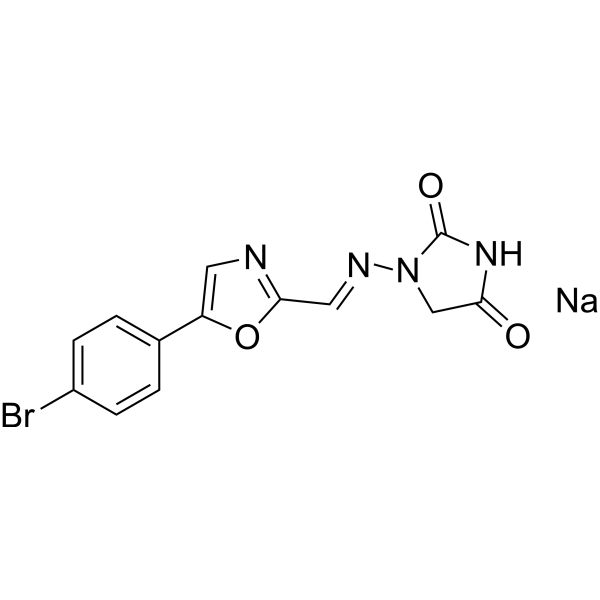
    Azumolene sodium (EU4093) is an analog of Dantrolene (HY-12542) that inhibits malignant hyperthermia (MH) syndrome and intracellular Ca 2+ homeostasis failure caused by Halothane (HY-B1010)/Succinylcholine. Azumolene sodium (0.5-2.0 mg/kg) reduces [Ca 2+]i (from 207 nM to 38 nM) in MH-susceptible skeletal muscle following intramuscular injection .
    Azumolene sodium
  • HY-12542R

    F 368 (Standard)

    Reference Standards Calcium Channel Autophagy Neurological Disease Inflammation/Immunology
    Dantrolene (Standard) is the analytical standard of Dantrolene. This product is intended for research and analytical applications. Dantrolene is an orally active, non-competitive glutathione reductase inhibitor with a Ki of 111.6 μM and an IC50 of 52.3 μM. Dantrolene is a ryanodine receptor (RyR) antagonist and Ca2+ signaling stabilizer. Dantrolene is a direct-acting skeletal muscle relaxant. Dantrolene can be used for the research of muscle spasticity, malignant hyperthermia, Huntington's disease and other neuroleptic malignant syndrome .
    Dantrolene (Standard)
  • HY-12542AR

    Dantrolene sodium hydrate (Standard)

    Reference Standards Calcium Channel Autophagy Others
    Dantrolene (sodium hemiheptahydrate) (Standard) is the analytical standard of Dantrolene (sodium hemiheptahydrate). This product is intended for research and analytical applications. Dantrolene sodium hemiheptahydrate is an orally active, non-competitive glutathione reductase inhibitor with a Ki of 111.6 μM and an IC50 of 52.3 μM. Dantrolene sodium hemiheptahydrate is a ryanodine receptor (RyR) antagonist and Ca2+ signaling stabilizer. Dantrolene sodium hemiheptahydrate is a direct-acting skeletal muscle relaxant. Dantrolene sodium hemiheptahydrate can be used for the research of muscle spasticity, malignant hyperthermia, Huntington's disease and other neuroleptic malignant syndrome .
    Dantrolene sodium hemiheptahydrate (Standard)
  • HY-B0022R

    SCH 13521 (Standard)

    Reference Standards Androgen Receptor Cancer
    Flutamide (Standard) is the analytical standard of Flutamide. This product is intended for research and analytical applications. Flutamide is an Androgen Receptor antagonist with Ki=55 nM. Flutamide inhibits prostate cancer progression and has synergistic effects with Docetaxel (HY-B0011). Flutamide also has the potential to protect against hyperthermia-induced multiple organ dysfunction syndrome .
    Flutamide (Standard)
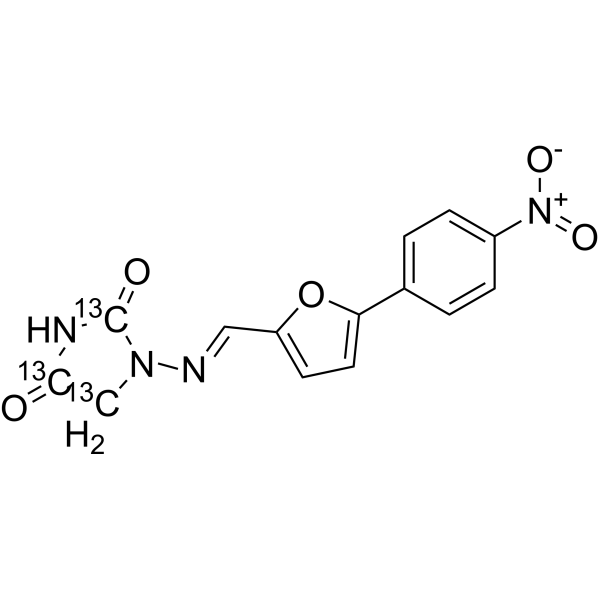
  • HY-12542S

    F 368-13C3

    Isotope-Labeled Compounds Glutathione Reductase (GR) Neurological Disease Inflammation/Immunology
    Dantrolene- 13C3 is the 13C3 labeled Dantrolene. Dantrolene (F368), a muscle relaxant, non-competitively inhibits human erythrocyte glutathione reductase. Ki and IC50 values are 111.6 μM and 52.3 μM, respectively. Dantrolene is a ryanodine receptor antagonist and Ca2+ signaling stabilizer. Dantrolene can be used for the research of muscle spasticity, malignant hyperthermia, Huntington's disease and other neuroleptic malignant syndrome.
    Dantrolene-13C3
  • HY-110091

    TRP Channel Neurological Disease
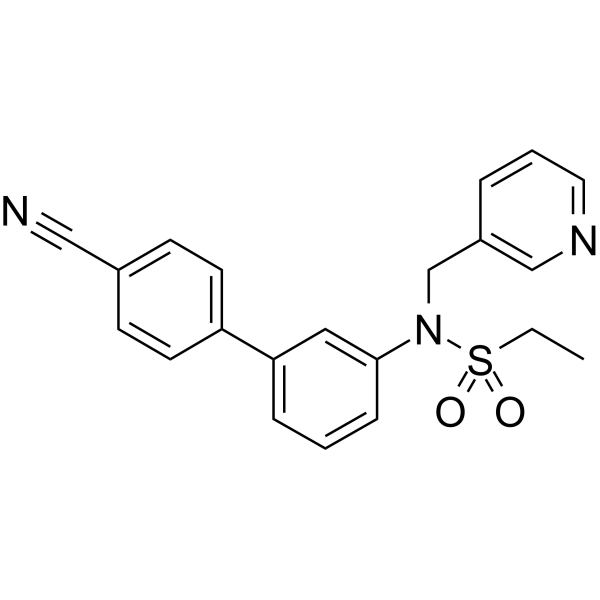
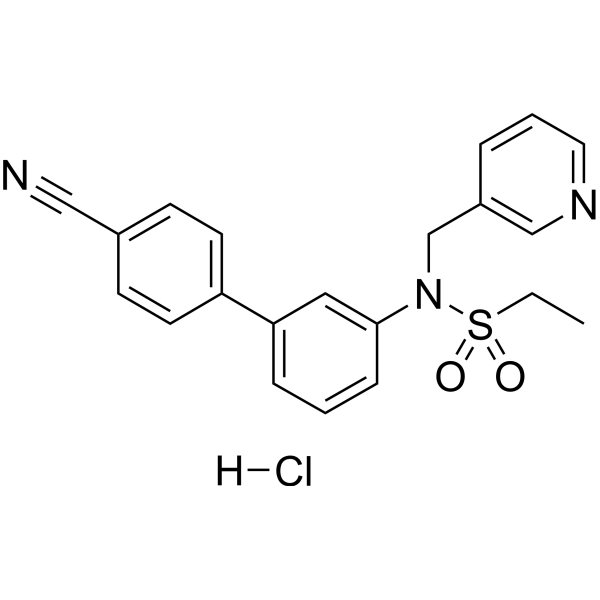
    TRPV1 antagonist 9 (compound 13c) is an orally active transient receptor potential vanilloid 1 (TRPV1) channel antagonist. TRPV1 antagonist 9 blocks Ca 2+ uptake by CHO cells expressing TRPV1 receptors with IC50 values are 0.6 and 0.8 nM for Capsaicin (HY-10448) and acid-induced Ca 2+ uptake, respectively. TRPV1 antagonist 9 blocks Capsaicin (HY-10448)-induced flinch response and causes hyperthermia in rats .
    TRPV1 antagonist 9
  • HY-107505AR

    Reference Standards mGluR Neurological Disease
    CBiPES (Standard) is the analytical standard of CBiPES (HY-107505A). This product is intended for research and analytical applications. CBiPES is a potent mGlu2 positive allosteric modulator with an EC50 value of 92.8 nM. CBiPES attenuates stress-induced hyperthermia and Phencyclidine-induced hyperlocomotor activity. CBiPES can be used for research of neurological diseases, such as ParKinson's disease (PD) .
    CBiPES (Standard)
  • HY-W385577A

    Drug Derivative Neurological Disease Metabolic Disease Inflammation/Immunology
    (S)-2-Benzylpyrrolidine hydrochloride (Compound s1) serves as a METH hapten scaffold. (S)-2-Benzylpyrrolidine hydrochloride attenuates Methamphetamine-induced hyperlocomotion, hyperthermia and respiratory depression. (S)-2-Benzylpyrrolidine hydrochloride alleviates Fentanyl-induced respiratory depression .
    (S)-2-Benzylpyrrolidine hydrochloride
  • HY-183428

    Trace Amine-associated Receptor (TAAR) Neurological Disease
    LK00764 is a TAAR1 agonist with an EC50 of 4 nM. LK00764 alleviates Dizocilpine (HY-15084B)-induced hyperlocomotion, reduces vertical locomotor activity, attenuates spontaneous hyperlocomotion in dopamine transporter knockout rats, and inhibits stress-induced hyperthermia in rats. LK00764 can be used for the research of schizophrenia .
    LK00764
  • HY-W385577

    Drug Derivative Neurological Disease Inflammation/Immunology
    (S)-2-Benzylpyrrolidine (Compound s1) serves as a METH hapten scaffold. (S)-2-Benzylpyrrolidine attenuates Methamphetamine-induced hyperlocomotion, hyperthermia and respiratory depression. (S)-2-Benzylpyrrolidine alleviates Fentanyl-induced respiratory depression .
    (S)-2-Benzylpyrrolidine
  • HY-100672R

    Adrenergic Receptor Reference Standards Cardiovascular Disease Metabolic Disease
    SR59230A (Standard) is the analytical standard of SR59230A (HY-100672). This product is intended for research and analytical applications. SR59230A is a potent, selective, and blood-brain barrier penetrating β3-adrenergic receptor antagonist with IC50s of 40, 408, and 648 nM for β3, β1, and β2 receptors, respectively .
    SR59230A (Standard)
  • HY-103200R

    Reference Standards Adrenergic Receptor Cardiovascular Disease Metabolic Disease
    SR59230A hydrochloride (Standard) is the analytical standard of SR59230A hydrochloride (HY-103200). This product is intended for research and analytical applications. SR59230A hydrochloride is a potent, selective, and blood-brain barrier penetrating β3-adrenergic receptor antagonist with IC50s of 40, 408, and 648 nM for β3, β1, and β2 receptors, respectively .
    SR59230A hydrochloride (Standard)
  • HY-100672BR

    Others Reference Standards Cardiovascular Disease Metabolic Disease
    (2R)-SR59230A (Standard) is the analytical standard of (2R)-SR59230A (HY-100672B). This product is intended for research and analytical applications. (2R)-SR59230A is the isomer of SR59230A (HY-100672), and can be used as an experimental control. SR59230A is a potent, selective, and blood-brain barrier penetrating β3-adrenergic receptor antagonist with IC50s of 40, 408, and 648 nM for β3, β1, and β2 receptors, respectively .
    (2R)-SR59230A (Standard)
  • HY-B1778C

    Suxamethonium iodide

    nAChR mAChR Neurological Disease
    Succinylcholine iodide is a depolarizing neuromuscular blocker with rapid onset and short duration of action. Succinylcholine iodide also acts as an agonist of the Acetylcholine receptor. Succinylcholine iodide is used for emergency airway management .
    Succinylcholine iodide

Inquiry Online

Your information is safe with us. * Required Fields.

Salutation


Country or Region *

Applicant Name *


Organization Name *

Department *


Email Address *


Product Name *

Cat. No.


Requested quantity *

Phone Number *


Remarks

Inquiry Online

Inquiry Information

Product Name:
Cat. No.:
Quantity:
MCE Japan Authorized Agent:

