27 Results for "

intracellular copper

" in MedChemExpress (MCE) Product Catalog:
Products (27)

27 Results for "intracellular copper" in MCE Product Catalog:

  • Targets Recommended:
161
161 Publications Verification
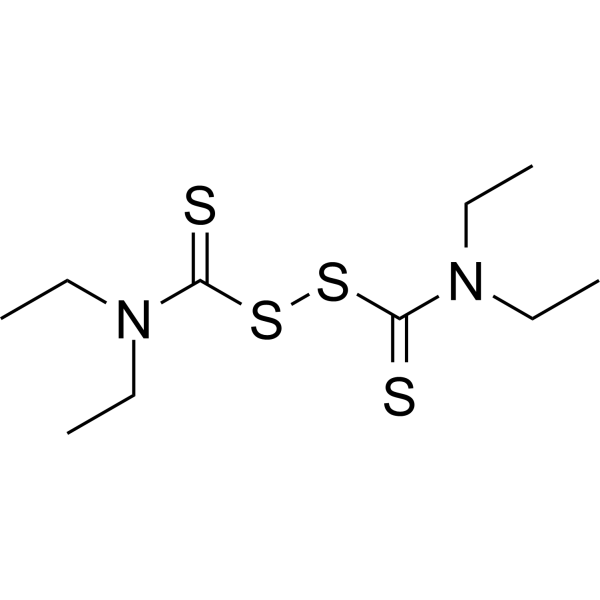
Art. -Nr.: HY-B0240
CAS. Nr.: 97-77-8
Synonyms: Tetraethylthiuram disulfide; TETD
Disulfiram (Tetraethylthiuram disulfide) is a specific inhibitor of aldehyde-dehydrogenase (ALDH1), used for the treatment of chronic alcoholism by producing an acute sensitivity to alcohol. Disulfiram inhibits gasdermin D (GSDMD) pore formation in liposomes and inflammasome-mediated pyroptosis and IL-1β secretion in human and mouse cells. Disulfiram, a copper ion carrier, with Cu 2+ increases intracellular ROS levels and induces cuproptosis .
loading...
    loading...
6
6 Cited Publications
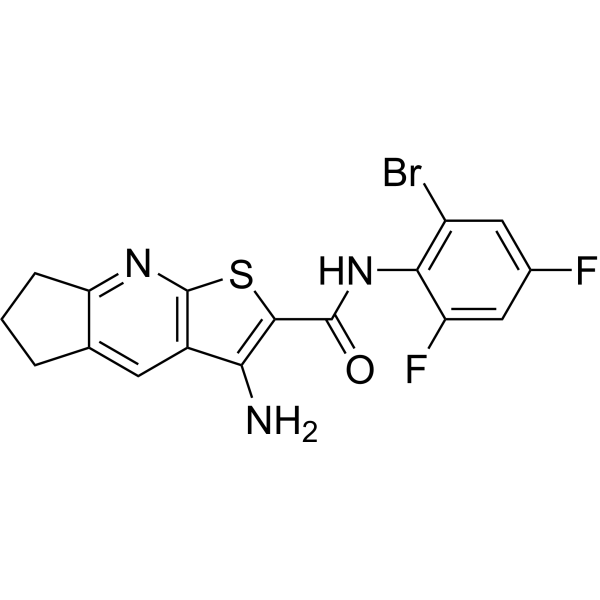
Art. -Nr.: HY-107636
CAS. Nr.: 497061-48-0
Reinheit:  99.97%
Target:  

Apoptosis

Forschungsgebiete:  

Cancer

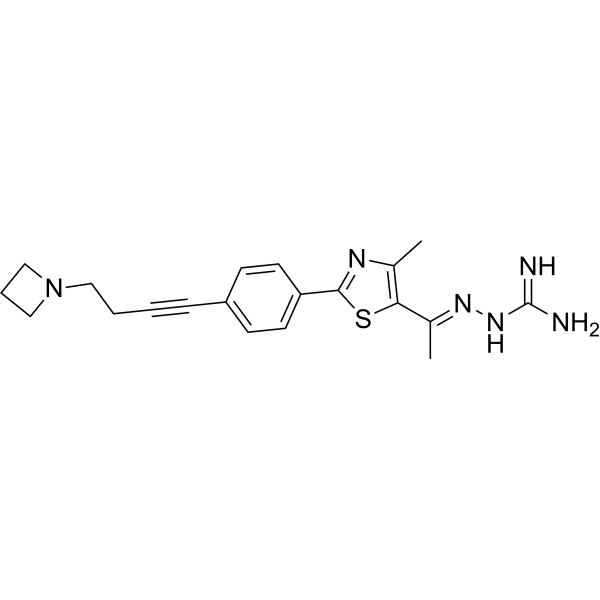
DC_AC50 is a dual inhibitor of Atox1 and CCS (copper chaperones). Inhibiting intracellular copper chaperones as a means of reducing/preventing acquired chemotherapy resistance .
loading...
    loading...
1
1 Cited Publications
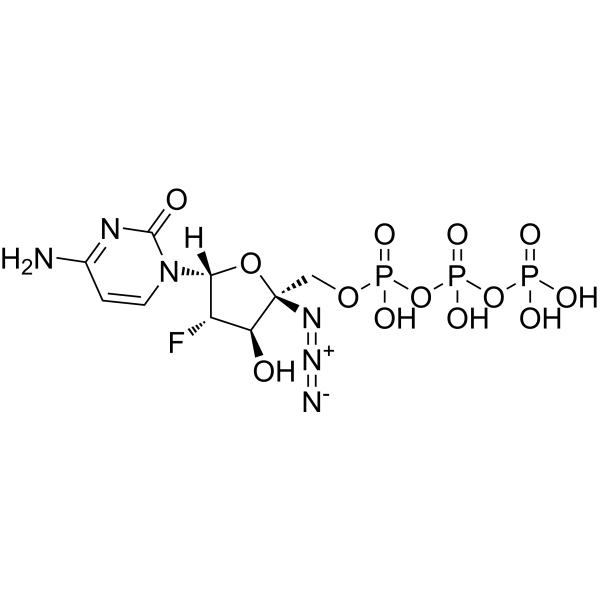
Art. -Nr.: HY-139262
CAS. Nr.: 2457357-99-0
Reinheit:  ≥95.0%
Forschungsgebiete:  

Infection

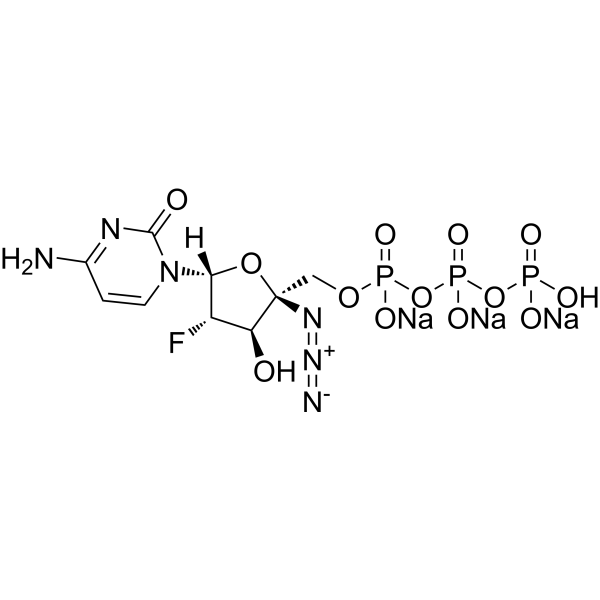
FNC-TP is the intracellular active form of FNC. FNC is a potent nucleoside reverse transcriptase inhibitor (NRTI), with antiviral activity on HIV, HBV and HCV . FNC-TP is a click chemistry reagent, it contains an Azide group and can undergo copper-catalyzed azide-alkyne cycloaddition reaction (CuAAc) with molecules containing Alkyne groups. It can also undergo strain-promoted alkyne-azide cycloaddition (SPAAC) reactions with molecules containing DBCO or BCN groups.
loading...
    loading...
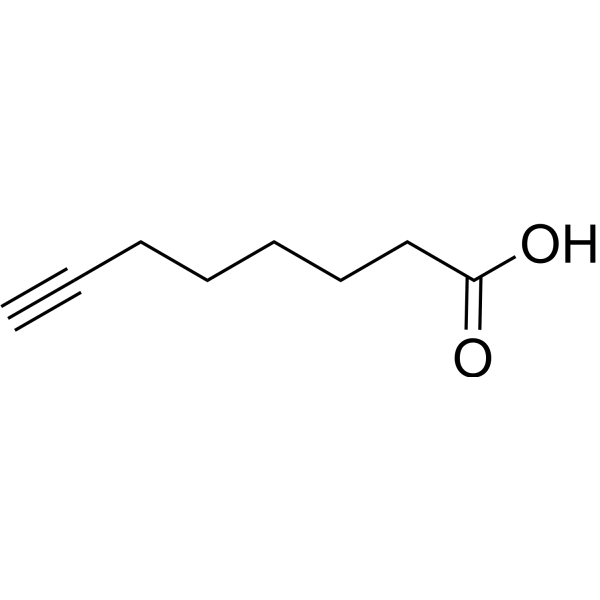
Art. -Nr.: HY-69220
CAS. Nr.: 10297-09-3
Target:  

PROTAC Linkers

Forschungsgebiete:  

Cancer

7-Octynoic acid (compound 42) is a PROTAC linker and can be used in the synthesis of a series of PROTACs. PROTACs contain two different ligands connected by a linker; one is a ligand for an E3 ubiquitin ligase and the other is for the target protein. PROTACs exploit the intracellular ubiquitin-proteasome system to selectively degrade target proteins . 7-Octynoic acid is a click chemistry reagent, it contains an Alkyne group and can undergo copper-catalyzed azide-alkyne cycloaddition (CuAAc) with molecules containing Azide groups.
loading...
    loading...
Art. -Nr.: HY-114243
CAS. Nr.: 1382469-39-7
Reinheit:  98.28%
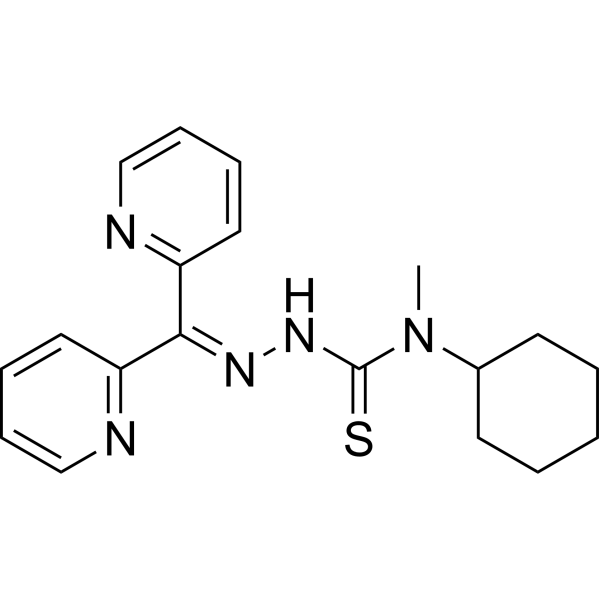
DpC is a selective, orally active iron chelator with anticancer activity. DpC acts on signaling pathway-related targets such as JNK, NF-κB, and its activity is competitively inhibited by another iron chelator Dp44mT (HY-18973). By chelating intracellular iron and copper ions in tumor cells to form redox-active complexes, DpC induces oxidative stress, activates the JNK, NF-κB pathways and downregulates IκBα, upregulates the expressions of neuroglobin and cytoglobin, activates caspase 3/9 to induce tumor cell apoptosis. It also overcomes P-glycoprotein-mediated multidrug resistance through a lysosome-targeting mechanism, and exhibits broad-spectrum synergistic effects when combined with various chemotherapeutic agents. DpC inhibits tumor metastasis and increases TNF-α levels in the tumor microenvironment to enhance endogenous immune responses. DpC is applicable to the research of various malignancies including neuroblastoma, pancreatic cancer, prostate cancer, lung cancer, and breast cancer .
loading...
    loading...
Art. -Nr.: HY-162386
CAS. Nr.: 324530-92-9
Forschungsgebiete:  

Cancer

UM4118 is a potent copper-selective non-genotoxic copper ionophore that induces cuproptosis in acute myeloid leukemia cells. UM4118 exhibits stronger activity against SF3B1G12C mutant acute myeloid leukemia cells. UM4118 transports extracellular copper into cells, elevates intracellular and mitochondrial copper levels, and triggers lipoylated DLAT aggregation, proteotoxic stress, iron-sulfur cluster protein depletion, reduced lipoylated protein levels, and maximal mitochondrial respiratory damage. UM4118 cytotoxicity can be enhanced by supplementation with extracellular copper, abolished by copper chelation, and shows synthetic lethal effects in the absence of iron-sulfur cluster biosynthesis/transport genes. UM4118 can be used for the study of acute myeloid leukemia .
loading...
    loading...
Art. -Nr.: HY-D1320
CAS. Nr.: 1267539-32-1
Target:  

Fluorescent Dye

Forschungsgebiete:  

Others

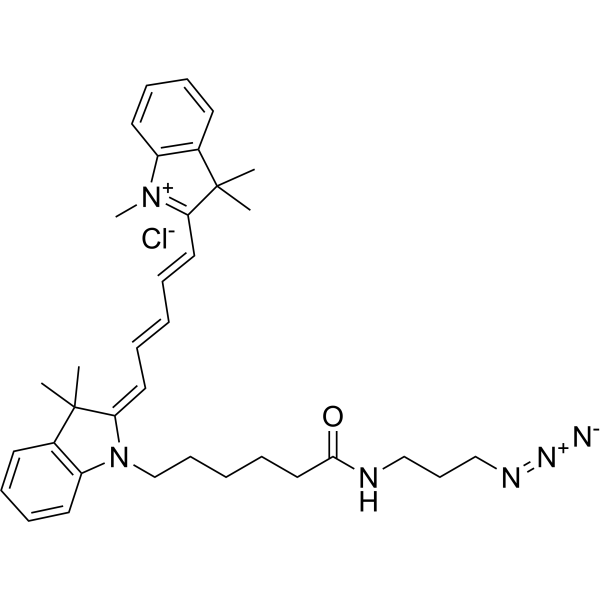
Cyanine5 azide chloride is a Fluorescent probe for cell-selective bacterial protein labeling, as well as a fluorescent dye for single-molecule imaging and dynamic tracking of intracellular organelles. Cyanine5 azide chloride can conjugate with the alkynyl side chain of propargylglycine incorporated into bacterial proteins by the engineered methionyl-tRNA synthetase variant PraRS via copper (I)-catalyzed azide-alkyne [3+2] cycloaddition reaction, thereby enabling in-gel fluorescent visualization of labeled proteins. Cyanine5 azide chloride can diffuse across cell membranes and undergo copper-free click reaction with DBCO-functionalized scAVD pre-bound to DBCO-functionalized biotin, forming fluorescent nanoprobes with enhanced brightness, photostability and localization accuracy, and exhibiting discrete photobleaching steps. The excitation wavelength of Cyanine5 azide chloride is Ex = 633 nm .
loading...
    loading...
Art. -Nr.: HY-108374
CAS. Nr.: 88192-20-5
Reinheit:  ≥98.0%
Target:  

PROTAC Linkers

Forschungsgebiete:  

Cancer

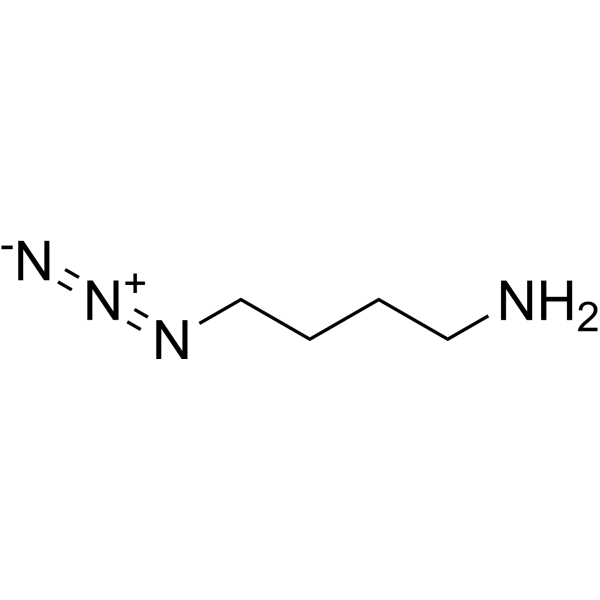
4-Azidobutylamine is a PROTAC linker, which refers to the alkyl chain composition. 4-Azidobutylamine can be used in the synthesis of a series of PROTACs. PROTACs contain two different ligands connected by a linker; one is a ligand for an E3 ubiquitin ligase and the other is for the target protein. PROTACs exploit the intracellular ubiquitin-proteasome system to selectively degrade target proteins . 4-Azidobutylamine is a click chemistry reagent, it contains an Azide group and can undergo copper-catalyzed azide-alkyne cycloaddition reaction (CuAAc) with molecules containing Alkyne groups. It can also undergo strain-promoted alkyne-azide cycloaddition (SPAAC) reactions with molecules containing DBCO or BCN groups.
loading...
    loading...
Art. -Nr.: HY-P1793
CAS. Nr.: 83471-50-5
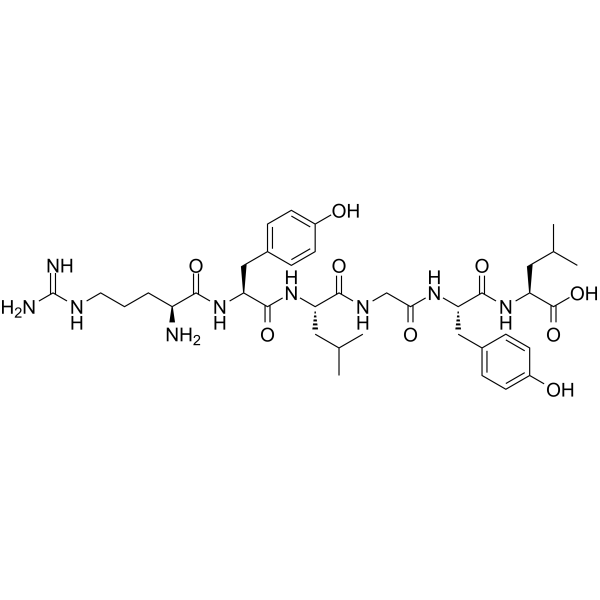
α-Casein (90-95) is a partial agonist of opioid receptors and a copper ion ligand, with opioid activity. α-Casein (90-95) inhibits the secretion of β-hexosaminidase by rat peritoneal mast cells (PMC) with IC50= 0.1 μM. α-Casein (90-95) inhibits the proliferation of prostate cancer cells LNCaP, DU145, and PC3 with IC50 of 0.94 nM, 137 nM, and 6.92 nM, respectively. α-Casein (90-95) activates Gi-like proteins through a membrane-assisted, receptor-independent pathway, or reversibly binds to opioid receptors, inducing intracellular calcium release and conformational changes, and exerts the activity of promoting mast cell secretion and inhibiting tumor cell proliferation. α-Casein (90-95) can be used in the study of the mechanisms of allergic diseases and prostate cancer .
loading...
    loading...
Art. -Nr.: HY-178914
CAS. Nr.: 101264-90-8
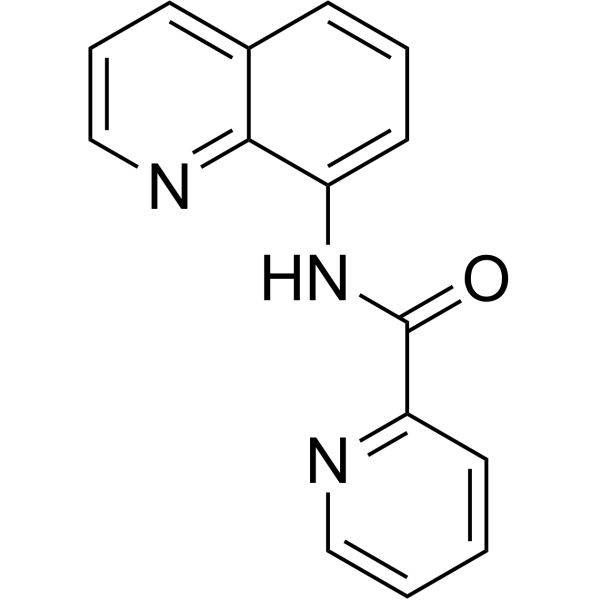
Copper ionophore I is an efficient copper ion carrier. Copper ionophore I can regulate various intracellular copper levels to induce cuproptosis, such as 4T1 (IC50 = 0.45 μM) and MDA-MB-231(IC50 = 1.21 μM) cells. Copper ionophore I can induce an increase in ROS and cause mitochondrial dysfunction. Copper ionophore I can reduce the expression of FDX1, DLAT, and LIAS proteins. Copper ionophore I can activate immune related pathways and promote T cell infiltration. Copper ionophore I can be used for cancer research .
loading...
    loading...
Art. -Nr.: HY-126781
CAS. Nr.: 141790-23-0
Synonyms: BM-211290
Target:  

HIV DNA/RNA Synthesis

Forschungsgebiete:  

Infection

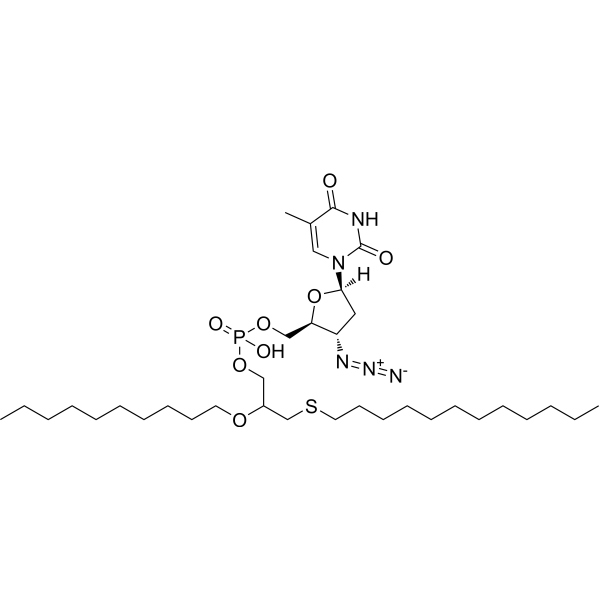
Fozivudine tidoxil (BM-211290) is an orally active thioether lipid-zidovudine (ZDV) conjugate with anti-HIV activity. Fozivudine tidoxil, a member of the NRTI family of agent, is incorporated into the newly synthesized strand of DNA during intracellular viral replication and irreversibly binds viral RT which disrupts viral reverse-transcription . Fozivudine tidoxil is a click chemistry reagent, it contains an Azide group and can undergo copper-catalyzed azide-alkyne cycloaddition reaction (CuAAc) with molecules containing Alkyne groups. It can also undergo strain-promoted alkyne-azide cycloaddition (SPAAC) reactions with molecules containing DBCO or BCN groups.
loading...
    loading...
Art. -Nr.: HY-P1793A
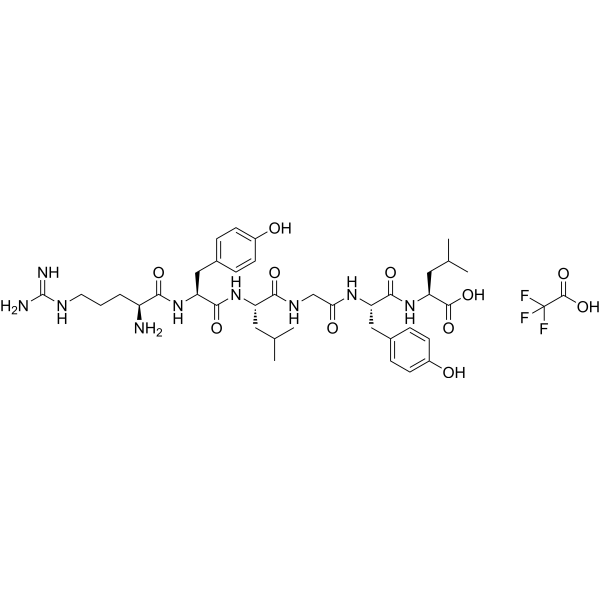
α-Casein (90-95) TFA is a partial agonist of opioid receptors and a copper ion ligand, with opioid activity. α-Casein (90-95) TFA inhibits the secretion of β-hexosaminidase by rat peritoneal mast cells (PMC) with IC50= 0.1 μM. α-Casein (90-95) TFA inhibits the proliferation of prostate cancer cells LNCaP, DU145, and PC3 with IC50 of 0.94 nM, 137 nM, and 6.92 nM, respectively. α-Casein (90-95) TFA activates Gi-like proteins through a membrane-assisted, receptor-independent pathway, or reversibly binds to opioid receptors, inducing intracellular calcium release and conformational changes, and exerts the activity of promoting mast cell secretion and inhibiting tumor cell proliferation. α-Casein (90-95) TFA can be used in the study of the mechanisms of allergic diseases and prostate cancer .
loading...
    loading...
Art. -Nr.: HY-126250
CAS. Nr.: 2376326-31-5
Reinheit:  98.10%
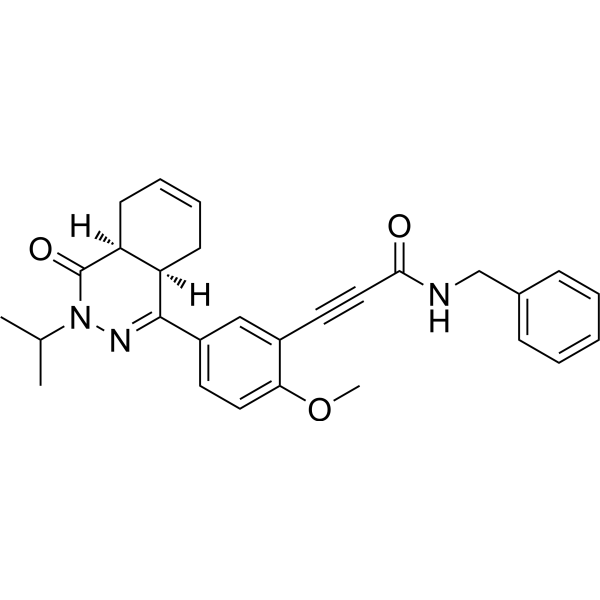
NPD1335 is a Trypanosoma brucei phosphodiesterase B1 (TbrPDEB1) inhibitor with submicromolar activities against T. brucei parasites. NPD1335 displays a greatly improved cytotoxicity profile. NPD1335 increases intracellular cAMP levels and results in the distortion of the cell cycle and cell death . NPD-1335 is a click chemistry reagent, it contains an Alkyne group and can undergo copper-catalyzed azide-alkyne cycloaddition (CuAAc) with molecules containing Azide groups.
loading...
    loading...
Art. -Nr.: HY-139262A
Forschungsgebiete:  

Infection

FNC-TP trisodium is the intracellular active form of FNC. FNC is a potent nucleoside reverse transcriptase inhibitor (NRTI), with antiviral activity on HIV, HBV and HCV . FNC-TP (trisodium) is a click chemistry reagent, it contains an Azide group and can undergo copper-catalyzed azide-alkyne cycloaddition reaction (CuAAc) with molecules containing Alkyne groups. It can also undergo strain-promoted alkyne-azide cycloaddition (SPAAC) reactions with molecules containing DBCO or BCN groups.
loading...
    loading...
Art. -Nr.: HY-147531
CAS. Nr.: 2459657-11-3
Target:  

Bacterial

Forschungsgebiete:  

Infection

Antibacterial agent 106 (compound 8) is an orally active and potent antibacterial agent with antibiofilm activity. Antibacterial agent 106 shows potent antibacterial effect against multi-agent resistant (MDR)-Gram positive pathogens. Antibacterial agent 106 is highly effective in clearing 99.7% of the intracellular methicillin-resistant S. aureus (MRSA) harbored inside macrophages . Antibacterial agent 106 is a click chemistry reagent, it contains an Alkyne group and can undergo copper-catalyzed azide-alkyne cycloaddition (CuAAc) with molecules containing Azide groups.
loading...
    loading...
Art. -Nr.: HY-D2758
CAS. Nr.: 1911598-65-6
TAMRA DBCO, 5-isomer is a derivative of TAMRA fluorescent isomer with a DBCO functional group. TAMRA DBCO, 5-isomer undergoes strain-promoted azide-alkyne cycloaddition (SPAAC) under copper-free catalytic conditions. TAMRA DBCO, 5-isomer serves as a FRET acceptor for FAM fluorophores. TAMRA DBCO, 5-isomer can label proteins, peptides, nucleic acids and all azide-modified biomolecules, and is suitable for fluorescence imaging and flow cytometry to quantify intracellular SPAAC reactions .
loading...
    loading...
Art. -Nr.: HY-153665
CAS. Nr.: 2761446-55-1
Reinheit:  99.45%
Forschungsgebiete:  

Cancer

Deg-1 is a bifunctional probe with a cleavage group and a covalent binding group. Deg-1 binds covalently to target nucleic acids and acts as a click degrader to cleave nucleic acid molecules, exhibiting the potential to selectively cleave target nucleic acids intracellularly. Deg-1 contains an azide group that can undergo copper-catalyzed azide-alkyne cycloaddition (CuAAc) with alkynyl groups, as well as strain-promoted alkyne-azide cycloaddition (SPAAC) with DBCO or BCN. Deg-1 can be used in studies related to acute myeloid leukemia and RNA function .
loading...
    loading...
Art. -Nr.: HY-155685
CAS. Nr.: 3058085-77-8
Forschungsgebiete:  

Cancer

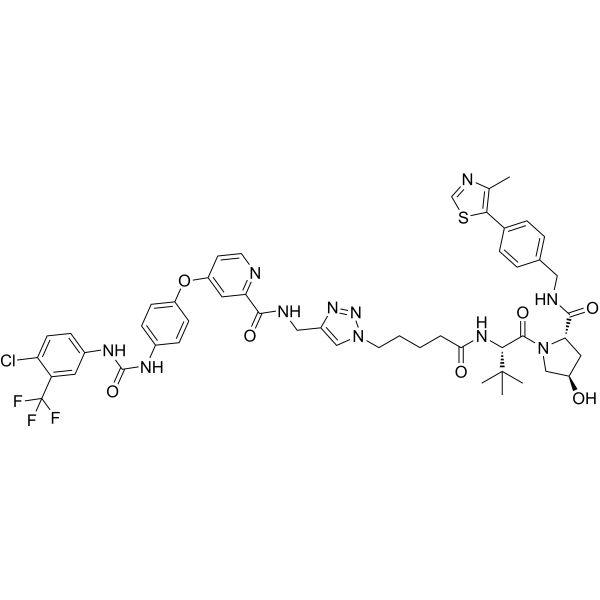
SA-VA is a heterobifunctional PROTAC molecule generated in situ via click chemistry, and acts as a degrader for VEGFR-2 and EphB4. SA-VA is self-assembled from the alkynyl precursor SA and the azide precursor VA through a copper ion-mediated intracellular click chemistry reaction, recruits the E3 ubiquitin ligase VHL to mediate the ubiquitination of target proteins, and triggers degradation via the proteasome pathway. SA-VA induces cell cycle arrest and apoptosis in U87 glioma cells. SA-VA can be used in cancer-related research .
loading...
    loading...
Art. -Nr.: HY-181975
CAS. Nr.: 956181-19-4
Target:  

Notch

Forschungsgebiete:  

Cancer

ATOX1-IN-1 is an inhibitor of ATOX1 (a copper chaperone protein) with a Kd value of 12.5 μM. ATOX1-IN-1 induces intracellular copper accumulation, increases the level of DNA methylation in the NOTCH1 promoter region, and inhibits the NOTCH1/HES1 signaling pathway. ATOX1-IN-1 enhances the sensitivity of hepatocellular carcinoma cells to Cisplatin (HY-17394). ATOX1-IN-1 can be used in hepatocellular carcinoma-related research .
loading...
    loading...
Art. -Nr.: HY-W679138
CAS. Nr.: 128-03-0
Forschungsgebiete:  

Neurological Disease

N,N-dimethyldithiocarbamate potassium is a ubiquitin-activating enzyme E1 inhibitor. N,N-dimethyldithiocarbamate potassium inhibits the activation of E1 and reduces the level of activated ubiquitinated E1 (ub-E1). N,N-dimethyldithiocarbamate potassium increases intracellular copper levels, enhances oxidative stress, elevates protein carbonyl levels, and upregulates the expression of HO-1 . N,N-dimethyldithiocarbamate potassium is applicable to research related to Parkinson's disease .
loading...
    loading...

