1. Search Result
Search Result
Pathways Recommended: Neuronal Signaling JAK/STAT Signaling
Results for "

intracellular signaling

" in MedChemExpress (MCE) Product Catalog:

207

Inhibitors & Agonists

10

Screening Libraries

5

Fluorescent Dyes

12

Biochemical Assay Reagents

12

Peptides

3

Inhibitory Antibodies

39

Natural
Products

11

Isotope-Labeled Compounds

2

Antibodies

11

Oligonucleotides

2

GMP Molecules

Targets Recommended:
Cat. No. Product Name Target Research Areas Chemical Structure
  • HY-127019
    Nigericin
    Maximum Cited Publications
    221 Publications Verification

    Potassium Channel NOD-like Receptor (NLR) Bacterial Antibiotic Pyroptosis Wnt β-catenin Infection Cancer
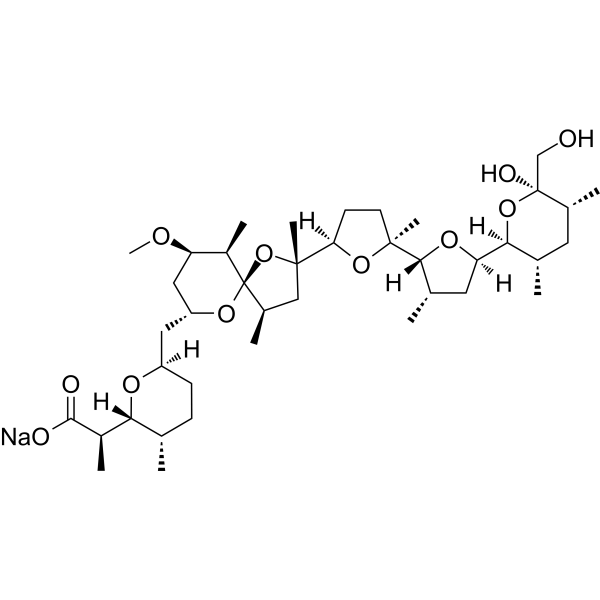
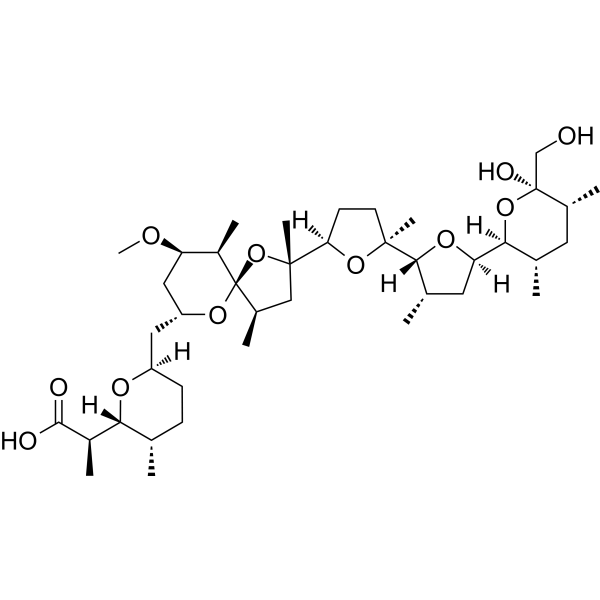
    Nigericin is an antibiotic derived from Streptomyces hygroscopicus that act as a K +/H + ionophore, promoting K +/H + exchange across mitochondrial membranes. Nigericin is a NLRP3 activator. Nigericin shows promising anti-cancer activities through decreasing intracellular pH (pHi), and inactivation of Wnt/β-catenin signals. Nigericin induces pyroptosis through caspase 1/GSDMD in TNBC .
    Nigericin
  • HY-100381
    Nigericin sodium salt
    Maximum Cited Publications
    221 Publications Verification

    Potassium Channel NOD-like Receptor (NLR) Bacterial Antibiotic Pyroptosis Wnt β-catenin Infection Cancer
    Nigericin sodium salt is an antibiotic derived from Streptomyces hygroscopicus that act as a K +/H + ionophore, promoting K +/H + exchange across mitochondrial membranes. Nigericin sodium salt is a NLRP3 activator. Nigericin sodium salt shows promising anti-cancer activities through decreasing intracellular pH (pHi), and inactivation of Wnt/β-catenin signals. Nigericin sodium salt induces pyroptosis through caspase 1/GSDMD in TNBC .
    Nigericin sodium salt
  • HY-B1511
    Cyclic AMP
    20+ Cited Publications

    Cyclic adenosine monophosphate; Adenosine cyclic 3', 5'-monophosphate; cAMP

    Endogenous Metabolite Neurological Disease Metabolic Disease Cancer
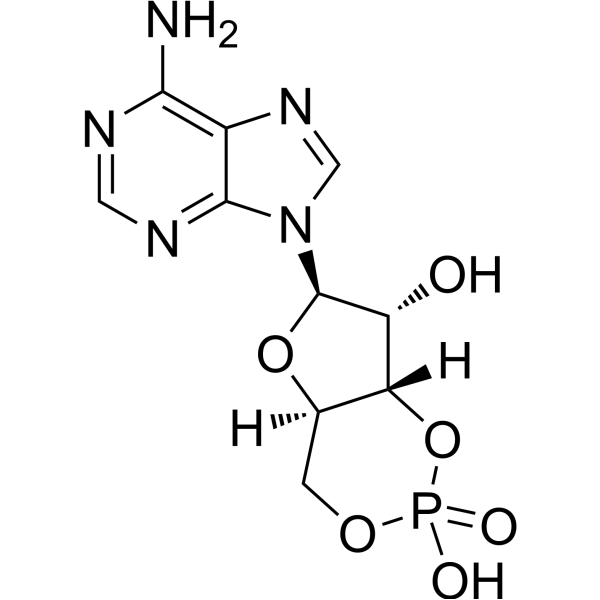
    Cyclic AMP (Cyclic adenosine monophosphate), adenosine triphosphate derivative, is an intracellular signaling molecule responsible for directing cellular responses to extracellular signals. Cyclic AMP is an important second messenger in many biological processes .
    Cyclic AMP
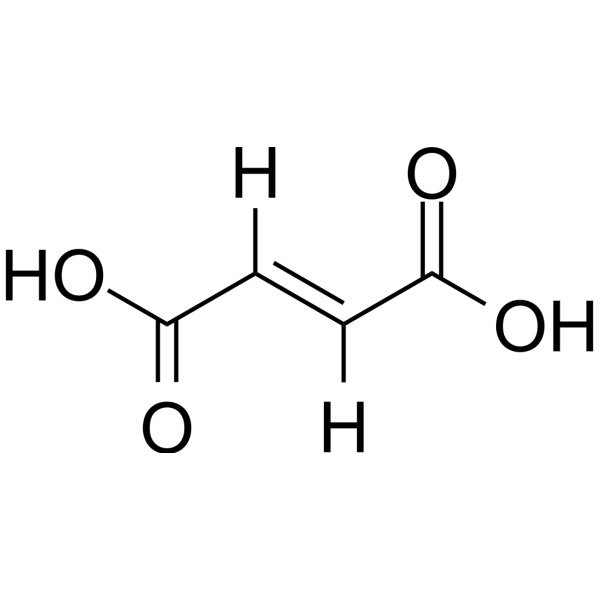
  • HY-W015883
    Fumaric acid
    4 Publications Verification

    Environmental Pollutants Endogenous Metabolite NF-κB p38 MAPK Cardiovascular Disease Metabolic Disease Inflammation/Immunology
    Fumaric acid is an unsaturated dicarbonic acid, an intermediate product of the citric acid cycle that provides intracellular energy in the form of ATP. Fumaric acid exerts anti-inflammatory effects by inhibiting the NF-κB signaling pathway dependent on p38 MAPK. Fumaric acid can be used in the study of pregnancy-induced hypertension .
    Fumaric acid
  • HY-124697
    BMP signaling agonist sb4
    5+ Cited Publications

    TGF-β Receptor Cancer
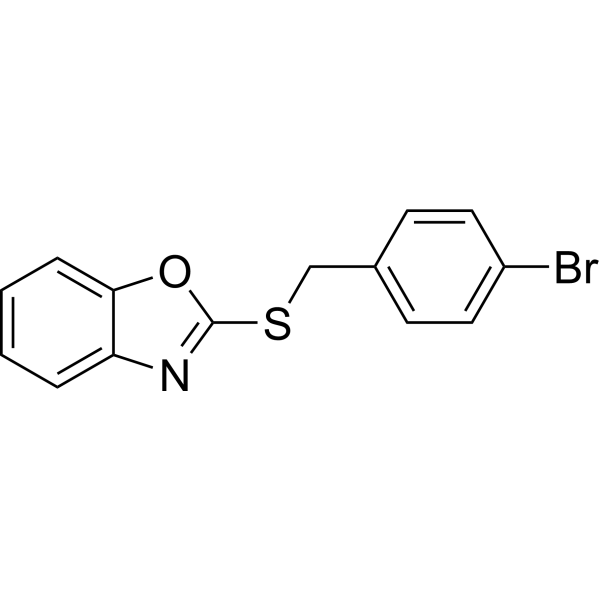
    BMP signaling agonist sb4 is a potent benzoxazole bone morphogenetic protein 4 (BMP4) signaling agonist with a EC50 value of 74 nM, activates BMP signaling by stabilizing intracellular p-SMAD-1/5/9. BMP signaling agonist sb4 activates BMP4 target genes (inhibitors of DNA binding,?Id1?and?Id3) canonical BMP signaling .
    BMP signaling agonist sb4
  • HY-B1511A
    Cyclic AMP sodium
    Maximum Cited Publications
    25 Publications Verification

    Cyclic adenosine monophosphate sodium; Adenosine cyclic 3', 5'-monophosphate sodium; cAMP sodium

    Biochemical Assay Reagents Neurological Disease Metabolic Disease Cancer
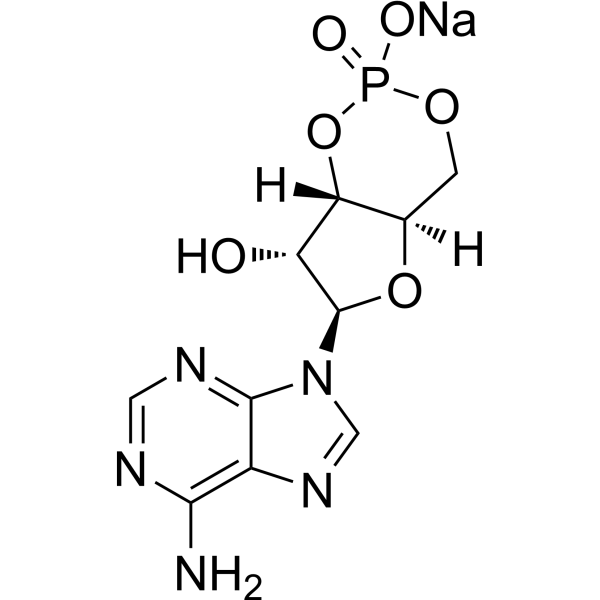
    Cyclic AMP (Cyclic adenosine monophosphate) sodium, adenosine triphosphate derivative, is an intracellular signaling molecule responsible for directing cellular responses to extracellular signals. Cyclic AMP sodium is an important second messenger in many biological processes .
    Cyclic AMP sodium
  • HY-10805
    Almorexant
    5+ Cited Publications

    ACT 078573

    Orexin Receptor (OX Receptor) Calcium Channel Caspase Apoptosis Neurological Disease Endocrinology Cancer
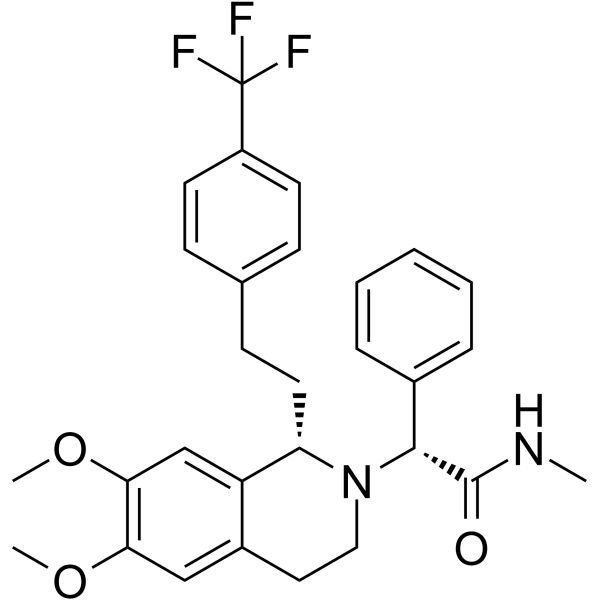
    Almorexant (ACT 078573) is an orally active, potent and competitive dual orexin receptor antagonist, with Kd values of 1.3 nM (OX1) and 0.17 nM (OX2), respectively. Almorexant reversibly blocks signaling of orexin-A and orexin-B peptides. Almorexant totally blocked the intracellular Ca 2+ signal pathway. Almorexant stimulates caspase-3 activity in AsPC-1 cells and induces apoptosis .
    Almorexant
  • HY-Y0537E
    Potassium chloride, for cell culture
    1 Publications Verification

    Environmental Pollutants Calcium Channel Potassium Channel Biochemical Assay Reagents Neurological Disease
    Potassium chloride, for cell culture is potassium chloride that can be used for cell culture. Potassium chloride, for cell culture increases extracellular potassium ion concentration to induce cellular depolarization, thereby activating voltage-gated calcium channels and regulating intracellular calcium signaling. Potassium chloride, for cell culture upregulates Brn-5. Potassium chloride, for cell culture inhibits the proliferation of neurons and some plant cells .
    Potassium chloride, for cell culture
  • HY-143589

    JAB-21822; KRAS G12C inhibitor 36

    Ras Cancer
    Glecirasib (Compound 1-2; JAB-21822) is an orally active and potent inhibitor of KRAS G12C. The Ras family of proteins is an important intracellular signaling molecule that plays an important role in growth and development. Glecirasib has the potential for the research of KRAS G12C-mediated cancer .
    Glecirasib
  • HY-B1371
    Spiperone
    2 Publications Verification

    Spiroperidol

    Dopamine Receptor 5-HT Receptor Wnt Neurological Disease
    Spiperone (Spiroperidol) is a potent dopamine D2, serotonin 5-HT1A, and serotonin 5-HT2A antagonist. Spiperone is also a labelled ligand for neuroleptic receptors. Spiperone enhances intracellular calcium level and inhibits the Wnt signaling pathway. Spiperone has the potential for the research of neurology diseases .
    Spiperone
  • HY-151798

    Adenylate Cyclase Others
    TDI-11861 is an orally active soluble sAC inhibitor optimized and designed based on TDI-10229 (HY-132298), with an IC50 of 3.3 nM and a KD of 1.4 nM. TDI-11861 has advantages such as high affinity, slow dissociation, and good pharmacokinetics. TDI-11861 can be used for research on male contraception and related sAC pharmacology .
    TDI-11861
  • HY-P10152

    Biochemical Assay Reagents Infection
    INF7 is a derivative of the N-terminal domain of the HA2 protein and is sensitive to pH. INF7 disrupts the stability of endosomal membranes through a mechanism independent of membrane fusion. INF7 can be used to enhance the endosome escape of complex or liposome-encapsulated proteins. Co-encapsulation of INF7 and molecular imaging probes in liposomes can enhance intracellular signaling and probe retention .
    INF7
  • HY-13463
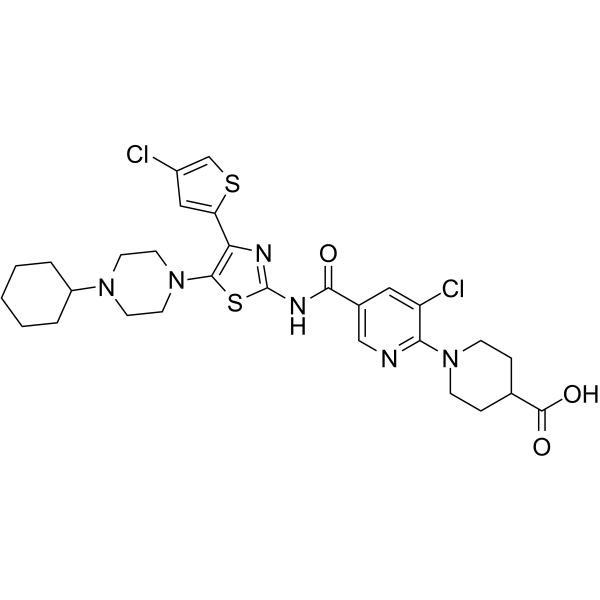
    Avatrombopag
    5 Publications Verification

    AKR-501; E5501; YM477

    Thrombopoietin Receptor Inflammation/Immunology Cancer
    Avatrombopag (AKR-501) is an orally active, nonpeptide thrombopoietin (TPO) receptor agonist (EC50=3.3 nM). Avatrombopag mimics the biological activities of TPO. Avatrombopag increases platelet production by activating the intracellular signaling system, and promotes production of platelets and megakaryocytes from hemopoietic precursor cells. Avatrombopag is a substrate of cytochrome P450 (CYP) 2C9 and CYP3A .
    Avatrombopag
  • HY-10805A
    Almorexant hydrochloride
    5+ Cited Publications

    ACT 078573 hydrochloride

    Orexin Receptor (OX Receptor) Calcium Channel Caspase Apoptosis Neurological Disease Endocrinology Cancer
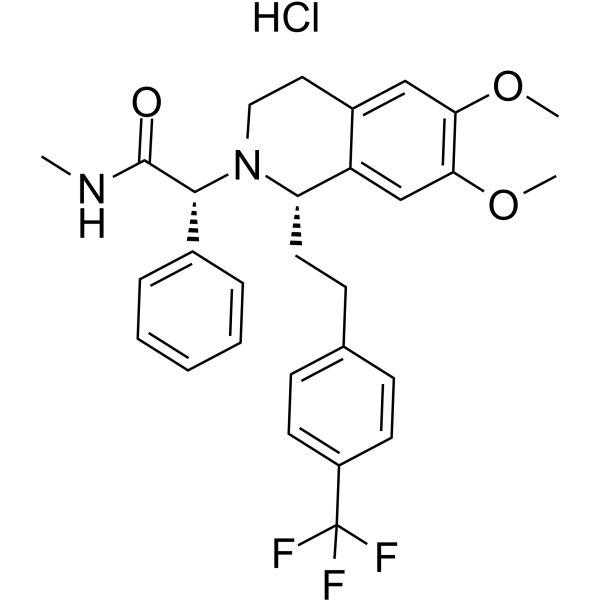
    Almorexant (ACT 078573) hydrochloride is an orally active, potent and competitive dual orexin receptor antagonist, with Kd values of 1.3 nM (OX1) and 0.17 nM (OX2), respectively. Almorexant hydrochloride reversibly blocks signaling of orexin-A and orexin-B peptides. Almorexant hydrochloride totally blocked the intracellular Ca 2+ signal pathway. Almorexant hydrochloride stimulates caspase-3 activity in AsPC-1 cells and induces apoptosis .
    Almorexant hydrochloride
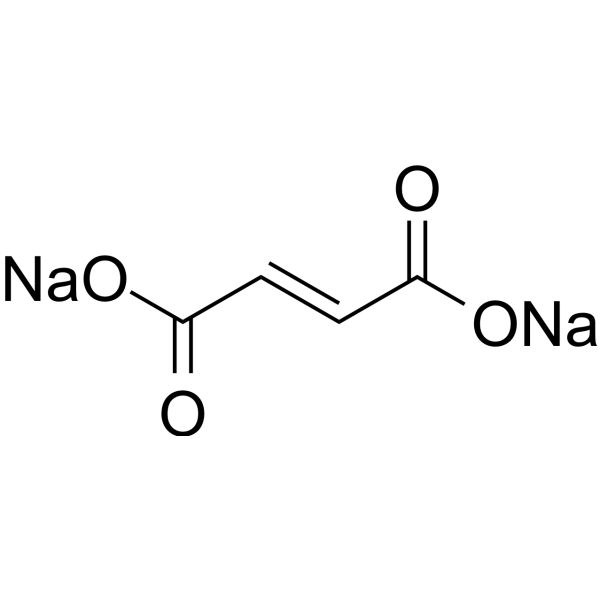
  • HY-W015883A
    Fumaric acid disodium
    4 Publications Verification

    Endogenous Metabolite NF-κB p38 MAPK Cardiovascular Disease Inflammation/Immunology
    Fumaric acid disodium is an unsaturated dicarbonic acid, an intermediate product of the citric acid cycle that provides intracellular energy in the form of ATP. Fumaric acid disodium exerts anti-inflammatory effects by inhibiting the NF-κB signaling pathway dependent on p38 MAPK. Fumaric acid disodium can be used in the study of pregnancy-induced hypertension .
    Fumaric acid disodium
  • HY-113884B

    13(S)-HODE

    PPAR Mitochondrial Metabolism Inflammation/Immunology Cancer
    (S)-Coriolic acid (13(S)-HODE), the product of 15-lipoxygenase (15-LOX) metabolism of linoleic acid, functions as the endogenous ligand to activate PPARγ. (S)-Coriolic acid is an important intracellular signal agent and is involved in cell proliferation and differentiation in various biological systems. (S)-Coriolic acid induces mitochondrial dysfunction and airway epithelial injury .
    (S)-Coriolic acid
  • HY-N0642

    Drug Derivative Calcium Channel Metabolic Disease
    α-L-Rhamnose monohydrate is a neutral sugar present in plants, animals, viruses and bacteria. α-L-Rhamnose monohydrate is a ligand for α-L-rhamnose-recognizing lectin sites, trigger intracellular signaling pathways. α-L-Rhamnose monohydrate induces rhaE and rhaA expression as a specific carbon source in Aspergillus nidulans, while glucose inhibits its cellular uptake. α-L-Rhamnose monohydrate induces rapid and transient increases in intracellular free Ca 2+ concentration in normal human dermal fibroblasts .
    α-L-Rhamnose monohydrate
  • HY-P3496
    Pep19-2.5
    1 Publications Verification

    Pyroptosis Inflammation/Immunology
    Pep19-2.5 is an synthetic and antitoxin peptide, blocks the intracellular endotoxin signaling cascade. Pep19-2.5 inhibits signaling of lipopeptides (LP) and lipopolysaccharides (LPS) mediated by transmembrane and cytosolic pattern recognition receptors (PRRs). The signaling cascades lead to inflammation and cell pyroptosis .
    Pep19-2.5
  • HY-158145

    Phospholipase Cancer
    DS55980254 is the orally active inhibitor for phosphatidylserine synthase 1 (PTDSS1) that blocks the synthesis of intracellular phosphatidylserine. PTDSS1 deficiency affects the balance of cell membrane phospholipid components, and activates B cell receptor (BCR) signaling pathway .
    DS55980254
  • HY-N8307

    NO Synthase NF-κB Akt AMPK Calcium Channel Inflammation/Immunology
    Syringaresinol is a lignan-type phytochemical with anti-inflammatory activities. Syringaresinol inhibits the NF-κB and AKT signaling pathway in IL-1β-activated mouse chondrocytes. Syringaresinol increases phosphorylation of AMPK, eNOS, and intracellular Ca 2+ levels in HUVECs. Syringaresinol attenuates osteoarthritis progression in mice with Destabilization of the Medial Meniscus (DMM)-induced osteoarthritis. Syringaresinol can be used for the study of osteoarthritis (OA) .
    Syringaresinol
  • HY-156671

    Ras PI3K ERK mTOR Apoptosis Cancer
    RMC-4998 is an orally active inhibitor targeting the active or GTP-bound state of the KRAS G12C mutant. RMC-4998 can form a ternary complex with intracellular CYPA and the activated KRAS G12C mutant, with an IC50 value of 28 nM. RMC-4998 can inhibit ERK signaling in KRAS G12C mutant cancer cells and induce apoptosis. RMC-4998 can be used for tumor research .
    RMC-4998
  • HY-P5275

    CG-Lipoxyn

    NF-κB Histone Demethylase Metabolic Disease
    Tripeptide-41 (CG-Lipoxyn) is a signal peptide. Tripeptide-41 activates the NF-kB signaling pathway, inhibits the expression of C/EBP and increases cAMP. Tripeptide-41 is an important intracellular signaling factor that causes lipolysis by promoting the hydrolysis of lipids into triglycerides. Tripeptide-41 can be used in cosmetics that targets fat accumulation .
    Tripeptide-41
  • HY-131015

    Biochemical Assay Reagents Others
    HaXS8 is a dimerizer that can promote a covalent and irreversible intracellular dimerization of HaloTag and SNAP-tagged proteins of interest. HaXS8 does not interfere with PI3K/mTOR signaling .
    HaXS8
  • HY-147329

    Transmembrane Glycoprotein Metabolic Disease
    RAGE 229 is an orally active ctRAGE-DIAPH1 inhibitor. RAGE 229 can inhibit the intracellular RAGE signaling by inhibiting the interaction between the cytoplasmic tail of RAGE(ctRAGE) and Diaphanous-1(DIAPH1) .
    RAGE 229
  • HY-P99031

    CAM 3001

    c-Fms Cardiovascular Disease Inflammation/Immunology
    Mavrilimumab (CAM 3001) is a monoclonal antibody that binds to the α subunit of the granulocyte-macrophage colony stimulating factor (GM-CSF) receptor and blocks intracellular signalling downstream of GM-CSF. GM-CSF might be a mediator of the hyperactive inflammatory response associated with respiratory failure and death .
    Mavrilimumab
  • HY-156004

    Bacterial Others
    Ziapin 2 is a membrane potential modulator and an intracellular membrane photoactuator. Ziapin 2 binds to the bacterial plasma membrane, and upon embedding into the lipid bilayer, undergoes trans-cis isomerization under 470 nm light irradiation, which triggers membrane potential hyperpolarization and induces the opening of ion channels on bacterial cell membranes. Through interactions with lipids, Ziapin 2 increases the overall flexibility of the lipid bilayer. Ziapin 2 can form photosensitive transmembrane dimers to trigger cellular signal transduction. Ziapin 2 is applicable to the research and regulation of bacterial electrical signal transduction and the regulation of membrane physical properties .
    Ziapin 2
  • HY-13463A
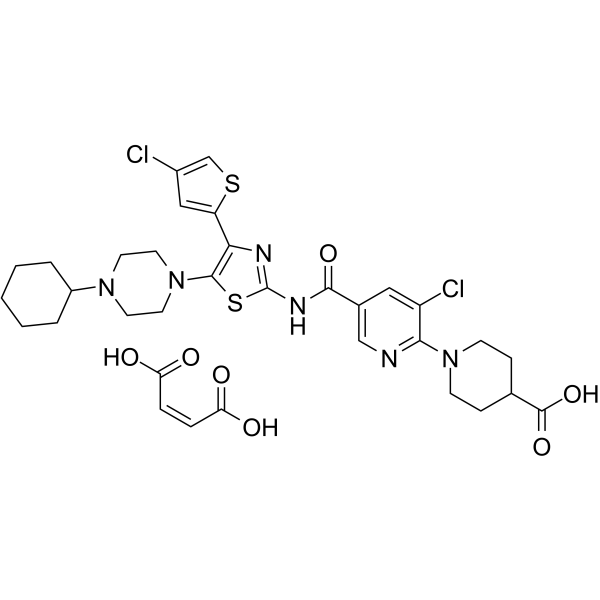
    Avatrombopag maleate
    5 Publications Verification

    AKR-501 maleate; E5501 maleate; YM477 maleate

    Thrombopoietin Receptor Cytochrome P450 ERK STAT Inflammation/Immunology Cancer
    Avatrombopag (AKR-501) maleate is an orally active, non-peptide thrombopoietin receptor (TPO receptor) agonist (EC50: 3.3 nM). Avatrombopag maleate mimics the biological activity of TPO. Avatrombopag maleate increases platelet production by activating intracellular signaling systems and promotes the production of platelets and megakaryocytes from hematopoietic precursor cells. Avatrombopag maleate is a substrate for cytochrome P450 (CYP) 2C9 and CYP3A .
    Avatrombopag maleate
  • HY-B1511R

    Cyclic adenosine monophosphate (Standard); Adenosine cyclic 3', 5'-monophosphate (Standard); cAMP (Standard)

    Endogenous Metabolite Reference Standards Cancer
    Cyclic AMP (Standard) is the analytical standard of Cyclic AMP. Cyclic AMP (Cyclic adenosine monophosphate), adenosine triphosphate derivative, is an intracellular signaling molecule responsible for directing cellular responses to extracellular signals. Cyclic AMP is an important second messenger in many biological processes .
    Cyclic AMP (Standard)
  • HY-W015883S1

    Isotope-Labeled Compounds Endogenous Metabolite NF-κB p38 MAPK Cardiovascular Disease Metabolic Disease Inflammation/Immunology
    Fumaric acid- 13C2 is the 13C-labeled Fumaric acid (HY-W015883). Fumaric acid is an unsaturated dicarbonic acid, an intermediate product of the citric acid cycle that provides intracellular energy in the form of ATP. Fumaric acid exerts anti-inflammatory effects by inhibiting the NF-κB signaling pathway dependent on p38 MAPK. Fumaric acid can be used in the study of pregnancy-induced hypertension .
    Fumaric acid-13C2
  • HY-160099

    WIT003

    Apoptosis Caspase DNA/RNA Synthesis PI3K Akt Reactive Oxygen Species (ROS) Cardiovascular Disease
    20-5,14-HEDE (WIT003) is an analog of 20-HETE. 20-5,14-HEDE activates PI3K/Akt signaling pathway, thereby exhibiting anti-apoptotic and cell survival promoting effects. 20-5,14-HEDE is the agonist for 20-HETE that increases intracellular Ca 2+ concentrations, thereby enhancing vasoconstriction .
    20-5,14-HEDE
  • HY-P1298A

    CRFR Cardiovascular Disease Neurological Disease
    Sauvagine TFA is a corticotropin-releasing factor receptor (CRFR) agonist. Sauvagine TFA activates HM-CRF receptors to stimulate intracellular cAMP accumulation, activates PC-CRF receptors to trigger associated signaling pathways, and stimulates the hypothalamic-pituitary-adrenal axis. Sauvagine TFA can be used for research on central nervous system and blood diseases .
    Sauvagine TFA
  • HY-W015883R

    Reference Standards Endogenous Metabolite NF-κB p38 MAPK Metabolic Disease Inflammation/Immunology
    Fumaric acid (Standard) is the analytical standard of Fumaric acid. This product is intended for research and analytical applications. Fumaric acid is an unsaturated dicarbonic acid, an intermediate product of the citric acid cycle that provides intracellular energy in the form of ATP. Fumaric acid exerts anti-inflammatory effects by inhibiting the NF-κB signaling pathway dependent on p38 MAPK. Fumaric acid can be used in the study of pregnancy-induced hypertension .
    Fumaric acid (Standard)
  • HY-178239

    Drug Metabolite AMPK Reactive Oxygen Species (ROS) Inflammation/Immunology
    DX-8951 Hydroxy-acid is a prodrug of phosphoramide. ProAX can effectively increase intracellular ATP levels. DX-8951 Hydroxy-acid activates the AMPK signaling pathway by increasing the AMP/ATP ratio. DX-8951 Hydroxy-acid can enhance mitochondrial function and antioxidant capacity while reducing reactive oxygen species (ROS) levels. DX-8951 Hydroxy-acid has shown significant anti-aging and longevity effects in both human fibroblast and nematode models .
    DX-8951 Hydroxy-acid
  • HY-P1298

    CRFR Cardiovascular Disease Neurological Disease
    Sauvagine is a corticotropin-releasing factor receptor (CRFR) agonist. Sauvagine activates HM-CRF receptors to stimulate intracellular cAMP accumulation, activates PC-CRF receptors to trigger associated signaling pathways, and stimulates the hypothalamic-pituitary-adrenal axis. Sauvagine can be used for research on central nervous system and blood diseases .
    Sauvagine
  • HY-151883

    Apoptosis MDM-2/p53 Cancer
    APE1-IN-2 (compound AP1) is a Pt(IV) proagent, targeting a critical BER protein, apurinic/apyrimidinic endonuclease 1 (APE1). APE1-IN-2 shows anticancer activity. APE1-IN-2 induces intracellular accumulation of platinum and activates DNA damage response and apoptosis signals .
    APE1-IN-2
  • HY-143603

    Ras Cancer
    KRAS G12D inhibitor 10 is a potent inhibitor of KRAS G12D. The Ras family of proteins is an important intracellular signaling molecule that plays an important role in growth and development. KRAS G12D inhibitor 10 has the potential for the research of KRAS G12D-mediated cancer (extracted from patent WO2021108683A1, compound 34) .
    KRAS G12D inhibitor 10
  • HY-143607

    Ras Cancer
    KRAS G12D inhibitor 13 is a potent inhibitor of KRAS G12D. The Ras family of proteins is an important intracellular signaling molecule that plays an important role in growth and development. KRAS G12D inhibitor 13 has the potential for the research of KRAS G12D-mediated cancer (extracted from patent WO2021108683A1, compound 142) .
    KRAS G12D inhibitor 13
  • HY-W749117

    Endogenous Metabolite Metabolic Disease
    Inosine 5’-diphosphate sodium is a purine ribonucleoside 5’-diphosphate with inosine as the nucleobase, which can participate in intracellular energy metabolism and signal transduction processes .
    Inosine 5′-diphosphate sodium
  • HY-P11286

    Complement System Cancer
    A7RC is a multifunctional peptide used in tumor-targeted therapy, with Cysteine added to the C-terminal of the A7R peptide (sequence: ATWLPPR). A7R (HY-P1663) is a ligand of the NRP-1 receptor, regulating intracellular signal transduction related to tumor vascularization and tumor growth .
    A7RC
  • HY-141641

    HSL

    Bacterial Infection
    N-(3-Oxopentanoyl)-L-homoserine lactone is an autoinducer, a kind of chemical signal molecule which passively diffuses across the bacterial envelope and accumulates intracellularly at high bacterial densities. It may bind to a protein related to the LuxR protein of V. fischeri and causes cell density-dependent gene expression. N-(3-Oxopentanoyl)-L-homoserine can be used for research of quorum sensing .
    N-(3-Oxopentanoyl)-L-homoserine lactone
  • HY-13463B
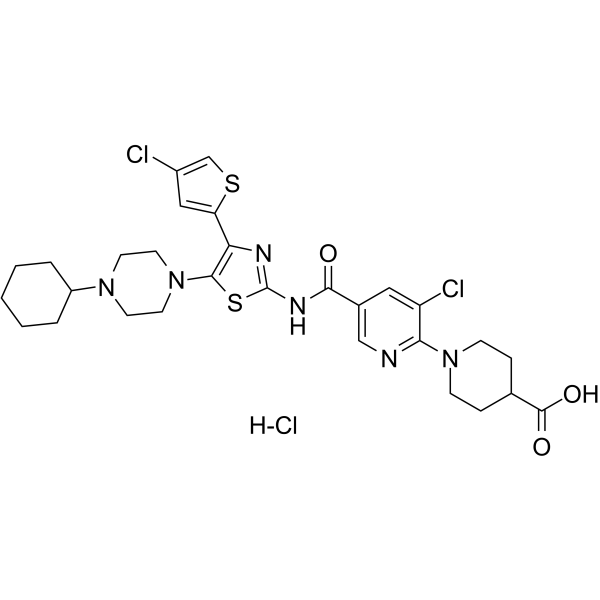
    Avatrombopag hydrochloride
    5 Publications Verification

    AKR-501 hydrochloride; E5501 hydrochloride; YM477 hydrochloride

    Thrombopoietin Receptor Cardiovascular Disease Cancer
    Avatrombopag (AKR-501) hydrochloride is an orally active, nonpeptide thrombopoietin (TPO) receptor agonist (EC50=3.3 nM). Avatrombopag hydrochloride mimics the biological activities of TPO. Avatrombopag hydrochloride increases platelet production by activating the intracellular signaling system, and promotes production of platelets and megakaryocytes from hemopoietic precursor cells. Avatrombopag hydrochloride is a substrate of cytochrome P450 (CYP) 2C9 and CYP3A .
    Avatrombopag hydrochloride
  • HY-107372S2

    UTP-13C9 dilithium; Uridine 5'-triphosphate-13C9 dilithium

    Isotope-Labeled Compounds Endogenous Metabolite DNA/RNA Synthesis Cardiovascular Disease Inflammation/Immunology Cancer
    Uridine triphosphate- 13C9 (UTP- 13C9 dilithium; Uridine 5'-triphosphate- 13C9) dilithium is 13C-labeled Uridine triphosphate (HY-107372). Uridine triphosphate (UTP;Uridine 5'-triphosphate) is a nucleotide that regulates the functions of the pancreas in endocrine and exocrine secretion, proliferation, channels, transporters, and intracellular signaling under normal and disease states.
    Uridine triphosphate-13C9 dilithium
  • HY-143606

    Ras Cancer
    KRAS G12D inhibitor 12 is a potent inhibitor of KRAS G12D. The Ras family of proteins is an important intracellular signaling molecule that plays an important role in growth and development. KRAS G12D inhibitor 12 has the potential for the research of KRAS G12D-mediated cancer (extracted from patent WO2021108683A1, compound 134) .
    KRAS G12D inhibitor 12
  • HY-143604

    Ras Cancer
    KRAS G12D inhibitor 11 is a potent inhibitor of KRAS G12D. The Ras family of proteins is an important intracellular signaling molecule that plays an important role in growth and development. KRAS G12D inhibitor 11 has the potential for the research of KRAS G12D-mediated cancer (extracted from patent WO2021108683A1, compound 52) .
    KRAS G12D inhibitor 11
  • HY-143599

    Ras Cancer
    KRAS G12D inhibitor 8 is a potent inhibitor of KRAS G12D. The Ras family of proteins is an important intracellular signaling molecule that plays an important role in growth and development. KRAS G12D inhibitor 8 has the potential for the research of KRAS G12D-mediated cancer (extracted from patent WO2021107160A1, compound 2) .
    KRAS G12D inhibitor 8
  • HY-E70873

    JAK Cancer
    TYK2 is a member of the JAK family of non-receptor tyrosine kinases that act together with signal transducer and activator of transcription (STAT) factors in mediating intracellular signal transduction. JAKs are characterized by dual kinase domain: a tyrosine kinase domain (JH1) that is preceded by a pseudokinase domain (JH2). Tyk2(JH1/JH2) Recombinant Human Active Protein Kinase is a recombinant Tyk2(JH1/JH2) protein that can be used to study Tyk2(JH1/JH2)-related functions .
    Tyk2(JH1/JH2) Recombinant Human Active Protein Kinase
  • HY-136778

    PARP Reactive Oxygen Species (ROS) Bcl-2 Family Caspase ERK p38 MAPK Cardiovascular Disease
    INH2BP is a poly(ADP-ribose) polymerase (PARP) inhibitor with antioxidant and anti-apoptotic activities. INH2BP reduces the production of intracellular reactive oxygen species (ROS), modulates the expression of apoptosis-related proteins such as Bax, Bcl-2 and cleaved caspase-3 and enhances cell survival through the activation of the ERK1/2 and p38 MAPK signaling pathways. INH2BP is promising for research of cardiovascular diseases .
    INH2BP
  • HY-129990

    Liposome Cancer
    Dios-Arg diTFA, a cationic lipid with an arginine-bearing headgroup, shows obvious double bond proton signals at around 5.2-5.3 ppm. Dios-Arg diTFA is used, coupled to DOPE, to bind siRNA and plasmid to for cationic LNPs for intracellular transport .
    Dios-Arg diTFA
  • HY-N5123

    Endogenous Metabolite Metabolic Disease
    α-L-Rhamnose is a neutral sugar present in plants, animals, viruses and bacteria. α-L-Rhamnose is a ligand for α-L-rhamnose-recognizing lectin sites, trigger intracellular signaling pathways. α-L-Rhamnose induces rhaE and rhaA expression as a specific carbon source in Aspergillus nidulans, while glucose inhibits its cellular uptake. α-L-Rhamnose induces rapid and transient increases in intracellular free Ca 2+ concentration in normal human dermal fibroblasts .
    α-L-Rhamnose
  • HY-13644

    15-Deoxyspergualin

    Others Others
    Gusperimus is a fully synthetic racemate that has a novel mechanism of action by binding to the intracellular heat shock protein hsp70 and interfering with intracellular signal transduction. This mechanism of action can enhance the effect of immunosuppressive therapy. Gusperimus can inhibit the differentiation of T cells into cytotoxic T cells, reduce the expression of IL-2 receptors on CD4 and CD8 cells, and inhibit IFN-γ-induced B cell maturation. In addition, when used with cyclosporine, tacrolimus or mycophenolate mofetil, Gusperimus can enhance the immunosuppressive effect and prevent allogeneic transplant rejection.
    Gusperimus

Inquiry Online

Your information is safe with us. * Required Fields.

Salutation


Country or Region *

Applicant Name *


Organization Name *

Department *


Email Address *


Product Name *

Cat. No.


Requested quantity *

Phone Number *


Remarks

Inquiry Online

Inquiry Information

Product Name:
Cat. No.:
Quantity:
MCE Japan Authorized Agent:

