41 Results for "

isoproterenol

" in MedChemExpress (MCE) Product Catalog:
Products (41)

41 Results for "isoproterenol" in MCE Product Catalog:

Cat. No.: HY-B1670
CAS No.: 51-31-0
Synonyms: Levisoprenalinel; Proternol L
Target:  

Caspase TNF Receptor

Research Areas:  

Metabolic Disease

(-)-Isoproterenol (Levisoprenalinel) is the R-isomer of Isoproterenol. (-)-Isoproterenol can reduce the cleavage of caspase 3 and TNFα levels in retinal endothelial cells (REC). (-)-Isoproterenol can be used for the study of diabetic retinopathy .
loading...
    loading...
97
97 Publications Verification
Cat. No.: HY-B0468
CAS No.: 51-30-9
Synonyms: isoproterenol hydrochloride
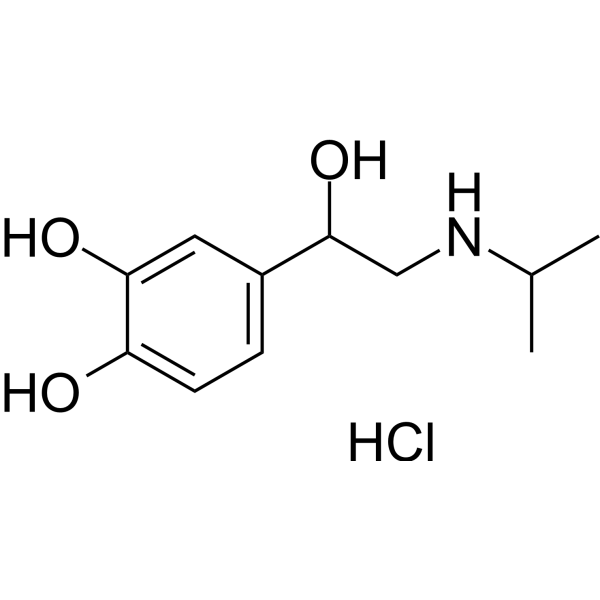
Isoprenaline (Isoproterenol) hydrochloride is a non-selective, orally active β-adrenergic receptor agonist. Isoprenaline has potent peripheral vasodilator, bronchodilator, and cardiac stimulating activities. Isoprenaline can be used for the research of bradycardia and bronchial asthma .
loading...
    loading...
5
5 Cited Publications
Cat. No.: HY-N0447
CAS No.: 23513-08-8
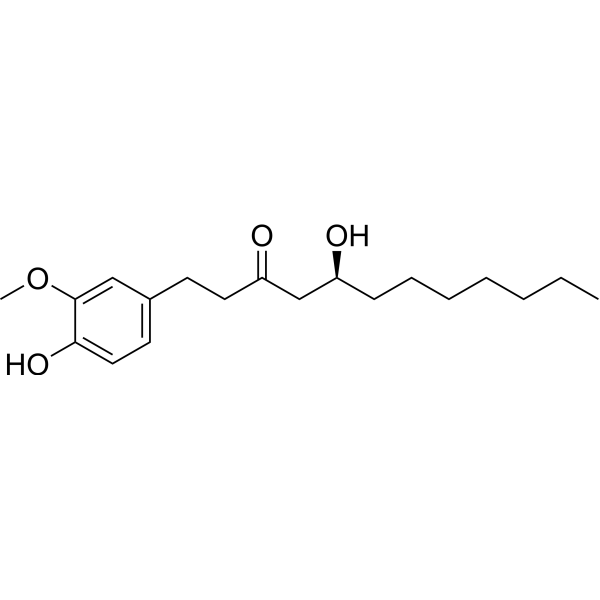
8-Gingerol can be found in the rhizome of ginger (Z. officinale) and has oral bioactivity. It activates TRPV1, with an EC50 value of 5.0 µM. 8-Gingerol inhibits COX-2 and also suppresses the growth of H. pylori in vitro. Additionally, 8-Gingerol exhibits anticancer, antioxidant, and anti-inflammatory properties by inhibiting the epidermal growth factor receptor (EGFR) and modulating its downstream STAT3/ERK pathway to suppress the proliferation, migration, and invasion of colorectal cancer cells. 8-Gingerol also exerts immunosuppressive effects by inhibiting oxidative stress, inducing cell cycle arrest, promoting apoptosis, and regulating autophagy. Furthermore, 8-Gingerol has cardioprotective effects. 8-Gingerol is promising for research in the fields of cancer, infection, immunosuppression, and cardiovascular diseases.
loading...
    loading...
3
3 Cited Publications
Cat. No.: HY-101016
CAS No.: 34450-18-5
Purity:  ≥98.0%
Research Areas:  

Cardiovascular Disease

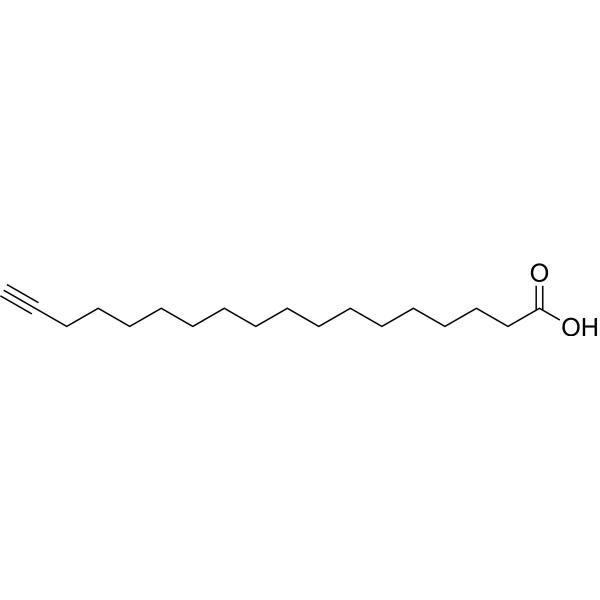
17-ODYA is a CYP450 ω-hydroxylase inhibitor. 17-ODYA is also a potent inhibitor (IC50<100 nM) of the formation of 20-hydroxyeicosatetraenoic acid (20-HETE), epoxyeicosatrienoic acids and dihydroxyeicosatrienoic acids by rat renal cortical microsomes incubated with arachidonic acid. 17-ODYA completely attenuates the isoproterenol (ISO)-induced apoptosis, and necrosis in cultured cardiomyocytes . 17-ODYA is a click chemistry reagent, it contains an Alkyne group and can undergo copper-catalyzed azide-alkyne cycloaddition (CuAAc) with molecules containing Azide groups.
loading...
    loading...
2
2 Cited Publications
Cat. No.: HY-158426
CAS No.: 500271-63-6
Purity:  99.70%
Target:  

Sirtuin

Research Areas:  

Cardiovascular Disease

2-APQC is an orally active and selective agonist of Sirtuin-3 (SIRT3) (Kd=2.756 μM), antagonizes Isoproterenol/ISO (HY-B0468)-induced cytotoxicity. 2-APQC activates the SIRT3-PYCR1 axis to enhance mitochondrial proline metabolism and inhibit the ROS-p38MAPK pathway by inhibiting signaling pathways such as mTOR-p70S6K, JNK, and TGF-β/Smad3. 2-APQC also activates the AMPK-Parkin axis to alleviate myocardial hypertrophy and fibrosis and protect cardiac function. 2-APQC can be used in the study of heart failure .
loading...
    loading...
2
2 Cited Publications
Cat. No.: HY-N0353
CAS No.: 13657-68-6
Synonyms: (+)-Curdione
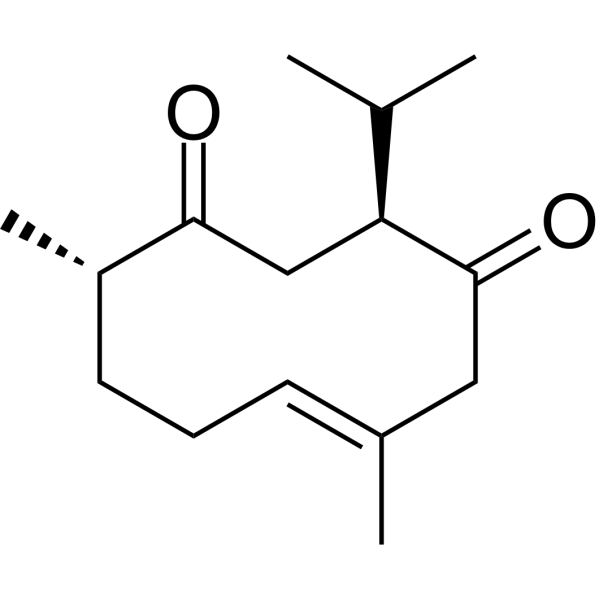
Curdione ((+)-Curdione) is an orally active sesquiterpenoid. Curdione inhibits platelet aggregation. Curdione induces ferroptosis in colorectal cancer via m6A methylation mediated by METTL14 and YTHDF2. Curdione inhibits ferroptosis in Isoproterenol (HY-B0468)-induced myocardial infarction by regulating the Keap1/Trx1/GPX4 signaling pathway, suppressing oxidative stress (ROS) and apoptosis. Curdione ameliorates Doxorubicin (HY-15142)-induced cardiotoxicity by inhibiting oxidative stress (ROS) and activating the Nrf2/HO-1 pathway. Curdione ameliorates sepsis-induced lung injury by inhibiting platelet-mediated neutrophil extracellular trap formation. Curdione ameliorates Bleomycin (HY-17565A)-induced pulmonary fibrosis by inhibiting TGF-β-induced fibroblast-to-myofibroblast differentiation. Curdione exhibits neuroprotective effects against focal cerebral ischemia-reperfusion injury in rats. Curdione exerts antiproliferative effects against human uterine leiomyosarcoma by targeting IDO1. Curdione protects vascular endothelial cells and atherosclerosis by regulating DNMT1-mediated ERBB4 promoter methylation. Curdione inhibits inducible prostaglandin E2 production (IC50 = 1.1 μM) and cyclooxygenase 2 expression .
loading...
    loading...
2
2 Cited Publications
Cat. No.: HY-122949
CAS No.: 91590-76-0
Purity:  ≥97.0%
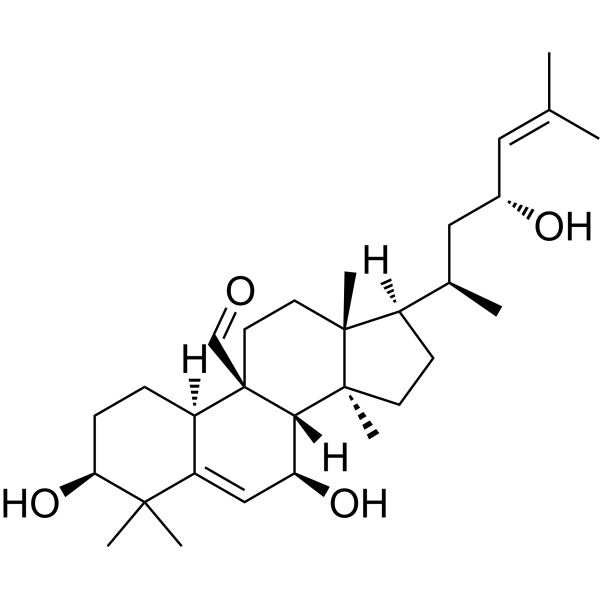
Momordicine I is a cucurbitane-type triterpenoids. Momordicine I suppresses glioma growth by promoting apoptosis and impairing mitochondrial oxidative phosphorylation. Momordicine I inhibits glycolysis, lipid metabolism, induces autophagy in HNC cells to suppress head and neck cancer growth. Momordicine I alleviates isoproterenol-induced cardiomyocyte hypertrophy through suppression of PLA2G6 and DGK-ζ. Momordicine I exerts its cardiovascular benefits by upregulating nitric oxide, inhibiting the activity of angiotensin-converting enzyme (ACE), activating the PI3K/Akt pathway, reducing oxidative stress and inflammation. Momordicine I inhibits AKT1, IL-6, and SRC, suggesting its potential application in type 2 diabetes .
loading...
    loading...
1
1 Cited Publications
Cat. No.: HY-B1670A
CAS No.: 5984-95-2
Synonyms: Levisoprenaline hydrochloride; Proternol L hydrochloride
Target:  

Caspase TNF Receptor

Research Areas:  

Metabolic Disease

(-)-Isoproterenol (Levisoprenalinel) hydrochloride is the R-isomer of Isoproterenol. (-)-Isoproterenol hydrochloride can reduce the cleavage of caspase 3 and TNFα levels in retinal endothelial cells (REC). (-)-Isoproterenol hydrochloride can be used for the study of diabetic retinopathy .
loading...
    loading...
1
1 Cited Publications
Cat. No.: HY-Z0478
CAS No.: 5989-54-8
Synonyms: (S)-(-)-Limonene
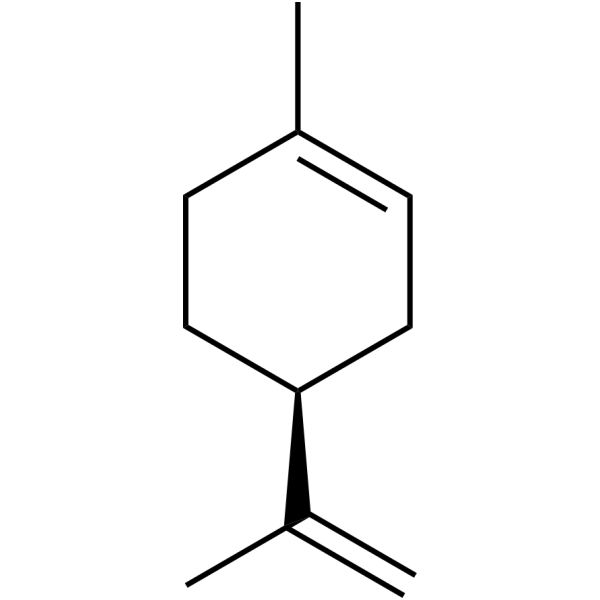
(-)-Limonene ((S)-(-)-Limonene) is orally active and can cause mild bronchoconstriction. (-)-Limonene alleviates cytosolic and mitochondrial oxidative stress by inhibiting the increase of calcium ions (Ca 2+) and Ca 2+/calmodulin-dependent protein kinase II (CaMKII). It also exerts anti-stress effects by inhibiting the activity of the hypothalamic-pituitary-adrenal (HPA) axis. Additionally, (-)-Limonene can be used as an antibacterial agent in aquaculture .
loading...
    loading...
Cat. No.: HY-14895
CAS No.: 173352-21-1
Purity:  99.96%
Synonyms: CM346
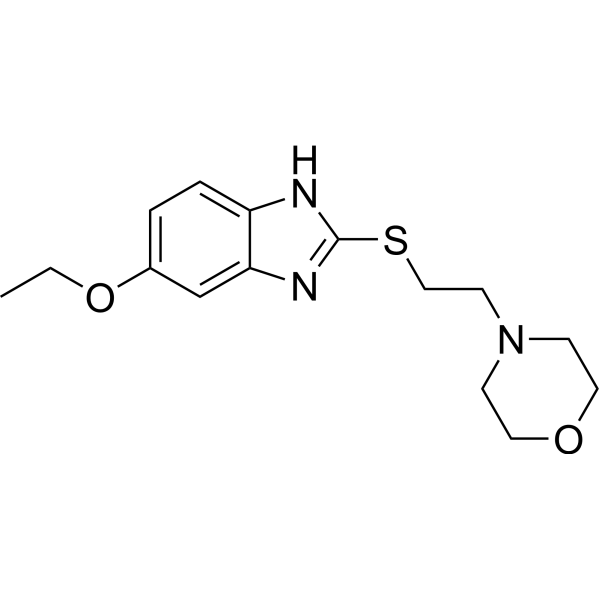
Fabomotizole (CM346) is an insecticide with anxiolytic, antianxiety, and neuroprotective activities and a substrate of p-glycoprotein. Fabomotizole inhibits the ST-segment depression induced by isoproterenol in a rat model of acute subendocardial ischemia. Fabomotizole also inhibits Giardia lamblia and has the potential to inhibit giardiasis. Fabomotizole also targets Sigma1R, NRH:quinone reductase 2 (NQO2), and MAO-A to exert anxiolytic effects .
loading...
    loading...
Cat. No.: HY-107580
CAS No.: 306935-41-1
Purity:  99.91%
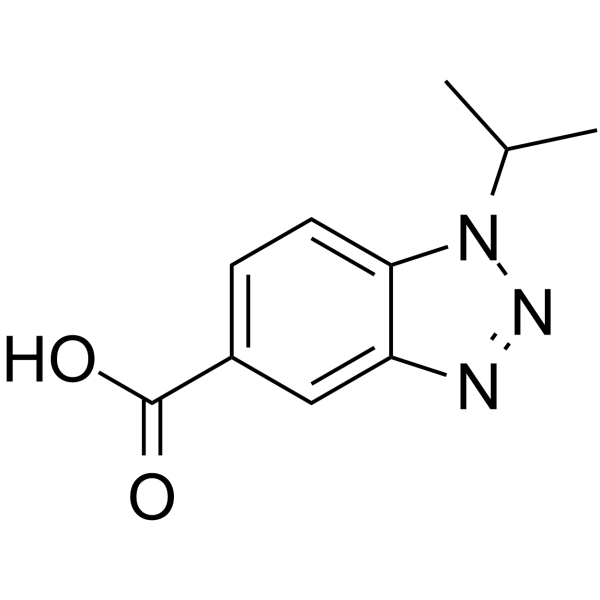
GPR109 receptor agonist-1 is a highly selective agonist of the human orphan G protein-coupled receptor GPR109b, and does not activate the mouse homologous receptor PUMA-G. GPR109 receptor agonist-1 functionally modulates the human GPR109b receptor via the cAMP signaling pathway, with an EC50 of 400 nM. GPR109 receptor agonist-1 inhibits isoproterenol (HY-B0468)-stimulated lipolysis in human subcutaneous adipocytes, with efficacy comparable to that of Niacin (HY-B0143), and does not act on β-adrenergic receptors. GPR109 receptor agonist-1 can be used in studies related to dyslipidemia and atherosclerosis .
loading...
    loading...
Cat. No.: HY-N7781
CAS No.: 39025-24-6
Synonyms: (E)-Guggulsterone
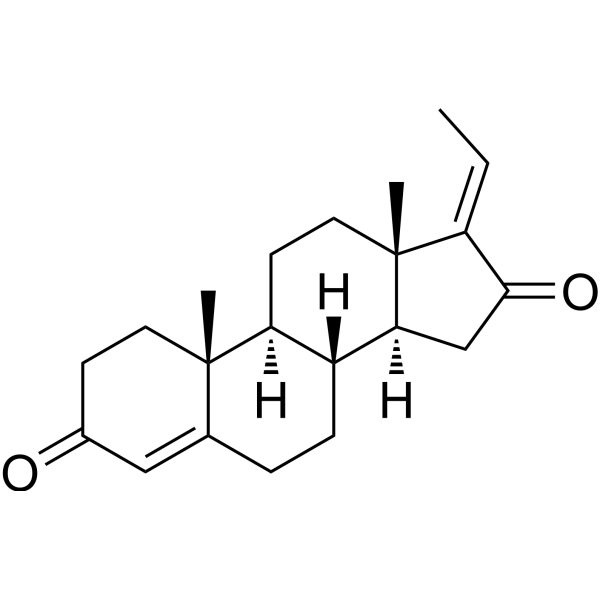
(-)-(E)-Guggulsterone ((E)-Guggulsterone) is an orally active natural stereoisomer of Guggulsterone (HY-107738). (-)-(E)-Guggulsterone is an antagonist for the Farnesoid X Receptor (FXR) with an IC50 of 24.06 μM and possesses potent hypolipidemic properties. (-)-(E)-Guggulsterone suppresses dengue virus (DENV) replication by upregulating antiviral interferon responses by inducing HO-1 expression via Nrf2 activation. (-)-(E)-Guggulsterone exhibits antibacterial activities against Bacillus subtilis, Staphylococcus aureus and Pseudomonas aeruginosa. (-)-(E)-Guggulsterone has cardiac protective and antioxidant activities in rats .
loading...
    loading...
Cat. No.: HY-136960
CAS No.: 2135743-21-2
Target:  

Adrenergic Receptor

Research Areas:  

Others

β2AR antagonist 1 is a potent β2-adrenergic receptor (β2AR) inhibitor. β2AR antagonist 1 exhibits high selectivity for β2AR over β1AR, vasopressin receptor type 2, and angiotensin type 1 receptor. β2AR antagonist 1 stabilizes the inactive conformation of β2AR and interferes with its coupling to G proteins and β-arrestins .
loading...
    loading...
Cat. No.: HY-106718
CAS No.: 79784-22-8
Target:  

Sodium Channel

Research Areas:  

Cardiovascular Disease

Barucainide is an Ib-class anti-arrhythmic agent (moderately blocking sodium channel). Barucainide exhibits concentration-dependent inhibitory effects on the maximum upstroke velocity (Vmax) of Purkinje fibers and ventricular muscle in dogs. Barucainide significantly shortens the action potential duration (APD). Barucainide significantly inhibits the pacemaker activity frequency of atrial tissue in rabbits and the enhanced automaticity of Purkinje fibers under normal resting potential in response to isoproterenol. Barucainide cannot inhibit the abnormal automaticity emission frequency of canine Purkinje fibers induced by barium. Barucainide can be used for research on arrhythmias .
loading...
    loading...
Cat. No.: HY-Z7733
CAS No.: 72956-44-6
Synonyms: Desmethylcarvedilol; BM-14242
Target:  

Calcium Channel

Research Areas:  

Metabolic Disease

O-Desmethylcarvedilol (Desmethylcarvedilol) is an active metabolite of the non-selective β-adrenergic receptor (β-AR) antagonist Carvedilol (HY-B0006). O-Desmethylcarvedilol inhibits store-overload-induced calcium release in HEK293 cells expressing the ryanodine receptor 2 (RyR2) R4496C (RyR2 R4496C) mutation (IC50 = 7.62 µM). O-Desmethylcarvedilol reduces increases in heart rate and prevents decreases in diastolic blood pressure induced by Isoproterenol (HY-B0468) in conscious rabbits (ED50s = 32 and 5 µg/kg, respectively) .
loading...
    loading...
Cat. No.: HY-B0468R
CAS No.: 51-30-9
Synonyms: isoproterenol hydrochloride (Standard)
Isoprenaline (hydrochloride) (Standard) is the analytical standard of Isoprenaline (hydrochloride). This product is intended for research and analytical applications. Isoprenaline (Isoproterenol) hydrochloride is a non-selective, orally active β-adrenergic receptor agonist. Isoprenaline has potent peripheral vasodilator, bronchodilator, and cardiac stimulating activities. Isoprenaline can be used for the research of bradycardia and bronchial asthma .
loading...
    loading...
Cat. No.: HY-121140
CAS No.: 2016864-46-1
Purity:  99.8%
Research Areas:  

Metabolic Disease

AZ1729 is a potent free fatty acid 2 receptor (FFA2) activator, acting as a direct allosteric agonist and as a positive allosteric modulator. AZ1729 increases the activity of the endogenously produced short chain fatty acid propionate in Gi-mediated pathways, but not at those transduced by Gq/G11. AZ1729 induces inhibition of isoproterenol-induced lipolysis in mouse adipocytes. AZ1729 also can Induce migration of human neutrophils. AZ1729 can be used for researching the signaling pathways of the physiological roles of FFA2 .
loading...
    loading...
Cat. No.: HY-178191
sGC stimulator 1 is a carbonyl sulfide (COS)/H2S-donor hybrid soluble guanylyl cyclase (sGC) stimulator (EC50 = 496 nM). sGC stimulator 1 exhibits a well-characterized H2S-releasing property. sGC stimulator 1 reduces fibrosis in TGF-β1-treated cardiac fibroblasts by increasing cGMP and H2S levels. sGC stimulator 1 can exert anti-fibrotic effects by activating sGC and increasing H2S. sGC stimulator 1 can be used for the study of heart failure (HF) .
loading...
    loading...
Cat. No.: HY-B0468S
CAS No.: 2517584-04-0
Synonyms: isoproterenol-d7 hydrochloride
Isoprenaline-d7 (hydrochloride) is a deuterated labeled Isoprenaline (hydrochloride) . Isoprenaline (Isoproterenol) hydrochloride is a non-selective, orally active β-adrenergic receptor agonist. Isoprenaline has potent peripheral vasodilator, bronchodilator, and cardiac stimulating activities. Isoprenaline can be used for the research of bradycardia and bronchial asthma .
loading...
    loading...
Cat. No.: HY-108353S
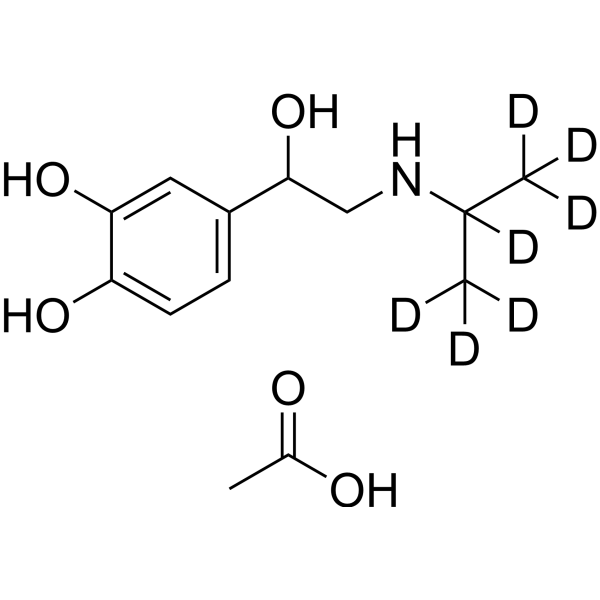
Isoprenalin-d7 acetate is an internal standard for the determination of isoproterenol by GC- or LC-MS .
loading...
    loading...

