1. Search Result
Search Result
Results for "

methicillin-resistant S. aureus

" in MedChemExpress (MCE) Product Catalog:

70

Inhibitors & Agonists

2

Fluorescent Dyes

1

Biochemical Assay Reagents

9

Peptides

15

Natural
Products

1

Click Chemistry

1

GMP Molecules

Cat. No. Product Name Target Research Areas Chemical Structure
  • HY-13067
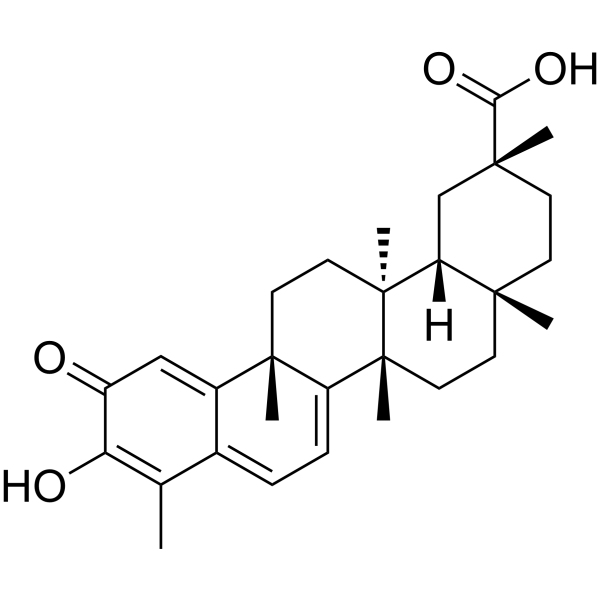
    Celastrol
    60+ Cited Publications

    Tripterine; Tripterin

    Proteasome Autophagy Mitophagy Apoptosis Endogenous Metabolite Antibiotic Bacterial Nuclear Hormone Receptor 4A/NR4A Infection Inflammation/Immunology Cancer
    Celastrol (Tripterine;Tripterin) is a proteasome inhibitor which potently and preferentially inhibits the chymotrypsin-like activity of a purified 20S proteasome with IC50 of 2.5 μM. In addition, Celastrol is also an antibiotic with potent antimicrobial activity against standard and clinical methicillin-resistant Staphylococcus aureus (MRSA) strains, inducing oxidative stress and inhibiting DNA synthesis by binding to P5CDH .
    Celastrol
  • HY-N2187
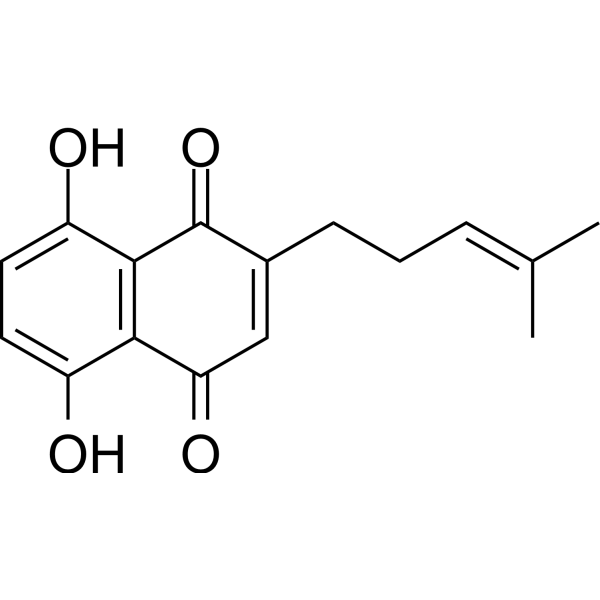
    Deoxyshikonin
    3 Publications Verification

    Bacterial HIF/HIF Prolyl-Hydroxylase PI3K Apoptosis Infection Cardiovascular Disease Cancer
    Deoxyshikonin increases the expression of VEGF-C and VEGF-A mRNA in HMVEC-dLy, promotes HIF-1α and HIF-1β subunit interaction and binds to specific DNA sequences targeted by HIF. Deoxyshikonin inhibited colorectal cancer (CRC) through the PI3K/Akt/mTOR pathway. Deoxyshikonin has proangiogenesis effect and antitumor activity. Deoxyshikonin is an antibacterial agent against methicillin-resistant S. aureus (MRSA) and S. pneumonia (MIC=17 μg/mL) .
    Deoxyshikonin
  • HY-100576
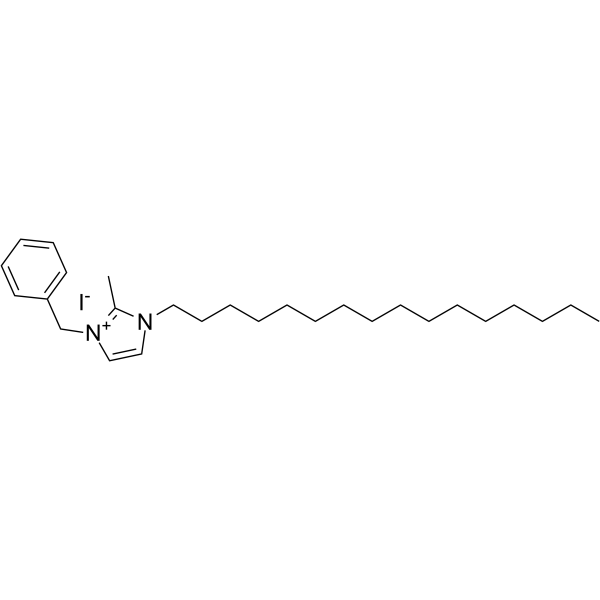
    NH125
    2 Publications Verification

    CaMK Autophagy Bacterial Fungal Virus Protease Infection Cancer
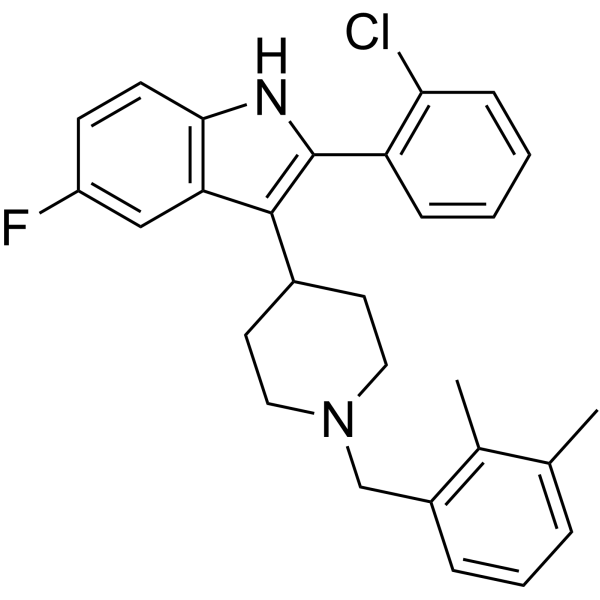
    NH125 is a potent and selective inhibitor of eukaryotic elongation factor 2 kinase (eEF-2K/CaMKIII) with an IC50 of 60 nM for eEF-2K. NH125 kills methicillin-resistant S. aureus (MRSA) persisters by interacting with and disrupting membranes .
    NH125
  • HY-18702

    Bacterial Infection
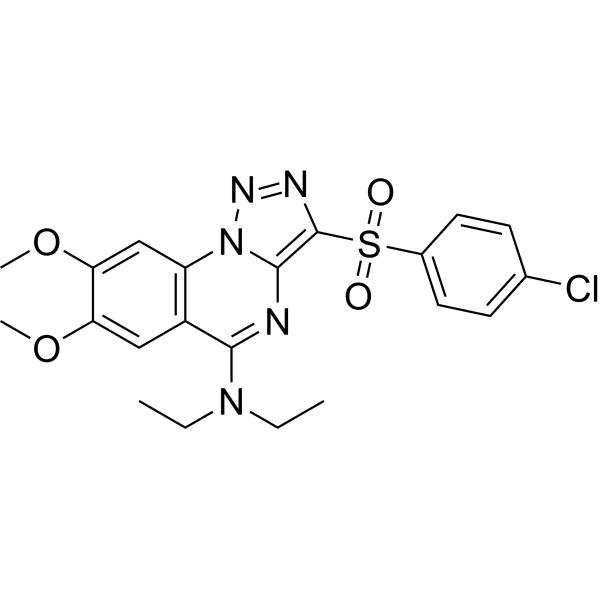
    Targocil functions as a bacteriostatic inhibitor of wall teichoic acid (WTA) biosynthesis which can inhibit the growth of methicillin-susceptible S. aureus (MSSA) and methicillin-resistant S. aureus (MRSA) with MIC90s of 2 μg/ mL for both MRSA and MSSA.
    Targocil
  • HY-133119

    Bacterial Infection
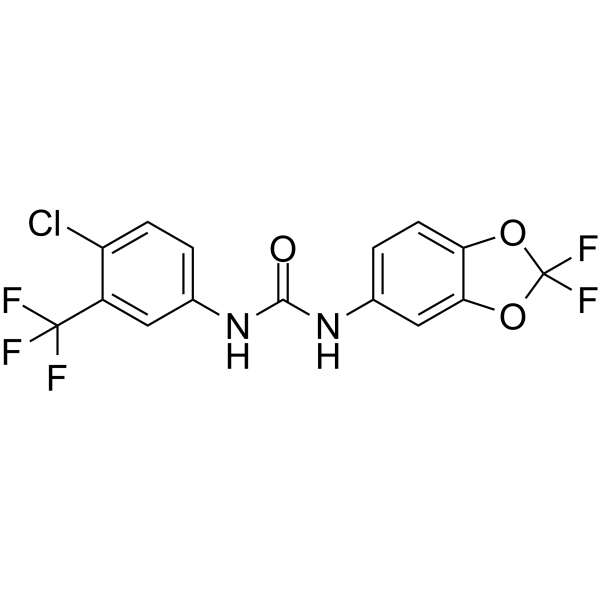
    PK150, an analogue of Sorafenib, shows oral bioavailability and antibacterial activity against several pathogenic strains at submicromolar concentrations. PK150 inhibits Gram-positive Methicillin-sensitive S. aureus (MSSA), Methicillin-resistant S. aureus (MRSA), Vancomycin intermediate S. aureus (VISA) with MICs of 0.3, 0.3-1, 0.3 μM, respectively .
    PK150
  • HY-P3078

    Bacterial Antibiotic Infection
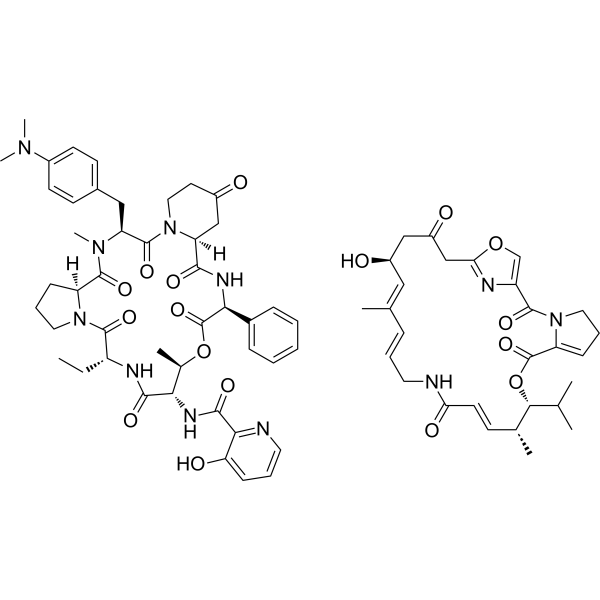
    Amphomycin is a lipopeptide antibiotic that inhibits peptidoglycan synthesis and blocks cell wall development. Amphomycin exhibits potent antibacterial activities against methicillin-resistant S. aureus (MRSA), vancomycin-resistant enterococci (VRE), penicillin-gentamicin-erythromycin-resistant S. pneumonia, and linezolid-quinupristin-dalfopristin-resistant enterococci .
    Amphomycin
  • HY-A0279

    Pristinamycine

    Bacterial Antibiotic Infection
    Pristinamycin, produced by Streptomyces pristinaespiralis, is an orally active streptogramin-like antibiotic consisting of two chemically unrelated components: Pristinamycin I (PI) and Pristinamycin II (PII). Pristinamycin is highly active against many antibiotic-resistant pathogens, particularly Gram-positive bacteria, including Methicillin-resistant Staphylococcus aureus (MRSA), Vancomycin-resistant S. aureus (VRSA) and Enterococcus faecium (VREF) .
    Pristinamycin
  • HY-10393

    PNU-100592

    Bacterial Antibiotic Infection
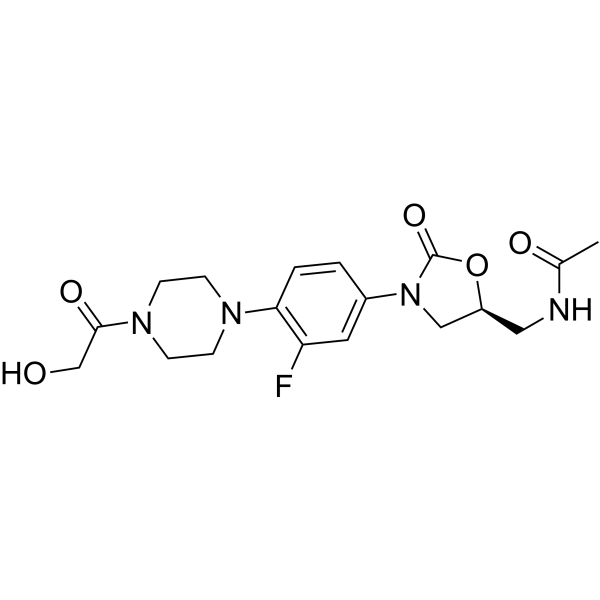
    Eperezolid (PNU-100592) is an orally active protein synthesis inhibitor that targets the bacterial 50S ribosomal subunit. Eperezolid competitively binds to a specific site on the ribosomal 50S subunit (overlapping with the binding sites of chloramphenicol (HY-B0239) and lincomycin (HY-117660)) to inhibit the translation initiation stage and exert antibacterial activity. Eperezolid can induce host cell autophagy to enhance the clearance of intracellular mycobacteria, and its MIC90 for Staphylococcus aureus and Enterococcus is 1-4 μg/mL. Eperezolid is mainly used for antibacterial research on infections with Gram-positive bacteria such as methicillin-resistant (HY-121544) Staphylococci and vancomycin-resistant (HY-B0671) Enterococci, as well as infections with intracellular bacteria such as Mycobacterium tuberculosis .
    Eperezolid
  • HY-14926

    (S)-(-)-Nadifloxacin; WCK 771

    Antibiotic Bacterial Infection
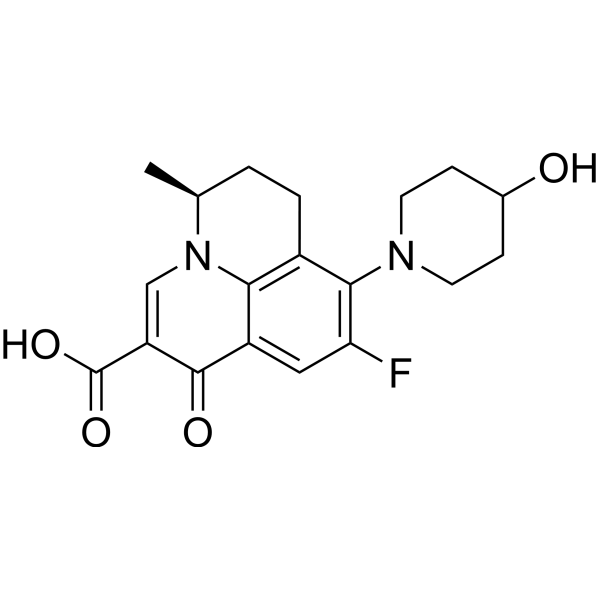
    Levonadifloxacin ((S)-(-)-Nadifloxacin; WCK 771) is a broad-spectrum anti-staphylococcal agent. Levonadifloxacin shows antibacterial activity against Methicillin (HY-121544)-susceptible Staphylococcus aureus (MSSA) and Methicillin-resistant S. aureus (MRSA) strains, with a reduction of which phagocytized in THP-1 monocytes .
    Levonadifloxacin
  • HY-103645
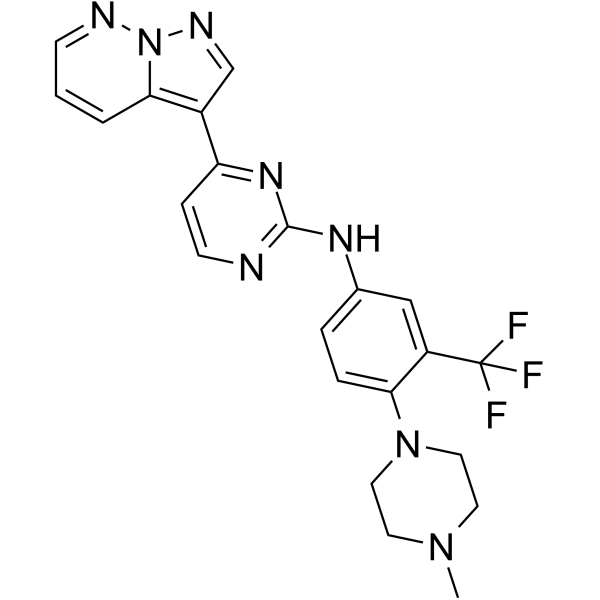
    GW779439X
    1 Publications Verification

    Bacterial Aurora Kinase Apoptosis Infection Cancer
    GW779439X is a pyrazolopyridazine identified in an inhibitor of the S. aureus PASTA kinase Stk1. GW779439X potentiates the activity of β-lactam antibiotics against various MRSA and MSSA isolates, some even crossing the breakpoint from resistant to sensitive. GW779439X is an AURKA inhibitor and induces apoptosis by the caspases 3/7 pathway . MRSA:methicillin-resistant S. aureus; MSSA: methicillin-sensitive S. aureus
    GW779439X
  • HY-119631

    Bacterial Infection
    Nornidulin is a depsidone originally isolated from A. nidulans that has antibacterial activity against M. tuberculosis and M. ranoe as well as antifungal activity against T. tonsurans and M. audouini. It also inhibits the growth of methicillin-resistant S. aureus (MRSA; MIC=2 μg/mL).2 Nornidulin has cytotoxic activity in MOLT-3 cells (IC50=35.7 μM) but not HuCCA-1, HepG2, or A549 cells (IC50s=>116.4 μM).
    Nornidulin
  • HY-N8151

    Bacterial Infection
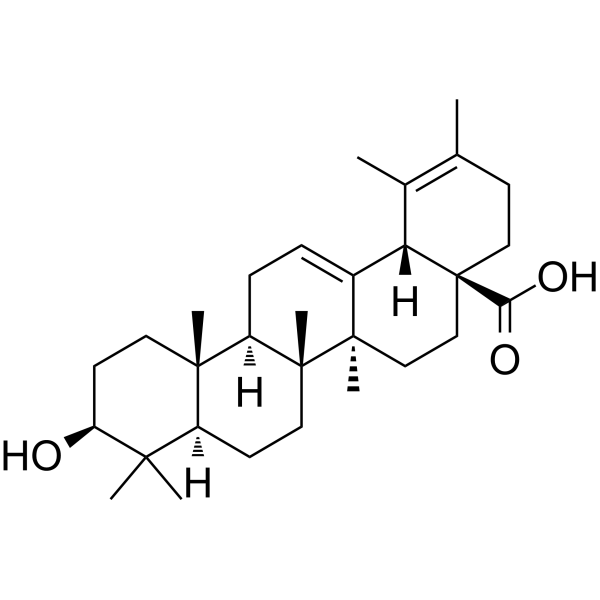
    Sanguisorbigenin is a natural antibacterial agent that inhibits methicillin-resistant S. aureus (MRSA) .
    Sanguisorbigenin
  • HY-N15451

    Pyruvate Kinase Infection
    Deoxytopsentin (compound 5) is a marine bisindole alkaloid and also a MRSA pyruvate kinase inhibitor. Deoxytopsentin exists in sponges. Deoxytopsentin exhibits antibacterial activity against methicillin-resistant Staphylococcus aureus strains in vitro .
    Deoxytopsentin
  • HY-P5545

    Bacterial Infection
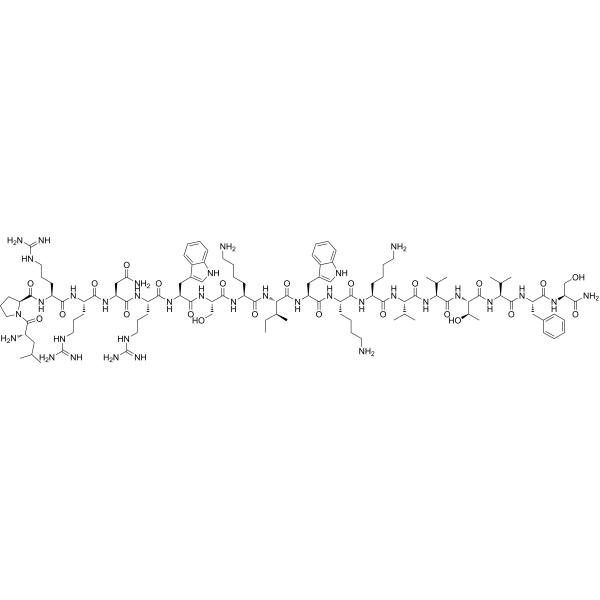
    Lynronne-1 is an antimicrobial peptide. Lynronne-1 is active against Gram-positive bacterials, including MDR strains (MIC: 8-32 μg/mL for methicillin-resistant MRSA strains). Lynronne-1 reduces the bacterial load in MRSA infected wound murine model. Lynronne-1 is also effective against P. aeruginosa infection .
    Lynronne-1
  • HY-P5737

    Bacterial Infection
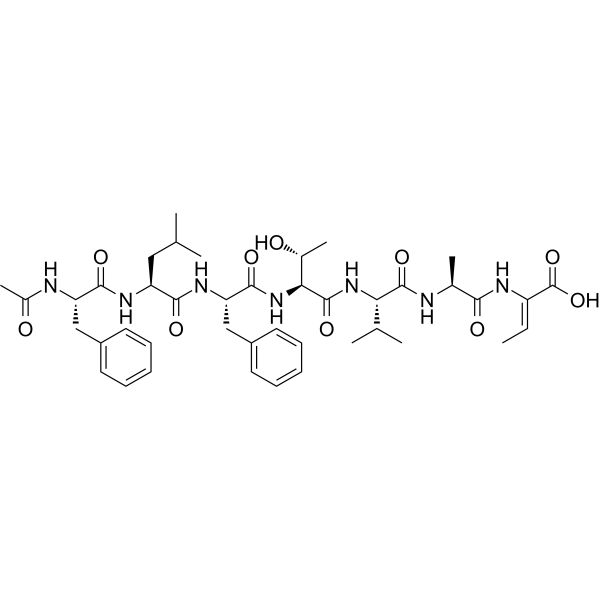
    ASP-1 is a strong antistaphylococcal peptide with minimum inhibitory concentrations (MICs) of the purified peptide against S. aureus and methicillin-resistant S. aureus (MRSA) ranged from 2 μg/mL to 64 μg/mL .
    ASP-1
  • HY-N7010

    Cholinesterase (ChE) Bacterial Infection
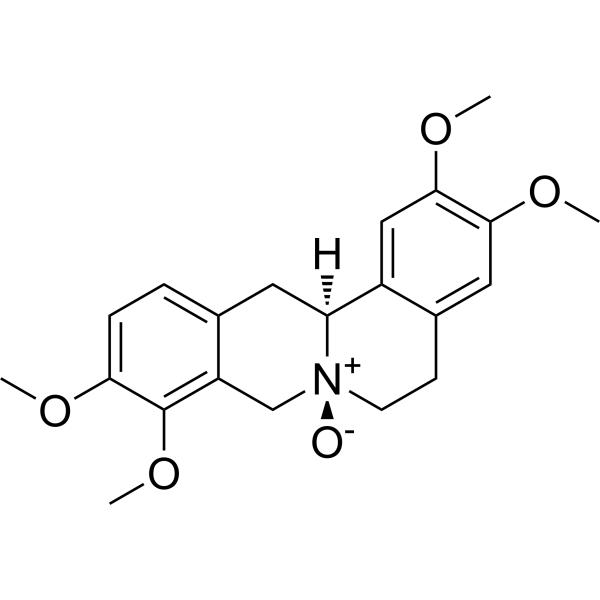
    (-)-Corynoxidine is an acetylcholinesterase inhibitor with an IC50 value of 89.0 μM, isolated from the aerial parts of Corydalis speciosa . (-)-Corynoxidine exhibits antibacterial activities against Staphylococcus aureus and methicillin-resistant S. aureus strains in different degrees .
    (-)-Corynoxidine
  • HY-124199

    Antibiotic Bacterial Infection
    Cephalochromin is an antibiotic and an inhibitor for bacterial fatty acid synthase (FabI). Cephalochromin inhibits FabI of Staphylococcus aureus and Escherichia coli with IC50 of 1.9 and 1.8 μM. Cephalochromin inhibits gram-positive methicillin-resistant S. aureus (MRSA) and quinolone-resistant S. aureus (QRSA), with MIC of 2-8 µg/mL .
    Cephalochromin
  • HY-146458

    Bacterial Cytochrome P450 Infection
    Antibacterial agent 102 (compound 32) possesses potent in vitro and in vivo antibacterial activity, with MICs < 0.5 μg/mL in Staphylococcus aureus (S. aureus). Antibacterial agent 102 also moderately inhibits CYP3A4 with an IC50 value of 6.148 μM. Antibacterial agent 102 can reduce Methicillin-resistant Staphylococcus aureus (MRSA) load in thigh infected mice .
    Antibacterial agent 102
  • HY-158401

    Bacterial Infection
    Antibiofilm agent-7 (Compound 9) exhibits potent antibiofilm activity with IC50 of 60, 133.32, and 19.67 µg/mL against S. aureus, E. coli, and methicillin-resistant S. aureus (MRSA), respectively. Antibiofilm agent-7 has antibacterial activity for S. aureus, E. coli, C. albicans, and MRSA, with MIC values of 4.88, 78.13, 9.77 and 39.06 µg/mL, respectively .
    Antibiofilm agent-7
  • HY-146503

    Bacterial Infection
    Antibacterial agent 86 (Compound A11) is the most active and displays bacteriostatic activities against methicillin-resistant S. aureus, with MIC values as low as 0.00191 μg/mL, which is 162 and 32 times lower than that of the marketed antibiotics tiamulin and retapamulin, respectively .
    Antibacterial agent 86
  • HY-13067G

    Tripterine; Tripterin

    Endogenous Metabolite Proteasome Antibiotic Apoptosis Bacterial Autophagy Mitophagy Infection Inflammation/Immunology Cancer
    Celastrol (GMP) (Tripterine (GMP)) is Celastrol (HY-10227) produced by using GMP guidelines. GMP small molecules works appropriately as an auxiliary reagent for cell therapy manufacture. Celastrol (Tripterine;Tripterin) is a proteasome inhibitor which potently and preferentially inhibits the chymotrypsin-like activity of a purified 20S proteasome with IC50 of 2.5 μM. In addition, Celastrol is also an antibiotic with potent antimicrobial activity against standard and clinical methicillin-resistant Staphylococcus aureus (MRSA) strains, inducing oxidative stress and inhibiting DNA synthesis by binding to P5CDH .
    Celastrol
  • HY-P5547

    Bacterial Infection
    Lynronne-3 is an antimicrobial peptide. Lynronne-1 is active against Gram-positive bacterials, including MDR strains (MIC: 32-128 μg/mL for methicillin-resistant MRSA strains). Lynronne-3 is also effective against P. aeruginosa infection
    Lynronne-3
  • HY-N8186

    Bacterial Infection
    (3R)-7,4’-Dihydrohomoisoflavanone is a natural product with antibacterial activities against S. aureus and methicillin-resistant Staphylococcus aureus (MRSA) .
    (3R)-7,4’-Dihydrohomoisoflavanone
  • HY-164643

    Antibiotic Fungal Infection
    Antifungal agent 113 (compound 9a) is a potent antifungal and antibacterial agent. Antifungal agent 113 shows good antibacterial activity against S. aureus and methicillin-resistant S. aureus .
    Antifungal agent 113
  • HY-D1274A

    Fluorescent Dye Others
    Sulfo-cyanine3 azide sodium a water-soluble azide cyanine dye and fluorescent probe (Ex/Em=548/563 nm). Sulfo-cyanine3 azide sodium can be involved in synthesis of fused tricyclic heterocycles, produces immunostimulatory agents . It contains an azide group and can undergo copper-catalyzed azide-alkyne cycloaddition (CuAAc) with molecules containing alkyne groups. It can also undergo ring strain-promoted alkyne-azide cycloaddition (SPAAC) with molecules containing DBCO or BCN groups.
    Sulfo-cyanine3 azide sodium
  • HY-174273

    Bacterial Infection
    Antibacterial agent 280 (Compound 7af) is an antibacterial agent targeting methicillin-resistant and vancomycin-resistant Staphylococcus aureus (MRSA, VRSA). Antibacterial agent 280 is promising for research of is promising for research of S. aureus infections .
    Antibacterial agent 280
  • HY-W033728

    Bacterial Infection
    Platinum(COD)dichloride (Compound Pt1) is an Antibacterial agent. Platinum(COD)dichloride shows antibacterial activity against a panel of gram-positive bacteria including Vancomycin (HY-B0671) and Methicillin (HY-121544) resistant Staphylococcus aureus .
    Platinum(COD)dichloride
  • HY-P3119

    Desotamide A

    Bacterial Antibiotic Infection
    Desotamide is a cyclic hexapeptide antibiotic originally isolated from Streptomyces. It is active against S. aureus, S. pneumoniae, and methicillin-resistant S. epidermidis (MRSE; MICs=16, 12.5, and 32 μg/mL, respectively).
    Desotamide
  • HY-175313

    Bacterial Infection
    Antibacterial agent 286 (compound 5) is an effective broad-spectrum antimicrobial agent with strong inhibitory activity against methicillin-resistant S. aureus (MRSA) with an MIC of 25 μg/mL .
    Antibacterial agent 286
  • HY-169571

    Bacterial Infection
    Antimicrobial agent-38 (compound 10) is a potent inhibitor of methicillin-resistant S. aureus strain ATCC 700699 and nonresistant strain ATCC 29213, with MICs of 32 and 64 mg/L .
    Antimicrobial agent-38
  • HY-163762

    Bacterial Infection
    Antibacterial agent 226 (Compound 7f) is an antibacterial agent, that inhibits Staphylococcus aureus strains and methicillin-resistant S. aureus strain with MIC of 2 μg/mL. Antibacterial agent 226 exhibits cytotoxicity to HEK293 with IC50 of 1.9 μM .
    Antibacterial agent 226
  • HY-146403

    Bacterial Infection
    Antibacterial agent 98 (compound g37) is a potent and orally active antibacterial agent. Antibacterial agent 98 inhibits the ATPase activity of Gyrase B and impairs Staphylococcus aureus (S. aureus ) DNA supercoiling. Antibacterial agent 98 shows antibacterial activity and not induce resistance development of MRSA (methicillin-resistant S. aureus) .
    Antibacterial agent 98
  • HY-122008

    Bacterial Infection
    Levonadifloxacin ((S)-(-)-Nadifloxacin; WCK 771) arginine is a broad-spectrum antistaphylococcal agent. Levonadifloxacin arginine has antimicrobial activity against methicillin-susceptible Staphylococcus aureus (MSSA) and methicillin-resistant Staphylococcus aureus and reduces phagocytosis of MRSA and MSSA strains by monocytic THP-1.
    ORM-3819
  • HY-14926B

    (S)-(-)-Nadifloxacin arginine; WCK 771 arginine

    Bacterial Infection
    Levonadifloxacin ((S)-(-)-Nadifloxacin; WCK 771) arginine is a broad-spectrum antistaphylococcal agent. Levonadifloxacin arginine has antimicrobial activity against methicillin-sensitive Staphylococcus aureus (MSSA) and methicillin-resistant Staphylococcus aureus and reduces phagocytosis of MRSA and MSSA strains by monocytic THP-1 cells .
    Levonadifloxacin arginine
  • HY-14926A

    (S)-(-)-Nadifloxacin arginine hydrate; WCK-771A arginine hydrate

    Antibiotic Bacterial Infection
    Levonadifloxacin (arginine) hydrate is a broad-spectrum anti-staphylococcal agent. Levonadifloxacin (arginine) hydrate shows antibacterial activity against Methicillin (HY-121544)-susceptible Staphylococcus aureus (MSSA) and Methicillin-resistant S. aureus (MRSA) strains, with a reduction of which phagocytized in THP-1 monocytes .
    Levonadifloxacin arginine hydrate
  • HY-163700

    Bacterial Infection
    Fabl inhibitor 1 (Compound (S)-n31) is an orally active and potent SaFabI inhibitor (IC50 = 94.0 nM, MIC = 0.25-1 μg/mL). Fabl inhibitor 1 can be used for the research of methicillin-resistant S. aureus (MRSA) infection .
    Fabl inhibitor 1
  • HY-176516

    Diarginine Peptidomimetic-1

    Antibiotic Infection
    dAPM-1 (acetate) is a peptidomimetic antibiotic agent. dAPM-1 (acetate) can selectively induces intracellular aggregation in B. subtilis. dAPM-1 (acetate) is active against S. aureus, methicillin-resistant S. aureus (MRSA), B. subtilis, E. faecium, and M. smegmatis with MICs of 8, 4, 4, 8, and 16 µg/ml, respectively .
    dAPM-1 acetate
  • HY-161803

    Antibiotic Bacterial Infection
    Anti-MRSA agent 12 (Compound SM-5) is an antibiotic, which exhibits antibacterial activity against Staphylococcus aureus, S. epidermidis and Escherichia coli with MIC of 7.81, 7.81 and 62.5 μM. Anti-MRSA agent 12 inhibits the methicillin-resistant S. aureus (MRSA) through inhibition of biofilm formation .
    Anti-MRSA agent 12
  • HY-122523

    Bacterial Infection
    Tetromycin A is a tetronic acid-based antibiotic. It reportedly has pronounced activity against Gram-positive bacteria, including methicillin-resistant S. aureus. Related tetromycin derivatives have been found to have anti-trypanosomal activity and inhibit the cysteine protease cathepsin L with Ki values in the low micromolar range.
    Tetromycin A
  • HY-14926R

    (S)-(-)-Nadifloxacin (Standard); WCK 771 (Standard)

    Reference Standards Antibiotic Bacterial Infection
    Levonadifloxacin (Standard) is the analytical standard of Levonadifloxacin. This product is intended for research and analytical applications. Levonadifloxacin ((S)-(-)-Nadifloxacin; WCK 771) is a broad-spectrum anti-staphylococcal agent. Levonadifloxacin shows antibacterial activity against Methicillin (HY-121544)-susceptible Staphylococcus aureus (MSSA) and Methicillin-resistant S. aureus (MRSA) strains, with a reduction of which phagocytized in THP-1 monocytes .
    Levonadifloxacin (Standard)
  • HY-173277

    Bacterial Infection
    FtsZ-IN-13 (Compound C11) is an inhibitor of temperature-sensitive mutant Z (FtsZ), with IC50 values of 47.97, 34 μM against FtsZSa and FtsZPa, respectively. FtsZ-IN-13 has a notable antimicrobial activity against S. aureus (minimum inhibitory concentration value of 2 μg/mL), cystic fibrosis S. aureus clinical isolates, and methicillin-resistant S. aureus (MRSA) strains. FtsZ-IN-13 can be used for antimicrobial resistance study .
    FtsZ-IN-13
  • HY-141648

    Bacterial Infection
    Antibacterial agent 219 (Compound 2/75c) exhibits antibacterial activity by targeting cell wall biosynthesis. Antibacterial agent 219 inhibits methicillin-resistant Staphylococcus aureus (MRSA) strains (MIC=0.5-32 µg/mL), Enterococcus faecium (MIC=2 µg/mL) and S. aureus (MIC=2 µg/mL) .
    Antibacterial agent 219
  • HY-N14144

    Bacterial Infection Cancer
    Cremimycin has anti-Gram-positive bacteria activity including methicillin-resistant Staphylococcus aureus (MRSA), MIC is 0.2-0.39 μg/mL. Cremimycin shows cytotoxicity to mouse tumor cell lines P388, L1210, IMC, S180, B16 and SS3 in vitro .
    Cremimycin
  • HY-121000

    Ingramycin

    Antibiotic Bacterial Infection
    Albocycline (Ingramycin) is a macrolide antibiotic, which exhibits antibacterial activities against methicillin-resistant Staphylococcus aureus (MRSA), Vancomycin (HY-B0671)-intermediate (VISA), and Vancomycin (HY-B0671)-resistant S. aureus (VRSA) strains with MICs ranging from 0.5 to 1.0 μg/mL. Albocycline exhibits no toxicity to human cells at concentration of ≤64 μg/mL .
    Albocycline
  • HY-123347

    Endogenous Metabolite Infection
    TPU-0037C is a metabolite of the marine actinomycete S. platensis that is structurally similar to Lydicamycin (HY-125414). It is active against Gram-positive bacteria (MICs=0.39-3.13 μg/mL), including methicillin-resistant S. aureus strains (MIC=3.13 μg/mL), but is ineffective against Gram-negative bacteria (MICs=>50 μg/mL).
    TPU-0037C
  • HY-129454

    Antibiotic TPU-0037-A

    Antibiotic Infection
    TPU-0037A is an antibiotic and a congener of lydicamycin. It inhibits the growth of Gram-positive bacteria, including methicillin-resistant S. aureus (MRSA), B. subtilis, and M. luteus (MICs=1.56-12.5 μg/mL), but not Gram-negative E. coli, P. mirabilis, P. vulgaris, or P. aeruginosa strains (MICs=>50 μg/mL).
    TPU-0037A
  • HY-158402

    Bacterial Fungal Infection Inflammation/Immunology
    Anti-inflammatory agent 84 (Compound 4D) is a derivative of Coumarin (HY-N0709) with antimicrobial and anti-inflammatory activities. Anti-inflammatory agent 84 inhibits E. coli, Candida albicans, Staphylococcus aureus and methicillin-resistant S. aureus (MRSA), with MIC of 312, 156, 19 and 316 μg/mL, respectively. Anti-inflammatory agent 84 inhibits biofilm formation of S. aureus, E. coli and MRSA, with IC50 of 185, 321 and 99 μM, respectively. Anti-inflammatory agent 84 inhibits nitric oxide production in Lipopolysaccharide (HY-D1056)-stimulated RAW264.7 macrophage cell .
    Anti-inflammatory agent 84
  • HY-P1708

    BRN 537924; NSC 657143

    Bacterial Infection
    Enopeptin A, originally isolated from a culture broth of Streptomyces sp. RK-1051, is a depsipeptide antibiotic that contains two unusual amino acids (N-methylalanine and 4-methylproline) and features a pentaenone side chain. It is effective against Gram-positive bacteria, including methicillin-resistant S. aureus (MIC=25 μg/mL), and Gram-negative bacteria, including mutant forms of E. coli and P. aeruginosa (MICs=200 μg/mL); however, it is not inhibitory to fungi.
    Enopeptin A
  • HY-147531

    Bacterial Infection
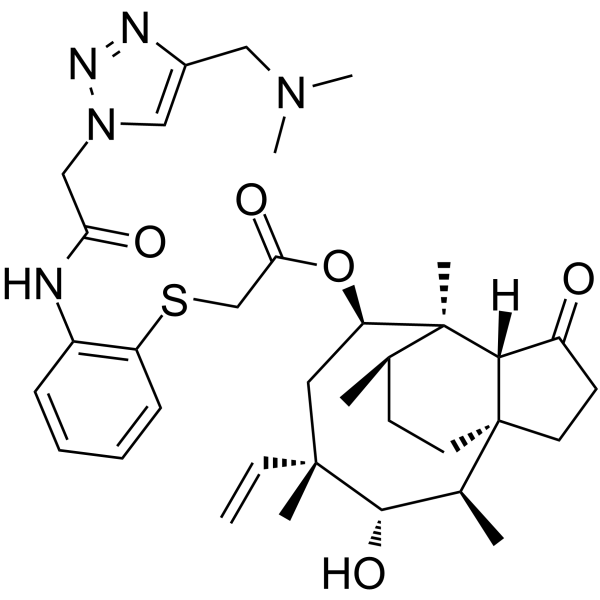
    Antibacterial agent 106 (compound 8) is an orally active and potent antibacterial agent with antibiofilm activity. Antibacterial agent 106 shows potent antibacterial effect against multi-agent resistant (MDR)-Gram positive pathogens. Antibacterial agent 106 is highly effective in clearing 99.7% of the intracellular methicillin-resistant S. aureus (MRSA) harbored inside macrophages . Antibacterial agent 106 is a click chemistry reagent, it contains an Alkyne group and can undergo copper-catalyzed azide-alkyne cycloaddition (CuAAc) with molecules containing Azide groups.
    Antibacterial agent 106
  • HY-179059

    Bacterial Reactive Oxygen Species (ROS) Infection
    Anti-MRSA agent 40 (Compound 7-8) is a potent agent against Methicillin-resistant Staphylococcus aureus (MRSA). Anti-MRSA agent 40 exhibits significant antibacterial activity against MRSA2 and S. aureus ATCC 29213, with its MIC values being 1 μg/mL. Anti-MRSA agent 40 causes depolarization of the cell membrane, damages membrane integrity, and simultaneously increases the level of ROS within MRSA2, ultimately leading to cell lysis and death. Anti-MRSA agent 40 shows significant efficacy in the MRSA2 skin abscess model. Anti-MRSA agent 40 can be used for research on anti-MRSA infections .
    Anti-MRSA agent 40

Inquiry Online

Your information is safe with us. * Required Fields.

Salutation


Country or Region *

Applicant Name *


Organization Name *

Department *


Email Address *


Product Name *

Cat. No.


Requested quantity *

Phone Number *


Remarks

Inquiry Online

Inquiry Information

Product Name:
Cat. No.:
Quantity:
MCE Japan Authorized Agent:

