131 Results for "

methicillin-resistant staphylococcus aureus (MRSA)

" in MedChemExpress (MCE) Product Catalog:
Products (131)

131 Results for "methicillin-resistant staphylococcus aureus (MRSA)" in MCE Product Catalog:

68
68 Publications Verification
Cat. No.: HY-13067
CAS No.: 34157-83-0
Purity:  99.64%
Synonyms: Tripterine; Tripterin
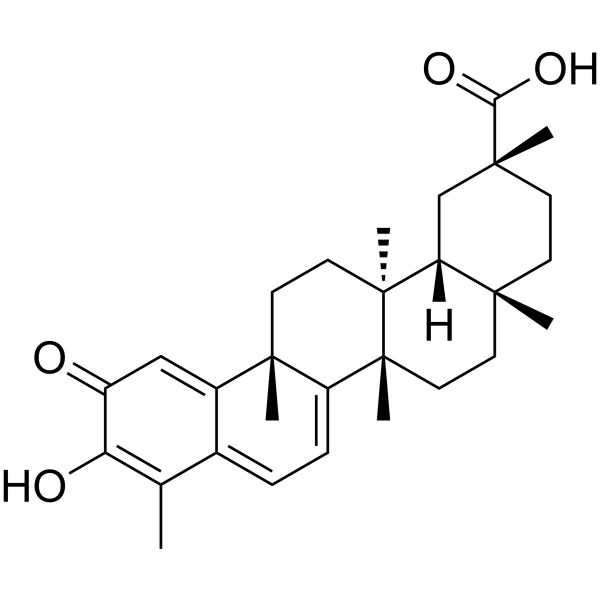
Celastrol (Tripterine;Tripterin) is a proteasome inhibitor which potently and preferentially inhibits the chymotrypsin-like activity of a purified 20S proteasome with IC50 of 2.5 μM. In addition, Celastrol is also an antibiotic with potent antimicrobial activity against standard and clinical methicillin-resistant Staphylococcus aureus (MRSA) strains, inducing oxidative stress and inhibiting DNA synthesis by binding to P5CDH .
loading...
    loading...
2
2 Cited Publications
Cat. No.: HY-14737
CAS No.: 400827-46-5
Purity:  99.81%
Synonyms: TAK-599; PPI0903
Target:  

Bacterial Antibiotic

Research Areas:  

Infection

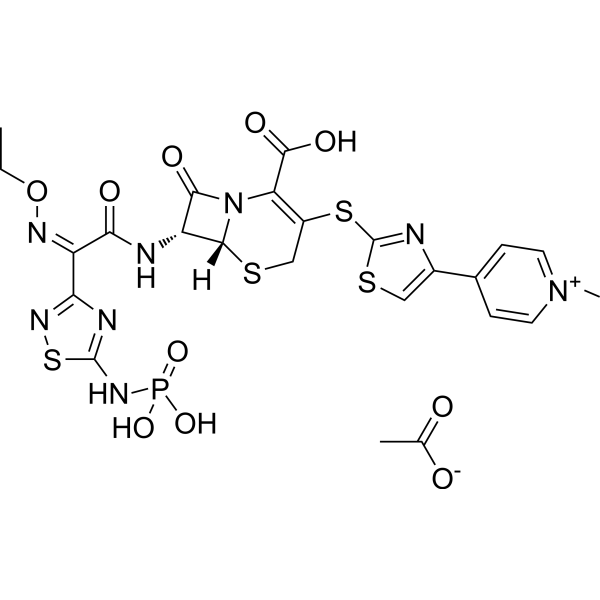
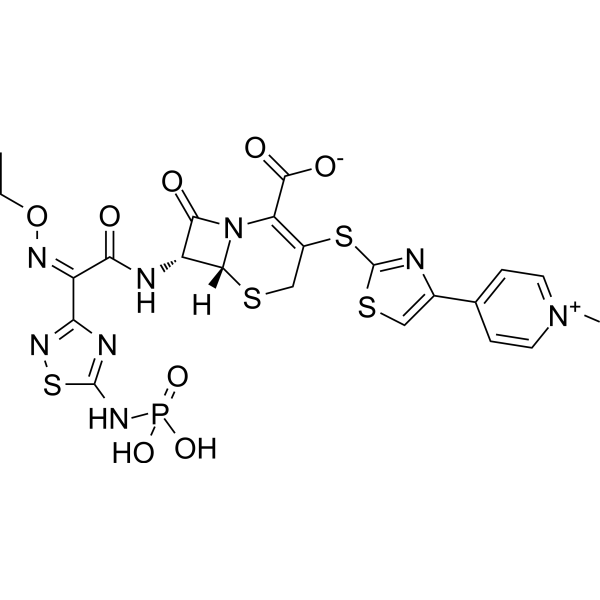
Ceftaroline fosamil (TAK-599), a cephalosporin derivative, is an N-phosphono proagent of anti-methicillin-resistant Staphylococcus aureus (MRSA) T-91825. Ceftaroline fosamil can be used for the research of MRSA infection .
loading...
    loading...
2
2 Cited Publications
Cat. No.: HY-14737A
CAS No.: 400827-55-6
Purity:  98.88%
Synonyms: TAK-599 hydrate; PPI0903 hydrate
Target:  

Antibiotic Bacterial

Research Areas:  

Infection

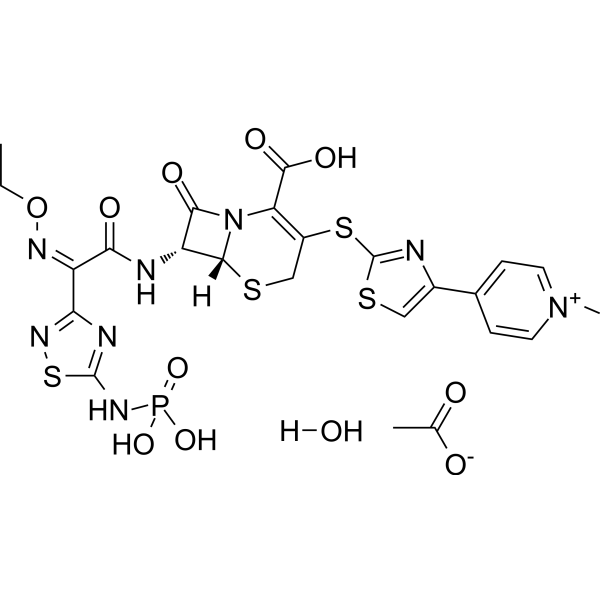
Ceftaroline fosamil hydrate is a potent cephalosporin antibiotic. Ceftaroline fosamil hydrateshows broad-spectrum activity against Gram-positive pathogens, including methicillin-resistant Staphylococcus aureus (MRSA) and multidrug-resistant Streptococcus pneumoniae, and common Gram-negative organisms. Ceftaroline fosamil hydrate has anti-infective activity, and can be used for the research of complicated skin and skin structure infections (cSSSIs) and community-acquired bacterial pneumonia (CABP) .
loading...
    loading...
1
1 Cited Publications
Cat. No.: HY-A0097
CAS No.: 61036-62-2
Synonyms: Antibiotic MDL-507; MDL-507
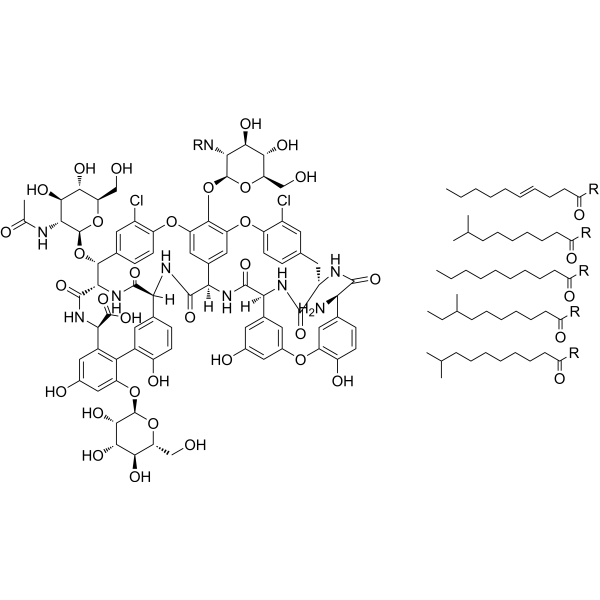
Teicoplanin is a glycopeptide antibiotic indicated for use in serious infections caused by Gram-positive bacteria, including Methicillin-resistant Staphylococcus aureus and Enterococcus aureus.Teicoplanin shows antiviral activity for HIV-1, SARS-CoV1 and SARS-CoV2. Teicoplanin sodium shows anti-MRSA activity .
loading...
    loading...
1
1 Cited Publications
Cat. No.: HY-B1924
CAS No.: 213997-73-0
Synonyms: N-Demethylvancomycin monohydrochloride; NVCM monohydrochloride
Target:  

Bacterial

Research Areas:  

Infection

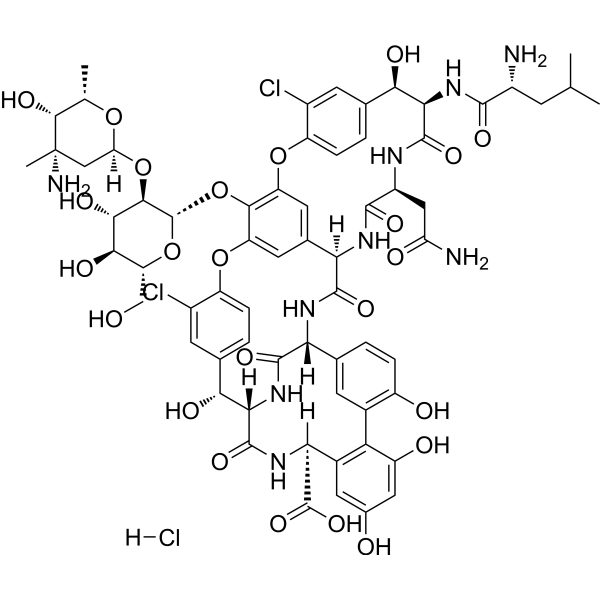
Norvancomycin hydrochloride is a cell wall synthesis inhibitor targeting peptidoglycan precursors of Gram-positive bacteria and cannot pass the blood-brain barrier. Norvancomycin hydrochloride can competitively bind to peptidoglycan precursors, irreversibly inhibit bacterial cell wall synthesis, and exert antibacterial activity. Norvancomycin hydrochloride is mainly used in the study of Gram-positive bacterial infections, especially infections caused by methicillin-resistant Staphylococcus aureus (MRSA) and methicillin-resistant Staphylococcus epidermidis (MRSE). Norvancomycin hydrochloride can also be incorporated into the bionic calcium phosphate coating of titanium implants to enhance antibacterial activity and inhibit postoperative orthopedic infections .
loading...
    loading...
1
1 Cited Publications
Cat. No.: HY-N0241
CAS No.: 85571-15-9
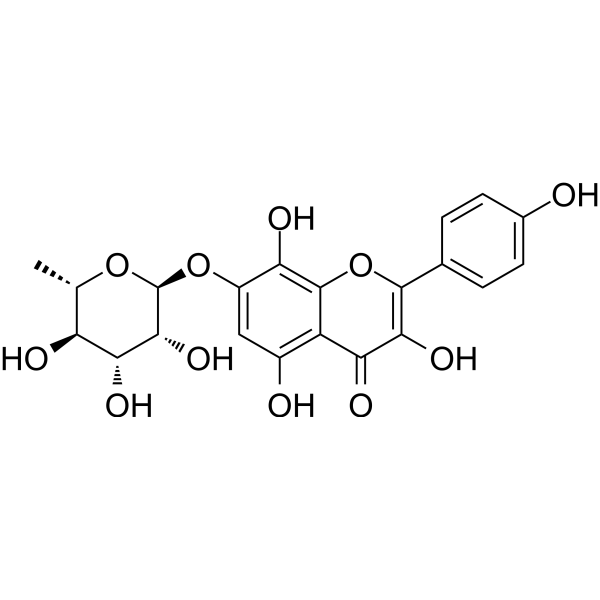
Rhodionin is an orally active, multifunctional antivirulence and cytoprotective agent that targets and inhibits Lipase, sortase A (SrtA), CYP2D6 (IC50=0.761 μM), AChE (IC50=2.43-57.5 μM), and DPPH free radicals (IC50=19.49 μM). Rhodionin is isolable from the roots of Rhodiola crenulata. Rhodionin reduces postprandial serum triglyceride levels in mice by inhibiting lipase activity. Rhodionin also binds directly to SrtA to inhibit its transpeptidase activity, thereby reducing the fibrinogen adhesion and surface protein A levels of MRSA, effectively inhibiting biofilm formation and protecting against MRSA-induced cell damage. Rhodionin improves the survival rate of infected mice without affecting MRSA growth, and finds wide application in studies related to hyperlipidemia, exogenous obesity, and pneumonia induced by methicillin-resistant Staphylococcus aureus (MRSA) .
loading...
    loading...
Cat. No.: HY-A0279
CAS No.: 270076-60-3
Synonyms: Pristinamycine
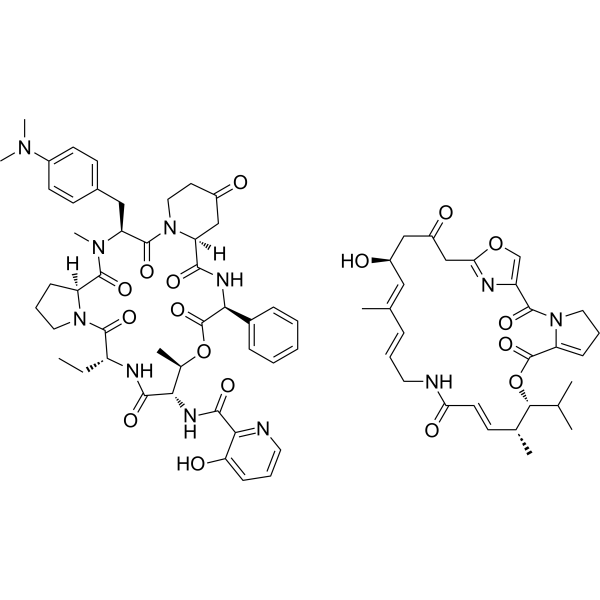
Pristinamycin, produced by Streptomyces pristinaespiralis, is an orally active streptogramin-like antibiotic consisting of two chemically unrelated components: Pristinamycin I (PI) and Pristinamycin II (PII). Pristinamycin is highly active against many antibiotic-resistant pathogens, particularly Gram-positive bacteria, including Methicillin-resistant Staphylococcus aureus (MRSA), Vancomycin-resistant S. aureus (VRSA) and Enterococcus faecium (VREF) .
loading...
    loading...
Cat. No.: HY-112959
CAS No.: 372151-71-8
Synonyms: TD-6424
Target:  

Antibiotic Bacterial

Research Areas:  

Infection

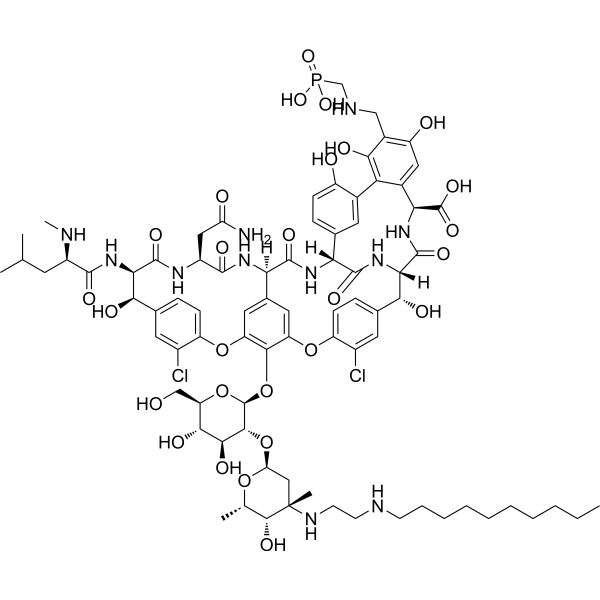
Telavancin (TD-6424) is a semisynthetic lipoglycopeptide vancomycin-derivative, is a novel antimicrobial agent developed by Theravance for overcoming resistant Gram-positive bacterial infections, specifically methicillin-resistant Staphylococcus aureus (MRSA). Telavancin disrupts cell membrane integrity, can be used for research of complicated skin and skin structure infections (cSSSIs) caused by Gram-positive bacteria .
loading...
    loading...
Cat. No.: HY-14926
CAS No.: 154357-42-3
Purity:  99.79%
Synonyms: (S)-(-)-Nadifloxacin; WCK 771
Target:  

Antibiotic Bacterial

Research Areas:  

Infection

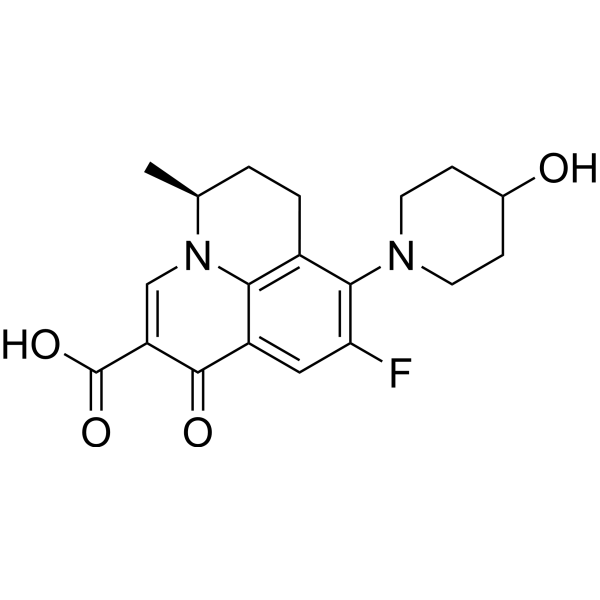
Levonadifloxacin ((S)-(-)-Nadifloxacin; WCK 771) is a broad-spectrum anti-staphylococcal agent. Levonadifloxacin shows antibacterial activity against Methicillin (HY-121544)-susceptible Staphylococcus aureus (MSSA) and Methicillin-resistant S. aureus (MRSA) strains, with a reduction of which phagocytized in THP-1 monocytes .
loading...
    loading...
Cat. No.: HY-N15451
CAS No.: 112515-42-1
Deoxytopsentin (compound 5) is a marine bisindole alkaloid and also a MRSA pyruvate kinase inhibitor. Deoxytopsentin exists in sponges. Deoxytopsentin exhibits antibacterial activity against methicillin-resistant Staphylococcus aureus strains in vitro .
loading...
    loading...
Cat. No.: HY-122735
CAS No.: 690216-38-7
Research Areas:  

Infection

Inh2-B1 is a Ser/Thr protein kinase (STK1) inhibitor. Inh2-B1 specifically inhibits STK1 activity by directly binding to its ATP-binding catalytic domain. Inh2-B1 down-regulates cell wall hydrolase genes and disrupts the biofilm formation of Methicillin-resistant Staphylococcus aureus (MRSA) clearly .
loading...
    loading...
Cat. No.: HY-156198
CAS No.: 15005-62-6
Bottromycin A2 is a natural antibiotic. Bottromycin A2 is active against methicillin-resistant Staphylococcus aureus (MRSA) and vancomycin-resistant Enterococci (VRE) .
loading...
    loading...
Cat. No.: HY-127155
CAS No.: 680571-51-1
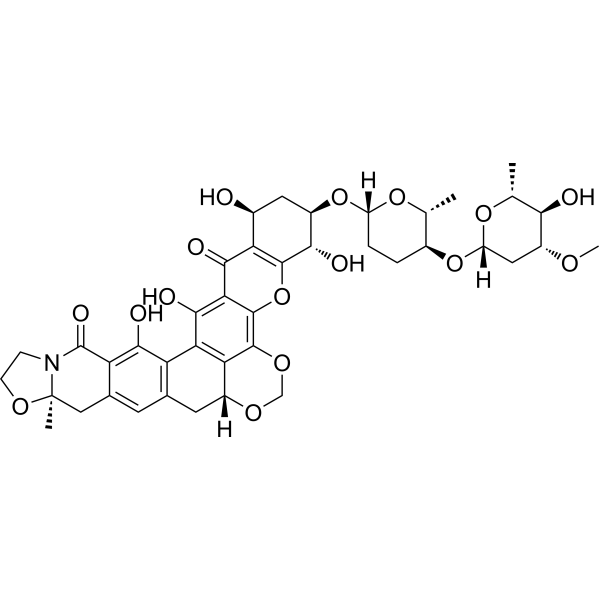
Kigamicin C is an anti-tumor antibiotic that selectively kills pancreatic cancer PANC-1 cells only in nutrient-poor conditions. Kigamicin C has antimicrobial activity against Gram-positive bacteria including methicillin-resistant Staphylococcus aureus (MRSA) .
loading...
    loading...
Cat. No.: HY-128384
CAS No.: 147228-80-6
Purity:  ≥98.0%
Target:  

Bacterial

Research Areas:  

Infection

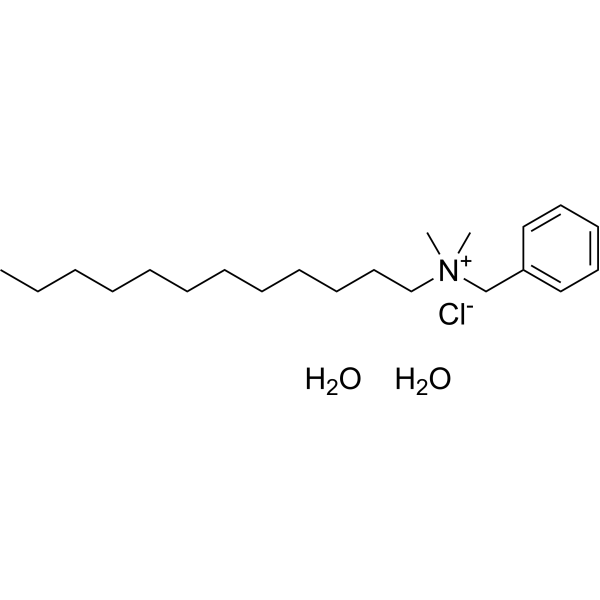
Benzyldodecyldimethylammonium chloride dihydrate is a quaternary ammonium compound (QAC) and can be used as a biocide to target antibiotic-resistant bacteria, such as methicillin-resistant Staphylococcus aureus (MRSA), multidrug-resistant (MDR) P. aeruginosa et. al. Benzyldodecyldimethylammonium chloride dihydrate, an antimicrobial agent, bacteriostatic or bactericidal properties depending on the concentration.
loading...
    loading...
Cat. No.: HY-N10834
CAS No.: 120166-71-4
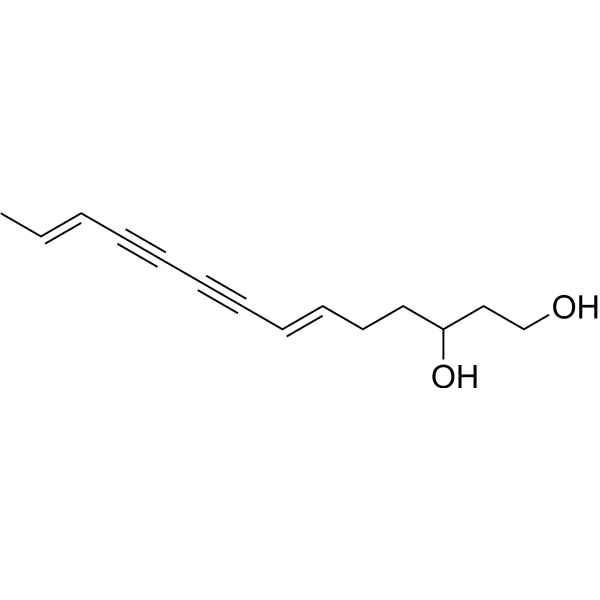
(6E,12E)-Tetradecadiene-8,10-diyne-1,3-diol is an antibacterial compound. (6E,12E)-Tetradecadiene-8,10-diyne-1,3-diol can be isolated from the roots of Atractylodes japonica. (6E,12E)-Tetradecadiene-8,10-diyne-1,3-diol has anti-methicillin-resistant Staphylococcus aureus (MRSA) activity with MIC values of 4-32 μg/mL. (6E,12E)-Tetradecadiene-8,10-diyne-1,3-diol can be used for the research of bacterial infection . (6E,12E)-Tetradecadiene-8,10-diyne-1,3-diol is a click chemistry reagent, it contains an Alkyne group and can undergo copper-catalyzed azide-alkyne cycloaddition (CuAAc) with molecules containing Azide groups.
loading...
    loading...
Cat. No.: HY-14738
CAS No.: 229016-73-3
Synonyms: TAK-599 free acid; PPI0903 free acid
Target:  

Bacterial Antibiotic

Research Areas:  

Infection

Ceftaroline fosamil (inner) (TAK-599 free acid), a cephalosporin derivative, is an N-phosphono proagent of anti-methicillin-resistant Staphylococcus aureus (MRSA) T-91825. Ceftaroline fosamil (inner) can be used for the research of MRSA infection .
loading...
    loading...
Cat. No.: HY-161823
Target:  

Bacterial

Research Areas:  

Infection

Anti-MRSA agent 13 (Compound 9b) is an agent against methicillin-resistant Staphylococcus aureus (MRSA), exhibiting a minimum inhibitory concentration (MIC) of 0.5–2 μg/mL against clinically isolated MRSA strains. Anti-MRSA agent 13 possesses favorable biosafety, plasma tolerance stability, and a low tendency to develop resistance. Anti-MRSA agent 13 disrupts cell walls and membranes, reduces metabolic activity, causes oxidative damage, affects DNA function, and ultimately leads to MRSA death through multi-target synergies .
loading...
    loading...
Cat. No.: HY-119528
CAS No.: 5090-88-0
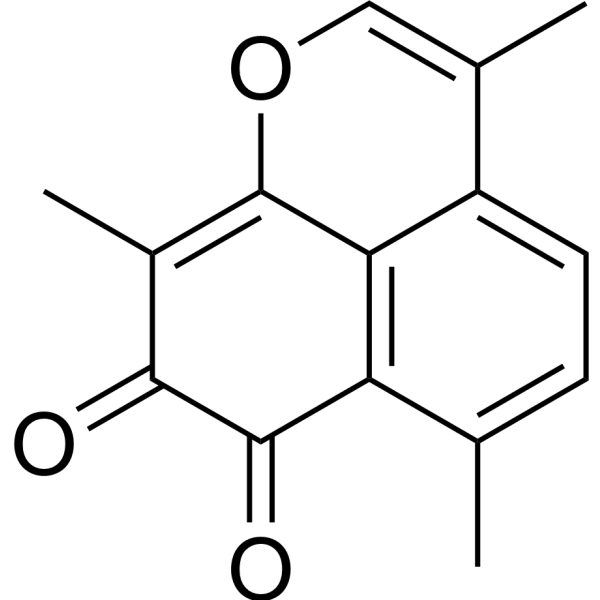
Mansonone F acts as an estrogen receptor antagonist and an antimicrobial agent. Mansonone F effectively inhibits 17β-estradiol-induced β-galactosidase activity. Derivatives of Mansonone F also exhibit antioxidant and anti-Staphylococcus aureus biological activities. Mansonone F can be used in studies related to Staphylococcus aureus infections and methicillin-resistant Staphylococcus aureus (MRSA) infections .
loading...
    loading...
Cat. No.: HY-124199
CAS No.: 25908-26-3
Cephalochromin is an antibiotic and an inhibitor for bacterial fatty acid synthase (FabI). Cephalochromin inhibits FabI of Staphylococcus aureus and Escherichia coli with IC50 of 1.9 and 1.8 μM. Cephalochromin inhibits gram-positive methicillin-resistant S. aureus (MRSA) and quinolone-resistant S. aureus (QRSA), with MIC of 2-8 µg/mL .
loading...
    loading...
Cat. No.: HY-146458
CAS No.: 2413293-65-7
Research Areas:  

Infection

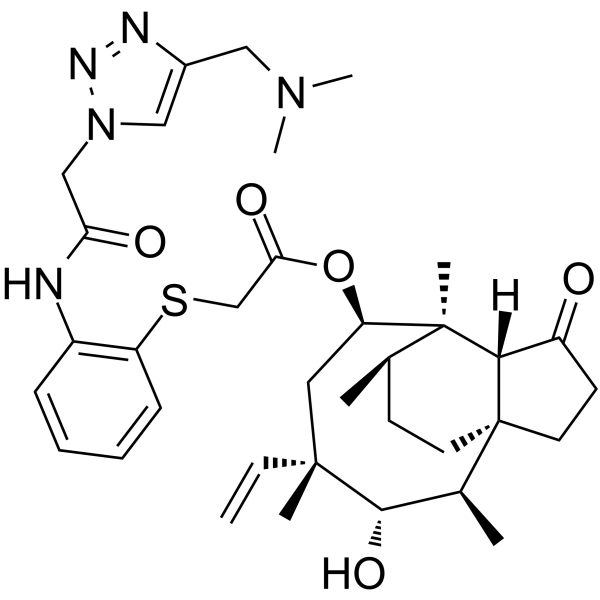
Antibacterial agent 102 (compound 32) possesses potent in vitro and in vivo antibacterial activity, with MICs < 0.5 μg/mL in Staphylococcus aureus (S. aureus). Antibacterial agent 102 also moderately inhibits CYP3A4 with an IC50 value of 6.148 μM. Antibacterial agent 102 can reduce Methicillin-resistant Staphylococcus aureus (MRSA) load in thigh infected mice .
loading...
    loading...

