
1. Search Result
Search Result
Results for "

mitochondrial translocation

" in MedChemExpress (MCE) Product Catalog:

31

Inhibitors & Agonists

1

Biochemical Assay Reagents

3

Peptides

11

Natural
Products

1

Click Chemistry

1

Oligonucleotides

Cat. No. Product Name Target Research Areas Chemical Structure
  • HY-N9933
    Tauro-β-muricholic acid
    4 Publications Verification

    TβMCA

    FXR Apoptosis Neurological Disease Metabolic Disease Inflammation/Immunology Cancer
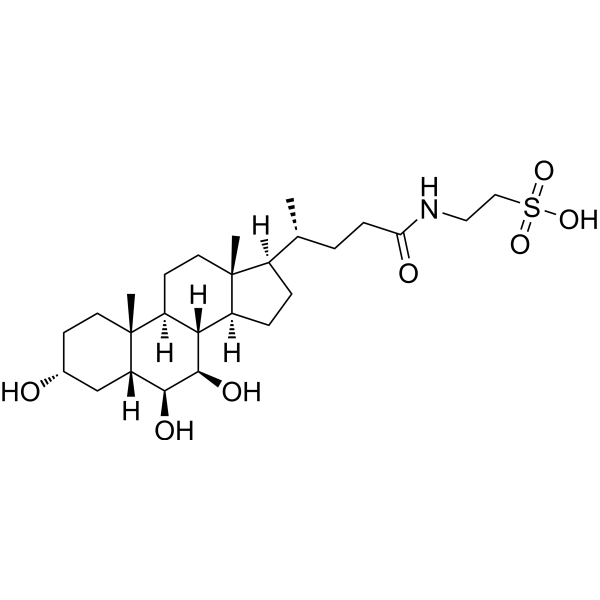
    Tauro-β-muricholic acid (TβMCA) is an orally active trihydroxylated bile acid and a competitive, reversible FXR antagonist (IC50=40 μM). Tauro-β-muricholic acid inhibits bile acid-induced hepatocyte apoptosis by maintaining mitochondrial membrane potential, while simultaneously inhibiting intestinal FXR signaling, affecting bile acid synthesis, hepatic lipid metabolism, and insulin sensitivity. Accumulation of tauro-β-muricholic acid disrupts metabolic homeostasis, promoting cancer stem cell proliferation and tumor progression. The mechanisms of tauro-β-muricholic acid involve two aspects: first, inhibiting the translocation of the pro-apoptotic protein Bax to mitochondria and maintaining mitochondrial membrane potential (MMP); and second, blocking the FXR signaling pathway to regulate bile acid metabolism, reduce serum ceramide production, and downregulate the hepatic SREBP1C/CIDEA pathway. Tauro-β-muricholic acid possesses anti-hepatocyte apoptosis, bile acid homeostasis regulation, and liver fat accumulation reduction properties, and also functions as a biomarker, making it useful in the study of diseases such as bile acid metabolism disorders, non-alcoholic fatty liver disease, colorectal cancer, and liver fibrosis .
    Tauro-β-muricholic acid
  • HY-123054
    BTSA1
    1 Publications Verification

    Bcl-2 Family Apoptosis Cancer
    BTSA1 is a potent, high affinity and orally active BAX activator with an IC50 of 250 nM and an EC50 of 144 nM. BTSA1 binds with high affinity and specificity to the N-terminal activation site and induces conformational changes to BAX leading to BAX-mediated apoptosis .
    BTSA1
  • HY-N0762
    Isobavachin
    5 Publications Verification

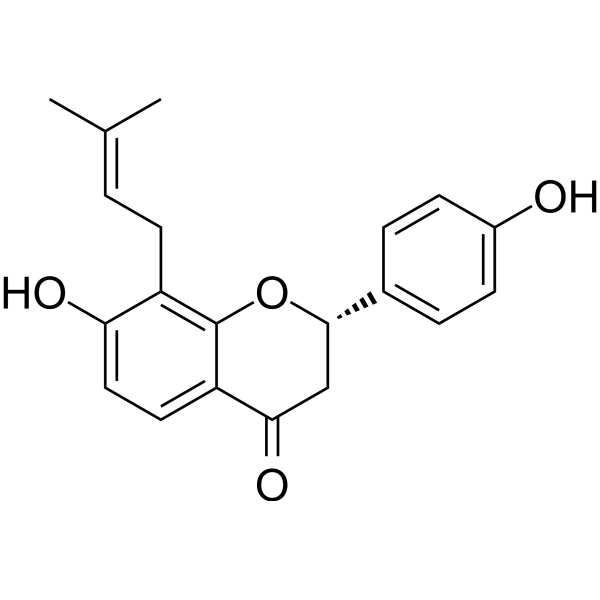
    Cytochrome P450 UGT p38 MAPK NF-κB NO Synthase COX Fc Receptor (FcR) RANKL/RANK Keap1-Nrf2 Reactive Oxygen Species (ROS) Apoptosis Autophagy Neurological Disease Metabolic Disease Inflammation/Immunology Cancer
    Isobavachin is an orally active, blood-brain barrier-penetrating prenylated flavonoid present in Psoralea corylifolia. Isobavachin inhibits human CYP2B6, CYP2C9, CYP2C19, UGT1A1, UGT1A9, and UGT2B7. Isobavachin suppresses MAPK activation, NF-κB nuclear translocation, overexpression of iNOS/COX-2, FcεRI-mediated signaling pathways, and RANKL-induced osteoclastogenesis. Isobavachin induces autophagy, cytotoxicity, neuronal differentiation, and NRF2 activation; it alleviates oxidative damage, inflammatory responses, apoptosis, iron accumulation, mitochondrial biogenesis, and mast cell degranulation. Isobavachin is applicable to research related to liver injury, inflammatory diseases, osteoporosis, liver cancer, prostate cancer, glioma, periodontitis-induced bone loss, and Alzheimer's disease .
    Isobavachin
  • HY-121362

    Bacterial Endogenous Metabolite TrxR Infection Neurological Disease Inflammation/Immunology Cancer
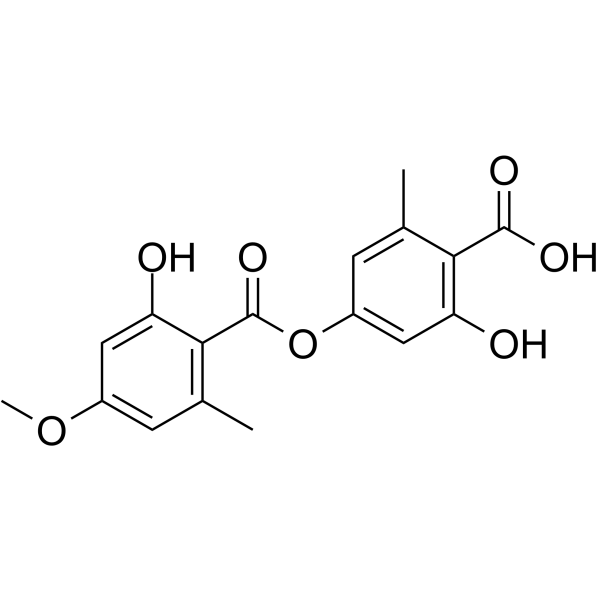
    Evernic Acid is an orally active thioredoxin reductase 1 (TrxR1) inhibitor and antiproliferative agent. Evernic Acid inhibits the proliferation and migration of human breast cancer cells. Evernic Acid blocks the NF-κB pathway by inhibiting p65 nuclear translocation and IκBα phosphorylation, thereby suppressing downstream inflammatory mediators. Evernic Acid acts as an antioxidant, anti-inflammatory agent and neuroprotective agent, protects neurons from cell death, mitochondrial dysfunction and oxidative stress damage, reduces astrocyte activation, and ameliorates dopaminergic neuron loss and neuroinflammation. Evernic Acid inhibits enoyl reductases FabI and FabZ of Plasmodium falciparum. Evernic Acid downregulates the expression of lasB and rhlA genes in Pseudomonas aeruginosa, inhibits quorum sensing and biofilm formation, and exerts antibacterial activity against Gram-positive bacteria, Gram-negative bacteria and fungi. Evernic Acid is applicable to research related to breast cancer, Parkinson's disease, bacterial infections and fungal infections .
    Evernic Acid
  • HY-172942

    Mitochondrial Metabolism Reactive Oxygen Species (ROS) Dynamin Cardiovascular Disease Infection Neurological Disease Cancer
    SP11 is a mitochondrial fission protein 1 (Fis1) inhibitor with an IC50 of 9.4 μM. SP11 binds only to activated Fis1 by engaging Cys41. SP11 preserves mitochondrial integrity and function during oxidative stress, inhibits hydrogen peroxide-induced mitochondrial ROS production, mitochondrial fragmentation, and Drp1 mitochondrial translocation. SP11 can be used for the research of parkinson’s disease .
    SP11
  • HY-139109
    IR-783
    2 Publications Verification

    ADS 780WS

    Fluorescent Dye Apoptosis Mitochondrial Metabolism ATP Synthase Cytochrome P450 Dynamin Cancer
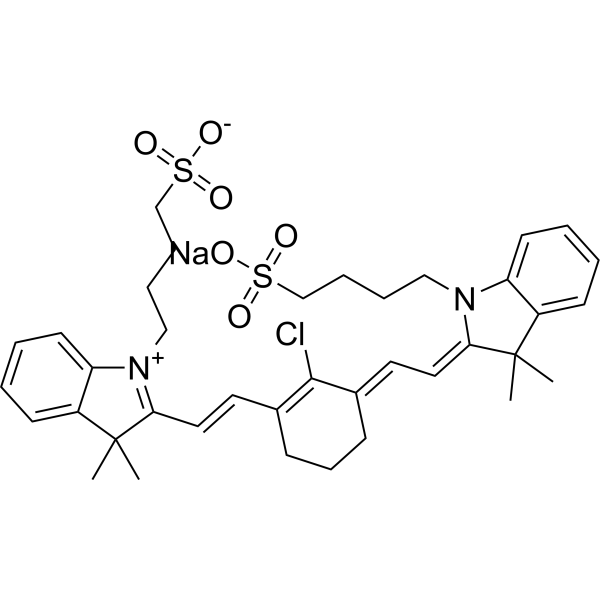
    IR-783 (ADS 780WS) is a heptamethine cyanine dye. IR-783 induces Mitochondrial membrane potential loss, ATP depletion, mitochondrial permeability transition pore opening, Cytochrome c release and Apoptosis in breast cancer cells. IR-783 promotes the translocation of Drp1 from the cytosol to mitochondria. IR-783 increases the expression of mitochondrial fission proteins such as MFF and Fission-1. IR-783 possesses imaging, cancer-targeting and anticancer properties. IR-783 exerts anticancer effects against breast cancer. IR-783 can be used in breast cancer-related research .
    IR-783
  • HY-112749

    Heme Oxygenase (HO) Reactive Oxygen Species (ROS) Mitochondrial Metabolism Microtubule/Tubulin Caspase Apoptosis Cancer
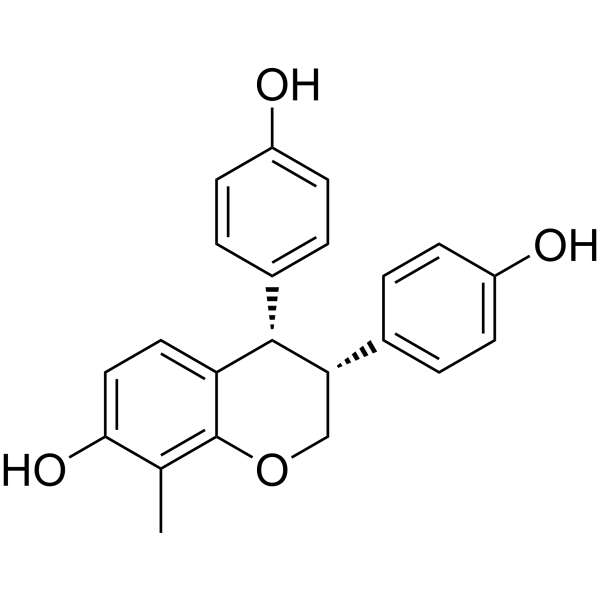
    ME-344 is an Isoflavone. ME-344 increases mitochondrial ROS generation. ME-344 inhibits tubulin polymerization. ME-344 inhibits HO-1 and impacts its mitochondrial translocation. ME-344 induces Apoptosis through Caspase 3 activation. ME-344 synergizes with Vinblastine in leukemia cells. ME-344 displays anti-tumor activity against leukemia and lung tumor. ME-344 can be used in the research of lung cancer, acute myeloid leukemia, and HER2-negative breast cancer .
    ME-344
  • HY-N0392

    Toll-like Receptor (TLR) PI3K Akt NF-κB MDM-2/p53 Caspase MEK Bcl-2 Family p38 MAPK Mitophagy Reactive Oxygen Species (ROS) Apoptosis Calcium Channel Cardiovascular Disease Infection Neurological Disease
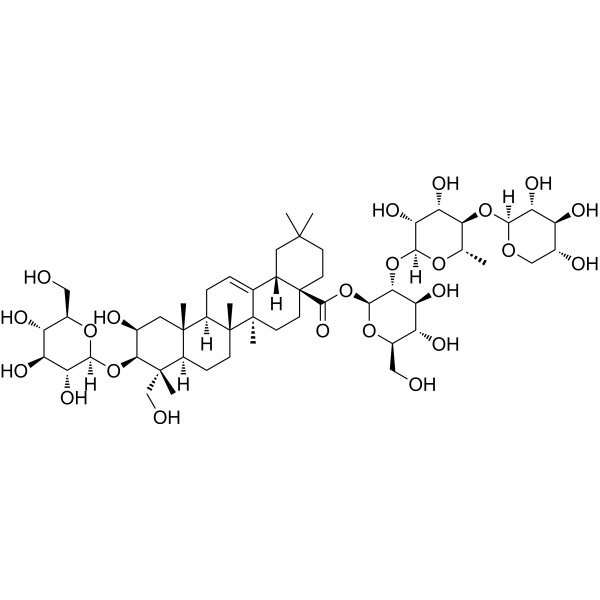
    Polygalasaponin F is an orally active triterpenoid saponin monomer. Polygalasaponin F downregulates the expression of Bax, p53, caspase-3, NF-κB p65 and MEK1; restores and upregulates the expression of Bcl-2; activates the PI3K/Akt signaling pathway; inhibits the phosphorylation of p38 MAPK, nuclear translocation of NF-κB, TLR4-mediated signaling pathway, mitophagy (Mitophagy) and ROS production; enhances cell viability and suppresses apoptosis (Apoptosis). Polygalasaponin F maintains mitochondrial function, alleviates Ca 2+ overload, upregulates pCREB and BDNF, preserves cell viability and inhibits the release of inflammatory cytokines. Polygalasaponin F alleviates lung injury induced by influenza A H1N1 and cerebral ischemia-reperfusion injury. Polygalasaponin F is applicable to researches related to Parkinson's disease, cerebral ischemia, pneumonia induced by influenza A H1N1, stroke and Alzheimer's disease .
    Polygalasaponin F
  • HY-P6437A

    Dynamin Cardiovascular Disease Neurological Disease
    Drp1 peptide inhibitor P110 (Compound P110) TFA is a selective Drp1 peptide inhibitor with neuroprotective properties. Drp1 peptide inhibitor P110 TFA can inhibit the activation of Drp1, prevent MPTP (HY-15608)-induced Drp1 mitochondrial translocation, and alleviate MPTP-induced dopaminergic neuron loss, dopaminergic nerve terminal damage, and behavioral deficits, and can be used in the study of Alzheimer's disease. Additionally, Drp1 peptide inhibitor P110 TFA can reduce mitochondrial damage and organ injury in animal models of Huntington's disease, cerebral ischemic injury, and myocardial infarction .
    Drp1 peptide inhibitor P110 TFA
  • HY-N0566

    Anemosapogenin

    Apoptosis Autophagy Bcl-2 Family Caspase Survivin p38 MAPK MMP Cancer
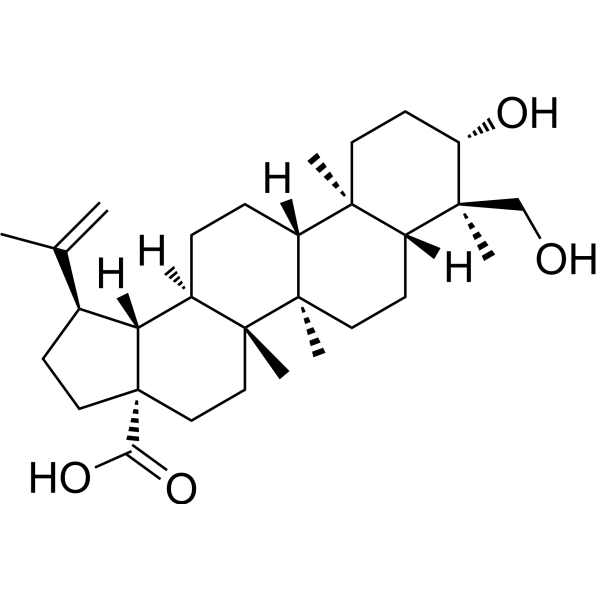
    23-Hydroxybetulinic acid (Anemosapogenin) is an orally active triterpenoid with broad-spectrum anticancer activity. 23-Hydroxybetulinic acid reduces the levels of Bcl-2 and survivin, elevates the level of Bax, promotes the cleavage/activation of caspase-3 and caspase-9, and induces apoptosis via the endogenous mitochondrial pathway involving cytochrome C release and mitochondrial membrane potential disruption. 23-Hydroxybetulinic acid arrests the cell cycle at S and G1 phases, inhibits cancer cell proliferation, blocks the MAPK signaling pathway, regulates MMP2, and induces autophagic apoptosis by upregulating beclin-1. 23-Hydroxybetulinic acid inhibits the activity and efflux function of P-gp, increases the intracellular accumulation of chemotherapeutic drugs, and synergistically enhances cytotoxicity with Doxorubicin (HY-15142). 23-Hydroxybetulinic acid inhibits the phosphorylation and nuclear translocation of STAT6, blocks M2 macrophage polarization, and reduces M2 macrophage-mediated apoptosis resistance of colon cancer cells. 23-Hydroxybetulinic acid can be used in related studies on chronic myeloid leukemia, hepatocellular carcinoma, sarcoma 180, multidrug-resistant breast cancer, leukemia, Doxorubicin-induced cardiotoxicity, and colorectal cancer .
    23-Hydroxybetulinic acid
  • HY-139308
    T0467
    2 Publications Verification

    PINK1/Parkin Mitochondrial Metabolism Neurological Disease
    T0467 activates parkin mitochondrial translocation in a PINK1-dependent manner in vitro. T0467 do not induce mitochondrial accumulation of PINK1in dopaminergic neurons. T0467 is a potential compound for PINK1-Parkin signaling activation, and can be used for parkinson's disease and related disorders research .
    T0467
  • HY-W039943

    Molecular Glues Cancer
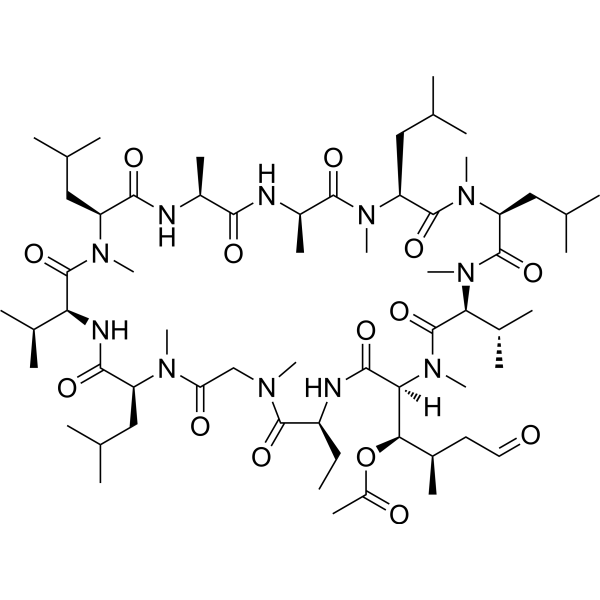
    Acetyl-cyclosporin A aldehyde is an acetylated Cyclosporin A (HY-B0579) derivative with a reducing aldehyde group. Cyclosporin A is a potent calmodulin inhibitor and cyclophilin binder that can target the nuclear translocation of NF-AT and cause mitochondrial damage.
    Acetyl-cyclosporin A aldehyde
  • HY-P6437

    Dynamin Cardiovascular Disease Neurological Disease
    Drp1 peptide inhibitor P110 (Compound P110) is a selective Drp1 peptide inhibitor with neuroprotective properties. Drp1 peptide inhibitor P110 can inhibit the activation of Drp1, prevent MPTP-induced Drp1 mitochondrial translocation, and alleviate MPTP-induced dopaminergic neuron loss, dopaminergic nerve terminal damage, and behavioral deficits, and can be used in the study of Alzheimer's disease. Additionally, Drp1 peptide inhibitor P110 can reduce mitochondrial damage and organ injury in animal models of Huntington's disease, cerebral ischemic injury, and myocardial infarction .
    Drp1 peptide inhibitor P110
  • HY-134963

    PKC Cancer
    SBI-0087702 promots the cytoplasmic localization of ATF2 in melanoma cells. SBI-0087702-induced translocation of ATF2 to the mitochondria results in increased apoptosis due to loss of mitochondrial membrane integrity. SBI-0087702 also inhibits growth and motility of melanoma cells. SBI-0087702 was shown to inhibit ATF2 phosphorylation on Thr52 by PKCε .
    SBI-0087702
  • HY-N6932

    Cannabinoid Receptor P-glycoprotein PI3K Akt mTOR Apoptosis Autophagy EGFR Metabolic Disease Cancer
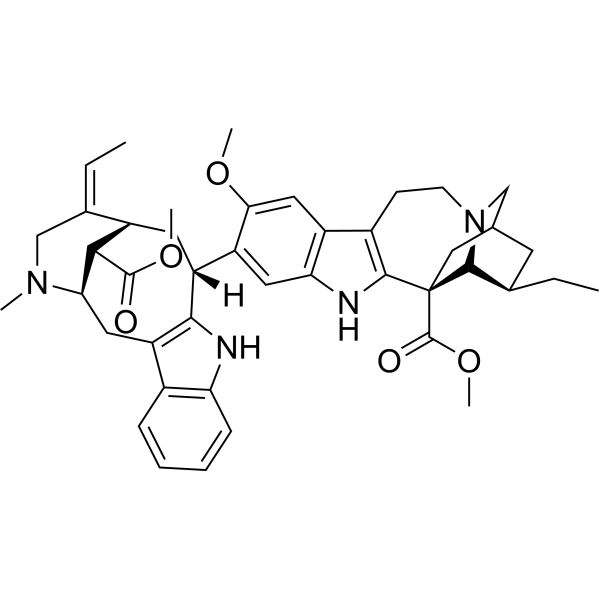
    Voacamine is an indole alkaloid with cannabinoid 1 (CB1) antagonistic activity. Voacamine can inhibit nuclear translocation. Voacamine is effective in enhancing the effect of Doxorubicin (HY-15142A) as it interferes with the P-glycoprotein (P-gp) function. Voacamine promotes apoptosis-independent autophagic cell death in human osteosarcoma cells. Voacamine activates mitochondrial-associated apoptosis signaling pathway and inhibition of PI3K/Akt/mTOR signaling pathway to suppress breast cancer progression. Voacamine inhibits EGFR to exert oncogenic activity against colorectal cancer .
    Voacamine
  • HY-143230

    OGX-011

    Apoptosis Cancer
    Custirsen (OGX-011) is an antisense oligonucleotide that targets clusterin mRNA. Custirsen induces apoptosis by activating Bax, triggering mitochondrial translocation and cytochrome c release. Custirsen acts as a chemosensitizer, radiosensitizer and hormone sensitizer. Custirsen can be used in research related to prostate cancer, non-small cell lung cancer and metastatic breast cancer .
    Custirsen
  • HY-N1326

    Santamarin; Balchanin

    JNK p38 MAPK MMP NF-κB COX TNF Receptor Interleukin Related Reactive Oxygen Species (ROS) Apoptosis Mitochondrial Metabolism DNA/RNA Synthesis Keap1-Nrf2 Bcl-2 Family Caspase PARP TGF-beta/Smad Metabolic Disease Inflammation/Immunology Cancer
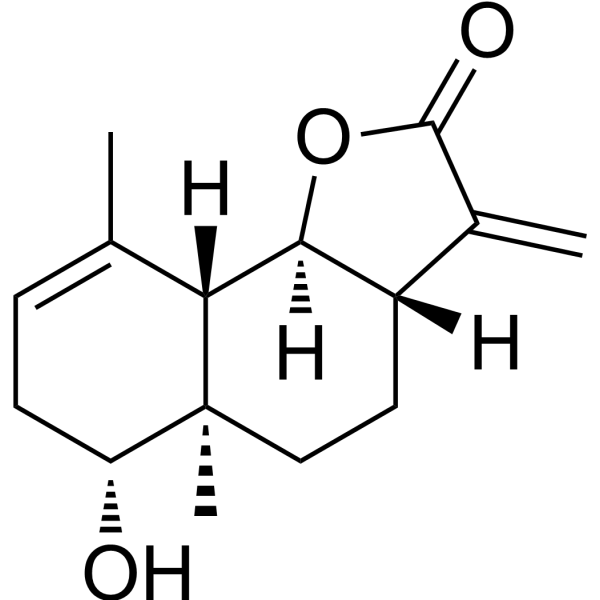
    Santamarine (Santamarin; Balchanin) is a sesquiterpene lactone found in Artemisia scoparia. Santamarine shows anti-inflammatory, antioxidant, anticancer and anti-photoaging activities. Santamarine suppresses UVA-induced phosphorylation of JNK and p38 MAPK, nuclear translocation of phosphorylated c-Fos and c-Jun, and AP-1-mediated MMP-1 transcription and secretion. Santamarine suppresses NF-κB signaling, iNOS, COX-2, TNF-α, and IL-1β production. Santamarine inhibits thioredoxin reductase activity, induces ROS production, mitochondrial apoptosis, G2/M cell cycle arrest, and DNA damage, and reduces cancer cell growth. Santamarine can be used for the photoaging, inflammatory diseases and cancer .
    Santamarine
  • HY-164521

    STAT Cancer
    PMMB-187 is a selective STAT3 inhibitor with an IC50 value of 1.81 μM for MDA-MB-231 cells. PMMB-187 induces apoptosis (Apoptosis) in MDA-MB-231 cells by inhibiting STAT3 transcriptional activity, nuclear translocation, and downstream target gene expression, while also reducing mitochondrial membrane potential, generating reactive oxygen species (ROS), and upregulating the expression levels of apoptosis-related proteins. PMMB-187 has potential applications in cancer research .
    PMMB-187
  • HY-N10009

    NF-κB TNF Receptor COX ERK p38 MAPK Sirtuin Inflammation/Immunology
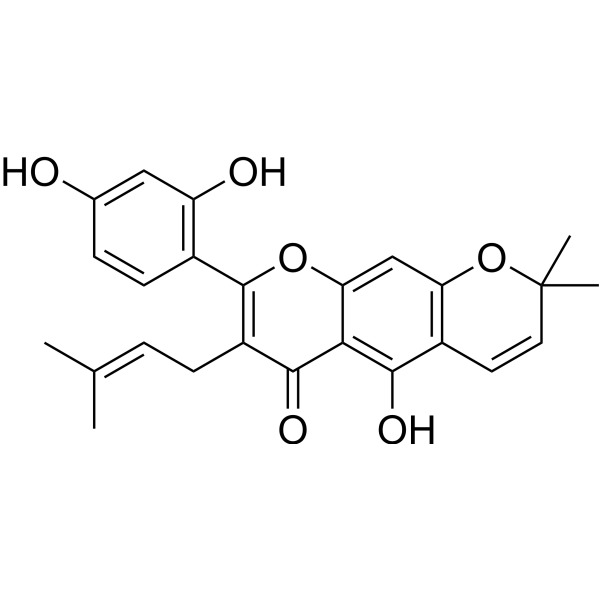
    Cudraflavone B is a prenylated flavonoid with anti-inflammatory and anti-tumor properties. Cudraflavone B is also a dual inhibitor of COX-1 and COX-2. Cudraflavone B blocks the translocation of nuclear factor κB (NF-κB) from the cytoplasm to the nucleus in macrophages. Thus, Cudraflavone B inhibits tumor necrosis factor α (TNFα) gene expression and secretion. Cudraflavone B also triggers the mitochondrial apoptotic pathway, activates NF-κB, the MAPK p38, and ERK, and induced the expression of SIRT1. Thus Cudraflavone B inhibits the growth of human oral squamous cell carcinoma cells .
    Cudraflavone B
  • HY-N8098

    STAT Autophagy JAK Cancer
    Pulchinenoside E2 is a triterpenoid saponin. Pulchinenoside E2 inhibits the phosphorylation of STAT3 and JAK2, blocks the nuclear translocation and transcriptional activity of STAT3, and suppresses STAT3-dependent mitochondrial oxidative phosphorylation. Pulchinenoside E2 inhibits invasion, migration and autophagy of triple-negative breast cancer cells. Pulchinenoside E2 can be used in research related to triple-negative breast cancer .
    Pulchinenoside E2
  • HY-112749B

    Heme Oxygenase (HO) Reactive Oxygen Species (ROS) Mitochondrial Metabolism Cancer
    (3S,4R)-ME-344 is the (3S,4R)-enantiomer of ME-344 (HY-112749). ME-344 is a mitochondrial Heme oxygenase 1 (HO-1) inhibitor. ME-344 specifically binds and alters HO-1 structure, and increases HO-1 translocation from the rough endoplasmic reticulum to mitochondria, but only in drug-sensitive cells (such as H460 and SHP-77 cells). ME-344 decreases mitochondrial ATP production and induces ROS, with subsequent disruption of redox homeostasis and mitochondrial function. ME-344 has significant antitumor activity, and can be used for cancers like breast cancer research .
    (3S,4R)-ME-344
  • HY-134318B

    DNA/RNA Synthesis Others
    8-Azido-ADP (disodium) is a covalent-binding inhibitor of mitochondrial adenine nucleotide translocation. 8-Azido-ADP (disodium) causes irreversible inhibition of adenine nucleotide exchange in a light-dependent reaction. 8-Azido-ADP (disodium) inhibits the normal state 4 → 3 transitions of mitochondrial respiration induced by ADP . 8-Azido-ADP (disodium) is a click chemistry reagent, it contains an Azide group and can undergo copper-catalyzed azide-alkyne cycloaddition reaction (CuAAc) with molecules containing Alkyne groups. It can also undergo strain-promoted alkyne-azide cycloaddition (SPAAC) reactions with molecules containing DBCO or BCN groups.
    8-Azido-ADP disodium
  • HY-N0566R

    Anemosapogenin (Standard)

    Reference Standards Apoptosis Autophagy Bcl-2 Family Caspase Survivin p38 MAPK MMP Cancer
    23-Hydroxybetulinic acid (Standard) is the analytical standard of 23-Hydroxybetulinic acid (HY-N0566). This product is intended for research and analytical applications. 23-Hydroxybetulinic acid (Anemosapogenin) is an orally active triterpenoid with broad-spectrum anticancer activity. 23-Hydroxybetulinic acid reduces the levels of Bcl-2 and survivin, elevates the level of Bax, promotes the cleavage/activation of caspase-3 and caspase-9, and induces apoptosis via the endogenous mitochondrial pathway involving cytochrome C release and mitochondrial membrane potential disruption. 23-Hydroxybetulinic acid arrests the cell cycle at S and G1 phases, inhibits cancer cell proliferation, blocks the MAPK signaling pathway, regulates MMP2, and induces autophagic apoptosis by upregulating beclin-1. 23-Hydroxybetulinic acid inhibits the activity and efflux function of P-gp, increases the intracellular accumulation of chemotherapeutic drugs, and synergistically enhances cytotoxicity with Doxorubicin (HY-15142). 23-Hydroxybetulinic acid inhibits the phosphorylation and nuclear translocation of STAT6, blocks M2 macrophage polarization, and reduces M2 macrophage-mediated apoptosis resistance of colon cancer cells. 23-Hydroxybetulinic acid can be used in related studies on chronic myeloid leukemia, hepatocellular carcinoma, sarcoma 180, multidrug-resistant breast cancer, leukemia, Doxorubicin-induced cardiotoxicity, and colorectal cancer.
    23-Hydroxybetulinic acid (Standard)
  • HY-N0392R

    Reference Standards Toll-like Receptor (TLR) PI3K Akt NF-κB Inflammation/Immunology Cancer
    Polygalasaponin F (Standard) is the analytical standard of Polygalasaponin F. This product is intended for research and analytical applications. Polygalasaponin F is an orally active triterpenoid saponin monomer. Polygalasaponin F downregulates the expression of Bax, p53, caspase-3, NF-κB p65 and MEK1; restores and upregulates the expression of Bcl-2; activates the PI3K/Akt signaling pathway; inhibits the phosphorylation of p38 MAPK, nuclear translocation of NF-κB, TLR4-mediated signaling pathway, mitophagy (Mitophagy) and ROS production; enhances cell viability and suppresses apoptosis (Apoptosis). Polygalasaponin F maintains mitochondrial function, alleviates Ca 2+ overload, upregulates pCREB and BDNF, preserves cell viability and inhibits the release of inflammatory cytokines. Polygalasaponin F alleviates lung injury induced by influenza A H1N1 and cerebral ischemia-reperfusion injury. Polygalasaponin F is applicable to researches related to Parkinson's disease, cerebral ischemia, pneumonia induced by influenza A H1N1, stroke and Alzheimer's disease.
    Polygalasaponin F (Standard)
  • HY-181502

    EGFR ERK PARP Caspase Bcl-2 Family Apoptosis Cancer
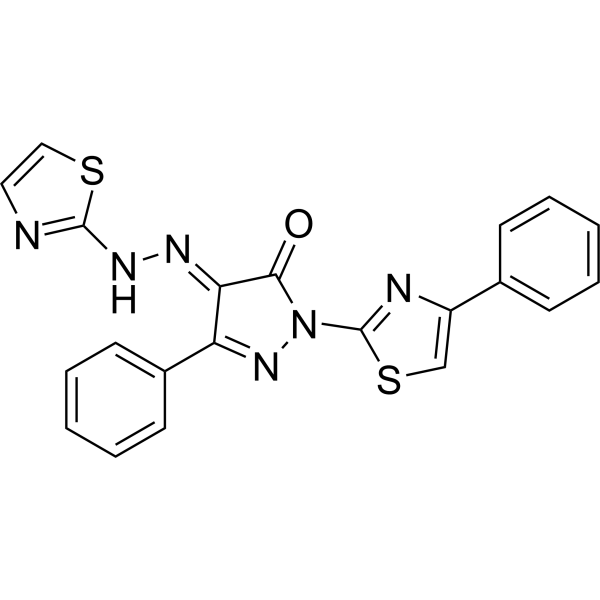
    EGFR-IN-197 is an EGFR inhibitor with IC50 values of 19.5 nM and 12.0 nM against EGFR L858R/T790M and EGFR L858R/T790M/C797S, respectively. EGFR-IN-197 arrests the cell cycle of NCI-H1975 cells at the G2/M phase, while inhibiting their proliferation, colony formation and migration; it also inhibits mitochondrial translocation and upregulates mitochondrial H2S levels. EGFR-IN-197 disrupts anti-apoptotic signaling pathways by regulating apoptosis-related proteins; it induces DNA damage and activates pro-apoptotic pathways to trigger apoptosis. EGFR-IN-197 can be used in studies related to non-small cell lung cancer (NSCLC) .
    EGFR-IN-197
  • HY-180786

    Nuclear Hormone Receptor 4A/NR4A Pyroptosis Reactive Oxygen Species (ROS) PERK Caspase Cancer
    DdBIC is a pyroptosis inducer. DdBIC binds to Nur77 and triggers its translocation to mitochondria, activates SDHA to deplete succinyl-CoA, disrupts heme homeostasis, induces electron leakage, and elicits mitochondrial ROS production. DdBIC induces mitochondrial ROS that oxidatively activates OMA1, promotes OPA1 cleavage and its release into the cytoplasm, activates the integrated stress response via PERK, and ultimately activates granzyme B to cleave GSDMC. DdBIC can be used for the study of melanoma .
    DdBIC
  • HY-W047131

    Bacterial Infection Cancer
    IPrAgCl is an antibacterial agent. IPrAgCl exhibits antiproliferative activity against MCF7 cell line with an IC50 of 30 nM. IPrAgCl has an IC50 of 35 nM against KB cancer cell line. IPrAgCl induces apoptosis in HL60 cell line. IPrAgCl promotes apoptosis-inducing factor translocation from the mitochondrial to the nuclear compartment .
    IPrAgCl
  • HY-P11489

    Cyclophilin Reactive Oxygen Species (ROS) NF-κB Caspase Apoptosis Metabolic Disease
    RN-0001 is a cyclophilin (Cyp) inhibitor with Ki values of 4.1 nM and 12.0 nM against CypA and CypD, respectively, and an EC50 of 916 nM for CypD. RN-0001 binds directly to CypD, inhibits the peptidyl-prolyl cis-trans isomerase activities of CypD and CypA, and prevents CypD-dependent mitochondrial permeability transition pore opening. RN-0001 improves mitochondrial function, reduces ROS production, inhibits the expression of lipogenic markers, blocks the nuclear translocation of NF-κB p65, and decreases the release of activated caspase-3 and cytochrome c. RN-0001 can be used in the research of alcohol-associated liver disease .
    RN-0001
  • HY-182303

    CATR

    Methionine Adenosyltransferase (MAT) Neurological Disease
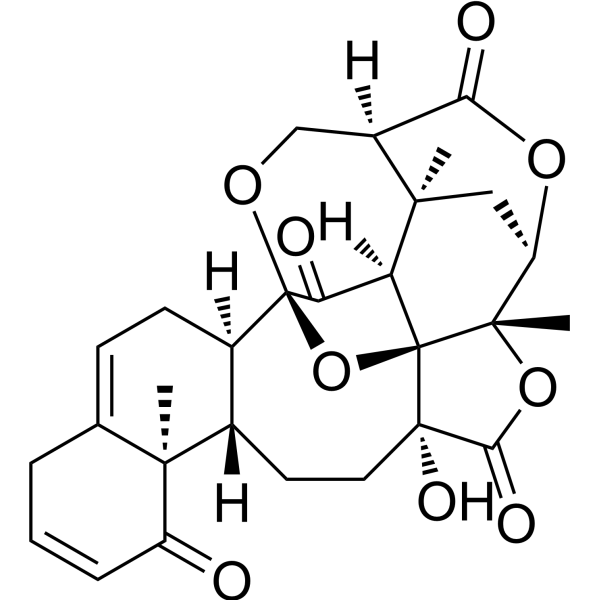
    Carboxyatractyloside (CATR) is a tight-binding inhibitor of adenine nucleotide translocase, and represents the major toxic component of Xanthium sibiricum. Carboxyatractyloside competes with ADP for binding to the translocase, blocks the translocation of ADP/ATP across the inner mitochondrial membrane, and thereby inhibits ADP-stimulated respiration. In the presence of Cyclosporin A (HY-B0579), Carboxyatractyloside still induces permeability transition in liver mitochondria of aged rats, exhibiting significant hepatotoxicity and nephrotoxicity. Carboxyatractyloside is widely used in studies related to hepatotoxicity, nephrotoxicity and Alzheimer's disease .
    Carboxyatractyloside
  • HY-181836

    IKK Topoisomerase Apoptosis NF-κB Reactive Oxygen Species (ROS) Bcl-2 Family Cancer
    IKKβ-IN-6 is an antitumor agent. IKKβ-IN-6 inhibits IKKβ (IC50: 18.24 μM), thereby suppressing the phosphorylation of p65 and IκBα, blocking the nuclear translocation of p65, and subsequently regulating genes controlled by NF-κB. IKKβ-IN-6 also targets topoisomerase I (Topo I), induces DNA damage, ROS accumulation, loss of mitochondrial membrane potential, and S-phase arrest. IKKβ-IN-6 is applicable to related research on colorectal cancer .
    IKKβ-IN-6
  • HY-181837

    IKK NF-κB Bcl-2 Family Reactive Oxygen Species (ROS) Apoptosis Cancer
    IKKβ-IN-7 is an IKKβ inhibitor with an IC50 value of 9.44 μM. IKKβ-IN-7 induces DNA damage, S-phase cell cycle arrest, ROS accumulation, mitochondrial membrane potential loss, and apoptosis. IKKβ-IN-7 inhibits phosphorylation of p65 and IκBα, suppresses p65 nuclear translocation, and regulates NF-κB-controlled genes. IKKβ-IN-7 suppresses tumor growth in xenograft models and shows activity against colorectal cancer with low normal cell cytotoxicity. IKKβ-IN-7 can be used for the research of colorectal cancer .
    IKKβ-IN-7

Inquiry Online

Your information is safe with us. * Required Fields.

Salutation


Country or Region *

Applicant Name *


Organization Name *

Department *


Email Address *


Product Name *

Cat. No.


Requested quantity *

Phone Number *


Remarks

Inquiry Online

Inquiry Information

Product Name:
Cat. No.:
Quantity:
MCE Japan Authorized Agent:

