


Search Result
Results for "
neutrophil recruitment
" in MedChemExpress (MCE) Product Catalog:
4
Biochemical Assay Reagents
| Cat. No. |
Product Name |
Target |
Research Areas |
Chemical Structure |
-
- HY-116767
-
BLT-1
Maximum Cited Publications
11 Publications Verification
Block lipid transport-1
|
HCV
|
Metabolic Disease
Inflammation/Immunology
|
|
BLT-1, a thiosemicarbazone copper chelator, is a selective scavenger receptor B, type 1 (SR-BI) inhibitor. BLT-1 inhibits the transfer of lipids between high-density lipoproteins (HDL) and cells mediated by SR-BI. BLT-1 is a potent HCV entry inhibitor .
|
-
-
- HY-B2176R
-
|
Adenosine 5'-triphosphate (Standard)
|
Reference Standards
Endogenous Metabolite
|
Metabolic Disease
Inflammation/Immunology
|
ATP (Standard) is the analytical standard of ATP. This product is intended for research and analytical applications. ATP (Adenosine 5'-triphosphate) is a central component of energy storage and metabolism in vivo. ATP provides the metabolic energy to drive metabolic pumps and serves as a coenzyme in cells. ATP is an important endogenous signaling molecule in immunity and inflammation .
In Vitro: ATP (5 mM; 1 hour) co-treatment with LPS (1 μg/mL) has a synergistic effect on the activation of the NLRP3 inflammasome in HGFs .
ATP (2 mM; 0.5-24 hours) induces secretion of IL-1β, KC and MIP-2 from BMDMs in a caspase-1 activation-dependent manner .
ATP promotes neutrophil chemotaxis in vitro .
In Vivo: ATP (50 mg/kg; i.p.) protects mice against bacterial infection in vivo .
ATP induces the secretion of IL-1β, KC and MIP-2 and neutrophils recruitment in vivo .
|
-
-
- HY-W127575
-
|
delta-3,5-Cholestadiene
|
PI3K
Akt
|
Inflammation/Immunology
|
|
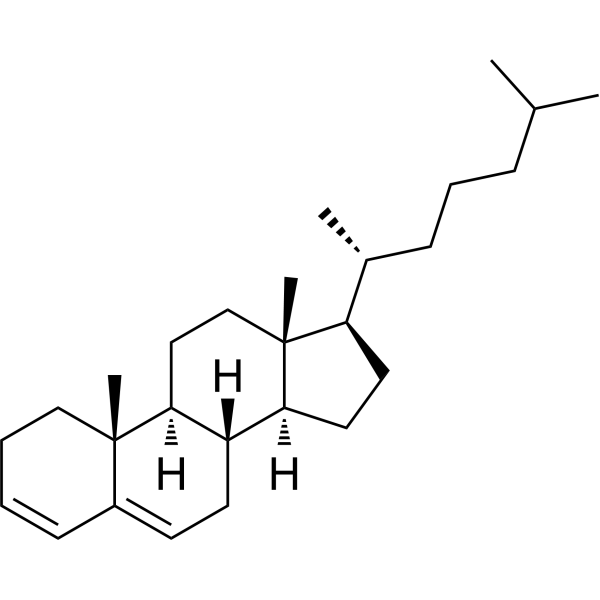
Cholesta-3,5-diene is an inflammatory modulator that targets immune cells such as neutrophils and accelerates wound healing by promoting neutrophil chemotaxis and fibroblast migration. Cholesta-3,5-diene enhances immune cell recruitment and extracellular matrix deposition by activating chemokine receptor-mediated signaling pathways such as PI3K/Akt. Cholesta-3,5-diene can be applied topically to wound repair and has potential therapeutic value in chronic ulcers or skin lesions .
|
-
-
- HY-P10408
-
|
|
EGFR
MMP
Calcium Channel
NOD-like Receptor (NLR)
ERK
p38 MAPK
|
Infection
Inflammation/Immunology
|
|
Candidalysin is a cytolytic peptide toxin secreted by the fungus Candida albicans. Candidalysin drives epithelial immune responses by activating the EGFR-MAPK signaling pathway, inducing MMP expression and calcium influx, and regulating the c-Fos transcription factor and MKP1 via p38 MAPK and ERK1/2 respectively. Candidalysin is essential for mucosal and systemic infections, activating NLRP3 to promote inflammatory responses, neutrophil recruitment, and Th17 immunity. Candidalysin activates LDH causing membrane damage and exhibiting cytotoxicity
|
-
-
- HY-125474
-
|
|
Environmental Pollutants
HIV
HSV
|
Infection
Cancer
|
|
Carrageenan is an antiviral and anticancer agent. Carrageenan inhibits herpes simplex virus (HSV), HIV, and hepatitis A virus (HAV) by directly binding to the viral capsid to block the attachment of viruses such as HPV to HSPG factors on the cell surface. Carrageenan delays and arrests cell cycle progression, exhibits cytotoxicity against HeLa cancer cells, and can be applied to studies related to cervical cancer, genital warts, hepatitis A, and other conditions. Carrageenan also induces acute non-immune inflammation, triggers a three-phase inflammatory response involving the release of multiple proinflammatory mediators, and causes persistent edema, hyperalgesia, and neutrophil recruitment in mice .
|
-
-
- HY-50688
-
|
|
CXCR
|
Inflammation/Immunology
|
|
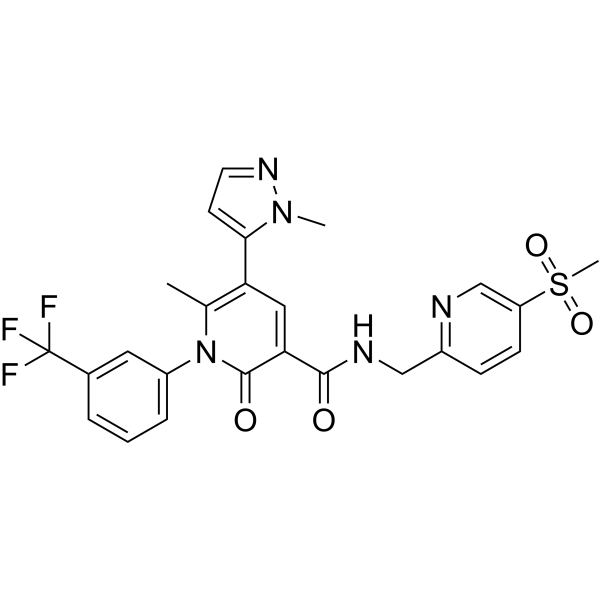
SB-265610 is a selective, competitive, nonpeptide and allosteric CXCR2 antagonist. SB-265610 blocks rat cytokine-induced neutrophil chemoattractant-1 (CINC-1)-induced calcium mobilization and neutrophil chemotaxis with IC50s of 3.7 nM and 70 nM, respectively .
|
-
-
- HY-W020790
-
|
sLeX
|
Endogenous Metabolite
|
Inflammation/Immunology
|
|
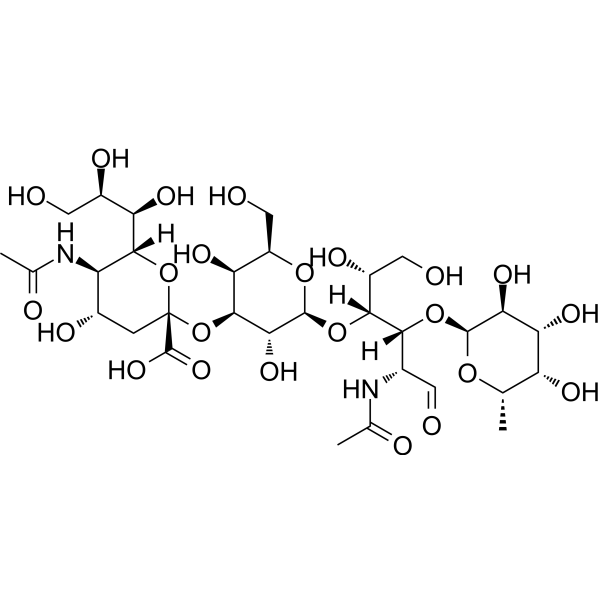
Sialyl-Lewis X (sLeX) is a sialylated fucosylated tetrasaccharide, an endogenous antigen. Sialyl-Lewis X is a high-affinity ligand for selectins (E-, P-, and L-selectin) . Sialyl-Lewis X binds to ELAM-1 and CD62 and has the ability?to inhibits CD62-mediated neutrophil recruitment to sites of inflammation .
|
-
-
- HY-148853
-
|
|
HuR
|
Others
|
|
SRI-42127 is a HuR translocation inhibitor. HuR is an RNA regulator that binds to AREs, and HuR translocations promote the production of inflammatory cytokines in glial cells. However, SRI-42127 can destroy mRNA stability and inhibit gene promoter activation. SRI-42127 also inhibits microglial cell activation and attenuates recruitment/chemotaxis of neutrophils and monocytes .
|
-
-
- HY-103363
-
|
|
CCR
Thymidylate Synthase
|
Inflammation/Immunology
Cancer
|
|
SB-328437 is a potent, selective non-peptide CCR3 antagonist with an IC50 of 4.5 nM. SB-328437 can inhibit eosinophil migration induced by eotaxin, eotaxin-2, and monocyte chemotactic protein-4. In addition, SB-328437 can sensitize 5-FU (HY-90006)-resistant gastric cancer cells. SB-328437 can also reduce the recruitment of neutrophils to the lungs and pulmonary inflammation during acute inflammation. SB-328437 can be used in the research of inflammation-related diseases .
|
-
-
- HY-153358
-
|
|
HDAC
|
Cancer
|
|
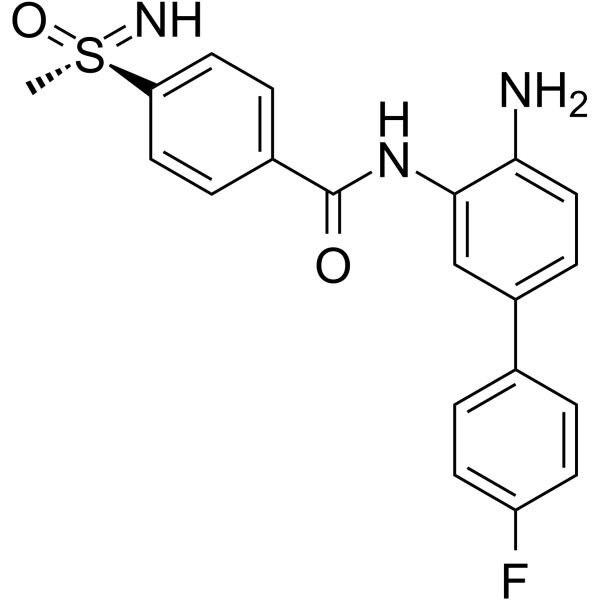
TNG260 is a selective, orally effective inhibitor of HDAC1 and CoREST complex, with a 10-fold selectivity for HDAC1 over HDAC3 and a 500-fold selectivity for CoREST complex over NuRD and Sin3 complex. TNG260 reshapes the tumor immune microenvironment, reduces immunosuppressive neutrophil infiltration, promotes effector T cell recruitment, and reverses anti-PD-1 resistance caused by STK11 deficiency by inhibiting the activity of the CoREST-HDAC1 complex. TNG260 induces durable tumor regression in combination with α-PD1 in MC38 tumor-bearing mice with STK11 mutations, and has lower toxicity to bone marrow cells than non-selective HDAC inhibitors .
|
-
-
- HY-165613
-
|
Dipalmitoyl-S-glyceryl-cysteine; S-[2,3-Bis(palmitoyloxy)propyl]cysteine
|
Toll-like Receptor (TLR)
Influenza Virus
NF-κB
|
Infection
Inflammation/Immunology
|
|
Pam2Cys (Dipalmitoyl-S-glyceryl-cysteine; S-[2,3-Bis(palmitoyloxy)propyl]cysteine) is a TLR2 agonist and immunostimulant. Pam2Cys binds to TLR2 to activate dendritic cells and trigger the TLR2-dependent NF-κB signaling pathway. Pam2Cys also induces dendritic cell maturation by upregulating the expression of cell surface MHC II molecules. Pam2Cys activates innate immune signaling pathways, drives pro-inflammatory and antimicrobial responses, enhances the expression of macrophage activation markers, increases phagocytic activity, induces the release of IL-12 and pro-inflammatory cytokines, and polarizes macrophages into a pro-inflammatory, antimicrobial phenotype without interfering with IL-10-induced macrophage polarization. Pam2Cys also serves as the lipid moiety in synthetic lipopeptide vaccines and possesses self-adjuvant properties. Pam2Cys enhances the immunogenicity of conjugated peptide segments and induces cellular and humoral immune responses. However, it does not activate CD4 T cells in mouse splenocyte cultures when used alone. Pam2Cys activates pulmonary TLR2 signaling pathways, triggers innate immune responses, recruits neutrophils and macrophages, induces the secretion of various cytokines, alleviates symptoms and damages associated with influenza A virus infection in mice without impairing adaptive immunity. Pam2Cys can be used in studies related to tuberculosis and influenza A virus infection .
|
-
-
- HY-158226
-
|
ElaMA
|
Biochemical Assay Reagents
|
Others
|
Elastin Methacrylated (ElaMA) elastin recruits and modulates innate immune cells and accelerates angiogenesis at the wound site, thereby improving wound regeneration. Elastin Methacrylated attracts large numbers of neutrophils and primarily M2 macrophages to the wound and induces their penetration into the hydrogel. Elastin Methacrylated has excellent immunomodulatory effects, leading to superior angiogenesis, collagen deposition and dermal regeneration . Elastin Methacrylated needs to self-assemble into fibrous hydrogel under the action of photoinitiator LAP (HY-44076), and target bioactive adhesion sites, play an inherent supporting role for tissue cells and biodegradable activity. Application: cell culture, biological 3D printing, tissue engineering, etc.
|
-
-
- HY-P3012
-
|
|
Cathepsin
ERK
p38 MAPK
PKC
Protease Activated Receptor (PAR)
MMP
|
Inflammation/Immunology
|
|
Cathepsin G is a pH-dependent serine protease. Cathepsin G hydrolyzes diverse synthetic and protein substrates and remodels extracellular matrix. Cathepsin G exerts immunomodulatory effects via recruiting phagocytes, enhancing T cell motility, activating ERK1/2 and p38 MAPK signaling, and mediating PKCζ membrane translocation. Cathepsin G regulates inflammatory responses by cleaving inflammatory mediators. Cathepsin G participates in vascular regulation by converting angiotensin I to angiotensin II. Cathepsin G induces PAR4-dependent platelet activation, facilitates platelet-neutrophil aggregation, and mediates VITT-related NETosis, thrombus formation. Cathepsin G can be used for the research of immune thrombotic thrombocytopenia, cardiovascular disease, and select autoimmune and inflammatory diseases .
|
-
-
- HY-132808
-
|
SAR 444727; PRN473
|
Btk
|
Inflammation/Immunology
|
|
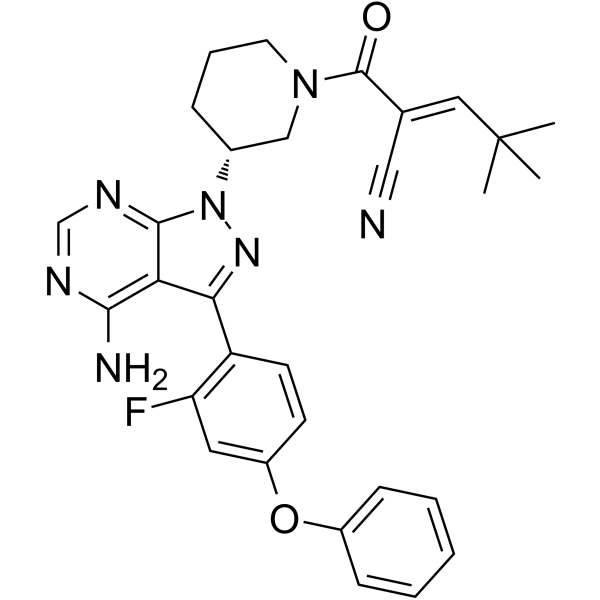
Atuzabrutinib (SAR 444727) is a potent, selective reversible inhibitor of Btk (Bruton's tyrosine kinase) inhibitor. Atuzabrutinib inhibits neutrophil recruitment via inhibition of macrophage antigen-1 signalling .
|
-
-
- HY-118521
-
|
|
PI3K
|
Inflammation/Immunology
|
|
AS-041164 is a potent, selective and orally active PI3Kγ isoform inhibitor with an IC50 of 70 nM. AS-041164 shows less activity against PI3Kα, PI3Kβ, and PI3Kδ (IC50s of 240 nM, 1.45 μM, and 1.70 μM, respectively). AS-041164 has anti-inflammatory effects .
|
-
-
- HY-W097753
-
|
4-Methoxydiphenylmethane
|
Aminopeptidase
|
Others
|
|
4-MDM (4-Methoxydiphenylmethane) is an orally active anti-inflammatory compound that selectively enhances the Leukotriene A4 Hydrolase (LTA4H) aminopeptidase enzyme activity. 4-MDM reduces the neutrophil recruitment in the lung by enhancing the degradation of proline-glycine-proline by LTA4H, thereby reducing inflammation, and does not affect the epoxy-hydrolase activity of LTA4H. 4-MDM can be used for research on lung diseases .
|
-
-
- HY-127108
-
|
|
Acetyl-CoA Carboxylase
|
Metabolic Disease
Cancer
|
|
ND-654 is a highly selective acetyl-CoA carboxylase (ACC) inhibitor (IC50: ACC1=3 nM, ACC2=8 nM). ND-654 reduces hepatic lipogenesis, decreases neutrophil recruitment and promotes anti-inflammatory M2 macrophage polarization. ND-654 is promising for research of nonalcoholic steatohepatitis and hepatocellular carcinoma .
|
-
-
- HY-124056
-
|
|
CXCR
|
Cancer
|
|
AZ10397767 is an orally active, selective CXCR2 receptor antagonist with an IC50 of 1 nM. AZ10397767 attenuates the Oxaliplatin (HY-17371)-induced NF-κB transcriptional activity and potentiates Oxaliplatin-induced apoptosis in androgen-independent prostate cancer (AIPC) cells. AZ10397767 significantly inhibits neutrophil recruitment into tumors which then adversely affects tumor growth in vitro and in vivo .
|
-
-
- HY-174770
-
|
|
mRNA
|
Inflammation/Immunology
|
|
Human CCL13 mRNA encodes the human C-C motif chemokine ligand 13 (CCL13) protein, a cytokine that displays chemotactic activity for monocytes, lymphocytes, basophils and eosinophils, but not neutrophils. CCL13 also plays a role in accumulation of leukocytes during inflammation and may be involved in the recruitment of monocytes into the arterial wall during artherosclerosis.
|
-
-
- HY-124099
-
|
|
Leukotriene Receptor
|
Inflammation/Immunology
|
|
SCH 40120 is a potent leukotriene inhibitor with antiinflammatory effects. SCH 40120 suppresses T cell proliferative responses, antigen-specific and poly-clonally-induced in vitro antibody responses. SCH 40120 suppresses an edematous response and inhibits the recruitment of circulating neutrophils into sites of inflammation. SCH 40120 is proming for rasearch of anti-psoriatic agents .
|
-
-
- HY-119234
-
|
|
CXCR
|
Inflammation/Immunology
|
|
CX4338 is a CXCL8-mediated chemokine inhibitor with the activity of inhibiting CXCR2-mediated cell migration. CX4338 selectively inhibits CXCR2-mediated β-arrestin-2 recruitment and receptor internalization while enhancing CXCR2-mediated MAPK activation. CX4338 also inhibited CXCL8-induced chemotaxis, showing efficacy in CXCR2-overexpressing cells and human neutrophils. In vivo, CX4338 significantly reduced LPS-induced neutrophil numbers in mouse bronchoalveolar lavage fluid. The mechanism of action of CX4338 is to selectively inhibit CXCR2-mediated β-arrestin-2 activation, which is sufficient to inhibit CXCL8-mediated chemotaxis .
|
-
-
- HY-10109A
-
|
|
PI3K
Akt
|
Inflammation/Immunology
|
|
AS-605240 (potassium) is an orally active PI3Kγ inhibitor (IC50: 8 nM; Ki: 7.8 nM). AS-605240 (potassium) inhibits MCP-1- and CSF1-induced PKB phosphorylation (IC50 values are 0.181 and 0.550 µM, respectively). AS-605240 (potassium) reduces neutrophil recruitment in RANTES (CCL5)- and thioglycolate-induced peritonitis mouse models (EC50 values are 9.1 and 10 mg/kg, respectively). AS-605240 (potassium) ameliorates αCII-IA-induced arthritis in mice .
|
-
-
- HY-P992035
-
|
|
Interleukin Related
|
Endocrinology
|
|
AMY109 is an anti-human interleukin-8 (IL-8) monoclonal antibody, with a Ka of 36.8 pM for human IL-8, and a Ka of 380 pM for cynomolgus monkey IL-8. AMY109 binds to human and cynomolgus monkey IL-8 in a pH-dependent manner, inhibits IL-8-mediated activation of CXCR1 and CXCR2, and blocks the downstream biological activities of IL-8. AMY109 inhibits neutrophil recruitment to endometriotic lesions and suppresses monocyte chemoattractant protein-1 production by neutrophils. AMY109 is applicable to research related to endometriosis .
|
-
-
- HY-182723
-
|
|
GPR84
|
Cancer
|
|
PSB-16671 is an allosteric agonist of GPR84. PSB-16671 recruits β-arrestins and couples to Gi, enhances the Gi activation potency of orthosteric agonists, and exerts a synergistic effect with orthosteric agonists. PSB-16671 promotes G protein activation and partial chemotaxis independent of GPR84 in mouse neutrophils, maintains the phagocytic function of macrophages against cancer cells without inducing receptor desensitization. PSB-16671 can be used in cancer-related research .
|
-
-
- HY-P992153
-
|
|
Interleukin Related
|
Inflammation/Immunology
|
|
Serrumab is a human monoclonal antibody that counteracts the biochemical and immunological effects of Tityus serrulatus venom. Serrumab inhibits the TsV-induced increase in the production of IL-6, TNFα and IL-10. Serrumab also prevents TsV-induced elevations in plasma urea, creatinine, aspartate transaminase and glucose levels, as well as the TsV-induced increase in neutrophil recruitment. Serrumab can be used in research related to envenoming by the Brazilian yellow scorpion .
|
-
-
- HY-NP216
-
|
LecB
|
Integrin
Endogenous Metabolite
Bacterial
|
Infection
|
|
PA-IIL (LecB) is a lectin produced by Pseudomonas aeruginosa. PA-IIL binds to glycosylated β1-integrin, fucose-containing glycosphingolipids, fucosylated/mannosylated neutrophil glycoconjugates, and pre-formed neutrophil extracellular traps. PA-IIL disrupts host defenses: it creates favorable conditions for Pseudomonas aeruginosa infection and dissemination by modulating the bactericidal activity of neutrophils, impairing the trafficking and recruitment of immune cells, and compromising the repair capacity of epithelial barriers. PA-IIL can be used in studies related to Pseudomonas aeruginosa infection .
|
-
-
- HY-P11879
-
|
|
|
Infection
Inflammation/Immunology
Endocrinology
|
|
LSALT peptide is a selective DPEP-1 inhibitor with selectivity over DPEP2/3. LSALT peptide inhibits neutrophil and monocyte/macrophage recruitment, inflammation, and tissue injury. LSALT peptide reduces kidney damage, improves survival in murine sepsis and endotoxemia models. LSALT peptide can be used for the research of COVID-19, sepsis, acute respiratory distress syndrome, and acute kidney injury .
|
-
-
- HY-103363R
-
|
|
Reference Standards
CCR
Thymidylate Synthase
|
Inflammation/Immunology
Cancer
|
|
SB-328437 (Standard) is the analytical standard of SB-328437 (HY-103363). This product is intended for research and analytical applications. SB-328437 is a potent, selective non-peptide CCR3 antagonist with an IC50 of 4.5 nM. SB-328437 can inhibit eosinophil migration induced by eotaxin, eotaxin-2, and monocyte chemotactic protein-4. In addition, SB-328437 can sensitize 5-FU (HY-90006)-resistant gastric cancer cells. SB-328437 can also reduce the recruitment of neutrophils to the lungs and pulmonary inflammation during acute inflammation. SB-328437 can be used in the research of inflammation-related diseases .
|
-
| Cat. No. |
Product Name |
Type |
-
- HY-W127575
-
|
delta-3,5-Cholestadiene
|
Biochemical Assay Reagents
|
|
Cholesta-3,5-diene is an inflammatory modulator that targets immune cells such as neutrophils and accelerates wound healing by promoting neutrophil chemotaxis and fibroblast migration. Cholesta-3,5-diene enhances immune cell recruitment and extracellular matrix deposition by activating chemokine receptor-mediated signaling pathways such as PI3K/Akt. Cholesta-3,5-diene can be applied topically to wound repair and has potential therapeutic value in chronic ulcers or skin lesions .
|
-
- HY-125474
-
|
|
Biochemical Assay Reagents
|
|
Carrageenan is an antiviral and anticancer agent. Carrageenan inhibits herpes simplex virus (HSV), HIV, and hepatitis A virus (HAV) by directly binding to the viral capsid to block the attachment of viruses such as HPV to HSPG factors on the cell surface. Carrageenan delays and arrests cell cycle progression, exhibits cytotoxicity against HeLa cancer cells, and can be applied to studies related to cervical cancer, genital warts, hepatitis A, and other conditions. Carrageenan also induces acute non-immune inflammation, triggers a three-phase inflammatory response involving the release of multiple proinflammatory mediators, and causes persistent edema, hyperalgesia, and neutrophil recruitment in mice .
|
-
- HY-158226
-
|
ElaMA
|
Biochemical Assay Reagents
|
Elastin Methacrylated (ElaMA) elastin recruits and modulates innate immune cells and accelerates angiogenesis at the wound site, thereby improving wound regeneration. Elastin Methacrylated attracts large numbers of neutrophils and primarily M2 macrophages to the wound and induces their penetration into the hydrogel. Elastin Methacrylated has excellent immunomodulatory effects, leading to superior angiogenesis, collagen deposition and dermal regeneration . Elastin Methacrylated needs to self-assemble into fibrous hydrogel under the action of photoinitiator LAP (HY-44076), and target bioactive adhesion sites, play an inherent supporting role for tissue cells and biodegradable activity. Application: cell culture, biological 3D printing, tissue engineering, etc.
|
-
- HY-NP216
-
|
LecB
|
Biochemical Assay Reagents
|
|
PA-IIL (LecB) is a lectin produced by Pseudomonas aeruginosa. PA-IIL binds to glycosylated β1-integrin, fucose-containing glycosphingolipids, fucosylated/mannosylated neutrophil glycoconjugates, and pre-formed neutrophil extracellular traps. PA-IIL disrupts host defenses: it creates favorable conditions for Pseudomonas aeruginosa infection and dissemination by modulating the bactericidal activity of neutrophils, impairing the trafficking and recruitment of immune cells, and compromising the repair capacity of epithelial barriers. PA-IIL can be used in studies related to Pseudomonas aeruginosa infection .
|
| Cat. No. |
Product Name |
Target |
Research Area |
-
- HY-P10408
-
|
|
EGFR
MMP
Calcium Channel
NOD-like Receptor (NLR)
ERK
p38 MAPK
|
Infection
Inflammation/Immunology
|
|
Candidalysin is a cytolytic peptide toxin secreted by the fungus Candida albicans. Candidalysin drives epithelial immune responses by activating the EGFR-MAPK signaling pathway, inducing MMP expression and calcium influx, and regulating the c-Fos transcription factor and MKP1 via p38 MAPK and ERK1/2 respectively. Candidalysin is essential for mucosal and systemic infections, activating NLRP3 to promote inflammatory responses, neutrophil recruitment, and Th17 immunity. Candidalysin activates LDH causing membrane damage and exhibiting cytotoxicity
|
-
- HY-P3012
-
|
|
Cathepsin
ERK
p38 MAPK
PKC
Protease Activated Receptor (PAR)
MMP
|
Inflammation/Immunology
|
|
Cathepsin G is a pH-dependent serine protease. Cathepsin G hydrolyzes diverse synthetic and protein substrates and remodels extracellular matrix. Cathepsin G exerts immunomodulatory effects via recruiting phagocytes, enhancing T cell motility, activating ERK1/2 and p38 MAPK signaling, and mediating PKCζ membrane translocation. Cathepsin G regulates inflammatory responses by cleaving inflammatory mediators. Cathepsin G participates in vascular regulation by converting angiotensin I to angiotensin II. Cathepsin G induces PAR4-dependent platelet activation, facilitates platelet-neutrophil aggregation, and mediates VITT-related NETosis, thrombus formation. Cathepsin G can be used for the research of immune thrombotic thrombocytopenia, cardiovascular disease, and select autoimmune and inflammatory diseases .
|
-
- HY-P1099
-
Ac2-12
1 Publications Verification
|
Peptides
|
Inflammation/Immunology
|
|
Ac2-12, an annexin/lipocortin 1 (LC1)-mimetic peptide, inhibit neutrophil extravasation. Ac2-12 has antimigratory action and inhibits recruitment of neutrophils in experimental inflammation models .
|
-
- HY-P1099A
-
|
|
Peptides
|
Inflammation/Immunology
|
|
Ac2-12 TFA, an annexin/lipocortin 1 (LC1)-mimetic peptide, inhibit neutrophil extravasation. Ac2-12 TFA has antimigratory action and inhibits recruitment of neutrophils in experimental inflammation models .
|
-
- HY-P11879
-
|
|
|
Infection
Inflammation/Immunology
Endocrinology
|
|
LSALT peptide is a selective DPEP-1 inhibitor with selectivity over DPEP2/3. LSALT peptide inhibits neutrophil and monocyte/macrophage recruitment, inflammation, and tissue injury. LSALT peptide reduces kidney damage, improves survival in murine sepsis and endotoxemia models. LSALT peptide can be used for the research of COVID-19, sepsis, acute respiratory distress syndrome, and acute kidney injury .
|
| Cat. No. |
Product Name |
Target |
Research Area |
Image |
-
- HY-P992035
-
|
|
Interleukin Related
|
Endocrinology
|
|
AMY109 is an anti-human interleukin-8 (IL-8) monoclonal antibody, with a Ka of 36.8 pM for human IL-8, and a Ka of 380 pM for cynomolgus monkey IL-8. AMY109 binds to human and cynomolgus monkey IL-8 in a pH-dependent manner, inhibits IL-8-mediated activation of CXCR1 and CXCR2, and blocks the downstream biological activities of IL-8. AMY109 inhibits neutrophil recruitment to endometriotic lesions and suppresses monocyte chemoattractant protein-1 production by neutrophils. AMY109 is applicable to research related to endometriosis .
|
-
(5)
-
- HY-P992153
-
|
|
Interleukin Related
|
Inflammation/Immunology
|
|
Serrumab is a human monoclonal antibody that counteracts the biochemical and immunological effects of Tityus serrulatus venom. Serrumab inhibits the TsV-induced increase in the production of IL-6, TNFα and IL-10. Serrumab also prevents TsV-induced elevations in plasma urea, creatinine, aspartate transaminase and glucose levels, as well as the TsV-induced increase in neutrophil recruitment. Serrumab can be used in research related to envenoming by the Brazilian yellow scorpion .
|
-
(5)
| Cat. No. |
Product Name |
Category |
Target |
Chemical Structure |
-
- HY-B2176R
-
|
Adenosine 5'-triphosphate (Standard)
|
Structural Classification
Alkaloids
Human Gut Microbiota Metabolites
Microorganisms
other families
Animals
Other Alkaloids
Plants
Endogenous metabolite
Source Classification
|
Reference Standards
Endogenous Metabolite
|
ATP (Standard) is the analytical standard of ATP. This product is intended for research and analytical applications. ATP (Adenosine 5'-triphosphate) is a central component of energy storage and metabolism in vivo. ATP provides the metabolic energy to drive metabolic pumps and serves as a coenzyme in cells. ATP is an important endogenous signaling molecule in immunity and inflammation .
In Vitro: ATP (5 mM; 1 hour) co-treatment with LPS (1 μg/mL) has a synergistic effect on the activation of the NLRP3 inflammasome in HGFs .
ATP (2 mM; 0.5-24 hours) induces secretion of IL-1β, KC and MIP-2 from BMDMs in a caspase-1 activation-dependent manner .
ATP promotes neutrophil chemotaxis in vitro .
In Vivo: ATP (50 mg/kg; i.p.) protects mice against bacterial infection in vivo .
ATP induces the secretion of IL-1β, KC and MIP-2 and neutrophils recruitment in vivo .
|
-
-
- HY-W020790
-
-
| Cat. No. |
Product Name |
|
Classification |
-
- HY-174770
-
|
|
|
mRNA
Chemokine & Receptors
|
|
Human CCL13 mRNA encodes the human C-C motif chemokine ligand 13 (CCL13) protein, a cytokine that displays chemotactic activity for monocytes, lymphocytes, basophils and eosinophils, but not neutrophils. CCL13 also plays a role in accumulation of leukocytes during inflammation and may be involved in the recruitment of monocytes into the arterial wall during artherosclerosis.
|
Your information is safe with us. * Required Fields.
Inquiry Information
- Product Name:
- Cat. No.:
- Quantity:
- MCE Japan Authorized Agent:

