


41 Results for "

oxidative stability

" in MedChemExpress (MCE) Product Catalog:
Products (41)

41 Results for "oxidative stability" in MCE Product Catalog:

2
2 Cited Publications
Cat. No.: HY-135087
CAS No.: 65381-09-1
Purity:  99.89%
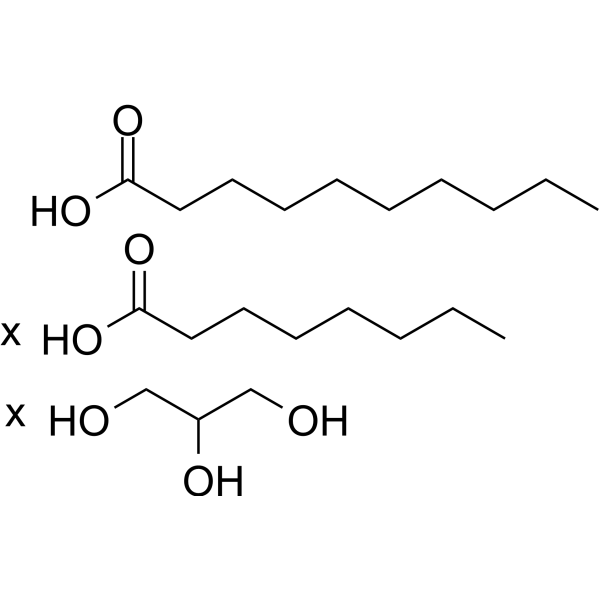
Caprylic/Capric Triglyceride is a mixed triester of Octanoic acid (Caprylic acid) (HY-41417) and Capric acid oil possessing excellent oxidation stability. Caprylic/Capric Triglyceride is used as a food additive and used in cosmetics .
loading...
    loading...
1
1 Cited Publications
Cat. No.: HY-N1461
CAS No.: 17238-05-0
Synonyms: (±)-Dihydrodaidzein
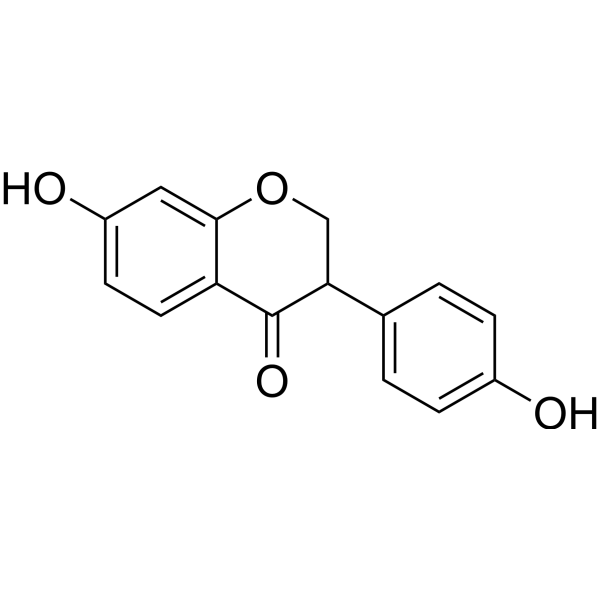
Dihydrodaidzein is a dietary phytoestrogen. Dihydrodaidzein possesses functions including antioxidation, inhibition of DNA oxidative damage, regulation of lipid metabolism and maintenance of intestinal flora stability. Dihydrodaidzein induces apoptosis, regulates immune responses, modulates tumor-related factors, activates the Bmp-2 signaling pathway, inhibits NF-κB and MAPK, and exhibits anti-inflammatory activity. Dihydrodaidzein can be used in research related to cancer, cardiovascular diseases, osteoporosis and inflammatory diseases .
loading...
    loading...
Cat. No.: HY-W051271
CAS No.: 13463-67-7
Synonyms: Titanium dioxide
Titanium(IV) oxide is a photosensitizer and photocatalyst. Titanium(IV) oxide can be used as a pharmaceutical excipient such as a flow aid, coating agent, sunscreen, colorant, etc. Pharmaceutical excipients or pharmaceutical excipients refer to other chemical substances used in the pharmaceutical process other than the drug ingredients. Pharmaceutical excipients generally refer to inactive ingredients in pharmaceutical preparations that can improve the stability, solubility and processability of pharmaceutical preparations. Pharmaceutical excipients also affect the absorption, distribution, metabolism and elimination (ADME) process of co-administered drugs. Titanium(IV) oxide can use light energy to generate electron-hole pairs to degrade pollutants. Photons excite electrons in TiO2 to generate active oxygen species (such as ·OH and ·O2 -), thereby oxidizing and mineralizing pollutants such as organic compounds and heavy metals. TiO2 can be used in the research of environmental remediation fields such as water treatment, air purification and self-cleaning materials .
loading...
    loading...
Cat. No.: HY-W011696
CAS No.: 112-90-3
Synonyms: cis-1-Amino-9-octadecene, 80-90%
Oleylamine, 80-90% (cis-1-Amino-9-octadecene, 80-90%) is a multifunctional reagent used for metal ion coordination and nanoparticle surface modification, and acts as a solvent, surfactant and reducing agent in the synthesis of metal oxide nanoparticles. Oleylamine, 80-90% regulates nanoparticle morphology, magnetization intensity and water proton relaxation rate via thiol-ene "click" reaction, and enhances the colloidal stability of nanoparticles in organic reagents. Oleylamine, 80-90% is mainly used in research and applications in fields such as nanomaterial synthesis, biomedical imaging (MRI contrast agents, fluorescent probes), cancer cell targeting and drug delivery .
loading...
    loading...
Cat. No.: HY-154696
CAS No.: 51274-00-1
Research Areas:  

Others

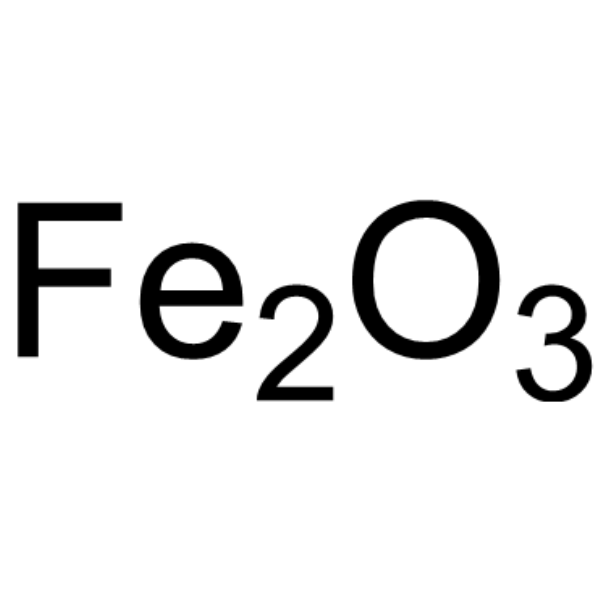
Ferric oxide, yellow can be used as an excipient, such as colorant. Pharmaceutical excipients, or pharmaceutical auxiliaries, refer to other chemical substances used in the pharmaceutical process other than pharmaceutical ingredients. Pharmaceutical excipients generally refer to inactive ingredients in pharmaceutical preparations, which can improve the stability, solubility and processability of pharmaceutical preparations. Pharmaceutical excipients also affect the absorption, distribution, metabolism, and elimination (ADME) processes of co-administered drugs .
loading...
    loading...
Cat. No.: HY-P10943
CAS No.: 3051946-11-0
Target:  

Fluorescent Dye

Research Areas:  

Inflammation/Immunology Cancer

APO-15 is a phosphatidylserine-binding fluorescent probe and apoptosis imaging reagent. APO-15 exhibits high chemical stability under proteolytic and oxidative conditions, enables quantification and imaging of drug-induced apoptosis in preclinical mouse models, and is applicable to fixed tissue samples and multiple in vivo administration routes (Ex = 488 nm; Em = 525 nm). APO-15 can be used in studies related to acute lung injury and breast cancer .
loading...
    loading...
Cat. No.: HY-N10508
CAS No.: 71204-89-2
Calcitroic acid is a water-soluble terminal vitamin D metabolite and also a ligand for vitamin D receptor (VDR). Calcitroic acid binds to the ligand-binding domain of VDR, forms a retinoic X receptor complex, recruits the coactivator peptide MED1, mediates partial VDR-dependent transcription, inhibits Calcitriol (HY-10002)-induced VDR activation, and reduces the transcription level of CYP24A1 in the presence of 1α,25-dihydroxyvitamin D3. Calcitroic acid exerts selective activating effects on VDR, upregulates the expression of CYP24A1 and CYP3A4, decreases the transcription levels of iNOS and IL-1β, reduces the secretion of nitric oxide and IL-1β, and possesses metabolic stability due to its resistance to phase I oxidation and hepatic glucuronidation. Calcitroic acid can be used in research related to colon cancer, inflammatory bowel disease and rickets .
loading...
    loading...
Cat. No.: HY-154696A
CAS No.: 1309-37-1
Research Areas:  

Others

Ferric oxide, red can be used as an excipient, such as colorant. Pharmaceutical excipients, or pharmaceutical auxiliaries, refer to other chemical substances used in the pharmaceutical process other than pharmaceutical ingredients. Pharmaceutical excipients generally refer to inactive ingredients in pharmaceutical preparations, which can improve the stability, solubility and processability of pharmaceutical preparations. Pharmaceutical excipients also affect the absorption, distribution, metabolism, and elimination (ADME) processes of co-administered drugs .
loading...
    loading...
Cat. No.: HY-131944
CAS No.: 3054-47-5
Purity:  ≥96.0%
Target:  

Apoptosis HSV

S-Acetylglutathione is a glutathione derivative and intracellular glutathione supplement that bypasses glutathione synthetase deficiency through intracellular thioesterase conversion, exhibits higher blood stability than glutathione, and selectively induces apoptosis in lymphoma and malignant cells by inducing oxidative stress (apoptosis). S-Acetylglutathione can be used in research on glutathione synthetase deficiency, herpes simplex virus type 1 infection, murine AIDS, lymphoma, and malignant tumors .
loading...
    loading...
Cat. No.: HY-W099538
CAS No.: 123-28-4
Synonyms: Dilauryl 3,3'-Thiodipropionate
Dilauryl thiodipropionate (DLTDP), which is a sulfur-containing antioxidant commonly used to stabilize polymers and plastics against degradation caused by heat, oxygen, and UV light, acts to scavenge free radicals and others that may cause polymer chain scission and cross-linked active substances, in addition, DLTDP has been used as an additive to lubricants, oils and other industrial fluids to improve their oxidation stability, the long hydrocarbon chain in DLTDP makes it low volatility and compatible with many materials and Good compatibility with substrates.
loading...
    loading...
Cat. No.: HY-155063
CAS No.: 3031102-94-7
Purity:  96.03%
Research Areas:  

Cancer

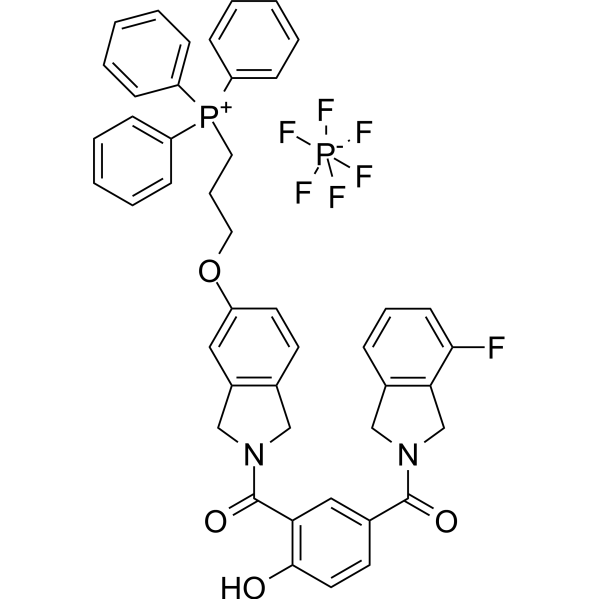
TRAP1-IN-1 (compound 35) is a potent and selective inhibitor of TRAP1,a mitochondrial isoform of Hsp90. TRAP1-IN-1 has >250-fold TRAP1 selectivity over Grp94,and disrupts TRAP1 tetramer stability,induces TRAP1 client protein degradation. TRAP1-IN-1 also inhibits mitochondrial complex I of oxidative phosphorylation OXPHOS,disrupts the mitochondrial membrane potential,and enhances glycolysis metabolism .
loading...
    loading...
Cat. No.: HY-148062
CAS No.: 2769753-48-0
Purity:  99.85%
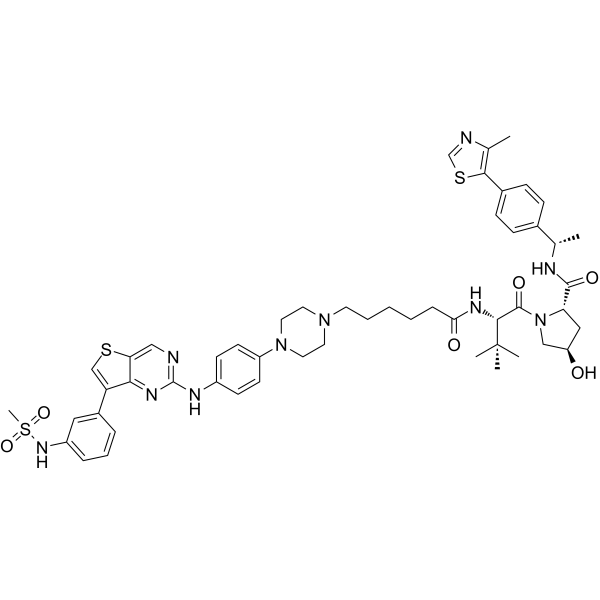
RSS0680 is a small noncoding RNA (sRNA) targeting the mRNA ribosome binding site (RBS) and a PROTAC. RSS0680 competitively binds to RBS through the conserved CCUCCUCCC anti-Shine-Dalgarno (aSD) sequence and inhibits the translation initiation of target genes. RSS0680 can interact with the DUF1127 protein CcaF1, regulate its own stability and participate in bacterial oxidative stress defense, enhancing the host's resistance to heat shock and oxidative damage by affecting pathways such as C1 metabolism and pyruvate dehydrogenase complex. RSS0680 degrades AAK1, CDK1, CDK16, CDK2, CDK4, CDK6, EIF2AK4, GAK, LATSl, LIMK2, MAPK6, MAPKAPK5, MARK2, MARK4, MKNK2, NEK9, RPS6KB1, SIK2, SNRK, STK17A, STK17B, STK35, and WEEl. RSS0680 can be used to study diseases or disorders mediated by aberrant kinase activity and regulatory mechanisms of noncoding RNAs in α-proteobacteria[1][2].
loading...
    loading...
Cat. No.: HY-116568
CAS No.: 178928-70-6
Purity:  99.52%
Synonyms: JAU-6476
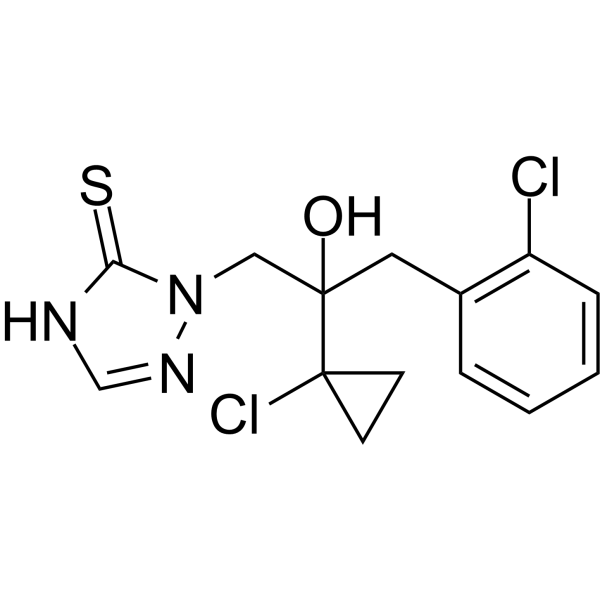
Prothioconazole is an orally active broad-spectrum fungicide. Prothioconazole weakly inhibits CaCYP51 activity in Candida albicans, with an apparent IC50 of approximately 120 μM. Prothioconazole disrupts Microtubule stability by reducing the acetylation level of α-tubulin. Prothioconazole induces Mitochondrial dysfunction, oxidative stress, DNA damage, and Apoptosis. Prothioconazole accumulates 14-methylated sterols and depletes ergosterol in cells, culture media, plants, and animals. Prothioconazole interferes with pyruvate metabolism and glycolysis/gluconeogenesis processes in mouse liver, downregulates Fasn mRNA expression, and induces hepatotoxicity and renal metabolic disorders. Prothioconazole reduces the fertility of female mice. Prothioconazole inhibits body weight gain and increases liver/kidney indices in mice. Prothioconazole can be used in studies related to candidiasis .
loading...
    loading...
Cat. No.: HY-W009641
CAS No.: 24463-15-8
Synonyms: PyM; 1-HMP
Research Areas:  

Others

1-Pyrenemethanol is an organic compound that can be used to prepare graphene films with excellent thermal conductivity, flexibility and mechanical properties. 1-Pyrenemethanol binds to graphene oxide sheets through hydrogen bonds and π-π interactions to form GO-PyM films, increasing the dispersion and stability of the material .
loading...
    loading...
Cat. No.: HY-169402A
PDE1-IN-9 (Compound 7a) hydrochloride is a selective inhibitor for phosphodiesterase 1 (PDE1), that inhibits PDE1C with an IC50 of 11 nM. PDE1-IN-9 hydrochloride reduces mRNA expression of IL-1β, IL-6, TNF-α and iNOS, inhibits the production of nitric oxide (NO) and reactive oxygen species (ROS). PDE1-IN-9 hydrochloride exhibits good metabolic stability in rat liver microsomes .
loading...
    loading...
Cat. No.: HY-125209A
CAS No.: 2253744-57-7
Research Areas:  

Cancer

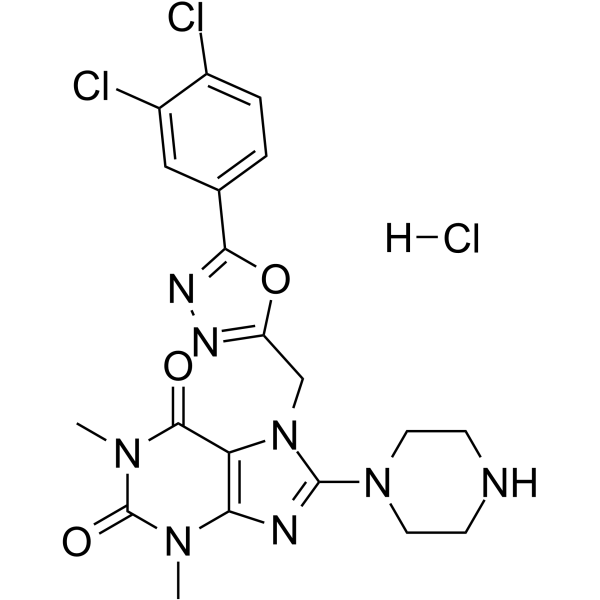
TH5427 hydrochloride is a NUDT5 inhibitor with a human target IC50 of 29 nM, ~690-fold selectivity over MTH1 in vitro, and selective functional inhibition over other NUDIX hydrolases including NUDT9 .TH5427 hydrochloride binds to the active site of NUDT5, blocking enzymatic activity related to ADP-ribose metabolism and PAR-derived ATP synthesis .TH5427 hydrochloride blocks progestin-dependent nuclear ATP synthesis, impairs progestin-induced chromatin remodeling, inhibits histone H1 displacement, disrupts progestin-dependent gene regulation, and abrogates progestin-dependent proliferation in breast cancer cells .TH5427 hydrochloride functions as a versatile probe to study nuclear ATP dynamics and ADP-ribose-related metabolism in cells .TH5427 hydrochloride engages NUDT5 at physiological temperatures, as demonstrated by Drug Affinity Responsive Target Stability (DARTS) assay .TH5427 hydrochloride stabilizes NUDT5 against thermal denaturation in cell lysates and intact cells, as shown by cellular thermal shift assay (CETSA) .TH5427 hydrochloride functionally inhibits NUDT5 activity, leading to downstream effects on oxidative DNA damage and DNA replication in triple-negative breast cancer (TNBC) cells .TH5427 hydrochloride suppresses proliferation of TNBC cells without inducing cell death or apoptosis, slows DNA replication in TNBC cells, promotes accumulation of oxidative DNA lesions, and triggers DNA damage response in TNBC cells .TH5427 hydrochloride suppresses growth of TNBC cells in vitro, inhibits growth of TNBC xenograft tumors in nude mice in vivo, and shows greater potency against TNBC cell lines compared to ER-positive and normal-like breast cell lines .TH5427 hydrochloride can be used for the research of breast cancer and triple-negative breast cancer .
loading...
    loading...
Cat. No.: HY-23212A
CAS No.: 2421153-68-4
Research Areas:  

Cancer

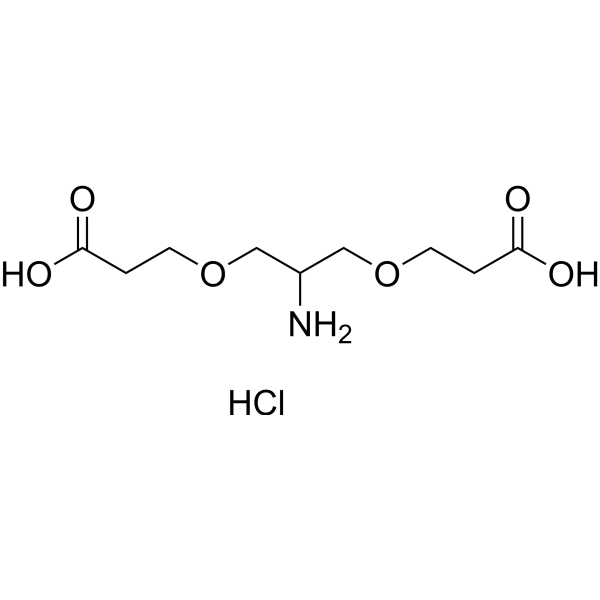
2-Amino-1,3-bis(carboxylethoxy)propane hydrochloride is a non-protein amino acid, sulfamic acid.2-Amino-1,3-bis(carboxylethoxy)propane hydrochloride contains one amino group and two terminal carboxylic acids.2-Amino-1,3-bis(carboxylethoxy)propane hydrochloride has a variety of physiological functions, including maintaining the stability of cell membranes, regulating cholesterol metabolism, supporting the normal function of the nervous system, participating in collagen synthesis, and anti-oxidation .
loading...
    loading...
Cat. No.: HY-131905S
CAS No.: 1606150-08-6
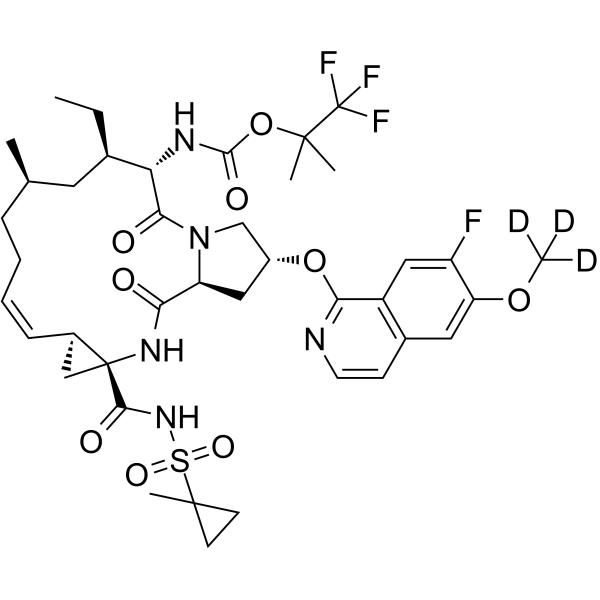
BMS-986144 is an orally active inhibitor of HCV NS3/4A protease. BMS-986144 binds to the active site of HCV NS3/4A protease and induces conformational changes in the protease. BMS-986144 reduces time-dependent CYP3A4 inhibition, exhibits hepatic microsomal metabolic stability, and undergoes oxidation of the macrocyclic linker chain. BMS-986144 can be used in studies related to hepatitis C virus infection .
loading...
    loading...
Cat. No.: HY-179014
OGG1 activator-1 (Compound 30) is a selective 8-oxoguanine DNA glycosylase-1 (OGG1) activator with an AC50 value of 0.58 μM. OGG1 activator-1 does not activate nor inhibit the key downstream repair enzyme APE1, and shows > 150-fold selectivity for the activation effect on OGG1. OGG1 activator-1 exhibits extremely high metabolic stability and almost no cytotoxicity. OGG1 activator-1 can be used for the study of oxidative stress-related diseases (such as neurodegenerative diseases, fibrotic diseases, cancer, inflammation, etc.) .
loading...
    loading...
Cat. No.: HY-W739372
CAS No.: 25704-18-1
Research Areas:  

Others

Poly (sodium 4-styrenesulfonate) is an anionic cation-exchange polyelectrolyte and metal ion binding/retention agent. It selectively retains Cr III and Fe II under pH 1 conditions, and its retention effect on all tested metal ions is enhanced under higher pH conditions. Poly (sodium 4-styrenesulfonate) inhibits nanosheet aggregation through edge-face interactions between aromatic rings and the graphite surface, thereby stabilizing the dispersion of reduced graphene oxide nanosheets. When incorporated into the mixed Nafion coating of bismuth film electrodes, Poly (sodium 4-styrenesulfonate) improves the reproducibility, stability, sensitivity, and anti-fouling capability for trace metal detection .
loading...
    loading...

