

1. Search Result
Search Result
Results for "

pancreatic disease

" in MedChemExpress (MCE) Product Catalog:

81

Inhibitors & Agonists

1

Screening Libraries

1

Fluorescent Dyes

2

Biochemical Assay Reagents

4

Peptides

5

Inhibitory Antibodies

18

Natural
Products

4

Isotope-Labeled Compounds

Cat. No. Product Name Target Research Areas Chemical Structure
  • HY-N0469
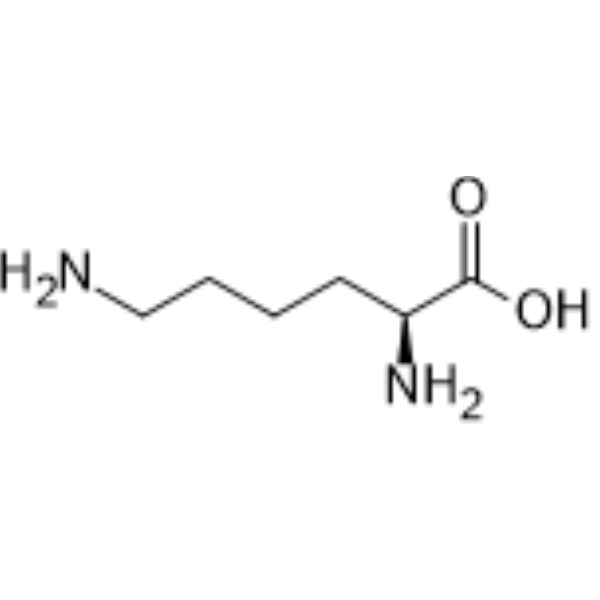
    L-Lysine
    5+ Cited Publications

    Endogenous Metabolite Virus Protease HSV Infection Metabolic Disease Inflammation/Immunology
    L-lysine is an essential amino acid for humans with orally activity. L-lysine can inhibit the occurrence of HSV infections and is used in herpes research. L-lysine increases calcium absorption, reduces diabetes-related diseases, improves gut health, and alleviates pancreatic inflammation. L-lysine can be used in research on metabolism, infection, and inflammation .
    L-Lysine
  • HY-B0311
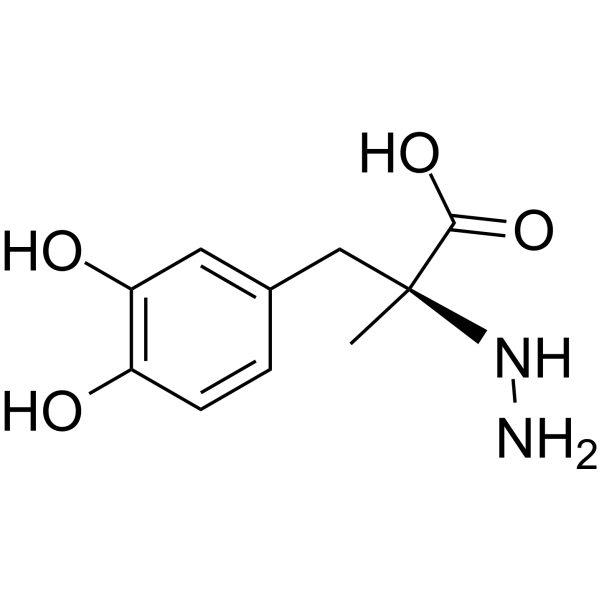
    Carbidopa
    2 Publications Verification

    (S)-(-)-Carbidopa

    Aryl Hydrocarbon Receptor Neurological Disease Cancer
    Carbidopa ((S)-(-)-Carbidopa), a peripheral decarboxylase inhibitor, can be used for the research of Parkinson's disease. Carbidopa is a selective aryl hydrocarbon receptor (AhR) modulator. Carbidopa inhibits pancreatic cancer cell and tumor growth .
    Carbidopa
  • HY-B0320A
    Cromolyn disodium
    5+ Cited Publications

    Cromoglycate disodium; Cromoglicic acid disodium; FPL-670

    GSK-3 NF-κB Amyloid-β Neurological Disease Metabolic Disease Inflammation/Immunology Cancer
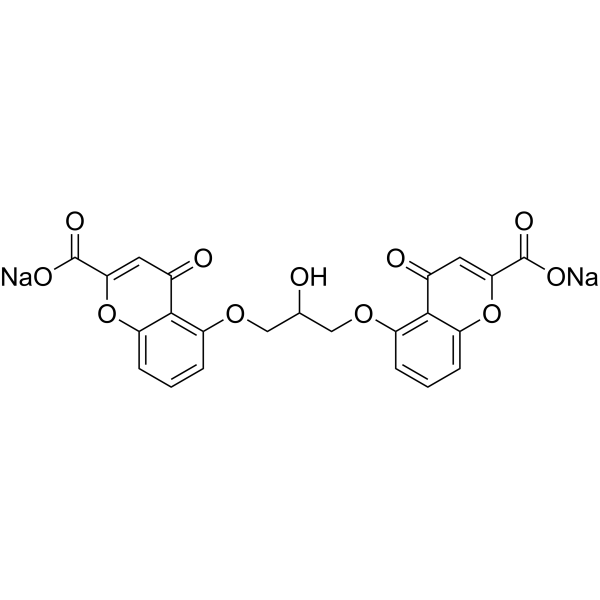
    Cromolyn (Cromoglycate) disodium is an orally active GSK-3β inhibitor with an IC50 of 2.0 μM. Cromolyn disodium is also a mast cell stabilizer that can inhibit the release of mediators from mast cells, regulate reflex bronchoconstriction, and reduce non-specific bronchial hyperreactivity, and Cromolyn disodium can be used in the research of bronchial asthma. In addition, Cromolyn disodium has multiple activities such as anti-inflammatory, anti-allergic, anti-histamine, anti-cancer, and neuroprotective effects .
    Cromolyn disodium
  • HY-113037C

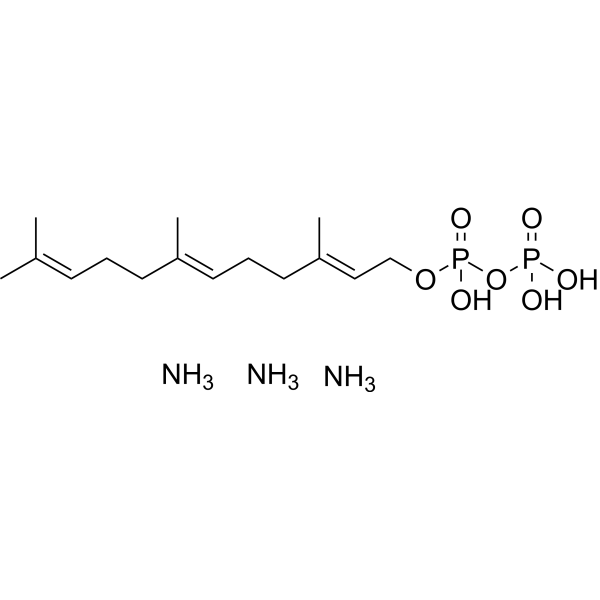
    Farnesyl diphosphate ammonium

    TRP Channel Endogenous Metabolite Calcium Channel Neurological Disease Inflammation/Immunology Cancer
    Farnesyl pyrophosphate (Farnesyl diphosphate) ammonium is a metabolic intermediate in the mevalonate (MVA) pathway. It is a TRP channel (TRPM2) agonist that triggers Ca2+ influx and cell death. Farnesyl pyrophosphate ammonium is a key branch substrate for cholesterol synthesis, ubiquinone synthesis, protein farnesylation, and geranylgeranyl pyrophosphate (GGPP) synthesis. Farnesyl pyrophosphate ammonium is used in research on cerebral ischemia, neurodegenerative diseases, pancreatic cancer, inflammation, and autoimmune diseases .
    Farnesyl pyrophosphate ammonium
  • HY-N9914

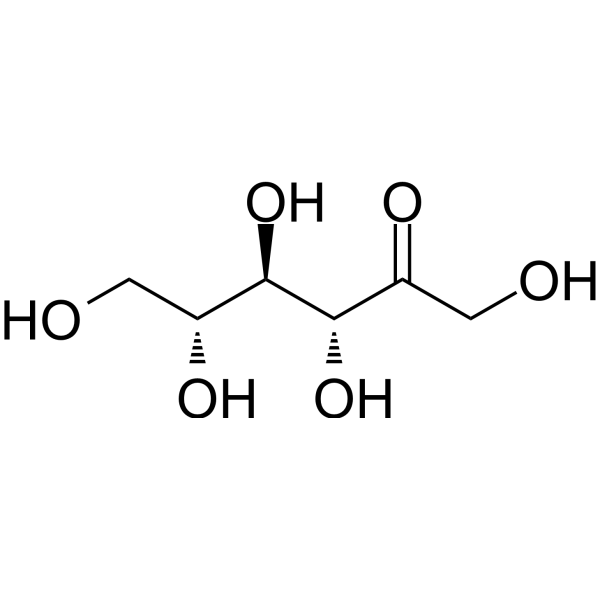
    D-Allulose

    p38 MAPK NF-κB Metabolic Disease
    D-psicose is an orally active rare sugar. D-psicose inhibits p38-MAPK phosphorylation and MCP-1 expression. D-psicose inhibits the AGEs/RAGE/NF-κB pathway. D-psicose protects pancreatic β-islets, improves hyperglycemia and high-fat diet-induced non-alcoholic fatty liver disease .
    D-Psicose
  • HY-P99555

    OPN-305

    Toll-like Receptor (TLR) MyD88 NOD-like Receptor (NLR) Tau Protein Interleukin Related Cardiovascular Disease Neurological Disease Inflammation/Immunology Cancer
    Tomaralimab (OPN-305) is a humanized anti-TLR2 IgG4 monoclonal antibody. Tomaralimab inhibits TLR2, MyD88, NLRP3, and reduces pro-inflammatory cytokine (IL-1β, IL-6, IL-8) production. Tomaralimab reduces tau pathology. Tomaralimab improves cognition, atopic dermatitis. Tomaralimab has anticancer effects on pancreatic ductal adenocarcinoma. Tomaralimab is being studied in myelodysplastic syndrome (MDS), atopic dermatitis, pancreatic ductal adenocarcinoma, Alzheimer's disease, and myocardial ischemia/reperfusion injury .
    Tomaralimab
  • HY-B0311A
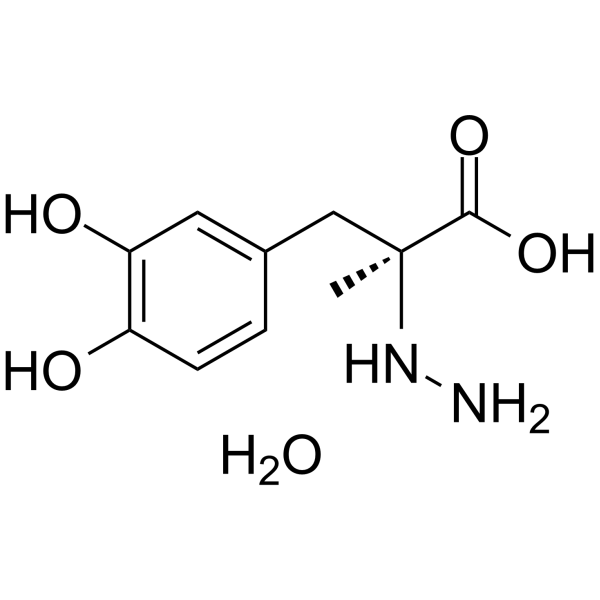
    Carbidopa monohydrate
    2 Publications Verification

    (S)-(-)-Carbidopa monohydrate

    Aryl Hydrocarbon Receptor Neurological Disease Cancer
    Carbidopa ((S)-(-)-Carbidopa) monohydrate, a peripheral decarboxylase inhibitor, can be used for the research of Parkinson's disease. Carbidopa monohydrate is a selective aryl hydrocarbon receptor (AhR) modulator. Carbidopa monohydrate inhibits pancreatic cancer cell and tumor growth .
    Carbidopa monohydrate
  • HY-135470
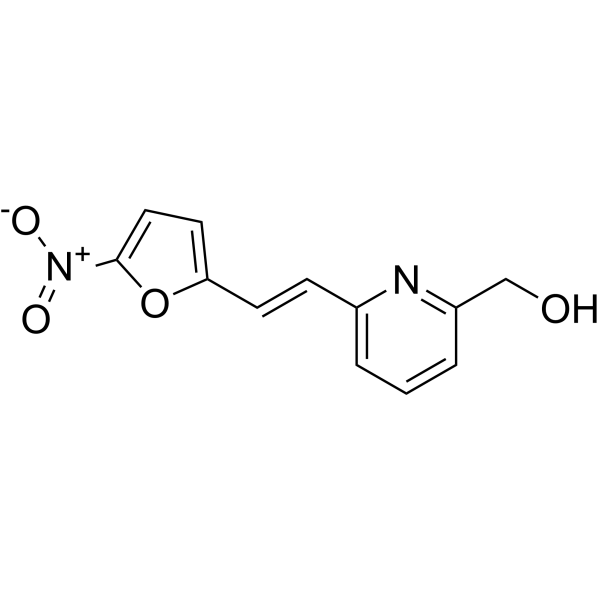
    Nifurpirinol
    1 Publications Verification

    P-7138

    Bacterial Infection
    Nifurpirinol (P-7138) is a selective prosubstrate of bacterial nitroreductase (NTR). NTR catalyzes the reduction of nifurpirinol to generate cytotoxic metabolites that induce apoptosis in target cells. Nifurpirinol selectively ablates NTR-expressing cells such as pancreatic β cells, osteoblasts, dopaminergic neurons, and podocytes in transgenic zebrafish models. Nifurpirinol can be used in regeneration studies and disease modeling such as focal segmental glomerulosclerosis (FSGS) .
    Nifurpirinol
  • HY-114491

    ERK Raf Cancer
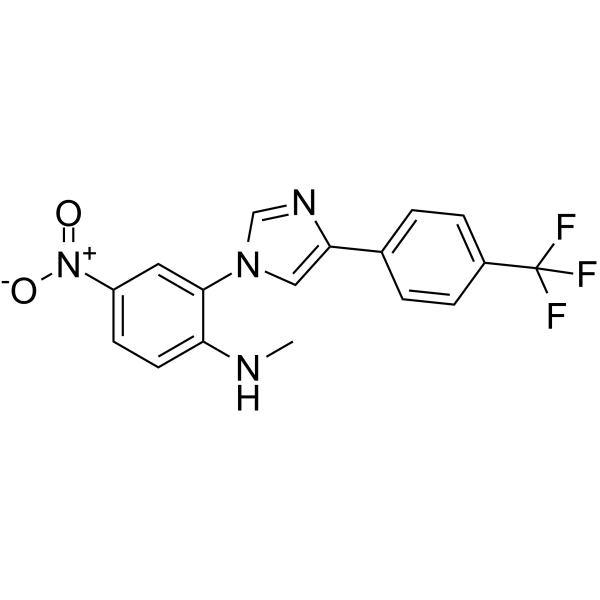
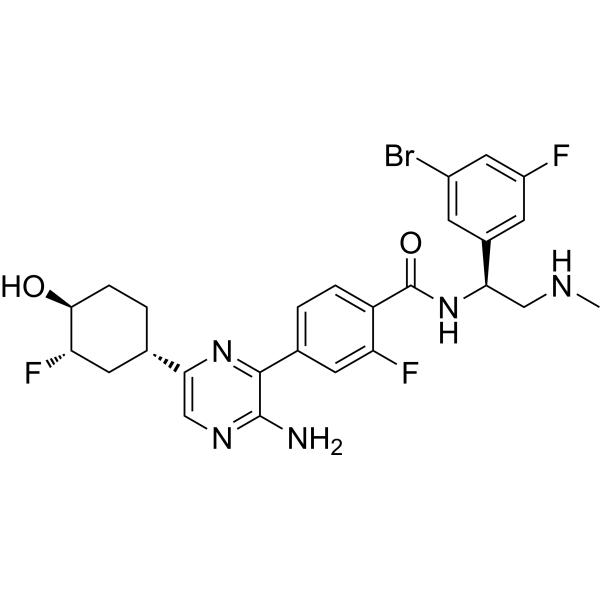
    Rineterkib (compound B) is an orally available ERK1 and ERK2 inhibitor in the treatment of a proliferative disease characterized by activating mutations in the MAPK pathway. The activity is particularly related to the treatment of KRAS-mutant NSCLC, BRAF-mutant NSCLC, KRAS-mutant pancreatic cancer, KRAS-mutant colorectal cancer (CRC) and KRAS-mutant ovarian cancer. Rineterkib hydrochloride can also inhibit RAF .
    Rineterkib
  • HY-134353B

    Adenosine 5'-β-thiodiphosphate trilithium

    P2Y Receptor NF-κB Interleukin Related Caspase Neurological Disease Inflammation/Immunology Cancer
    ADP-β-S (Adenosine 5'-(β-thiodiphosphate)) trilithium is a non-hydrolyzable ADP analog and a P2Y12 receptor agonist. ADP-β-S trilithium activates the P2Y12 receptor in microglia, thereby triggering downstream inflammatory signaling pathways. ADP-β-S trilithium activates P2Y purinergic receptors in rat pancreatic β cells and enhances glucose-induced insulin secretion. ADP-β-S trilithium can be used in the research of diseases such as inflammation and diabetes .
    ADP-β-S trilithium
  • HY-124295

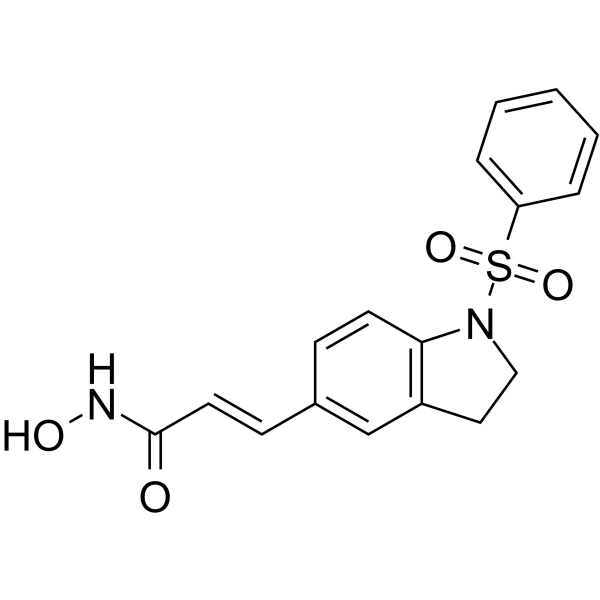
    ABT-301; MPT0E028; TMU-C-0012

    HDAC Akt Apoptosis Inflammation/Immunology Cancer
    Imofinostat (ABT-301; MPT0E028) is an orally active and selective HDAC inhibitor with IC50s of 53.0 nM, 106.2 nM, 29.5 nM for HDAC1, HDAC2 and HDAC6, respectively. Imofinostat has a weak inhibitory effect on HDAC8 (IC50 of 2.5 ​​μM), but no inhibitory effect on HDAC4 (IC50>10 μM). Imofinostat reduces the viability of B-cell lymphomas by inducing apoptosis and possesses potent direct Akt targeting ability and reduces Akt phosphorylation in B-cell lymphoma. Imofinostat has a broad-spectrum antitumor activity, including colorectal cancer, B-cell lymphoma, non-small cell lung carcinoma (NSCLC), and pancreatic cancer, while also showing therapeutic potential in non-tumor diseases like emphysema and pulmonary fibrosis .
    Imofinostat
  • HY-B1619
    Cromolyn
    5+ Cited Publications

    Cromoglycate; Cromoglicic acid; FPL-670 free acid

    GSK-3 NF-κB Amyloid-β Neurological Disease Metabolic Disease Inflammation/Immunology Cancer
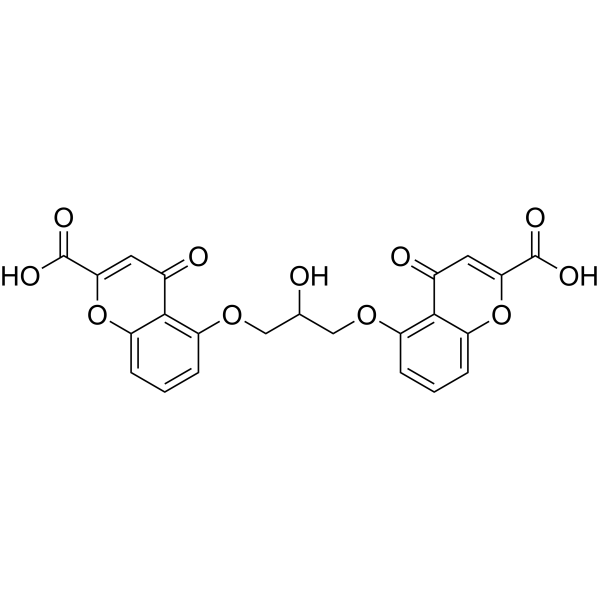
    Cromolyn (Cromoglycate) is an orally active GSK-3β inhibitor with an IC50 of 2.0 μM. Cromolyn is also a mast cell stabilizer that can inhibit the release of mediators from mast cells, regulate reflex bronchoconstriction, and reduce non-specific bronchial hyperreactivity, and Cromolyn can be used in the research of bronchial asthma. In addition, Cromolyn has multiple activities such as anti-inflammatory, anti-allergic, anti-histamine, anti-cancer, and neuroprotective effects .
    Cromolyn
  • HY-N0863

    NSC-698790; Smilax saponin B

    Bcl-2 Family Apoptosis Akt c-Myc ERK p38 MAPK JNK FOXO Cancer
    Methyl protodioscin (NSC-698790; Smilax saponin B) is a multi-target, selective, steroidal diglycoside inhibitor with antitumor activity that induces cell cycle arrest. The mechanism of action of Methyl protodioscin is complex, involving the induction of G2/M cell cycle arrest, regulation of the Bcl-2/Bax apoptotic pathway, inhibition of the Akt1/c-Myc axis and MAPK/ERK signaling, while simultaneously downregulating ADAM15 and inducing FOXO1 to reduce cholesterol synthesis. It also inhibits the JNK/c-Jun pathway, reducing the production of inflammatory factors (IL-6, TNF-α). Methyl protodioscin exhibits significant antitumor (inhibiting proliferation, migration, invasion, and inducing apoptosis), anti-inflammatory, and anti-restenosis activities. Methyl protodioscin can be used in research on lung cancer, prostate cancer, pancreatic cancer, and other tumors, as well as inflammatory diseases such as airway inflammation and enteritis .
    Methyl protodioscin
  • HY-153552A

    FAP Cancer
    NH2-UAMC1110 TFA is an aminobutoxy derivative of the fibroblast activation protein (FAP) inhibitor UAMC1110 (HY-100684), and is a precursor compound for the synthesis of FAP inhibitor probes, not directly used in bioactivity experiments. For example, NH2-UAMC1110 TFA is involved in the synthesis of the radiotracer FAPI-QS, which exhibits high tumor selectivity and high dose effect, and has been used in tumor diagnosis. NH2-UAMC1110 TFA structurally incorporates an active amino group, allowing it to form covalent bonds with various molecules (such as DOTA, DATA5m, radionuclide chelators, etc.) to synthesize molecular imaging probes or targeted compounds with the ability to target FAP. NH2-UAMC1110 TFA specifically binds to the FAP active site, inhibiting its proline-selective serine protease activity (including dipeptidyl peptidase and endopeptidase activity), blocking FAP-mediated tissue remodeling-related processes. Its key activity is high targeting and high affinity, and its core function is to act as a targeting module coupled with bifunctional chelators (such as DOTA, DATA5m). NH2-UAMC1110 TFA can be applied to diagnostic imaging studies of tumors expressing FAP (such as colorectal cancer, pancreatic cancer, etc.), and also provides molecular tools for targeted research of FAP-related diseases with high FAP expression, such as fibrosis and arthritis .
    NH2-UAMC1110 TFA
  • HY-176763

    Sec61 Cancer
    KZR-261 is a Sec61 translocase inhibitor. KZR-261 binds directly to the Sec61 channel, thereby inhibiting the biosynthesis of certain Sec61 substrate proteins, including oncogenic factors. KZR-261 activates the endoplasmic reticulum stress response. KZR-261 exhibits broad in vitro anticancer activity. KZR-261 shows antitumor efficacy in mouse models of cancer. KZR-261 can be used for the research of multiple myeloma, colorectal cancer, small cell lung cancer, pancreatic cancer, prostate cancer, non-Hodgkin's lymphoma, and mantle cell lymphoma .
    KZR-261
  • HY-126411

    Lipase ATP Synthase Others
    Peonidin-3-O-galactoside chloride is an anthocyanin with antioxidant properties and blood-brain barrier permeability. Peonidin-3-O-galactoside chloride inhibits pancreatic lipase, with an IC50 value of 23.2 μg/mL against porcine pancreatic lipase. Peonidin-3-O-galactoside chloride mediates neuroprotection, regulates glucose metabolism, protects cells from high glucose-induced damage, promotes glucose uptake and increases ATP production. Peonidin-3-O-galactoside (chloride) can be used in the research of obesity and neurodegenerative diseases .
    Peonidin-3-O-galactoside chloride
  • HY-B1152
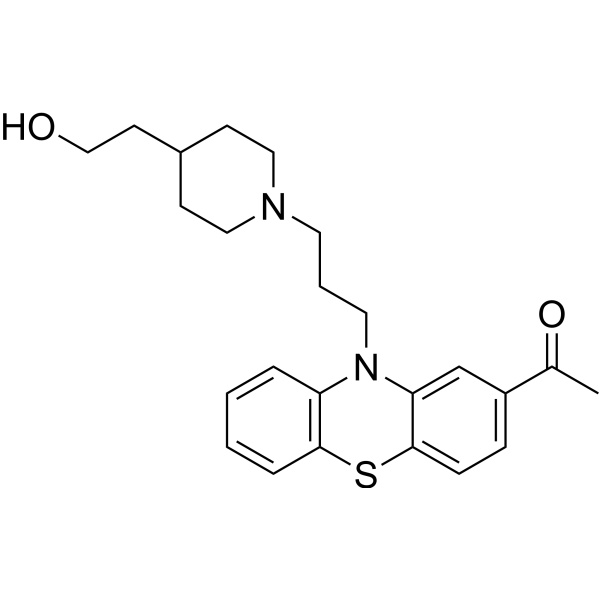
    Piperacetazine
    1 Publications Verification

    Dopamine Receptor CD276/B7-H3 FOXO Neurological Disease Cancer
    Piperacetazine is an orally active dopamine receptor antagonist and phenothiazine antipsychotic. Piperacetazine can directly bind to the PAX3::FOXO1 fusion protein and inhibit its transcriptional activity. Piperacetazine also exhibits antitumor activity with an IC50 of 7.627 μM against PANC-1 cells. Piperacetazine can be used for the research of diseases such as schizophrenia and pancreatic cancer and other tumors .
    Piperacetazine
  • HY-110353
    CU-T12-9
    Maximum Cited Publications
    13 Publications Verification

    Toll-like Receptor (TLR) Inflammation/Immunology Cancer
    CU-T12-9 is a specific TLR1/2 agonist with EC50 of 52.9 nM in HEK-Blue hTLR2 SEAP assay. CU-T12-9 activates both the innate and the adaptive immune systems. CU-T12-9 selectively activates the TLR1/2 heterodimer, not TLR2/6. CU-T12-9 signals through NF-κB and invokes an elevation of the downstream effectors TNF-α, IL-10, and iNOS .
    CU-T12-9
  • HY-N2896

    Reactive Oxygen Species (ROS) Apoptosis Fungal Bacterial NF-κB SOD AMPK mTOR Notch Toll-like Receptor (TLR) Wnt MyD88 Sirtuin Infection Neurological Disease Inflammation/Immunology Cancer
    Arjunolic acid is an orally active, multifunctional bioactive compound. Arjunolic acid exhibits free radical scavenging activity, as well as fungal and bacterial activities. Arjunolic acid induces apoptosis (Apoptosis) in various cancer cells. Arjunolic acid protects hepatocytes against induced oxidative stress and apoptosis by reducing reactive oxygen species and inhibiting NF-κB activation. Arjunolic acid regulates pancreatic dysfunction in type 2 diabetic rats by blocking the activation of the TLR-4/MyD88 and canonical Wnt pathways. Arjunolic acid inhibits neuroinflammation and ameliorates depressive behaviors via the SIRT1/AMPK/Notch1 signaling pathway in microglia. Arjunolic acid improves Crohn's disease-like colitis by restoring gut microbiota composition and inhibiting TLR4 signaling. Arjunolic acid suppresses osteosarcoma progression by inhibiting Wnt3a-mediated M2 polarization of macrophages. Arjunolic acid ameliorates diabetic retinopathy via the autophagy pathway regulated by AMPK/mTOR/HO-1. Arjunolic acid is applicable to research related to type 2 diabetes, organ toxicity, depression, Crohn's disease, osteosarcoma, diabetic retinopathy, and testicular dysfunction .
    Arjunolic acid
  • HY-153552

    FAP Cancer
    NH2-UAMC1110 is an aminobutoxy derivative of the fibroblast activation protein (FAP) inhibitor UAMC1110 (HY-100684), and is a precursor compound for the synthesis of FAP inhibitor probes, not directly used in bioactivity experiments. For example, NH2-UAMC1110 is involved in the synthesis of the radiotracer FAPI-QS, which exhibits high tumor selectivity and high dose-response, and has been used for tumor diagnosis. NH2-UAMC1110 introduces an active amino group into its structure, enabling it to form covalent bonds with various molecules (such as DOTA, DATA5m, radionuclide chelators, etc.), thereby synthesizing molecular imaging probes or targeted compounds with the ability to target FAP. NH2-UAMC1110 specifically binds to the FAP active site, inhibiting its proline-selective serine protease activity (including dipeptidyl peptidase and endopeptidase activity), blocking FAP-mediated tissue remodeling processes. Its key activity is high targeting and high affinity, and its core function is to be coupled with bifunctional chelators (such as DOTA, DATA5m) as a targeting module. NH2-UAMC1110 can be applied to diagnostic imaging studies of tumors expressing FAP (such as colorectal cancer, pancreatic cancer, etc.), and also provides molecular tools for targeted research of FAP-related diseases with high FAP expression, such as fibrosis and arthritis .
    NH2-UAMC1110
  • HY-P10086
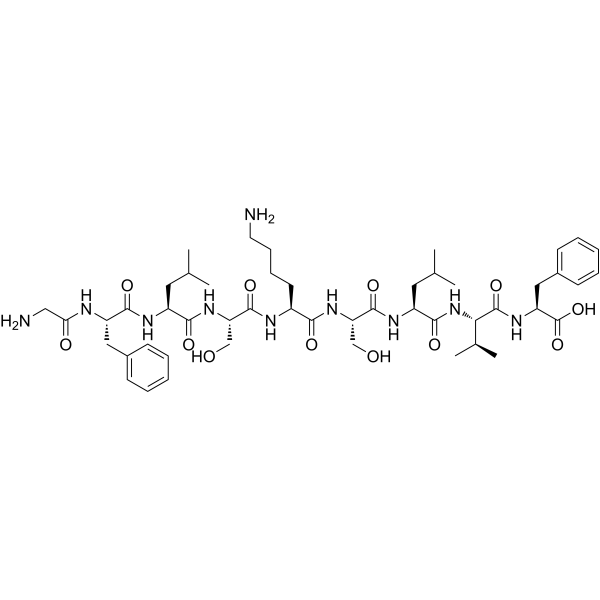
    TREM-1 inhibitory peptide GF9
    1 Publications Verification

    Human TREM-1(213-221)

    TREM receptor TNF Receptor Interleukin Related c-Fms Neurological Disease Inflammation/Immunology Cancer
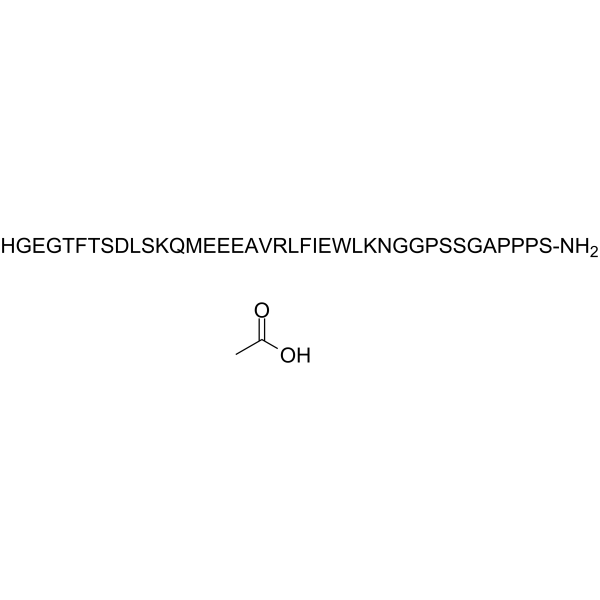
    TREM-1 inhibitory peptide GF9 (Human TREM-1 (213-221)) is a TREM-1 inhibitor. TREM-1 inhibitory peptide GF9 blocks the TREM-1 signaling pathway via a ligand-independent mechanism, spontaneously inserts into the cell membrane to dissociate TREM-1 from DAP-12, and functions through the Signaling Chain Homooligomerization (SCHOOL) model. TREM-1 inhibitory peptide GF9 reduces the levels of TNFα, IL-1β, IL-6, and M-CSF. TREM-1 inhibitory peptide GF9 inhibits tumor growth, prolongs the survival of mice with pancreatic cancer models, ameliorates collagen-induced arthritis, and exerts protective effects on bone and cartilage simultaneously. TREM-1 inhibitory peptide GF9 can be used in research related to arthritis, pancreatic cancer, retinopathy, alcoholic liver disease, and liver cancer .
    TREM-1 inhibitory peptide GF9
  • HY-117025A
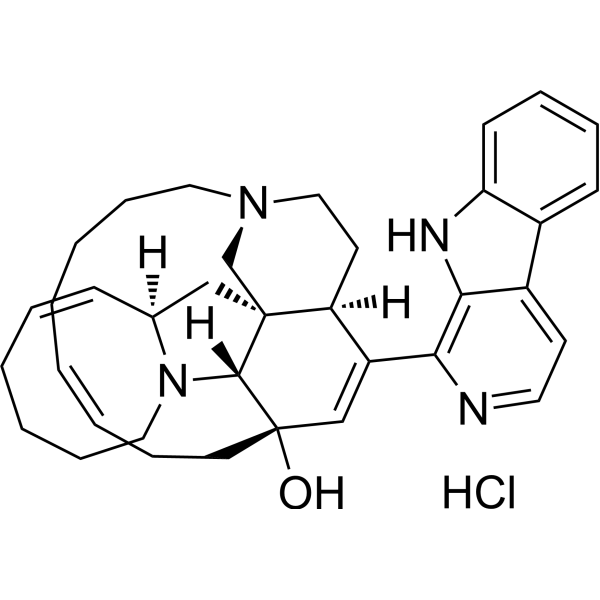
    Manzamine A hydrochloride
    2 Publications Verification

    Keramamine A hydrochloride

    GSK-3 CDK Parasite Proton Pump HSV Autophagy Infection Neurological Disease Cancer
    Manzamine A hydrochloride, an orally active beta-carboline alkaloid, inhibits specifically GSK-3β and CDK-5 with IC50s of 10.2 μM and 1.5 μM, respectively. Manzamine A hydrochloride targets vacuolar ATPases and inhibits autophagy in pancreatic cancer cells. Manzamine A hydrochloride has antimalarial and anticancer activities. Manzamine A hydrochloride also shows potent activity against HSV-1 .
    Manzamine A hydrochloride
  • HY-N0469R

    Reference Standards Endogenous Metabolite Virus Protease HSV Infection Metabolic Disease Inflammation/Immunology
    L-Lysine (Standard) is the analytical standard of L-Lysine. This product is intended for research and analytical applications. L-lysine is an essential amino acid for humans with orally activity. L-lysine can inhibit the occurrence of HSV infections and is used in herpes research. L-lysine increases calcium absorption, reduces diabetes-related diseases, improves gut health, and alleviates pancreatic inflammation. L-lysine can be used in research on metabolism, infection, and inflammation . IC50 & Target:L-lysine (150 mg/kg) promotes, but not initiates, bladder cancer. The administration of L-lysine to rats submitted to colovesical cystoplasty accelerates the development of transitional metaplasia of the intestinal epithelium .
    L-lysine (10 mg/kg) treatment attenuates pancreatic tissue injury induced by L-arginine by inhibiting the release of the inflammatory cytokine IL-6 and enhance antioxidant activity . In Vivo:L-lysine (10?mg/kg, p.o., pre-treated or post-treated, administration duration 15 days) treatment attenuates pancreatic tissue injury induced by L-arginine by inhibiting the release of the inflammatory cytokine IL-6 and enhance antioxidant activity in acute pancreatitis mice model . L-lysine (5 or 10?mg/kg, p.o., 45 days) ameliorates sepsis-induced acute lung injury in a lipopolysaccharide (HY-D1056)-induced mouse model .
    L-Lysine (Standard)
  • HY-N2452

    GLP Receptor Cardiovascular Disease Infection Metabolic Disease
    Cochinchinenin C is a GLP-1R agonist that binds to the extracellular domain of the receptor via hydrophobic interactions and hydrogen bonds, and promotes glucose-dependent insulin secretion from pancreatic β-cells. Cochinchinenin C also increases intracellular cAMP and ATP levels. At low concentrations, Cochinchinenin C binds to human serum albumin, alters its microenvironment, and induces dominant static fluorescence quenching. Cochinchinenin C shows almost no cytotoxicity to pancreatic β-cells, and exerts a synergistic effect with Loureirin A (HY-N1505) when binding to human serum albumin. Cochinchinenin C has been widely used in studies of type 2 diabetes, Helicobacter pylori infection, thrombotic diseases, and other conditions .
    Cochinchinenin C
  • HY-Y1422B
    Lipase (MS grade)
    1 Publications Verification

    Endogenous Metabolite Metabolic Disease
    Lipase (MS grade) catalyzes the hydrolysis of triacylglycerols to release long-chain fatty acids in a site-specific manner. Lipase (MS grade) is involved in a variety of biological processes, from fat metabolism to cell signaling and inflammation, and can be used to study diseases such as pancreatic insufficiency, celiac disease and cystic fibrosis .
    Lipase (MS grade)
  • HY-113037CS

    Farnesyl diphosphate-d2 triammonium

    Isotope-Labeled Compounds TRP Channel Endogenous Metabolite Calcium Channel Neurological Disease Inflammation/Immunology Cancer
    Farnesyl pyrophosphate-d2 (Farnesyl diphosphate-d2) triammonium is a deuterium labeled Farnesyl pyrophosphate triammonium (HY-113037C). Farnesyl pyrophosphate ammonium is a metabolic intermediate in the mevalonate (MVA) pathway. It is a TRP channel (TRPM2) agonist that triggers Ca2+ influx and cell death. Farnesyl pyrophosphate ammonium is a key branch substrate for cholesterol synthesis, ubiquinone synthesis, protein farnesylation, and geranylgeranyl pyrophosphate (GGPP) synthesis. Farnesyl pyrophosphate ammonium is used in research on cerebral ischemia, neurodegenerative diseases, pancreatic cancer, inflammation, and autoimmune diseases.
    Farnesyl pyrophosphate-d2 triammonium
  • HY-B1202
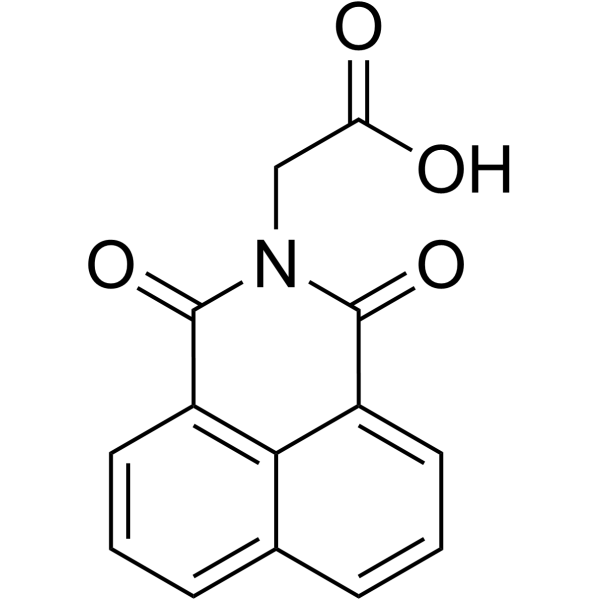
    Alrestatin
    1 Publications Verification

    AY-22284

    Aldose Reductase Metabolic Disease
    Alrestatin (AY-22284) is an aldose reductase inhibitor. Alrestatin reduces fructose levels in the uterine fluid of mice. Alrestatin interferes with sperm capacitation and impairs fertilization function in mice. Alrestatin decreases basal and tyramine-induced norepinephrine release in rat pancreatic specimens in vitro. Alrestatin enhances glucose- and arginine-stimulated insulin secretion in vivo. Alrestatin can be used in studies related to diabetes and reproductive diseases .
    Alrestatin
  • HY-N9914R

    D-Allulose (Standard)

    Reference Standards p38 MAPK NF-κB Metabolic Disease
    D-Psicose (Standard) is the analytical standard of D-Psicose (HY-N9914). This product is intended for research and analytical applications. D-psicose is an orally active rare sugar. D-psicose inhibits p38-MAPK phosphorylation and MCP-1 expression. D-psicose inhibits the AGEs/RAGE/NF-κB pathway. D-psicose protects pancreatic β-islets, improves hyperglycemia and high-fat diet-induced non-alcoholic fatty liver disease .
    D-Psicose (Standard)
  • HY-W072025

    Cytochrome P450 Keap1-Nrf2 Heme Oxygenase (HO) Reactive Oxygen Species (ROS) Inflammation/Immunology
    CYP2E1-IN-1 (Compound 10) is an orally active cytochrome P450 2E1 (CYP2E1) inhibitor with a Kd of 7.02 μM, an IC50 of 1.64 μM, and a Ki of 0.897 μM. CYP2E1-IN-1 activates the Nrf2/HO-1 signaling pathway and inhibits ROS production, thereby alleviating pancreatic injury. CYP2E1-IN-1 has significant anti-inflammatory and antioxidant activities and can effectively reduce inflammation and oxidative stress in severe acute pancreatitis (SAP). CYP2E1-IN-1 can be used in the study of SAP and other inflammatory-related diseases .
    CYP2E1-IN-1
  • HY-P11035

    Ephrin Receptor Neurological Disease Cancer
    APY-d3 is a EphA4-LBD antagonistic peptide with a Kd of 138  nM. APY-d3 is constrained into a bioactive β-hairpin conformation via a head-to-tail disulfide bond. APY-d3 can be used for cancers like gastric and pancreatic cancers and neurodegenerative diseases like amyotrophic lateral sclerosis and Alzheimer’s disease research .
    APY-d3
  • HY-P990221

    Interleukin Related Infection Neurological Disease Cancer
    Anti-Mouse IL-17F Antibody (MM17F8F5.1A9) is a mouse-derived IgG1 κ type antibody inhibitor, targeting to mouse IL-17F. Anti-Mouse IL-17F Antibody (MM17F8F5.1A9) can neutralize IL-17. Anti-Mouse IL-17F Antibody (MM17F8F5.1A9) can be used for the researches of cancer, infection and neurological disease, such as Alzheimer’s disease (AD) and pancreatic cancer .
    Anti-Mouse IL-17F Antibody (MM17F8F5.1A9)
  • HY-113037B

    Farnesyl diphosphate

    TRP Channel Endogenous Metabolite Calcium Channel Neurological Disease Inflammation/Immunology Cancer
    Farnesyl pyrophosphate is a metabolic intermediate in the mevalonate (MVA) pathway. It is a TRP channel (TRPM2) agonist that triggers Ca2+ influx and cell death. Farnesyl pyrophosphate is a key branch substrate for cholesterol synthesis, ubiquinone synthesis, protein farnesylation, and geranylgeranyl pyrophosphate (GGPP) synthesis. Farnesyl pyrophosphate is used in research on cerebral ischemia, neurodegenerative diseases, pancreatic cancer, inflammation, and autoimmune diseases.
    Farnesyl pyrophosphate
  • HY-B0311AS

    (S)-(-)-Carbidopa-d3 monohydrate

    Aryl Hydrocarbon Receptor Neurological Disease Cancer
    Carbidopa-d3 (monohydrate) is the deuterium labeled Carbidopa monohydrate. Carbidopa ((S)-(-)-Carbidopa) monohydrate, a peripheral decarboxylase inhibitor, can be used for the research of Parkinson's disease. Carbidopa monohydrate is a selective aryl hydrocarbon receptor (AhR) modulator. Carbidopa monohydrate inhibits pancreatic cancer cell and tumor growth .
    Carbidopa-d3 monohydrate
  • HY-165125

    Neuropeptide Y Receptor Metabolic Disease
    (S)-VU0637120 is a Y4R antagonist that effectively reduces the binding response of its endogenous ligand, pancreatic polypeptide (PP), on Y4R, with an IC50 value of 2.7 μM. (S)-VU0637120 binds to the allosteric site of Y4R, which is located in the core region of the Y4R transmembrane structure, near the binding pocket of pancreatic polypeptide (PP), with a KB value of 300-400 nM. (S)-VU0637120 holds potential for research in the field of metabolic diseases .
    (S)-VU0637120
  • HY-148817

    WDR5 Cancer
    WDR5-0102 is an inhibitor of WDR5. WDR5-0102 specifically targets the WIN site of WDR5, disrupts the WDR5-MLL1 interaction, and reduces the histone methyltransferase activity of MLL1. WDR5-0102 exerts dose-dependent toxicity on MDSC-like cells and reduces their osteopontin levels, while showing extremely low cytotoxicity to pancreatic cancer cells. WDR5-0102 can be used in the research of related diseases such as acute myeloid leukemia, lymphoid leukemia, biphenotypic leukemia and pancreatic cancer .
    WDR5-0102
  • HY-W153159

    Adrenergic Receptor Inflammation/Immunology
    N-Methyltyramine hydrochloride is an orally active α2-adrenoreceptor antagonist with an IC50 value of 5.53 μM against rat targets. N-Methyltyramine hydrochloride blocks α2-adrenoreceptors, while inhibiting lipolysis, hyperactivity responses and small intestinal peristalsis in mice. N-Methyltyramine hydrochloride promotes gastrin release and pancreatic juice secretion, upregulates appetite, blood pressure, myocardial contraction frequency and contraction intensity, and increases renal blood flow, renal vascular resistance and mean peripheral arterial resistance. N-Methyltyramine hydrochloride relaxes mouse small intestinal smooth muscle and undergoes biotransformation in vivo to produce adrenaline. N-Methyltyramine hydrochloride can be used in studies related to gastrointestinal diseases .
    N-Methyltyramine hydrochloride
  • HY-147011

    Fat Mass and Obesity-associated Protein (FTO) Cancer
    FTO-IN-7 (compound 17) is an inhibitor of FTO (fat mass and obesity-associated protein) with an IC50 of <1 μM. FTO-IN-7 can be used for the study of small-cell lung cancers and human bone marrow striated muscle cancer .
    FTO-IN-7
  • HY-105257

    FR120480

    Cholecystokinin Receptor Inflammation/Immunology
    Pranazepide (FR120480) is a selective cholecystokinin-1 receptor (CCK1-R) antagonist with an IC50 of 0.67 nM against CCK1-R. Pranazepide is applicable for the research of pancreatic diseases .
    Pranazepide
  • HY-113037AS

    Farnesyl diphosphate-d6

    Isotope-Labeled Compounds TRP Channel Endogenous Metabolite Calcium Channel Neurological Disease Inflammation/Immunology Cancer
    Farnesyl pyrophosphate-d6 (Farnesyl diphosphate-d6) is a deuterium labeled Farnesyl pyrophosphate (HY-113037B). Farnesyl pyrophosphate is a metabolic intermediate in the mevalonate (MVA) pathway. It is a TRP channel (TRPM2) agonist that triggers Ca2+ influx and cell death. Farnesyl pyrophosphate is a key branch substrate for cholesterol synthesis, ubiquinone synthesis, protein farnesylation, and geranylgeranyl pyrophosphate (GGPP) synthesis. Farnesyl pyrophosphate is used in research on cerebral ischemia, neurodegenerative diseases, pancreatic cancer, inflammation, and autoimmune diseases.
    Farnesyl pyrophosphate-d6
  • HY-175288

    Integrin JNK ERK Inflammation/Immunology Cancer
    αMβ2 integrin agonist-1 (Compound 8) is a highly selective αMβ2 integrin agonist with anti-inflammatory activity (EC50=1.4 nM). αMβ2 integrin agonist-1 activates integrin-mediated cell adhesion and JNK/ERK signaling. αMβ2 integrin agonist-1 induces tumor-associated macrophage repolarization and enhances antitumor T-cell immune responses. αMβ2 integrin agonist-1 is promising for research of cancers and chronic inflammatory diseases (e.g., pancreatic cancer, rheumatoid arthritis) .
    αMβ2 integrin agonist-1
  • HY-B0311R

    (S)-(-)-Carbidopa (Standard)

    Aryl Hydrocarbon Receptor Reference Standards Neurological Disease Cancer
    Carbidopa (Standard) is the analytical standard of Carbidopa. This product is intended for research and analytical applications. Carbidopa ((S)-(-)-Carbidopa), a peripheral decarboxylase inhibitor, can be used for the research of Parkinson's disease. Carbidopa is a selective aryl hydrocarbon receptor (AhR) modulator. Carbidopa inhibits pancreatic cancer cell and tumor growth .
    Carbidopa (Standard)
  • HY-B0311AR

    (S)-(-)-Carbidopa monohydrate (Standard)

    Reference Standards Aryl Hydrocarbon Receptor Neurological Disease Cancer
    Carbidopa (monohydrate) (Standard) is the analytical standard of Carbidopa (monohydrate). This product is intended for research and analytical applications. Carbidopa ((S)-(-)-Carbidopa) monohydrate, a peripheral decarboxylase inhibitor, can be used for the research of Parkinson's disease. Carbidopa monohydrate is a selective aryl hydrocarbon receptor (AhR) modulator. Carbidopa monohydrate inhibits pancreatic cancer cell and tumor growth .
    Carbidopa monohydrate (Standard)
  • HY-106448

    MR 889

    Ser/Thr Protease Inflammation/Immunology
    Midesteine (MR 889) is a proteinase inhibitor that can inhibit porcine pancreatic elastase, human neutrophil elastase and bovine chymotrypsin. Midesteine has the potential for chronic obstructive pulmonary disease (COPD) and chronic bronchitis research .
    Midesteine
  • HY-150038

    NBS-1120

    NF-κB Apoptosis Neurological Disease Cancer
    NOSH-aspirin (NBS-1120) is an orally active hybrid molecule that releases nitric oxide and hydrogen sulfide. NOSH-aspirin inhibits pancreatic cancer cell proliferation and induces apoptosis. NOSH-aspirin inhibits cancer cell growth and suppresses NF-κB and FoxM1 in a mouse model of pancreatic cancer. NOSH-aspirin also alleviates motor deficits and dopaminergic neuron degeneration in a rat model of Parkinson's disease. NOSH-aspirin reduces neuroinflammation caused by microglial and astrocytic activation. NOSH-aspirin can be used in research on cancers such as pancreatic cancer and neurological diseases such as Parkinson's disease .
    NOSH-aspirin
  • HY-19101

    Kallikrein Cardiovascular Disease
    ONO-3307 is a protease inhibitor that competitively inhibits a variety of proteases including trypsin, thrombin, plasma kallikrein, plasmin, pancreatic kallikrein, and chymotrypsin. ONO-3307 alleviates endotoxin-induced experimental disseminated intravascular coagulation (DIC) in rats. ONO-3307 can be used in the study of thrombosis and protease-mediated diseases .
    ONO-3307
  • HY-179473

    Dipeptidyl Peptidase NO Synthase Cardiovascular Disease Metabolic Disease
    MK-0626 is a selective, orally active DPP-4 inhibitor with an IC50 of 6.3 nM. MK-0626 increases endothelial nitric oxide synthetase expression. MK-0626 improves neovascularization, attenuates hepatic steatosis, attenuates pancreatic islet injury. MK-0626 can be used in the research of diabetes and non-alcoholic fatty liver disease .
    MK-0626
  • HY-120493A

    Free Fatty Acid Receptor Metabolic Disease
    AM-6226 is a potent and orally active G protein coupled receptor 40 (GPR40) full agonist with an EC50 of 0.12 μM. AM-6226 can activate the GPR40 receptors on pancreatic β cells and enteroendocrine L cells, promote insulin secretion in a glucose-dependent manner and also increase the release of incretin hormones (GLP-1, GIP), thereby avoiding the risk of hypoglycemia. AM-6226 can be used for the research of metabolic disease, such as diabetes .
    AM-6226
  • HY-134353A

    Adenosine 5'-(β-thiodiphosphate) trisodium

    Interleukin Related P2Y Receptor NF-κB Caspase Neurological Disease Inflammation/Immunology Cancer
    ADP-β-S (Adenosine 5'-(β-thiodiphosphate)) trilithium is a non-hydrolyzable ADP analog and a P2Y12 receptor agonist. ADP-β-S trilithium activates the P2Y12 receptor in microglia, thereby triggering downstream inflammatory signaling pathways. ADP-β-S trilithium activates P2Y purinergic receptors in rat pancreatic β cells and enhances glucose-induced insulin secretion. ADP-β-S trilithium can be used in the research of diseases such as inflammation and diabetes .
    ADP-β-S trisodium
  • HY-W153897

    Adrenergic Receptor Inflammation/Immunology
    N-Methyltyramine is an orally active α2-adrenoreceptor antagonist with an IC50 value of 5.53 μM against rat targets. N-Methyltyramine blocks α2-adrenoreceptors, while inhibiting lipolysis, hyperactivity responses and small intestinal peristalsis in mice. N-Methyltyramine promotes gastrin release and pancreatic juice secretion, upregulates appetite, blood pressure, myocardial contraction frequency and contraction intensity, and increases renal blood flow, renal vascular resistance and mean peripheral arterial resistance. N-Methyltyramine relaxes mouse small intestinal smooth muscle and undergoes biotransformation in vivo to produce adrenaline. N-Methyltyramine can be used in studies related to gastrointestinal diseases .
    N-Methyltyramine
  • HY-B1619R

    Cromoglycate (Standard); Cromoglicic acid (Standard); FPL-670 free acid (Standard)

    GSK-3 NF-κB Amyloid-β Reference Standards Neurological Disease Metabolic Disease Inflammation/Immunology Cancer
    Cromolyn (Standard) is the analytical standard of Cromolyn. This product is intended for research and analytical applications. Cromolyn (Cromoglycate) is an orally active GSK-3β inhibitor with an IC50 of 2.0 μM. Cromolyn is also a mast cell stabilizer that can inhibit the release of mediators from mast cells, regulate reflex bronchoconstriction, and reduce non-specific bronchial hyperreactivity, and Cromolyn can be used in the research of bronchial asthma. In addition, Cromolyn has multiple activities such as anti-inflammatory, anti-allergic, anti-histamine, anti-cancer, and neuroprotective effects .
    Cromolyn (Standard)

Inquiry Online

Your information is safe with us. * Required Fields.

Salutation


Country or Region *

Applicant Name *


Organization Name *

Department *


Email Address *


Product Name *

Cat. No.


Requested quantity *

Phone Number *


Remarks

Inquiry Online

Inquiry Information

Product Name:
Cat. No.:
Quantity:
MCE Japan Authorized Agent:

