
1. Search Result
Search Result
Results for "

performance enhancing

" in MedChemExpress (MCE) Product Catalog:

35

Inhibitors & Agonists

1

Fluorescent Dye

8

Biochemical Assay Reagents

2

Peptides

1

MCE Kits

5

Natural
Products

1

Isotope-Labeled Compounds

1

Oligonucleotides

Targets Recommended:
Cat. No. Product Name Target Research Areas Chemical Structure
  • HY-W068119A

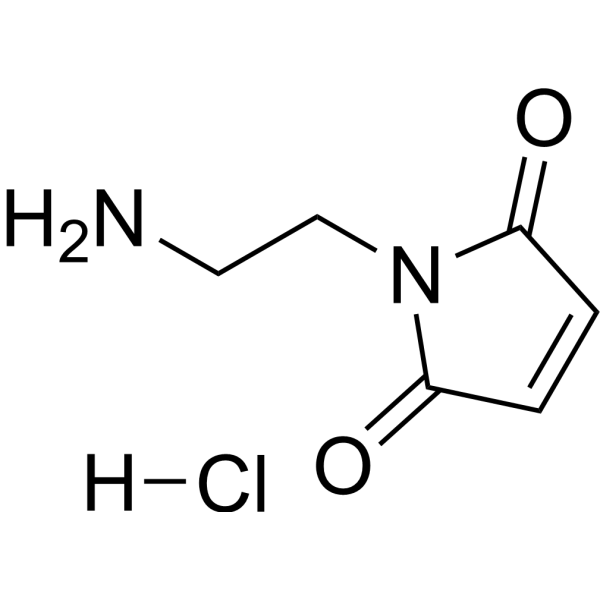
    2-Maleimidoethylamine hydrochloride

    Biochemical Assay Reagents Cancer
    N-(2-Aminoethyl)maleimide (2-Maleimidoethylamine) hydrochloride is a selective covalent binding agent for thiol groups (RSGs), covalently binding to thiols via an irreversible thioether bond to prepare MMP-2-sensitive nanosystems. Under near-neutral conditions, the maleimide group in N-(2-Aminoethyl)maleimide hydrochloride binds to thiol groups via a nucleophilic addition reaction, and can be used to modify polymers or biological interfaces, enhancing mucosal adhesion and regulating the surface charge of biological interfaces. N-(2-Aminoethyl)maleimide hydrochloride can optimize the adhesion performance of drug delivery carriers and cell interactions with biological interfaces, and is applied in transmucosal drug delivery systems (such as drug carriers for oral and bladder sites) and biomaterial surface engineering research, providing support for tissue implantation, regeneration, and related drug delivery .
    N-(2-Aminoethyl)maleimide hydrochloride
  • HY-153083

    mRNA SARS-CoV Infection
    COVID-19 Spike Protein mRNA (N1-Me-Pseudo UTP) is an mRNA encoding the SARS-CoV-2 spike protein with enhanced performance via chemical modification. COVID-19 Spike Protein mRNA (N1-Me-Pseudo UTP) replaces natural uridine (UTP) with N1-Me-Pseudo UTP, which effectively reduces immunogenicity and improves stability and translation efficiency. The 3' UTR of COVID-19 Spike Protein mRNA (N1-Me-Pseudo UTP) optimizes AU-rich elements through HuR anchor sites, exhibiting higher translation efficiency. COVID-19 Spike Protein mRNA is widely used in COVID-19-related scientific research and vaccine development .
    COVID-19 Spike Protein mRNA(N1-Me-Pseudo UTP)
  • HY-113735

    Antibiotic Bacterial Infection
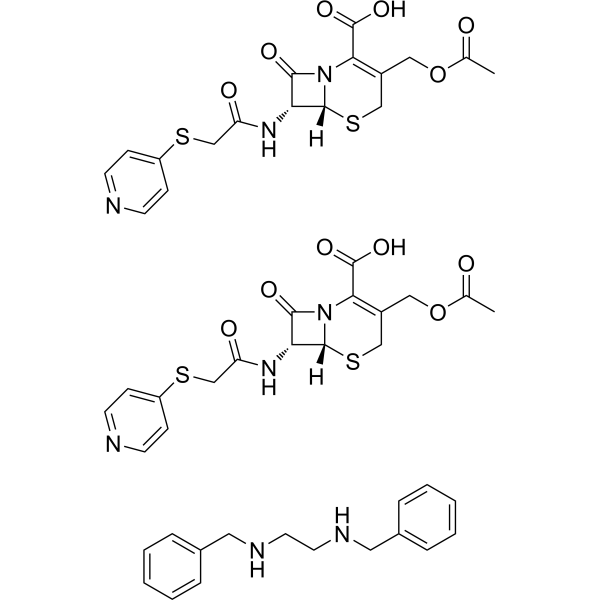
    Cephapirin hemibenzathine is an intrauterine-administered, long-acting cephalosporin antibiotic suitable for the anaerobic environment of the postpartum uterus. Cephapirin hemibenzathine effectively improves the recovery of postpartum buffaloes with subclinical endometritis (SCE) and enhances their reproductive performance. Cephapirin hemibenzathine can be used for the study of subclinical endometritis in postpartum buffaloes .
    Cephapirin hemibenzathine
  • HY-W134072

    Environmental Pollutants Endogenous Metabolite Biochemical Assay Reagents Bacterial Infection Others
    Tetrasodium glutamate diacetate (46% in water) is a biodegradable chelating agent that enhances antibacterial efficacy. Tetrasodium glutamate diacetate (46% in water) improves the antibacterial performance of multifunctional additives in cosmetic formulations. Tetrasodium glutamate diacetate (46% in water) acts as a chelating agent in cosmetic formulations .
    Tetrasodium glutamate diacetate (46% in water)
  • HY-N0391A
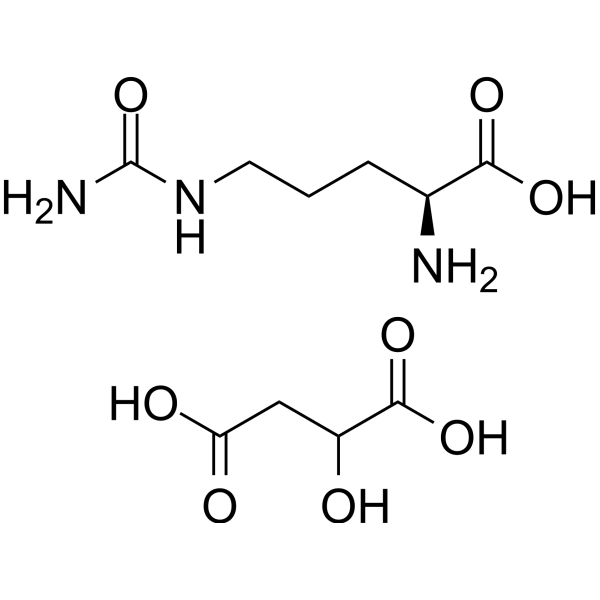
    L-Citrulline DL-malate
    5+ Cited Publications

    Endogenous Metabolite Others
    L-Citrulline (DL-malate) is an organic compound commonly used as a nutritional supplement. It boosts the body's production of nitrogen oxides, improves circulation and athletic performance, and reduces muscle fatigue. In addition, L-Citrulline DL-malate also plays an important role in some industrial fields, for example, it is used in the field of agriculture to enhance plant immunity.
    L-Citrulline DL-malate
  • HY-Y0286

    Hartshorn salt, 99%

    Environmental Pollutants Biochemical Assay Reagents Others
    Ammonium carbonate (Ammonium carbonate), 99% is a solid amino compound that functions as a buffer, pH regulator, pore-forming agent, and electrocatalytic oxidation substrate. Ammonium carbonate, 99% is a GRAS-grade direct food additive with no restricted daily intake specified by FAO/WHO, and it shows no acute skin toxicity, clinical signs of toxicity, or effects on body weight in rats. Ammonium carbonate, 99% undergoes electrocatalytic oxidation in alkaline solutions with a Pt/C catalyst (carbonate adsorption interferes with activity). Ammonium carbonate, 99% can serve as a fuel for low-temperature polymer fuel cells and anion exchange membrane fuel cells (with performance superior to pure ammonia), and can also form pores in the carrier-free Pt cathode catalyst layer after low-temperature decomposition, thereby enhancing catalyst activity under low-humidity conditions and the performance of proton exchange membrane fuel cells .
    Ammonium carbonate, 99%
  • HY-N1677

    Akt mTOR Bacterial Fungal AMPK Infection Metabolic Disease Inflammation/Immunology Cancer
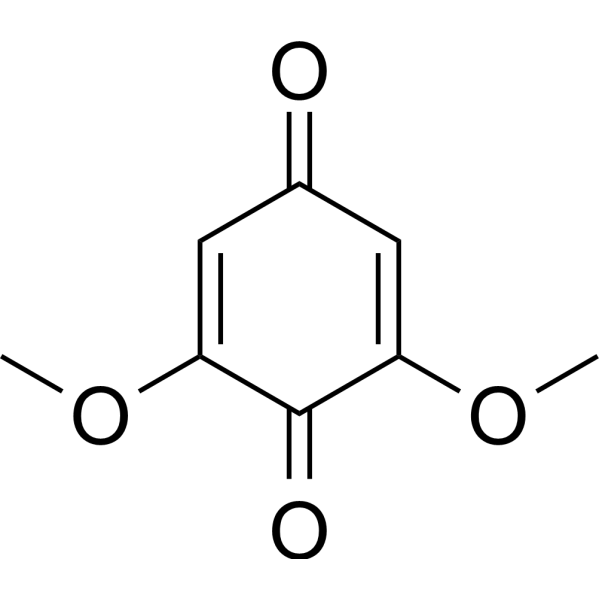
    2,6-Dimethoxy-1,4-benzoquinone is a 1,4-benzoquinone derivative. 2,6-Dimethoxy-1,4-benzoquinone promotes phosphorylation of AKT, S6K, mTOR, 4E-BP1, and AMPK, and attenuates mTORC1 activity as part of the AKT/mTOR pathway. 2,6-Dimethoxy-1,4-benzoquinone stimulates myoblast differentiation, increases myotube size, elevates MHC protein expression, enhances mitochondrial biogenesis, respiration, and DNA content, and increases skeletal muscle weights, fiber size, grip strength, and treadmill performance. 2,6-Dimethoxy-1,4-benzoquinone exerts anti-cancer, anti-inflammatory, anti-adipogenic, antibacterial, and antimutagenic effects, inhibits adipogenic transcription factors, nitric oxide production, skin tumor development, Magnaporthe oryzae growth, spore germination, appressorium formation, and growth of select bacterial species, induces H2O2 generation and rice defense gene expression, and reduces rice blast lesion formation. 2,6-Dimethoxy-1,4-benzoquinone can be used for the research of obesity, skin tumorigenesis, rice blast disease, and food-borne illness .
    2,6-Dimethoxy-1,4-benzoquinone
  • HY-40145

    Drug Intermediate Others
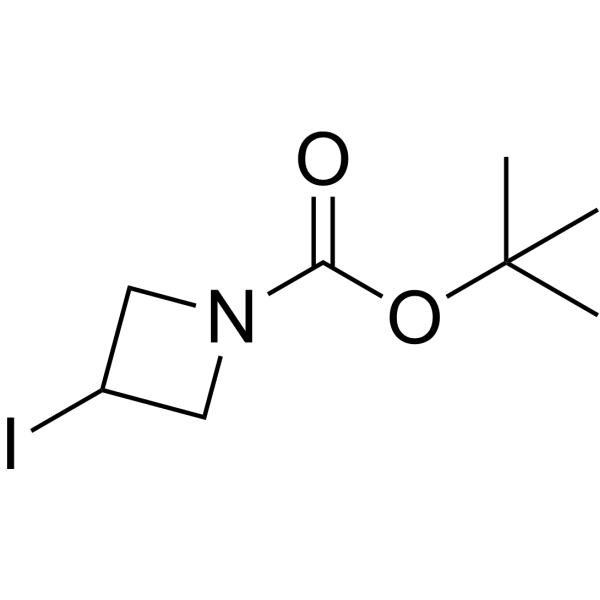
    1-Boc-3-iodoazetidine acts as a bifunctional additive for lithium-oxygen (Li-O2) batteries and can be used to enhance the performance of Li-O2 batteries. 1-Boc-3-iodoazetidine is applied in the synthesis of C3-functionalized azetidines and C2-functionalized azetidines via a lithium/iodine exchange or β-elimination/lithiation reaction sequence .
    1-Boc-3-iodoazetidine
  • HY-W250303
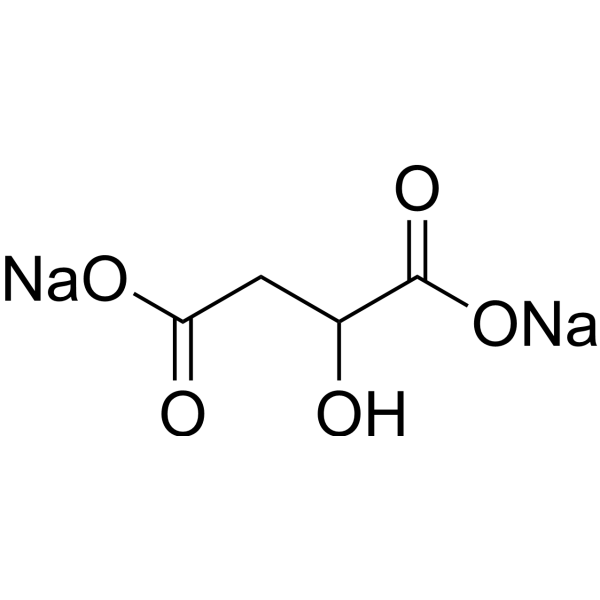
    Malic acid disodium salt
    4 Publications Verification

    Hydroxybutanedioic acid disodium salt; E 296 disodium salt

    Biochemical Assay Reagents Others
    Sodium DL-Malate is an organic compound commonly used as a food additive, buffer and nutritional supplement. It contains sodium and malic acid. Malic acid disodium salt has several properties suitable for these applications, including the ability to enhance food flavor, improve texture and regulate acidity. Additionally, it can be used as a dietary supplement due to its potential health benefits, including improved energy production, reduced fatigue, and enhanced athletic performance.
    Malic acid disodium salt
  • HY-W004293

    Tridecyl Alcohol

    Environmental Pollutants Biochemical Assay Reagents Others
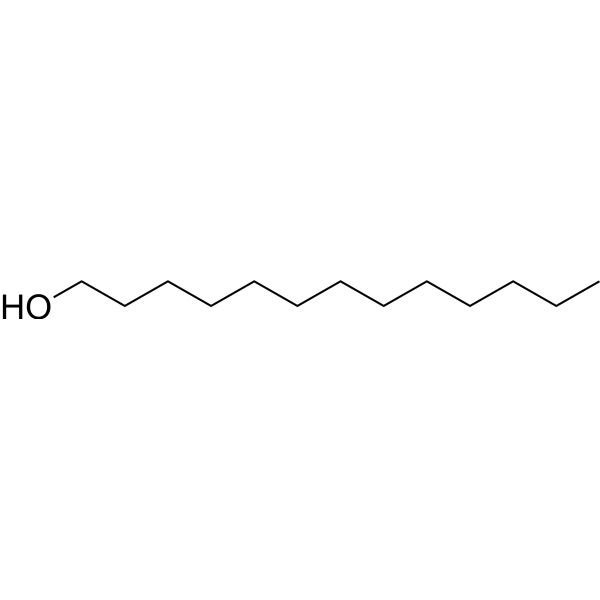
    1-Tridecanol is an organic compound commonly used as a surfactant, lubricant, and stabilizer, among others. It can be used in some cleaning products, preservatives and plastic additives, and can help enhance their performance and stability. In addition, the compound is used in some industrial fields, for example in the manufacture of products such as cellulose and paints. Although the compound has no direct medical application, it plays an important role in consumer products and industrial production.
    1-Tridecanol
  • HY-W250310

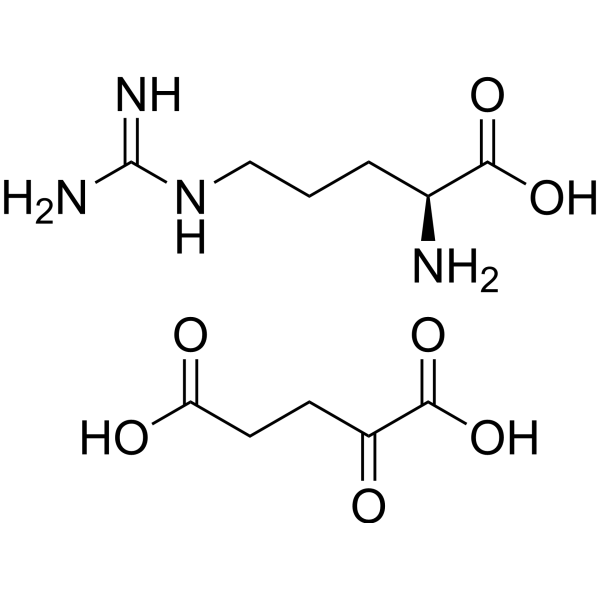
    L-Arginine alpha-ketoglutarate

    Biochemical Assay Reagents Others
    L-Arginine α-ketoglutarate, often abbreviated as AAKG, is a dietary supplement that combines arginine L-Arginine and α-ketoglutarate, a key intermediate in the Krebs cycle. L-arginine is a precursor of nitric oxide, which regulates blood flow and promotes vasodilation, while α-ketoglutarate is involved in energy production and protein synthesis. Together, these compounds are thought to support improved muscle recovery, increased endurance, and enhanced athletic performance.
    L-Arginine α-ketoglutarate
  • HY-W250303A
    Malic acid disodium hydrate
    4 Publications Verification

    Hydroxybutanedioic acid disodium hydrate; Disodium DL-malate hydrate; E 296 disodium hydrate

    Biochemical Assay Reagents Others
    Malic acid disodium hydrate is an organic compound that is commonly used as a food additive, buffering agent, and nutritional supplement. It contains sodium and malic acid. Malic acid disodium hydrate has a variety of properties that make it suitable for these applications, including the ability to enhance food flavor, improve texture, and regulate acidity. In addition, due to its potential health benefits, including improved energy production, reduced fatigue, and enhanced athletic performance, Malic acid disodium hydrate can be used as a dietary supplement .
    Malic acid disodium hydrate
  • HY-W009169

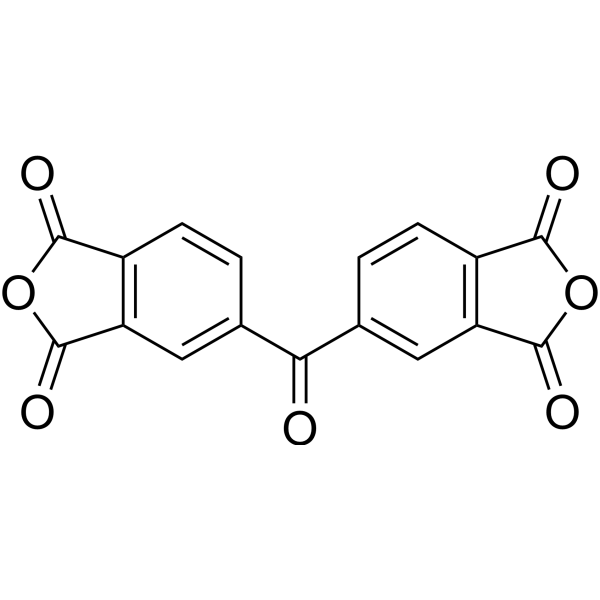
    BTDA

    Drug Intermediate Others
    Benzophenonetetracarboxylic dianhydride is widely used in the synthesis of high-performance polyimides and other polymer materials. Benzophenonetetracarboxylic dianhydride reacts with various diamine compounds to form oligoimide chains. These oligimide chains can modify graphene oxide (Go) and enhance its properties .
    Benzophenonetetracarboxylic dianhydride
  • HY-137294

    Y6

    Endogenous Metabolite Others
    BTPTT-4F (Y6) is a non-fullerene acceptor-donor-acceptor (A-D-A) type small molecular acceptor (SMA) characterized by its flexible alkyl chains and centrally fused ring structure. Featuring a ladder-type electron-deficient core, BTPTT-4F can be effectively blended with PM6, showcasing significant potential for enhancing the performance of organic photovoltaic applications. Its tailored optical properties and adjustable electronic energy levels contribute to improved thermal and photochemical stability, making it a promising candidate for next-generation high-performance organic solar cells.
    BTPTT-4F
  • HY-W142308

    Biochemical Assay Reagents
    Diammonium dithiodiglycolate is a film-forming polymer used as a crosslinking agent, with the activity of promoting crosslinking of materials and enhancing their stability. Diammonium dithiodiglycolate plays a key role in biomedical applications, especially in the preparation of biocompatible materials. The unique chemical properties of Diammonium dithiodiglycolate make it an ideal choice to achieve high-performance polymer properties.
    Diammonium dithiodiglycolate
  • HY-151951

    GABA Receptor Melatonin Receptor Sigma Receptor Neurological Disease
    Antidepressant agent 4 is an orally active antidepressant agent. Antidepressant agent 4 exhibits antidepressant, anxiolytic, performance enhancing and nootropic activities .
    Antidepressant agent 4
  • HY-151950

    GABA Receptor Melatonin Receptor Sigma Receptor Neurological Disease
    Antidepressant agent 3 is an orally active antidepressant agent. Antidepressant agent 3 exhibits antidepressant, anxiolytic, performance enhancing and nootropic activities .
    Antidepressant agent 3
  • HY-116507

    nAChR Neurological Disease
    AZD0328 is a selective α7 nAChR partial agonist. AZD0328 selectively enhances midbrain dopaminergic neuronal activity and enhances cortical dopamine levels in rats. AZD0328 improves cognitive performance .
    AZD0328
  • HY-W243879

    DBP

    Biochemical Assay Reagents Endogenous Metabolite
    Tetraphenyldibenzoperiflanthene (DBP) is an organic semiconductor material with excellent electronic conduction activity. Tetraphenyldibenzoperiflanthene exhibits high mobility in organic field effect transistors (OFETs), improving device performance. Tetraphenyldibenzoperiflanthene is widely used in organic photovoltaic (OPV) materials to enhance photoelectric conversion efficiency.
    Tetraphenyldibenzoperiflanthene
  • HY-101339A

    5-HT Receptor Others
    (R)-RS 56812 hydrochloride is a 5-HT3 receptor antagonist that enhances performance in monkeys on a delayed matching task. The (R) isomer produces more systematic improvements than the (S) isomer and has potential inhibitory effects in diseases involving cognitive decline.
    (R)-RS 56812 hydrochloride
  • HY-101339

    Others Others
    (R)-RS 56812 is a 5-HT3 receptor antagonist that enhances performance in monkeys on a delayed matching task. The (R) isomer produces more systematic improvements than the (S) isomer and has potential inhibitory effects in diseases involving cognitive decline.
    (R)-RS 56812
  • HY-135493

    5-HT Receptor Neurological Disease
    RS-56812 is a partial agonist of the 5-HT3 receptor. RS-56812 significantly enhances the propulsive peristalsis of the colon. RS-56812 indirectly enhances cholinergic neurotransmission and improves the working memory performance of non-human primates. RS-56812 is used in research on diarrhea/colon peristalsis and cognitive disorders (such as Alzheimer's disease) .
    RS-56812
  • HY-123904

    iGluR Neurological Disease
    UoS12258 is a selective positive allosteric modulator of AMPA receptor. UoS12258 enhances AMPA receptor‐mediated synaptic transmission. UoS12258 improves performance in cognition rat models, including Scopolamine (HY-N0296)‐impaired rats and water maze learning and retention in aged rats .
    UoS12258
  • HY-N11872

    Others Neurological Disease
    Suffruticosol A is a neuroprotective agent that restores scopolamine-induced cellular neurodegenerative damage. Suffruticosol A ameliorates hippocampal cholinergic deficits and partially enhances BDNF signaling. Suffruticosol A has neuromodulatory effects in a Scopolamine (HY-N0296)-induced model, restoring memory and cognitive performance in mice. Suffruticosol A can be isolated from seeds of P. lactiflora .
    Suffruticosol A
  • HY-P10490

    Drug Derivative GnRH Receptor Others Cancer
    (D-His(Bzl)6)-LHRH (1-7) free acid is a synthetic peptide compound that is a derivative of luteinizing hormone-releasing hormone (LHRH). (D-His(Bzl)6)-LHRH (1-7) free acid enhances its stability and biological activity by introducing unnatural amino acid residues at specific positions of the LHRH molecule. This modification can improve the drug's performance in the body half-life, reducing the rate at which it is rapidly metabolized and cleared, thereby enhancing its efficacy in inhibiting cell proliferation .
    (D-His(Bzl)6)-LHRH (1-7) free acid
  • HY-W747751

    Isotope-Labeled Compounds Fungal IGF-1R Bacterial Endogenous Metabolite Antibiotic Infection
    Sorbic acid- 13C2 is the 13C-labeled Sorbic acid (HY-N0626). Sorbic acid is an effective, safe, and non-toxic food preservative. It can effectively inhibit most molds, yeasts, and certain bacteria. Sorbic acid is orally active and can enhance the growth performance of economically important animals (Duroc × Landrace × Yorkshire piglets) by activating the insulin-like growth factor system (IGF), and it can also lead to lipid accumulation by disrupting lipid clearance pathways .
    Sorbic acid-13C2
  • HY-N1677R

    Reference Standards Akt mTOR Bacterial Fungal AMPK Infection Metabolic Disease Inflammation/Immunology Cancer
    2,6-Dimethoxy-1,4-benzoquinone (Standard) is the analytical standard of 2,6-Dimethoxy-1,4-benzoquinone (HY-N1677). This product is intended for research and analytical applications. 2,6-Dimethoxy-1,4-benzoquinone is a 1,4-benzoquinone derivative. 2,6-Dimethoxy-1,4-benzoquinone promotes phosphorylation of AKT, S6K, mTOR, 4E-BP1, and AMPK, and attenuates mTORC1 activity as part of the AKT/mTOR pathway. 2,6-Dimethoxy-1,4-benzoquinone stimulates myoblast differentiation, increases myotube size, elevates MHC protein expression, enhances mitochondrial biogenesis, respiration, and DNA content, and increases skeletal muscle weights, fiber size, grip strength, and treadmill performance. 2,6-Dimethoxy-1,4-benzoquinone exerts anti-cancer, anti-inflammatory, anti-adipogenic, antibacterial, and antimutagenic effects, inhibits adipogenic transcription factors, nitric oxide production, skin tumor development, Magnaporthe oryzae growth, spore germination, appressorium formation, and growth of select bacterial species, induces H2O2 generation and rice defense gene expression, and reduces rice blast lesion formation. 2,6-Dimethoxy-1,4-benzoquinone can be used for the research of obesity, skin tumorigenesis, rice blast disease, and food-borne illness.
    2,6-Dimethoxy-1,4-benzoquinone (Standard)
  • HY-172076

    Biochemical Assay Reagents Neurological Disease
    N,N-Diethylpentylone hydrochloride is a psychoactive substance .
    N,N-Diethylpentylone hydrochloride
  • HY-W674017

    Lipase Others
    Choline acetate is a choline-based ionic liquid. Choline acetate can promote lipase activity. Choline acetate can also be used as a plasticizer or ionic liquid component to improve carrier structure and release properties, thereby enhancing the performance of biomaterials .
    Choline acetate
  • HY-W251144

    PTCDI-C5

    Biochemical Assay Reagents
    N,N′-Dipentyl-3,4,9,10-perylenedicarboximide (PTCDI-C5) is an organic semiconductor compound with excellent electron transport activity. N,N′-Dipentyl-3,4,9,10-perylenedicarboximide exhibits high performance in organic field effect transistors (OFETs) and can effectively improve the carrier mobility of the device. The application of N,N′-Dipentyl-3,4,9,10-perylenedicarboximide in organic photovoltaic (OPV) materials enhances the light absorption performance, thereby improving the photoelectric conversion efficiency. N,N′-Dipentyl-3,4,9,10-perylenedicarboximide has also been widely studied for the development of high-performance sensors and fluorescent materials.
    N,N′-Dipentyl-3,4,9,10-perylenedicarboximide
  • HY-D2938

    Fluorescent Dye Others
    BG-PEG11-Cya-NR is a high-performance, non washable, fluorescent opening probe. BG-PEG11-Cya-NR has very weak fluorescence in polar environments (such as aqueous solutions), while its fluorescence is significantly enhanced in non-polar environments (such as the lipid bilayer of cell membranes) .
    BG-PEG11-Cya-NR
  • HY-111156

    Monoamine Oxidase Neurological Disease
    NW-1172 (free base) (compound 22b) is a 5-HT3 receptor antagonist with performance-enhancing activity in a delayed matching task in monkeys, with the (R) isomer producing more systematic improvements than the (S) isomer, a difference paralleled by the higher affinity of the (R) enantiomer for the 5-HT3 receptor.
    NW-1172 free base
  • HY-N19041

    Bacterial Infection Inflammation/Immunology
    The active ingredients in Eurycoma longifolia extract include quassinolides (such as tongkatarin), alkaloids, triterpenoids, complex peptides, and saponins. Eurycoma longifolia extract possesses antioxidant, anti-inflammatory, and antibacterial properties, helping to enhance overall immunity and reduce inflammation. Eurycoma longifolia extract is also being used in research to improve athletic performance, promote sexual health, and alleviate fatigue.
    Eurycoma longifolia extract
  • HY-183204

    nAChR Neurological Disease
    TC-2559 is an orally active, selective central nervous system Nicotinic acetylcholine receptor agonist with a Ki value of 5 nM. TC-2559 activates central nervous system receptors selectively over peripheral nervous system receptors. TC-2559 improves scopolamine (HY-N0296)-induced cognitive impairment and enhances radial arm maze performance. TC-2559 can be used in the research of neurodegenerative diseases .
    TC-2559
  • HY-W072496

    Photosensitizer Endogenous Metabolite
    10-(3,5-Di-OMe-Ph)-9-mesityl-(1,3,6,8-tetra-OMe-acridinium) tetrafluoroborate is a photocatalyst with the activity of enhancing the efficiency of organic reactions. 10-(3,5-Di-OMe-Ph)-9-mesityl-(1,3,6,8-tetra-OMe-acridinium) tetrafluoroborate is widely used in the synthesis of complex molecules and compounds. 10-(3,5-Di-OMe-Ph)-9-mesityl-(1,3,6,8-tetra-OMe-acridinium) tetrafluoroborate also exhibits excellent performance in photosensitization reactions.
    10-(3,5-Di-OMe-Ph)-9-mesityl-(1,3,6,8-tetra-OMe-acridinium) tetrafluoroborate

Inquiry Online

Your information is safe with us. * Required Fields.

Salutation


Country or Region *

Applicant Name *


Organization Name *

Department *


Email Address *


Product Name *

Cat. No.


Requested quantity *

Phone Number *


Remarks

Inquiry Online

Inquiry Information

Product Name:
Cat. No.:
Quantity:
MCE Japan Authorized Agent:

