Search Result
Results for "
photodynamic research
" in MedChemExpress (MCE) Product Catalog:
1
Biochemical Assay Reagents
1
Isotope-Labeled Compounds
| Cat. No. |
Product Name |
Target |
Research Areas |
Chemical Structure |
-
- HY-B1247
-
|
PPIX
|
Endogenous Metabolite
|
Others
|
|
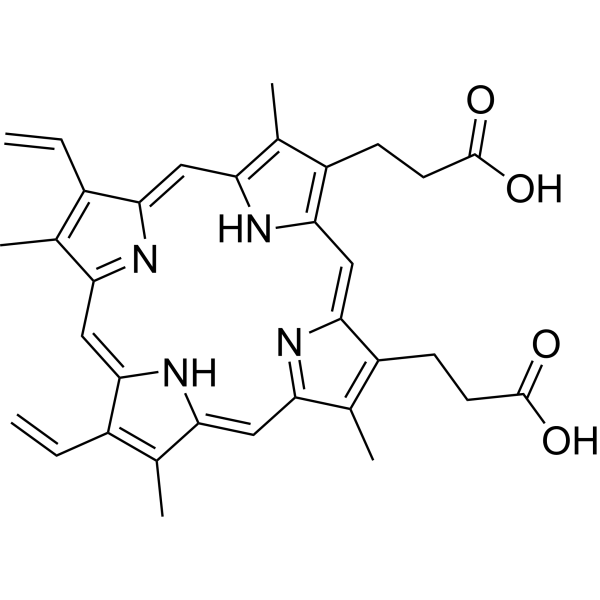
Protoporphyrin IX is a final intermediate in the heme biosynthetic pathway, which acts as a radiation sensitizer enhancing ROS generation even in a hypoxic state and inducing DNA damage. Protoporphyrin IX also acts as a photo sensitizer undergoing photobleaching that occurs through direct degradation by light irradiation. Protoporphyrin IX is formed and accumulated following 5-aminolevulinic acid (5-ALA) (HY-W000450) administration in the tumor cells of rats. Protoporphyrin IX causes selective improvement of basal cell carcinoma when activated red fluorescence of a peak wavelength at 405 nm. Protoporphyrin IX is promising for research of sonodynamic and photodynamic agents for a wide range of cancers, such as bladder cancer and nodular basal cell carcinoma .
|
-
-
- HY-D0214
-
|
|
Influenza Virus
Photosensitizer
Amyloid-β
|
Infection
Neurological Disease
Cancer
|
|
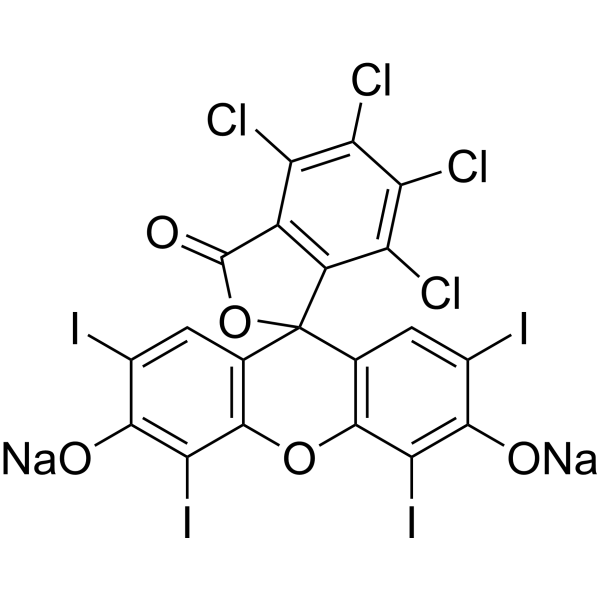
Acid Red 94 sodium, a synthetic fluorescein derivative, is a deep red dye primarily composed of 4,5,6,7-tetrachloro-2,4,5,7-tetraiodo fluorescein. It is widely used as an ophthalmic diagnostic agent to detect dry or damaged cells on the ocular surface. Acid Red 94 sodium exhibits antitumor activity and can inhibit Friend Leukemia Virus (FLV) infection through photodynamic action. Additionally, Acid Red 94 sodium can inhibit Aβ aggregation through light irradiation. Acid Red 94 sodium holds potential for use in cancer, viral infections, and neurodegenerative disease research .
|
-
-
- HY-D1063
-
IR-780
Maximum Cited Publications
6 Publications Verification
|
Fluorescent Dye
Apoptosis
Reactive Oxygen Species (ROS)
|
Cancer
|
|
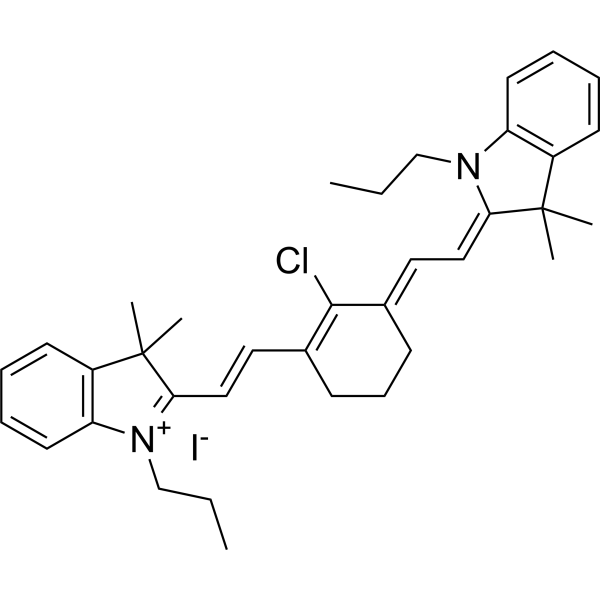
IR-780 is a near-infrared fluorescent probe for in vivo imaging of tumor cells. IR-780 is transported into tumor cells via OATPs and ABCB10, with uptake dependent on glycolytic activity and plasma membrane potential. IR-780 preferentially accumulates in tumor cell mitochondria, including those of drug-resistant cancer cells, without chemical conjugation. IR-780 generates reactive oxygen species (ROS), induces hyperthermia and apoptosis, inhibits tumor growth and recurrence, and modulates HSP70 expression upon ultrasound or 808 nm laser exposure. IR-780 acts as a sonosensitizer, photodynamic and photothermal agent, and drug delivery carrier, with low acute imaging-dose toxicity and rapid vital organ clearance. IR-780 can be used for the research of cancer, such as breast cancer, lung cancer, and non-small cell lung cancer (NSCLC) .
|
-
-
- HY-128973
-
|
|
Reactive Oxygen Species (ROS)
|
Cancer
|
|
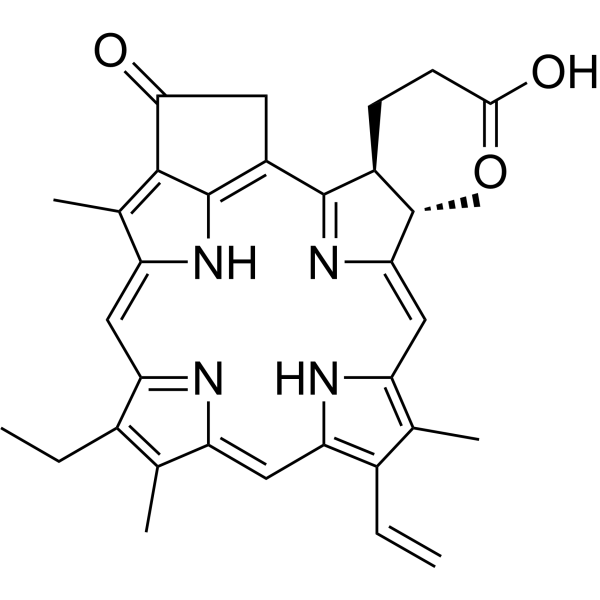
Pyropheophorbide-a (Ppa) is a photosensitizer used in photodynamic therapy (PDT) for tumors. Pyropheophorbide-a exhibits phototoxic effects on tumor cells, such as cervical cancer cells, and also has anti-lipogenesis activity. Pyropheophorbide-a shows potential for research in the fields of cancer and age-related macular degeneration (AMD). Pyropheophorbide-a derivatives also demonstrate inhibitory activity against tumor cells .
|
-
-
- HY-16488
-
|
m-THPC; KW2345
|
Reactive Oxygen Species (ROS)
|
Cancer
|
|
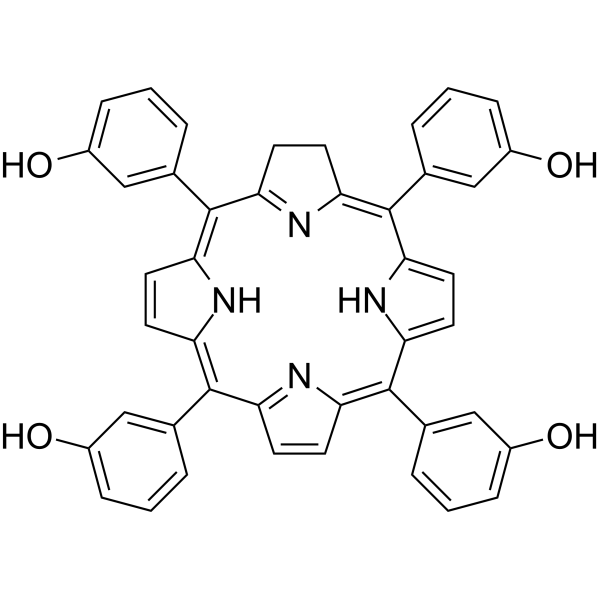
Temoporfin (m-THPC), a reduced porphyrin, is a potent second-generation photosensitizer. Temoporfin can be used in the research of photodynamic therapy (PDT) for head and neck cancers .
|
-
-
- HY-19204
-
-
-
- HY-16477
-
|
ME2906; Mono-L-aspartyl chlorin e6; NPe6
|
Photosensitizer
|
Cancer
|
|
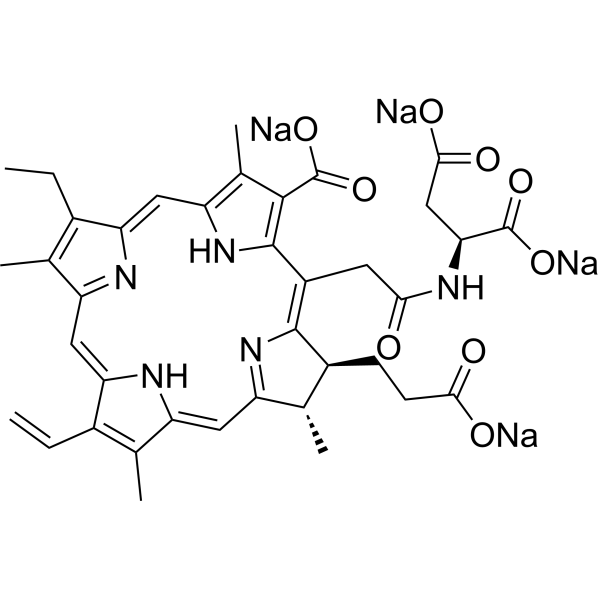
Talaporfin (ME2906) sodium is a chlorin based photosensitizer. Talaporfin sodium can be used for the research of various cancers by using photodynamic therapy (PDT) .
|
-
-
- HY-W020768
-
|
|
Biochemical Assay Reagents
|
Cancer
|
|
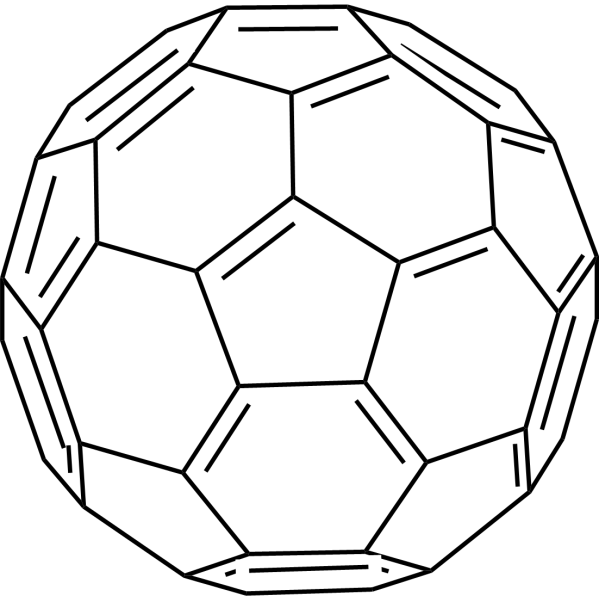
Fullerene-C60, a representative of carbon nanocompounds, is suggested to be promising agent for application in photodynamic research due to its unique physicochemical properties. Fullerene-C60 probes the intramolecular dynamics of its electron and energy transfer .
|
-
-
- HY-A0169A
-
|
|
Reactive Oxygen Species (ROS)
Photosensitizer
|
Cancer
|
|
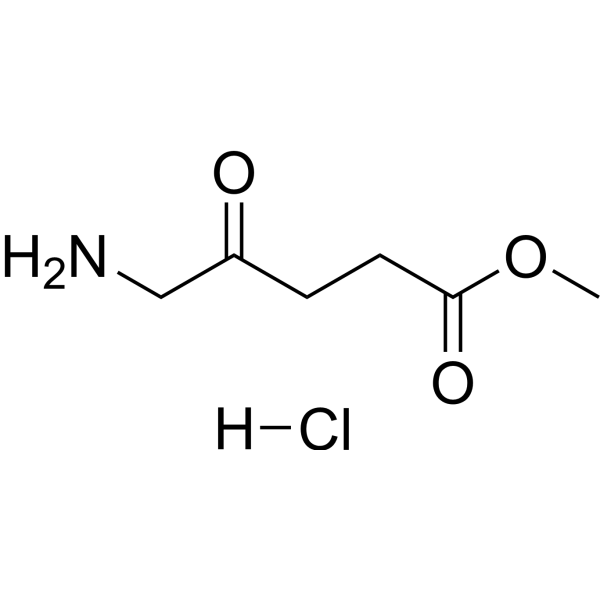
Methyl aminolevulinate hydrochloride is a sensitizer used in photodynamic therapy (PDT). Methyl aminolevulinate hydrochloride penetrates the skin and induces the production of photoactive porphyrins including protoporphyrin IX in cells; upon exposure to appropriate light, it generates ROS, which triggers cellular oxidation and cell death. Methyl aminolevulinate hydrochloride acts as a photo-damage reversing agent through epidermal reconstruction, cytokine-mediated activation of dermal fibroblasts, elastin breakdown, new collagen formation, and compression of dilated capillaries. Methyl aminolevulinate hydrochloride reduces the expression of the proliferation marker Ki-67 and the early skin carcinogenesis marker TP53. Methyl aminolevulinate hydrochloride delays the onset of ultraviolet-induced skin tumors and reduces tumor burden in hairless mice. Methyl aminolevulinate hydrochloride is applicable to research related to actinic keratosis and basal cell carcinoma .
|
-
-
- HY-U00128
-
|
|
Parasite
|
Infection
Inflammation/Immunology
|
|
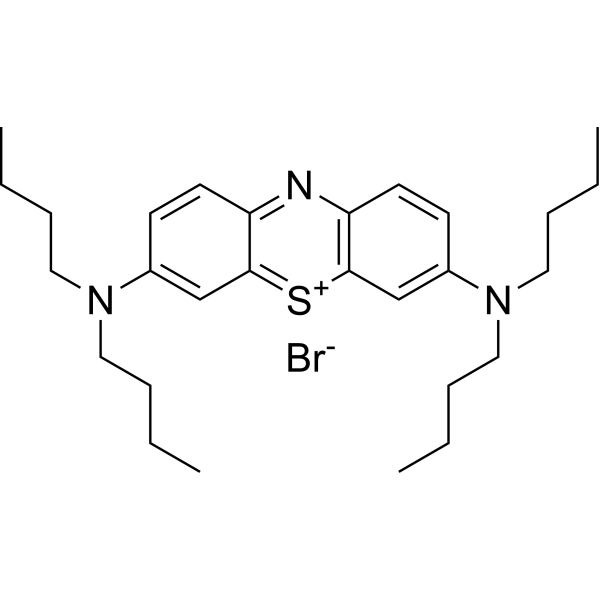
PPA-904 is a specific phenothiazine photosensitizer in photodynamic research (PDT) research, especially topical application for cutaneous leishmaniasis in vivo .
|
-
-
- HY-W130236
-
|
|
Cholinesterase (ChE)
|
Cancer
|
|
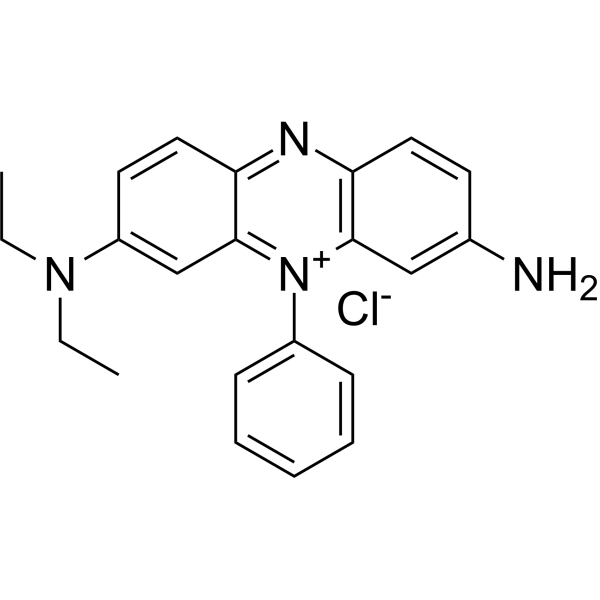
Methylene Violet 3RAX is a phenazine dye to stain the mitochondria of cells. Methylene Violet 3RAX can change the molecular structure of DNA, undermine the module of DNA, and induce the generation of the reactive singlet oxygen. Methylene Violet 3RAX shows inhibition for human erythrocyte AChE and human plasma BChE with an Kis of 1.58, 0.51 μM, respectively. Methylene Violet 3RAX has the potential for the research of potential photosensitizers for mitochondrial targeting action in PDT (photodynamic therapy) .
|
-
-
- HY-B1247R
-
|
PPIX (Standard)
|
Reference Standards
Endogenous Metabolite
|
Others
|
|
Protoporphyrin IX (Standard) is the analytical standard of Protoporphyrin IX. This product is intended for research and analytical applications. Protoporphyrin IX is a final intermediate in the heme biosynthetic pathway, which acts as a radiation sensitizer enhancing ROS generation even in a hypoxic state and inducing DNA damage. Protoporphyrin IX also acts as a photo sensitizer undergoing photobleaching that occurs through direct degradation by light irradiation. Protoporphyrin IX is formed and accumulated following 5-aminolevulinic acid (5-ALA) (HY-W000450) administration in the tumor cells of rats. Protoporphyrin IX causes selective improvement of basal cell carcinoma when activated red fluorescence of a peak wavelength at 405 nm. Protoporphyrin IX is promising for research of sonodynamic and photodynamic agents for a wide range of cancers, such as bladder cancer and nodular basal cell carcinoma .
|
-
-
- HY-W010417
-
|
|
Reactive Oxygen Species (ROS)
|
Others
|
|
4-Thiouracil is a thionucleobase with cytostatic properties. 4-Thiouracil can be used as biological photoprobes to detect RNA structures and nucleic acid-nucleic acid contacts. 4-Thiouracil can also act as a strong ultraviolet A (UVA) photosensitizer, providing a source of the reactive oxygen species of O2. 4-Thiouracil is promising for research of photocross linking, photodamage, as well as photodynamic therapy .
|
-
-
- HY-151486
-
|
|
GLUT
|
Cancer
|
|
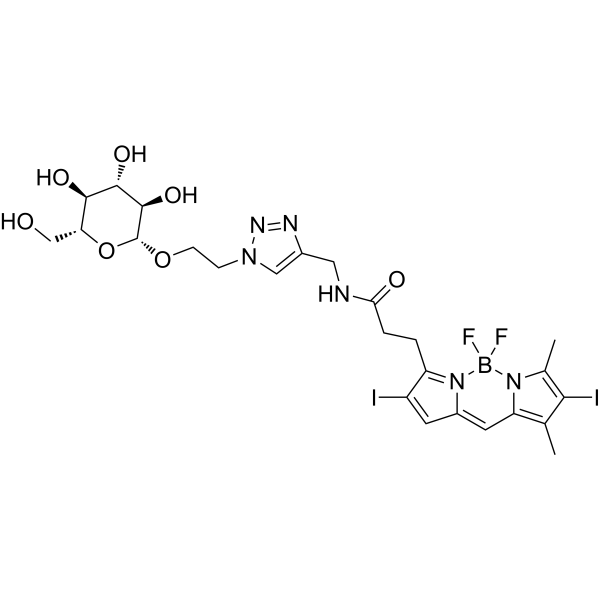
GLUT1-IN-1 is a glucose transporter 1 (GLUT1) inhibitor and has a GLUT1-specific inactivation ability. GLUT1-IN-1 exhibits concentration-dependent cytotoxicity for HeLa, A549 and HepG2 cells with IC50 values of 5.49 μM, 11.14 μM, and 8.73 μM, respectively. GLUT1-IN-1 can be used for the research of photodynamic therapy (PDT) and severals cancer .
|
-
-
- HY-B1247A
-
|
PPIX disodium
|
Endogenous Metabolite
|
Cancer
|
|
Protoporphyrin IX disodium is a final intermediate in the heme biosynthetic pathway, which acts as a radiation sensitizer enhancing ROS generation even in a hypoxic state and inducing DNA damage. Protoporphyrin IX disodium also acts as a photo sensitizer undergoing photobleaching that occurs through direct degradation by light irradiation. Protoporphyrin IX disodium is formed and accumulated following 5-aminolevulinic acid (5-ALA) (HY-W000450) administration in the tumor cells of rats. Protoporphyrin IX disodium causes selective improvement of basal cell carcinoma when activated red fluorescence of a peak wavelength at 405 nm. Protoporphyrin IX disodium is promising for research of sonodynamic and photodynamic agents for a wide range of cancers, such as bladder cancer and nodular basal cell carcinoma .
|
-
-
- HY-B0146R
-
|
CL 318952 (Standard)
|
Reference Standards
YAP
Apoptosis
Autophagy
|
Cancer
|
|
Verteporfin (Standard) is the analytical standard of Verteporfin. This product is intended for research and analytical applications. Verteporfin (CL 318952) is a photosensitizer for photodynamic therapy to eliminate the abnormal blood vessels in the eye associated with conditions such as age-related macular degeneration. Verteporfin is a YAP inhibitor which disrupts YAP-TEAD interactions. Verteporfin induces cell apoptosis . Verteporfinis an autophagy inhibitor that blocks autophagy at an early stage by inhibiting autophagosome formation .
|
-
-
- HY-W035135
-
|
|
Photosensitizer
|
Others
|
|
NPN12830 is a dye compound. NPN12830 can be used in various photodynamic therapy research .
|
-
-
- HY-137473R
-
|
Pyropheophorbide-a methyl ester (Standard)
|
Apoptosis
Reference Standards
|
Cancer
|
|
Methyl pyropheophorbide-a (Standard) is the analytical standard of Methyl pyropheophorbide-a. This product is intended for research and analytical applications. Methyl pyropheophorbide-a (Pyropheophorbide-a methyl ester), a chlorophyll-a derivative, is a potent photosensitizer that can be used in photodynamic therapy (PDT) of cancer. Methyl pyropheophorbide-a has photodynamic activity and can induce apoptosis and inhibit tumor growth .
|
-
-
- HY-N10611
-
|
|
Reactive Oxygen Species (ROS)
Apoptosis
Autophagy
Fungal
Fluorescent Dye
|
Infection
Cancer
|
|
Elsinochrome A is a perylene quinone photosensitizer, and can generate reactive oxygen species (ROS) to induce apoptosis and autophagy under light excitation. Elsinochrome A also shows antifungal activity against C. albicans biofilm through photodynamic antimicrobial chemotherapy (PACT). Elsinochrome A can be used for research of photodynamic therapy (PDT) (Ex: 460 nm) .
|
-
-
- HY-D1453
-
|
|
Biochemical Assay Reagents
|
Cancer
|
|
Immune initiator-1 (Compound 1a) is an amino acid-modified near-infrared Aza-BODIPY photosensitizer, acts as an immune initiator for potent photodynamic research in melanoma .
|
-
-
- HY-16488R
-
|
m-THPC (Standard); KW2345 (Standard)
|
Reactive Oxygen Species (ROS)
Reference Standards
|
Cancer
|
|
Temoporfin (Standard) is the analytical standard of Temoporfin. This product is intended for research and analytical applications. Temoporfin (m-THPC), a reduced porphyrin, is a potent second-generation photosensitizer. Temoporfin can be used in the research of photodynamic therapy (PDT) for head and neck cancers .
|
-
-
- HY-158710
-
|
|
Reactive Oxygen Species (ROS)
|
Cancer
|
|
1-Palmitoyl-2-pyropheophorbide a-sn-glycero-3-pc is a phospholipid-porphyrin conjugate. 1-Palmitoyl-2-pyropheophorbide a-sn-glycero-3-pc can be utilized in photodynamic therapy research .
|
-
-
- HY-113011R
-
|
|
Reference Standards
Endogenous Metabolite
|
Others
|
|
Maltotriose (Standard) is the analytical standard of Maltotriose (HY-13011). This product is intended for research and analytical applications. Maltotriose is a maltooligosaccharide and a specific inducer of the Escherichia coli maltose operon. The oligosaccharide structure of Maltotriose acts as a highly efficient drug delivery carrier, which significantly enhances the targeting ability and water solubility of photosensitizers in photodynamic therapy for pancreatic cancer.
|
-
-
- HY-W127809
-
|
|
Biochemical Assay Reagents
|
Others
|
|
Chlorin e4 is an organic compound belonging to the family of chlorins, which are macrocyclic compounds with a similar structure to porphyrins. It is commonly used to improve photodynamic therapy for cancer and other diseases. Chlorin e4 has multiple applications in medical research, including as a photosensitizer for localized tumor destruction. In addition, its antimicrobial properties and potential use in disinfection applications were investigated.
|
-
-
- HY-D1591
-
|
|
Fluorescent Dye
|
Others
|
|
BODIPY R6G methyl ester (compound 5′-1) is a BODIPY-like fluorescent dye with good light stability and insensitive to pH value. BODIPY R6G methyl ester shows good photostability, high sensitivity and insensitive to pH value. BODIPY R6G methyl ester can be used in research areas such as photodynamic research, PH probes, ion recognition, photocatalysis, protein labeling, cell imaging, and proteomic analysis .
|
-
-
- HY-169436
-
|
|
PD-1/PD-L1
|
|
|
Lon-TK is a glycolysis inhibitor + linker conjugate of LTB (HY-169434). LTB is an intelligent responsive prodrug that connects Lonidamine (Lon) (HY-B0486) and a PD-L1 inhibitor (BMS-1, HY-19991) through a thioketal linker. It significantly inhibits the glycolytic metabolism of tumor cells and blocks the PD-1/PD-L1 immune escape pathway. Lon-TK shows potential for application in photodynamic-enhanced immunotherapy research .
|
-
-
- HY-146416
-
|
|
Photosensitizer
|
Cancer
|
|
Antitumor photosensitizer-2 (Compound 11) is a potent photosensitizer. Antitumor photosensitizer-2 has outstanding photodynamic anti-tumor effects without obvious skin photo-toxicity, and can act as new agent candidates for photodynamic research .
|
-
-
- HY-146414
-
|
|
Photosensitizer
|
Cancer
|
|
Antitumor photosensitizer-1 (Compound 8) is a potent photosensitizer. Antitumor photosensitizer-1 has outstanding photodynamic anti-tumor effects without obvious skin photo-toxicity, and can act as new agent candidates for photodynamic research .
|
-
-
- HY-145241
-
|
|
Photosensitizer
|
Neurological Disease
|
|
TBTDC is a highly efficient multifunctional organic photosensitizer with aggregation-induced emission for in vivo bioimaging and photodynamic research.
|
-
-
- HY-173417
-
|
|
Bacterial
|
Infection
Inflammation/Immunology
|
|
Antibacterial agent 275 (Ⅲ1) is a antibacterial agent, with a λmax of 730 nm. Antibacterial agent 275 (Ⅲ1) can be used in the research for antimicrobial photodynamic therapy (aPDT) .
|
-
-
- HY-157943
-
|
HAL
|
Fluorescent Dye
|
Cancer
|
|
Hexyl 5-aminolevulinate (HAL) is a photosensitizer, and can increase the efficiency of PDT due to the high lipophilicity. Hexyl 5-aminolevulinate can be used for research of photodynamic therapy (PDT) .
|
-
-
- HY-175214
-
|
|
Reactive Oxygen Species (ROS)
Photosensitizer
|
Cancer
|
|
Antitumor photosensitizer-9 is a near-infrared Photosensitizer (PS) with a high singlet oxygen production rate (relative rate = 1.79). Antitumor photosensitizer-9 exhibits strong phototoxicity against various cancer cells and induces ROS generation under light irradiation. Antitumor photosensitizer-9 inhibits tumor growth in vivo and exhibits excellent anticancer photodynamic therapy (PDT) efficacy at low drug and light doses. Antitumor photosensitizer-9 can be used in photodynamic therapy research .
|
-
-
- HY-157051
-
|
|
Photosensitizer
|
Cancer
|
|
[Ru(DIP)2TAP]Cl2, Ruthenium(II) polypyridyl compound, is a photosensitizer. [Ru(DIP)2TAP]Cl2 can be used for the research of photodynamic therapy (PDT) .
|
-
-
- HY-162824
-
|
|
Apoptosis
|
Cancer
|
|
Antitumor photosensitizer-6 (Compound Ru2) shows synergetic type I/II photosensitization and photocatalytic activity upon 595 nm light excitation. Ru2 induces intracellular redox imbalance and affects the biosynthetic and metabolic processes, leading to cell apoptosis. Antitumor photosensitizer-6 can be used for research of photodynamic therapy (PDT) .
|
-
-
- HY-N1453R
-
|
|
Reference Standards
Apoptosis
Fungal
Parasite
|
Infection
Cancer
|
|
Hypocrellin B (Standard) is the analytical standard of Hypocrellin B. This product is intended for research and analytical applications. Hypocrellin B, a pigment isolated from the fungi Hypocrella bambusae and Shiraia bambusicola, is an apoptosis inducer. Hypocrellin B can be used as a photosensitizer for photodynamic therapy of cancer. Hypocrellin B also has antimicrobial and antileishmanial activities[1][2][3].
|
-
-
- HY-128973R
-
|
|
Reactive Oxygen Species (ROS)
Reference Standards
|
Cancer
|
|
Pyropheophorbide-a (Standard) is the analytical standard of Pyropheophorbide-a. This product is intended for research and analytical applications. Pyropheophorbide-a (Ppa) is a photosensitizer used in photodynamic therapy (PDT) for tumors. Pyropheophorbide-a exhibits phototoxic effects on tumor cells, such as cervical cancer cells, and also has anti-lipogenesis activity. Pyropheophorbide-a shows potential for research in the fields of cancer and age-related macular degeneration (AMD). Pyropheophorbide-a derivatives also demonstrate inhibitory activity against tumor cells .
|
-
-
- HY-155070
-
|
|
DNA/RNA Synthesis
Apoptosis
|
Cancer
|
|
SRE-II, an amide derivative, is an activatable photosensitizer for photodynamic cancer research with decreased fluorescence and photosensitizing capabilities. SRE-II can be further converted into the active photosensitizer SDU Red via carboxylesterase-catalyzed amide bond cleavage. SRE-II induces DNA damage and cell apoptosis in the presence of light. SRE-II can act as a promising theranostic agent for triple-negative breast cancer .
|
-
-
- HY-174854
-
|
|
HDAC
Reactive Oxygen Species (ROS)
Apoptosis
|
Cancer
|
|
PySAHA is a multifunctional HDAC inhibitor. PySAHA can degrade intracellular HDAC via a hydrophobic tagging mechanism. PySAHA also possesses photodynamic therapeutic activity and can generate reactive oxygen species under light irradiation. PySAHA can inhibit the proliferation, migration and induce cell apoptosis of breast cancer cells. PySAHA has antitumor activity and can be used in breast cancer research .
|
-
-
- HY-W011577S1
-
|
2,3-Benzotriphenylene-13C6
|
Isotope-Labeled Compounds
Photosensitizer
|
Cancer
|
|
Dibenzo[a,c]anthracene- 13C6 (2,3-Benzotriphenylene- 13C6) is 13C labeled Benzo[f]tetraphene. Benzo[f]tetraphene (Dibenz[a,c]anthracene) is a polycyclic aromatic hydrocarbon with significant antitumor activity. Benzo[f]tetraphene is used as a luminescent probe in cell biology research and can effectively detect reactive oxygen species in biological systems. Benzo[f]tetraphene can also be used as a potential photosensitizer and shows good application prospects in photodynamic inhibition.
|
-
-
- HY-N2575R
-
|
|
Reference Standards
PKC
Bacterial
Parasite
HIV
VSV
VEGFR
Bcl-2 Family
Apoptosis
|
Infection
Metabolic Disease
Cancer
|
|
Hypocrellin A (Standard) is the analytical standard of Hypocrellin A. This product is intended for research and analytical applications. Hypocrellin A is a PKC inhibitor that exerts antidiabetic activity by reversing the effects of high glucose on endothelin (ET-1) expression. Hypocrellin A is also a photosensitizer for photodynamic therapy (PDT) with anticancer, antibacterial and antiviral activities, especially against human immunodeficiency virus (HIV). In addition, Hypocrellin-A also possesses anti-Leishmania activity (IC50=0.27 μg/ml)[1][2][3][4][5][6][7][8][9].
|
-
-
- HY-W014394R
-
|
|
TRP Channel
Reference Standards
Parasite
|
Cardiovascular Disease
|
|
Protoporphyrin IX (Standard) is the analytical standard of Protoporphyrin IX. This product is intended for research and analytical applications. Protoporphyrin IX is a final intermediate in the heme biosynthetic pathway, which acts as a radiation sensitizer enhancing ROS generation even in a hypoxic state and inducing DNA damage. Protoporphyrin IX also acts as a photo sensitizer undergoing photobleaching that occurs through direct degradation by light irradiation. Protoporphyrin IX is formed and accumulated following 5-aminolevulinic acid (5-ALA) (HY-W000450) administration in the tumor cells of rats. Protoporphyrin IX causes selective improvement of basal cell carcinoma when activated red fluorescence of a peak wavelength at 405 nm. Protoporphyrin IX is promising for research of sonodynamic and photodynamic agents for a wide range of cancers, such as bladder cancer and nodular basal cell carcinoma .
|
-
-
- HY-A0169
-
|
|
Reactive Oxygen Species (ROS)
Photosensitizer
|
Cancer
|
|
Methyl aminolevulinate is a sensitizer used in photodynamic therapy (PDT). Methyl aminolevulinate penetrates the skin and induces the production of photoactive porphyrins including protoporphyrin IX in cells; upon exposure to appropriate light, it generates ROS, which triggers cellular oxidation and cell death. Methyl aminolevulinate acts as a photo-damage reversing agent through epidermal reconstruction, cytokine-mediated activation of dermal fibroblasts, elastin breakdown, new collagen formation, and compression of dilated capillaries. Methyl aminolevulinate reduces the expression of the proliferation marker Ki-67 and the early skin carcinogenesis marker TP53. Methyl aminolevulinate delays the onset of ultraviolet-induced skin tumors and reduces tumor burden in hairless mice. Methyl aminolevulinate is applicable to research related to actinic keratosis and basal cell carcinoma .
|
-
-
- HY-P10667
-
|
|
Integrin
|
Cancer
|
|
Ac-MRGDH-NH2 is a pentapeptide containing the RGD sequence. Ac-MRGDH-NH2 can be used to synthesize the diastereoisomeric prodrugs Λ- and Δ-[Ru(Ph2phen)2(κS,κN-(Ac-MRGDH-NH2))]Cl2. In these prodrugs, Ac-MRGDH-NH2 serves as a photolabile protecting group for the cytotoxic bis-aqua ruthenium warhead [Ru(Ph2phen)2(OH2)2]2+, and Ac-MRGDH-NH2 possesses integrin targeting ability and photosubstitution properties. Therefore, Ac-MRGDH-NH2 can be utilized in research on tumor-targeted photodynamic activation chemotherapy (PACT) .
|
-
-
- HY-183743
-
|
|
Biochemical Assay Reagents
|
Others
|
|
Chlorophyllide A is a tetrapyrrole metabolite late in the biosynthesis of chlorophylls and bacteriochlorophylls. Chlorophyllide A can be used as a photosensitizer for the research of photodynamic therapy-related research .
|
-
-
- HY-W011998
-
|
N,N-Diphenylbenzenamine
|
Apoptosis
Fluorescent Dye
|
Others
|
|
Triphenylamine (N,N-Diphenylbenzenamine) is a highly fluorescent compound. Triphenylamine can induce apoptosis. Triphenylamine can be used as a fluorescent dye and is also used in photodynamic therapy research .
|
-
-
- HY-W075248
-
-
-
- HY-W248121
-
|
PM567
|
Fluorescent Dye
|
Cancer
|
|
Pyrromethene 567 is a commercially available BODIPY dye with a photodynamic cytotoxicity IC50 of 6.8 ± 1.8 μM.Pyrromethene 567 shows cytoplasmic localization and limited cellular uptake in cancer cells.Pyrromethene 567 can be used for the research of lung cancer .
|
-
-
- HY-W011577
-
|
Dibenz[a,c]anthracene
|
Photosensitizer
|
|
|
Benzo[f]tetraphene (Dibenz[a,c]anthracene) is a polycyclic aromatic hydrocarbon with significant antitumor activity. Benzo[f]tetraphene is used as a luminescent probe in cell biology research and can effectively detect reactive oxygen species in biological systems. Benzo[f]tetraphene can also be used as a potential photosensitizer and shows good application prospects in photodynamic inhibition.
|
-
-
- HY-180825
-
|
|
Apoptosis
Reactive Oxygen Species (ROS)
|
Inflammation/Immunology
Cancer
|
|
Anticancer agent 292 (Compound P4) is a photosensitizer for anti-melanoma. Anticancer agent 292 shows good biocompatibility under dark conditions and, upon illumination, induces apoptosis and partial necrosis in B16-F10 cells by disrupting the lysosomal membrane. Anticancer agent 292 not only directly kills tumor cells through the generation of reactive oxygen species (ROS), but also induces immune-prone cell death (ICD), thereby generating anti-tumor immune effects. Anticancer agent 292 can be used in the research of photodynamic therapy for melanoma .
|
-
-
- HY-D0214E
-
|
|
Influenza Virus
Photosensitizer
Amyloid-β
|
Infection
Neurological Disease
Cancer
|
|
Acid Red 94 sodium (80%), a synthetic fluorescein derivative, is a deep red dye primarily composed of 4,5,6,7-tetrachloro-2,4,5,7-tetraiodo fluorescein. Acid Red 94 sodium (80%) is widely used as an ophthalmic diagnostic agent to detect dry or damaged cells on the ocular surface. Acid Red 94 sodium (80%) exhibits antitumor activity and can inhibit Friend Leukemia Virus (FLV) infection through photodynamic action. Additionally, Acid Red 94 sodium (80%) can inhibit Aβ aggregation through light irradiation. Acid Red 94 sodium (80%) holds potential for use in cancer, viral infections, and neurodegenerative disease research .
|
-
- HY-180169
-
|
|
Photosensitizer
Drug Derivative
|
Cancer
|
|
Photosensitizer-8 (Compound 4), 2-anthrol derivative, is an alkaline phosphatase (ALP)-activatable photosensitizer. Photosensitizer-8 undergoes a phosphate ester hydrolysis reaction in the presence of ALP, rapidly converting into the active photosensitizer 2-anthrol. Photosensitizer-8 exhibits cytotoxicity against ALP-overexpressing cancer cells (HeLa, A549, HCT116) after light exposure, with IC50 values of 14.3 μM, 21.6 μM and 17.5 μM, respectively, while showing no significant cytotoxicity against normal lung fibroblasts (WI-38) (IC50 ≥ 30 μM). Photosensitizer-8 can be used in photodynamic therapy research for ALP-overexpression-related cancers .
|
-
- HY-173211
-
|
|
Photosensitizer
|
Cancer
|
|
anti-TNBC agent-8 (Compound TP2) is a photodynamic therapeutic agent targeting mitochondrial DNA G4 (mtG4). Under white light irradiation, its IC50 against 4T1 cells is 0.42 μM. anti-TNBC agent-8 binds tightly to mtG4 and generates a large amount of reactive oxygen species (ROS) under white light irradiation, leading to the loss of mitochondrial membrane potential (MMP), a decrease in ATP production, and an increase in the ROS level. This, in turn, induces significant apoptosis in triple-negative breast cancer (TNBC) cells, exerting the activity of inhibiting tumor cell growth. anti-TNBC agent-8 can be used in the research of triple-negative breast cancer.
|
-
- HY-A0169AR
-
|
|
Reactive Oxygen Species (ROS)
Reference Standards
Photosensitizer
|
Inflammation/Immunology
Cancer
|
|
Methyl aminolevulinate hydrochloride (Standard) is the analytical standard of Methyl aminolevulinate hydrochloride. This product is intended for research and analytical applications. Methyl aminolevulinate hydrochloride is a sensitizer used in photodynamic therapy (PDT). Methyl aminolevulinate hydrochloride penetrates the skin and induces the production of photoactive porphyrins including protoporphyrin IX in cells; upon exposure to appropriate light, it generates ROS, which triggers cellular oxidation and cell death. Methyl aminolevulinate hydrochloride acts as a photo-damage reversing agent through epidermal reconstruction, cytokine-mediated activation of dermal fibroblasts, elastin breakdown, new collagen formation, and compression of dilated capillaries. Methyl aminolevulinate hydrochloride reduces the expression of the proliferation marker Ki-67 and the early skin carcinogenesis marker TP53. Methyl aminolevulinate hydrochloride delays the onset of ultraviolet-induced skin tumors and reduces tumor burden in hairless mice. Methyl aminolevulinate hydrochloride is applicable to research related to actinic keratosis and basal cell carcinoma .
|
-
| Cat. No. |
Product Name |
Type |
-
- HY-D0214
-
|
|
Fluorescent Dyes
|
|
Acid Red 94 sodium, a synthetic fluorescein derivative, is a deep red dye primarily composed of 4,5,6,7-tetrachloro-2,4,5,7-tetraiodo fluorescein. It is widely used as an ophthalmic diagnostic agent to detect dry or damaged cells on the ocular surface. Acid Red 94 sodium exhibits antitumor activity and can inhibit Friend Leukemia Virus (FLV) infection through photodynamic action. Additionally, Acid Red 94 sodium can inhibit Aβ aggregation through light irradiation. Acid Red 94 sodium holds potential for use in cancer, viral infections, and neurodegenerative disease research .
|
-
- HY-D1063
-
IR-780
Maximum Cited Publications
6 Publications Verification
|
Fluorescent Dyes
|
|
IR-780 is a near-infrared fluorescent probe for in vivo imaging of tumor cells. IR-780 is transported into tumor cells via OATPs and ABCB10, with uptake dependent on glycolytic activity and plasma membrane potential. IR-780 preferentially accumulates in tumor cell mitochondria, including those of drug-resistant cancer cells, without chemical conjugation. IR-780 generates reactive oxygen species (ROS), induces hyperthermia and apoptosis, inhibits tumor growth and recurrence, and modulates HSP70 expression upon ultrasound or 808 nm laser exposure. IR-780 acts as a sonosensitizer, photodynamic and photothermal agent, and drug delivery carrier, with low acute imaging-dose toxicity and rapid vital organ clearance. IR-780 can be used for the research of cancer, such as breast cancer, lung cancer, and non-small cell lung cancer (NSCLC) .
|
-
- HY-19204
-
|
ZnPc
|
Fluorescent Dyes
|
|
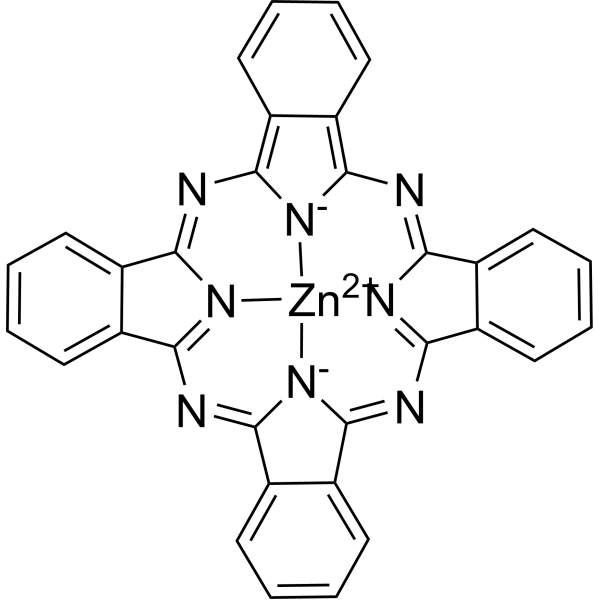
Zinc phthalocyanine (ZnPc) is commonly applied in industry (catalysts, photoconductors) and biomedical (photodynamic therapy, PDT). Zinc phthalocyanine can be used to photooxidise cyclohexane and is promising for research of solar-cell applications .
|
-
- HY-D1591
-
|
|
Fluorescent Dyes
|
|
BODIPY R6G methyl ester (compound 5′-1) is a BODIPY-like fluorescent dye with good light stability and insensitive to pH value. BODIPY R6G methyl ester shows good photostability, high sensitivity and insensitive to pH value. BODIPY R6G methyl ester can be used in research areas such as photodynamic research, PH probes, ion recognition, photocatalysis, protein labeling, cell imaging, and proteomic analysis .
|
-
- HY-W248121
-
|
PM567
|
Fluorescent Dyes
|
|
Pyrromethene 567 is a commercially available BODIPY dye with a photodynamic cytotoxicity IC50 of 6.8 ± 1.8 μM.Pyrromethene 567 shows cytoplasmic localization and limited cellular uptake in cancer cells.Pyrromethene 567 can be used for the research of lung cancer .
|
-
- HY-D0214E
-
|
|
Fluorescent Dyes
|
|
Acid Red 94 sodium (80%), a synthetic fluorescein derivative, is a deep red dye primarily composed of 4,5,6,7-tetrachloro-2,4,5,7-tetraiodo fluorescein. Acid Red 94 sodium (80%) is widely used as an ophthalmic diagnostic agent to detect dry or damaged cells on the ocular surface. Acid Red 94 sodium (80%) exhibits antitumor activity and can inhibit Friend Leukemia Virus (FLV) infection through photodynamic action. Additionally, Acid Red 94 sodium (80%) can inhibit Aβ aggregation through light irradiation. Acid Red 94 sodium (80%) holds potential for use in cancer, viral infections, and neurodegenerative disease research .
|
| Cat. No. |
Product Name |
Type |
-
- HY-W127809
-
|
|
Biochemical Assay Reagents
|
|
Chlorin e4 is an organic compound belonging to the family of chlorins, which are macrocyclic compounds with a similar structure to porphyrins. It is commonly used to improve photodynamic therapy for cancer and other diseases. Chlorin e4 has multiple applications in medical research, including as a photosensitizer for localized tumor destruction. In addition, its antimicrobial properties and potential use in disinfection applications were investigated.
|
| Cat. No. |
Product Name |
Target |
Research Area |
-
- HY-P10667
-
|
|
Integrin
|
Cancer
|
|
Ac-MRGDH-NH2 is a pentapeptide containing the RGD sequence. Ac-MRGDH-NH2 can be used to synthesize the diastereoisomeric prodrugs Λ- and Δ-[Ru(Ph2phen)2(κS,κN-(Ac-MRGDH-NH2))]Cl2. In these prodrugs, Ac-MRGDH-NH2 serves as a photolabile protecting group for the cytotoxic bis-aqua ruthenium warhead [Ru(Ph2phen)2(OH2)2]2+, and Ac-MRGDH-NH2 possesses integrin targeting ability and photosubstitution properties. Therefore, Ac-MRGDH-NH2 can be utilized in research on tumor-targeted photodynamic activation chemotherapy (PACT) .
|
| Cat. No. |
Product Name |
Category |
Target |
Chemical Structure |
| Cat. No. |
Product Name |
Chemical Structure |
-
- HY-W011577S1
-
|
|
|
Dibenzo[a,c]anthracene- 13C6 (2,3-Benzotriphenylene- 13C6) is 13C labeled Benzo[f]tetraphene. Benzo[f]tetraphene (Dibenz[a,c]anthracene) is a polycyclic aromatic hydrocarbon with significant antitumor activity. Benzo[f]tetraphene is used as a luminescent probe in cell biology research and can effectively detect reactive oxygen species in biological systems. Benzo[f]tetraphene can also be used as a potential photosensitizer and shows good application prospects in photodynamic inhibition.
|
-
| Cat. No. |
Product Name |
|
Classification |
-
- HY-158710
-
|
|
|
Phospholipids
|
|
1-Palmitoyl-2-pyropheophorbide a-sn-glycero-3-pc is a phospholipid-porphyrin conjugate. 1-Palmitoyl-2-pyropheophorbide a-sn-glycero-3-pc can be utilized in photodynamic therapy research .
|
Your information is safe with us. * Required Fields.
Inquiry Information
- Product Name:
- Cat. No.:
- Quantity:
- MCE Japan Authorized Agent:

