Search Result
Results for "
propionic
" in MedChemExpress (MCE) Product Catalog:
4
Biochemical Assay Reagents
8
Isotope-Labeled Compounds
| Cat. No. |
Product Name |
Target |
Research Areas |
Chemical Structure |
-
- HY-W015229
-
-
-
- HY-W045271
-
-
-
- HY-W015346
-
-
-
- HY-Y1088
-
-
-
- HY-W005255
-
|
|
Endogenous Metabolite
|
Cardiovascular Disease
|
|
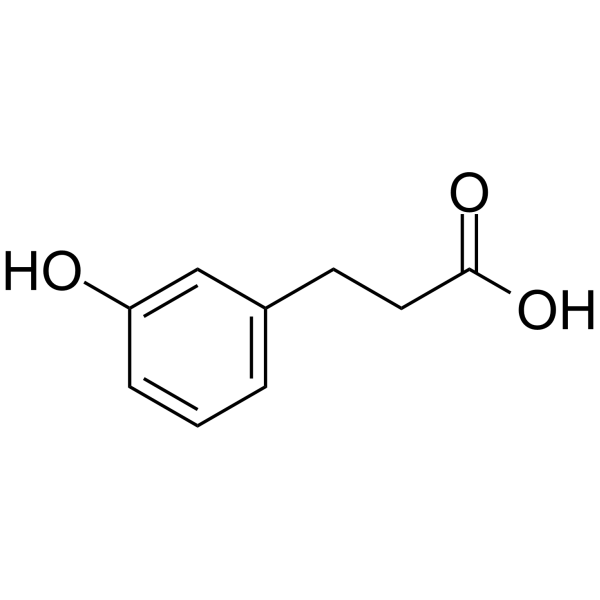
3-(3-Hydroxyphenyl)propionic acid (3HPPA) is an endothelium-dependent nitric oxide (NO) release promoter and endothelial nitric oxide synthase (eNOS) activator. 3-(3-Hydroxyphenyl)propionic acid activates eNOS to mediate vascular smooth muscle relaxation and enhances endothelial cell NO synthesis, inducing vasodilation and reducing peripheral vascular resistance. 3-(3-Hydroxyphenyl)propionic acid can dose-dependently reduce systolic and diastolic blood pressure in spontaneously hypertensive rats (SHR) without affecting cardiac contractility or heart rate. 3-(3-Hydroxyphenyl)propionic acid has antihypertensive and vascular protective effects and can be used in the prevention and treatment of cardiovascular diseases .
|
-
-
- HY-113371
-
|
Methylcitric acid
|
Endogenous Metabolite
|
Metabolic Disease
|
|
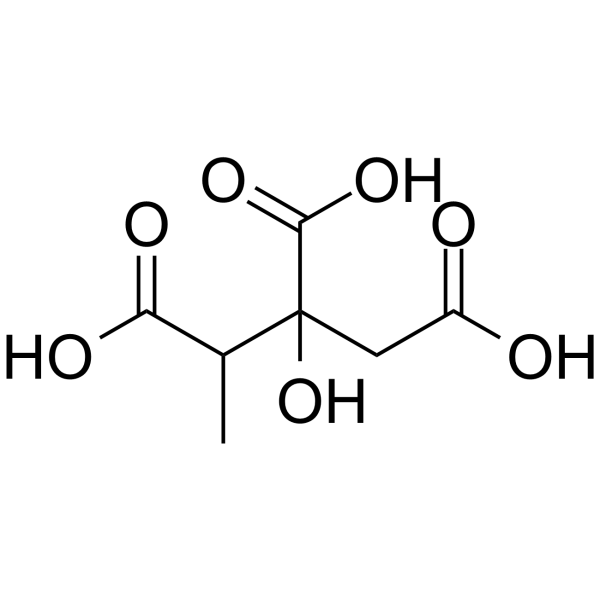
2-Methylcitric acid (Methylcitric acid) is an endogenous metabolite in the 2-methylcitric acid cycle. 2-Methylcitric acid accumulates in methylmalonic and propionic acidemias and acts as a marker metabolite. 2-Methylcitric acid markedly inhibits ADP-stimulated and uncoupled respiration in mitochondria supported by glutamate .
|
-
-
- HY-134424
-
|
|
Endogenous Metabolite
|
Metabolic Disease
|
|
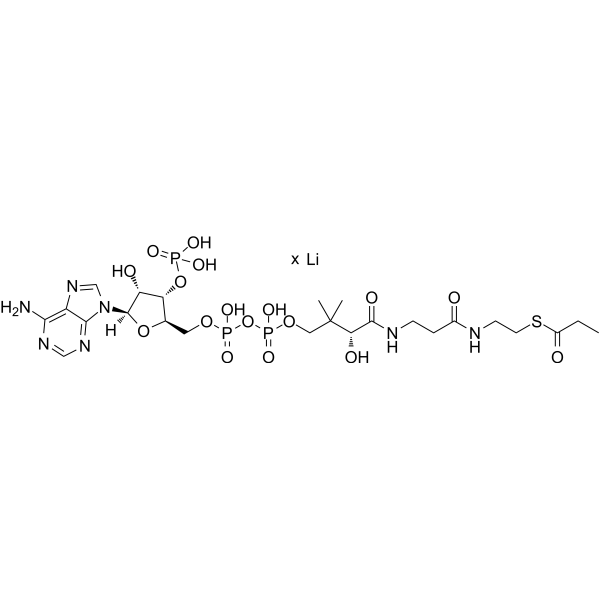
Propionyl coenzyme A lithium, a coenzyme A derivative of propionic acid, is an important metabolic intermediate formed by the thioester bond between coenzyme A and propionic acid. The breakdown and production of Propionyl coenzyme A lithim is important for the metabolism of organisms .
|
-
-
- HY-140118
-
|
|
ADC Linker
|
Cancer
|
|
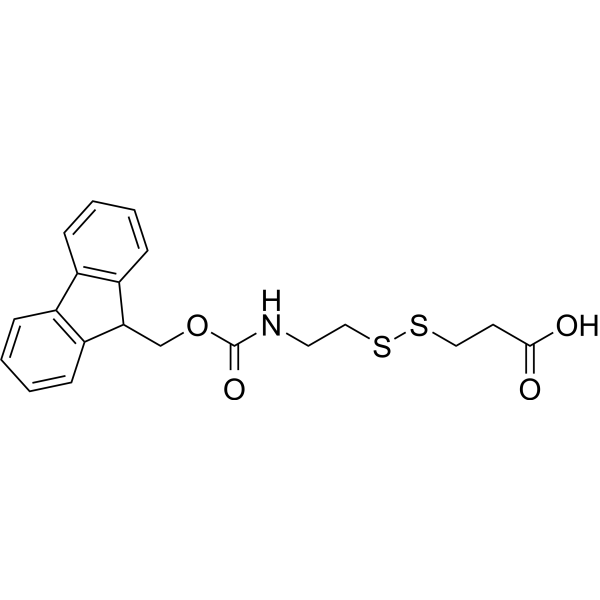
Fmoc-NH-ethyl-SS-propionic acid is a cleavable ADC linker used in the synthesis of antibody-drug conjugates (ADCs) .
|
-
-
- HY-113285
-
|
3-Ureidopropionic acid
|
Oxidative Phosphorylation
|
Metabolic Disease
|
|
Ureidopropionic acid is a mitochondrial respiratory chain complex V inhibitor that selectively inhibits the activity of mitochondrial respiratory chain complex V, with no effect on respiratory chain complexes I-IV or mitochondrial fatty acid β-oxidation. Ureidopropionic acid induces the production of reactive oxygen species, delayed elevation of intracellular calcium concentration, secondary energy-dependent excitotoxicity and neurodegeneration in neurons. Ureidopropionic acid promotes neuropathological changes by impairing mitochondrial energy metabolism, oxidative stress and excitotoxicity pathways. Ureidopropionic acid can be used in studies related to 3-ureidopropionase deficiency and severe propionic aciduria .
|
-
-
- HY-101401
-
-
-
- HY-130426
-
|
Mal-PEG3-acid
|
ADC Linker
PROTAC Linkers
|
Cancer
|
|
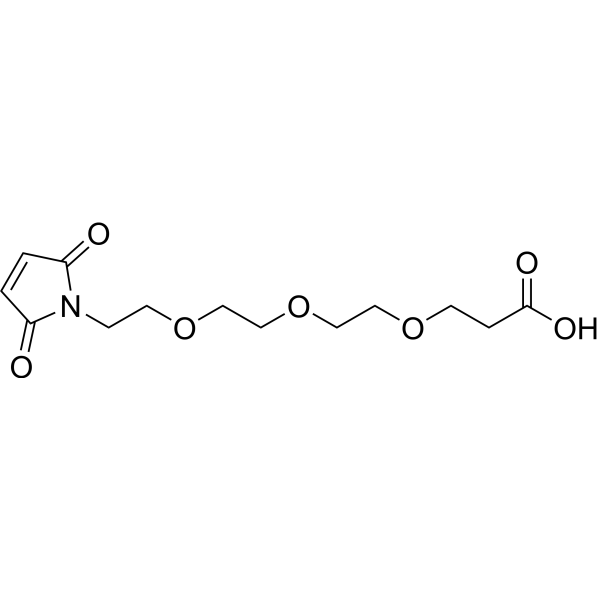
Maleimido-tri(ethylene glycol)-propionic acid is a cleavable ADC linker used in the synthesis of antibody-drug conjugates (ADCs). Maleimido-tri(ethylene glycol)-propionic acid is used for the preparation of neolymphostin-based ADC precursors for site-specific cysteine mutant trastuzumab-A114C conjugation . Maleimido-tri(ethylene glycol)-propionic acid also can be used as a PEG-based PROTAC linker that can be used in the synthesis of PROTACs.
|
-
-
- HY-U00190
-
|
RD20000
|
Bacterial
|
Inflammation/Immunology
|
|
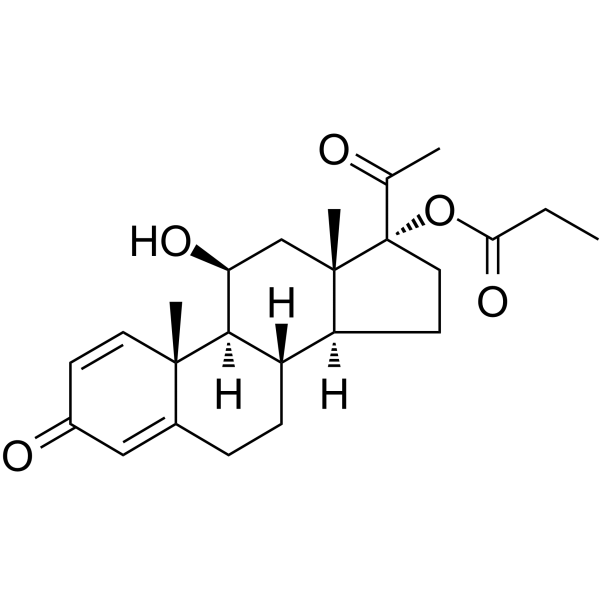
Deprodone propionate (RD20000) is a corticosteroid which is obtained by esterifying with propionic acid the 17-position of the prednisolone skeleton and deoxidating its 21-position.
|
-
-
- HY-113158
-
|
|
Drug Metabolite
|
Metabolic Disease
|
|
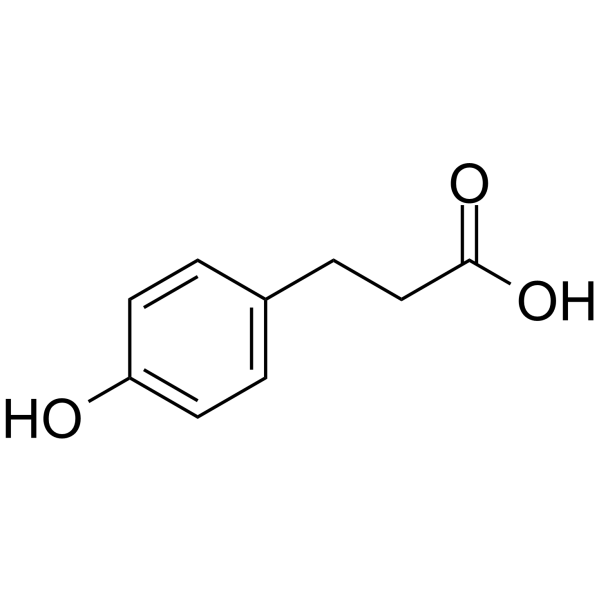
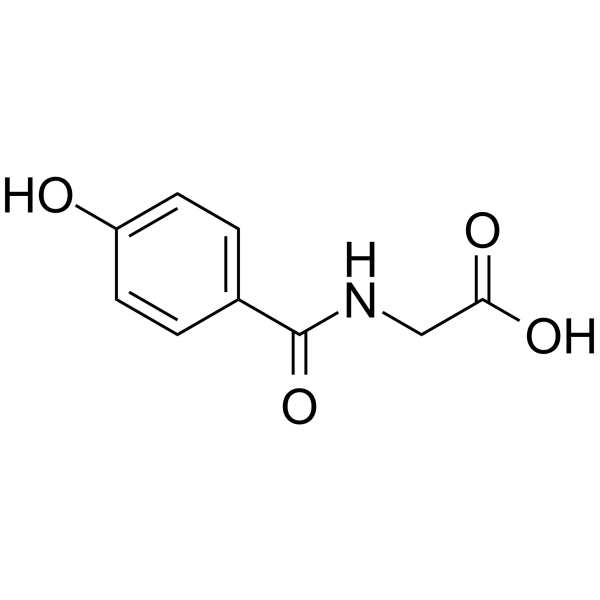
4-Hydroxyhippuric acid is a metabolite of polyphenols. 4-Hydroxyhippuric acid is generated via medium-chain acyl-CoA dehydrogenase (MCAD)-dependent β-oxidation of microbially-produced 3-(4-hydroxyphenyl)propionic acid, followed by host glycine conjugation. 4-Hydroxyhippuric acid can be simultaneously detected in urine as a biomarker of dietary polyphenol intake .
|
-
-
- HY-W016482
-
-
-
- HY-136166
-
-
-
- HY-W013976
-
|
|
Biochemical Assay Reagents
|
Others
|
|
3-(Acetylthio)propionic acid N-succinimidyl ester is a biochemical reagent that can be used as a biological material or organic compound for life science related research.
|
-
-
- HY-103228
-
|
LY300168 hydrochloride
|
iGluR
|
Neurological Disease
|
|
GYKI 53655 (LY300168) hydrochloride is an α-amino-3-hydroxy-5-methylisoxazole-4-propionic acid (AMPA) antagonist.
|
-
-
- HY-B2013
-
-
-
- HY-W105506
-
|
s,s-Dimethyl-β-propionic acid thetine
|
Drug Intermediate
|
Others
|
|
Dimethylpropiothetin hydrochloride is a dimethylsulfide precursor. Dimethylpropiothetin hydrochloride can be isolated from the marine coccolithophore Hymenomonas carterae. Dimethylpropiothetin hydrochloride participates in the maintenance of cellular osmotic pressure .
|
-
-
- HY-159509
-
|
Claziprotamide; BBP-671
|
PANK
|
Neurological Disease
Metabolic Disease
|
|
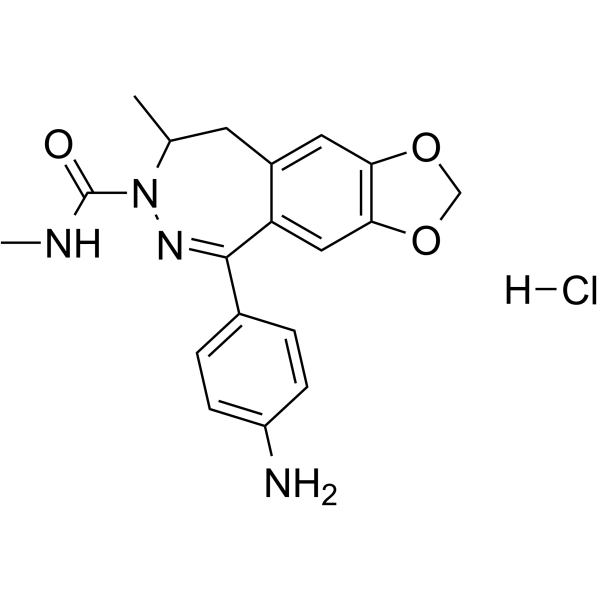
Claziprotamidum (Claziprotamide; BBP-671) is a panthothenate kinase (PANK) activator with oral activity and blood-brain barrier permeability. Claziprotamidum binds to and activates all PANK isoforms, with the highest affinity for PANK3 (KD = 97 pM; IC50 = 1.39 nM). Claziprotamidum increases the intracellular biosynthesis of Coenzyme A (HY-128851) and restores mitochondrial function. Claziprotamidum can be used in the research of pantothenate kinase-associated neurodegeneration and propionic acidemia .
|
-
-
- HY-140096
-
|
|
ADC Linker
|
Cancer
|
|
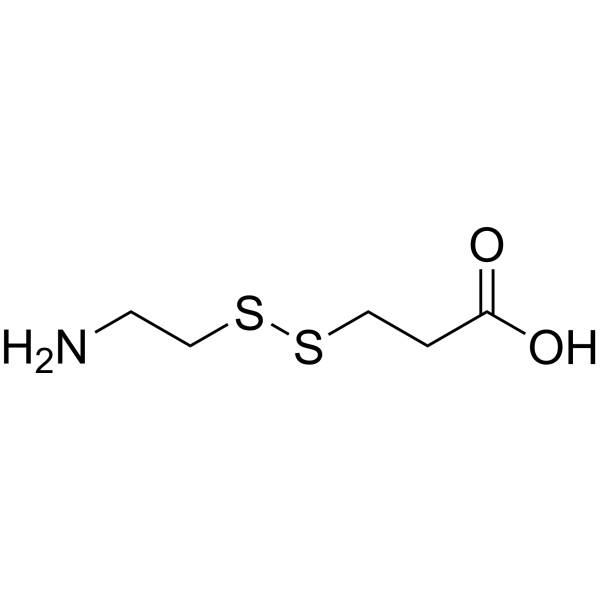
Aminoethyl-SS-propionic acid is a cleavable ADC linker used in the synthesis of antibody-drug conjugates (ADCs) .
|
-
-
- HY-W003499
-
-
-
- HY-W067425
-
|
|
Endogenous Metabolite
|
Metabolic Disease
|
|
2-(4-Hydroxyphenyl)propionic acid (Compound 1) is an aromatic carboxylic acid, which can be converted into its R and S glucosyl esters and glucosides by root culture of P. ginseng (Pg-1) .
|
-
-
- HY-15072
-
|
YM 872
|
iGluR
|
Metabolic Disease
|
|
Zonampanel (YM 872) is a selective antagonist of the glutamate receptor subtype, α-amino-3-hydroxy-5-methylisoxazole-4-propionic acid (AMPA) receptor.
|
-
-
- HY-W015229R
-
|
Indole-3-propionic acid (Standard); 3-IPA (Standard)
|
Reference Standards
Endogenous Metabolite
Reactive Oxygen Species (ROS)
|
Neurological Disease
Metabolic Disease
|
|
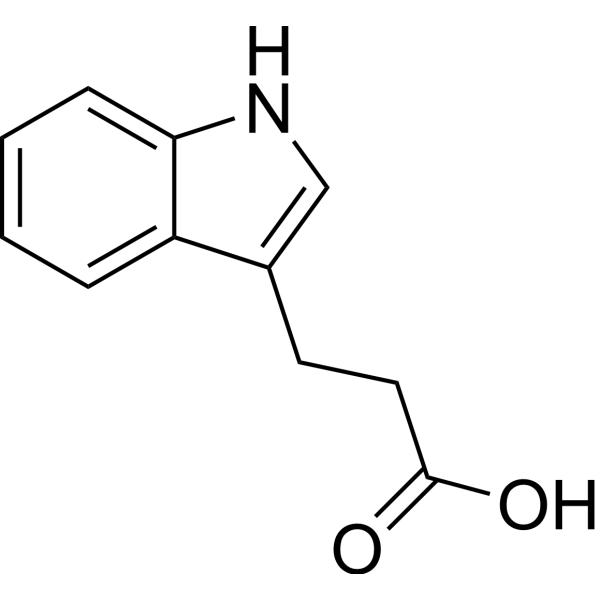
3-Indolepropionic acid (Standard) is the analytical standard of 3-Indolepropionic acid. This product is intended for research and analytical applications. 3-Indolepropionic acid is shown to be a powerful antioxidant and has potential in the treatment for Alzheimer’s disease.
In Vitro: 3-Indolepropionic acid is shown to be a powerful antioxidant and has potential in the treatment for Alzheimer’s disease . 3-Indolepropionic acid is a more potent scavenger of hydroxyl radicals than melatonin. Similar to melatonin but unlike other antioxidants, 3-Indolepropionic acid scavenges radicals without subsequently generating reactive and pro-oxidant intermediate compounds . It is also suggested that indolepropionic acid, a gut microbiota-produced metabolite, is a potential biomarker for the development of type 2 diabetes (T2D) that may mediate its protective effect by preservation of β-cell function .
|
-
-
- HY-130560
-
|
|
PROTAC Linkers
|
Cancer
|
|
Biotin-PEG3-propionic hydrazide is a PEG-based PROTAC linker can be used in the synthesis of PROTAC.
|
-
-
- HY-140120
-
|
|
ADC Linker
|
Cancer
|
|
Mal-NH-ethyl-SS-propionic acid is a cleavable ADC linker used in the synthesis of antibody-drug conjugates (ADCs) .
|
-
-
- HY-113371A
-
|
Methylcitric acid trisodium
|
Endogenous Metabolite
|
Metabolic Disease
|
|
2-Methylcitric acid trisodium (Methylcitric acid trisodium) is an endogenous metabolite in the 2-methylcitric acid cycle. 2-Methylcitric acid trisodium accumulates in methylmalonic and propionic acidemias and acts as a marker metabolite. 2-Methylcitric acid trisodium markedly inhibits ADP-stimulated and uncoupled respiration in mitochondria supported by glutamate .
|
-
-
- HY-164909
-
|
|
PANK
|
Inflammation/Immunology
|
|
PZ-3022 is an orally active and allosteric PanK activator that counteracts C3-CoA inhibition. PZ-3022 increases hepatic CoASH and C2-CoA and decreases C3-CoA in the propionic acidemia mouse model. PZ-3022 can be used for research of mitochondrial defect in propionic acidemia .
|
-
-
- HY-34519
-
|
L-Tyrosine tert-butyl ester; tert-Butyl (S)-2-amino-3-(4-hydroxyphenyl)propanoate; tert-Butyl L-tyrosinate
|
Amino Acid Derivatives
|
Others
|
|
(S)-2-Amino-3-(4-hydroxyphenyl)propionic acid tert-butyl ester is a tyrosine derivative .
|
-
-
- HY-B1580
-
-
-
- HY-113406
-
|
DL-Hexanoylcarnitine
|
Others
|
Inflammation/Immunology
|
|
(±)-Hexanoylcarnitine exists in human urine and plasma. (±)-Hexanoylcarnitine can be used as a plasma detection indicator in patients with methylmalonic aciduria, propionic acidemia, and medium-chain acyl-CoA dehydrogenase deficiency .
|
-
-
- HY-W121901
-
|
(S)-Naproxen-β-D-glucuronide
|
COX
|
Inflammation/Immunology
|
|
Naproxen glucuronide ((S)-Naproxen-β-D-glucuronide) is a non-selective COX inhibitor. Naproxen glucuronide, a metabolite of naproxen, is a nonsteroidal anti-inflammatory drug (NSAID) of the propionic acid class (the same as ibuprofen) that relieves pain, fever, swelling, and stiffness .
|
-
-
- HY-113371S
-
|
Methylcitric acid-d3
|
Endogenous Metabolite
|
Metabolic Disease
|
|
2-Methylcitric acid-d3 is the deuterium labeled 2-Methylcitric acid. 2-Methylcitric acid (Methylcitric acid) is an endogenous metabolite in the 2-methylcitric acid cycle. 2-Methylcitric acid accumulates in methylmalonic and propionic acidemias and acts as a marker metabolite. 2-Methylcitric acid markedly inhibits ADP-stimulated and uncoupled respiration in mitochondria supported by glutamate .
|
-
-
- HY-Y1088S2
-
|
3-Phenylpropionic acid-d9; 3-Phenylpropanoic acid-d9; 3-Phenyl-n-propionic acid-d9
|
Endogenous Metabolite
|
Others
|
|
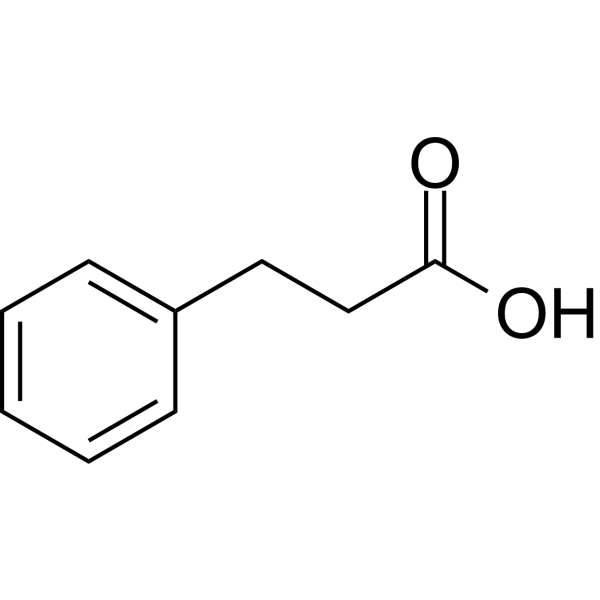
Hydrocinnamic acid-d9 is the deuterium labeled Hydrocinnamic acid . Hydrocinnamic acid is the major rhizospheric compound with known growth regulatory activitie s.
|
-
-
- HY-W018722
-
|
|
PROTAC Linkers
|
Cancer
|
|
3-(4-Aminophenyl)propionic acid is a PROTAC linker that can be used in the synthesis of PROTACs.
|
-
-
- HY-78701
-
|
|
PROTAC Linkers
|
Cancer
|
|
3-(4-Bromobenzoyl)propionic acid is a PROTAC linker that can be used in the synthesis of PROTACs.
|
-
-
- HY-140116
-
|
|
ADC Linker
|
Cancer
|
|
Boc-NH-ethyl-SS-propionic acid is a cleavable ADC linker used in the synthesis of antibody-drug conjugates (ADCs) .
|
-
-
- HY-N10914
-
|
|
Others
|
Others
|
|
2-(2'-Hydroxy-4'-methylphenyl)propionic acid is an active compound .
|
-
-
- HY-140102
-
|
|
ADC Linker
|
Cancer
|
|
Azidoethyl-SS-propionic NHS ester is a cleavable ADC linker used in the synthesis of antibody-drug conjugates (ADCs) . Azidoethyl-SS-propionic NHS ester is a click chemistry reagent, it contains an Azide group and can undergo copper-catalyzed azide-alkyne cycloaddition reaction (CuAAc) with molecules containing Alkyne groups. It can also undergo strain-promoted alkyne-azide cycloaddition (SPAAC) reactions with molecules containing DBCO or BCN groups.
|
-
-
- HY-41638
-
|
|
Drug Intermediate
|
Others
|
|
2-Acetylamino-3-(2-quinolon-4-yl)propionic acid is a drug intermediate for synthesis of various active compounds.
|
-
-
- HY-133651
-
|
|
Fungal
|
Infection
|
|
2,2-Dibromopropanoic acid is a dibromo product based on propionic acid. Propionic acid is a short chain fatty acid and acts as chemical intermediate. Propionic acid is also a mold inhibitor and widely used in food preservative .
|
-
-
- HY-126892
-
|
|
PROTAC Linkers
ADC Linker
|
Cancer
|
|
Bis-PEG7-acid is a PEG-based PROTAC linker can be used in the synthesis of PROTACs. Bis-PEG6-propionic acid is a cleavable ADC linker used in the synthesis of antibody-drug conjugates (ADCs) .
|
-
-
- HY-W105506S
-
|
s,s-Dimethyl-β-propionic acid thetine-d6
|
Isotope-Labeled Compounds
|
Others
|
|
(2-Carboxyethyl)dimethylsulfonium-d6 chloride is the deuterium labeled (2-Carboxyethyl)dimethylsulfonium chloride .
|
-
-
- HY-Y1088S3
-
|
3-Phenylpropionic acid-d5; 3-Phenylpropanoic acid-d5; 3-Phenyl-n-propionic acid-d5
|
Endogenous Metabolite
|
Others
|
|
Hydrocinnamic acid-d5 is the deuterium labeled Hydrocinnamic acid . Hydrocinnamic acid is the major rhizospheric compound with known growth regulatory activities .
|
-
-
- HY-130981
-
-
-
- HY-N2926
-
|
|
Parasite
|
Infection
|
|
β-Carboline-1-propionic acid is a alkaloid which can be extracted from Ailanthus altissima. β-Carboline-1-propionic acid can be used as an antileishmanial agent .
|
-
-
- HY-N7173
-
|
|
Parasite
|
Infection
|
|
7-Methoxy-β-carboline-1-propionic acid (compound 46) is a cytotoxic and antimalarial compound. 7-Methoxy-β-carboline-1-propionic acid can be extracted from the roots of Eurycoma longifolia .
|
-
-
- HY-W045271R
-
-
-
- HY-136141
-
|
|
ADC Linker
|
Cancer
|
|
DBCO-PEG3-propionic EVCit-PAB is a cleavable 3 unit PEG ADC linker used in the synthesis of antibody-drug conjugates (ADCs) . DBCO-PEG3-propionic EVCit-PAB is a click chemistry reagent, it contains a DBCO group that can undergo strain-promoted alkyne-azide cycloaddition (SPAAC) with molecules containing Azide groups.
|
-
- HY-140100
-
|
|
ADC Linker
|
Cancer
|
|
Azidoethyl-SS-propionic acid is a cleavable ADC linker used in the synthesis of antibody-drug conjugates (ADCs) . Azidoethyl-SS-propionic acid is a click chemistry reagent, it contains an Azide group and can undergo copper-catalyzed azide-alkyne cycloaddition reaction (CuAAc) with molecules containing Alkyne groups. It can also undergo strain-promoted alkyne-azide cycloaddition (SPAAC) reactions with molecules containing DBCO or BCN groups.
|
-
- HY-136165
-
|
|
E3 Ligase Ligand-Linker Conjugates
|
Cancer
|
|
(S,R,S)-AHPC-PEG3-propionic acid is a synthesized E3 ligase ligand-linker conjugate that incorporates the (S,R,S)-AHPC based VHL ligand and 3-unit PEG linker used in PROTAC technology .
|
-
- HY-140119
-
|
|
ADC Linker
|
Cancer
|
|
Fmoc-NH-ethyl-SS-propionic NHS ester is a cleavable ADC linker used in the synthesis of antibody-drug conjugates (ADCs) .
|
-
- HY-P1162
-
-
- HY-136103
-
|
|
ADC Linker
|
Cancer
|
|
DBCO-PEG4-Propionic-Val-Cit-PAB is a cleavable 4 unit PEG ADC linker used in the synthesis of antibody-drug conjugates (ADCs) . DBCO-PEG4-Propionic-Val-Cit-PAB is a click chemistry reagent, it contains a DBCO group that can undergo strain-promoted alkyne-azide cycloaddition (SPAAC) with molecules containing Azide groups.
|
-
- HY-79288
-
|
(S)-2-[(tert-Butoxycarbonyl)amino]-3-(3-fluorophenyl)propionic acid; tert-Butoxycarbonyl-L-3-fluorophenylalanine
|
Amino Acid Derivatives
|
Others
|
|
(2S)-2-[(tert-Butoxycarbonyl)amino]-3-(3-fluorophenyl)propionic acid is a phenylalanine derivative .
|
-
- HY-79165
-
-
- HY-Y1088R
-
|
3-Phenylpropionic acid (Standard); 3-Phenylpropanoic acid (Standard); 3-Phenyl-n-propionic acid (Standard)
|
Reference Standards
Endogenous Metabolite
|
Others
|
|
Hydrocinnamic acid (Standard) is the analytical standard of Hydrocinnamic acid. This product is intended for research and analytical applications. Hydrocinnamic acid is the major rhizospheric compound with known growth regulatory activities.
|
-
- HY-178260
-
|
|
Drug-Linker Conjugates for ADC
|
Cancer
|
|
LM-D01 is a Drug-Linker Conjugates for ADC. LM-D01 consists of the ADC Cytotoxin Exatecan-3-amine (HY-178265) and a linker MC-GGFG-NH-CH2-O-propionic acid (HY-178266). LM-D01 can be used for synthesis of ADCs .
|
-
- HY-185104
-
|
|
LXR
|
Cardiovascular Disease
|
|
Ginsenoside C-K hexapropionate ester (Structure 2) is a selective agonist of LXRα, with no significant activation effect on LXRβ. Ginsenoside C-K hexapropionate ester upregulates the expression of downstream genes such as ABCA1 by activating LXRα, promoting reverse cholesterol transport, and reducing lipid deposition in macrophage-derived foam cells. It can be used in the research of atherosclerosis. Ginsenoside C-K hexapropionate ester is a derivative synthesized from ginsenoside Compound K, an active metabolite of Panax notoginseng saponins, by modification with propionic anhydride .
|
-
- HY-P2595
-
|
|
Endogenous Metabolite
|
Cardiovascular Disease
|
|
SKF 103784 is an vasopressin antagonist with activity against vasopressin. SKF 103784 inhibits the physiological response caused by antidiuretic and is therefore used to study biological processes related to water and salt balance. SKF 103784 can also be used to explore pathological mechanisms related to cardiovascular diseases and endocrine dysfunction .
|
-
- HY-D1743
-
-
- HY-157198
-
-
- HY-163010
-
|
|
Biochemical Assay Reagents
|
Others
|
|
Dicamba-propionic acid (DCa3) is a heterologous hapten that can be used to develop high-affinity monoclonal antibodies (mAb) against Dicamba. The Dicamba-propionic acid- developed mAb can be used to determine the residual amount of Dicamba in environmental water samples .
|
-
- HY-101401R
-
|
3-Methylsulfanylpropionic acid (Standard)
|
Reference Standards
Fungal
Endogenous Metabolite
|
Cancer
|
|
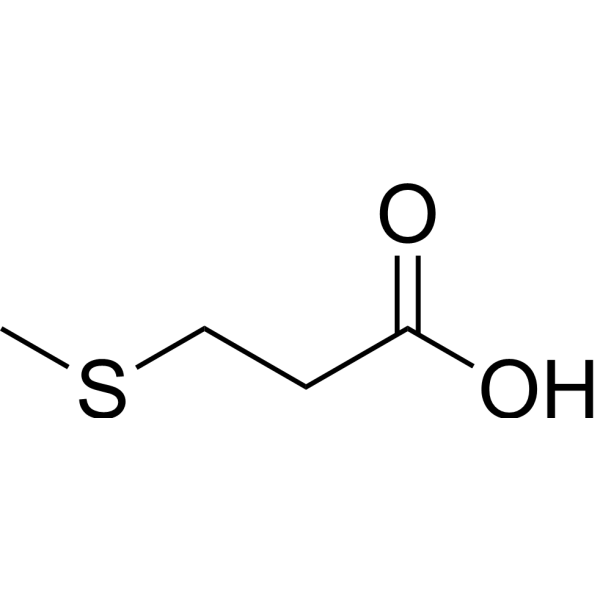
3-(Methylthio)propionic acid (Standard) is the analytical standard of 3-(Methylthio)propionic acid. This product is intended for research and analytical applications. 3-(Methylthio)propionic acid is an intermediate in the methionine metabolism.
|
-
- HY-W335576
-
-
- HY-W295865
-
|
|
PROTAC Linkers
|
Cancer
|
|
3-Benzyloxy-propionic acid methyl ester is a PROTAC linker that can be used in the synthesis of PROTACs.
|
-
- HY-144418S
-
-
- HY-132083
-
|
|
PROTAC Linkers
|
Cancer
|
|
Hydroxy-PEG2-CH2CH2COO-PEG2-propionic acid is a PEG-based PROTAC linker that can be used in the synthesis of PROTACs .
|
-
- HY-W345015
-
|
|
Drug Intermediate
|
Others
|
|
2-Methyl-3-pyrimidin-2-yl-propionic acid is a synthetic intermediate useful for pharmaceutical synthesis.
|
-
- HY-178266
-
|
|
ADC Linker
|
Cancer
|
|
MC-GGFG-NH-CH2-O-propionic acid is a ADC linker that can be used in the synthesis of LM-D01 (HY-178260) .
|
-
- HY-W105506R
-
|
s,s-Dimethyl-β-propionic acid thetine (Standard)
|
Reference Standards
Endogenous Metabolite
|
Others
|
|
Dimethylpropiothetin hydrochloride (Standard) is the analytical standard of Dimethylpropiothetin hydrochloride. This product is intended for research and analytical applications. Dimethylpropiothetin hydrochloride (s,s-Dimethyl-β-propionic acid thetine) is the hydrochloride form of dimethylpropiothetin. Dimethylpropiothetin can be isolated in marine algae, and is a precursor to dimethylsulfide (DMS). Dimethylpropiothetin is involved in osmoregulation in Hymenomonas carterae .
|
-
- HY-W005255R
-
|
|
Reference Standards
Endogenous Metabolite
|
Cardiovascular Disease
|
|
Citrinin (Standard) is the analytical standard of Citrinin. This product is intended for research and analytical applications. Citrinin (NSC 186) is a mycotoxin that causes food contamination and has different toxic effects. Citrinin is an effective oral anticancer agent. Citrinin has various regulatory effects on mouse immune system, including regulating the number of immune cells, inducing apoptosis and autophagy of immune cells, altering toll-like receptor expression and cytokine production. Citrinin can induce oxidative stress and lead to early apoptosis of oocytes. Low doses of Citrinin have neuroprotective effects against glutamate-induced excitotoxicity in rat cortical neurons. In addition, Citrinin also has antibacterial activity .
|
-
- HY-12385
-
|
|
TNF Receptor
|
Inflammation/Immunology
|
|
Ximoprofen is a propionic nonsteroidal anti-inflammatory drug (NSAID) with anti-inflammatory property. Ximoprofen can be used for ankylosing spondylitis research .
|
-
- HY-W015346R
-
|
3-(4-Hydroxyphenyl)propionic acid (Standard)
|
Reference Standards
Influenza Virus
Endogenous Metabolite
|
Infection
|
|
Apronal (Standard) is the analytical standard of Apronal. This product is intended for research and analytical applications. Apronal (Allylisopropylacetylurea, Apronalide) can bu used for the research of neuropsychiatry disorders.
|
-
- HY-W725327
-
|
1,2-Dipropionyl-sn-glycero-3-Phosphatidylcholine; 1,2-Dipropionyl-sn-glycero-3-Phosphocholine; PC(3:0/3:0)
|
Endogenous Metabolite
|
Metabolic Disease
|
|
1,2-Dipropionyl-sn-glycero-3-PC is a phospholipid containing propionic acid at the sn-1 and sn-2 positions. It has been used to study the interaction between water and the phosphocholine headgroup in aqueous solutions.
|
-
- HY-130876
-
|
Thiol-PEG10-propionic acid
|
PROTAC Linkers
|
Cancer
|
|
HS-PEG10-CH2CH2COOH is a PEG-based PROTAC linker that can be used in the synthesis of PROTACs .
|
-
- HY-130875
-
|
Thiol-PEG9-propionic acid
|
PROTAC Linkers
|
Cancer
|
|
HS-PEG9-CH2CH2COOH is a PEG-based PROTAC linker that can be used in the synthesis of PROTACs .
|
-
- HY-130874
-
|
Thiol-PEG7-propionic acid
|
PROTAC Linkers
|
Cancer
|
|
HS-PEG7-CH2CH2COOH is a PEG-based PROTAC linker that can be used in the synthesis of PROTACs .
|
-
- HY-113158R
-
|
|
Reference Standards
Drug Metabolite
|
Metabolic Disease
|
|
4-Hydroxyhippuric acid (Standard) is the analytical standard of 4-Hydroxyhippuric acid (HY-113158). This product is intended for research and analytical applications. 4-Hydroxyhippuric acid is a metabolite of polyphenols. 4-Hydroxyhippuric acid is generated via medium-chain acyl-CoA dehydrogenase (MCAD)-dependent β-oxidation of microbially-produced 3-(4-hydroxyphenyl)propionic acid, followed by host glycine conjugation. 4-Hydroxyhippuric acid can be simultaneously detected in urine as a biomarker of dietary polyphenol intake .
|
-
- HY-W014871
-
-
- HY-Z8122
-
|
Famotidine propionic acid
|
Drug Intermediate
|
Others
|
|
Famotidine impurity 8 (Famotidine propionic acid) is an impurity of Famotidine.
|
-
- HY-W212902
-
|
|
Drug Intermediate
|
Others
|
|
2-Pyrimidin-2-yl-propionic acid is a synthetic intermediate useful for pharmaceutical synthesis.
|
-
- HY-W016482R
-
-
- HY-W088026R
-
|
4-Oxo-4-(p-tolyl)butanoic acid (Standard)
|
Reference Standards
|
|
|
3-(4-Methylbenzoyl)propionic acid (Standard) is the analytical standard of 3-(4-Methylbenzoyl)propionic acid. This product is intended for research and analytical applications.
|
-
- HY-41638R
-
|
|
Reference Standards
|
|
|
2-Acetylamino-3-(2-quinolon-4-yl)propionic acid (Standard) is the analytical standard of 2-Acetylamino-3-(2-quinolon-4-yl)propionic acid. This product is intended for research and analytical applications.
|
-
- HY-W190907
-
|
|
Biochemical Assay Reagents
|
Others
|
|
Trifluoroacetamidoethyl-SS-propionic NHS ester is a cleavable linker containing an NHS ester. The NHS ester can be used to label the primary amines (-NH2) of proteins, amine-modified oligonucleotides, and other amine-containing molecules. The disulfide bond can be cleaved under reduction conditions.
|
-
- HY-151084S
-
-
- HY-186157
-
|
|
Drug Intermediate
|
Others
|
|
(R,R)-Ester-amine-C16-oxaliplatin-ester-propionic acid (compound 5) is a pharmaceutical intermediate that can be used for the synthesis of the Furoxans-Oxaliplatin (HY-17371) conjugate .
|
-
- HY-W008157R
-
|
S-3,4-Dimethoxyphenylalanine (Standard)
|
Reference Standards
|
|
|
(S)-2-Amino-3-(3,4-dimethoxyphenyl)propionic acid (Standard) is the analytical standard of (S)-2-Amino-3-(3,4-dimethoxyphenyl)propionic acid. This product is intended for research and analytical applications.
|
-
- HY-W143044
-
|
|
Biochemical Assay Reagents
|
Others
|
|
(R)-3-Amino-3-(2-fluoro-phenyl)-propionic acid is a non-proteinogenic amino acid that plays a role in the biosynthesis of various important molecules in organisms .
|
-
- HY-W350804
-
|
|
Drug Intermediate
|
Others
|
|
3-Pyrimidin-2-yl-2-pyrimidin-2-ylmethyl-propionic acid is a synthetic intermediate useful for pharmaceutical synthesis.
|
-
- HY-W800632
-
|
|
Biochemical Assay Reagents
|
Others
|
|
4-Azide-TFP-Amide-SS-propionic acid contains an aryl azide, a cleavable disulfide bond, and a carboxylic acid. The aryl azide can be photo-activated with UV light (250 to 350 nm) for conjugation with biomolecules. Fluoro helps to stabilize the free radical intermediate. The carboxylic acid can be reacted with amines in the presence of an activator to form an amide bond. The disulfide bond can be cleaved via reducing agents.
|
-
- HY-W015346S
-
|
3-(4-Hydroxyphenyl)propionic acidd-d8
|
Isotope-Labeled Compounds
Influenza Virus
Endogenous Metabolite
|
Infection
|
|
Desaminotyrosine-d8 (3-(4-Hydroxyphenyl)propionic acid-d8) is the deuterium labeled Desaminotyrosine (HY-W015346). Desaminotyrosine is a microbially associated metabolite protecting from influenza through augmentation of type I interferon signaling.
|
-
- HY-W039699
-
|
2-(4-Methylphenyl)propionic acid
|
COX
Bacterial
Drug Intermediate
|
Infection
|
|
2-(p-Tolyl) propanoic acid (2-(4-methylphenyl) propionic acid) acts as an Antimicrobial agent intermediate. 2-(p-Tolyl) propanoic acid inhibits COX-1 and COX-2 enzymes, with IC50 values of 38.23 μM and 64.30 μM, respectively. 2-(p-Tolyl) propanoic acid is applicable to research on E. coli, Enterococcus faecalis, Listeria monocytogenes, and Staphylococcus aureus .
|
-
- HY-103228R
-
|
LY300168 hydrochloride (Standard)
|
Reference Standards
iGluR
|
Neurological Disease
|
|
GYKI 53655 hydrochloride (Standard) is the analytical standard of GYKI 53655 hydrochloride (HY-103228). This product is intended for research and analytical applications. GYKI 53655 (LY300168) hydrochloride is an α-amino-3-hydroxy-5-methylisoxazole-4-propionic acid (AMPA) antagonist.
|
-
- HY-174937
-
|
DNP-PEG3-COOH
|
Biochemical Assay Reagents
|
Others
|
|
DNP-PEG3-acid (DNP-PEG3-COOH) is a compound composed of 2,4-dinitroaniline (DNP), three PEG units, and propionic acid, which can be used for drug delivery.
|
-
- HY-E70913
-
|
|
Endogenous Metabolite
|
Metabolic Disease
|
|
Phosphotransacetylase, Bacillus subtilis (EC 2.3.1.8), converts coenzyme A to acetyl-CoA. Phosphotransacetylase is an acyltransferase that transfers groups other than aminoacyl groups. Phosphotransacetylase participates in three metabolic pathways: taurine and hypoturine metabolism, pyruvate metabolism, and propionic acid metabolism.
|
-
- HY-E70913B
-
|
|
Biochemical Assay Reagents
|
Metabolic Disease
|
|
Phosphotransacetylase, Leuconostoc mesenteroides (EC 2.3.1.8) converts coenzyme A to acetyl-CoA. Phosphotransacetylase, Leuconostoc mesenteroides (EC 2.3.1.8) belongs to the transtransferase family and participates in three metabolic pathways: taurine and linolenic acid metabolism, pyruvate metabolism, and propionic acid metabolism.
|
-
- HY-E70913A
-
|
|
Biochemical Assay Reagents
|
Metabolic Disease
|
|
Phosphotransacetylase, Bacillus stearothermophilus (EC 2.3.1.8) converts coenzyme A to acetyl-CoA. Phosphotransacetylase, Bacillus stearothermophilus (EC 2.3.1.8) belongs to the transtransferase family and participates in three metabolic pathways: taurine and linolenic acid metabolism, pyruvate metabolism, and propionic acid metabolism.
|
-
- HY-Y1088S
-
|
3-Phenylpropionic acid-2,3-13C2; 3-Phenylpropanoic acid-2,3-13C2; 3-Phenyl-n-propionic acid-2,3-13C2
|
Isotope-Labeled Compounds
Endogenous Metabolite
|
Others
|
|
Hydrocinnamic acid-2,3- 13C2 is the 13C-labeled Hydrocinnamic acid. Hydrocinnamic acid is the major rhizospheric compound with known growth regulatory activities.
|
-
| Cat. No. |
Product Name |
Type |
| Cat. No. |
Product Name |
Type |
-
- HY-134424
-
|
|
Biochemical Assay Reagents
|
|
Propionyl coenzyme A lithium, a coenzyme A derivative of propionic acid, is an important metabolic intermediate formed by the thioester bond between coenzyme A and propionic acid. The breakdown and production of Propionyl coenzyme A lithim is important for the metabolism of organisms .
|
-
- HY-B1580
-
|
propionic acid calcium
|
Biochemical Assay Reagents
|
|
Calcium propionate is an orally active auxiliary agent for preventing milk fever and improving the health of dairy cows. Calcium propionate can be used for research on dairy cow milk fever and subclinical hypocalcemia .
|
-
- HY-W143044
-
|
|
Biochemical Assay Reagents
|
|
(R)-3-Amino-3-(2-fluoro-phenyl)-propionic acid is a non-proteinogenic amino acid that plays a role in the biosynthesis of various important molecules in organisms .
|
-
- HY-174937
-
|
DNP-PEG3-COOH
|
Biochemical Assay Reagents
|
|
DNP-PEG3-acid (DNP-PEG3-COOH) is a compound composed of 2,4-dinitroaniline (DNP), three PEG units, and propionic acid, which can be used for drug delivery.
|
| Cat. No. |
Product Name |
Target |
Research Area |
-
- HY-W003499
-
-
- HY-34519
-
|
L-Tyrosine tert-butyl ester; tert-Butyl (S)-2-amino-3-(4-hydroxyphenyl)propanoate; tert-Butyl L-tyrosinate
|
Amino Acid Derivatives
|
Others
|
|
(S)-2-Amino-3-(4-hydroxyphenyl)propionic acid tert-butyl ester is a tyrosine derivative .
|
-
- HY-P1162
-
-
- HY-79288
-
|
(S)-2-[(tert-Butoxycarbonyl)amino]-3-(3-fluorophenyl)propionic acid; tert-Butoxycarbonyl-L-3-fluorophenylalanine
|
Amino Acid Derivatives
|
Others
|
|
(2S)-2-[(tert-Butoxycarbonyl)amino]-3-(3-fluorophenyl)propionic acid is a phenylalanine derivative .
|
-
- HY-79165
-
-
- HY-P2595
-
|
|
Endogenous Metabolite
|
Cardiovascular Disease
|
|
SKF 103784 is an vasopressin antagonist with activity against vasopressin. SKF 103784 inhibits the physiological response caused by antidiuretic and is therefore used to study biological processes related to water and salt balance. SKF 103784 can also be used to explore pathological mechanisms related to cardiovascular diseases and endocrine dysfunction .
|
| Cat. No. |
Product Name |
Category |
Target |
Chemical Structure |
-
- HY-W015229
-
-
-
- HY-W045271
-
-
-
- HY-W015346
-
-
-
- HY-Y1088
-
-
-
- HY-W005255
-
-
-
- HY-113371
-
-
-
- HY-113285
-
|
3-Ureidopropionic acid
|
Structural Classification
Classification of Application Fields
Ketones, Aldehydes, Acids
Other Diseases
Endogenous metabolite
Disease Research Fields
|
Oxidative Phosphorylation
|
|
Ureidopropionic acid is a mitochondrial respiratory chain complex V inhibitor that selectively inhibits the activity of mitochondrial respiratory chain complex V, with no effect on respiratory chain complexes I-IV or mitochondrial fatty acid β-oxidation. Ureidopropionic acid induces the production of reactive oxygen species, delayed elevation of intracellular calcium concentration, secondary energy-dependent excitotoxicity and neurodegeneration in neurons. Ureidopropionic acid promotes neuropathological changes by impairing mitochondrial energy metabolism, oxidative stress and excitotoxicity pathways. Ureidopropionic acid can be used in studies related to 3-ureidopropionase deficiency and severe propionic aciduria .
|
-
-
- HY-101401
-
-
-
- HY-113158
-
|
|
Immune System Disorder
Disease markers
Endogenous metabolite
|
Drug Metabolite
|
|
4-Hydroxyhippuric acid is a metabolite of polyphenols. 4-Hydroxyhippuric acid is generated via medium-chain acyl-CoA dehydrogenase (MCAD)-dependent β-oxidation of microbially-produced 3-(4-hydroxyphenyl)propionic acid, followed by host glycine conjugation. 4-Hydroxyhippuric acid can be simultaneously detected in urine as a biomarker of dietary polyphenol intake .
|
-
-
- HY-W016482
-
-
-
- HY-W105506
-
-
-
- HY-W015229R
-
|
Indole-3-propionic acid (Standard); 3-IPA (Standard)
|
Structural Classification
Human Gut Microbiota Metabolites
Microorganisms
Ketones, Aldehydes, Acids
Endogenous metabolite
Source Classification
|
Reference Standards
Endogenous Metabolite
Reactive Oxygen Species (ROS)
|
|
3-Indolepropionic acid (Standard) is the analytical standard of 3-Indolepropionic acid. This product is intended for research and analytical applications. 3-Indolepropionic acid is shown to be a powerful antioxidant and has potential in the treatment for Alzheimer’s disease.
In Vitro: 3-Indolepropionic acid is shown to be a powerful antioxidant and has potential in the treatment for Alzheimer’s disease . 3-Indolepropionic acid is a more potent scavenger of hydroxyl radicals than melatonin. Similar to melatonin but unlike other antioxidants, 3-Indolepropionic acid scavenges radicals without subsequently generating reactive and pro-oxidant intermediate compounds . It is also suggested that indolepropionic acid, a gut microbiota-produced metabolite, is a potential biomarker for the development of type 2 diabetes (T2D) that may mediate its protective effect by preservation of β-cell function .
|
-
-
- HY-113371A
-
-
-
- HY-113406
-
-
-
- HY-N10914
-
-
-
- HY-N2926
-
-
-
- HY-N7173
-
-
-
- HY-W045271R
-
-
-
- HY-Y1088R
-
-
-
- HY-101401R
-
-
-
- HY-W105506R
-
-
-
- HY-W005255R
-
|
|
Structural Classification
Monophenols
Microorganisms
Ketones, Aldehydes, Acids
Phenols
Endogenous metabolite
Source Classification
|
Reference Standards
Endogenous Metabolite
|
|
Citrinin (Standard) is the analytical standard of Citrinin. This product is intended for research and analytical applications. Citrinin (NSC 186) is a mycotoxin that causes food contamination and has different toxic effects. Citrinin is an effective oral anticancer agent. Citrinin has various regulatory effects on mouse immune system, including regulating the number of immune cells, inducing apoptosis and autophagy of immune cells, altering toll-like receptor expression and cytokine production. Citrinin can induce oxidative stress and lead to early apoptosis of oocytes. Low doses of Citrinin have neuroprotective effects against glutamate-induced excitotoxicity in rat cortical neurons. In addition, Citrinin also has antibacterial activity .
|
-
-
- HY-W015346R
-
-
-
- HY-113158R
-
|
|
Immune System Disorder
Disease markers
Endogenous metabolite
|
Reference Standards
Drug Metabolite
|
|
4-Hydroxyhippuric acid (Standard) is the analytical standard of 4-Hydroxyhippuric acid (HY-113158). This product is intended for research and analytical applications. 4-Hydroxyhippuric acid is a metabolite of polyphenols. 4-Hydroxyhippuric acid is generated via medium-chain acyl-CoA dehydrogenase (MCAD)-dependent β-oxidation of microbially-produced 3-(4-hydroxyphenyl)propionic acid, followed by host glycine conjugation. 4-Hydroxyhippuric acid can be simultaneously detected in urine as a biomarker of dietary polyphenol intake .
|
-
-
- HY-W016482R
-
-
| Cat. No. |
Product Name |
Chemical Structure |
-
- HY-113371S
-
|
|
|
2-Methylcitric acid-d3 is the deuterium labeled 2-Methylcitric acid. 2-Methylcitric acid (Methylcitric acid) is an endogenous metabolite in the 2-methylcitric acid cycle. 2-Methylcitric acid accumulates in methylmalonic and propionic acidemias and acts as a marker metabolite. 2-Methylcitric acid markedly inhibits ADP-stimulated and uncoupled respiration in mitochondria supported by glutamate .
|
-
-
- HY-Y1088S2
-
|
|
|
Hydrocinnamic acid-d9 is the deuterium labeled Hydrocinnamic acid . Hydrocinnamic acid is the major rhizospheric compound with known growth regulatory activitie s.
|
-
-
- HY-W105506S
-
|
|
|
(2-Carboxyethyl)dimethylsulfonium-d6 chloride is the deuterium labeled (2-Carboxyethyl)dimethylsulfonium chloride .
|
-
-
- HY-Y1088S3
-
|
|
|
Hydrocinnamic acid-d5 is the deuterium labeled Hydrocinnamic acid . Hydrocinnamic acid is the major rhizospheric compound with known growth regulatory activities .
|
-
-
- HY-144418S
-
|
|
|
DL-2-Amino-3-(hydroxy-amino)propionic acid- 15N is a 15N-labeled DL-2-Amino-3-(hydroxy-amino)propionic acid .
|
-
-
- HY-Y1088S
-
|
|
|
Hydrocinnamic acid-2,3- 13C2 is the 13C-labeled Hydrocinnamic acid. Hydrocinnamic acid is the major rhizospheric compound with known growth regulatory activities.
|
-
-
- HY-151084S
-
|
|
|
3-(3-Ethoxy-4-methoxyphenyl)propionic-2,2,3,3-d4 is the deuterium labeled 3-(3-Ethoxy-4-methoxyphenyl)propionic .
|
-
-
- HY-W015346S
-
|
|
|
Desaminotyrosine-d8 (3-(4-Hydroxyphenyl)propionic acid-d8) is the deuterium labeled Desaminotyrosine (HY-W015346). Desaminotyrosine is a microbially associated metabolite protecting from influenza through augmentation of type I interferon signaling.
|
-
| Cat. No. |
Product Name |
|
Classification |
-
- HY-140102
-
|
|
|
Azide
ADC Synthesis
|
|
Azidoethyl-SS-propionic NHS ester is a cleavable ADC linker used in the synthesis of antibody-drug conjugates (ADCs) . Azidoethyl-SS-propionic NHS ester is a click chemistry reagent, it contains an Azide group and can undergo copper-catalyzed azide-alkyne cycloaddition reaction (CuAAc) with molecules containing Alkyne groups. It can also undergo strain-promoted alkyne-azide cycloaddition (SPAAC) reactions with molecules containing DBCO or BCN groups.
|
-
- HY-136141
-
|
|
|
ADC Synthesis
DBCO
|
|
DBCO-PEG3-propionic EVCit-PAB is a cleavable 3 unit PEG ADC linker used in the synthesis of antibody-drug conjugates (ADCs) . DBCO-PEG3-propionic EVCit-PAB is a click chemistry reagent, it contains a DBCO group that can undergo strain-promoted alkyne-azide cycloaddition (SPAAC) with molecules containing Azide groups.
|
-
- HY-140100
-
|
|
|
Azide
ADC Synthesis
|
|
Azidoethyl-SS-propionic acid is a cleavable ADC linker used in the synthesis of antibody-drug conjugates (ADCs) . Azidoethyl-SS-propionic acid is a click chemistry reagent, it contains an Azide group and can undergo copper-catalyzed azide-alkyne cycloaddition reaction (CuAAc) with molecules containing Alkyne groups. It can also undergo strain-promoted alkyne-azide cycloaddition (SPAAC) reactions with molecules containing DBCO or BCN groups.
|
-
- HY-136103
-
|
|
|
DBCO
ADC Synthesis
|
|
DBCO-PEG4-Propionic-Val-Cit-PAB is a cleavable 4 unit PEG ADC linker used in the synthesis of antibody-drug conjugates (ADCs) . DBCO-PEG4-Propionic-Val-Cit-PAB is a click chemistry reagent, it contains a DBCO group that can undergo strain-promoted alkyne-azide cycloaddition (SPAAC) with molecules containing Azide groups.
|
| Cat. No. |
Product Name |
|
Classification |
-
- HY-W725327
-
|
1,2-Dipropionyl-sn-glycero-3-Phosphatidylcholine; 1,2-Dipropionyl-sn-glycero-3-Phosphocholine; PC(3:0/3:0)
|
|
Phospholipids
|
|
1,2-Dipropionyl-sn-glycero-3-PC is a phospholipid containing propionic acid at the sn-1 and sn-2 positions. It has been used to study the interaction between water and the phosphocholine headgroup in aqueous solutions.
|
Your information is safe with us. * Required Fields.
Inquiry Information
- Product Name:
- Cat. No.:
- Quantity:
- MCE Japan Authorized Agent:

