1. Search Result
Search Result
Results for "

radical scavenger activity

" in MedChemExpress (MCE) Product Catalog:

41

Inhibitors & Agonists

30

Natural
Products

4

Isotope-Labeled Compounds

1

Click Chemistry

1

Oligonucleotides

Cat. No. Product Name Target Research Areas Chemical Structure
  • HY-N0523
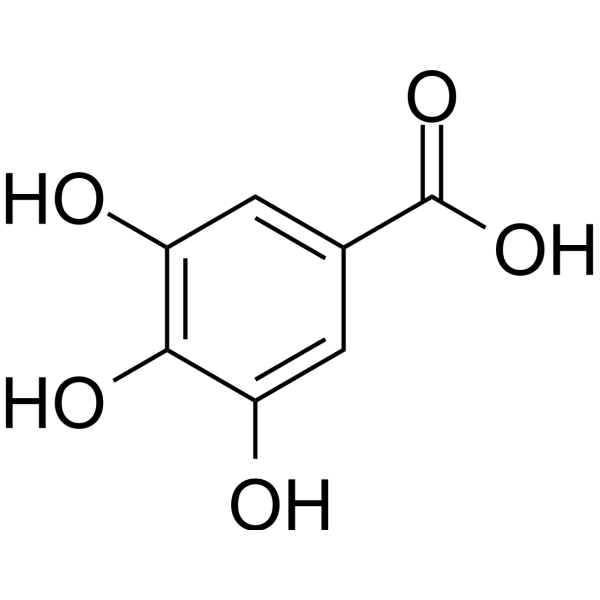
    Gallic acid
    15+ Cited Publications

    3,4,5-Trihydroxybenzoic acid

    COX Reactive Oxygen Species (ROS) Apoptosis Ferroptosis Endogenous Metabolite Metabolic Disease Cancer
    Gallic acid (3,4,5-Trihydroxybenzoic acid) is a natural polyhydroxyphenolic compound and an free radical scavenger to inhibit cyclooxygenase-2 (COX-2) . Gallic acid has various activities, such as antimicrobial, antioxidant, antimicrobial, anti-inflammatory, and anticance activities .
    Gallic acid
  • HY-N0136
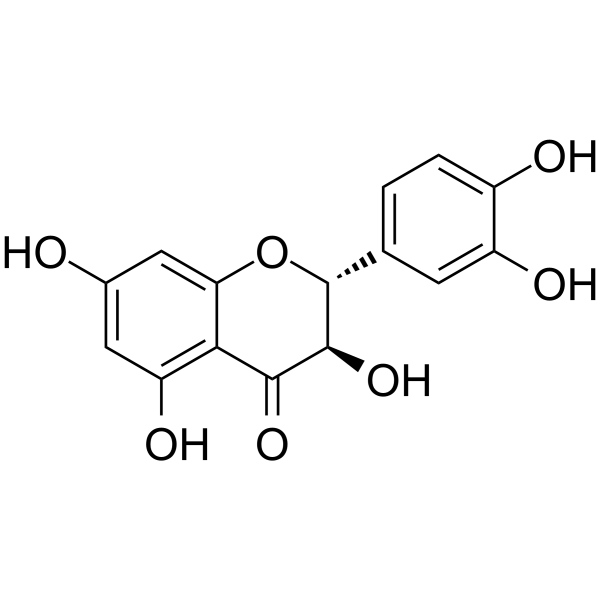
    Taxifolin
    Maximum Cited Publications
    27 Publications Verification

    (+)-Dihydroquercetin; (+)-Taxifolin

    TNF Receptor Autophagy Tyrosinase Inflammation/Immunology Cancer
    Taxifolin ((+)-Dihydroquercetin) exhibits important anti-tyrosinase activity. Taxifolin exhibits significant inhibitory activity against collagenase with an IC50 value of 193.3 μM. Taxifolin is an important natural compound with antifibrotic activity. Taxifolin is a free radical scavenger with antioxidant capacity .
    Taxifolin
  • HY-W011370
    Pelargonidin chloride
    1 Publications Verification

    Quinone Reductase Reactive Oxygen Species (ROS) Neurological Disease Cancer
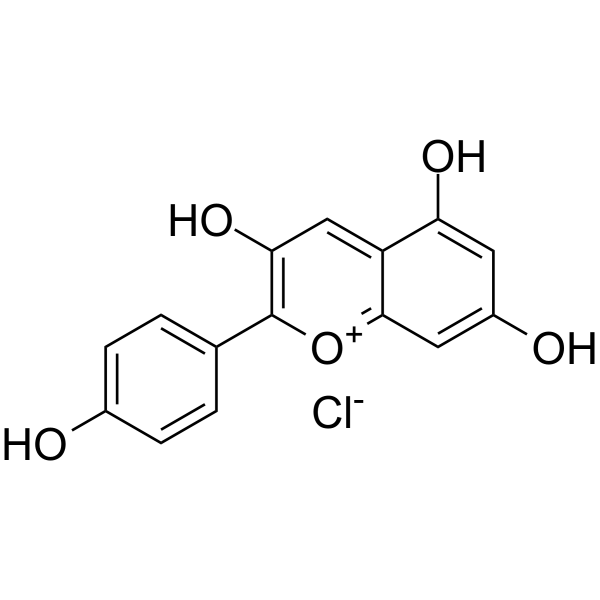
    Pelargonidin chloride is an anthocyanidin and also is a scavenger of nitric oxide radical and has antioxidant activities. Pelargonidin inhibits cell viability and induces cell cycle arrest at sub-G1 phase. Pelargonidin chloride increases the mRNA and protein expression of HO-1, NQO1, Nrf2. Pelargonidin chloride improves Aβ-induced memory and learning impairment .
    Pelargonidin chloride
  • HY-W047187

    Xanthine Oxidase NO Synthase TNF Receptor Others
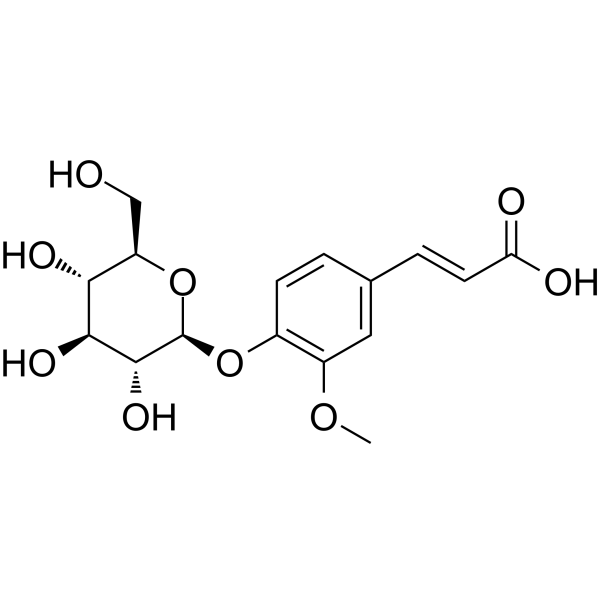
    Lavandoside is an ABTS ?+ free radical scavenger and a moderate inhibitor of xanthine oxidase (XO), with an IC50 of 71.6 μM for inhibiting NO production in LPS-induced macrophages. Lavandoside exerts its antioxidant and potential anti-inflammatory effects by directly scavenging free radicals and inhibiting XO activity, a mechanism related to the hydroxyl groups in its molecular structure. Lavandoside can be isolated from lavender and can be used in the development of natural antioxidants and in research on oxidative stress-related diseases and inflammation-related diseases .
    Lavandoside
  • HY-128463
    N-tert-Butyl-α-phenylnitrone
    2 Publications Verification

    COX Reactive Oxygen Species (ROS) Neurological Disease Metabolic Disease Inflammation/Immunology
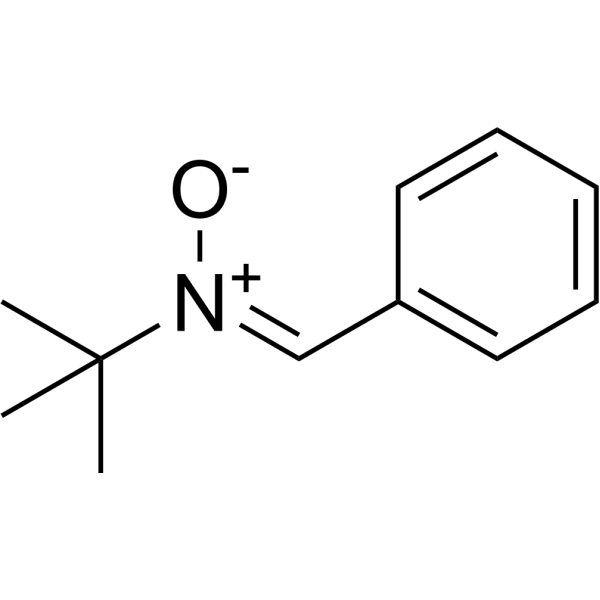
    N-tert-Butyl-α-phenylnitrone is a nitrone-based free radical scavenger that forms nitroxide spin adducts. N-tert-Butyl-α-phenylnitrone inhibits COX2 catalytic activity. N-tert-Butyl-α-phenylnitrone has potent ROS scavenging, anti-inflammatory, neuroprotective, anti-aging and anti-diabetic activities, and can penetrate the blood-brain barrier .
    N-tert-Butyl-α-phenylnitrone
  • HY-N0444

    Reactive Oxygen Species (ROS) NF-κB HBV Apoptosis Bacterial Fungal Parasite Infection Neurological Disease Metabolic Disease Inflammation/Immunology Cancer
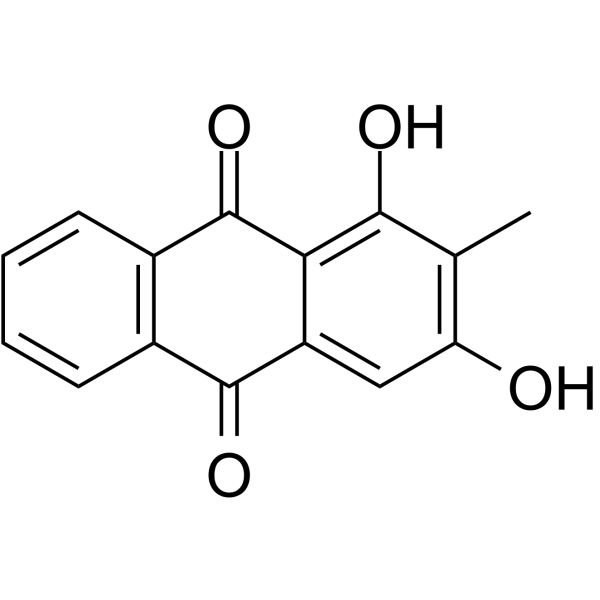
    Rubiadin is an orally active free radical scavenger that inhibits the activation of the NF-κB pathway. Rubiadin inhibits osteoclast formation, bone resorption, lipid peroxidation, HBV DNA replication and cancer cell proliferation; reduces pro-inflammatory cytokine levels; induces cancer cell apoptosis; and possesses antifungal, antimalarial, antibacterial and anticonvulsant activities. Rubiadin can be used in the research of osteoporosis, acute inflammation, chronic inflammation, carbon tetrachloride-induced liver injury, Alzheimer's disease, breast cancer, iron overload disorders, hepatitis B virus infection, colon cancer, liver cancer, T-lymphocytic leukemia, cervical cancer, diabetic nephropathy, epileptic seizures, fungal infections, malaria and bacterial infections .
    Rubiadin
  • HY-111354
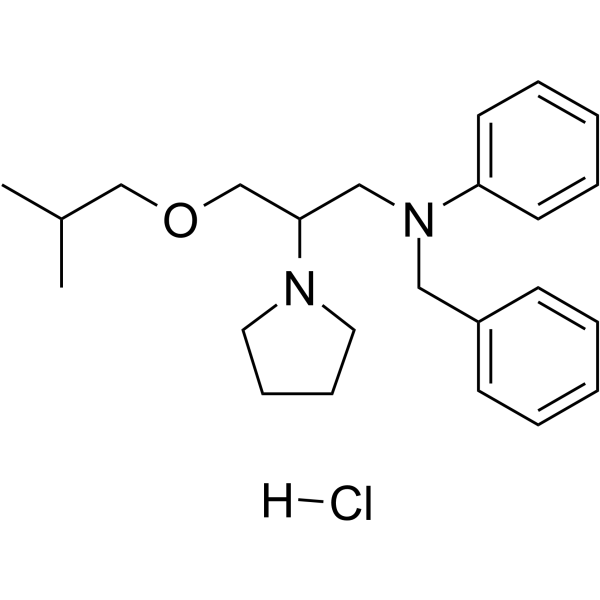
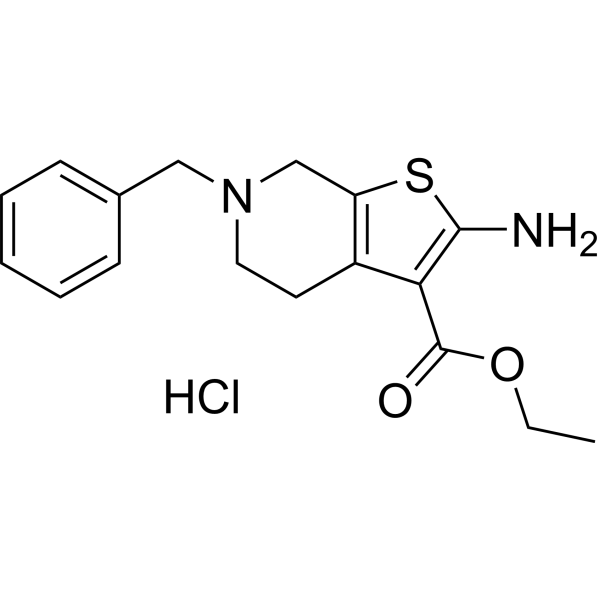
    Tinoridine hydrochloride
    1 Publications Verification

    Y-3642 hydrochloride

    Glutathione Peroxidase Inflammation/Immunology
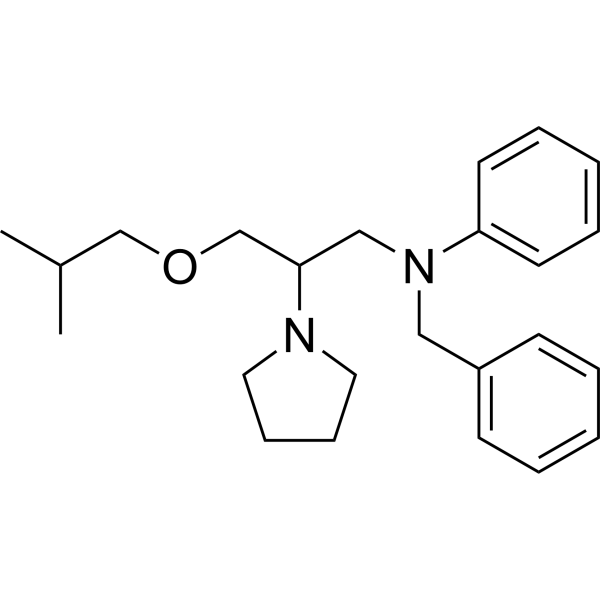
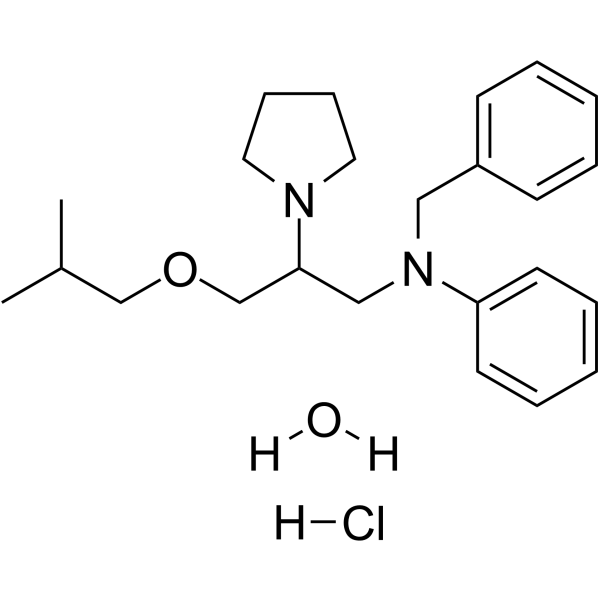
    Tinoridine hydrochloride is a nonsteroidal anti-inflammatory agent and also has potent radical scavenger and antiperoxidative activity.
    Tinoridine hydrochloride
  • HY-N0523A
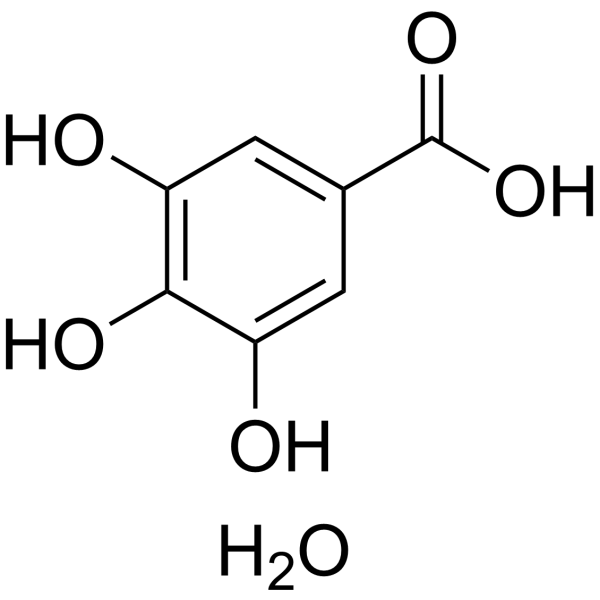
    Gallic acid hydrate
    15+ Cited Publications

    3,4,5-Trihydroxybenzoic acid hydrate

    COX Reactive Oxygen Species (ROS) Apoptosis Ferroptosis Endogenous Metabolite Inflammation/Immunology Cancer
    Gallic acid (3,4,5-Trihydroxybenzoic acid) hydrate is a natural polyhydroxyphenolic compound and an free radical scavenger to inhibit cyclooxygenase-2 (COX-2) . Gallic acid hydrate has various activities, such as antimicrobial, antioxidant, antimicrobial, anti-inflammatory, and anticance activities .
    Gallic acid hydrate
  • HY-N0523S

    3,4,5-Trihydroxybenzoic acid-d2

    Apoptosis COX Ferroptosis Endogenous Metabolite Reactive Oxygen Species (ROS) Cancer
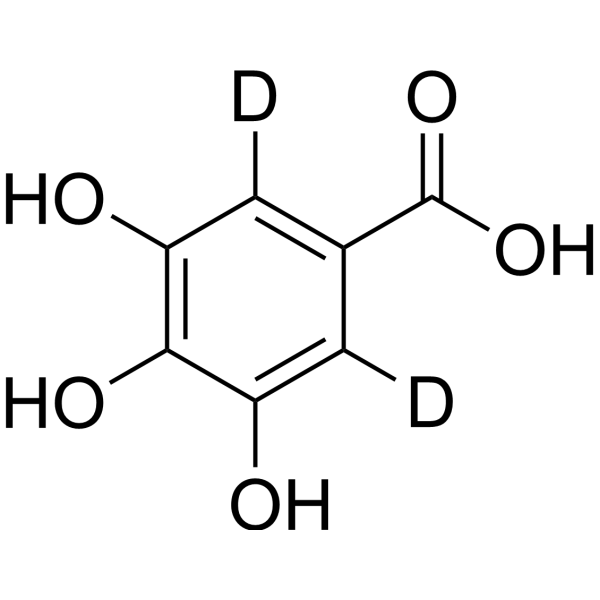
    Gallic acid-d2 is the deuterium labeled Gallic acid . Gallic acid (3,4,5-Trihydroxybenzoic acid) is a natural polyhydroxyphenolic compound and an free radical scavenger to inhibit cyclooxygenase-2 (COX-2) . Gallic acid has various activities, such as antimicrobial, antioxidant, antimicrobial, anti-inflammatory, and anticance activities .
    Gallic acid-d2
  • HY-N0523R

    3,4,5-Trihydroxybenzoic acid (Standard)

    Reference Standards COX Reactive Oxygen Species (ROS) Apoptosis Ferroptosis Endogenous Metabolite Metabolic Disease Cancer
    Gallic acid (Standard) is the analytical standard of Gallic acid. This product is intended for research and analytical applications. Gallic acid (3,4,5-Trihydroxybenzoic acid) is a natural polyhydroxyphenolic compound and an free radical scavenger to inhibit cyclooxygenase-2 (COX-2) . Gallic acid has various activities, such as antimicrobial, antioxidant, antimicrobial, anti-inflammatory, and anticance activities .
    Gallic acid (Standard)
  • HY-122267

    trans-Clovamide

    Reactive Oxygen Species (ROS) Bacterial Influenza Virus Apoptosis Neurological Disease Inflammation/Immunology
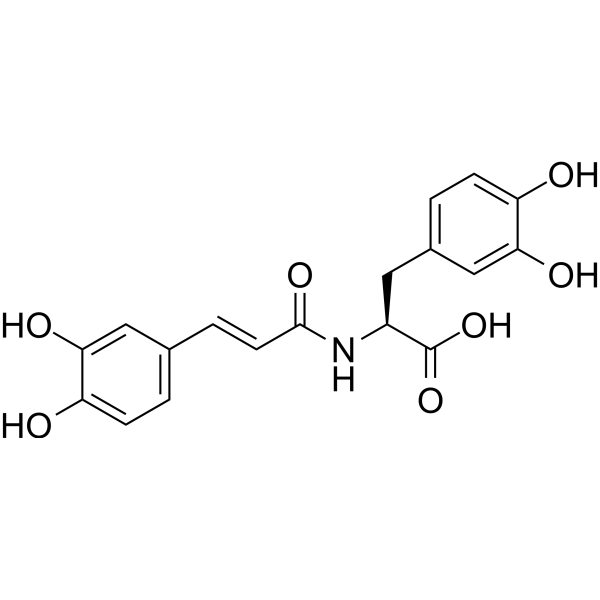
    Clovamide (trans-Clovamide), a natural phenolic compound, is a potent antioxidant. Clovamide is an excellent ROS and oxygen radical scavenger. Clovamide also has anti-inflammatory and neuroprotective effects . Clovamide is an anti-microbial with activity against the human pathogens influenza A subtype H5N1, Trypanosoma evansi, and Heliobacter pylori .
    Clovamide
  • HY-W021267

    Reactive Oxygen Species (ROS) Inflammation/Immunology
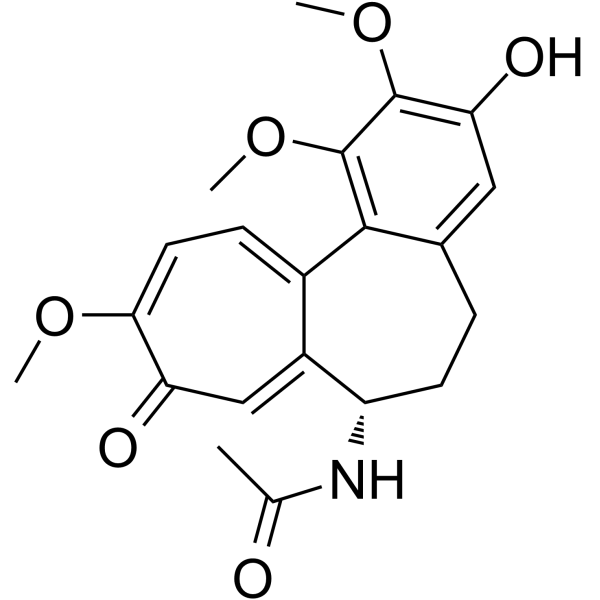
    3-Demethylcolchicine, a colchicine metabolite and anti-inflammatory agent, exhibits potent tubulin-binding activity. 3-Demethylcolchicine inhibits carrageenan-induced rat paw edema. 3-Demethylcolchicine bears a hydroxyl group on its carbocyclic ring; this group participates in free radical scavenging processes, allowing it to act as a free radical scavenger. 3-Demethylcolchicine is applicable to studies related to carrageenan-induced paw edema .
    3-Demethylcolchicine
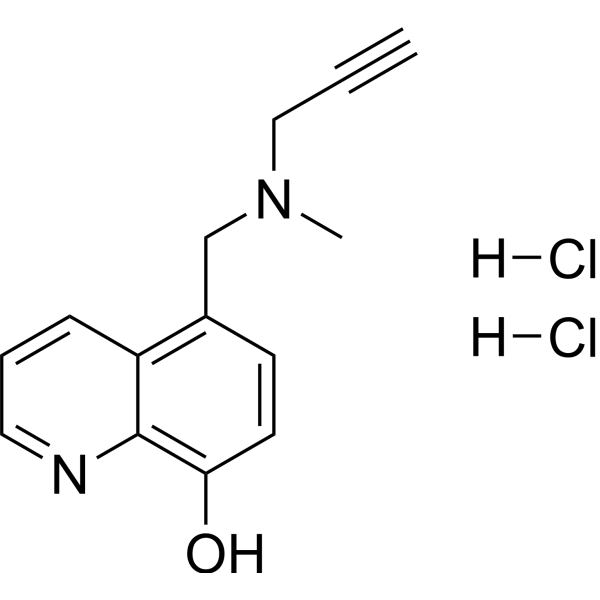
  • HY-131036

    Monoamine Oxidase Neurological Disease
    MAO-IN-M30 dihydrochloride is an orally active, brain-permeable, and brain selective irreversible MAO-A (IC50=37 nM) and MAO-B (IC50=57 nM) inhibitor. MAO-IN-M30 dihydrochloride is a potent iron chelator and radical scavenger. MAO-IN-M30 dihydrochloride has a neuroprotective effect against Dexamethasone-induced brain cell apoptosis. MAO-IN-M30 dihydrochloride also exhibits neurorestorative activity in post MPTP and lactacystin models of Parkinson's disease . MAO-IN-M30 (dihydrochloride) is a click chemistry reagent, it contains an Alkyne group and can undergo copper-catalyzed azide-alkyne cycloaddition (CuAAc) with molecules containing Azide groups.
    MAO-IN-M30 dihydrochloride
  • HY-N8194

    Syringetin 3-O-β-D-glucoside

    Others Neurological Disease
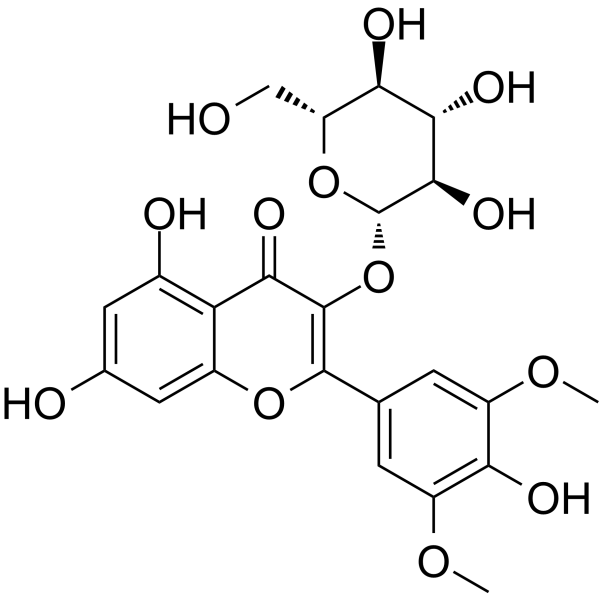
    Syringetin-3-O-glucosid (Syringetin 3-O-β-D-glucoside), a flavonol glycoside, shows relatively weak DPPH and ABTS radical scavenging activity .
    Syringetin-3-O-glucoside
  • HY-N0136R

    (+)-Dihydroquercetin (Standard); (+)-Taxifolin (Standard)

    TNF Receptor Reference Standards Autophagy Tyrosinase Inflammation/Immunology
    Taxifolin (Standard) is the analytical standard of Taxifolin. This product is intended for research and analytical applications. Taxifolin ((+)-Dihydroquercetin) exhibits important anti-tyrosinase activity. Taxifolin exhibits significant inhibitory activity against collagenase with an IC50 value of 193.3 μM . Taxifolin is an important natural compound with antifibrotic activity. Taxifolin is a free radical scavenger with antioxidant capacity .
    Taxifolin (Standard)
  • HY-N0136B

    (-)-Dihydroquercetin

    Tyrosinase Inflammation/Immunology
    (-)-Taxifolin is the less active enantiomer of Taxifolin. Taxifolin exhibits important anti-tyrosinase activity. Taxifolin exhibits significant inhibitory activity against collagenase with an IC50 value of 193.3 μM . Taxifolin is an important natural compound with antifibrotic activity. Taxifolin is a free radical scavenger with antioxidant capacity .
    (-)-Taxifolin
  • HY-N12267

    (E/Z)-Terrestribisamide

    Melanocortin Receptor Metabolic Disease
    N,N′-Diferuloylputrescine ((E/Z)-Terrestribisamide) is a inhibitor of pigmentation with 57% reduction. N,N′-Diferuloylputrescine significantly reduces the protein level of MITF. N,N′-Diferuloylputrescine has strong antioxidant activities as radical scavengers against reactive oxygen species .
    N,N′-Diferuloylputrescine
  • HY-N0136A

    (±)-Dihydroquercetin

    Drug Isomer TNF Receptor Autophagy Tyrosinase Inflammation/Immunology Cancer
    (±)-Taxifolin ((±)-Dihydroquercetin) is the racemate of Taxifolin (HY-N0136). Taxifolin exhibits important anti-tyrosinase activity. Taxifolin exhibits significant inhibitory activity against collagenase with an IC50 value of 193.3 μM. Taxifolin is an important natural compound with antifibrotic activity. Taxifolin is a free radical scavenger with antioxidant capacity .
    (±)-Taxifolin
  • HY-N11845

    Lipoxygenase Metabolic Disease Inflammation/Immunology
    Sigmoidin B, a prenylated flavanone, is a selective 5-lipoxygenase inhibitor. Sigmoidin B is a potent scavenger of the DPPH radical. Sigmoidin B has antigenotoxic activity that inhibits genotoxicity induced by Aflatoxin B1 (HY-N6615), with an IC50 of 18.7 μg/mL. Sigmoidin B has anti-inflammatory activity and antioxidant properties .
    Sigmoidin B
  • HY-N16658

    NSC 85238

    Glutathione Peroxidase Inflammation/Immunology
    Asperilin (NSC 85238) is an orally active sesquiterpene lactone. Asperilin is an effective hydroxyl radical scavenger. Asperilin significantly enhance the lipid peroxidation levels of liver microsomes in various systems. Asperilin leads to a significant decrease in liver glutathione (GSH) levels and an increase in glutathione peroxidase (GPx) activity. Asperilin can be used for research on inflammatory conditions .
    Asperilin
  • HY-N8955

    Reactive Oxygen Species (ROS) Inflammation/Immunology
    Maritimein is an aurone glucoside and antioxidant with free radical scavenger activity, found in Coreopsis tinctoria Nutt.Maritimein scavenges ABTS•+ radical cations .
    Maritimein
  • HY-W032848
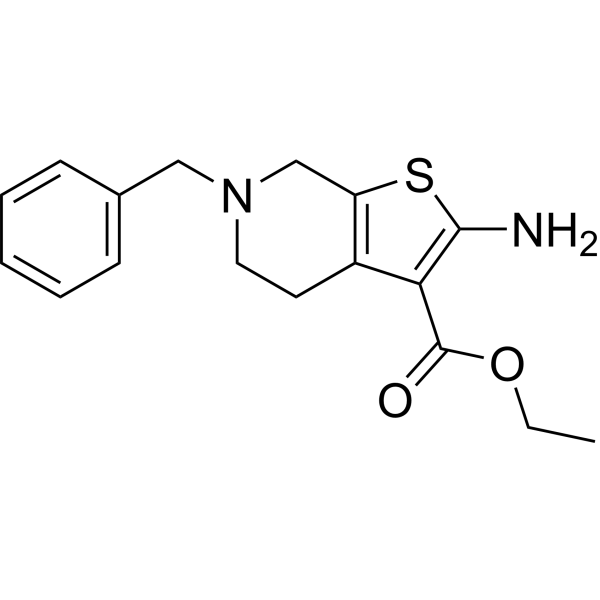
    Tinoridine
    1 Publications Verification

    Y-3642

    COX Inflammation/Immunology
    Tinoridine (Y-3642) is an orally active non-steroidal anti-inflammatory agent with potent antiperoxidative ability and radical scavenger activity. Tinoridine acts function by inhibiting COX enzyme, involves in hepatotoxicity inhibition. .
    Tinoridine
  • HY-N0136S

    (+)-Dihydroquercetin-d3; (+)-Taxifolin-d3

    Isotope-Labeled Compounds Autophagy Tyrosinase Inflammation/Immunology
    Taxifolin-d3 is deuterium labeled Taxifolin. Taxifolin ((+)-Dihydroquercetin) exhibits important anti-tyrosinase activity. Taxifolin exhibits significant inhibitory activity against collagenase with an IC50 value of 193.3 μM . Taxifolin is an important natural compound with antifibrotic activity. Taxifolin is a free radical scavenger with antioxidant capacity .
    Taxifolin-d3
  • HY-202233

    TBN

    Drug Derivative Neurological Disease Inflammation/Immunology
    Tetramethylpyrazine nitrone is a nitrone derivative of tetramethylpyrazine. Tetramethylpyrazine nitrone is an active ingredient from Ligusticum wallichii Franchat. Tetramethylpyrazine nitrone is a potent scavenger of free radicals with neuroprotective activitys in both rat and monkey models of ischemis stroke. Tetramethylpyrazine nitrone can suppress over-expression of neuroinflammatory marker vimentin .
    Tetramethylpyrazine nitrone
  • HY-N0444R

    Reference Standards Reactive Oxygen Species (ROS) Apoptosis Fungal Parasite NF-κB HBV Bacterial Infection Neurological Disease Metabolic Disease Inflammation/Immunology Cancer
    Rubiadin (Standard) is the analytical standard of Rubiadin (HY-N0444). This product is intended for research and analytical applications. Rubiadin is an orally active free radical scavenger that inhibits the activation of the NF-κB pathway. Rubiadin inhibits osteoclast formation, bone resorption, lipid peroxidation, HBV DNA replication and cancer cell proliferation; reduces pro-inflammatory cytokine levels; induces cancer cell apoptosis; and possesses antifungal, antimalarial, antibacterial and anticonvulsant activities. Rubiadin can be used in the research of osteoporosis, acute inflammation, chronic inflammation, carbon tetrachloride-induced liver injury, Alzheimer's disease, breast cancer, iron overload disorders, hepatitis B virus infection, colon cancer, liver cancer, T-lymphocytic leukemia, cervical cancer, diabetic nephropathy, epileptic seizures, fungal infections, malaria and bacterial infections.
    Rubiadin (Standard)
  • HY-155346

    Bacterial Others
    Free radical scavenger 1 (compound 8) shows scavenging activity against the DPPH radical, with the IC50 of 43.39 μg/ml .
    Free radical scavenger 1
  • HY-114651

    Others Cancer
    Phenazoviridin is a free radical scavenger. Phenazoviridin shows strong inhibitory activity against lipid peroxidation in rat brain homogenate and exhibits antihypoxic activity in mice .
    Phenazoviridin
  • HY-N10594

    Drug Metabolite Metabolic Disease
    Cirsiliol 4′-glucoside is a free radical scavenger, found from Ruellia tuberosa L. Cirsiliol 4′-glucoside shows potential anti-diabetic activity .
    Cirsiliol 4′-glucoside
  • HY-N0523AR

    3,4,5-Trihydroxybenzoic acid hydrate (Standard)

    Reference Standards COX Reactive Oxygen Species (ROS) Apoptosis Ferroptosis Endogenous Metabolite Inflammation/Immunology Cancer
    Gallic acid (hydrate) (Standard) is the analytical standard of Gallic acid (hydrate). This product is intended for research and analytical applications. Gallic acid (3,4,5-Trihydroxybenzoic acid) hydrate is a natural polyhydroxyphenolic compound and an free radical scavenger to inhibit cyclooxygenase-2 (COX-2) . Gallic acid hydrate has various activities, such as antimicrobial, antioxidant, antimicrobial, anti-inflammatory, and anticance activities .
    Gallic acid hydrate (Standard)
  • HY-N0136S1

    (±)-Dihydroquercetin-13C3

    Autophagy Tyrosinase Inflammation/Immunology
    (±)-Taxifolin-13C3 ((±)-Dihydroquercetin-13C3) is a derivative of (±)-Taxifolin, labeled with 13C3. (±)-Taxifolin is the racemate of Taxifolin. Taxifolin exhibits important anti-tyrosinase activity. Taxifolin exhibits significant inhibitory activity against collagenase with an IC50 value of 193.3 μM . Taxifolin is an important natural compound with antifibrotic activity. Taxifolin is a free radical scavenger with antioxidant capacity .
    (±)-Taxifolin-13C3
  • HY-162830

    Lipoxygenase Monoamine Oxidase Neurological Disease
    5-LOX/MAOs-IN-1 (compound 3) is a 5-LOX/MAOs inhibitor and a potent free radical scavenger with antioxidant properties. 5-LOX/MAOs-IN-1 also showed neuroprotective activity in oxidative stress-damaged cell models and can activate the neurogenesis microenvironment of adult mouse neural stem cells. 5-LOX/MAOs-IN-1 can be used for the study of neurodegenerative diseases .
    5-LOX/MAOs-IN-1
  • HY-128463S

    COX Reactive Oxygen Species (ROS) Metabolic Disease
    N-tert-Butyl-α-phenylnitrone-d14 is the deuterium labeled N-tert-Butyl-α-phenylnitrone . N-tert-Butyl-α-phenylnitrone is a nitrone-based free radical scavenger that forms nitroxide spin adducts. N-tert-Butyl-α-phenylnitrone inhibits COX2 catalytic activity. N-tert-Butyl-α-phenylnitrone has potent ROS scavenging, anti-inflammatory, neuroprotective, anti-aging and anti-diabetic activities, and can penetrate the blood-brain barrier .
    N-tert-Butyl-α-phenylnitrone-d14
  • HY-N19669

    Reactive Oxygen Species (ROS) Others Metabolic Disease Inflammation/Immunology Cancer
    27-Hydroxyisomangiferolic acid, a cycloartane-type triterpene found in Indonesian propolis from East Java, acts as a weak scavenger with low free radical scavenging activity against DPPH (HY-112053) radicals. can be used for research on inflammation, heart disease, diabetes and cancer .
    27-Hydroxyisomangiferolic acid
  • HY-N8844

    Others Others
    2"-O-Galloylquercitrin (Compound 6) is isolated from the natural Acer ginnala. 2"-O-Galloylquercitrin has health benefits. 2"-O-Galloylquercitrin has the activity of free radical scavenger .
    2''-O-Galloylquercitrin
  • HY-N17733

    Others Metabolic Disease
    4,5-O-Dicaffeoylquinic acid ethyl ester is an ABTS free radical scavenger with an IC50 of 5.95 μM. 4,5-O-Dicaffeoylquinic acid ethyl ester shows no antibacterial activity against Staphylococcus aureus, Escherichia coli, and Pseudomonas aeruginosa. 4,5-O-Dicaffeoylquinic acid ethyl ester can be used in liver injury protection studies .
    4,5-O-Dicaffeoylquinic acid ethyl ester
  • HY-N15622

    Biochemical Assay Reagents Reactive Oxygen Species (ROS) Others
    Neouralenol is a free radical scavenger. Neouralenol can be isolated from licorice roots. Neouralenol scavenges hydroxyl radicals and hydroperoxyl radicals .
    Neouralenol
  • HY-N17495

    Others Metabolic Disease
    Luteolin 7-O-(6-O-malonyl-β-D-glucoside) is an orally active flavonoid free radical scavenger. Luteolin 7-O-(6-O-malonyl-β-D-glucoside) scavenges free radicals, inhibits the activity elevation of aspartate aminotransferase and alanine aminotransferase in mouse plasma, as well as the elevation of liver lipid hydroperoxide content. Luteolin 7-O-(6-O-malonyl-β-D-glucoside) is applicable for liver injury research .
    Luteolin 7-O-(6-O-malonyl-β-D-glucoside)
  • HY-N17510

    Others Inflammation/Immunology
    Regiafuran A is a prenylated 2-arylbenzofuran derivative and free radical scavenger (IC50=1.9 μg/mL). Regiafuran A is isolated from the stem bark of Chlorophora regia. In a competitive enzyme immunoassay for PGE2, Regiafuran A shows no anti-inflammatory potential .
    Regiafuran A
  • HY-N18001

    COX Inflammation/Immunology
    Plantanone A is a COX inhibitor with an IC50 of 33.37 μM against ovine COX-1 and an IC50 of 46.16 μM against ovine COX-2. Plantanone A exhibits weak DPPH radical scavenging activity (IC50: 467.7 μM). Plantanone A can be used in the research of inflammation-related diseases .
    Plantanone A
  • HY-N17362

    Others Others
    Anhydroevoxine is a furoquinoline alkaloid that can be found in Vepris glomerata. Anhydroevoxine demonstrates in vitro antioxidant activity, reducing Fe 3+ to Fe 2+ and scavenging DPPH radicals .
    Anhydroevoxine
  • HY-N16851

    Drug Derivative Others
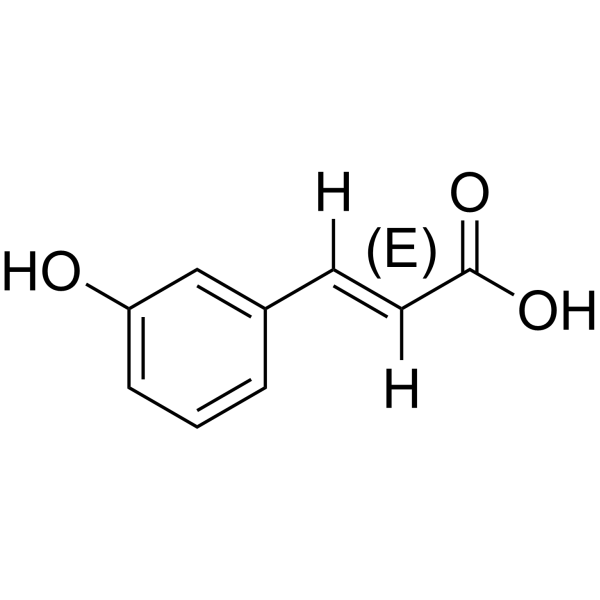
    Breynioside A is a natural phenolic compound.
    Breynioside A

Inquiry Online

Your information is safe with us. * Required Fields.

Salutation


Country or Region *

Applicant Name *


Organization Name *

Department *


Email Address *


Product Name *

Cat. No.


Requested quantity *

Phone Number *


Remarks

Inquiry Online

Inquiry Information

Product Name:
Cat. No.:
Quantity:
MCE Japan Authorized Agent:

