1. Search Result
Search Result
Results for "

skin melanoma

" in MedChemExpress (MCE) Product Catalog:

32

Inhibitors & Agonists

1

Fluorescent Dyes

1

Biochemical Assay Reagents

3

Peptides

14

Natural
Products

1

GMP Molecules

Targets Recommended:
Cat. No. 상품명 Target 연구분야 Chemical Structure
  • HY-B0150
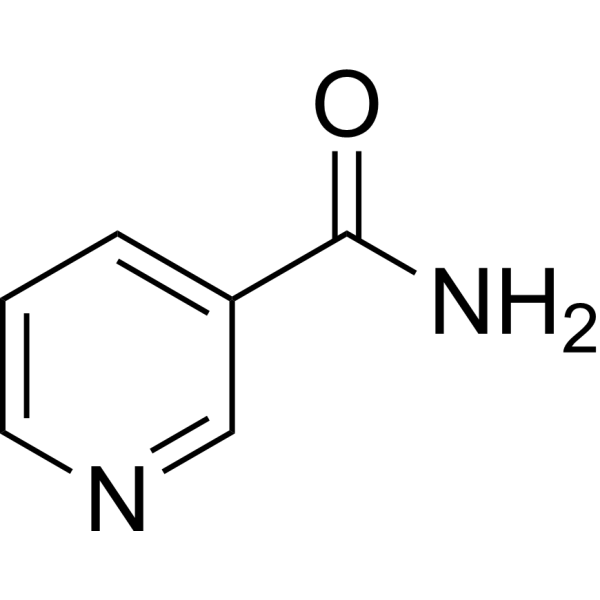
    Nicotinamide
    85+ Cited Publications

    Niacinamide; Nicotinic acid amide

    Environmental Pollutants Endogenous Metabolite Sirtuin HBV Organoid Cancer
    Nicotinamide is a form of vitamin B3 or niacin. Nicotinamide Hydrochloride inhibits SIRT2 activity (IC50: 2 μM). Nicotinamide also inhibits SIRT1. Nicotinamide increases cellular NAD+, ATP, ROS levels. Nicotinamide inhibits tumor growth and improves survival. Nicotinamide also has anti-HBV activity .
    Nicotinamide
  • HY-125860

    Polyphenol oxidase

    Tyrosinase Neurological Disease Endocrinology Cancer
    Tyrosinase (EC 1.14.18.1) (Polyphenol oxidase) is a rate-limiting enzyme that controls the production of melanin. Tyrosinase is mainly found in melanosomes synthesized by skin melanocytes. Tyrosinase can be used in research on Parkinson's disease, melanoma and pigmentation .
    Tyrosinase, Mushroom
  • HY-N2466
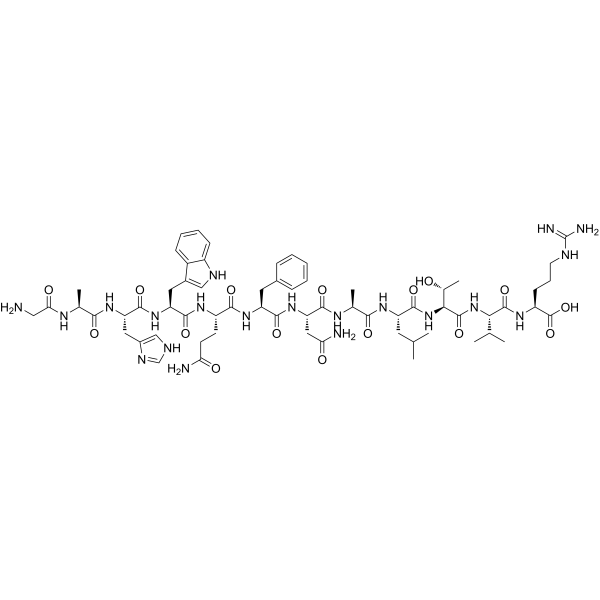
    Melanotan I
    1 Publications Verification

    MT-I; [Nle4,D-Phe7]-α-MSH

    Melanocortin Receptor Neurological Disease Cancer
    Melanotan I is a potent non-selective melanocortin receptor (MCR) agonist. Melanotan I is a synthetic analogue of α-melanocyte stimulating hormone (α-MSH) that stimulates melanogenesis. Melanotan I can induce skin tanning by mimicking the actions of a-MSH on the melanocortin type 1 receptors (MC1R) of melanocytes. Melanotan I can be used for the research of sun-induced skin cancer, melanoma, inflammation and male erectile dysfunction .
    Melanotan I
  • HY-B0455

    SC47111A hydrochloride; NY-198 hydrochloride

    Antibiotic Bacterial Topoisomerase Reactive Oxygen Species (ROS) Apoptosis Infection Endocrinology Cancer
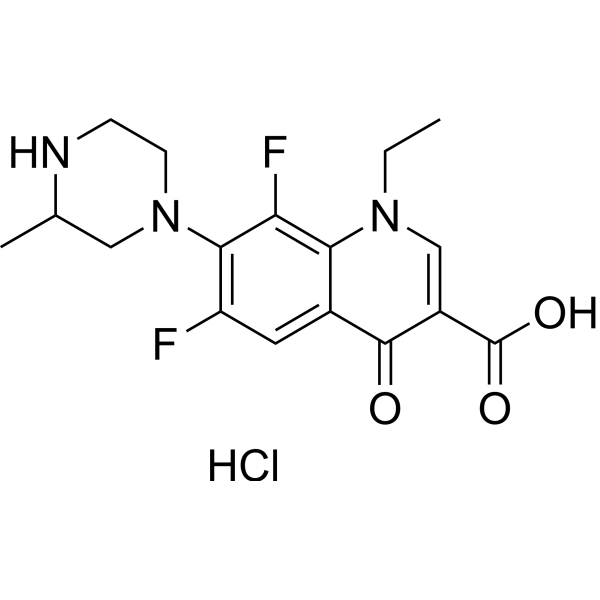
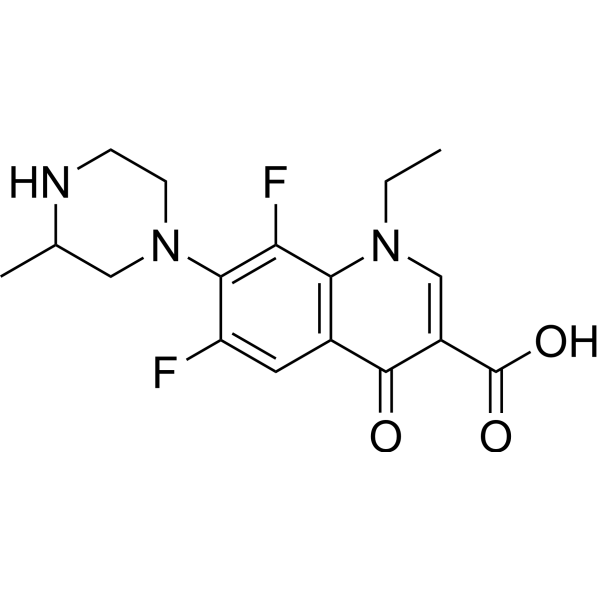
    Lomefloxacin hydrochloride (NY-198 hydrochloride) is an orally active difluoroquinolone antibiotic. Lomefloxacin hydrochloride prevents DNA supercoiling and replication by inhibiting bacterial topoisomerase II. Lomefloxacin hydrochloride induces ROS production and Apoptosis. Lomefloxacin hydrochloride has broad-spectrum bactericidal activity against Gram-positive and Gram-negative bacteria. Lomefloxacin hydrochloride has anticancer effects against melanoma. Lomefloxacin hydrochloride can be used in the study of systemic bacterial infections (such as Salmonella typhimurium infections), skin and melanoma .
    Lomefloxacin hydrochloride
  • HY-121750
    CCG-222740
    1 Publications Verification

    Ras ROCK Cancer
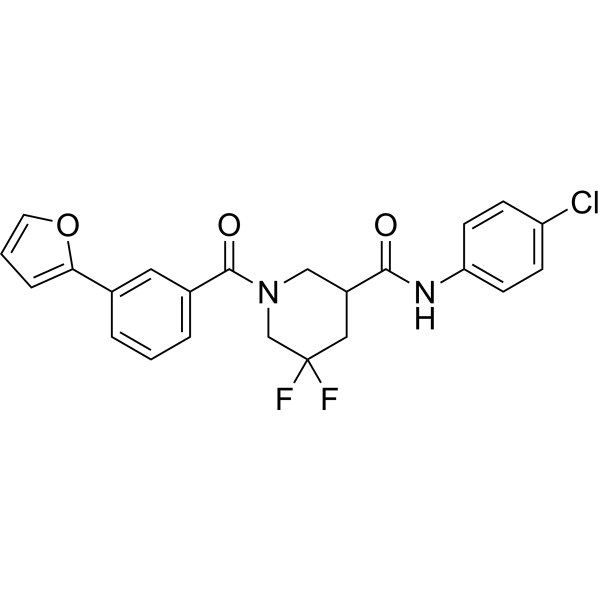
    CCG-222740 is an orally active and selective Rho/myocardin-related transcription factor (MRTF) pathway inhibitor . CCG-222740 is also a potent inhibitor of alpha-smooth muscle actin protein expression. CCG-222740 effectively reduces fibrosis in skin and blocks melanoma metastasis .
    CCG-222740
  • HY-12538

    Rutamine

    Apoptosis Autophagy Fungal Parasite Reactive Oxygen Species (ROS) Interleukin Related JAK STAT Infection Inflammation/Immunology Cancer
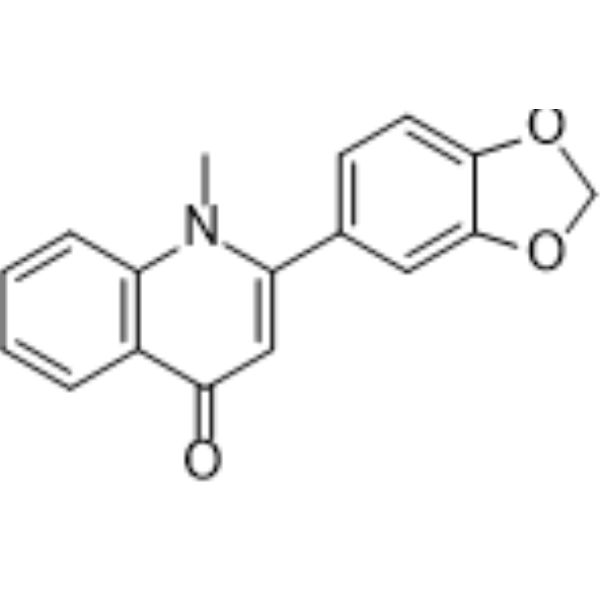
    Graveoline (Rutamine) is an orally active alkaloid with various activities such as antifungal, antiparasitic, anti-inflammatory, and antitumor effects. Graveoline can induce tumor cell apoptosis and autophagy through a reactive oxygen species-mediated pathway. Graveoline has an MIC of 500 μg/mL for Candida albicans. Graveoline can be used in the research of various diseases such as tumors and liver injury .
    Graveoline
  • HY-B1461

    Tyrosinase Apoptosis Cancer
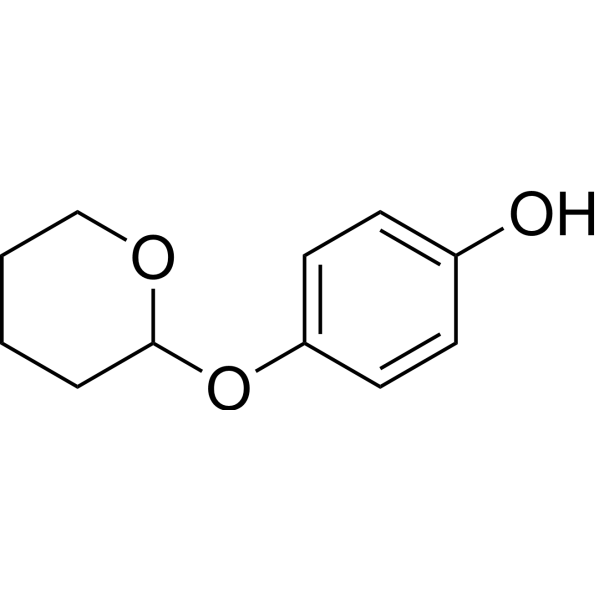
    Deoxyarbutin is an orally active tyrosinase inhibitor that can promote apoptosis of melanoma cells, enhance the vitality of mouse acinar cells, and has skin whitening and anti-tumor activity [1][2][3].
    Deoxyarbutin
  • HY-B0455A

    SC47111A; NY-198

    Bacterial Antibiotic Topoisomerase Reactive Oxygen Species (ROS) Apoptosis Infection
    Lomefloxacin (SC47111A) is an orally active difluoroquinolone antibiotic. Lomefloxacin prevents DNA supercoiling and replication by inhibiting bacterial topoisomerase II. Lomefloxacin induces ROS production and Apoptosis. Lomefloxacin has broad-spectrum bactericidal activity against Gram-positive and Gram-negative bacteria. Lomefloxacin has anticancer effects against melanoma. Lomefloxacin can be used in the study of systemic bacterial infections (such as Salmonella typhimurium infections), skin and melanoma .
    Lomefloxacin
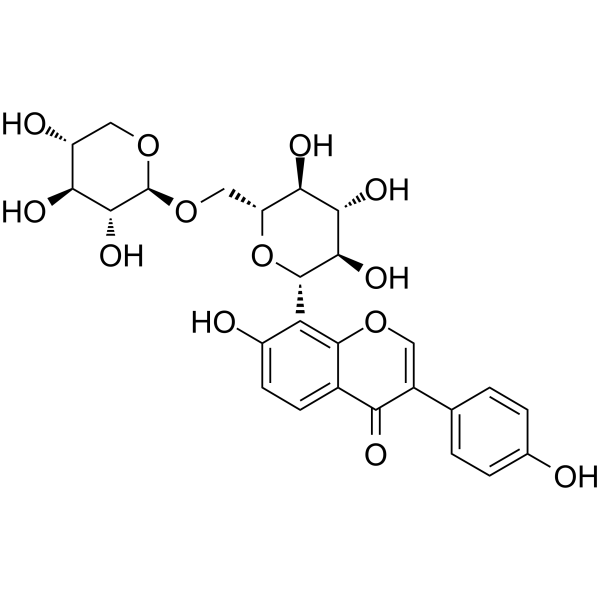
  • HY-N2135

    Apoptosis Caspase Bcl-2 Family Tyrosinase Metabolic Disease Cancer
    Puerarin 6''-O-Xyloside is one of the major iso-flavones found in P. lobata. Puerarin 6''-O-Xyloside inhibits cancer cells proliferation, induces apoptosis by upregulating cleaved caspase-3, 7, 9, Bax and downregulating Bcl-2 levles and inhibits tumor growth in mice. Puerarin 6''-O-Xyloside has anti-osteoporotic activity in ovariectomized mice. Puerarin 6''-O-Xyloside inhibits mushroom tyrosinase with an IC50 of 513.8 μM. Puerarin 6''-O-Xyloside can be used for the research of human lung carcinoma, osteoporosis, melanosis and melanomar .
    Puerarin 6''-O-Xyloside
  • HY-164826

    Interleukin Related Reactive Oxygen Species (ROS) MMP Pyroptosis Ferroptosis Notch Keap1-Nrf2 PINK1/Parkin Mitophagy Caspase Apoptosis Inflammation/Immunology Cancer
    Acetyl zingerone is an analog of Zingerone (HY-14621). Acetyl zingerone downregulates the expression of ROS metabolism-related genes, fibroblast senescence-related genes, keratinocyte differentiation-related genes, and IL-17A target genes. Acetyl zingerone inhibits the activities of MMP-1, MMP-3, and MMP-12, as well as the activation of NLRP3 inflammasome, pyroptosis (pyroptosis), ferroptosis (ferroptosis), cartilage destruction, and UVA-induced cyclobutane pyrimidine dimer formation. Acetyl zingerone upregulates the expression of collagen, proteoglycan, extracellular matrix glycoprotein, Notch pathway, and GPX4 gene, activates Nrf2 and HO-1, induces extracellular matrix synthesis and PINK1/Parkin-mediated mitophagy (mitophagy), and promotes chondrocyte survival. Acetyl zingerone alleviates the progression of osteoarthritis in mice . Acetyl zingerone can be used in research related to skin aging, inflammatory skin diseases, osteoarthritis, melanoma, and non-melanoma skin cancer .
    Acetyl zingerone
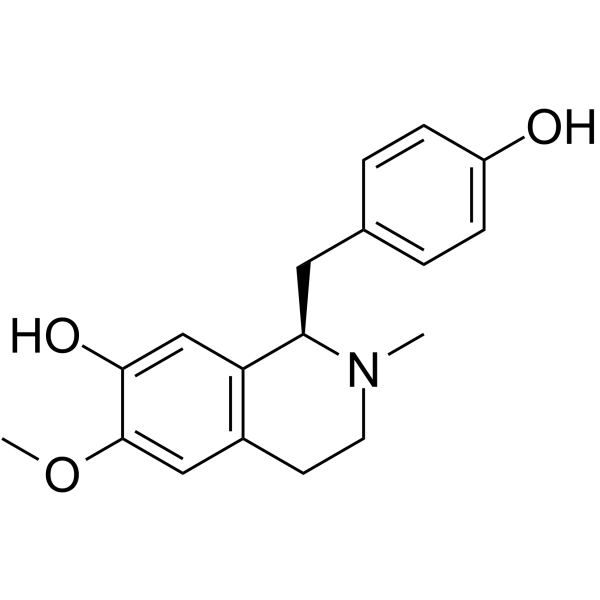
  • HY-N7717

    (–)-(1R)-N-methylcoclaurine

    Drug Derivative Metabolic Disease
    (-)-N-methylcoclaurine ((-)-(1R)-N-methylcoclaurine) is a benzylisoquinoline alkaloid and melanogenesis inhibitor with an IC50 of 6.5 μM that can be found in the flower buds of Nelumbo nucifera. (-)-N-methylcoclaurine inhibits theophylline-stimulated melanogenesis in melanoma cells. (-)-N-methylcoclaurine can be used for the research of skin hyperpigmentation disorders .
    (-)-N-methylcoclaurine
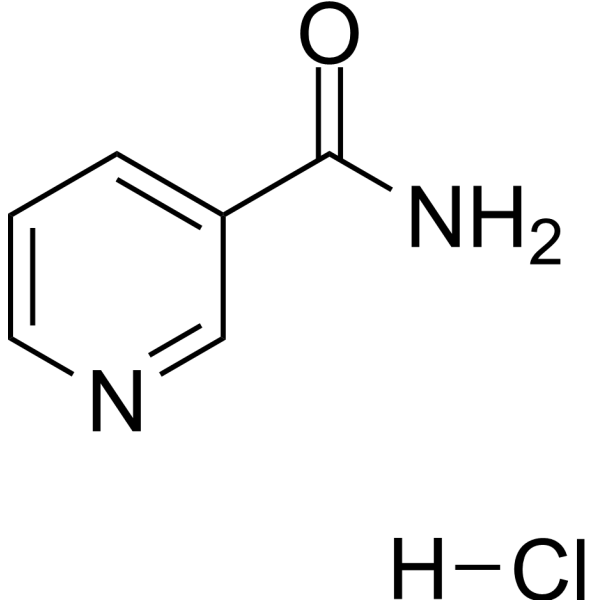
  • HY-B0150A

    Niacinamide hydrochloride; Nicotinic acid amide hydrochloride

    Sirtuin Endogenous Metabolite HBV Infection Cancer
    Nicotinamide hydrochloride is a form of vitamin B3 or niacin. Nicotinamide hydrochloride inhibits SIRT2 activity (IC50: 2 μM). Nicotinamide hydrochloride also inhibits SIRT1. Nicotinamide hydrochloride increases cellular NAD+, ATP, ROS levels. Nicotinamide hydrochloride inhibits tumor growth and improves survival. Nicotinamide hydrochloride also has anti-HBV activity .
    Nicotinamide hydrochloride
  • HY-139430

    4-IPC

    Tyrosinase Inflammation/Immunology
    4-Isopropylcatechol is a potent and irreversible cutaneous depigmenting agent. 4-Isopropylcatechol significantly inhibits protein biosynthesis in mouse melanoma cells containing high levels of tyrosinase. 4-Isopropylcatechol can be use to study hyperpigmentation of skins .
    4-Isopropylcatechol
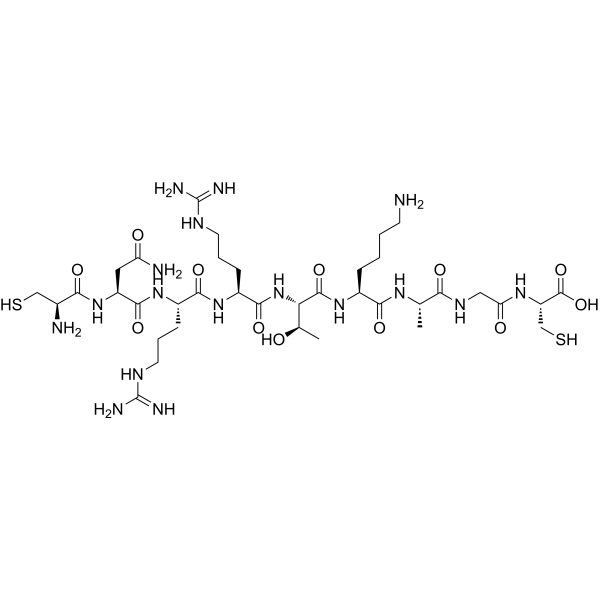
  • HY-P5352

    CD44 Inflammation/Immunology Cancer
    Hyaluronan-IN-1 (Pep-1) is a Hyaluronan inhibitor with a Kd value of 1.65 μM. Hyaluronan-IN-1 blocks CD44-dependent cell adhesion. Hyaluronan-IN-1 inhibits cell adhesion to hyaluronan substrates. Hyaluronan-IN-1 suppresses the development of contact hypersensitivity in mice by blocking the homing process of inflammatory cells to the skin. Hyaluronan-IN-1 also inhibits responses during the sensitization phase. Hyaluronan-IN-1 reduces lung metastasis of melanoma and prolongs the survival of mice. Hyaluronan-IN-1 can be used in research related to contact hypersensitivity, chronic skin inflammation, and melanoma .
    Hyaluronan-IN-1
  • HY-W129441

    N-Ac-4-S-CAP

    DNA/RNA Synthesis Tyrosinase Thymidylate Synthase Others
    N-Acetyl-4-S-mercaptoaminophenol (N-Ac-4-S-CAP) is a compound that is selectively cytotoxic to melanocytes of black mouse hair follicles. It can cause 98% depigmentation of black mouse hair follicles. N-Ac-4-S-CAP can produce visible changes in hair follicle melanocytes 4 hours after intraperitoneal injection, including aggregation of melanin granules and nuclear condensation. Electron microscopy observations showed that it caused progressive destruction of melanocytes, including swelling of membranous organelles, nuclear condensation, and cytoplasmic vacuolation, ultimately leading to complete cell necrosis. N-Ac-4-S-CAP has a specific cytotoxic effect on melanocytes that actively produce eumelanin, but may not affect precursor or dormant melanocytes. These properties suggest that N-Ac-4-S-CAP may have potential application value in the treatment of melanoma or skin whitening.
    N-Acetyl-4-S-cysteaminylphenol
  • HY-116145

    Tyrosinase NF-κB Inflammation/Immunology
    MHY884 is a tyrosinase inhibitor that suppresses UVB-induced activation of NF-κB signaling pathway through the downregulation of oxidative stress. MHY884 suppresses oxidative stress in the melanoma cells and attenuates UVB-induced oxidative stress, resulting in reduced NF-κB activity in irradiated mice. MHY884 is promising for research of UVB-induced skin damage .
    MHY884
  • HY-121322

    Others Others
    Neoagarobiose has both a moisturizing effect on skin and a whitening effect on melanoma cells. RagaA11 is an endo-type beta-agarase hydrolysing not only agarose, but also neoagarotetraose, to yield neoagarobiose as the final main product .
    Neoagarobiose
  • HY-156551

    Wnt Cancer
    Porcn-IN-2 (Example 107) is a Wnt inhibitor, with an IC50 value of 0.05 nM. Porcn-IN-2 can be used for research of cancer, sarcoma, melanoma, skin cancer, haematological tumors, lymphoma, carcinoma, and leukemia, etc .
    Porcn-IN-2
  • HY-12538R

    Rutamine (Standard)

    Reference Standards Apoptosis Autophagy Fungal Parasite Reactive Oxygen Species (ROS) Interleukin Related JAK STAT Infection Inflammation/Immunology Cancer
    Graveoline (Standard) is the analytical standard of Graveoline (HY-12538). This product is intended for research and analytical applications. Graveoline (Rutamine) is an orally active alkaloid with various activities such as antifungal, antiparasitic, anti-inflammatory, and antitumor effects. Graveoline can induce tumor cell apoptosis and autophagy through a reactive oxygen species-mediated pathway. Graveoline has an MIC of 500 μg/mL for Candida albicans. Graveoline can be used in the research of various diseases such as tumors and liver injury .
    Graveoline (Standard)
  • HY-149698

    Tyrosinase Cancer
    Tyrosinase-IN-17 (Compound 5b) is a lipophilic, skin-permeable, and non-cytotoxic Tyrosinase inhibitor (pIC50=4.99). Tyrosinase-IN-17 can be used for research on melanin-related diseases, such as melanoma, melanogenesis, etc .
    Tyrosinase-IN-17
  • HY-W267446

    Melanocortin Receptor GSK-3 Metabolic Disease Cancer
    6-Methoxy-4-methylcoumarin is a 4-methylcoumarin derivative with an antitumor activity. 6-Methoxy-4-methylcoumarin activates melanin synthesis in B16F10 melanoma cells. 6-Methoxy-4-methylcoumarin is a pigmentation stimulator, and can be used for the study of skin conditions such as vitiligo .
    6-Methoxy-4-methylcoumarin
  • HY-B0455R

    SC47111A hydrochloride (Standard); NY-198 hydrochloride (Standard)

    Reference Standards Bacterial Antibiotic Topoisomerase Reactive Oxygen Species (ROS) Apoptosis Infection Endocrinology Cancer
    Lomefloxacin (hydrochloride) (Standard) is the analytical standard of Lomefloxacin hydrochloride (HY-B0455). This product is intended for research and analytical applications. Lomefloxacin hydrochloride (NY-198 hydrochloride) is an orally active difluoroquinolone antibiotic. Lomefloxacin hydrochloride prevents DNA supercoiling and replication by inhibiting bacterial topoisomerase II. Lomefloxacin hydrochloride induces ROS production and Apoptosis. Lomefloxacin hydrochloride has broad-spectrum bactericidal activity against Gram-positive and Gram-negative bacteria. Lomefloxacin hydrochloride has anticancer effects against melanoma. Lomefloxacin hydrochloride can be used in the study of systemic bacterial infections (such as Salmonella typhimurium infections), skin and melanoma .
    Lomefloxacin hydrochloride (Standard)
  • HY-N1002

    Melanocortin Receptor Metabolic Disease
    Cadin-1(14)-ene-7a,11-diol is a sesquiterpene alcohol with melanogenesis inhibitory activity. Cadin-1(14)-ene-7a,11-diol inhibits the melanogenesis in B16 melanoma cells induced with α-MSH (HY-P0252). Cadin-1(14)-ene-7a,11-diol can be used as a potential skin-whitening agent .
    Cadin-1(14)-ene-7a,11-diol
  • HY-N0998

    Melanocortin Receptor Cancer
    1,7-Bis(4-hydroxyphenyl)-hepta-4E,6E-dien-3-one (compound 6) shows antiproliferative activity with ED50s of 57.7, 78.8 μM for 26-L5 and HT-1080 cells, respectively. 1,7-Bis(4-hydroxyphenyl)-hepta-4E,6E-dien-3-one inhibits melanogenesis in B16 melanoma 4A5 cells. 1,7-Bis(4-hydroxyphenyl)-hepta-4E,6E-dien-3-one has the potential for the research of skin disorders .
    1,7-Bis(4-hydroxyphenyl)-hepta-4E,6E-dien-3-one
  • HY-120996

    trans-10-Pentadecenoic acid

    Tyrosinase Microphthalmia Associated Transcription Factor (MITF) Metabolic Disease
    10 (E)-Pentadecenoic acid (trans-10-Pentadecenoic acid) is a melanin synthesis inhibitor. 10 (E)-Pentadecenoic acid inhibits nuclear translocation and reduces the protein level of phosphorylated microphthalmia-associated transcription factor (MITF), as well as decreases intracellular tyrosinase activity. 10 (E)-Pentadecenoic acid can be used in the research of skin pigmentation disorders .
    10(E)-Pentadecenoic acid
  • HY-N10337

    (-)-Norjuziphine

    Drug Derivative Cancer
    Norjuziphine ((-)-Norjuziphine) is an alkaloid found in the lotus flower (Nelumbo nucifera). Norjuziphine inhibits the melanogenesis of murine B16 melanoma 4A5 cells stimulated by Theophylline (HY-B0809) (IC50=14.4 μM). Norjuziphine is promising for research of skin whitening and related skin pigmentation diseases .
    Norjuziphine
  • HY-N17684

    Others Cancer
    Abietatriene-3β-ol is an anticancer agent. Abietatriene-3β-ol can be isolated from leaves of Thuja orientalis L. Abietatriene-3β-ol exhibits anticancer activity against non-small cell lung adenocarcinoma, ovarian cancer cells, skin melanoma, and colon cancer .
    Abietatriene-3β-ol
  • HY-B0150G

    Niacinamide; Nicotinic acid amide

    Endogenous Metabolite Sirtuin HBV Infection Cancer
    Nicotinamide (GMP) (Niacinamide (GMP)) is the GMP level of Nicotinamide (HY-B0150). GMP guidelines are used to produce Nicotinamide (GMP). GMP small molecules works appropriately as an auxiliary reagent for cell research manufacture. Nicotinamide is a form of vitamin B3 or niacin. Nicotinamide Hydrochloride inhibits SIRT2 activity (IC50: 2 μM). Nicotinamide also inhibits SIRT1. Nicotinamide increases cellular NAD+, ATP, ROS levels. Nicotinamide inhibits tumor growth and improves survival. Nicotinamide also has anti-HBV activity .
    Nicotinamide
  • HY-182989

    Tyrosinase Metabolic Disease Inflammation/Immunology
    Tyrosinase-IN-50 (Compound 14) is a Tyrosinase inhibitor (IC50 is 0.06 μM or 0.16 μM). Tyrosinase-IN-50 inhibits melanogenesis in multiple cell types. Tyrosinase-IN-50 can be used for the research of hyperpigmentation-related diseases and inflammatory diseases .
    Tyrosinase-IN-50
  • HY-N17311

    Others Cancer
    (22E,24R)-5α,6α-Epoxyergosta-8,22-diene-3β,7β-diol (Compound 3) is an ergosterol. (22E,24R)-5α,6α-Epoxyergosta-8,22-diene-3β,7β-diol can be isolated from A. subjunquillea. (22E,24R)-5α,6α-Epoxyergosta-8,22-diene-3β,7β-diol can be used in the research of non-small cell lung cancer, ovarian cancer, melanoma, and colon cancer .
    (22E,24R)-5α,6α-Epoxyergosta-8,22-diene-3β,7β-diol
  • HY-185447

    PD-1/PD-L1 Cancer
    Biotin-itaconate is a biotin-labeled itaconic anhydride that targets PD-L1. Biotin-itaconate acts as a biotin probe for in vitro alkylation assays to identify itaconate-modified protein substrates. Biotin-itaconate is applicable to cancer research .
    Biotin-itaconate
  • HY-N19312

    Apoptosis Glutathione S-transferase Topoisomerase Cancer
    Diospyrin is a dinaphthoquinone anticancer agent with pro-apoptotic (apoptosis) activity, glutathione S-transferase (Glutathione S-transferase) inhibitory activity, and topoisomerase (Topoisomerase) I inhibitory activity. Diospyrin is present in the heartwood of various Diospyros plants and can be used for research on Ehrlich ascites carcinoma, acute myeloid leukemia, chronic myeloid leukemia, mammary adenocarcinoma, cervical epithelial carcinoma, malignant cutaneous melanoma, laryngeal epidermoid carcinoma, human osteosarcoma, and human lymphoblastic carcinoma .
    Diospyrin

온라인 문의

Your information is safe with us. * Required Fields.

호칭


Country or Region *

고객명 *


회사명 *

Department *


메일주소 *


상품명 *

Cat. No.


Requested quantity *

전화번호 *


비고

온라인 문의

Inquiry Information

상품명:
Cat. No.:
수량:
MCE Japan Authorized Agent:

