
1. Search Result
Search Result
Results for "

thymic

" in MedChemExpress (MCE) Product Catalog:

43

Inhibitors & Agonists

1

Biochemical Assay Reagents

12

Peptides

8

Inhibitory Antibodies

8

Natural
Products

29

Recombinant Proteins

1

Click Chemistry

1

Oligonucleotides

Cat. No. Product Name Target Research Areas Chemical Structure
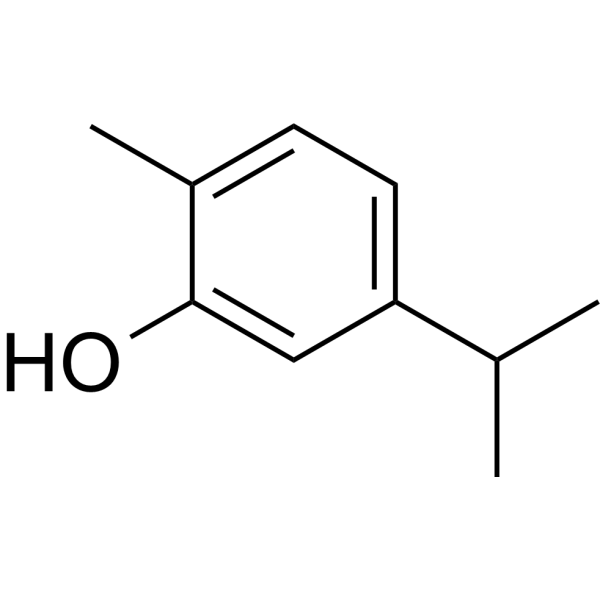
  • HY-N0711
    Carvacrol
    5+ Cited Publications

    Cymophenol

    Environmental Pollutants Apoptosis Endogenous Metabolite Notch Fungal Bacterial Infection Neurological Disease Inflammation/Immunology Cancer
    Carvacrol is an orally active and blood-brain barrier-permeable monoterpenic phenol that can be extract from an abundant number of aromatic plants, including thyme and oregano, possessing antioxidant, antibacterial, antifungal, anticancer, anti-inflammatory, hepatoprotective, spasmolytic, and vasorelaxant properties. Carvacrol also causes cell cycle arrest in G0/G1, downregulates Notch-1, and Jagged-1, and induces apoptosis. Carvacrol is used in low concentrations as a food flavoring ingredient and preservative, as well as a fragrance ingredient in cosmetic formulations .
    Carvacrol
  • HY-P990774

    ASP-7266; TRAB-1; UPB-101

    Interleukin Related Inflammation/Immunology
    Verekitug (ASP-7266; TRAB-1; UPB-101) is a human monoclonal antibody targeting the thymic stromal lymphopoietin receptor (TSLPR), with a mean half-life of approximately 20 days. At doses of Verekitug ≥100 mg, complete and sustained TSLPR-specific occupancy is achieved, and the antibody does not bind to IL-7Rα. By inhibiting TSLP-driven inflammatory responses, Verekitug blocks TSLP-induced cell proliferation and TARC expression, while reducing fractional exhaled NO levels, blood eosinophil counts, and levels of IL-5 and IgE. Verekitug significantly improves scores for nasal polyps, nasal congestion and olfactory dysfunction, with favorable safety and good tolerability; potential adverse reactions include headache, upper respiratory tract infection, sinusitis and nasopharyngitis. Verekitug is used in relevant studies on asthma, chronic rhinosinusitis with nasal polyps and chronic obstructive pulmonary disease .
    Verekitug
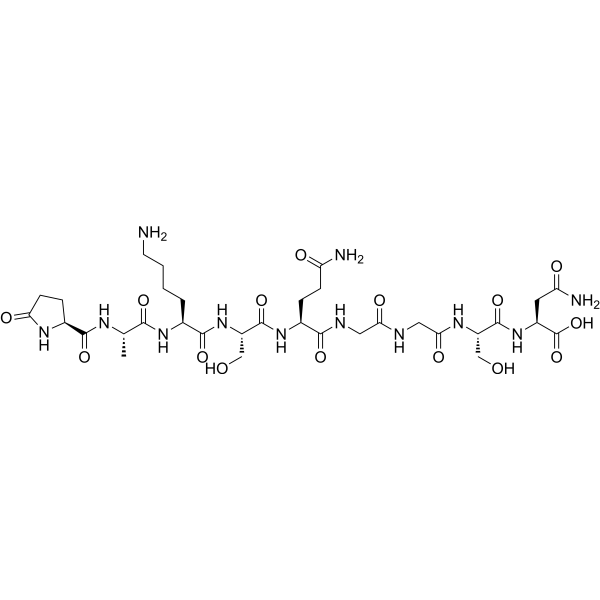
  • HY-P3206

    Thymulin; thymic factor

    ERK Neurological Disease Inflammation/Immunology Endocrinology
    Serum thymic factor (Thymulin) is a zinc-dependent immunomodulatory peptide hormone, which can be produced by the thymic epithelial cells. Serum thymic factor stimulates the release of hormones from the pituitary gland, exhibits hypophysiotropic activity. Serum thymic factor protects rats from Cephaloridine (HY-B2072)-induced nephrotoxicity by inhibiting ERK activation. Serum thymic factor exhibits anti-diabetic, anti-inflammatory and analgesic effects. Serum thymic factor can be used in research about endocrine, reproductive, neurodegenerative and inflammatory diseases .
    Serum thymic factor
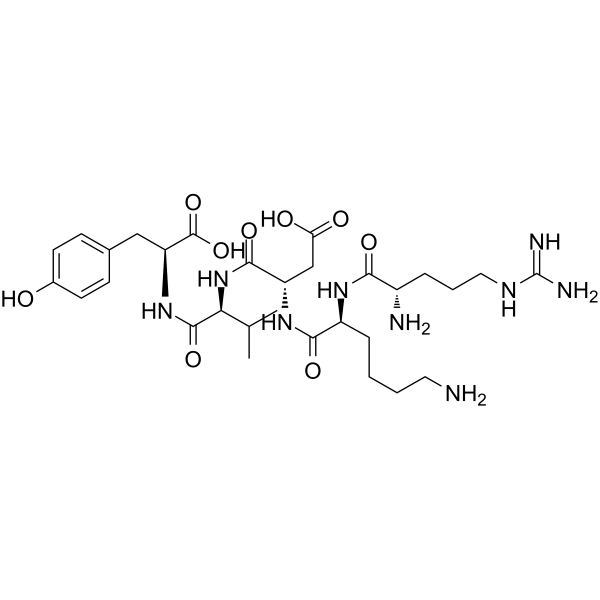
  • HY-N7122

    Endogenous Metabolite Inflammation/Immunology Cancer
    Thymopentin is a biologically active peptide secreted mainly by the epithelial cells of thymic cortex and medulla. Thymopentin is an effective immunomodulatory agent with a short plasma half-life of 30 seconds. Thymopentin enhances the generation of T-cell lineage derived from human embryonic stem cells (hESCs) .
    Thymopentin
  • HY-P991162

    PF-07275315

    Interleukin Related Inflammation/Immunology
    Tilrekimig (PF-07275315) is a monoclonal antibody targeting human interleukin-4 (IL-4), interleukin-13 (IL-13) and thymic stromal lymphopoietin (TSLP). Tilrekimig can be used in the research of allergic and inflammatory diseases, such as asthma and atopic dermatitis .
    Tilrekimig
  • HY-P990933

    CM-326

    Interleukin Related Inflammation/Immunology
    Ocankitug (CM-326) is a humanized IgG1κ antibody targeting thymic stromal lymphopoietin (TSLP). It can be used for research on type 2 inflammatory respiratory diseases, including moderate to severe asthma, chronic sinusitis with nasal polyps, etc.
    Ocankitug
  • HY-P990023

    ADX-914

    Interleukin Related Metabolic Disease Inflammation/Immunology
    Bempikibart (ADX-914) is a fully human anti-IL-7Rα antibody that re-regulates adaptive immune function by blocking signaling mediated by both IL-7 and thymic stromal lymphopoietin (TSLP). Bempikibart can be used for the study of atopic dermatitis and alopecia areata .
    Bempikibart
  • HY-B0885
    Econazole
    5 Publications Verification

    (±)-Econazol

    Fungal Bacterial Calcium Channel Cytochrome P450 Infection Metabolic Disease
    Econazole ((±)-Econazol) is an orally active imidazole antifungal agent, as well as a cytochrome P-450 inhibitor and a blocker of calcium and manganese ion uptake. Econazole is active against a variety of fungi and some Gram-positive bacteria, but has no significant activity against Gram-negative bacteria. Econazole can inhibit the synthesis of prostaglandins and can also induce liver damage .
    Econazole
  • HY-101532

    β-CDN3; 6A-deoxy-6A-azido-β-cyclodextrin

    Biochemical Assay Reagents Others
    6A-Azido-6A-deoxy-β-cyclodextrin (β-CDN3) is a site-specifically modified β-cyclodextrin with a single azido group replacing the hydroxyl group at the C6 position. 6A-Azido-6A-deoxy-β-cyclodextrin forms a host-guest inclusion complex with Dexamethasone (HY-14648), localizing the drug within its hydrophobic cavity, which restricts the rotational mobility of the drug and places Dexamethasone in a less polar environment. 6A-Azido-6A-deoxy-β-cyclodextrin acts as a coupling agent to graft β-cyclodextrin onto thermosensitive nanogels via strain-promoted alkyne-azide cycloaddition (SPAAC). 6A-Azido-6A-deoxy-β-cyclodextrin also serves as a click chemistry reagent. It contains an azide group and undergoes copper-catalyzed azide-alkyne cycloaddition (CuAAc) with molecules bearing an alkyne group. It also undergoes strain-driven alkyne-azide cycloaddition (SPAAC) with molecules containing DBCO or BCN groups .
    6A-Azido-6A-deoxy-β-cyclodextrin
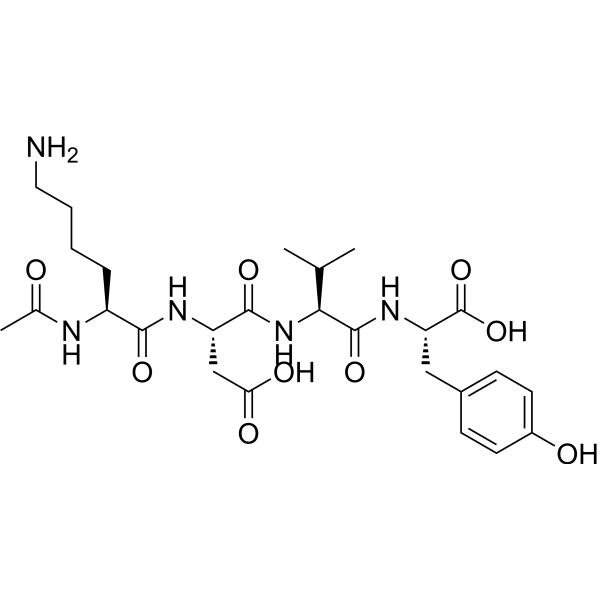
  • HY-P2663

    TNF Receptor Metabolic Disease
    Acetyl tetrapeptide-2 is a bio-active peptide that exhibits anti-aging activity. Acetyl tetrapeptide-2 can reduce loss of thymic factors. Acetyl tetrapeptide-2 can increase the stiffness of HaCaT cells. Acetyl tetrapeptide-2 is a stimulator of structural skin elements including collagen and elastin .
    Acetyl tetrapeptide-2
  • HY-P99872

    CSJ-117; NVP-CSJ117

    Interleukin Related Inflammation/Immunology
    Ecleralimab (CSJ-117; NVP-CSJ117) is a Fab-IgG1-λ2 antibody targeting the thymic stromal lymphopoietin (TSLP). Ecleralimab significantly attenuates allergen-induced airway responses and inflammation. Ecleralimab can be used for the study of inhaled asthma .
    Ecleralimab
  • HY-P3206A

    Thymulin acetate; thymic factor acetate

    ERK Neurological Disease Inflammation/Immunology Endocrinology
    Serum thymic factor acetate (Thymulin acetate) is the acetate salt form of Serum thymic factor (HY-P3206). Serum thymic factor acetate is a zinc-dependent immunomodulatory peptide hormone, which can be produced by the thymic epithelial cells. Serum thymic factor acetate stimulates the release of hormones from the pituitary gland, exhibits hypophysiotropic activity. Serum thymic factor acetate protects rats from Cephaloridine (HY-B2072)-induced nephrotoxicity by inhibiting ERK activation. Serum thymic factor acetate exhibits anti-diabetic, anti-inflammatory and analgesic effects. Serum thymic factor acetate can be used in research about endocrine, reproductive, neurodegenerative and inflammatory diseases .
    Serum thymic factor acetate
  • HY-P991424

    Interleukin Related STAT Inflammation/Immunology
    GSK2618960 is a human monoclonal antibody (mAb) targeting IL-7Ra/CD127. GSK2618960 inhibits IL-7-induced STAT5 phosphorylation. GSK2618960 enhances CD4 T cell proliferation response and increases CD83, CD86, and CD209 expression in PBMCs. GSK2618960 can be used for the research of autoimmune and allergic inflammatory diseases. Recommended isotype control: Human IgG1 kappa, Isotype Control (HY-P99001) .
    GSK2618960
  • HY-119366

    ROR Inflammation/Immunology
    S18-000003 is a potent, selective and orally active inhibitor of retinoic acid receptor-related orphan receptor-gamma-t (RORγt), with an IC50 of <30 nM towards human RORγt in competitive binding assays. S18-000003 shows selectivity for RORγt over other ROR family members (IC50>10 μM). S18-000003 can be used for the research of psoriasis with low risk of thymic aberrations .
    S18-000003
  • HY-N7122A

    Endogenous Metabolite Inflammation/Immunology Cancer
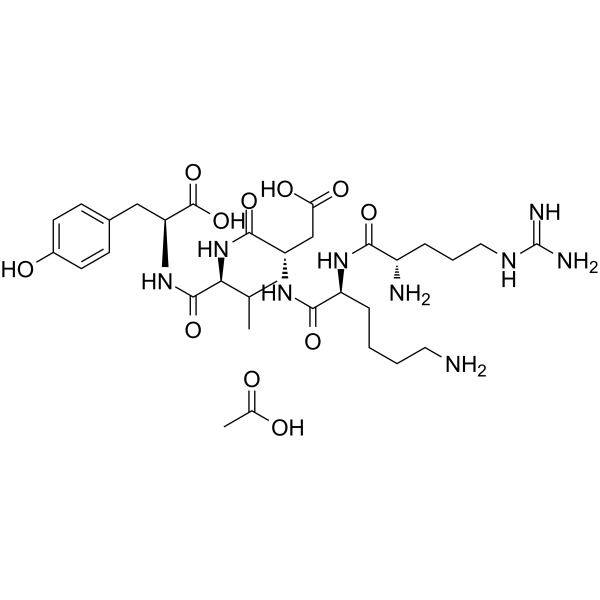
    Thymopentin acetate is a biologically active peptide secreted mainly by the epithelial cells of thymic cortex and medulla. Thymopentin acetate is an effective immunomodulatory agent with a short plasma half-life of 30 seconds. Thymopentin acetate enhances the generation of T-cell lineage derived from human embryonic stem cells (hESCs) .
    Thymopentin acetate
  • HY-14743B

    SCV 07 hydrochloride; Gamma-D-glutamyl-L-tryptophan hydrochloride

    Bacterial STAT Infection Inflammation/Immunology Cancer
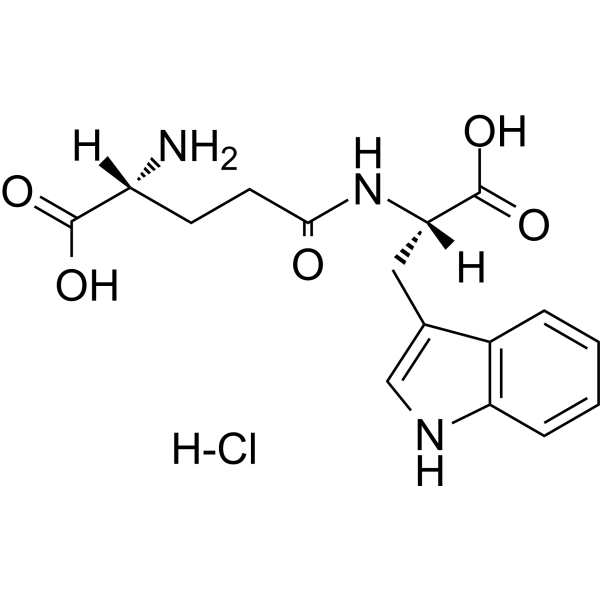
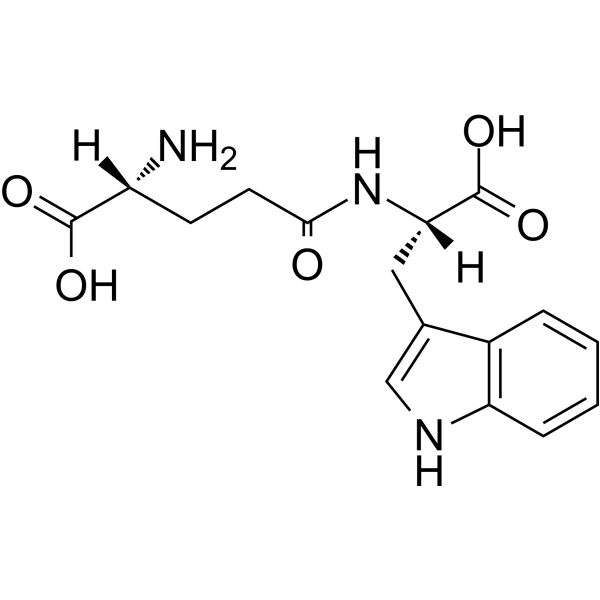
    Golotimod hydrochloride (SCV 07 hydrochloride), an immunomodulating peptide with antimicrobial activity, significantly increases the efficacy of antituberculosis therapy, stimulates thymic and splenic cell proliferation, and improves macrophage function. Golotimod hydrochloride (SCV 07 hydrochloride) inhibits STAT3 signaling and modulates the duration and severity of oral mucositis in animal models that received radiation or a combination of radiation and Cisplatin. Golotimod hydrochloride (SCV 07 hydrochloride) is also a potential therapeutic for recurrent genital herpes simplex virus type 2 (HSV-2) .
    Golotimod hydrochloride
  • HY-P991717

    AZD-8630

    Interleukin Related Inflammation/Immunology Cancer
    Sunakiment is a humanized IgG1λ monoclonal antibody inhibitor targeting Thymic stromal lymphopoietin (TSLP). Sunakiment can be used for inflammatory and immune system disorders like ulcerative colitis, rheumatoid arthritis and allergy and cancers research .
    Sunakiment
  • HY-125301

    Endogenous Metabolite Inflammation/Immunology
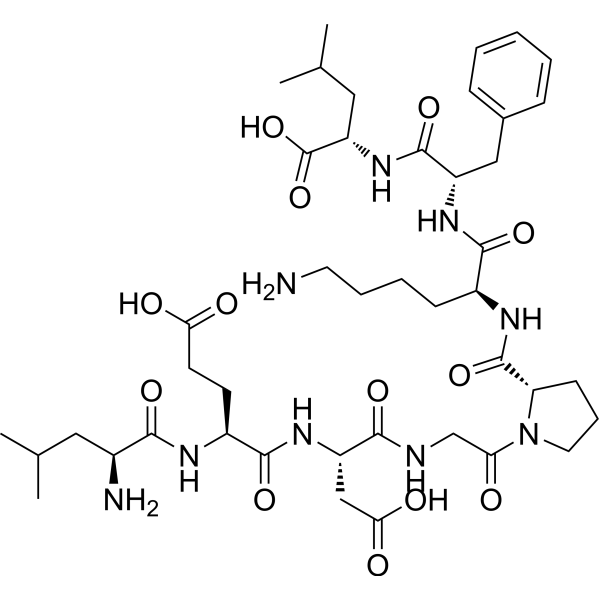
    Thymoctonan (THF-γ2) is the immunomodulatory octapeptide, thymic humoral factor γ2. Thymoctonan has the half-life less than 6 min at 37 °C in blood from human, rat and mouse .
    Thymoctonan
  • HY-14743

    SCV 07; Gamma-D-glutamyl-L-tryptophan

    Bacterial STAT Infection Inflammation/Immunology Cancer
    Golotimod (SCV-07), an immunomodulating peptide with antimicrobial activity, significantly increases the efficacy of antituberculosis therapy, stimulates thymic and splenic cell proliferation, and improves macrophage function. Golotimod (SCV-07) inhibits STAT3 signaling and modulates the duration and severity of oral mucositis in animal models that received radiation or a combination of radiation and Cisplatin. Golotimod (SCV-07) is also a potential therapeutic for recurrent genital herpes simplex virus type 2 (HSV-2) .
    Golotimod
  • HY-171450

    Trk Receptor Cancer
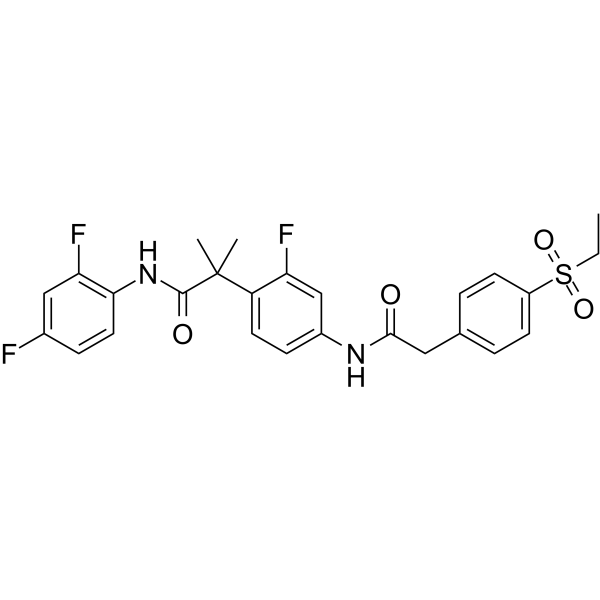
    VMD-928 is an orally active, allosteric, irreversible and selective tropomyosin receptor kinase A (TrkA) inhibitor. VMD-928 blocks the downstream signaling pathways triggered by the binding of nerve growth factor (NGF) to TrkA, thereby inhibiting cell proliferation, invasion, and promoting cancer cell death. VMD-928 is promising for research of various cancers, including prostate cancer, thymic carcinoma, mesothelioma, squamous cell carcinoma of the head and neck, squamous cell carcinoma of the lung, ovarian cancer, hepatocellular carcinoma .
    VMD-928
  • HY-W016181

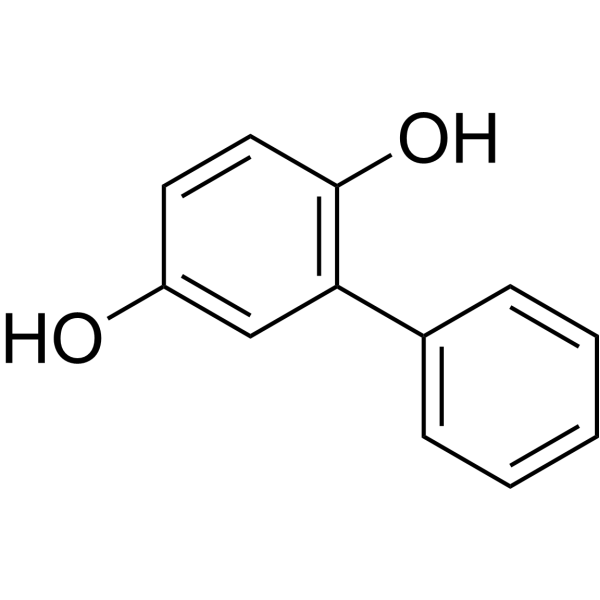
    2-Phenylhydroquinone

    MDM-2/p53 ERK p38 MAPK Inflammation/Immunology
    Phenylhydroquinone (PHQ) is an orally active thymic atrophy inducer which can up-regulate apoptosis through activation of p53. PHQ can be used for research of thymic atrophy .
    Phenylhydroquinone
  • HY-105025

    Thymopoietin II (32-35); TP 4

    Apoptosis Inflammation/Immunology
    Thymocartin (Thymopoietin II (32-35)) is the 32-35 fragment of the thymic factor (thymopoietin). Thymocartin has shown potential for immunodeficiency diseases research .
    Thymocartin
  • HY-W341962

    Leukotriene Receptor Inflammation/Immunology
    Halometasone is a corticosteroid compound that can reduce the expression of serum leukotriene B4 (LTB4) and thymic stromal lymphopoietin (TSLP). Halometasone can be used in research on psoriasis and eczematous skin diseases .
    Halometasone
  • HY-106129

    LY 320236

    5 alpha Reductase Endocrinology Cancer
    Izonsteride (Compound LY320236) is an inhibitor of 5α-reductase (IC50 = 11.6 nM for type I; 7.37 nM for type II). LY320236 inhibits the activity of steroid 5α-reductase, preventing the conversion of testosterone (T) to dihydrotestosterone (DHT). LY320236 can significantly inhibit the growth of LNCaP tumors in thymic mice without exhibiting obvious host toxicity .
    Izonsteride
  • HY-N0711R

    Cymophenol (Standard)

    Reference Standards Notch Apoptosis Fungal Endogenous Metabolite Bacterial Infection Inflammation/Immunology Cancer
    Carvacrol (Standard) is the analytical standard of Carvacrol. This product is intended for research and analytical applications. Carvacrol is an orally active and blood-brain barrier-permeable monoterpenic phenol that can be extract from an abundant number of aromatic plants, including thyme and oregano, possessing antioxidant, antibacterial, antifungal, anticancer, anti-inflammatory, hepatoprotective, spasmolytic, and vasorelaxant properties. Carvacrol also causes cell cycle arrest in G0/G1, downregulates Notch-1, and Jagged-1, and induces apoptosis. Carvacrol is used in low concentrations as a food flavoring ingredient and preservative, as well as a fragrance ingredient in cosmetic formulations .
    Carvacrol (Standard)
  • HY-P0001

    TFX-Jelfa

    Biochemical Assay Reagents Inflammation/Immunology
    Thymic factor X (TFX-Jelfa) is an aqueous extract from juvenile calf thymuses and a natural stimulator of lymphocyte function .
    Thymus factor X
  • HY-106365

    Glucocorticoid Receptor Endocrinology
    Rofleponide is a synthetic glucocorticoid that has a high affinity for rat thymic glucocorticoid receptors and has high anti-inflammatory efficacy in experimental animal models .
    Rofleponide
  • HY-P1736

    Influenza Virus Infection
    Influenza HA (126-138) is a influenza virus hemagglutinin (HA) peptide comprising amino acids 126-138, induces thymic and peripheral T-cell apoptosis .
    Influenza HA (126-138)
  • HY-N7122R

    Reference Standards Endogenous Metabolite Inflammation/Immunology Cancer
    Thymopentin is a biologically active peptide secreted mainly by the epithelial cells of thymic cortex and medulla. Thymopentin is an effective immunomodulatory agent with a short plasma half-life of 30 seconds. Thymopentin enhances the generation of T-cell lineage derived from human embryonic stem cells (hESCs) .
    Thymopentin (Standard)
  • HY-106365A

    Endogenous Metabolite Inflammation/Immunology
    Rofleponide epimer is a compound with anti-inflammatory activity. Rofleponide epimer has shown high selectivity in the lungs in experiments. Rofleponide epimer exhibits excellent pharmacological properties by efficiently binding to the rat thymic glucocorticoid receptor. The biotransformation rate of Rofleponide epimer is 10 times higher than that of other known similar drugs, indicating that it has potential application value in inhibiting inflammatory diseases involving mucosa .
    Rofleponide epimer
  • HY-174741

    mRNA Inflammation/Immunology
    Human CCR8 mRNA encodes the human C-C motif chemokine receptor 8 (CCR8) protein, a member of the beta chemokine receptor family. CCR8 plays a role in regulation of monocyte chemotaxis and thymic cell apoptosis. More specifically, this receptor may contribute to the proper positioning of activated T cells within the antigenic challenge sites and specialized areas of lymphoid tissues.
    Human CCR8 mRNA
  • HY-14743A

    SCV 07 TFA; Gamma-D-glutamyl-L-tryptophan TFA

    Bacterial STAT Infection Inflammation/Immunology Cancer
    Golotimod TFA (SCV 07 TFA), an immunomodulating peptide with antimicrobial activity, significantly increases the efficacy of antituberculosis therapy, stimulates thymic and splenic cell proliferation, and improves macrophage function. Golotimod TFA (SCV 07 TFA) inhibits STAT3 signaling and modulates the duration and severity of oral mucositis in animal models that received radiation or a combination of radiation and Cisplatin. Golotimod TFA (SCV 07 TFA) is also a potential therapeutic for recurrent genital herpes simplex virus type 2 (HSV-2) .
    Golotimod TFA
  • HY-14743R

    SCV 07 (Standard); Gamma-D-glutamyl-L-tryptophan (Standard)

    Bacterial STAT Reference Standards Infection Inflammation/Immunology Cancer
    Golotimod (Standard) is the analytical standard of Golotimod. This product is intended for research and analytical applications. Golotimod (SCV-07), an immunomodulating peptide with antimicrobial activity, significantly increases the efficacy of antituberculosis therapy, stimulates thymic and splenic cell proliferation, and improves macrophage function. Golotimod (SCV-07) inhibits STAT3 signaling and modulates the duration and severity of oral mucositis in animal models that received radiation or a combination of radiation and Cisplatin. Golotimod (SCV-07) is also a potential therapeutic for recurrent genital herpes simplex virus type 2 (HSV-2) .
    Golotimod (Standard)
  • HY-W762015

    1,2,3,6,7,8-HxCDF

    Cytochrome P450 Cancer
    1,2,3,6,7,8-Hexachlorodibenzofuran (1,2,3,6,7,8-HxCDF) is a dioxin-like polychlorinated dibenzofuran (PCDF). 1,2,3,6,7,8-Hexachlorodibenzofuran induces expression of the genes encoding aryl hydrocarbon hydroxylase (AHH) and ethoxyresorufin-O-deethylase (EROD) in H-4-II-E rat hepatoma cells (EC50s = 1.47 and 1.24 nM, respectively). 1,2,3,6,7,8-Hexachlorodibenzofuran reduces weight, induces thymic atrophy, and induces the expression of genes encoding the cytochrome P450 (CYP) isoform CYP1A1 and 4-chlorobiphenyl hydroxylase in rats (EC50s = 3.2, 0.9, 0.35, and 0.21 µmol/kg, respectively) .
    1,2,3,6,7,8-Hexachlorodibenzofuran
  • HY-105025B

    Thymopoietin II (32-35) acetate; TP 4 acetate

    Apoptosis Inflammation/Immunology
    Thymocartin (TP 4) acetate is the 32-35 fragment of thymic factor (thymopoietin). Thymocartin acetate inhibits apoptosis of peripheral blood lymphocytes in HIV infected individuals. Thymocartin acetate is potential for immunodeficiency diseases research .
    Thymocartin acetate
  • HY-207120

    Interleukin Related Inflammation/Immunology
    TSLP-IN-1 is a potent thymic stromal lymphopoietin (TSLP) inhibitor. TSLP-IN-1 disrupts TSLP-TSLPR protein-protein interaction, and downregulates IL-4 and IL-13. TSLP-IN-1 can be used for the research of inflammation diseases, such as skin disease, asthma, and allergies .
    TSLP-IN-1
  • HY-182370

    PROTACs Epigenetic Reader Domain Inflammation/Immunology
    TKP-5 is a PROTAC protein degrader targeting BRD4. TKP-5 can binds to BRD2, BRD3, BRD4 and BRDT, with Kd values of 150 nM, 100 nM and 150 nM for the first three proteins respectively. TKP-5 inhibits the production of thymic stromal lymphopoietin and suppresses the expression of IL-33 mRNA. TKP-5 is applicable to studies related to tape-stripping induced skin injury .
    TKP-5
  • HY-N18811

    Bacterial Infection
    Thyme extract is one of the most preservative essential oils. It has antibacterial and antiviral properties. And it can be used in daily essentials such as detergents, hand sanitizers and soaps.
    Thyme oil
  • HY-N7122AR

    Reference Standards Endogenous Metabolite Inflammation/Immunology Cancer
    Thymopentin (acetate) (Standard) is the analytical standard of Thymopentin (acetate) (HY-N7122A). This product is intended for research and analytical applications. Thymopentin acetate is a biologically active peptide secreted mainly by the epithelial cells of thymic cortex and medulla. Thymopentin acetate is an effective immunomodulatory agent with a short plasma half-life of 30 seconds. Thymopentin acetate enhances the generation of T-cell lineage derived from human embryonic stem cells (hESCs) .
    Thymopentin acetate (Standard)
  • HY-N16715

    Cholinesterase (ChE) Neurological Disease
    Monardic acid A is a selective inhibitor of AChE, with an IC50 of 53.1 μM against AChE from electric eel. Monardic acid A shows weak inhibitory activity against human erythrocyte AChE (IC50 >100 μM) and has no significant inhibitory effect on BChE. Monardic acid A reduces acetylcholine breakdown by inhibiting AChE activity, and also exhibits inhibitory activity against histamine release and hyaluronidase, thus exerting anti-inflammatory and neurotransmitter regulatory effects. Monardic acid A can be isolated from lungwort (Pulmonaria officinalis) and thyme (Thymus gobicus), and is mainly used in the development of anti-inflammatory drugs and drugs related to neurodegenerative diseases .
    Monardic acid A
  • HY-182362

    Epigenetic Reader Domain Inflammation/Immunology
    TK-285 is a potent TSLP inhibitor that suppresses the production of TSLP and inhibits the expression of interleukin-33 mRNA. TK-285 exhibits a selective binding preference for the BD1 domains of BRD2, BRD3, BRD4 and BRDT. TK-285 can be used in research related to atopic dermatitis .
    TK-285
  • HY-P11699

    Inflammation/Immunology
    AAPDNRETF is a dominant minor histocompatibility antigen presented by H-2D b, which antigen is expressed in C57BL/6 mice and can be recognized by T cells from C3H.SW mice, thereby inducing a strong immune response. AAPDNRETF can induce graft-versus-host disease in irradiated C57BL/6 recipient mice via transfer of sensitized T lymphocytes. AAPDNRETF is applicable to the research of graft-versus-host disease .
    AAPDNRETF
  • HY-P992474

    Interleukin Related STAT CCR Fc Receptor (FcR) Inflammation/Immunology
    TAVO101 is a humanized anti-TSLP antibody with an EC50 of 0.19 nM against hTSLP. TAVO101 inhibits STAT5 activation and CCL17 release. TAVO101 carries Fc region mutations that enhance its binding to FcRn while reducing its binding to FcγRI, FcγRIIIA and C1q, thereby attenuating effector functions. TAVO101 reduces the levels of inflammatory markers, cell infiltration and histopathological damage in preclinical models of asthma, psoriasis and atopic dermatitis. TAVO101 can be used for research related to asthma, psoriasis and atopic dermatitis .
    TAVO101

Inquiry Online

Your information is safe with us. * Required Fields.

Salutation


Country or Region *

Applicant Name *


Organization Name *

Department *


Email Address *


Product Name *

Cat. No.


Requested quantity *

Phone Number *


Remarks

Inquiry Online

Inquiry Information

Product Name:
Cat. No.:
Quantity:
MCE Japan Authorized Agent:

