

1. Search Result
Search Result
Pathways Recommended: Stem Cell/Wnt Cell Cycle/DNA Damage
Results for "

tumor cell death

" in MedChemExpress (MCE) Product Catalog:

190

Inhibitors & Agonists

6

Screening Libraries

1

Fluorescent Dyes

2

Biochemical Assay Reagents

14

Peptides

18

Inhibitory Antibodies

17

Natural
Products

3

Isotope-Labeled Compounds

2

Antibodies

4

Click Chemistry

9

Oligonucleotides

Cat. No. Product Name Target Research Areas Chemical Structure
  • HY-164388
    Z-VAD
    Maximum Cited Publications
    19 Publications Verification

    Caspase Apoptosis Autophagy Necroptosis Cardiovascular Disease Cancer
    Z-VAD is an irreversible, broad-spectrum pan-caspase inhibitor that can inhibit a variety of caspases including caspase-3, -6, -7, -8, -9, etc. (with a weaker inhibitory effect on caspase-2). Z-VAD can block apoptosis signaling pathways, induce autophagy and necrosis in tumor cells, and has anti-angiogenic activity. Z-VAD can enhance the sensitivity of breast cancer and lung cancer cells to radiotherapy in vitro and in vivo, and prolong the growth delay of tumor xenograft models. Z-VAD is well tolerated and is mainly used in research related to cancer radiosensitization and cell death pathway regulation .
    Z-VAD
  • HY-P99052
    Tislelizumab
    3 Publications Verification

    BGB-A317

    PD-1/PD-L1 Inflammation/Immunology Cancer
    Tislelizumab is a monoclonal antibody that specifically binds to programmed cell death receptor 1 (PD-1), blocking its interaction with programmed death ligand 1 (PD-L1) and programmed death ligand 2 (PD-L2). Tislelizumab can reactivate immune cells such as T lymphocytes and enhance anti-tumor activity. Tislelizumab can be used for the research of a variety of tumors including typical Hodgkin's lymphoma, urothelial carcinoma, non-small cell lung cancer and hepatocellular carcinoma .
    Tislelizumab
  • HY-W075517

    2-Methylimidazole zinc salt

    MOFs Caspase Pyroptosis Cancer
    ZIF-8 (2-Methylimidazole zinc salt) is a pyroptosis inducer that activates the caspase-1/gasdermin D-dependent pyroptosis pathway. ZIF-8 induces pyroptotic cell death accompanied by necrosis and immunogenic cell death. ZIF-8 initiates in situ immunity, activates anti-tumor immunity, and reprograms the immunosuppressive tumor microenvironment to inhibit tumor growth. ZIF-8 acts as a pH-responsive and stimulus-responsive drug release inducer. ZIF-8 is applicable to cancer-related research .
    ZIF-8
  • HY-13767
    Tirapazamine
    10+ Cited Publications

    SR259075; SR4233; Win59075; SML 0552; SR 259075; Tirazone

    DNA/RNA Synthesis Cancer
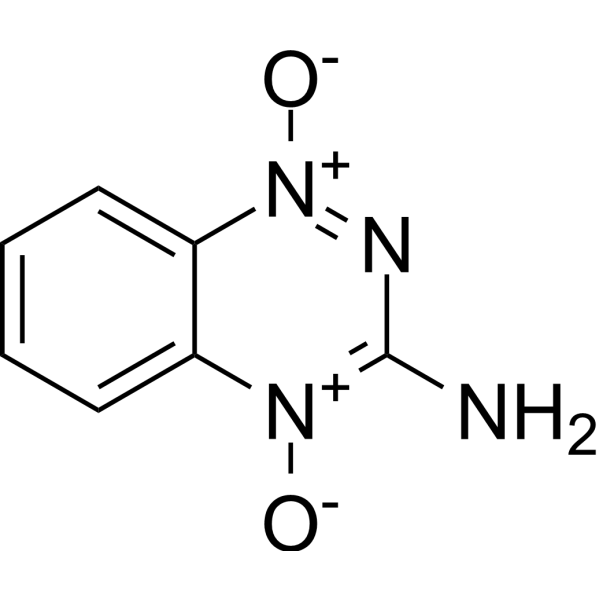
    Tirapazamine (SR259075) is an anticancer agent that shows selective cytotoxicity for hypoxic cells in solid tumors, thereby inducing single-and double-strand breaks in DNA, base damage, and cell death. Tirapazamine is an anticancer and bioreductive agent.Tirapazamine (SR259075) can enhance the cytotoxic effects of ionizing radiation in hypoxic cells .
    Tirapazamine
  • HY-149672

    Bcl-2 Family Apoptosis Cancer
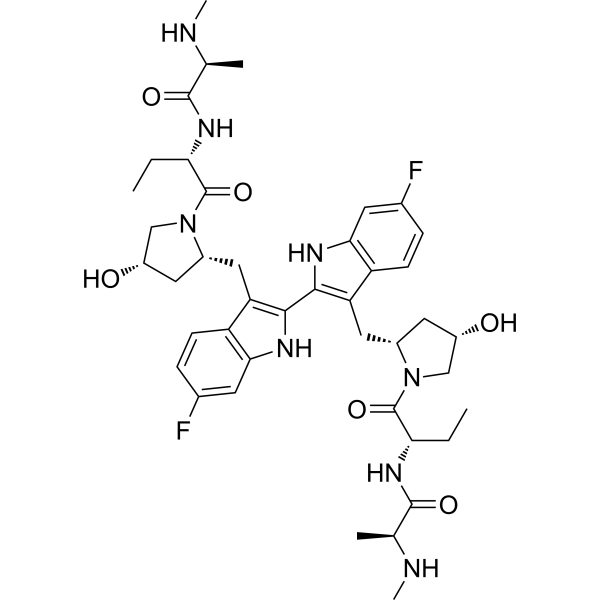
    ABBV-467 is a selective MCL-1 inhibitor (Ki: <0.01 nM). ABBV-467 induces apoptosis. ABBV-467 induces cancer cell death and inhibits tumor growth in models of hematological malignancies, such as multiple myeloma .
    ABBV-467
  • HY-100789
    ON1231320
    2 Publications Verification

    Apoptosis Polo-like Kinase (PLK) Mitosis Cancer
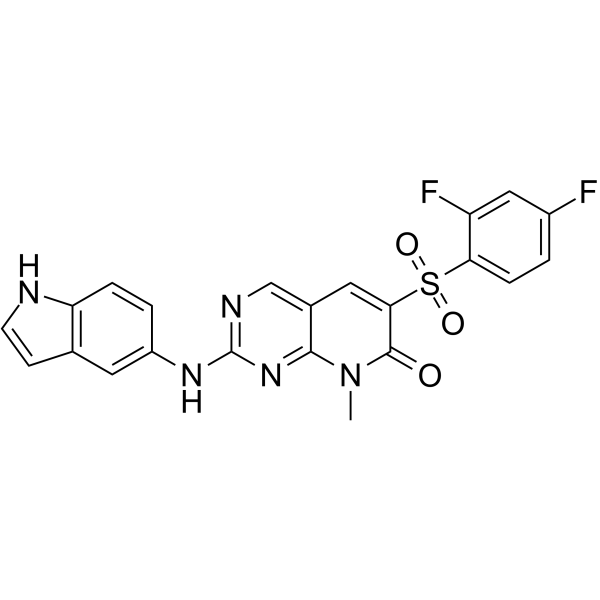
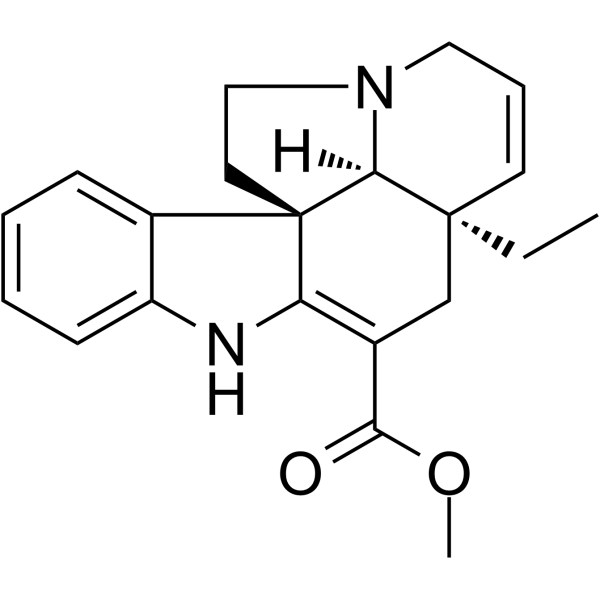
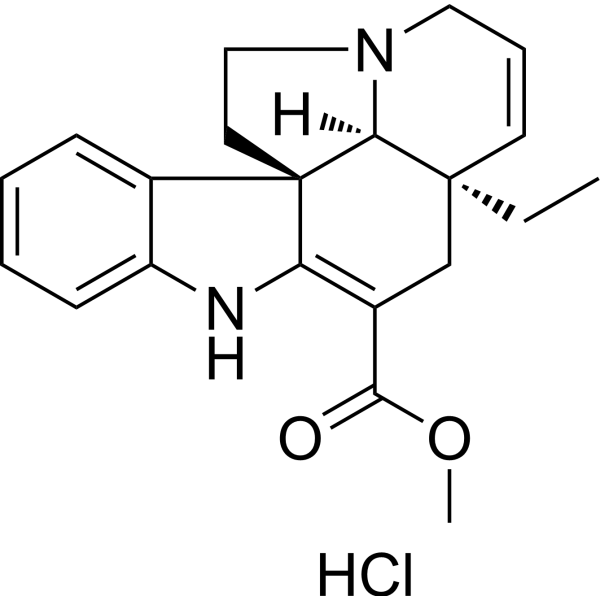
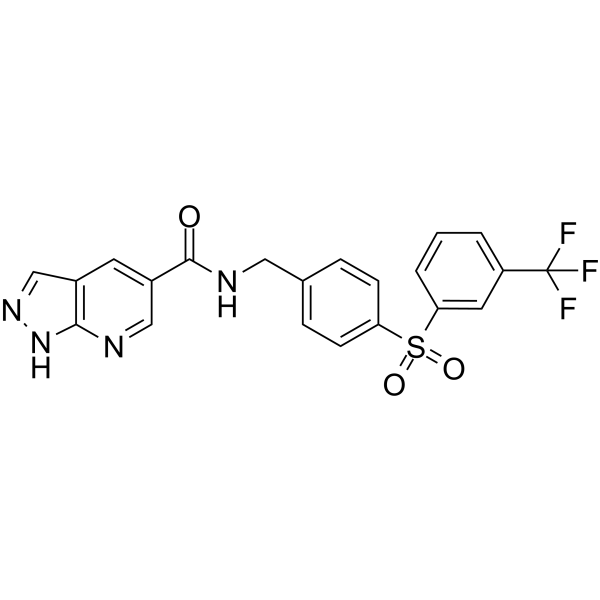
    ON1231320 is a highly specific polo like kinase 2 (PLK2) inhibitor with an IC50 of 0.31 μM. ON1231320 blocks tumor cell cycle progression in the G2/M phase in mitosis, causing apoptotic cell death. ON1231320, an arylsulfonyl pyrido-pyrimidinone, has antitumor activity .
    ON1231320
  • HY-111838A
    ZZW-115 hydrochloride
    4 Publications Verification

    Apoptosis Cancer
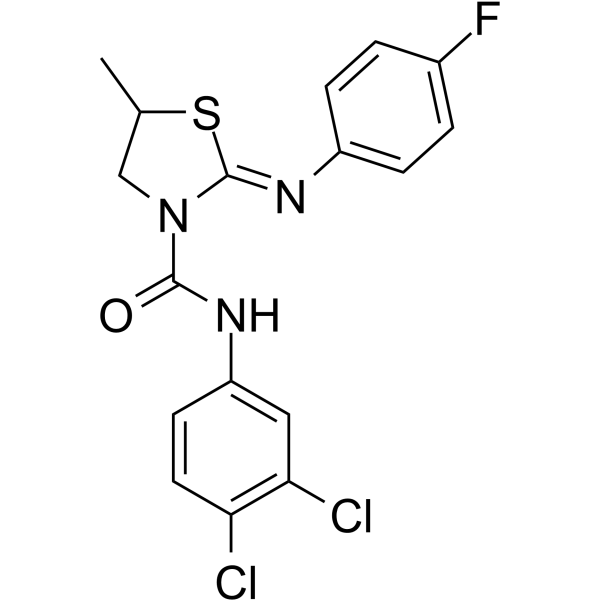
    ZZW-115 hydrochloride is a potent NUPR1 inhibitor, with a Kd of 2.1 μM. ZZW-115 hydrochloride induces tumor cell death by necroptosis and apoptosis. Anticancer activity .
    ZZW-115 hydrochloride
  • HY-175751

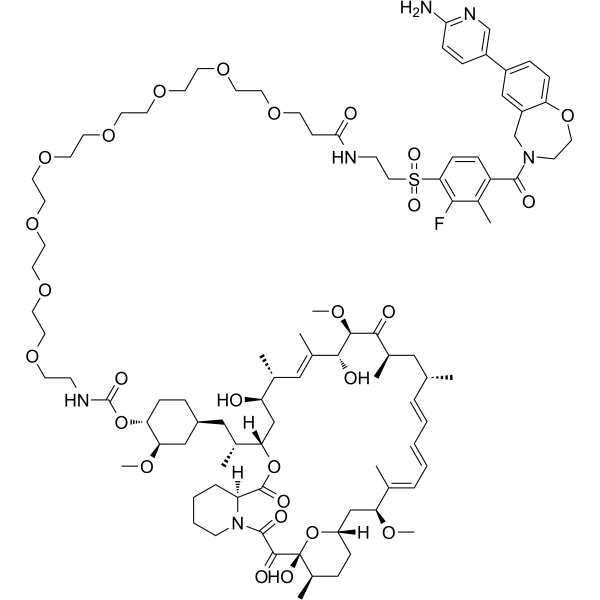
    mTOR Cancer
    LRK-4189 is an orally active PIP4K2C (a regulator of mTOR complex) degrader and type 1 immune activator. LRK-4189 induces the degradation of the lipid kinase PIP4K2C. LRK-4189 triggers the interferon signaling pathway in microsatellite-stable (MSS) colorectal cancer cells, activates immunogenic tumor killing, and induces endogenous cell death. LRK-4189 sensitizes microsatellite-stable colorectal cancer tumors to NK cell killing and dendritic cell phagocytosis. LRK-4189 can be used for the research of microsatellite-stable colorectal cancer .
    LRK-4189
  • HY-153468

    TEQ103; Sera2

    Sodium Channel TRP Channel Cancer
    ErSO-TFPy (TEQ103) is an ERα+ tumor cell inhibitor with low nanomolar cytotoxic activity against ERα+ breast cancer cells. ErSO-TFPy activates the sodium channel TRPM4, causes an imbalance of intracellular calcium and sodium ions. ErSO-TFPy dysregulates calcium homeostasis in ERα+ tumor cells, triggers the anticipatory unfolded protein response, and induces rapid immune cell-independent necrotic cell death. ErSO-TFPy can be used for the research of estrogen receptor alpha positive breast cancer .
    ErSO-TFPy
  • HY-P99618

    IBI-315; BH2950

    EGFR PD-1/PD-L1 Cancer
    Fidasimtamab is a bispecific antibody targeting human epidermal growth factor receptor 2 (Her2) and programmed death protein 1 (PD-1), with a Ka of 3.55e-10 M for human Her2 and a Ka of 1.17e-9 M for human PD-1. Fidasimtamab cross-links Her2-positive tumor cells with PD-1-positive T cells to form immune synapses, blocks PD-1-ligand interactions, preserves antibody-dependent cellular cytotoxicity, induces gasdermin B (GSDMB)-mediated pyroptosis, and activates T cells. Fidasimtamab is applicable to relevant research on Her2-positive gastric cancer .
    Fidasimtamab
  • HY-135336A

    (S)-(-)-Verapamil hydrochloride

    P-glycoprotein Leukotriene Receptor Calcium Channel Apoptosis Cancer
    (S)-Verapamil hydrochloride (S(-)-Verapamil hydrochloride) inhibits leukotriene C4 (LTC4) and calcein transport by MRP1. (S)-Verapamil hydrochloride leads to the death of potentially resistant tumor cells .
    (S)-Verapamil hydrochloride
  • HY-P99270

    CS-1008; Anti-Human TRAIL-R2 Recombinant Antibody

    Apoptosis Cancer
    Tigatuzumab (CS-1008) is a humanized IgG1 monoclonal antibody targets death receptor 5 (DR5). Tigatuzumab induces cell apoptosis of cancer cells and inhibits tumor growth in vivo. Tigatuzumab can be used for the research of cancer .
    Tigatuzumab
  • HY-150617
    Lartesertib
    1 Publications Verification

    M4076; ATM Inhibitor-5

    ATM/ATR STING PD-1/PD-L1 Cardiovascular Disease Inflammation/Immunology Cancer
    Lartesertib (M4076) is an inhibitor of the serine/threonine protein kinase ATM with high potency. Lartesertib can inhibit the growth of multiple hematopoietic cell lines. Additionally, when combined with the ATR inhibitor Tuvusertib (HY-111451), Lartesertib can promote the death of tumor cells, activate the immune signaling pathway, and exhibit anti-tumor activity .
    Lartesertib
  • HY-100867A

    TAK-659 monohydrochloride; CB-659 monohydrochloride

    Syk FLT3 Cancer
    TAK-659 hydrochloride is a highly potent, selective, reversible and orally available dual inhibitor of spleen tyrosine kinase (SYK) and fms related tyrosine kinase 3 (FLT3), with an IC50 of 3.2 nM and 4.6 nM for SYK and FLT3, respectively. TAK-659 hydrochloride induces cell death in tumor cells but not in nontumor cells, and with potential for the treatment of chronic lymphocytic leukemia (CLL) .
    Mivavotinib monohydrochloride
  • HY-P99489

    ABBV 181; PR 1648817

    PD-1/PD-L1 Inflammation/Immunology Cancer
    Budigalimab (ABBV 181; PR 1648817) is a humanized, recombinant IgG1 monoclonal antibody targeting programmed cell death 1 (PD-1) receptor. Budigalimab has an Fc mutation that reduces the inhibition of Fc receptor interactions and effector factors. Budigalimab can block the binding of PD-1 and PD-L1, which has anti-tumor activity. Budigalimab can be used in the study of solid tumors .
    Budigalimab
  • HY-101849
    Fasentin
    4 Publications Verification

    GLUT TNF Receptor Apoptosis Cardiovascular Disease Cancer
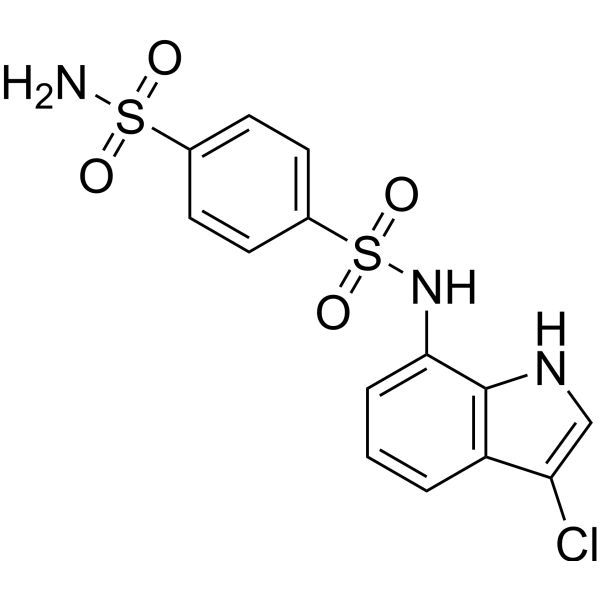
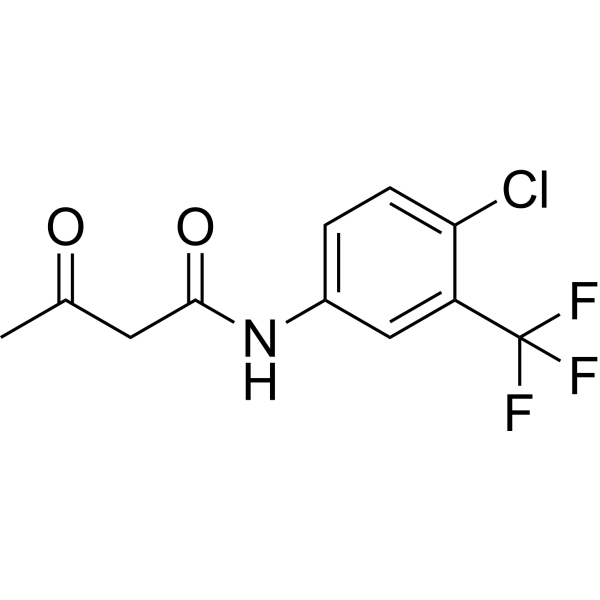
    Fasentin, a potent glucose uptake inhibitor, inhibits GLUT-1/GLUT-4 transporters. Fasentin preferentially inhibits GLUT4 (IC50=68 μM) over GLUT1. Fasentin is a death receptor stimuli (FAS) sensitizer and sensitizes cells to FAS-induced cell death. Fasentin is also a tumor necrosis factor (TNF) apoptosis-inducing ligand sensitizer. Fasentin blocks glucose uptake in cancer cell lines and has anti-angiogenic activity .
    Fasentin
  • HY-103400
    8-Chloroadenosine
    1 Publications Verification

    8-Cl-Ado

    AMPK Autophagy Cancer
    8-Chloroadenosine (8-Cl-Ado), a unique ribonucleoside analog, depletes endogenous ATP that subsequently induces the phosphorylation and activation of AMPK. 8-Chloroadenosine induces autophagic cell death. 8-Chloroadenosine effectively inhibited in vivo tumor growth in mice .
    8-Chloroadenosine
  • HY-12628
    GNE-618
    2 Publications Verification

    NAMPT Cancer
    GNE-618 is a potent, orally active nicotinamide phosphoribosyl transferase (NAMPT) inhibitor with an IC50 of 6 nM. GNE-618 depletes NAD levels and induces tumor cell death. Anti-tumor activity .
    GNE-618
  • HY-111838
    ZZW-115
    4 Publications Verification

    Apoptosis Cancer
    ZZW-115 is a potent NUPR1 inhibitor, with a Kd of 2.1 μM. ZZW-115 induces tumor cell death by necroptosis and apoptosis. Anticancer activity .
    ZZW-115
  • HY-P991061

    CHS-114; SRF-114

    CCR Cancer
    Tagmokitug (CHS-114; SRF-114) is a fully human IgG1 antibody targeting CCR8. Tagmokitug selectively binds to human CCR8 (Kd = 502 pM) and mediates the death of CCR8-expressing cells via antibody-dependent cellular cytotoxicity and antibody-dependent cellular phagocytosis. Tagmokitug selectively eliminates intratumoral regulatory T cells, induces tumor growth inhibition, remodels the tumor immune microenvironment, and promotes the differentiation of cytotoxic CD8 + T cell subsets. Tagmokitug can be used for the research of solid tumors .
    Tagmokitug
  • HY-15045
    INO-1001
    2 Publications Verification

    PARP Cancer
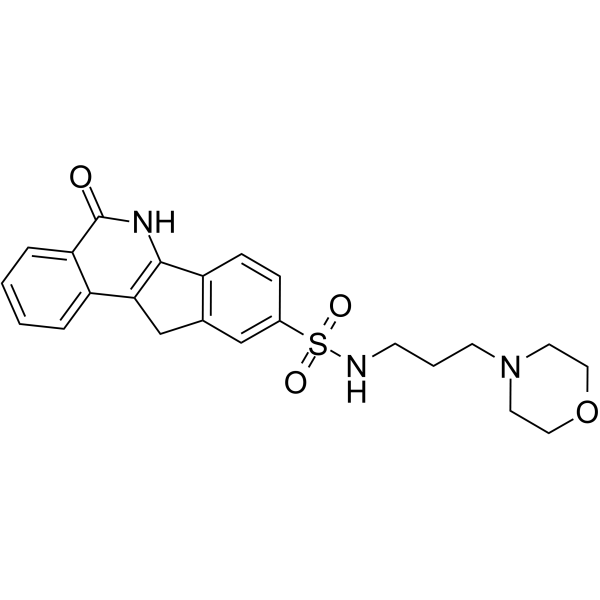
    INO-1001 is a potent and selective poly (ADP-ribose) polymerase (PARP) inhibitor. INO-1001 is a potent enhancer of radiation sensitivity and enhances radiation-induced cell killing by interfering with DNA repair mechanisms, resulting in necrotic cell death . INO-1001 has anti-tumor effects .
    INO-1001
  • HY-160696

    CD73 Cancer
    ORIC-533 is an orally active, highly selective, AMP-competitive CD73 inhibitor that potently blocks adenosine production with sub-nanomolar affinity (Ka=0.03 nM). In multiple myeloma, ORIC-533 restores and enhances the cytotoxicity of the immune system against tumor cells through multiple immunological mechanisms, including reversing the immunosuppressive microenvironment, inducing immunogenic cell death, and activating dendritic cells, T cells and NK cells, with no direct toxicity to normal cells. The combination of ORIC-533 with Daratumumab (HY-P9915) synergistically enhances anti-tumor efficacy, significantly increases intratumoral CD8 + T cell infiltration and inhibits tumor growth in vivo .
    ORIC-533
  • HY-119357

    Microtubule/Tubulin Apoptosis Autophagy Neurological Disease Cancer
    TN-16 is a Microtubule polymerization inhibitor. TN-16 induces G2/M cell cycle arrest, metaphase mitotic arrest and Apoptotic cell death in cells, and blocks late Autophagic flux by inhibiting autophagosome-lysosome fusion. TN-16 suppresses tumor growth in syngeneic mouse breast cancer models. TN-16 can be used in research related to neuroblastoma, cervical cancer, breast cancer and other tumors .
    TN-16
  • HY-161117

    RSV Cancer
    AD-8007 is an acetyl CoA synthase 2 (ACSS2) inhibitor that can cross the blood-brain barrier. AD-8007 can significantly reduce lipid storage and cell colony formation in vitro models, and increase tumor cell death. AD-8007 has anti-cancer activity and can be used in the research of breast cancer .
    AD-8007
  • HY-145963
    DRB18
    1 Publications Verification

    GLUT Cancer
    DRB18 is a potent pan-class GLUT inhibitor. DRB18 alters energy-related metabolism in A549 cells by changing the abundance of metabolites in glucose-related pathways. DRB18 can eventually lead to G1/S phase arrest and increase oxidative stress and necrotic cell death. DRB18 has anti-tumor activity .
    DRB18
  • HY-148755

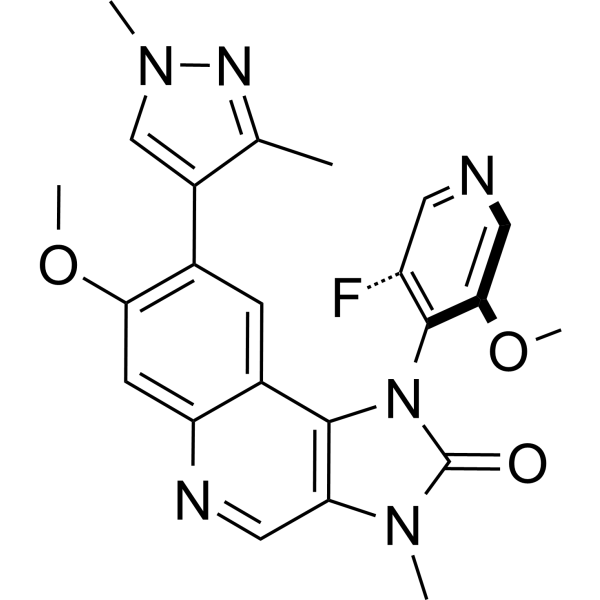
    Lipase Cancer
    ERX-41 is an orally active and stereospecific small molecule targeting to lysosomal acid lipase A (LIPA). ERX-41 induces endoplasmic reticulum (ER) stress resulting in cell death, indicating a function independent of LIPA but dependent on its ER localization. ERX-41 involves in a targeted strategy for solid tumors .
    ERX-41
  • HY-129163
    HJ-PI01
    2 Publications Verification

    10-Acetylphenoxazine

    Pim Cancer
    HJ-PI01 (10-Acetylphenoxazine) is an orally active Pim-2 inhibitor. HJ-PI01 induces apoptosis and autophagic cell death of cancer cells. HJ-PI01 inhibits tumor growth in MDA-MB-231 xenograft mice. HJ-PI01 can be used for cancer research .
    HJ-PI01
  • HY-P991570

    AD5-10; oba-01 Antibody

    TNF Receptor Apoptosis Caspase Atg8/LC3 Akt Beclin1 JNK Cancer
    Zaptuzumab (AD5-10) is a DR5-specific humanized monoclonal antibody that selectively binds to DR5 with high affinity. Zaptuzumab specifically induces cancer cell death by both caspase-apoptosis and autophagic cell death (ACD). Zaptuzumab activates both ADCC and CDC. Zaptuzumab induces ROS generation and GSH level reduction. Zaptuzumab shows a significant suppression of the tumor growth and good safety in various xenografts mice tumor models .
    Zaptuzumab
  • HY-163001
    Microcolin H
    1 Publications Verification

    Autophagy p62 Atg8/LC3 Cancer
    Microcolin H is a marine lipopeptide and phosphatidylinositol transfer protein ligand that targets PITPα/β. Microcolin H increases the conversion of LC3I to LC3II and reduces p62 levels in cancer cells, leading to autophagy cell death (Autophagy). Microcolin H effectively inhibits tumor development and has anti-proliferative activity in nude mouse subcutaneous tumor models .
    Microcolin H
  • HY-N1180

    SARS-CoV Keap1-Nrf2 Infection
    Tanshinlactone is a compound found in Salvia miltiorrhiza with anti-coronavirus (CoV) and anti-tumor activities. Tanshinlactone induces methuocytic cell death (methuosis) by activating the NRF2 pathway, and selectively kills ER +, HER2 +/EGFR + breast cancer cells. Tanshinlactone is applicable to research related to breast cancer and coronavirus infections .
    Tanshinlactone
  • HY-N4201

    EGFR Src Cancer
    Beta-hydroxyisovalerylshikonin is a natural product isolated from Lithospermum erythrorhizon, acts as a potent inhibitor of protein tyrosine kinases (PTK), with IC50s of 0.7μM and 1μM for EGFR and v-Src receptor, respectively. Beta-hydroxyisovalerylshikonin is effective against a wide variety of tumor cell lines, and most efficiently induces cell-death in NCI-H522 and DMS114 cells .
    β-Hydroxyisovalerylshikonin
  • HY-168566

    HSP Cancer
    EV206 is a Hsp70 binder and apoptosis inducer that binds to the N-terminal domain of Hsp70, promotes Hsp70 degradation via the ubiquitin-proteasome system, and reduces Hsp70 protein stability. EV206 induces apoptotic cell death, inhibits colony formation, and downregulates the expression of cancer stem cell-related markers in non-small cell lung cancer cells. EV206 inhibits the growth of H460 xenograft tumors in nude mice and can be used for the research of non-small cell lung cancer .
    EV206
  • HY-P99938

    HX008

    PD-1/PD-L1 Cancer
    Pucotenlimab (HX008) is a humanized immunoglobulin G4 (IgG4) anti programmed cell death protein 1 (anti-PD-1) monoclonal antibody. Pucotenlimab can be used for the research of tumor .
    Pucotenlimab
  • HY-162133

    STING Apoptosis IKK IFNAR NF-κB Cancer
    MSA-2-Pt, platinum salt-modified MSA-2 (HY-136927), is a STING agonist. MSA-2-Pt inducing cell
    death by platinum and activating the STING pathway by MSA-2. MSA-2-Pt direct activates STING pathway, induces phosphorylation of TBK1, IRF3, and NF-κB p65. MSA-2-Pt enhances tumor infiltration of CD4 + and CD8 + T cells, and induces tumor cell death and apoptosis in mouse colon carcinoma and melanoma models .
    MSA-2-Pt
  • HY-129751

    Difurazon hydrochloride

    Bacterial TrxR Apoptosis Infection Cancer
    Nitrovin hydrochloride is an antibacterial growth promoter. Nitrovin hydrochloride induces ROS-mediated non-apoptotic and apoptotic-like cell death by targeting TrxR1. Nitrovin hydrochloride has anticancer activity, with IC50 values of 1.31-6.60 μM for tumor and normal cells .
    Nitrovin hydrochloride
  • HY-19916

    BAL-101553

    Microtubule/Tubulin Checkpoint Kinase (Chk) Cancer
    Lisavanbulin (BAL-101553) is the prodrug of the microtubule targeting agent Avanbulin (BAL 27862) (HY-106008). Lisavanbulin is a BBB-penetrant and orally active antitumor agent, especially in tumors that express high levels of end-binding protein 1. Lisavanbulin has ability to target tumor cell proliferation and affects the tumor microenvironment by reducing tumor microvasculature. Lisavanbulin is also a spindle assembly checkpoint activator. Lisavanbulin induces cell cycle arrest and subsequent death or aberrant chromosome segregation. Lisavanbulin can be studied in research for diffuse large B cell lymphoma (DLBCL) and glioblastoma .
    Lisavanbulin
  • HY-156871

    CaMK Cancer
    CAMK1D-IN-1 (compound I) is an inhibitor of CAMK1D, targeting cytotoxic T lymphocyte (CTL)-resistant tumor cells. CAMK1D impairs CTL-induced death receptor signaling and apoptosis by inhibiting caspases, making it a key and effective target for PD-L1-refractory tumors .
    CAMK1D-IN-1
  • HY-161742

    AUTOTACs MetAP Autophagy p62 Cancer
    Fumagilin-105 is an autophagy-targeting chimera (AUTOTAC) that degrades MetAP2 via p62-mediated macroautophagy in a ubiquitination-independent manner. Fumagilin-105 can inhibit the migration of tumor cells and induce programmed cell death. Fumagilin-105 has anti-tumor activity. (p62-ZZ ligand (HY-W489121); target-binding ligand (HY-B0751); linker (HY-W245803)) .
    Fumagilin-105
  • HY-N7496

    Apoptosis Cancer
    Odoroside A is an active ingredient extracted from the leaves of Nerium oleander Linn. Odoroside A has anti-cancer activity. Odoroside A could induce apoptosis and cell cycle arrest through ROS/p53 signaling pathway, leading to the tumor cell death .
    Odoroside A
  • HY-P10370

    Bacterial Apoptosis Infection Cancer
    d-(KLAKLAK)2, as an antibacterial and anti-tumor polypeptide, is a representative of the antimicrobial peptide group, and also has good anticancer properties. d-(KLAKLAK)2 is able to kill bacteria by damaging their cell membranes, causing cell contents to leak out. d-(KLAKLAK)2 can also inhibit tumor cell proliferation by causing mitochondrial swelling and mitochondrial membrane destruction, triggering apoptosis (programmed cell death) .
    d-(KLAKLAK)2, Proapoptotic Peptide
  • HY-100867

    TAK-659; CB-659

    Syk FLT3 Cancer
    TAK-659 is a highly potent, selective, reversible and orally available dual inhibitor of spleen tyrosine kinase (SYK) and fms related tyrosine kinase 3 (FLT3), with an IC50 of 3.2 nM and 4.6 nM for SYK and FLT3, respectively. TAK-659 induces cell death in tumor cells but not in nontumor cells, and with potential for the treatment of chronic lymphocytic leukemia (CLL) .
    Mivavotinib
  • HY-144720

    SWI/SNF Complex Cancer
    BRG1-IN-1 (Compound 11d) is a potent inhibitor of SMARCA4/BRG1. BRG1-IN-1 shows better efficacy than PFI-3 in sensitizing GBM cells to the antiproliferative and cell death inducing effects of Temozolomide in vitro. BRG1-IN-1 enhances the inhibitor effect of Temozolomide on the growth of subcutaneous GBM tumors .
    BRG1-IN-1
  • HY-19916A

    BAL-101553 dihydrochloride

    Microtubule/Tubulin Checkpoint Kinase (Chk) Cancer
    Lisavanbulin (BAL-101553) dihydrochloride is the prodrug of the microtubule targeting agent Avanbulin (BAL 27862) (HY-106008). Lisavanbulin dihydrochloride exhibits antitumor activity, especially in tumors that express high levels of end-binding protein 1. Lisavanbulin dihydrochloride has ability to target tumor cell proliferation and affects the tumor microenvironment by reducing tumor microvasculature. Lisavanbulin dihydrochloride is also a spindle assembly checkpoint activator. Lisavanbulin dihydrochloride induces cell cycle arrest and subsequent death or aberrant chromosome segregation. Lisavanbulin dihydrochloride can be studied in research for diffuse large B cell lymphoma (DLBCL) and glioblastoma .
    Lisavanbulin dihydrochloride
  • HY-149631

    HDAC Cancer
    HFY-4A is a HDAC inhibitor. HFY-4A inhibits breast cancer cell proliferation, migration, and invasion, and induces cell apoptosis. HFY-4A induces immunogenic cell death (ICD). HFY-4A inhibits tumor growth in breast cancer xenograft mouse models .
    HFY-4A
  • HY-W494890

    Epigenetic Reader Domain Cancer
    SMARCA2-IN-10 (Compound 4) is a highly selective SMARCA2 ATPase domain inhibitor (IC50=17.676 μM). SMARCA2-IN-10 induces cell death in SMARCA4-deficient tumors. SMARCA2-IN-10 is promising for research of SMARCA4-mutant non-small cell lung cancer, small cell ovarian carcinoma, and melanoma .
    SMARCA2-IN-10
  • HY-P990757

    ABL503, TJ-L14B

    PD-1/PD-L1 Inflammation/Immunology
    Ragistomig can simultaneously target programmed death-ligand 1 (PD-L1) and the 4-1BB receptor. Ragistomig elicits potent anti-tumor T-cell responses without inducing significant toxicity. Ragistomig is applicable for tumor research .
    Ragistomig
  • HY-W504391

    Difurazon

    Bacterial TrxR Apoptosis Infection Cancer
    Nitrovin is an antibacterial growth promoter. Nitrovin induces ROS-mediated non-apoptotic and apoptotic-like cell death by targeting TrxR1. Nitrovin has anticancer activity, with IC50 values of 1.31-6.60 μM for tumor and normal cells .
    Nitrovin
  • HY-149412

    ERK Cancer
    MHJ-627 is a potent ERK5 (MAPK7) inhibitor (IC50: 0.91 μM). MHJ-627 promotes the mRNA expression of tumor suppressors and anti-metastatic genes, and promotes cancer cell death .
    MHJ-627
  • HY-162599

    TNF Receptor Infection Cancer
    Spirohypertone B is a potent Tumor necrosis factor-α (TNF-α) inhibitor. Spirohypertone B protects L929 cells from death induced by co-incubation with TNF-α and Actinomycin D (HY-17559) .
    Spirohypertone B
  • HY-161693

    G-quadruplex DNA/RNA Synthesis Apoptosis Cancer
    Telomeric G4s ligand 1 is a telomeric G-quadruplex ligand that stabilizes telomeric G4 and induces R-loop formation, leading to DNA damage responses. Telomeric G4s ligand 1 induces apoptosis and evokes immunogenic cell death (ICD) in tumor cells .
    Telomeric G4s ligand 1

Inquiry Online

Your information is safe with us. * Required Fields.

Salutation


Country or Region *

Applicant Name *


Organization Name *

Department *


Email Address *


Product Name *

Cat. No.


Requested quantity *

Phone Number *


Remarks

Inquiry Online

Inquiry Information

Product Name:
Cat. No.:
Quantity:
MCE Japan Authorized Agent:

