

1. Search Result
Search Result
Results for "

tumor tissues

" in MedChemExpress (MCE) Product Catalog:

231

Inhibitors & Agonists

6

Screening Libraries

16

Fluorescent Dyes

10

Biochemical Assay Reagents

28

Peptides

6

MCE Kits

14

Inhibitory Antibodies

32

Natural
Products

1

Recombinant Proteins

15

Isotope-Labeled Compounds

2

Click Chemistry

11

Oligonucleotides

Cat. No. Product Name Target Research Areas Chemical Structure
  • HY-16938
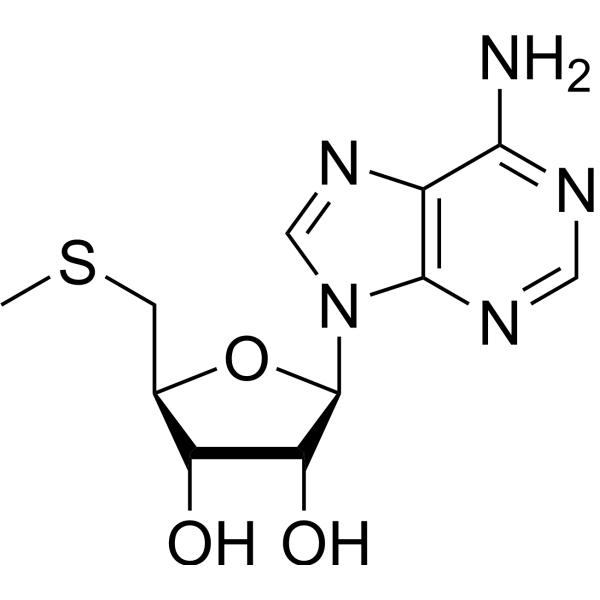
    5'-Methylthioadenosine
    5+ Cited Publications

    5'-(Methylthio)-5'-deoxyadenosine; 5'-Deoxy-5'-(methylthio)adenosine; 5'-S-Methyl-5'-thioadenosine

    Endogenous Metabolite Apoptosis Parasite Metabolic Disease Cancer
    5'-Methylthioadenosine (5'-(Methylthio)-5'-deoxyadenosine) is a nucleoside generated from S-adenosylmethionine (SAM) during polyamine synthesis . 5'-Methylthioadenosine suppresses tumors by inhibiting tumor cell proliferation, invasion, and the induction of apoptosis while controlling the inflammatory micro-environments of tumor tissue. 5'-Methylthioadenosine and its associated materials have striking regulatory effects on tumorigenesis .
    5'-Methylthioadenosine
  • HY-D0208
    Fluorescein sodium
    10+ Cited Publications

    Uranine sodium

    Environmental Pollutants Fluorescent Dye Cancer
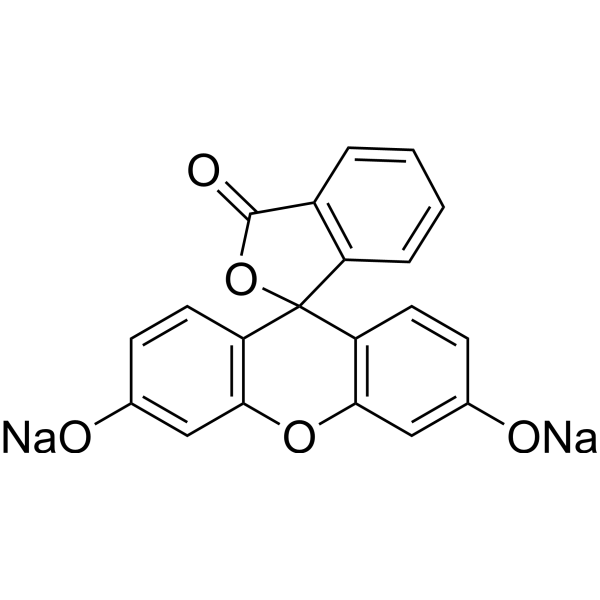
    Fluorescein (Uranine) sodium is widely used as a fluorescent tracer in medicinal and biological applications and tumor infected tissues tracer. Fluorescein (Uranine) sodium is a representative green fluorophore that has been widely used as a scaffold of practically useful green fluorescent probes .
    Fluorescein sodium
  • HY-131166
    Curdlan
    2 Publications Verification

    Bacterial Toll-like Receptor (TLR) NO Synthase C-type Lectin-like Receptors (CTLRs) Reactive Oxygen Species (ROS) Inflammation/Immunology
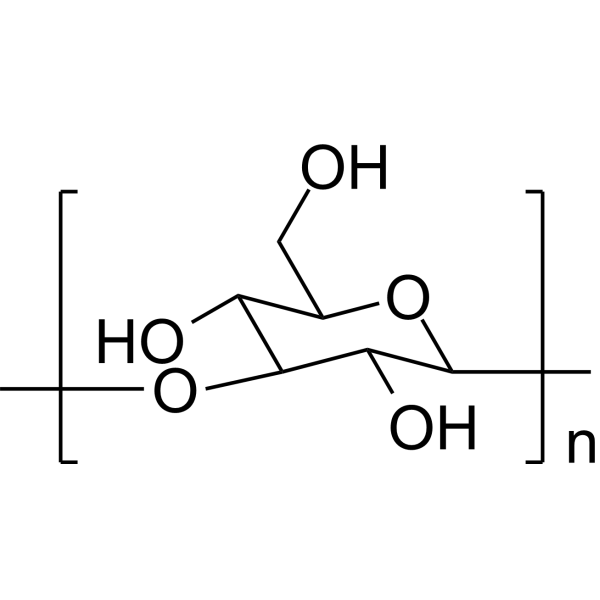
    Curdlan is a polysaccharide found in bacteria, consisting of a glucose homopolymer with β-1,3-glycosidic linkages . Curdlan can be recognized by Dectin-1 (a C-type lectin receptor), inducing immune responses in tissue mast cells and enhancing dendritic cell effects in tumor immunity. Curdlan holds potential for research in cancer and immune-inflammatory diseases .
    Curdlan
  • HY-P0122
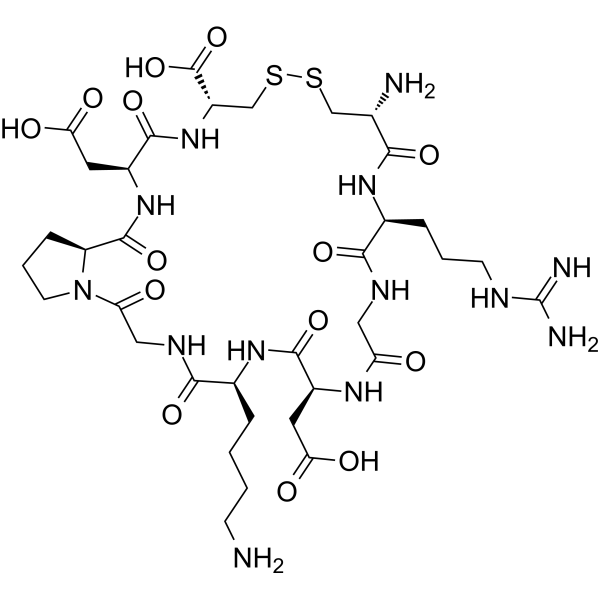
    iRGD peptide
    5+ Cited Publications

    c(CRGDKGPDC)

    Integrin Cancer
    iRGD peptide is a 9-amino acid cyclic peptide, triggers tissue penetration of agents by first binding to αv-integrins, then proteolytically cleaved in the tumor to produce CRGDK/R to interact with neuropilin-1, and has tumor-targeting and tumor-penetrating properties.
    iRGD peptide
  • HY-N0462
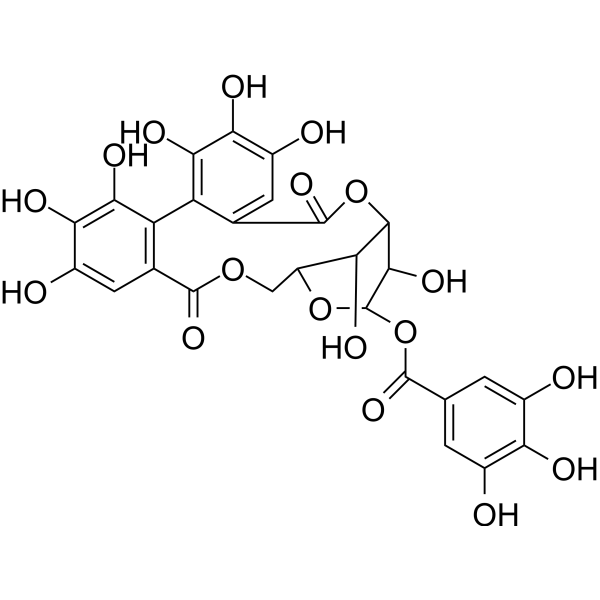
    Corilagin
    5+ Cited Publications

    NP-004255

    Toll-like Receptor (TLR) Reverse Transcriptase Bacterial Apoptosis Autophagy Infection Inflammation/Immunology Cancer
    Corilagin, a gallotannin, has anti-tumor, anti-inflammatory and hepatoprotective activities. Corilagin inhibits activity of reverse transcriptase of RNA tumor viruses. Corilagin also inhibits the growth of Staphylococcus aureus with a MIC of 25 μg/mL. Corilagin shows anti-tumor activity on hepatocellular carcinoma and ovarian cancer model. Corilagin shows low toxicity to normal cells and tissues .
    Corilagin
  • HY-D0251
    Fluorescein
    10+ Cited Publications

    Uranine

    Fluorescent Dye Cancer
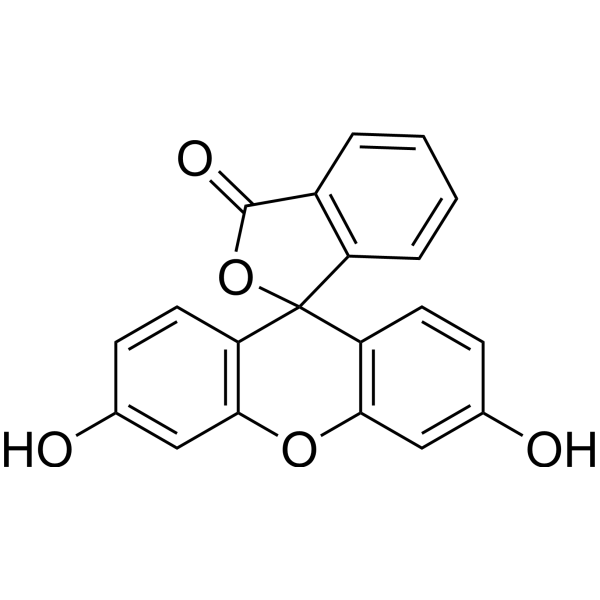
    Fluorescein (Uranine) is widely used as a fluorescent tracer in medicinal and biological applications and tumor infected tissues tracer. Fluorescein (Uranine) is a representative green fluorophore that has been widely used as a scaffold of practically useful green fluorescent probes .
    Fluorescein
  • HY-D0001
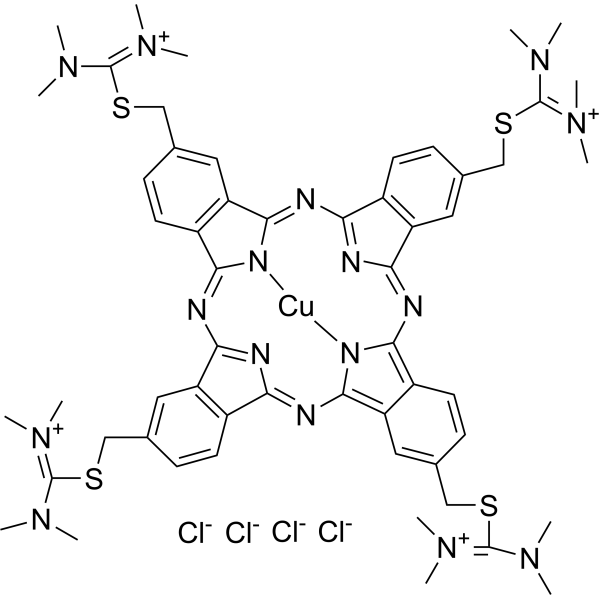
    Alcian Blue 8GX
    4 Publications Verification

    Fluorescent Dye Others
    Alcian Blue 8GX is a commonly used phthalocyanine dye that binds to glycoproteins and glycosaminoglycans. Alcian Blue 8GX has a wide range of applications in biological staining, including proteins in brain tumors and DNA in cells and tissues .
    Alcian Blue 8GX
  • HY-152963

    Antibody-Drug Conjugates (ADCs) Inflammation/Immunology Cancer
    Tisotumab vedotin is an antibody drug conjugate (ADC) targeting tissue factor (TF), formed by covalently linking a fully human monoclonal antibody (TF-011) against TF with the microtubule disruptor Monomethyll Auristatin E (MMAE) (HY-15162), and the drug-linker conjugate for ADC is VcMMAE (HY-15575). Tisotumab vedotin has immunomodulatory and anti-tumor activities, and can be used in the study of advanced or metastatic solid tumors such as cervical cancer .
    Tisotumab vedotin
  • HY-W014233
    L-Histidinol dihydrochloride
    1 Publications Verification

    Endogenous Metabolite Aminoacyl-tRNA Synthetase Cancer
    L-Histidinol dihydrochloride is an orally active histidyl-tRNA synthetase inhibitor. L-Histidinol dihydrochloride interferes with the initiation stage of protein synthesis, thus affecting cell proliferation and metabolism. L-Histidinol dihydrochloride has the effect of modulating the sensitivity of tumor cells to chemotherapeutic agents. L-Histidinol dihydrochloride reduces the toxicity of certain chemotherapeutic agents to normal tissues and enhance the sensitivity of tumor cells to chemotherapeutic agents .
    L-Histidinol dihydrochloride
  • HY-B1398
    Ampyrone
    1 Publications Verification

    4-Aminophenazone

    COX Drug Metabolite Neurological Disease Inflammation/Immunology Cancer
    Ampyrone (4-Aminophenazone; 4-Aminoantipyrine) is a reversible and low-damage optical clearing agent and non-selective COX inhibitor based on UV absorption properties. Ampyrone can improve the optical transmittance of mouse skin and other tissues. Ampyrone can induce tissue refractive index matching by enhancing UV absorption, reduce light scattering, and achieve tissue transparency in vivo. Ampyrone reduces the synthesis of prostaglandin PGE2, thereby exerting anti-inflammatory, analgesic and antipyretic effects. Ampyrone inhibits DNA damage, cell apoptosis and immune cell phagocytosis induced by Doxorubicin (HY-15142A) and Cisplatin (HY-17394), etc., and participates in the regulation of toxicity in tumor chemotherapy .
    Ampyrone
  • HY-100433
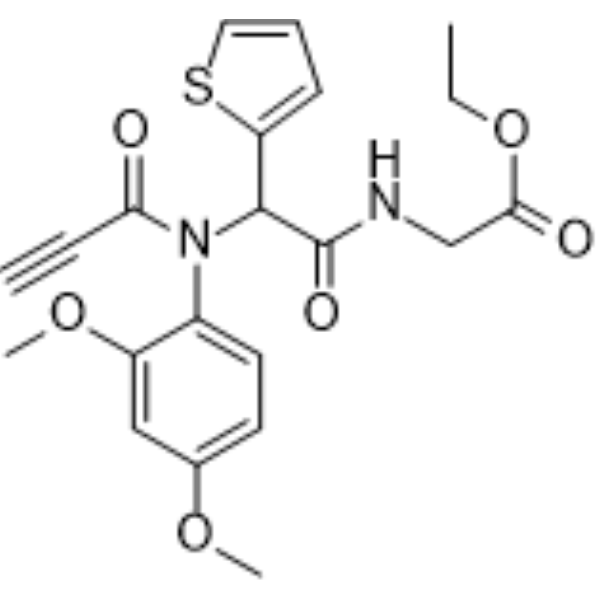
    PACMA 31
    5 Publications Verification

    PDI Cancer
    PACMA 31 is an irreversible, orally active protein disulfide isomerase (PDI) inhibitor with an IC50 of 10 μM. PACMA 31 forms a covalent bond with the active site cysteines of PDI. PACMA 31 shows tumor targeting ability and significantly suppresses ovarian tumor growth without causing toxicity to normal tissues . PACMA 31 is a click chemistry reagent, it contains an Alkyne group and can undergo copper-catalyzed azide-alkyne cycloaddition (CuAAc) with molecules containing Azide groups.
    PACMA 31
  • HY-165740

    Disialoganglioside GD2

    Apoptosis Cancer
    Ganglioside GD2 (Disialoganglioside GD2) is a tumor-associated antigen. Ganglioside GD2 shows limited expression in normal tissues but is overexpressed in multiple tumor types, and thus can serve as a target in cancer. Ganglioside GD2 is associated with tumor development and malignant phenotypes, and its mechanism of action relies on enhancing cell proliferation, motility, migration, adhesion and invasion, with specific effects depending on the tumor type .
    Ganglioside GD2
  • HY-P99271

    Anti-Human F3 Recombinant Antibody

    ADC Antibody Cancer
    Tisotumab (Anti-Human F3 Recombinant Antibody) is a human IgG1 monoclonal antibody and ADC antibody. Tisotumab targets tissue factor (TF). Tisotumab can be used to synthesize antibody-drug conjugates (ADCs) targeting tissue factor (TF), Tisotumab vedotin (HY-152963). Tisotumab can be used for the research of solid tumors .
    Tisotumab
  • HY-159579

    PROTACs Epigenetic Reader Domain Cancer
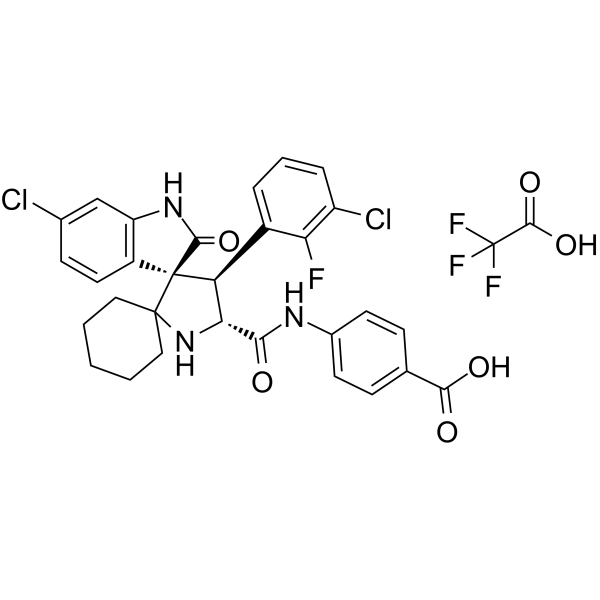
    CW-3308 is an orally active BRD9 PROTAC degrader with an DC50 of 92 nM. CW-3308 forms a ternary complex with BRD9 and cereblon to mediate BRD9 degradation. CW-3308 inhibits the viability of synovial sarcoma and rhabdoid tumor cells. CW-3308 reduces BRD9 protein levels in xenograft tumor tissues and suppresses tumor growth in xenograft models. CW-3308 can be used for the research of synovial sarcoma and rhabdoid tumors .
    CW-3308
  • HY-P99157

    CD276/B7-H3 Cancer
    Omburtamab is a humanized monoclonal antibody targeting B7-H3 (CD276). Omburtamab selectively binds to B7-H3 highly expressed on the surface of tumor cells and activates anti-tumor immune responses mediated by T cells and natural killer (NK) cells. Omburtamab can promote the specific infiltration of CAR-T cells into tumors, enhance the killing function of NK cells through the CD16 signaling pathway, and regulate tumor cell glucose metabolism (such as inhibiting the Warburg effect). Omburtamab has the potential to inhibit solid tumors such as non-small cell lung cancer (NSCLC) .
    Omburtamab
  • HY-139401

    FAP Cancer
    FAPI-34 is a SPECT imaging agent targeting FAP. FAPI-34 specifically binds to FAP, is highly internalized by FAP-expressing cells, accumulates in FAP-expressing tumor lesions, and shows low uptake in normal tissues except the kidneys. FAPI-34 is applicable for tumor-related research .
    FAPI-34
  • HY-148385

    Endogenous Metabolite Integrin FAK Src ERK p38 MAPK Neurological Disease Cancer
    Ganglioside GM2 is a human tumor antigen predominantly found in human tumor cells and fetal brain tissue. As a sialylated glycosphingolipid, Ganglioside GM2 is involved in processes such as cell signaling, adhesion, and motility. Ganglioside GM2 abnormal expression and accumulation are associated with tumors and neurodegenerative disorders. Ganglioside GM2 promotes tumor cell migration and invasion by directly binding to the integrin β1 receptor, activating the FAK/Src/Erk-MAPK signaling pathway, and inducing actin cytoskeleton remodeling .
    Ganglioside GM2
  • HY-12960

    FLT3-​IN-​1

    FLT3 c-Kit Apoptosis Cancer
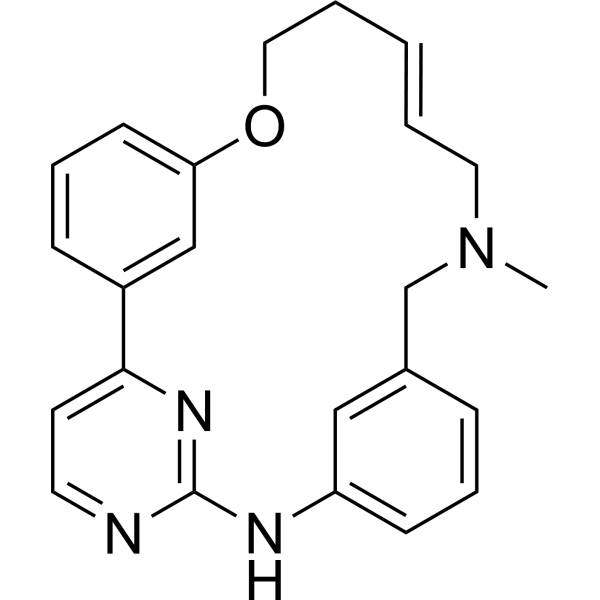
    SKLB4771 is a potent and selective Flt3 inhibitor with an IC50 value of 10 nM. SKLB4771 downregulates the phosphorylation of FLT3/STAT5/ERK, blocks cell proliferation, and induces apoptosis in tumor tissue .
    SKLB4771
  • HY-16938S1
    5'-Methylthioadenosine-d3
    1 Publications Verification

    5'-(Methylthio)-5'-deoxyadenosine-d3; 5'-Deoxy-5'-(methylthio)adenosine-d3; 5'-S-Methyl-5'-thioadenosine-d3

    Apoptosis Parasite Endogenous Metabolite Inflammation/Immunology
    5'-Methylthioadenosine-d3 is the deuterium labeled 5'-Methylthioadenosine . 5'-Methylthioadenosine (5'-(Methylthio)-5'-deoxyadenosine) is a nucleoside generated from S-adenosylmethionine (SAM) during polyamine synthesis. 5'-Methylthioadenosine suppresses tumors by inhibiting tumor cell proliferation, invasion, and the induction of apoptosis while controlling the inflammatory micro-environments of tumor tissue. 5'-Methylthioadenosine and its associated materials have striking regulatory effects on tumorigenesis .
    5'-Methylthioadenosine-d3
  • HY-125858
    MI-1061
    3 Publications Verification

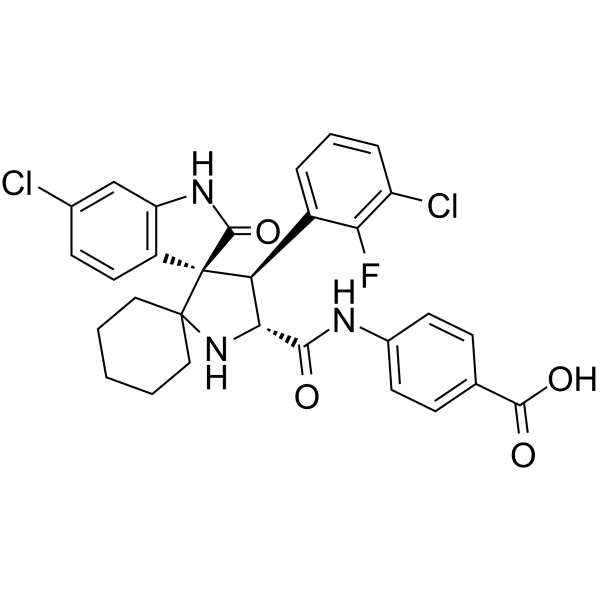
    MDM-2/p53 E1/E2/E3 Enzyme Apoptosis Cancer
    MI-1061 is a potent, orally bioavailable, and chemically stable MDM2 (MDM2-p53 interaction) inhibitor (IC50=4.4 nM; Ki=0.16 nM). MI-1061 potently activates p53 and induces apoptosis in the SJSA-1 xenograft tumor tissue in mice. Anti-tumor activity .
    MI-1061
  • HY-B1673

    Environmental Pollutants Bacterial Infection Cancer
    D-Lactose monohydrate is a sugar. D-Lactose monohydrate can be utilized by most bacteria. D-Lactose monohydrate promotes the growth of tobacco B6S3 tumor tissue. D-Lactose monohydrate is used in the research of the growth mechanism of plant tumor tissues and the sugar utilization of bacteria .
    D-Lactose monohydrate
  • HY-172663A

    DNA/RNA Synthesis Apoptosis Cancer
    Trabectedin derivative 1 TFA is a selective DNA minor groove binder. Trabectedin derivative 1 TFA inhibits DNA transcription and repair to induce tumor cell apoptosis. Trabectedin derivative 1 TFA is promising for research of solid tumors such as soft tissue sarcoma and ovarian cancer .
    Trabectedin derivative 1 TFA
  • HY-132292

    PROTACs Androgen Receptor Cancer
    ARD-2128 is a highly potent, orally bioavailable PROTAC androgen receptor (AR) degrader. ARD-2128 effectively reduces AR protein, suppresses AR-regulated genes in tumor tissues, and inhibits growth of tumor without signs of toxicity. ARD-2128 has the potential for the research of the prostate cancer .
    ARD-2128
  • HY-176806

    Doxorubicin-LNAA-Boc

    Drug Derivative Cancer
    Legubicin (Doxorubicin-LNAA-Boc) is a novel conjugate of Doxorubicin (HY-15142A) and a Legumain-cleavable peptide linker. Legubicin is activated by Legumain to release leucine-doxorubicin while sparing normal tissues. Legubicin inhibits tumor cell growth and reduces DNA binding in non-legumain expressing cells. Legubicin completely arrests tumor growth in mice bearing CT26 tumors. Legubicin can be used for the study of colon carcinoma (CRC) .
    Legubicin
  • HY-151425

    Indoleamine 2,3-Dioxygenase (IDO) Cancer
    TDO-IN-1 is an orally active and selective inhibitor of tryptophan 2,3-dioxygenase (TDO), shows excellent selectivity over indoleamine-2,3-dioxygenase (IDO), with an IC50 value of 0.62 μM (IDO). TDO-IN-1 reverse the local immune tolerance of tumor tissue to inhibit tumor growth in vivo .
    TDO-IN-1
  • HY-159500

    OTL-0078; OTL78

    PSMA Cancer
    Zopocianine (OTL-0078; OTL78) is a near-infrared optical probe targeting PSMA. Zopocianine binds to PSMA on the surface of PSMA-expressing cells, enters cells via receptor-mediated endocytosis, and accumulates in acidic endosomes. Zopocianine selectively accumulates in PSMA-positive cancer tissues and enables the detection of small tumors, primary prostate tumors, and locoregional metastases. Zopocianine helps achieve negative tumor surgical margins during fluorescence-guided surgery. Zopocianine is applicable to research related to prostate cancer .
    Zopocianine
  • HY-126395

    Fluorescent Dye Others
    Patent Blue V calcium salt is a triarylmethane dye used for tissue staining and lymphatic tracing, mainly applied by topical injection or eye drops. Patent Blue V calcium salt has affinity for specific tissues (such as corneal endothelium, lymphatic system), and stains the target structure by adsorption or binding, assisting in precise operation during surgery. Patent Blue V calcium salt is mainly used in ophthalmic surgery (such as graft staining for Descemet's membrane endothelial keratoplasty) and lymphatic drainage localization for sentinel lymph node biopsy of tumors .
    Patent Blue V calcium salt
  • HY-145668

    UGT Cancer
    Cyclopentenyl uracil, a non-cytotoxic inhibitor of uridine kinase, effectively blocks the salvage of circulating uridine by host and tumor tissues in the intact mouse .
    Cyclopentenyl uracil
  • HY-144304

    PROTACs EGFR Cancer
    PROTAC EGFR degrader 2 is a potent PROTAC EGFR degrader. PROTAC EGFR degrader 2 exhibits excellent antiproliferative activity with IC50 of 4.0 nM and good EGFR degradation activity with DC50 of 36.51 nM. PROTAC EGFR degrader 2 can be used for the synthesis of nitroreductase (NTR)-responsive PROTAC .
    PROTAC EGFR degrader 2
  • HY-172404

    Endogenous Metabolite Cancer
    Arylsulfatase is a hydrolase with substrate specificity for potassium 6-benzoyl-2-naphthyl sulfate. Arylsulfatase exhibits optimal activity at 37°C, and its incubation time is tissue-dependent. Arylsulfatase can be used in tumor-related research .
    Arylsulfatase
  • HY-130581

    Bacterial Cardiovascular Disease Inflammation/Immunology
    Lipid X is a 2,3-diacylglucosamine-1-phosphate that serves as the monosaccharide precursor of lipid A, possessing both LPS antagonist and weak agonist activities. Lipid X exerts protective effects by inhibiting tumor necrosis factor production, monocyte procoagulant activity, and neutrophil priming. Lipid X may induce transient pulmonary hypertension, neutropenia, and mild pyrogenic effects in laboratory animals. Lipid X has low toxicity and no in vitro antibacterial activity, but it significantly reduces mortality following Gram-negative bacterial infection and endotoxin exposure. Lipid X tends to accumulate in liver tissue, binds to circulating cellular components, and can be converted to lipid Y through transesterification. Lipid X can be used in research on Gram-negative bacterial sepsis, endotoxemia, and associated pulmonary hypertension .
    Lipid X
  • HY-P4091

    Biochemical Assay Reagents Cancer
    LSD is a peptide. LSD can specifically recognize the lymphatics of C8161 melanoma, but it does not bind to the lymphatics of normal tissues or tumor blood vessels. When conjugated with a proapoptotic peptide, LSD can reduce the number of tumor lymphatics. LSD can be used in the research of targeted therapy and diagnosis of tumor lymphatics .
    LSD
  • HY-N0462R

    NP-004255 (Standard)

    Toll-like Receptor (TLR) Reference Standards Reverse Transcriptase Bacterial Apoptosis Autophagy Infection Inflammation/Immunology Cancer
    Corilagin (Standard) is the analytical standard of Corilagin. This product is intended for research and analytical applications. Corilagin, a gallotannin, has anti-tumor, anti-inflammatory and hepatoprotective activities. Corilagin inhibits activity of reverse transcriptase of RNA tumor viruses. Corilagin also inhibits the growth of Staphylococcus aureus with a MIC of 25 μg/mL. Corilagin shows anti-tumor activity on hepatocellular carcinoma and ovarian cancer model. Corilagin shows low toxicity to normal cells and tissues .
    Corilagin (Standard)
  • HY-P10420

    CD47 Interleukin Related Cancer
    RS17 is an anti-tumor peptide designed to bind specifically to the CD47 molecule and block the interaction between CD47 and its ligand, SIRPα, on the surface membrane of macrophages. The main regulatory mechanism of RS17 is to prevent CD47 from transmitting selective phagocytosis signals to SIRPα by binding to CD47, so that macrophages do not recognize tumor cells as their own tissue, but phagocytose them as foreign substances, thereby inhibiting immune escape of tumor cells. RS17 can be used to study the mechanism of anti-tumor response and immune escape .
    RS17
  • HY-N5034R

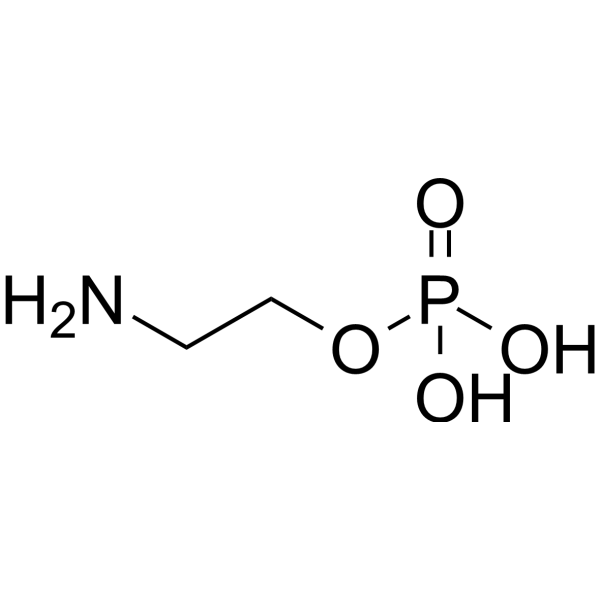
    Monoaminoethyl phosphate (Standard); NSC 254167 (Standard); O-Phosphoethanolamine (Standard)

    Reference Standards Endogenous Metabolite Metabolic Disease Cancer
    Phosphorylethanolamine (Standard) is the analytical standard of Phosphorylethanolamine. This product is intended for research and analytical applications. Phosphorylethanolamine (Monoaminoethyl phosphate) is present in most animal tissues and is also present in various human extracranial tumors. Phosphorylethanolamine is considered as the intermediate product of phospholipid metabolism. Phosphorylethanolamine is essential for the formation and maintenance of the cell membrane .
    Phosphorylethanolamine (Standard)
  • HY-W654139

    Isotope-Labeled Compounds Endogenous Metabolite Parasite Apoptosis Metabolic Disease
    5'-Deoxy-5'-(methylthio)adenosine-d3 is deuterium labeled 5'-Methylthioadenosine. 5'-Methylthioadenosine (5'-(Methylthio)-5'-deoxyadenosine) is a nucleoside generated from S-adenosylmethionine (SAM) during polyamine synthesis . 5'-Methylthioadenosine suppresses tumors by inhibiting tumor cell proliferation, invasion, and the induction of apoptosis while controlling the inflammatory micro-environments of tumor tissue. 5'-Methylthioadenosine and its associated materials have striking regulatory effects on tumorigenesis.
    5'-Deoxy-5'-(methylthio)adenosine-d3
  • HY-163719

    PARP Cancer
    PARP7-IN-22 (XLY-1) is a PARP7 inhibitor with an IC50 of 0.6 nM. PARP7-IN-22 (XLY-1) is orally active, enhances type I interferon signaling in vitro, restores type I interferon signaling, promotes T cell infiltration into tumor tissues, and significantly inhibits tumor growth. PARP7-IN-22 shows promise for research in the field of cancer immunotherapy .
    PARP7-IN-22
  • HY-P2961

    Glutathione S-transferase Cancer
    Glutathione S-transferase is a phase II metabolic enzyme consisting of three superfamilies: cytosolic, mitochondrial, and microsomal. Glutathione S-transferase possesses various catalytic activities such as catalytic detoxification and thiol transfer, as well as chaperone function. GSTP1, a subtype of Glutathione S-transferase, is highly expressed in malignant tissues and serves as a tumor marker .
    Glutathione S-transferase
  • HY-128595

    Transglutaminase Cancer
    MT-4 is a derivative of a tissue transglutaminase (TG2) inhibitor. MT-4 targets the complex of TG2 and fibronectin (FN) (TG2/FN) and inhibits the adhesion of tumor cells to the matrix. MT-4 inhibits the adhesion of ovarian cancer (OC) cells to the peritoneum and increases the sensitivity of OC cells to paclitaxel.
    MT-4
  • HY-170933

    SGK Cancer
    SGK1-IN-6 is a selective SGK1 inhibitor with an IC50 of 0.39 μM, showing selectivity over SGK2/3. SGK1-IN-6 inhibits cancer cell migration and invasion, improves SGK1 protein thermal stability. SGK1-IN-6 decreases SGK1 protein levels in tumor tissues, suppresses tumor growth in mouse xenograft models. SGK1-IN-6 can be used for the research of prostate cancer .
    SGK1-IN-6
  • HY-B1673R

    Reference Standards Bacterial Infection Cancer
    D-Lactose monohydrate (Standard) is the analytical standard of D-Lactose monohydrate (HY-B1673). This product is intended for research and analytical applications. D-Lactose monohydrate is a sugar. D-Lactose monohydrate can be utilized by most bacteria. D-Lactose monohydrate promotes the growth of tobacco B6S3 tumor tissue. D-Lactose monohydrate is used in the research of the growth mechanism of plant tumor tissues and the sugar utilization of bacteria .
    D-Lactose monohydrate (Standard)
  • HY-126850

    EGFR Cancer
    4-Epidoxycycline is a liver metabolite of the antibiotic doxycycline (doxycycline, HY-N0565) and doesn't have antibiotic properties in mice. 4-Epidoxycycline’s ability to regulate HER2 gene expression in vitro and in live mouse models is similar to that of doxycycline, and it shows comparable high efficacy in tumor tissues, achieving over 95% tumor regression rates .
    4-Epidoxycycline
  • HY-17509
    Deracoxib
    1 Publications Verification

    SC 046; SC 46; SC 59046

    COX Apoptosis Neurological Disease Inflammation/Immunology Cancer
    Deracoxib (SC 046; SC 59046), an orally active COX-2 inhibitor, is a veterinary nonsteroidal anti-inflammatory agent used exclusively in dogs. Deracoxib inhibits the COX-2 enzyme to reduce the production of prostaglandins, effectively controlling pain and inflammation after canine soft tissue surgery. Deracoxib reduces the inhibition of COX-1 and lowers the risk of gastrointestinal side effects. Deracoxib induces tumor cell cycle arrest and apoptosis, and shows anti-tumor activity in canine osteosarcoma, breast tumors and bladder transitional cell carcinomas .
    Deracoxib
  • HY-145802

    Kinesin Microtubule/Tubulin Cancer
    KIF18A-IN-2 is a potent KIF18A inhibitor (IC50=28 nM). KIF18A-IN-2 causes significant mitotic arrest and increases the number of mitotic cells in tumor tissues. KIF18A-IN-2 can be used for researching cancer .
    KIF18A-IN-2
  • HY-D2439

    Fluorescent Dye Cancer
    RGD-PEG-Cy3 is a fluorescent labeling reagent that combines Cy3 fluorescent dye, peptide (RGD) and polyethylene glycol (PEG). The Cy3 fluorophore is commonly used in applications such as immunolabeling, nucleic acid labeling, fluorescence microscopy, and flow cytometry. Cy3 has an emission maximum around 562-570 nm. RGD is a peptide sequence (CRGDKGPDCiRGD) that binds to αvβ3 and αvβ5 integrin receptors on tumor neovasculogenesis to achieve specific tumor tissue targeting .
    RGD-PEG-Cy3
  • HY-119767

    VEGFR Apoptosis Cancer
    Jolkinolide A is a diterpenoid, can be extracted from the roots of Euphorbia fischeriana Steud. Jolkinolide A exhibits anti-tumor activity, by affecting on angiogenesis of tumor tissues. Jolkinolide A significantly inhibits the Akt-STAT3-mTOR signaling pathway and reduces the expression of VEGF in A549 cells .
    Jolkinolide A
  • HY-P990703

    HBM-4003

    CTLA-4 Inflammation/Immunology
    Porustobart (HBM-4003) is a fully human anti-CTLA-4 heavy chain only antibody (HCAb). Porustobart can significantly improve the depletion of regulatory T cells (Treg cells) with high CTLA-4 expression in tumor tissues by enhancing ADCC activity. Porustobart can be used for tumor research .
    Porustobart
  • HY-174811

    PROTACs Epigenetic Reader Domain PD-1/PD-L1 Inflammation/Immunology Cancer
    PROTAC BRD4 Degrader-33 is an enzyme activated clickable BRD4 PROTAC degrader with favorable tumor microenvironment-response. PROTAC BRD4 Degrader-33 has superior tumor tissue penetration capabilities and efficiently inhibits PD-L1 protein expression. PROTAC BRD4 Degrader-33 shows potent anti-tumoral immunomodulation activity in 4T1 tumor-bearing mice model . Pink: BRD4 ligand (HY-174812); Blue: CRBN ligase ligand (HY-10984); Black: linker
    PROTAC BRD4 Degrader-33
  • HY-16938S

    5'-(Methylthio)-5'-deoxyadenosine-13C6; 5'-Deoxy-5'-(methylthio)adenosine-13C6; 5'-S-Methyl-5'-thioadenosine-13C6

    Endogenous Metabolite Apoptosis Metabolic Disease Cancer
    5'-Methylthioadenosine- 13C6 is the 13C-labeled 5'-Methylthioadenosine. 5'-Methylthioadenosine (5'-(Methylthio)-5'-deoxyadenosine) is a nucleoside generated from S-adenosylmethionine (SAM) during polyamine synthesis . 5'-Methylthioadenosine suppresses tumors by inhibiting tumor cell proliferation, invasion, and the induction of apoptosis while controlling the inflammatory micro-environments of tumor tissue. 5'-Methylthioadenosine and its associated materials have striking regulatory effects on tumorigenesis .
    5'-Methylthioadenosine-13C6
  • HY-145803

    Kinesin Microtubule/Tubulin Cancer
    KIF18A-IN-3 is a potent KIF18A inhibitor (IC50=61 nM). KIF18A-IN-3 causes significant mitotic arrest and increases the number of mitotic cells in tumor tissues. KIF18A-IN-3 can be used for researching cancer .
    KIF18A-IN-3

Inquiry Online

Your information is safe with us. * Required Fields.

Salutation


Country or Region *

Applicant Name *


Organization Name *

Department *


Email Address *


Product Name *

Cat. No.


Requested quantity *

Phone Number *


Remarks

Inquiry Online

Inquiry Information

Product Name:
Cat. No.:
Quantity:
MCE Japan Authorized Agent:

