1. Search Result
Search Result
Results for "

wee1

" in MedChemExpress (MCE) Product Catalog:

54

Inhibitors & Agonists

1

Biochemical Assay Reagents

2

Natural
Products

4

Recombinant Proteins

1

Antibodies

3

Oligonucleotides

Targets Recommended:
Cat. No. Product Name Target Research Areas Chemical Structure
  • HY-10993
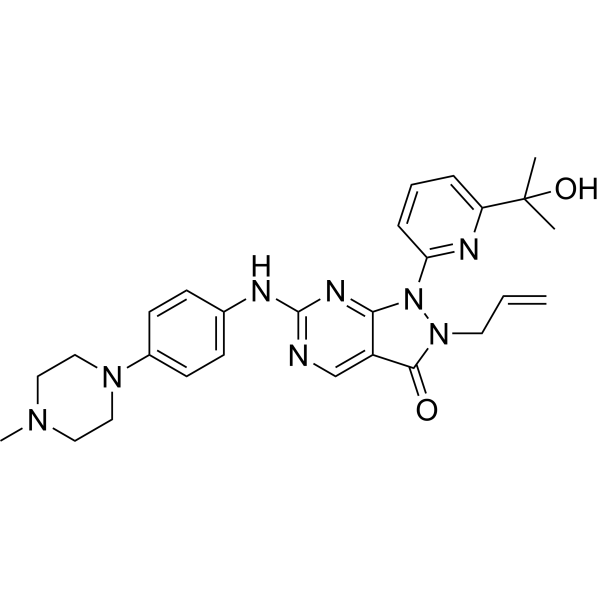
    Adavosertib
    Maximum Cited Publications
    63 Publications Verification

    AZD1775; MK-1775

    Wee1 Cancer
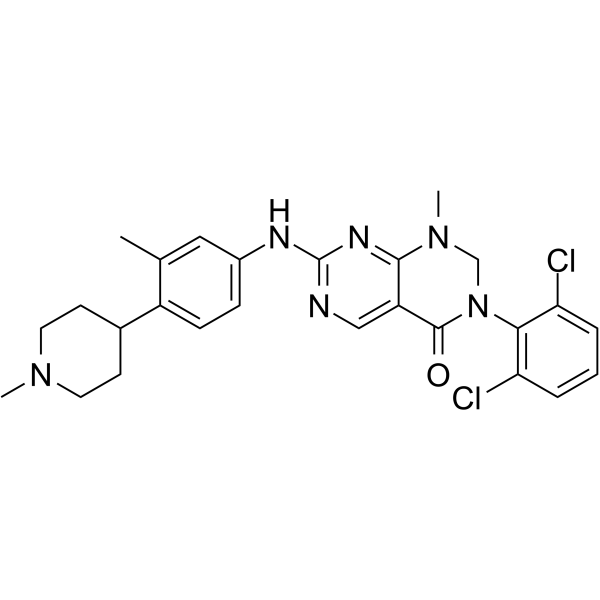
    Adavosertib (AZD-1775; MK-1775) is a potent Wee1 inhibitor with an IC50 of 5.2 nM.
    Adavosertib
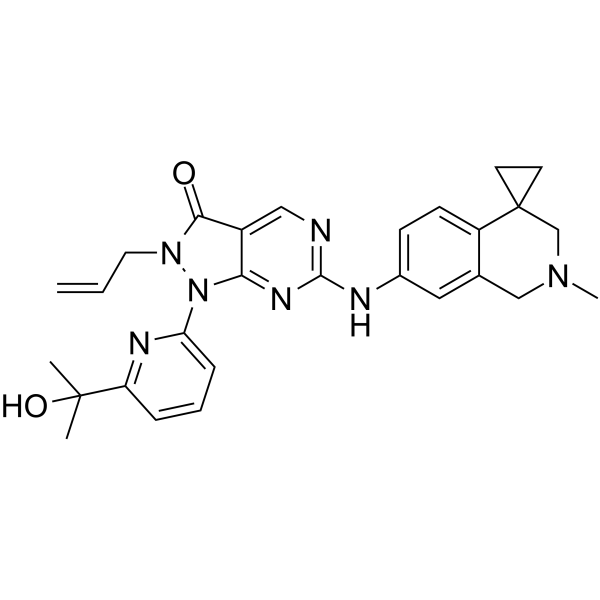
  • HY-132295
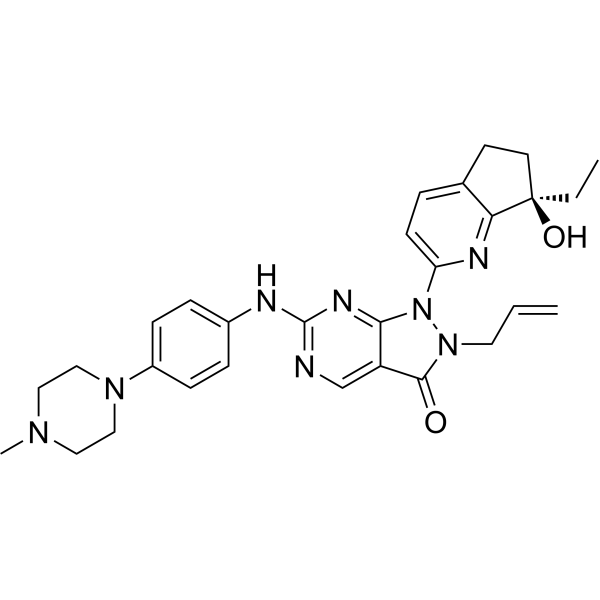
    Azenosertib
    4 Publications Verification

    ZN-c3

    Wee1 Cancer
    Azenosertib (ZN-c3) is a selective, orally active inhibitor for Wee1 inhibitor (IC50=3.9 nM). Azenosertib exhibits antitumor activity [1].
    Azenosertib
  • HY-147054

    Debio 0123; wee1-IN-5

    Wee1 CDK Cancer
    Zedoresertib (Debio 0123) is a potent WEE1 inhibitor with an IC50 value of 0.8 nM. Zedoresertib inhibits phospho-CDC2. Zedoresertib abrogates the G2 check point, increasing sensitivity to DNA damaging agents in cancer cells. Zedoresertib can be used for researching anticancer [1].
    Zedoresertib
  • HY-175749

    Molecular Glues Wee1 Inflammation/Immunology Cancer
    BMS-986463, a CRBN E3 ligase modulator (CELMoD), is a WEE1 kinase molecular glue degrader. BMS-986463 significantly inhibits tumor regression and reduces the level of phospho-CDK2. BMS-986463 can be used for advanced malignant solid tumors like non-small cell lung cancer (NSCLC) research [1].
    BMS-986463
  • HY-13925
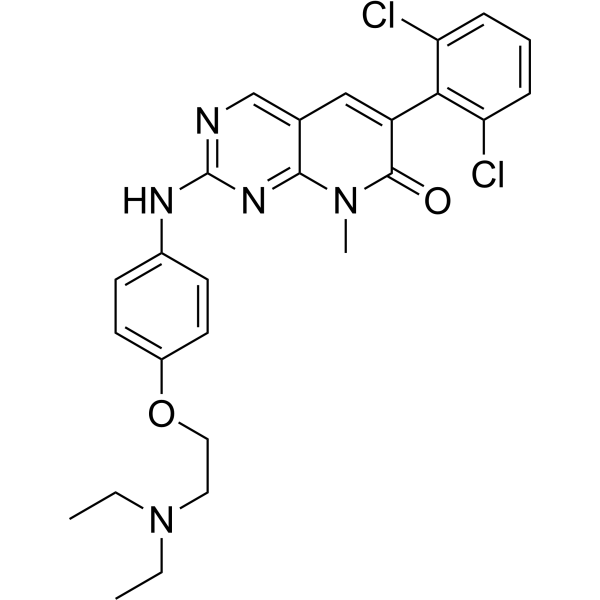
    PD0166285
    5+ Cited Publications

    Wee1 Apoptosis Cancer
    PD0166285, a substrate of P-gp, is a WEE1 inhibitor and a weak Myt1 inhibitor with IC50 values of 24 and 72 nM, respectively. PD0166285 exhibits an IC50 of 3.433 μM for Chk1 [1].
    PD0166285
  • HY-168654

    Wee1 Cancer
    WEE1 degrader 1 (Compound 10) is a CRBN-dependent molecular glue degrader of WEE1 and casein kinase 1α (CK1α) with sub-2 nM DC50 values for both targets. WEE1 degrader 1 can be used for the research of acute lymphoblastic leukemia, acute monocytic leukemia, acute promyelocytic leukemia, colorectal adenocarcinoma, diffuse large b cell lymphoma [1].
    WEE1 degrader 1
  • HY-133618

    Wee1 PROTACs Cancer
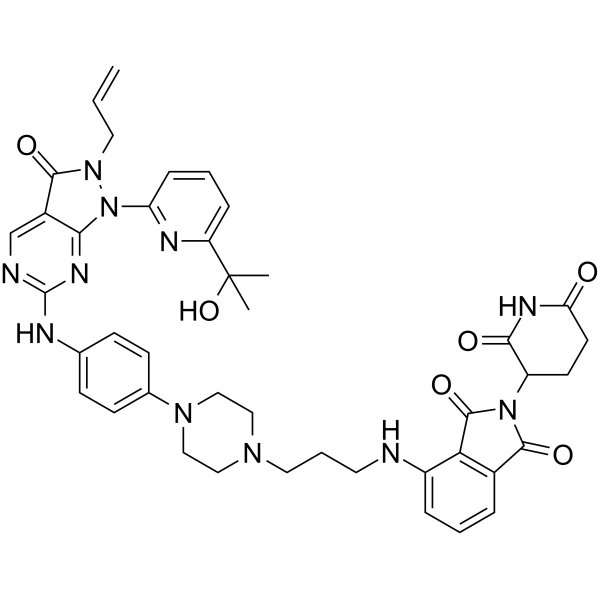
    Pomalidomide-C3-adavosertib is a rapid and selective PROTAC Wee1 degrader (IC50=3.58 nM). Pomalidomide-C3-adavosertib shows anti-cancer cell proliferation activity, and induces apoptosis [1].
    Pomalidomide-C3-adavosertib
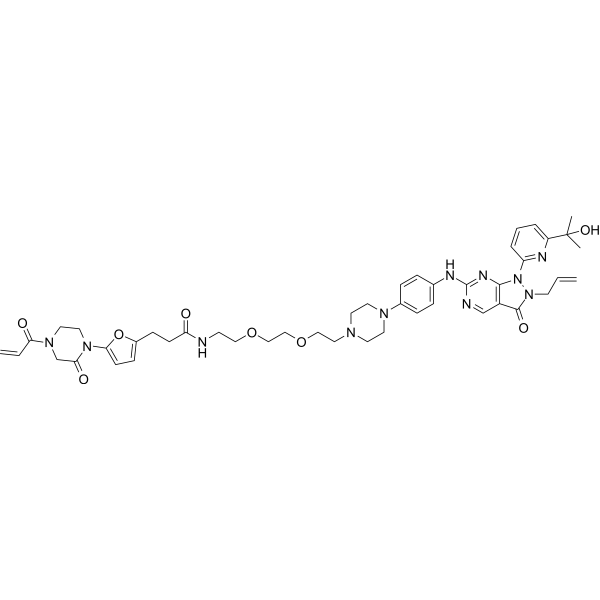
  • HY-173320

    Hsp-targeting Chimeras Wee1 HSP Cancer
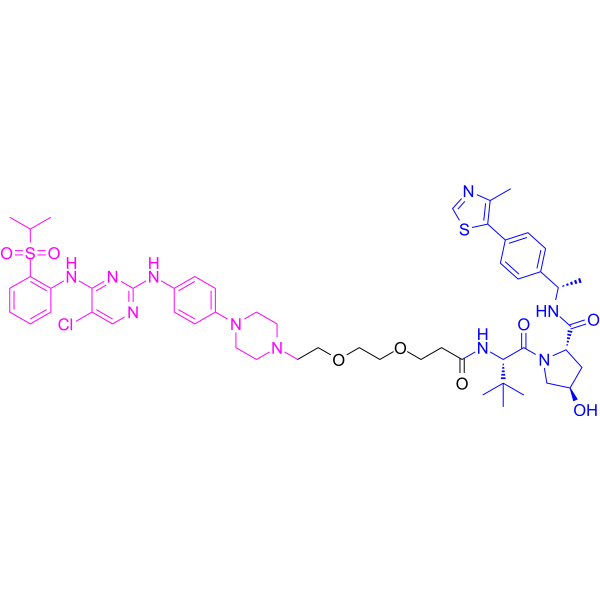
    HEMTAC WEE1 degrader-1 is a HSP90-mediated targeting chimera (HEMTAC) degrader of WEE1 (HSP90 enzyme inhibitory activity is IC50: 16.76 nM). HEMTAC WEE1 degrader-1 promotes the ubiquitination and degradation of WEE1. HEMTAC WEE1 degrader-1 blocks the G2/M cell cycle. HEMTAC WEE1 degrader-1 has anticancer activity in acute myeloid leukemia (AML) patient-derived xenograft (PDX) models. HEMTAC WEE1 degrader-1 can be used in AML research. (Pink: HSP90 binder; Blue: WEE1 ligand; Black: linker) [1].
    HEMTAC WEE1 degrader-1
  • HY-148065

    PROTACs Wee1 CDK AAK1 ULK MELK Itk IRAK Ephrin Receptor FGFR MAP4K p38 MAPK Neurological Disease Metabolic Disease Inflammation/Immunology Cancer
    FMF-06-098-1 is a multi-target kinase PROTAC degrader. FMF-06-098-1 can be used to target degradation kinases which degrades AAK1, AΒL2, AURKA, AURKB, BUBIB, CDC7, CDK1, CDK12, CDK13, CDK2, CDK4, CDk6, CDK7, CDK9, CHEK1, CSNKID, EPHA1, PER, FGFR1, GAK, IRAK4, ITK, LIMK2, MAP4K2, MAP4K3, MAPK6, MAPK7, MARK4, MELK, PKN3, PLK4, PRKAA1, PTK2, PTK6, RPS6KA4, S1K2, STK35, TNK2, UHMK1, ULK1, and WEE1 [1].
    FMF-06-098-1
  • HY-N0819
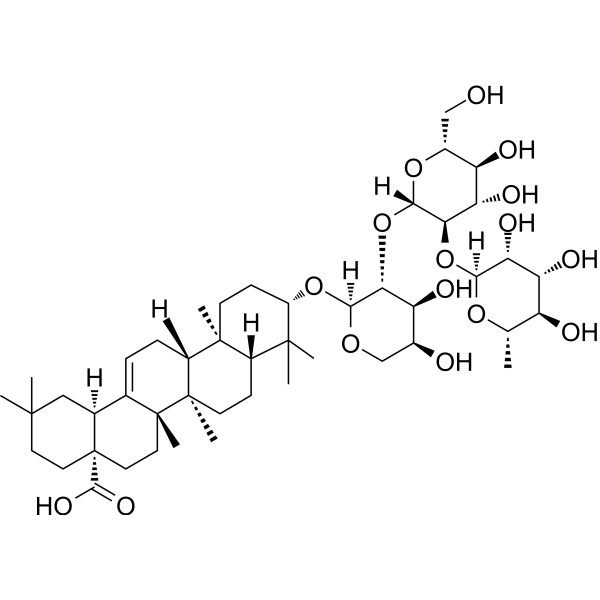
    Raddeanin A
    1 Publications Verification

    Apoptosis PI3K Akt ERK mTOR Wnt β-catenin Wee1 JNK VEGFR CDK Neurological Disease Inflammation/Immunology Cancer
    Raddeanin A is an oleanane-type triterpenoid saponin with oral activity. Raddeanin A inhibits SRC, mTOR, JNK, VEGFR2, NLRP3 inflammasome, Wnt/β-catenin, Wee1, PI3K/AKT signaling pathway, MAPK/ERK signaling pathway, AR-FL, AR-Vs, and downregulates the expression of p-PI3K and p-AKT. Raddeanin A inhibits osteoclast formation, bone resorption, osteolysis, cancer cell invasion, migration, proliferation, angiogenesis and epithelial-mesenchymal transition, while induces apoptosis, cell cycle arrest, ROS production, immunogenic cell death and dendritic cell maturation. Raddeanin A improves blood-retinal barrier function, alleviates inflammation, regulates the tumor microenvironment, and enhances the activity of anti-PD-1 antibody. Raddeanin A is applicable to the research of breast cancer-associated osteolysis, human osteosarcoma, colorectal cancer, glioblastoma, Alzheimer's disease, cholangiocarcinoma, melanoma, non-small cell lung cancer, castration-resistant prostate cancer and multiple myeloma [1] .
    Raddeanin A
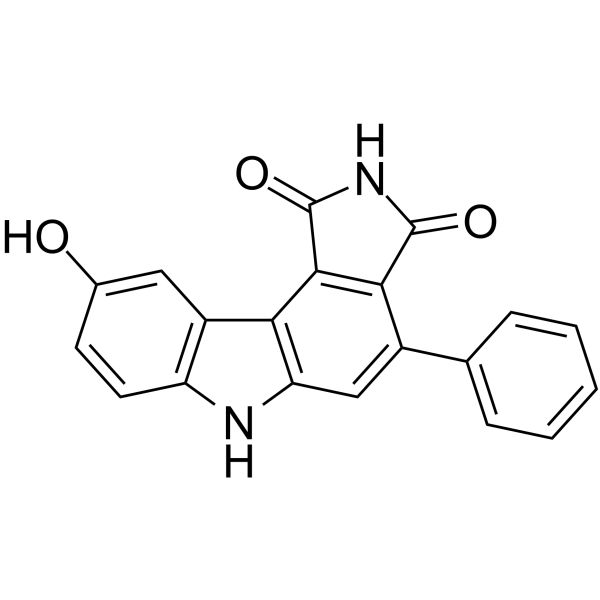
  • HY-108343
    WEE1-IN-4
    1 Publications Verification

    Wee1 Cancer
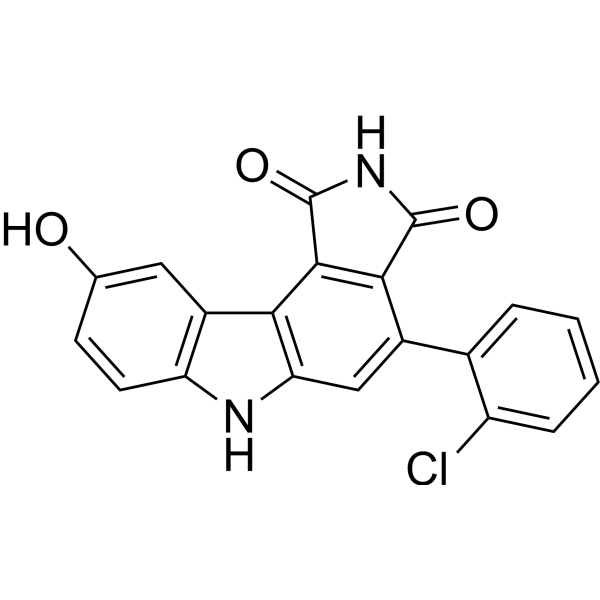
    WEE1-IN-4 (compound 15) is a pyrrolocarbazole-1,3(2H,6H)-dione derivative and Wee1 kinase inhibitor with an IC50 value of 11 nM.WEE1-IN-4 can be used for the research of cancer [1].
    WEE1-IN-4
  • HY-138239

    Wee1 Cancer
    WEE1-IN-3 is a potent Wee1 kinase inhibitor with an IC50 of <10 nM. WEE1-IN-3 has anticancer activities [1].
    WEE1-IN-3
  • HY-163697

    Wee1 Apoptosis Cancer
    WEE1-IN-7 (compound 12h) is a potent and orally activeWEE1 inhibitor with an IC50 value of 2.1 nM. WEE1-IN-7 induces apoptosis and cell cycle arrest at the S phase. WEE1-IN-7 shows antitumor activity [1].
    WEE1-IN-7
  • HY-161880

    Wee1 Cancer
    WEE1-IN-10 (compound 77) is a Wee1 kinase inhibitor. WEE1-IN-10 shows inhibitory activity on LOVO cell growth, with an IC50 of 0.524 μM. WEE1-IN-10 can be used for the research of diseases caused by abnormal activity of Wee1 [1].
    WEE1-IN-10
  • HY-169946

    Wee1 Cancer
    WEE1/PKMYT1-IN-1 (compound 75) is a potent and orally active WEE1 and PKMYT1 inhibitor. WEE1/PKMYT1-IN-1 shows antiproliferation activity [1].
    WEE1/PKMYT1-IN-1
  • HY-18961

    Checkpoint Kinase (Chk) Wee1 Inflammation/Immunology Cancer
    PD 407824 is a checkpoint kinase Chk1 and WEE1 inhibitor with IC50s of 47 and 97 nM, respectively. PD 407824 is a chemical BMP sensitizer and increases the sensitivity of cells to sub-threshold amounts of BMP4 [1] .
    PD 407824
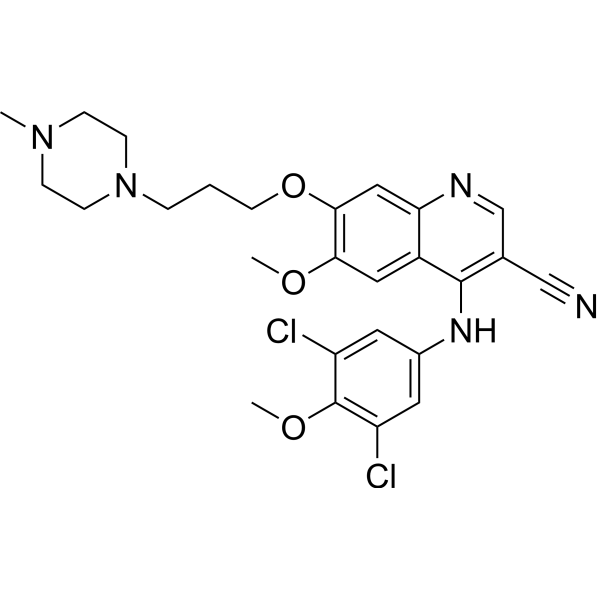
  • HY-103029

    Wee1 Cancer
    Bosutinib isomer is a ligand or inhibitor with high binding affinity for both Wee1 and Wee2, with Kd values of 43.7 ± 10.0 and 4.7 ± 2.3 nM, respectively [1].
    Bosutinib isomer
  • HY-W070306

    PDK-1 FGFR Wee1 MARK Neurological Disease Cancer
    PDK1-IN-1 (Compound 2-11) is a PDK1 inhibitor. PDK1-IN-1 is also useful as inhibitor of other kinases such as FGFR3, NTRK3, RP-S6K and WEE1. PDK1-IN-1 selectively inhibits microtubule affinity regulating kinase (MARK). PDK1-IN-1 can be used for researches of myeloproliferative disorders, cancer and Alzheimer's disease [1].
    PDK1-IN-1
  • HY-178190

    Wee1 Cancer
    WEE1-IN-13 (Compound 10) is a highly selective WEE1 kinase inhibitor (IC50=0.7 nM). WEE1-IN-13 abrogates the G2/M checkpoint and induces tumor cell apoptosis. WEE1-IN-13 is promising for research of solid tumors (e.g., non-small cell lung cancer, ovarian cancer) [1].
    WEE1-IN-13
  • HY-144999

    Wee1 Cancer
    LEB-03-146 is a WEE1 DUBTAC (deubiquitinase-targeting chimera) linking AZD1775 (Adavosertib) to the OTUB1 recruiter EN523 through a PEG2 linker. LEB-03-146 shows significant WEE1 stabilization in HEP3B hepatoma cancer cells [1].
    LEB-03-146
  • HY-161871

    Wee1 Cancer
    WEE1-IN-8 (Compound 55) is a selective WEE1 inhibitor, with an IC50 of 0.98 nM. WEE1-IN-8 (Compound 55) can be used for the research of Pancreatic cancer, Ovarian cancer, Colorectal cancer, Uterine serous carcinoma, etc [1].
    WEE1-IN-8
  • HY-174448

    Wee1 Cancer
    WEE1-IN-12 (Compound 87) is a Wee1 kinase inhibitor with an IC50 of 2.0 nM. WEE1-IN-12 can inhibit the proliferation of HT29 cells (IC50: 1.07 μM), and when used in combination with Gemcitabine (HY-17026), the effect is better (IC50: 0.34 μM). WEE1-IN-12 can be used in the research of tumors such as colon cancer [1].
    WEE1-IN-12
  • HY-10993R

    AZD1775 (Standard); MK-1775 (Standard)

    Reference Standards Wee1 Cancer
    Adavosertib (Standard) is the analytical standard of Adavosertib. This product is intended for research and analytical applications. Adavosertib (AZD-1775; MK-1775) is a potent Wee1 inhibitor with an IC50 of 5.2 nM.
    Adavosertib (Standard)
  • HY-178150

    Wee1 Cancer
    WEE1-IN-14 (Compound 14) is a selective WEE1 inhibitor (IC50: 0.5 nM in L-RB-FEP calculations, 1.0 nM in ADP-Glo kinase assay). Inhibition of Wee1 in cancer cells disrupts the G2-M checkpoint, removes the regulatory controls on the cell cycle, and leads to early onset of mitotic failure followed by apoptosis of tumor cells. Therefore, WEE1-IN-14 is a useful tool for studying cancer biology [1].
    WEE1-IN-14
  • HY-172807

    p38 MAPK MAPKAPK2 (MK2) CDK Wee1 Cancer
    p38α-IN-9 (Compound 2015) is a p38α inhibitor and blocks p38α’s enzymatic activity with an IC50 lower than 20 nM. p38α-IN-9 inhibits MK2 T334 phosphorylation. p38α-IN-9 activates Cdc25b and Cdc25c and simultaneously inactivates Wee1, leading to mitotic catastrophe, aneuploidy or polyploidy and DNA damage. p38α-IN-9 Inhibits colorectal cancer (CRC) metastasis [1].
    p38α-IN-9
  • HY-179272

    Wee1 HDAC Apoptosis Cancer
    Wee1/HDAC-IN-1 is a dual Wee1/HDAC inhibitor with an IC50 of 1.2 nM for Wee1 and IC50 values of 196 nM for HDAC1, 156 nM for HDAC3, and 55 nM for HDAC6. Wee1/HDAC-IN-1 exhibits strong antiproliferative activity against MV4-11 cells with an IC50 of 0.076 μM. Wee1/HDAC-IN-1 selectively binds to Wee1 and HDACs. Wee1/HDAC-IN-1 interferes with DNA damage repair pathways and induces apoptosis in MV4-11 cells. Wee1/HDAC-IN-1 Wee1/HDAC-IN-1 can be used for the research of acute myeloid leukemia (AML) [1].
    Wee1/HDAC-IN-1
  • HY-RS15806

    Small Interfering RNA (siRNA) Others

    Wee1 Mouse Pre-designed siRNA Set A contains three designed siRNAs for Wee1 gene (Mouse), as well as a negative control, a positive control, and a FAM-labeled negative control.

    Wee1 Mouse Pre-designed siRNA Set A
    Wee1 Mouse Pre-designed siRNA Set A
  • HY-RS15805

    Small Interfering RNA (siRNA) Others

    WEE1 Human Pre-designed siRNA Set A contains three designed siRNAs for WEE1 gene (Human), as well as a negative control, a positive control, and a FAM-labeled negative control.

    WEE1 Human Pre-designed siRNA Set A
    WEE1 Human Pre-designed siRNA Set A
  • HY-RS15807

    Small Interfering RNA (siRNA) Others

    Wee1 Rat Pre-designed siRNA Set A contains three designed siRNAs for Wee1 gene (Rat), as well as a negative control, a positive control, and a FAM-labeled negative control.

    Wee1 Rat Pre-designed siRNA Set A
    Wee1 Rat Pre-designed siRNA Set A
  • HY-160530

    Wee1 Cancer
    WEE1-IN-6 (compound 110) is a orally active WEE1 inhibitor with an DC50 value of ≦ 100 nM. WEE1-IN-6 inhibits cell proliferation [1].
    WEE1-IN-6
  • HY-143342

    Wee1 Cancer
    LEB-03-144 is a WEE1 DUBTAC (deubiquitinase-targeting chimera) linking AZD1775 (Adavosertib) to the OTUB1 recruiter EN523 through a C3 alkyl linker. LEB-03-144 shows significant WEE1 stabilization in HEP3B hepatoma cancer cells [1].
    LEB-03-144
  • HY-161879

    Wee1 Cancer
    WEE1-IN-9 (Compound 1) is a Wee1 inhibitor that can be used in cancer research [1].
    WEE1-IN-9
  • HY-169946A

    Wee1 Cancer
    WEE1/PKMYT1-IN-2 is the axial chiral P configuration of WEE1/PKMYT1-IN-1 (HY-169946). WEE1/PKMYT1-IN-1 is a potent and orally active WEE1 and PKMYT1 inhibitor. WEE1/PKMYT1-IN-1 shows antiproliferation activity [1].
    WEE1/PKMYT1-IN-2
  • HY-169946B

    Wee1 Cancer
    WEE1/PKMYT1-IN-3 is the axial chiral M configuration of WEE1/PKMYT1-IN-1 (HY-169946). WEE1/PKMYT1-IN-1 is a potent and orally active WEE1 and PKMYT1 inhibitor. WEE1/PKMYT1-IN-1 shows antiproliferation activity [1].
    WEE1/PKMYT1-IN-3
  • HY-168180

    Wee1 Cancer
    WEE1-IN-11 (Compound 13) is a potent CDK2 inhibitor with an IC50 of 2.0 nM. WEE1-IN-11 inhibits NCI–H446, A427, OVCAR3, C33A,and WiDr cells with IC50s of 93.9, 34.5, 86.7, 23.1, and 85 nM, respectively [1].
    WEE1-IN-11
  • HY-176363

    Target Protein Ligand-Linker Conjugates Wee1 Cancer
    Adavosertib-C3-NH-Boc is a Target Protein Ligand-Linker Conjugate that incorporates a ligand for Wee1 (HY-10993) and a PROTAC linker (HY-W011561), which recruits E3 ligases. Adavosertib-C3-NH-Boc can be used for synthesis of PROTAC Pomalidomide-C3-adavosertib (HY-133618) [1].
    Adavosertib-C3-NH-Boc
  • HY-133703A

    Wee1 Cancer
    i-AZD1775 (TFA) is an immobilizable analogue of AZD1775. i-AZD1775 (TFA) retains the ability to inhibit WEE1 in vitro. i-AZD1775 (TFA) can be studied in anticancer research [1].
    i-AZD1775 TFA
  • HY-133702

    PROTAC Linkers Cancer
    Aniline-piperazine-C3-NH-Boc (Compound Int-3) is a PROTAC linker, and can be used for synthesis of Pomalidomide-C3-adavosertib (HY-133618) and AZD1775 (HY-10993) (a Wee1 inhibitor) [1].
    Aniline-piperazine-C3-NH-Boc
  • HY-172759

    Wee1 Cancer
    PKMYT1-IN-9 is a highly selective and orally active PKMYT1 inhibitor (IC50: 4.4 nM). PKMYT1-IN-9 shows more selective for PKMYT1 than WEE1 (IC50: 32.4 μM). PKMYT1-IN-9 exhibits antitumor activity [1].
    PKMYT1-IN-9
  • HY-108343R

    Reference Standards Wee1 Cancer
    WEE1-IN-4 (Standard) is the analytical standard of WEE1-IN-4 (HY-108343). This product is intended for research and analytical applications. WEE1-IN-4 (Compound 15) is a potent checkpoint Wee1 Kinase inhibitor with an IC50 of 0.011 μM. Wee1 inhibitors can abrogate the G2/M checkpoint [1].
    WEE1-IN-4 (Standard)
  • HY-175261

    CDK Wee1 Checkpoint Kinase (Chk) Cancer
    DHI1 is an anti-leukemia agent with high selectivity for Jurkat (IC50 = 21.83 μM) and HL-60 (IC50 = 19.14 μM) leukemia cells and has low toxicity to non-cancerous cells. DHI1 can induce G2/M phase cell arrest in Jurkat and HL-60 leukemia cells, as well as S phase arrest in HL-60 cells, and has significant effects on cell cycle signaling molecules Wee1, cyclin B1, cdc2 on Tyr15, and Chk1. DHI1 inhibits the migration and invasion of Jurkat and HL-60 cells by disrupting cytoskeletal actin filaments. DHI1 can be used to study hematological malignancies [1].
    DHI1
  • HY-183547

    Wee1 CDK Cancer
    WEE1/PKMYT1-IN-4 is a selective WEE1/PKMYT1 inhibitor, with IC50 values of 0.185 μM and 2.2 nM for human WEE1 and PKMYT1, respectively. WEE1/PKMYT1-IN-4 inhibits phosphorylation of CDK1 at T14 and Y15, disrupting the G2/M cell cycle checkpoint. WEE1/PKMYT1-IN-4 can be used for the research of colorectal cancer and amplified breast cancer [1].
    WEE1/PKMYT1-IN-4
  • HY-112409

    Drug Derivative Others
    WEE1-IN-2 is an active compound.
    WEE1-IN-2
  • HY-143343

    Wee1 Cancer
    LEB-03-153 is a WEE1 DUBTAC (deubiquitinase-targeting chimera) linking AZD1775 (Adavosertib) to the OTUB1 recruiter EN523 through no linker [1].
    LEB-03-153
  • HY-143340

    Wee1 Cancer
    LEB-03-145 is a WEE1 DUBTAC (deubiquitinase-targeting chimera) linking AZD1775 (Adavosertib) to the OTUB1 recruiter EN523 through a C5 alkyl linker [1].
    LEB-03-145
  • HY-13925A

    Wee1 Apoptosis Cancer
    PD0166285 dihydrochloride, a substrate of P-gp, is a WEE1 inhibitor and a weak Myt1 inhibitor with IC50 values of 24 and 72 nM, respectively. PD0166285 dihydrochloride exhibits an IC50 of 3.433 μM for Chk1 [1].
    PD0166285 dihydrochloride
  • HY-177928

    AZD1775 acid; MK-1775 acid

    Drug Intermediate Drug Derivative Cancer
    Adavosertib (AZD1775; MK-1775) acid (Compound 9) is a derivative of AZD1775 (HY-10993) and can be used for the synthesis of PROTAC [1].
    Adavosertib acid
  • HY-182433

    Wee1 Neurological Disease Cancer
    CJM061 is a WEE1 kinase inhibitor with a target IC50 of 2.8 nM. CJM061 acts as a sensitizer and exhibits synergistic effects with Cisplatin (HY-17394) in medulloblastoma cells. CJM061 can be used for the research of medulloblastoma [1].
    CJM061
  • HY-N0819R

    Reference Standards Apoptosis PI3K Akt ERK mTOR Wnt β-catenin Wee1 JNK VEGFR CDK Neurological Disease Inflammation/Immunology Cancer
    Raddeanin A (Standard) is the analytical standard of Raddeanin A (HY-N0819). This product is intended for research and analytical applications. Raddeanin A is an oleanane-type triterpenoid saponin with oral activity. Raddeanin A inhibits SRC, mTOR, JNK, VEGFR2, NLRP3 inflammasome, Wnt/β-catenin, Wee1, PI3K/AKT signaling pathway, MAPK/ERK signaling pathway, AR-FL, AR-Vs, and downregulates the expression of p-PI3K and p-AKT. Raddeanin A inhibits osteoclast formation, bone resorption, osteolysis, cancer cell invasion, migration, proliferation, angiogenesis and epithelial-mesenchymal transition, while induces apoptosis, cell cycle arrest, ROS production, immunogenic cell death and dendritic cell maturation. Raddeanin A improves blood-retinal barrier function, alleviates inflammation, regulates the tumor microenvironment, and enhances the activity of anti-PD-1 antibody. Raddeanin A is applicable to the research of breast cancer-associated osteolysis, human osteosarcoma, colorectal cancer, glioblastoma, Alzheimer's disease, cholangiocarcinoma, melanoma, non-small cell lung cancer, castration-resistant prostate cancer and multiple myeloma.
    Raddeanin A (Standard)
  • HY-183278

    Wee1 Apoptosis Cancer
    APO-50815 is a WEE1 kinase inhibitor with a human IC50 of 9 nM. APO-50815 induces DNA damage, replication stress, S-phase cell accumulation, and apoptosis. APO-50815 can be used for the research of metastatic colorectal cancer [1].
    APO-50815

Inquiry Online

Your information is safe with us. * Required Fields.

Salutation


Country or Region *

Applicant Name *


Organization Name *

Department *


Email Address *


Product Name *

Cat. No.


Requested quantity *

Phone Number *


Remarks

Inquiry Online

Inquiry Information

Product Name:
Cat. No.:
Quantity:
MCE Japan Authorized Agent:

