



Methylprednisolone succinate
Based on 3 publication(s) in Google Scholar
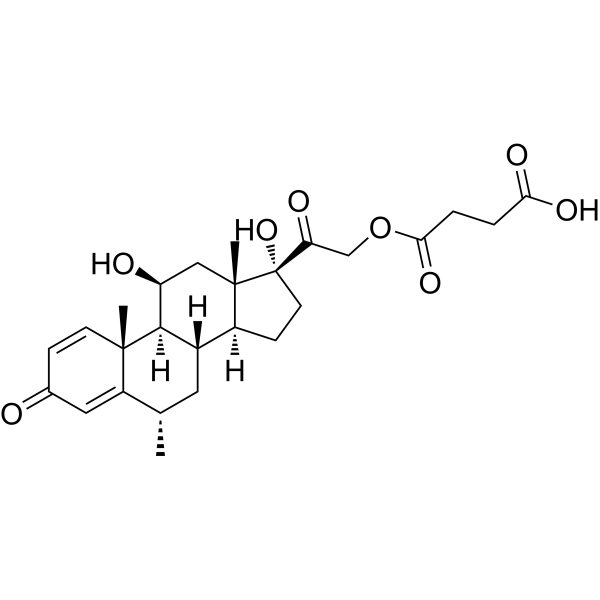
Methylprednisolone succinate (Methylprednisolone hydrogen succinate) is a prodrug of Methylprednisolone (HY-B0260) and glucocorticoid with immunosuppressant and anti-inflammatory activity. Methylprednisolone succinate binds cytosolic glucocorticoid receptors, translocates to nuclei, and modulates target gene transcription. Methylprednisolone succinate alters Bax, Bcl-2, occludin, and ZO-1 expression; attenuates TLR4/NF-κB signaling; suppresses proinflammatory cytokine production and immune cell activation. Methylprednisolone succinate can be used for the research of intracranial haemorrhage, rheumatoid arthritis, multiple sclerosis, preterminal cancer, inflammatory conditions, shock, immediate-type hypersensitivity, acute myocardial ischemia, hypoxic heart muscle damage, and traumatic spinal cord injury.
For research use only. We do not sell to patients.
- Purity : 99.67%
- CAS No.: 2921-57-5
- Formula: C26H34O8
- Molecular Weight:474.54
-
Storage:
4°C, protect from light
* In solvent : -80°C, 6 months; -20°C, 1 month (protect from light)

To place orders, for customer services and technical support, please contact: MedChemExpress USA
Tel: 609-228-6898 E-mail: [email protected] [email protected]


-
 Biological Activity
-
Chemical Information
-
Solvent & Solubility
- Protocols
- Purity & Documentation
- References
-
 Help & FAQs


-
HY-B0214
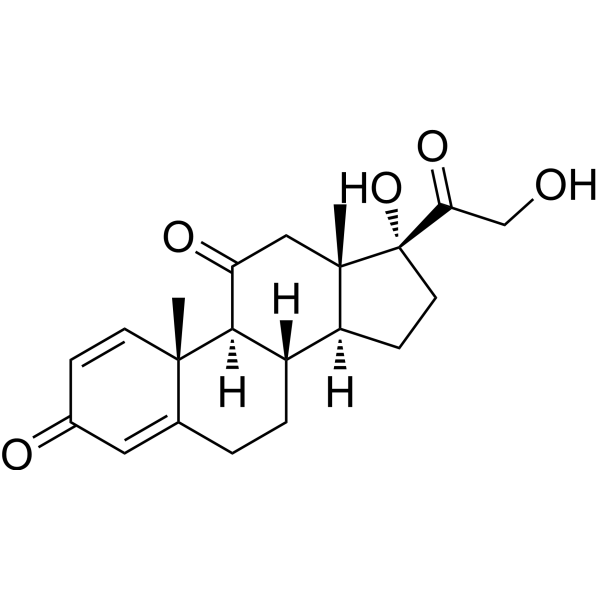
PrednisoneGlucocorticoid Receptor Agonist -
HY-13681
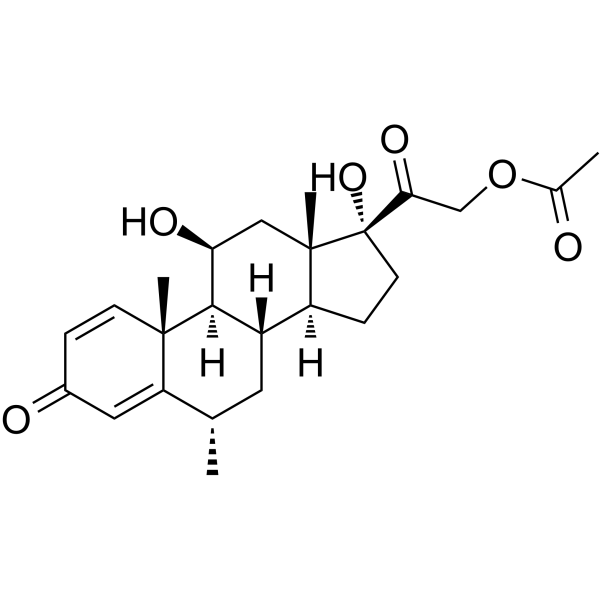
Methylprednisolone acetateCorticosteroid Hormone -
HY-B1900R
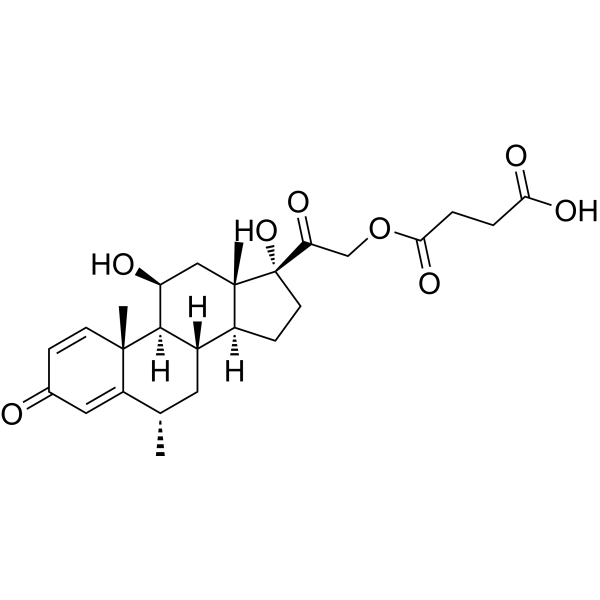
Methylprednisolone succinate (Standard)Analytical Standard -
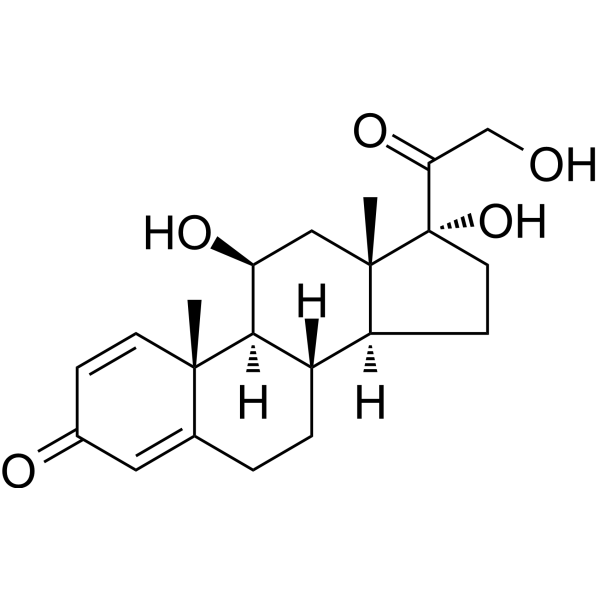
HY-17463
PrednisoloneGlucocorticoid -
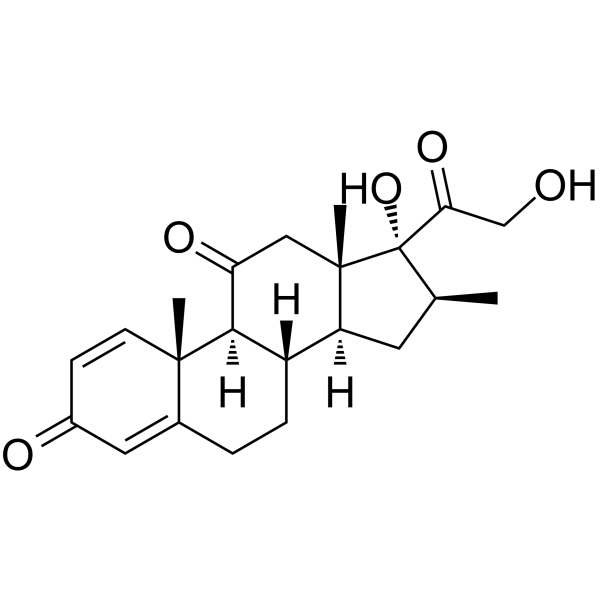
HY-B0243
MeprednisoneGlucocorticoid -
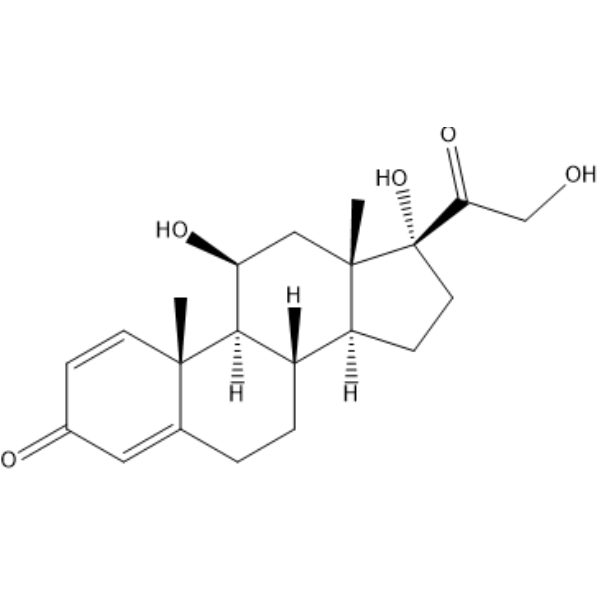
HY-17463R
Prednisolone (Standard) -
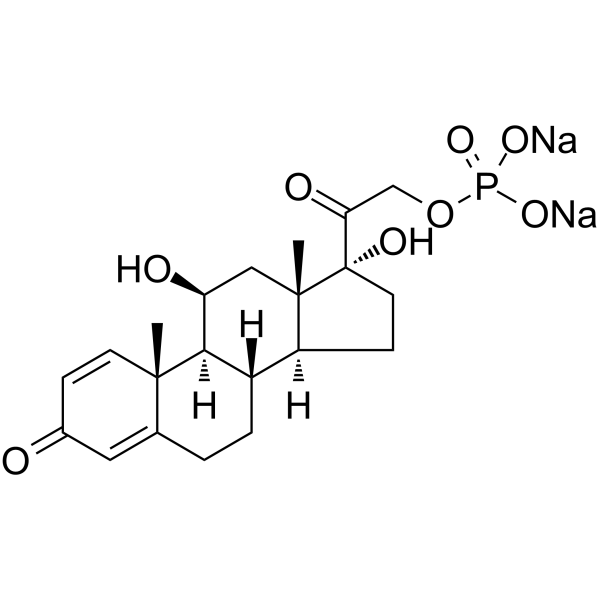
HY-B0645
Prednisolone disodium phosphateSynthetic Glucocorticoid -
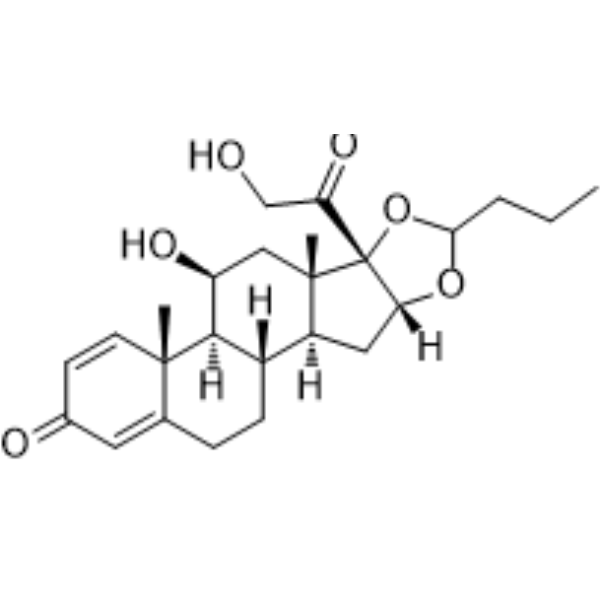
HY-13580
BudesonideGlucocorticoid Receptor Agonist -
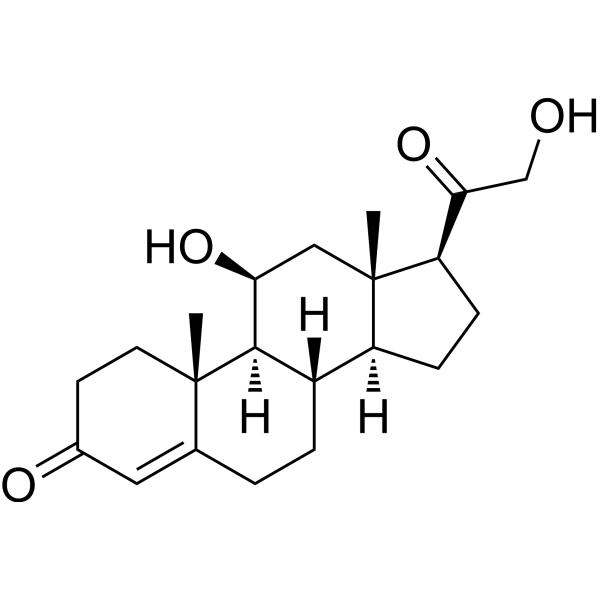
HY-B1618
CorticosteroneEndogenous Glucocorticoids -
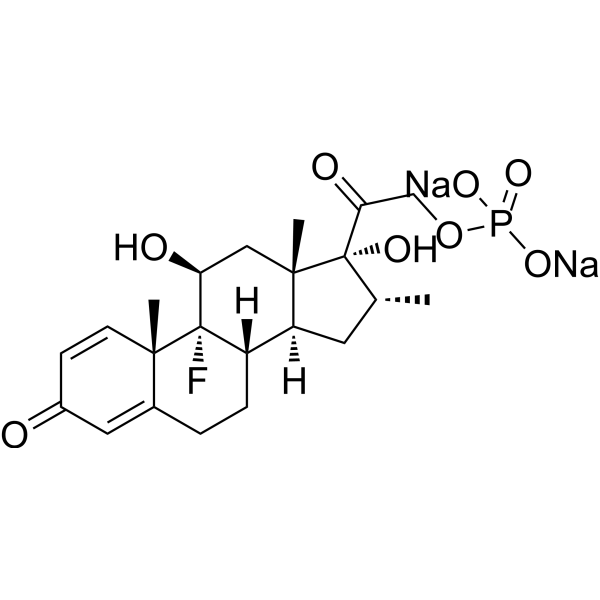
HY-B1829A
Dexamethasone phosphate disodiumDexamethasone Prodrug -
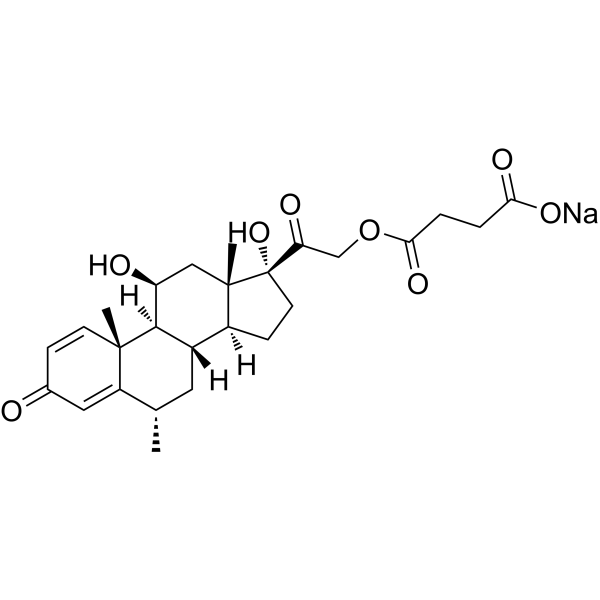
HY-B1060
Methylprednisolone succinate sodiumGlucocorticoid Agonist -
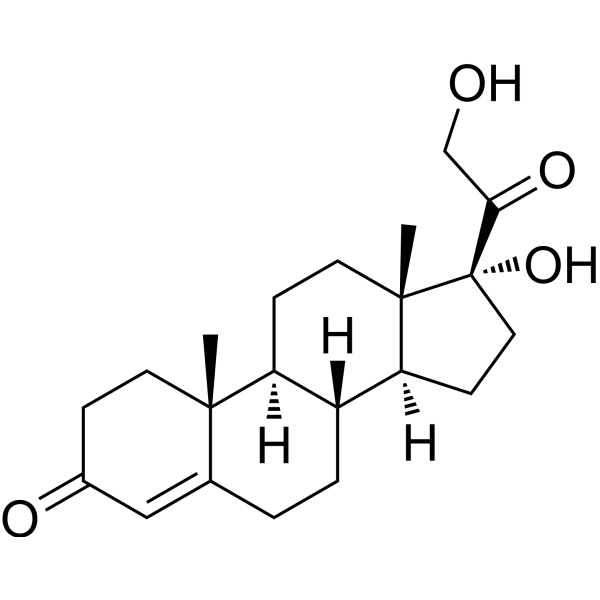
HY-77839
CortodoxoneGlucocorticoid Steroid Hormone
Publications Citing Use of MedChemExpress (MCE) Methylprednisolone succinate
More

Biological Activity
Description
IC50 & Target
glucocorticoid receptor[1]
In Vitro
Methylprednisolone succinate (0.4-1.25 mg/mL methylprednisolone equivalent; 24 h at 24°C) is chemically stable and visually compatible in admixtures with Cimetidine hydrochloride (HY-14289A) (3 mg/mL) in 5% dextrose injection, with no significant loss of methylprednisolone 21-succinate ester concentration[2].
MedChemExpress (MCE) has not independently confirmed the accuracy of these methods. They are for reference only. Further protocols information, click here.
Parmacokinetics
| Species | Dose | Route | CL | MRT | Vdss | F |
|---|---|---|---|---|---|---|
| Dog[6] | 4 mg/kg | i.v. | 1.66 L/h/kg | 8.06 min | 0.223 L/kg | 43.6 % |
In Vivo
Methylprednisolone succinate (40 mg/kg; slow administration over 1 minute) improves collateral blood flow into the infarcted area and enhances the metabolic response of ischemic myocardium in acute myocardial ischemia dogs[5].
MedChemExpress (MCE) has not independently confirmed the accuracy of these methods. They are for reference only.
-
Animal Model:C57/BL (male, 6-8 weeks old, 20-23 g, intracranial haemorrhage induced by bacterial collagenase IV injection)[1]
-
Dosage:30 mg/kg
-
Administration:i.p.; at 2, 24, and 48 h after ICH
-
Result:Significantly reduced Evans Blue extravasation in the haemorrhagic hemisphere at day 1 post-ICH; reduced brain water content at day 3 post-ICH; partially protected tight junction proteins ZO-1 and occludin expression; reduced proinflammatory cytokines IL-1β and TNF-α expression; inhibited microglia activation and neutrophil infiltration; suppressed TLR4/NF-κB signalling pathway activation; reduced number of TUNEL-positive neuronal cells in the perihematoma area; increased Bcl-2 expression; decreased Bax expression.


Chemical Information
-
CAS No. 2921-57-5
-
Appearance Solid
-
Molecular Weight 474.54
-
Formula C26H34O8
-
Color White to off-white
-
SMILES
C[C@@]12[C@](C(COC(CCC(O)=O)=O)=O)(O)CC[C@@]1([H])[C@]3([H])C[C@H](C)C4=CC(C=C[C@]4(C)[C@@]3([H])[C@@H](O)C2)=O
-
Synonyms
Methylprednisolone hydrogen succinate
-
Shipping
Room temperature in continental US; may vary elsewhere.
-
Storage
4°C, protect from light
* In solvent : -80°C, 6 months; -20°C, 1 month (protect from light)


Publications (3)
-
Journal Impact Factor
-
Most Recent


Solvent & Solubility
In Vitro:
DMSO : ≥ 100 mg/mL (210.73 mM; Hygroscopic DMSO has a significant impact on the solubility of product, please use newly opened DMSO)
* "≥" means soluble, but saturation unknown.
Please refer to the solubility information to select the appropriate solvent. Once prepared, please aliquot and store the solution to prevent product inactivation from repeated freeze-thaw cycles.
Storage method and period of stock solution: -80°C, 6 months; -20°C, 1 month (protect from light). When stored at -80°C, please use it within 6 months. When stored at -20°C, please use it within 1 month.
Please refer to the solubility information to select the appropriate solvent. Once prepared, please aliquot and store the solution to prevent product inactivation from repeated freeze-thaw cycles.
Storage method and period of stock solution: -80°C, 6 months; -20°C, 1 month (protect from light). When stored at -80°C, please use it within 6 months. When stored at -20°C, please use it within 1 month.
Concentration (start) × Volume (start) = Concentration (final) × Volume (final)
In Vivo:
Select the appropriate dissolution method based on your experimental animal and administration route.
- For the following dissolution methods, please ensure to first prepare a clear stock solution using an In Vitro approach and then sequentially add co-solvents:
- To ensure reliable experimental results, the clarified stock solution can be appropriately stored based on storage conditions. As for the working solution for In Vivo experiments, it is recommended to prepare freshly and use it on the same day.
- The percentages shown for the solvents indicate their volumetric ratio in the final prepared solution. If precipitation or phase separation occurs during preparation, heat and/or sonication can be used to aid dissolution.
Add each solvent one by one: 10% DMSO 40% PEG300 5% Tween-80 45% Saline
Solubility: ≥ 2.5 mg/mL (5.27 mM); Clear solution
This protocol yields a clear solution of ≥ 2.5 mg/mL (saturation unknown).
Taking 1 mL working solution as an example, add 100 μL DMSO stock solution (25.0 mg/mL) to 400 μL PEG300, and mix evenly; then add 50 μL Tween-80 and mix evenly; then add 450 μL Saline to adjust the volume to 1 mL.
Preparation of Saline: Dissolve 0.9 g sodium chloride in ddH₂O and dilute to 100 mL to obtain a clear Saline solution.
Add each solvent one by one: 10% DMSO 90% (20% SBE-β-CD in Saline)
Solubility: ≥ 2.5 mg/mL (5.27 mM); Clear solution
This protocol yields a clear solution of ≥ 2.5 mg/mL (saturation unknown).
Taking 1 mL working solution as an example, add 100 μL DMSO stock solution (25.0 mg/mL) to 900 μL 20% SBE-β-CD in Saline, and mix evenly.
Preparation of 20% SBE-β-CD in Saline (4°C, storage for one week): 2 g SBE-β-CD powder is dissolved in 10 mL Saline, completely dissolve until clear.
In Vivo Dissolution Calculator
Please enter the basic information of animal experiments:
-
-
-
-
Recommended: Prepare an additional quantity of animals to account for potential losses during experiments.
Please enter your animal formula composition:
-
%DMSO +
Recommended: Keep the proportion of DMSO in working solution below 2% if your animal is weak.
-
%+
-
+%Tween-80 + +
-
%Saline +
The co-solvents required include: DMSO, . All of co-solvents are available by MedChemExpress (MCE). , Tween 80. All of co-solvents are available by MedChemExpress (MCE).
Working solution concentration: 0.22 mg/mL
Method for preparing stock solution: mg drug dissolved in μL DMSO. Stock solution concentration: mg/mL. * In solvent : -80°C, 6 months; -20°C, 1 month (protect from light)
1. Take μL DMSO stock solution;
2. Add μL .
μL , mix evenly;
3. Then add μL Tween 80, mix evenly;
4. Then add μL
Please ensure that the stock solution in the first step is dissolved to a clear state, and add co-solvents in sequence. You can use ultrasonic heating (ultrasonic cleaner, recommended frequency 20-40 kHz), vortexing, etc. to assist dissolution.

Protocols
-
RNA extraction experimental
By lysing cells, releasing RNA, and removing impurities such as proteins and DNA, high-purity RNA products are finally obtained. The commonly used traditional method is the guanidine isothiocyanate/phenol/chloroform method (Trizol), which is suitable for a variety of animal materials including animal tissues, microorganisms, cultured cells, etc., and most plant materials.
-
Collagen-Induced Arthritis
Collagen-induced arthritis (CIA) is an autoimmune murine model of rheumatoid arthritis in which immunization with type II collagen (CII) emulsified in an adjuvant induces a T cell- and autoantibody-driven inflammatory arthritis characterized by synovial hyperplasia, immune cell infiltration, and joint destruction. The model typically relies on genetically susceptible mouse strains (e. g. , DBA/1) and reproduces key features of human rheumatoid arthritis, including anti-collagen immune responses and progressive joint inflammation. Disease onset generally occurs within ~3-4 weeks after immunization, depending on antigen/adjuvant combinations and protocol variation. The immunopathology is driven by adaptive immune activation against CII, leading to systemic and local joint inflammation mediated by pro-inflammatory cytokines and effector immune cells, making CIA a standard preclinical platform for evaluating immunomodulatory and anti-arthritic interventions.
-
Cotton Pellet Granuloma
Cotton pellet granuloma is a classical in vivo chronic inflammation model used to evaluate the anti-inflammatory potential of test substances by measuring their ability to inhibit granuloma tissue formation around an implanted foreign body (cotton pellet) in rodents. The method is based on the biological response to a sterile implanted material, which induces proliferative phase inflammation characterized by fibroblast proliferation and collagen-rich granuloma formation, and the final readout reflects the extent of chronic inflammatory tissue growth surrounding the pellet. In multiple preclinical pharmacological evaluations, inhibition of cotton pellet-induced granuloma formation has been used as an indicator of anti-inflammatory activity in both synthetic and natural product screening contexts.
-
Research Protocol for Endocrine Diseases
Endocrine diseases often arise from disrupted hormone production, hormone signaling, or target-tissue responsiveness; for diabetes-focused endocrine disease models, insulin signaling regulates glucose uptake, hepatic glucose output, lipid metabolism, and β-cell compensation. Type 2 diabetes develops through interacting defects in insulin resistance, β-cell dysfunction, adipose inflammation, hepatic glucose overproduction, altered incretin signaling, and ectopic lipid metabolism. A major unresolved question is whether endocrine dysfunction is driven primarily by target-tissue insulin resistance, intrinsic β-cell failure, immune/inflammatory stress, or combined multi-organ failure that differs by disease stage.
-
Carrageenan-Induced Paw Edema
Carrageenan-induced paw edema is an acute inflammation model in which intraplantar injection of carrageenan induces localized inflammatory swelling characterized by vascular permeability, leukocyte infiltration, and production of inflammatory mediators such as prostaglandins and cytokines, making it widely used to evaluate anti-inflammatory agents in vivo. The resulting paw volume or thickness increase is quantified over time as a direct readout of inflammatory intensity and drug efficacy, typically reflecting cyclooxygenase-mediated prostaglandin-driven edema formation and immune cell recruitment in peripheral tissue[20].
-
Research Protocol for Inflammation-related Diseases
The NLRP3 inflammasome is a cytosolic innate immune signaling platform that integrates priming signals and danger-signal activation to promote caspase-1 activation, maturation of IL-1β and IL-18, and gasdermin D-mediated pyroptotic cell death. The core experimental logic is to determine whether inflammatory disease phenotypes are driven by increased NLRP3 expression, ASC-containing inflammasome assembly, caspase-1 cleavage, GSDMD cleavage, and extracellular release of IL-1β/IL-18 rather than by nonspecific cell injury alone. The pathway is strongly linked to inflammation-related disease phenotypes because monosodium urate crystals activate NALP3/NLRP3 inflammasome signaling in gout-like crystal inflammation, cholesterol crystals activate NLRP3 inflammasomes in atherogenesis models, and DSS-induced intestinal inflammation has been reported to involve NLRP3 inflammasome activity. However, experimental colitis studies also show context-dependent protective effects of NLRP3 inflammasome co


Purity & Documentation
-
Data Sheet (279 KB)
-
SDS (418 KB)
- English - EN (418 KB)
- Français - FR (418 KB)
- Deutsch - DE (418 KB)
- Norwegian - NO (418 KB)
- Español - ES (418 KB)
- Swedish - SV (418 KB)
- Italian - IT (418 KB)
- Korean - KR (418 KB)
- Portuguese - PT (418 KB)
-
Handling Instructions (2659 KB)
References
[1]. Cheng S, et al. Methylprednisolone sodium succinate reduces BBB disruption and inflammation in a model mouse of intracranial haemorrhage. Brain Res Bull. 2016;127:226-233. [Content Brief]
[2]. Della Cuna GR, et al. Effect of methylprednisolone sodium succinate on quality of life in preterminal cancer patients: a placebo-controlled, multicenter study. The Methylprednisolone Preterminal Cancer Study Group. Eur J Cancer Clin Oncol. 1989;25(12):1817-1821. [Content Brief]
[3]. Toutain PL, et al. Pharmacokinetics of methylprednisolone, methylprednisolone sodium succinate, and methylprednisolone acetate in dogs. J Pharm Sci. 1986;75(3):251-255. [Content Brief]
[4]. Walker AI, et al. Immediate-type hypersensitivity to succinylated corticosteroids. Int Arch Allergy Immunol. 2011;155(1):86-92. [Content Brief]
[5]. Masters TN, et al. Beneficial metabolic effects of methylprednisolone sodium succinate in acute myocardial ischemia. Am J Cardiol. 1976;37(4):557-563. [Content Brief]
[6]. Fehlings MG, et al. Efficacy and Safety of Methylprednisolone Sodium Succinate in Acute Spinal Cord Injury: A Systematic Review. Global Spine J. 2017;7(3 Suppl):116S-137S. [Content Brief]


Complete Stock Solution Preparation Table
Please refer to the solubility information to select the appropriate solvent. Once prepared, please aliquot and store the solution to prevent product inactivation from repeated freeze-thaw cycles.
Storage method and period of stock solution: -80°C, 6 months; -20°C, 1 month (protect from light). When stored at -80°C, please use it within 6 months. When stored at -20°C, please use it within 1 month.
| Optional Solvent | Concentration Solvent Mass | 1 mg | 5 mg | 10 mg | 25 mg |
|---|---|---|---|---|---|
| DMSO | 1 mM | 2.1073 mL | 10.5365 mL | 21.0730 mL | 52.6826 mL |
| 5 mM | 0.4215 mL | 2.1073 mL | 4.2146 mL | 10.5365 mL | |
| 10 mM | 0.2107 mL | 1.0537 mL | 2.1073 mL | 5.2683 mL | |
| 15 mM | 0.1405 mL | 0.7024 mL | 1.4049 mL | 3.5122 mL | |
| 20 mM | 0.1054 mL | 0.5268 mL | 1.0537 mL | 2.6341 mL | |
| 25 mM | 0.0843 mL | 0.4215 mL | 0.8429 mL | 2.1073 mL | |
| 30 mM | 0.0702 mL | 0.3512 mL | 0.7024 mL | 1.7561 mL | |
| 40 mM | 0.0527 mL | 0.2634 mL | 0.5268 mL | 1.3171 mL | |
| 50 mM | 0.0421 mL | 0.2107 mL | 0.4215 mL | 1.0537 mL | |
| 60 mM | 0.0351 mL | 0.1756 mL | 0.3512 mL | 0.8780 mL | |
| 80 mM | 0.0263 mL | 0.1317 mL | 0.2634 mL | 0.6585 mL | |
| 100 mM | 0.0211 mL | 0.1054 mL | 0.2107 mL | 0.5268 mL |


Methylprednisolone succinate Related Classifications
HY-B1900 Related Classifications
 Powered by Bioz
Keywords