Infection
-
Infection Related Products (18677)
Related Products (18677)

-
Antibodies (22)
-
Fudapirine
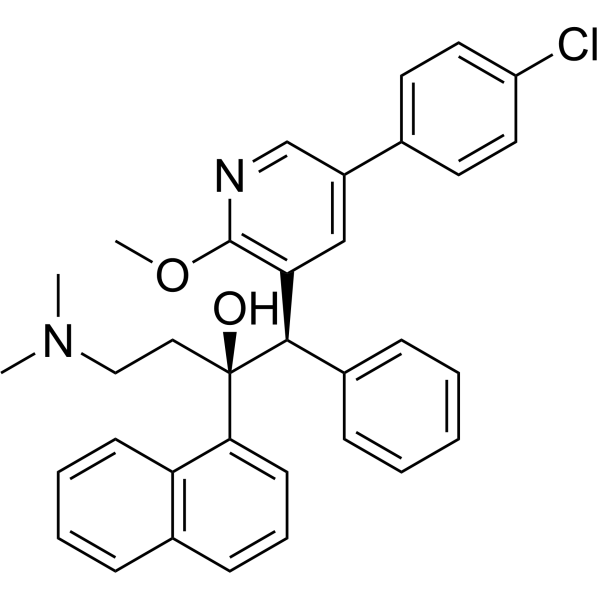 0 ImagesCat. No.: HY-146158CAS No.: 1859978-72-5Synonyms: WX-081; Sudapyridine
Fudapirine (WX-081; Sudapyridine) is an orally active bactericidal agent that targets mycobacterial ATP synthase. Fudapirine induces mycobacterial death by inhibiting ATP synthesis, disrupting proton motive force and depleting bacterial energy. Fudapirine can be used in the research of tuberculosis and *Mycobacterium tuberculosis* infection.
-
Enviroxime
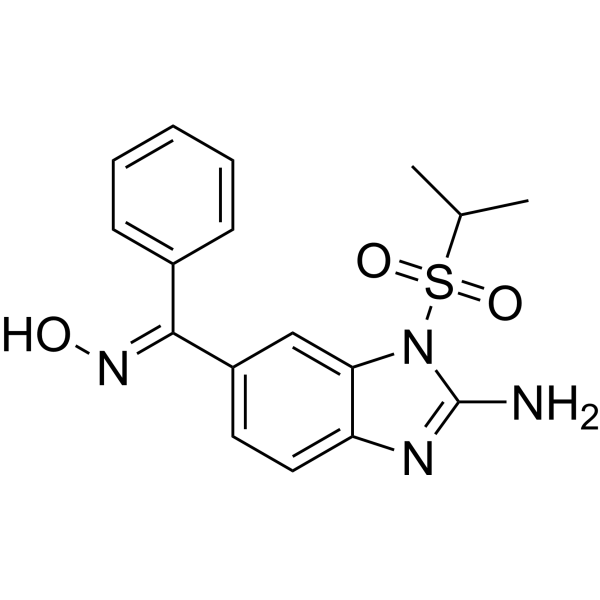 0 ImagesSynonyms: LY122772
Enviroxime (LY122772) is an antiviral compound that inhibits the replication of rhinoviruses and enteroviruses. Enviroxime blocks the replication of plus-strand viral RNA by targeting the viral 3A coding region. Enviroxime can be a useful tool for investigating the natural function of the 3A protein.
-
Pseudohypericin
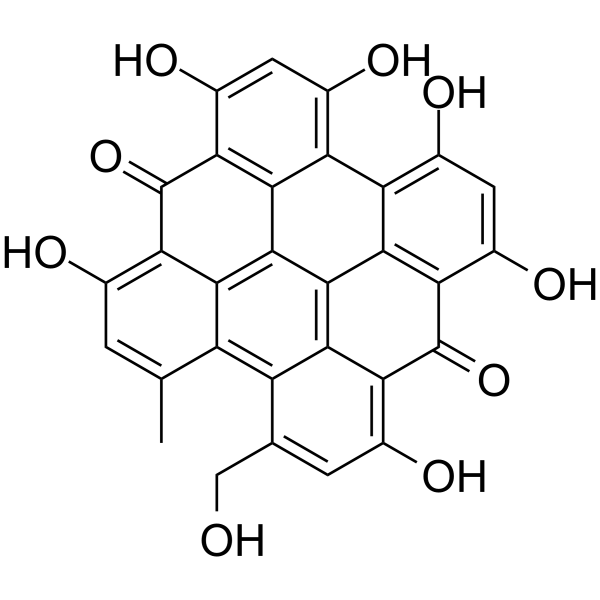 0 Images
Pseudohypericin and its congener Hypericin are the major hydroxylated phenanthroperylenediones present in Hypericum species. Pseudohypericin shows anti-HIV activity.
-
Grepafloxacin hydrochloride
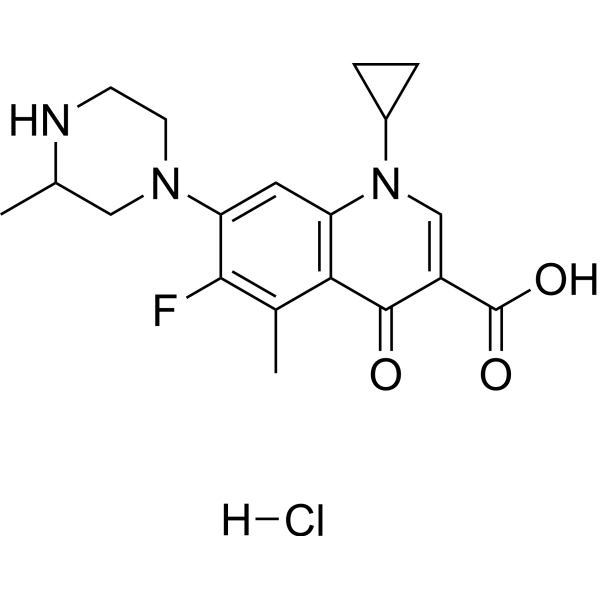 0 ImagesSynonyms: OPC-17116 hydrochloride; dl-Grepafloxacin hydrochloride
Grepafloxacin (OPC-17116) hydrochloride is an oral actively fluoroquinolone antibiotic with potent activity against community-acquired respiratory pathogens including Streptococcus pneumonia. Grepafloxacin hydrochloride has high tissue penetration and a promising pharmacodynamic profile.

-
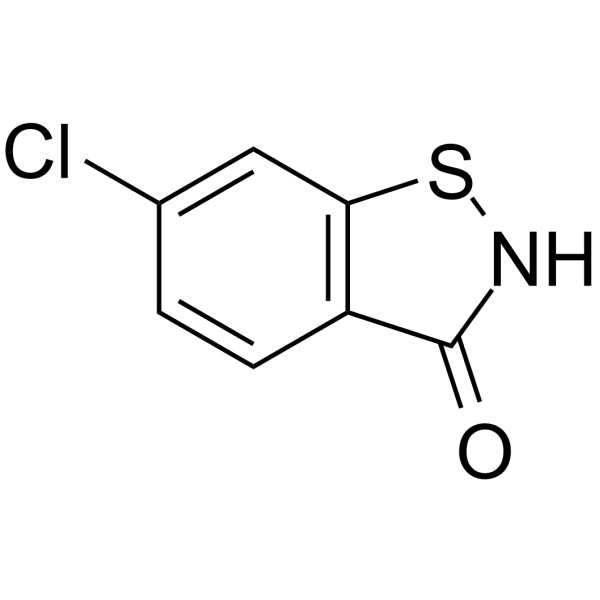
Ticlatone
 0 Images
Ticlatone is an antifungal that can be used for the research of mycoses.
-
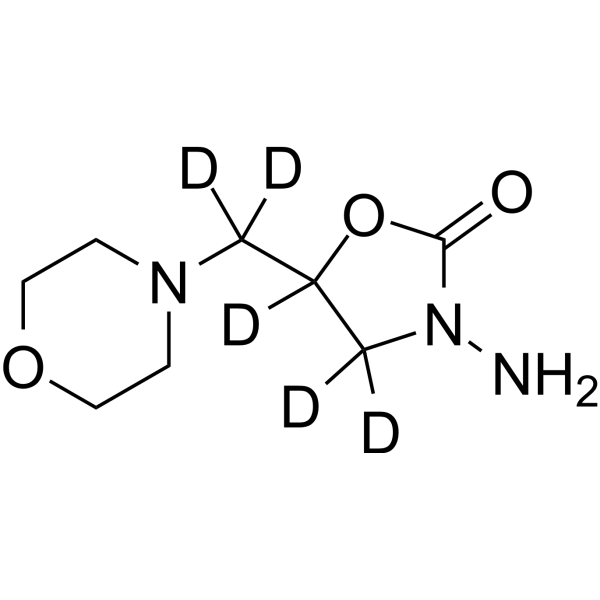
AMOZ-d5
 0 Images
AMOZ-d5 is a deuterium labeled AMOZ. AMOZ, a tissue bound metabolite of Furaltadone, Furaltadone is a synthetic nitrofuran antibiotic widely used.
-
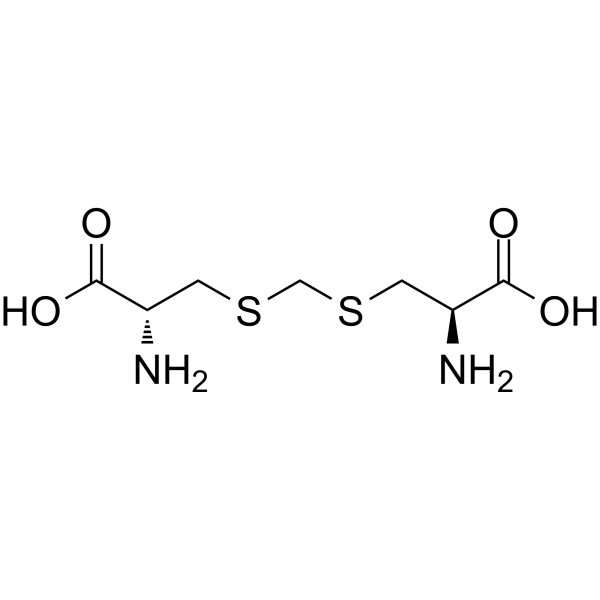
Djenkolic acid
 0 Images
Djenkolic acid is a sulfur-containing amino acid. Djenkolic acid can be isolated from the djenkol beans of the Southeast Asian plant Archidendron jiringa. Djenkolic acid de-inhibits the SO42- uptake system in Pseudomonas fluorescens. Djenkolic acid causes supersaturation of the urinary system with djenkolic acid crystals, leading to urinary tract obstruction and acute kidney injury.
-
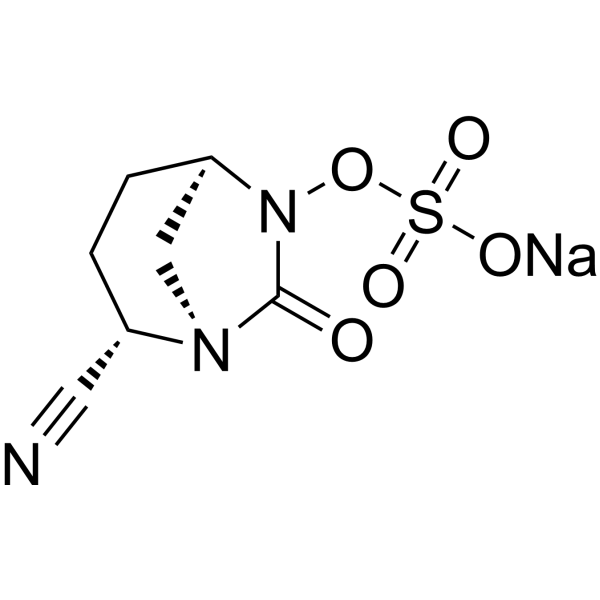
WCK-4234
 0 Images
WCK-4234 is a diazabicyclooctane β-lactamase inhibitor and susceptibility restorer. WCK-4234 lacks direct antibacterial activity. WCK-4234 inhibits class A, C, D β-lactamases and extended-spectrum β-lactamases to potentiate Imipenem (HY-B1369A) and Meropenem (HY-13678) activity against Gram-negative pathogens. WCK-4234 can be used for the research of gram-negative bacterial infections and β-lactamase-mediated carbapenem-resistant bacterial infections.
-
Bictegravir-15N,d2
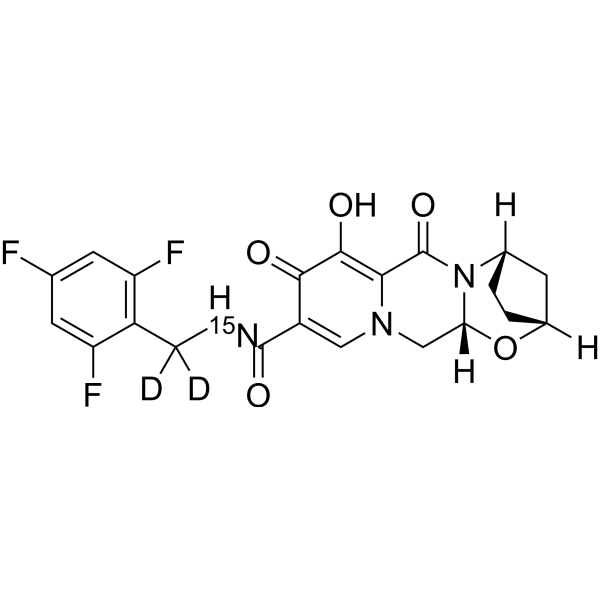 0 ImagesCat. No.: HY-17605S
Bictegravir-15N,d2 (GS-9883-15N,d2) is the 15N and deuterium labeled Bictegravir (HY-17605). Bictegravir (GS-9883) is a potent inhibitor of HIV-1 integrase with an IC50 of 7.5 nM.
-
Dermcidin-1L (human)
 0 Images
Dermcidin-1L (human) is an Antibacterial and Antifungal peptide. Dermcidin-1L (human) is derived from the carboxy-terminal region of full-length Dermcidin. Dermcidin-1L (human) exerts potent bactericidal activity against E. coli, E. faecalis and S. aureus, as well as fungicidal activity against C. albicans. Dermcidin-1L (human) is used in studies related to bacterial and fungal skin infections.
-
Indolmycin
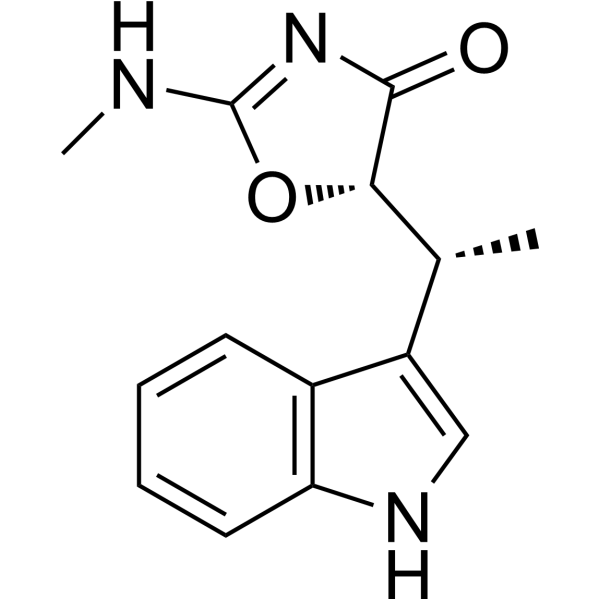 0 ImagesSynonyms: TAK-083; PA-155A
Indolmycin (TAK-083), an antibiotic, is a competitive inhibitor of prokaryotic tryptophanyl-tRNA synthetase (TrpS). Indolmycin (TAK-083) possesses both anti-viral and anti-bacterial activity.
-
Continentalic acid
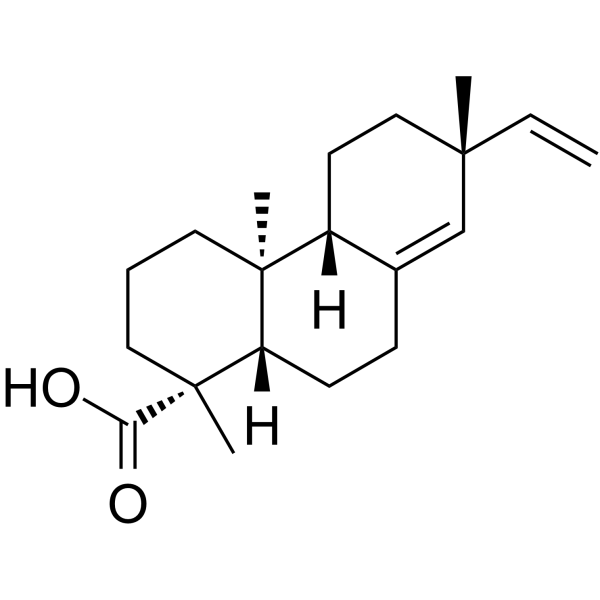 0 Images
Continentalic acid is a diterpenoid organic acid. Continentalic acid exhibits multiple activities including anti-inflammatory, antioxidant, neuroprotective, antibacterial and antitumor effects. Continentalic acid alleviates oxidative stress, reduces pro-inflammatory cytokine production, inhibits MAPK phosphorylation and neutrophil infiltration, and induces growth inhibition and apoptosis of cancer cells. Continentalic acid can be used in research related to traumatic brain injury, cancer, inflammation and infections.
-
JH-LPH-28
 0 Images
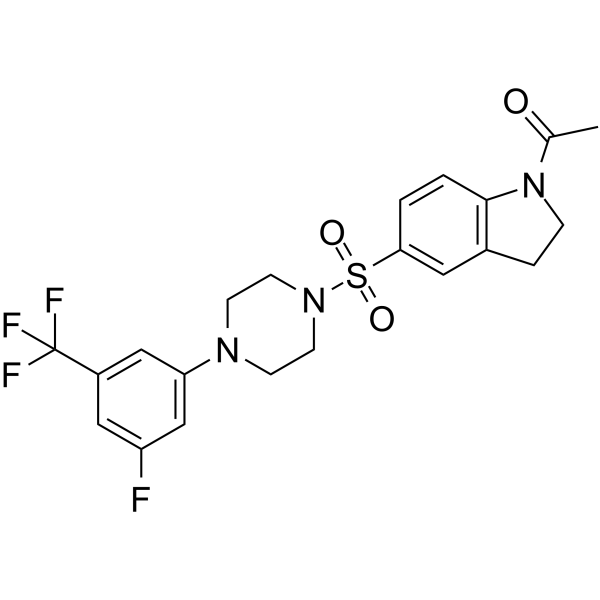
JH-LPH-28, a sulfonyl piperazine analog, is a potent UDP-2,3-diacylglucosamine pyrophosphate hydrolase LpxH inhibitor. JH-LPH-28 displays outstanding antibiotic activity with a MIC value of 0.83 μg/mL.
-
Methylisothiazolinone-d3 hydrochloride
 0 Images
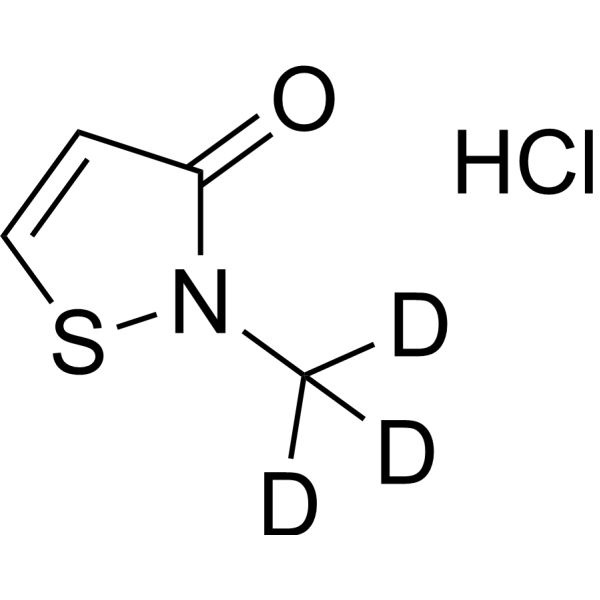
Methylisothiazolinone-d3 hydrochloride is the deuterium labeled Methylisothiazolinone hydrochloride (HY-W010243). Methylisothiazolinone hydrochloride is a bacterial and fungal inhibitor and preservative, as well as a sensitizer. Methylisothiazolinone hydrochloride can activate matrix metalloproteinases (MMPs) in human bronchial epithelial cells to induce apoptosis and inflammatory response. Methylisothiazolinone hydrochloride can promote the development of atopic dermatitis in mice by disrupting Th2/Th17 related immune responses. Methylisothiazolinone hydrochloride can cause mitochondrial damage in the endothelium of rat cerebral blood vessels.
-
Brobactam sodium
 0 Images
Brobactam sodium is a potent synthetic wide spectrum β-lactamase inhibitor. Brobactam sodium has antibacterial activity.
-
9-Hydroxycalabaxanthone
 0 ImagesSynonyms: Xanthone I
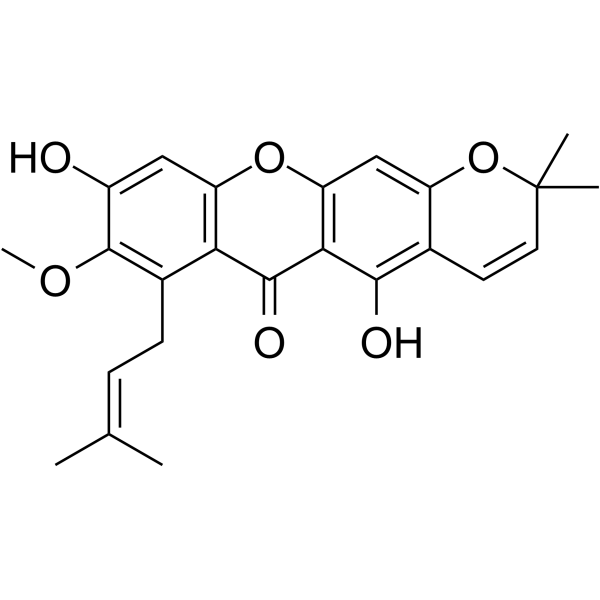
9-Hydroxycalabaxanthone (Xanthone I) is a known xanthone isolated from Garcinia mangostana Linn. 9-Hydroxycalabaxanthone has quorum-sensing inhibitory, anti-microbial, and anti-malarial activities (IC50=1.2-1.5 μM).
-
Metacetamol
 0 Images
Metacetamol (AMAP) is an analog of Acetaminophen (HY-66005). Metacetamol induces dose-dependent necrosis in primary hepatocytes via glutathione depletion, mitochondrial damage, and formation of mitochondrial protein adducts. Metacetamol derivatives act as anticancer and antibacterial agents. Metacetamol can be used in studies related to breast cancer, bacterial infections, and fungal infections (candidiasis).
-
M2e, human TFA
 0 ImagesCat. No.: HY-P1783APurity: 99.86%
M2e, human TFA, consisting of the 23 extracellular residues of M2 (the third integral membrane protein of influenza A), has been remarkably conserved in all human influenza A. M2e, human TFA is a valid and versatile vaccine candidate to protect against any strain of human influenza A.