Others
-
Others Related Products (76616)
Related Products (76616)

-
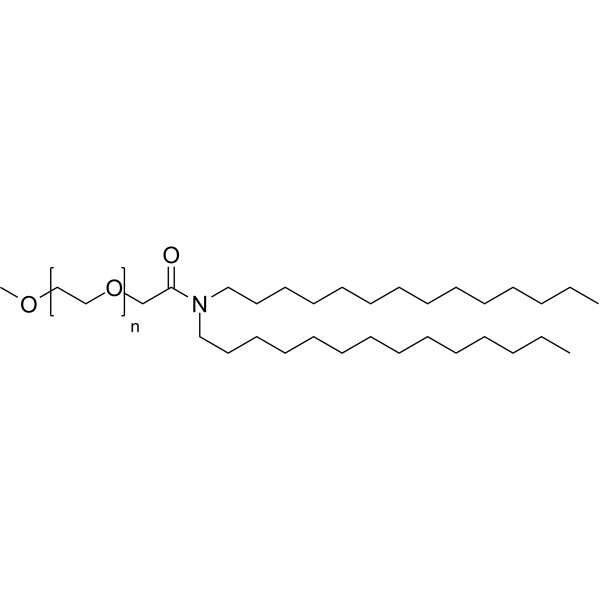
ALC-0159
 0 Images
ALC-0159 presents highly mobile surface PEG chains in a dense brush-like conformation, which can form a hydrophilic barrier, reduce non-specific protein adsorption and macrophage uptake, improve colloidal stability, prolong in vivo circulation time, and affect the cellular uptake of LNPs. ALC-0159 dissociates from the surface of mRNA-LNPs under long-term mechanical oscillation stress, thereby reducing steric hindrance, inducing mRNA-LNP fusion, increasing particle size, and releasing unencapsulated mRNA.
-
CY7
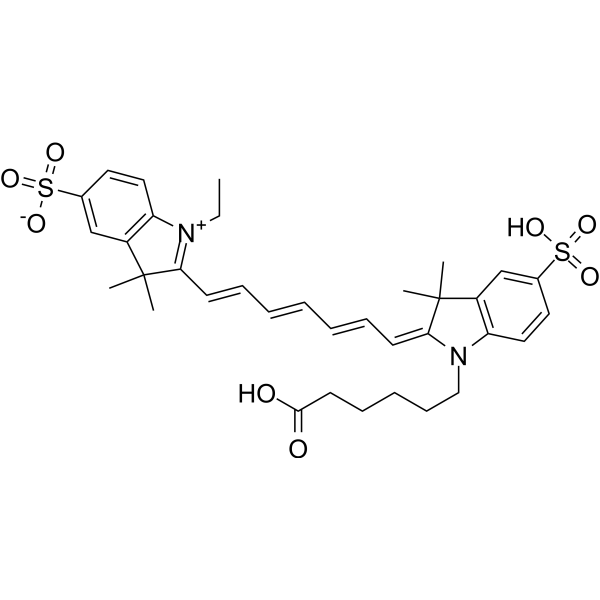 0 ImagesCat. No.: HY-D0825CAS No.: 943298-08-6Synonyms: Sulfo-Cyanine7
CY7 is a CY dye. CY, short for Cyanine, is a compound consisting of two nitrogen atoms connected by an odd number of methyl units. Cyanine compounds have the characteristics of long wavelength, adjustable absorption and emission, high extinction coefficient, good water solubility and relatively simple synthesis. CY dyes are of en used for the labeling of proteins, antibodies and small molecular compounds. For the labeling of protein antibodies, the combination can be completed through a simple mixing reaction. Below, we introduce the labeling method of protein antibody labeling, which has certain reference significance.
-
Suc-Leu-Leu-Val-Tyr-AMC
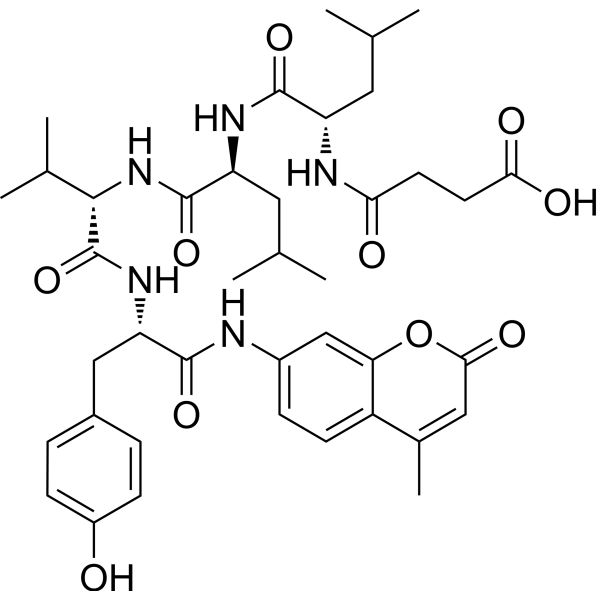 0 ImagesSynonyms: Suc-LLVY-AMC
Suc-Leu-Leu-Val-Tyr-AMC is a membrane-permeable calpain-specific fluorogenic substrate (Ex/Em = 390/480 nm).
-
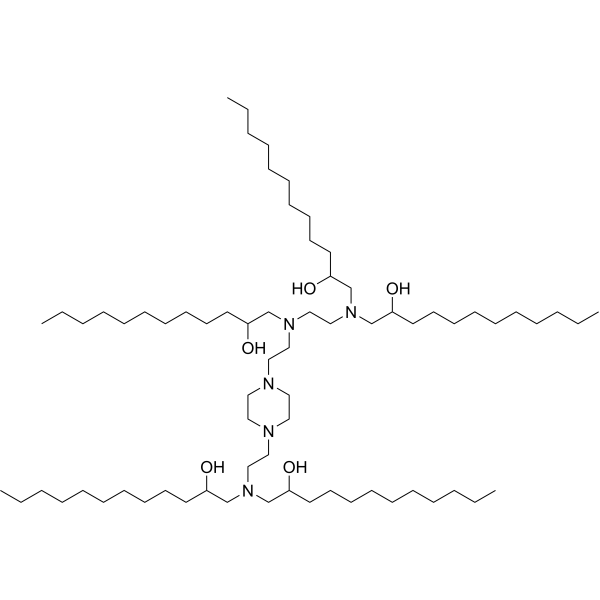
C12-200
 0 Images
C12-200 is a type of ionizable cationic lipid and helper lipid commonly used for mRNA delivery. In the hemophilia B mouse model, mRNA encoding human erythropoietin (EPO) and coagulation factor IX (FIX) can be successfully delivered and expressed using C12-200. C12-200 is utilized in research related to hemophilia B.
-
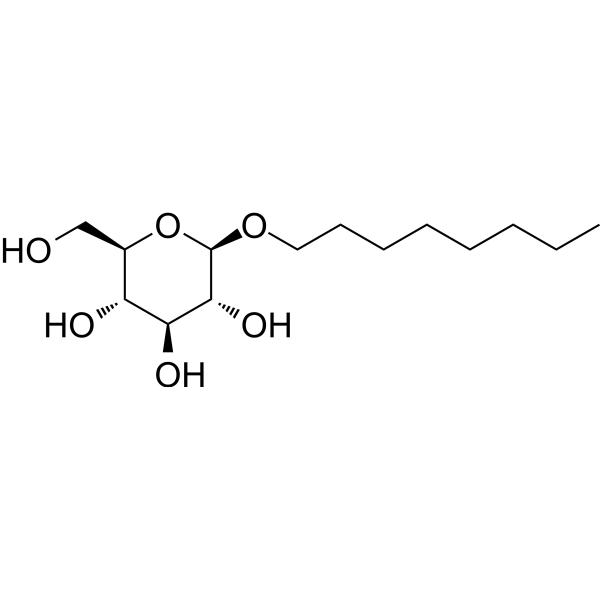
n-Octyl β-D-glucopyranoside
 0 Images
n-Octyl-β-d-glucopyranoside is a non-ionic detergent, it can be widely used in the research of biotechnical, biochemical applications, solubilization and crystallization of membrane proteins. n-Octyl-β-d-glucopyranoside can completely inhibit cavitation-induced cell lysis in vitro.
-
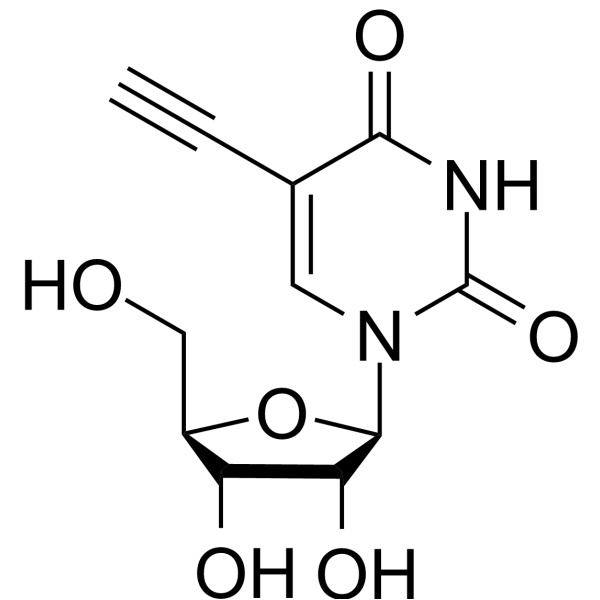
5-Ethynyluridine
 0 ImagesSynonyms: 5-EU
5-Ethynyluridine (5-EU) is a potent cell-permeable nucleoside can be used to label newly synthesized RNA. 5-Ethynyluridine can be used for isolation and sequencing of nascent RNA from neuronal populations in vivo. 5-Ethynyluridine can be used to identify changes in transcription in vivo in nervous system disease models. 5-Ethynyluridine is a click chemistry reagent, it contains an Alkyne group and can undergo copper-catalyzed azide-alkyne cycloaddition (CuAAc) with molecules containing Azide groups.
-
Biotin-HPDP
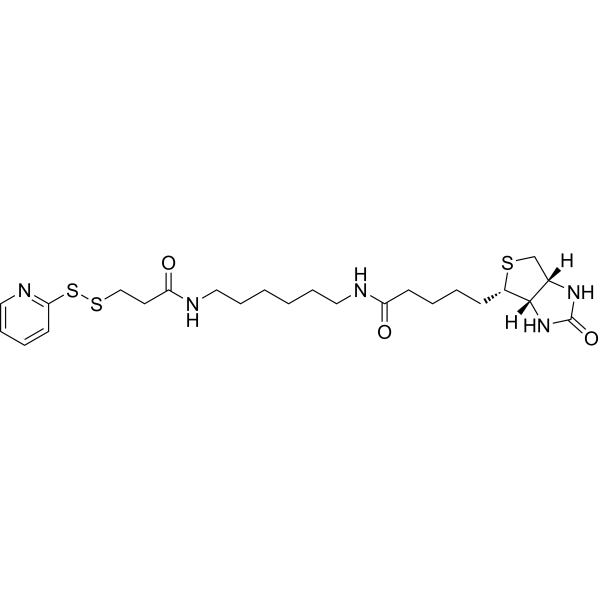 0 Images
Biotin-HPDP is a biochemical reagent. Biotin-HPDP can couple with GMPS and label free protein thiols. Biotin-HPDP can be used as a biological material or organic compound for life science related research.
-
4-Thiouridine
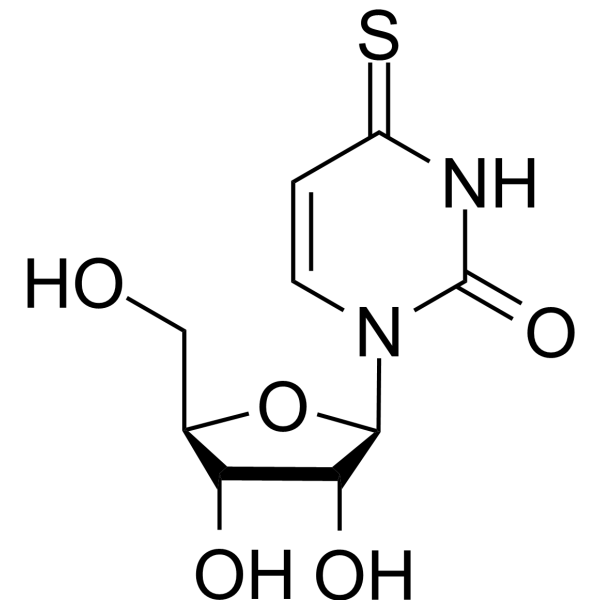 0 Images
4-Thiouridine is a ribonucleoside analog, it is widely used in RNA analysis and (m)RNA labeling. 4-Thiouridine inhibits rRNA synthesis and causes a nucleolar stress response.
-
DQ-BSA-RED
 0 ImagesCat. No.: HY-D2449
DQ-BSA-Red is a bovine serum albumin labeled with a red fluorescent dye that can be used to detect lysosomal activity. The excitation wavelength and emission wavelength of DQ-BSA-Red are 590 nm and 620 nm, respectively. The BSA molecule in DQ-BSA-Red is labeled with high concentration of red fluorescent dye in multiple sites, which shows high fluorescence self-inhibition. Once DQ-BSA-RED enters the lysosome, DQ-BSA is cleaved by lysosomal proteases, resulting in unquenched and released fluorescent fragments, emitting bright fluorescence. Inactivated lysosomes are unable to degrade the BSA protein and thus have a lower or even no fluorescent signal.
-
6PPD-Q
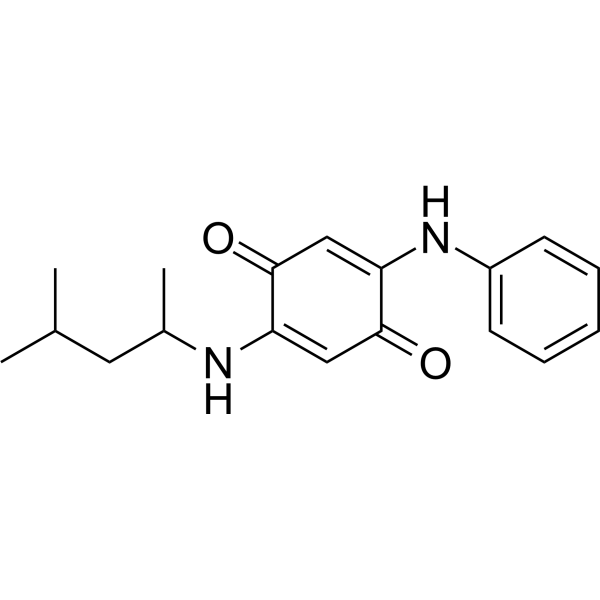 0 ImagesSynonyms: 6PPD-Quinone
6PPD-Q (6PPD-Quinone) is an environmental pollutant that can be detected in human urine and is widely present in the environment. 6PPD-Q targets and binds to CNR2, CNR1, AA2AR, LCAT, and TRPA1, with CNR2 exhibiting the highest binding affinity, potentially acting as a CNR2 receptor agonist to activate cannabinoid receptors. 6PPD-Q induces intestinal inflammation and barrier damage by disrupting mitochondrial function, reducing neuronal glycolysis metabolites and TCA cycle intermediates, and exacerbating α-synuclein (α-syn) aggregation. 6PPD-Q is applicable in research on environmental toxicology, neurodegenerative diseases, and inflammation-related disorders.
-
Tris(dibenzylideneacetonyl)bis-palladium
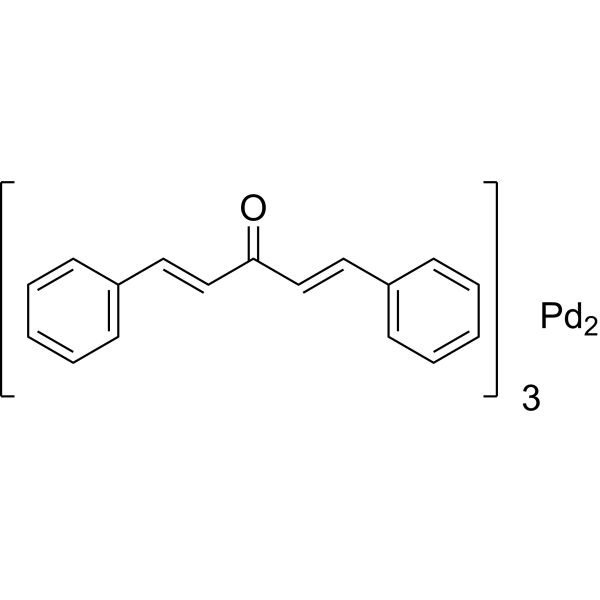 0 Images
Tris(dibenzylideneacetonyl)bis-palladium is a catalyst that catalyzes the coupling reaction of N-methyl-2-pyrrolidinone (NMP). Tris(dibenzylideneacetonyl)bis-palladium participates in the synthesis of camptothecin derivatives, 5-HT antagonists, etc.
-
Dooku1
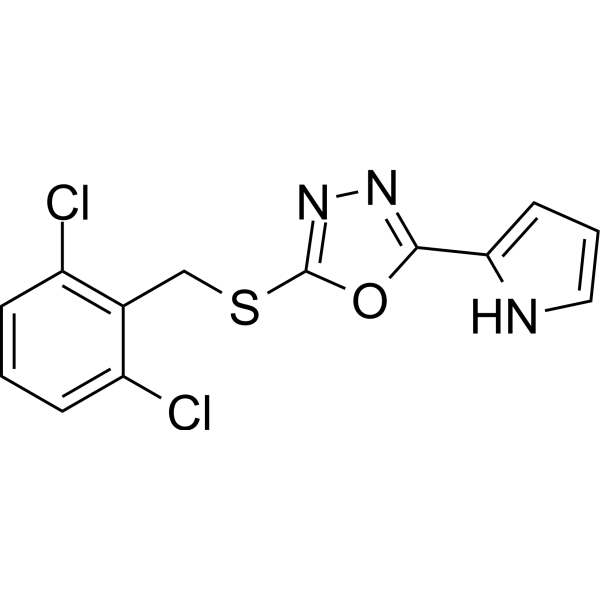 0 Images
Dooku1 is a reversibly Yoda1 antagonist with IC50 value of 1.3 μM and 1.5 μM for 2 μM Yoda1-induced Ca2+ entry HEK 293 cells and HUVECs, respectively. Dooku1 can disrupt Yoda1-induced Piezo1 channel activity and inhibit Yoda1-induced relaxation of aorta. Dooku1 can be used for vascular physiology and disease research.
-
Pronase E (Activity ≥ 4000 U/mg)
 0 ImagesCat. No.: HY-114158ACAS No.: 9036-06-0Synonyms: Pronase (Activity ≥ 4000 U/mg)
Pronase E (Activity ≥ 4000 U/mg) is a mixture of proteolytic enzymes that is obtained from Streptomyces griseus and could digest protein into individual amino acids.
-
Pyruvic acid
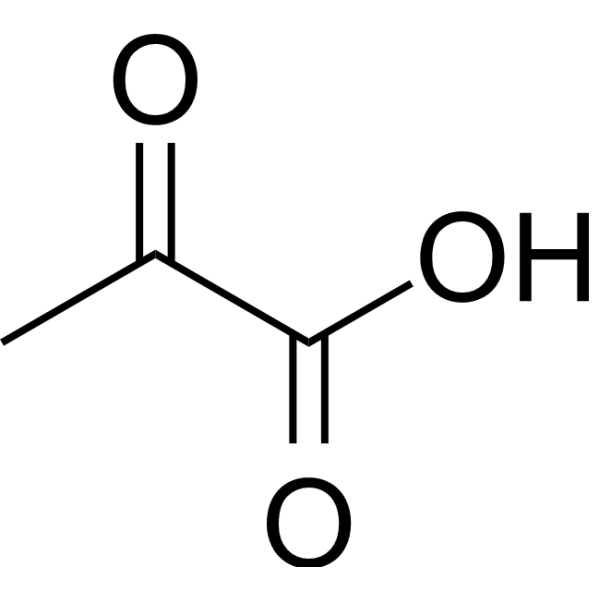 0 Images
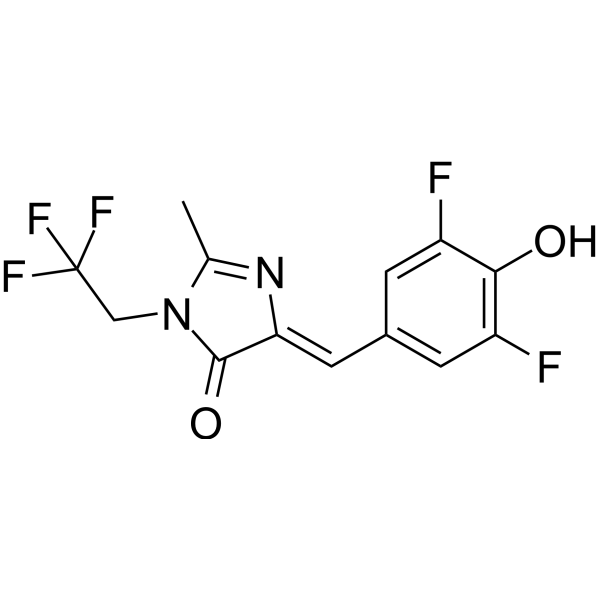
Pyruvic acid is an intermediate metabolite in the metabolism of carbohydrates, proteins, and fats.
-
PEG3350
 0 ImagesCat. No.: HY-Y0873CCAS No.: 25322-68-3Synonyms: Polyethylene glycol 3350
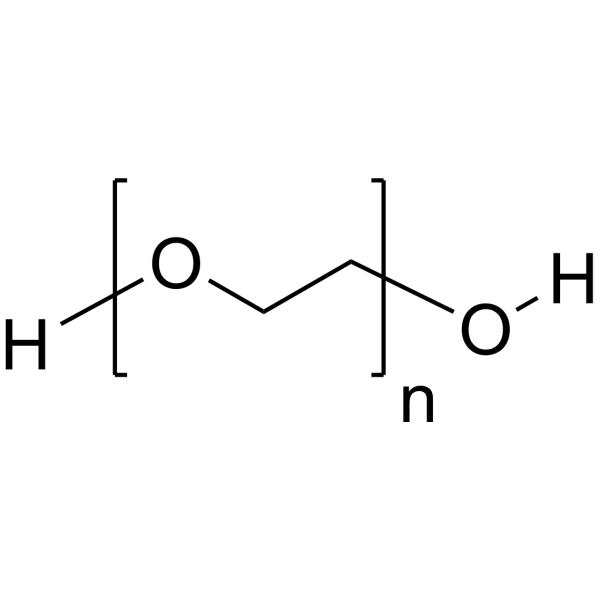
PEG3350 (Polyethylene glycol 3350) a neutral polymer of molecular weight 3350. PEG3350 used as an excellent solvent for a large number of substances.
-
N-Hydroxysuccinimide
 0 Images
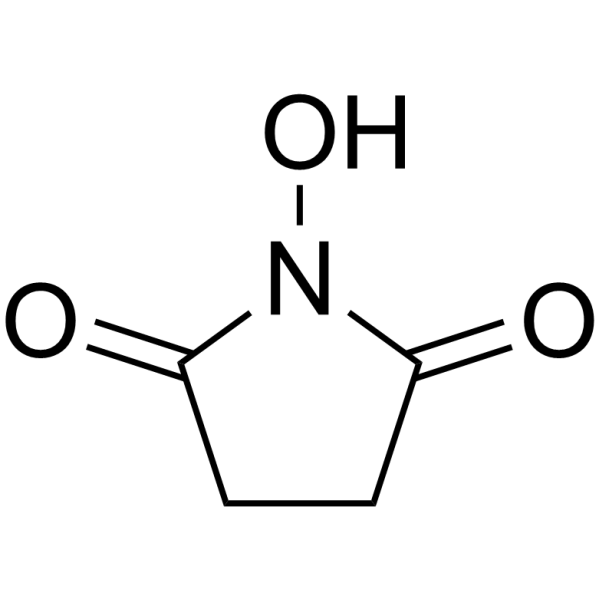
N-Hydroxysuccinimide (HOSu; 1-Hydroxy-2,5-pyrrolidinedione) is a covalent crosslinker commonly used in bioconjugation technology with a primary amine group. N-Hydroxysuccinimide reacts with amino groups (-NH2) to form a stable amide bond, which can modify amino-containing biomolecules. N-Hydroxysuccinimide can be used, for example, for protein labeling with fluorescent dyes and enzymes, surface activation of chromatography supports, microbeads, nanoparticles and microarray slides, and chemical synthesis of peptides. N-Hydroxysuccinimide has a wide range of applications in biomaterial synthesis (such as collagen, chitosan crosslinking), drug delivery systems (such as hydrogel preparation) and tissue engineering.