Apoptosis
Apoptosis
Apoptosis is a distinctive form of cell death exhibiting specific morphological and biochemical characteristics, including cell membrane blebbing, chromatin condensation, genomic DNA fragmentation, and exposure of specific phagocytosis signaling molecules on the cell surface. Cells undergoing apoptosis differ from those dying through necrosis. Necrotic cells are usually recognized by the immune system as a danger signal and, thus, resulting in inflammation; in contrast, apoptotic death is quiet and orderly.
There are two major pathways of apoptotic cell death induction: The intrinsic pathway, also called the Bcl-2-regulated or mitochondrial pathway, is activated by various developmental cues or cytotoxic insults, such as viral infection, DNA damage and growth-factor deprivation, and is strictly controlled by the BCL-2 family of proteins. The extrinsic or death-receptor pathway is triggered by ligation of death receptors (members of the tumor necrosis factor (TNF) receptor family, such as Fas or TNF receptor-1 (TNFR1)) that contain an intracellular death domain, which can recruit and activate caspase-8 through the adaptor protein Fas-associated death domain (FADD; also known as MORT1) at the cell surface. This recruitment causes subsequent activation of downstream (effector) caspases, such as caspase-3, -6 or -7, without any involvement of the BCL-2 family.
Studies suggest that alterations in cell survival contribute to the pathogenesis of a number of human diseases, including cancer, viral infections, autoimmune diseases, neurodegenerative disorders, and AIDS (acquired immunodeficiency syndrome). Treatments designed to specifically alter the apoptotic threshold may have the potential to change the natural progression of some of these diseases.
All Product Categories
-
Apoptosis Inhibitors
(884)
View all products
-
Apoptosis Agonists
(7)
View all products
-
Apoptosis Antagonists
(9)
View all products
-
Apoptosis Activators
(361)
View all products
-
Apoptosis Modulators
(59)
View all products
-
Apoptosis Inducers
(7787)
View all products
-
Apoptosis Degrader
(1)
View all products
-
Apoptosis Controls
(33)
View all products
-
Apoptosis Related Products (9701)
Related Products (9701)

-
Antibodies (120)
-
A-192621
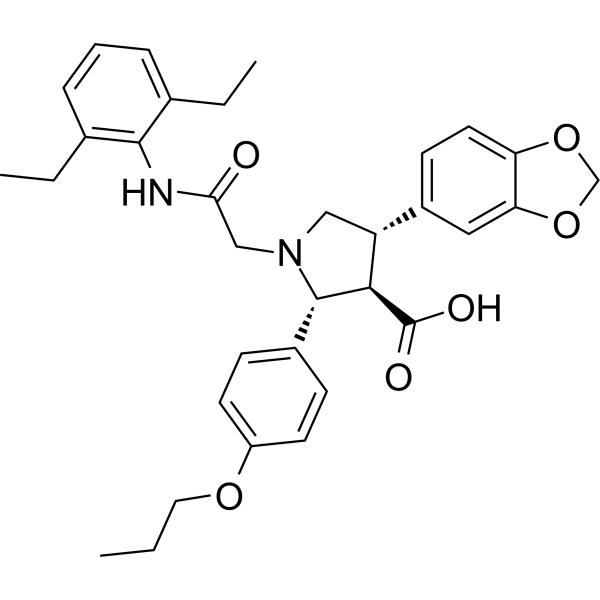 0 ImagesA-192621, a chemical probe, is a potent, nonpeptide, orally active and selective endothelin B (ETB) receptor antagonist with an IC50 of 4.5 nM and a Ki of 8.8 nM. The selectivity of A-192621 is 636-fold higher than ETA (IC50 of 4280 nM and Ki of 5600 nM). A-192621 promotes apoptosis in PASMCs. A-192621 alos causes elevation of arterial blood pressure and an elevation in the plasma ET-1 level.
-
Lidocaine-d10 hydrochloride
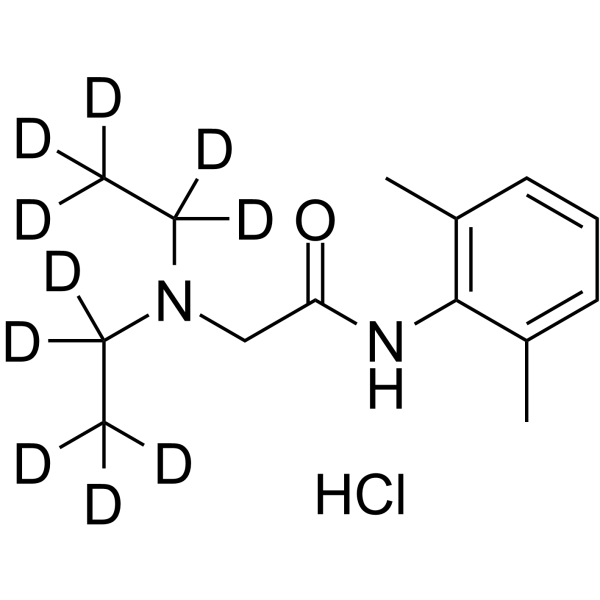 0 ImagesLidocaine-d10 (hydrochloride) is the deuterium labeled Lidocaine hydrochloride. Lidocaine hydrochloride (Lignocaine hydrochloride) inhibits sodium channels involving complex voltage and using dependence. Lidocaine hydrochloride decreases growth, migration and invasion of gastric carcinoma cells via up-regulating miR-145 expression and further inactivation of MEK/ERK and NF-κB signaling pathways. Lidocaine hydrochloride, an amide derivative, has the potential for the research of the ventricular arrhythmia.
-
RA375
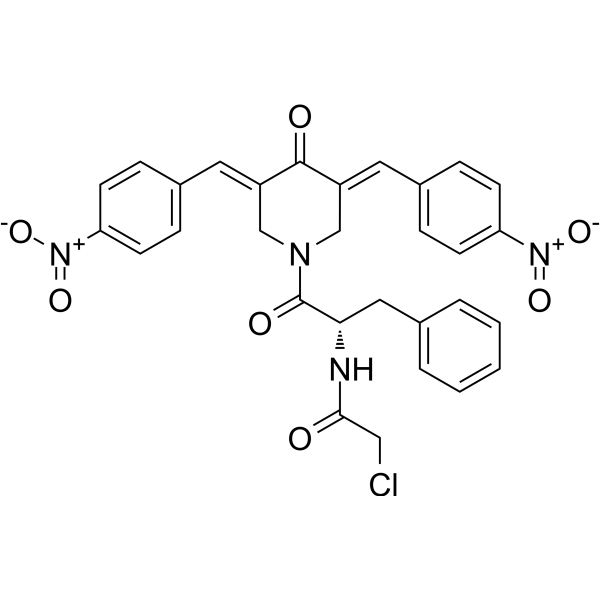 0 ImagesRA375 is a RPN13 (26S proteasome regulatory subunit) inhibitor. RA375 activates UPR signaling, ROS production and apoptosis. RA375 exhibits ten-fold greater activity against cancer lines than RA190, reflecting its nitro ring substituents and the addition of a chloroacetamide warhead.
-
Nevanimibe
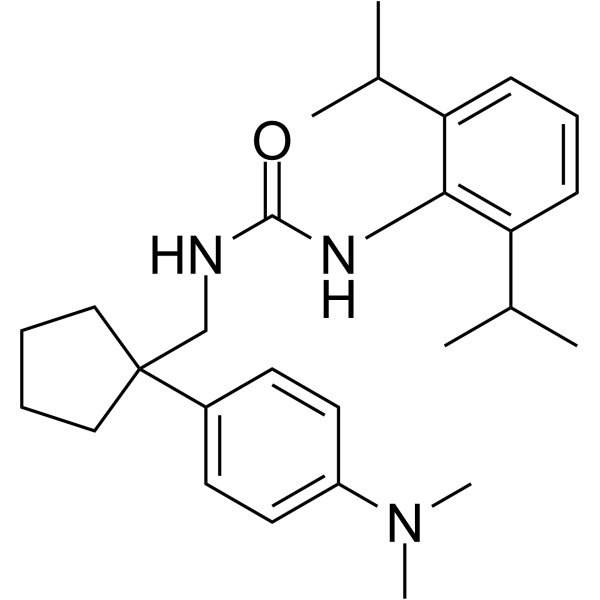 0 ImagesSynonyms: PD-132301; ATR-101
-
ZLY025
 0 ImagesZLY025 is a potent and orally active CCNK molecular glue degrader with an DC50 of 42.7 nM. ZLY025 exhibits broad-spectrum antiproliferative activity against various tumor cells with IC50 values ranging from 0.08 to 2.45 μM. ZLY025 can induce cells apoptosis and G1 phase arrest. ZLY025 can be used for the research of cancer, such as lung cancer.
-
BRD-810
 0 ImagesBRD-810 is a potent and selective MCL1 inhibitor with a Kd of 0.3 nM. BRD-810 can specifically block the BH3 binding groove of MCL1, while having little effect on other anti-apoptotic proteins (such as Bcl-2, Bcl-xL). BRD-810 effectively destroys the MCL1-BAK complex (IC50 = 1.2 nM) in cancer cells, rapidly activates Caspase and induces cell apoptosis. BRD-810 can be used in the research of various cancers such as hematological tumors and solid tumors.
-
SMIP34
 0 ImagesCat. No.: HY-169903CAS No.: 1189710-20-0
-
Clifutinib
 0 ImagesClifutinib is an orally active and selective internal tandem duplication mutation of FMS-like tyrosine kinase 3 (FLT3-ITD) inhibitor with an IC50 value of 15.1 nM. Clifutinib exerts strong antiproliferative effects on FLT3-ITD acute myeloid leukemia (AML) cell lines (MV-4-11: IC50 = 1.5 nM; MOLM-13: IC50 = 1.4 nM). Clifutinib inhibits the activity of FLT3-ITD kinase and blocks the downstream RAS/MAPK, PI3K/AKT, and JAK/STAT5 signaling pathways of FLT3. Clifutinib induces apoptosis of acute myeloid leukemia (AML) cells with FLT3-ITD mutations. Clifutinib demonstrates significant antitumor efficacy in mice bearing MV-4-11 or MOLM-13 xenografts. Clifutinib is promising for research of relapsed/refractory FLT3-ITD-positive acute myeloid leukemia.
-
14-3-3η Protein inhibitor 1
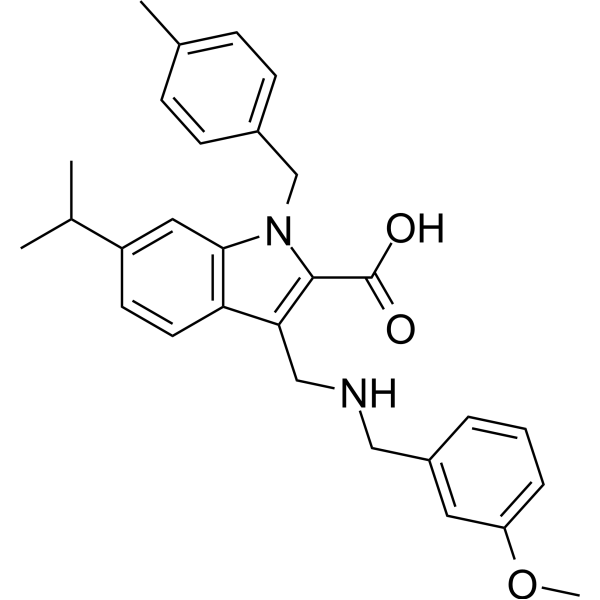 0 Images14-3-3η Protein inhibitor 1 (Compound C11) is a 14-3-3η protein inhibitor with a KD of 35 µM. 14-3-3η Protein inhibitor 1 shows inhibitory activities against several typical human liver cancer cell lines. 14-3-3η Protein inhibitor 1 induces cell apoptosis and G1-S cell cycle arrest with good metabolic stability.
-
Aprutumab ixadotin
 0 ImagesCat. No.: HY-141600CAS No.: 1708947-48-1Synonyms: BAY 1187982Aprutumab ixadotin (BAY 1187982) is the first antibody-drug conjugate (ADC) to target FGFR2 and the first to use Auristatin-based payload. Aprutumab ixadotin contains a fully human anti-FGFR2 monoclonal antibody (Aprutumab) (HY-P99007) conjugated by lysine side chains to a non-cleavable linker and via this an innovative Auristatin W derivative. Aprutumab ixadotin can be used for the study of advanced solid tumors, such as FGFR2-positive gastric cancer and triple-negative breast cancer.
-
LRRK2 inhibitor 1
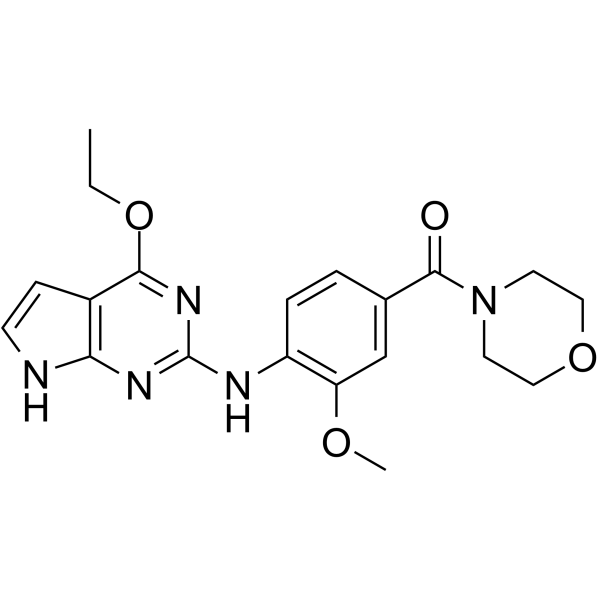 0 ImagesLRRK2 inhibitor 1 is a LRRK2 inhibitor. LRRK2 inhibitor 1 blocks STAT1 phosphorylation and the expression of interferon-stimulated genes, and inhibits intracellular innate immune responses. LRRK2 inhibitor 1 enhances oncolytic virus infection, replication and viral protein expression in tumor cells, promotes tumor cell apoptosis, and cooperates with oncolytic viruses to reduce tumor cell viability. LRRK2 inhibitor 1 enhances the oncolytic activity of multiple oncolytic viruses, and inhibits the growth of glioma xenografts when used in combination with oncolytic viruses. LRRK2 inhibitor 1 can be used in research related to various cancers such as lung cancer, colorectal cancer and liver cancer.
-
Danshensu sodium
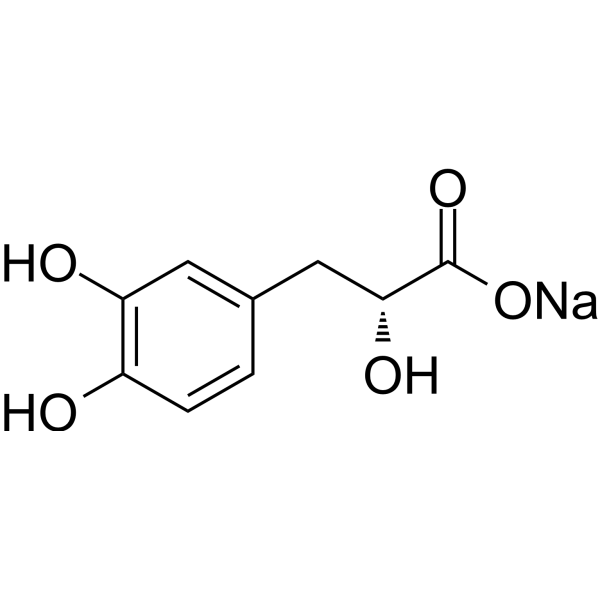 0 ImagesSynonyms: Dan shen suan A sodium; Salvianic acid A sodiumDanshensu (Dan shen suan A) sodium, an orally active phenolic compound, can induce Nrf2/HO-1 activation and inhibition of NF-κB pathway. Danshensu sodium reduces reactive oxygen species (ROS) production, upregulates antioxidant defense mechanism and inhibits intrinsic apoptotic pathway. Danshensu sodium displays a potent antiviral activity against SARS-CoV-2 with EC50 of 0.97 μM. Danshensu sodium has anti-oxidation, anti-apoptosis, anti-lung inflammatory and has the potential for COVID-19, cardiovascular and cerebrovascular diseases research.
-
Tizanidine-d4
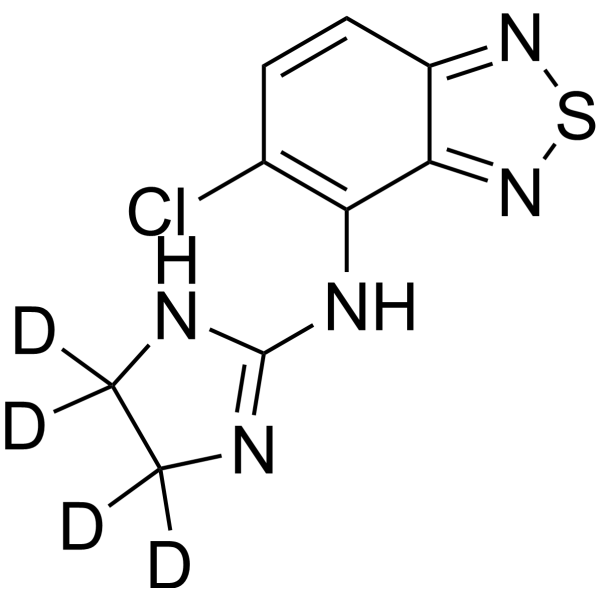 0 ImagesTizanidine-d4 is the deuterium labeled Tizanidine (HY-B0194). Tizanidine, a skeletal muscle relaxant, is an orally effective central α2-adrenoceptor agonist (IC50 = 6.9 nmol). Tizanidine primarily exerts muscle relaxation effects by inhibiting the release of excitatory amino acids (glutamate and aspartate) from the presynaptic terminals of spinal cord interneurons. Tizanidine has anti-injury activity and can inhibit gastrointestinal (GI) transport. Tizanidine can inhibit the proliferation, migration, and invasion of lung cancer cells and induce cell apoptosis by upregulating Nischarin and inhibiting the AKT and Wnt3a/β-catenin signaling pathways. Tizanidine can be used to treat spasticity caused by diseases such as multiple sclerosis (MS), stroke, and spinal cord injury (SCI).
-
Edratide
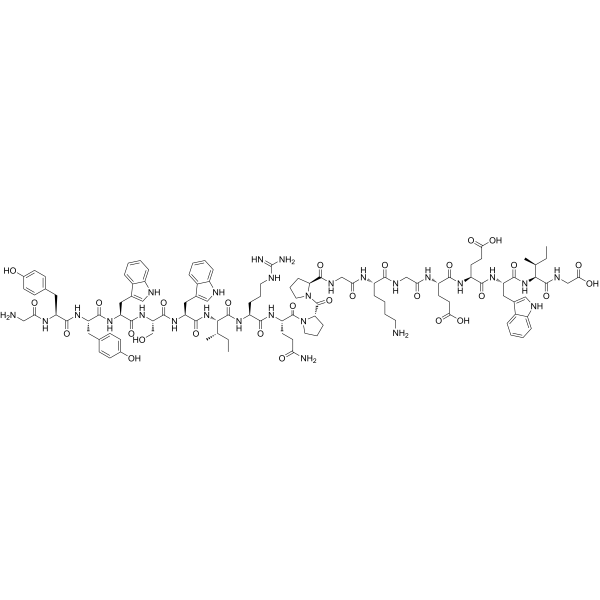 0 ImagesSynonyms: TV 4710Edratide (TV 4710) is a synthetic peptide of 19 amino acid based on the complementarity-determining region 1 (CDR1) of a human anti-DNA antibody that expresses a major idiotype denoted 16/6 Id. Edratide reduces the rates of apoptosis (Apoptosis) and down-regulates of caspase-8 and caspase-3, up-regulates Bcl-xL. Edratide has the potential for the research of systemic lupus erythematosus (SLE).
-
HG6-64-1
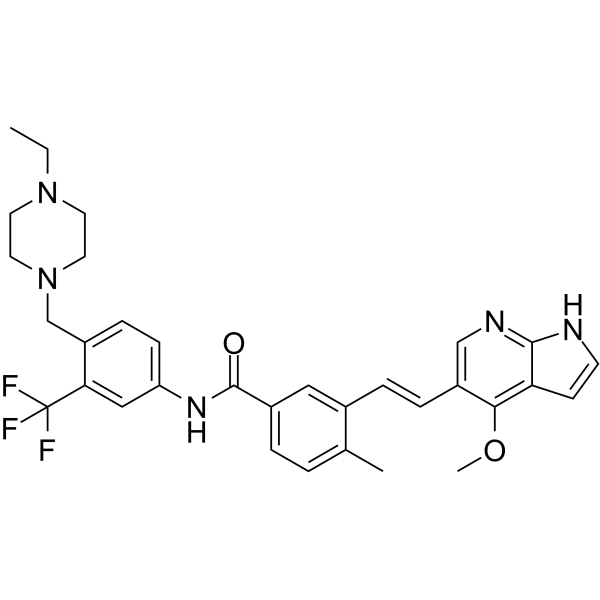 0 ImagesSynonyms: HMSL 10017-101-1HG6-64-1 (HMSL 10017-101-1) is a B-raf kinase modulator.HG6-64-1 modulates B-raf kinase activity, including the V600E mutant form and the drug-resistant gatekeeper mutation T529I. HG6-64-1 is a germinal center kinase inhibitor. HG6-64-1 induces cell cycle arrest and apoptosis. HG6-64-1 can be used for the research of diffuse large B-cell lymphoma (DLBCL).
-
(-)-Irofulven
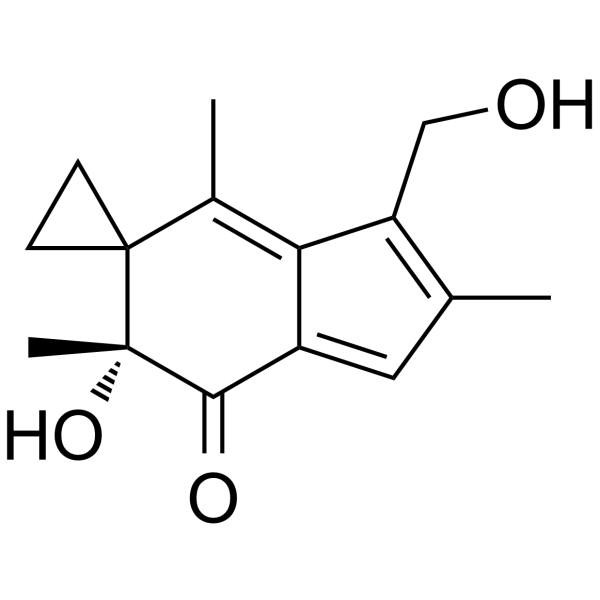 0 ImagesCat. No.: HY-14429CAS No.: 158440-71-2Synonyms: MGI 114; 6-Hydroxymethylacylfulvene; NSC 683863(-)-Irofulven (MGI 114), an Illudin S analog, is a DNA alkylating agent. (-)-Irofulven inhibits the replication of DNA, induces tumor cells apoptosis, and has potent antitumor activity.