Autophagy
Autophagy is a conserved cellular degradation and recycling process in the lysosome. In mammalian cells, there are three primary types of autophagy: microautophagy, macroautophagy, and chaperone-mediated autophagy (CMA). Microphagy captures cargoes by means of invaginations or protrusions of the lysosomal membrane directly, CMA uses chaperones to identify cargo proteins and then unfolds and transfers them into the lysosomal, while macroautophagy sequesters cargo by autophagosomes-de novo synthesized of double-membrane vesicles-and subsequently transport it to the lysosome.
Macroautophagy is the best studied and it occurs at a low level constitutively and can also be further induced under stress conditions, such as nutrient or energy starvation with a salient feature of autophagy protein degradation. Stress-induced macrophagy plays an important role in protein catabolism with another key protein degradation pathway, the ubiquitin–proteasome system (UPS).
As the study progressed, autophagy gains its importance under basal, nutrient-rich conditions, and is now recognized as a critical housekeeping pathway in catabolism of diverse cellular constituents, such as protein aggregates (aggrephagy), lipid droplets (lipophagy), iron complex (Ferritinophagy) and carbohydrate. Except for macromolecules, autophagy can also target several organelles and structures, such as mitochondria (mitophagy), peroxisome (pexophagy), endoplasmic reticulum (reticulophagy or ER-phagy), ribosome (ribophagy), spermatozoon-inherited organelles following fertilization (allophagy), secretory granules within pancreatic cells (zymophagy) and intracellular pathogens (xenophagy).
Autophagy and its dysfunction are associated with a variety of human pathologies, including ageing, cancer, neurodegenerative disease, heart disease and metabolic diseases, such as diabetes. Plenty of drugs and natural products are involved in autophagy modulation through multiple signaling pathways. Small molecules that can regulate autophagy seem to have great potential to intervene such diseases in animal models or clinical courses.
All Product Categories
-
Autophagy Inhibitors
(468)
View all products
-
Autophagy Agonists
(6)
View all products
-
Autophagy Activators
(125)
View all products
-
Autophagy Modulators
(59)
View all products
-
Autophagy Chemicals
(2)
View all products
-
Autophagy Inducers
(2173)
View all products
-
Autophagy Controls
(5)
View all products
-
Autophagy Ligand
(1)
View all products
-
Autophagy Related Products (3368)
Related Products (3368)

-
Antibodies (31)
-
Autophagy Signaling Pathway
-
Levosimendan
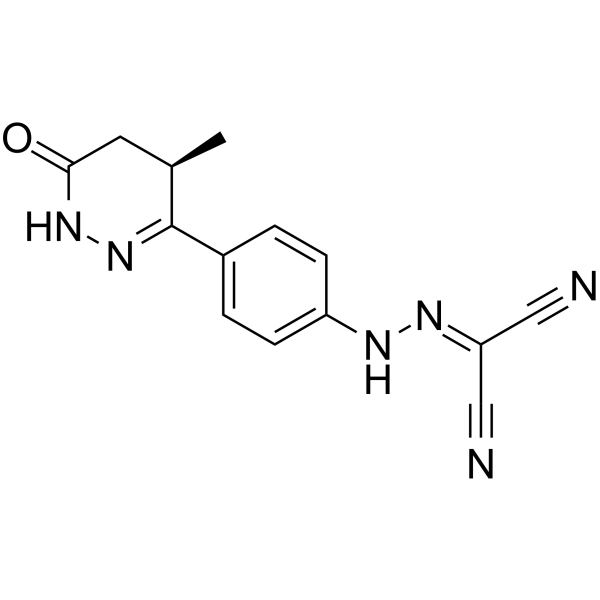 0 ImagesSynonyms: Simsndan; OR-1259Levosimendan (Simsndan; OR-1259) is a calcium sensitiser used in the management of acutely decompensated congestive heart failure.
-
Heparin Lithium salt
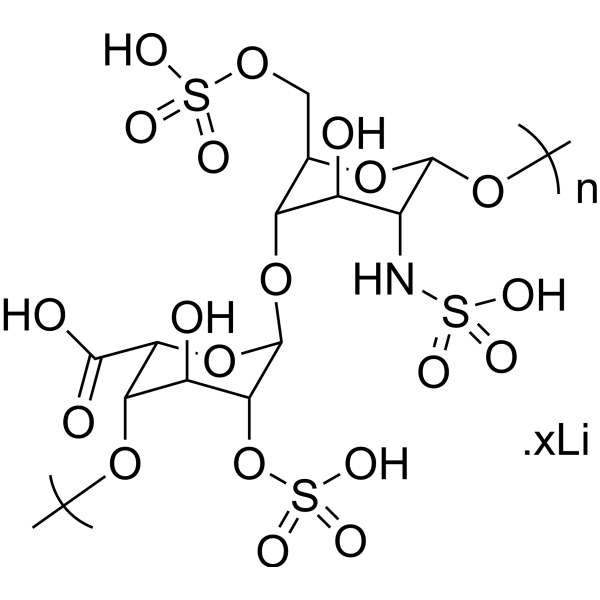 0 ImagesHeparin Lithium salt is an anticoagulant which binds reversibly to antithrombin III (ATIII). Heparin Lithium salt significantly inhibits exosome-cell interactions.
-
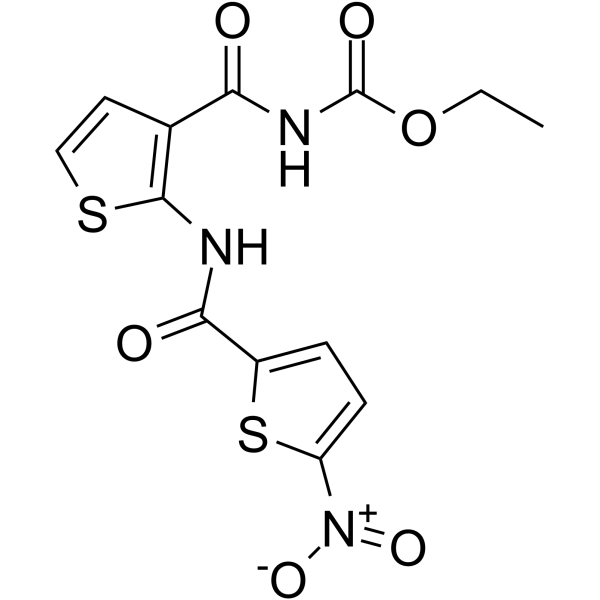
NBDHEX
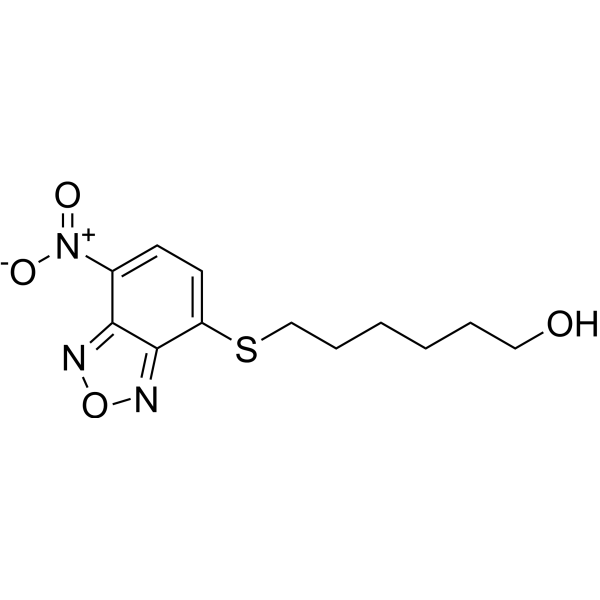 0 ImagesNBDHEX is a potent glutathione S-transferase P1-1 (GSTP1-1) inhibitor. NBDHEX induces apoptosis of tumor cells. NBDHEX acts as an anticancer agent by inhibiting GSTs catalytic activity, avoiding inconvenience of the inhibitor extrusion from the cell by specific pumps and disrupting the interaction between the GSTP1-1 and key signaling effectors. NBDHEX can also act as late-phase autophagy inhibitor.
-
Nortriptyline
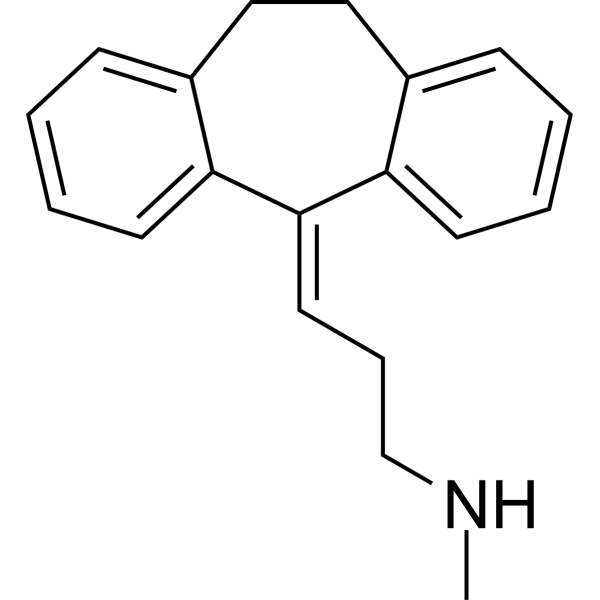 0 ImagesSynonyms: Desmethylamitriptyline; DesitriptilinaNortriptyline (Desmethylamitriptyline), the main active metabolite of Amitriptyline, is a tricyclic antidepressant. Nortriptyline is a potent autophagy inhibitor and has anticancer effects. N
-
N6-Isopentenyladenosine
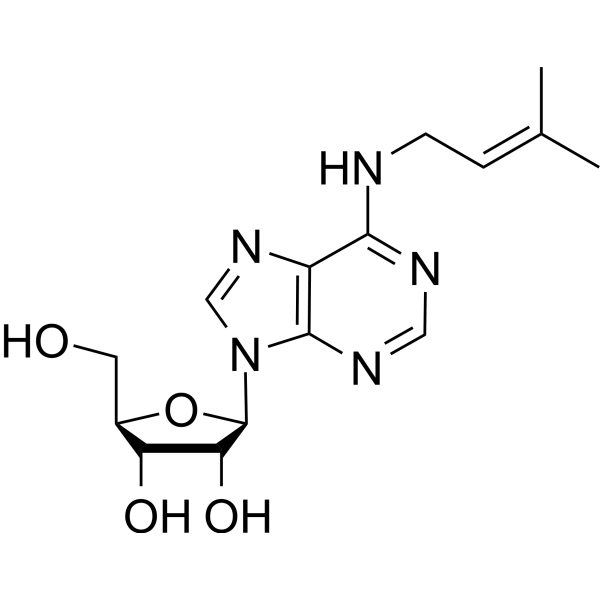 0 ImagesSynonyms: RiboprineN6-Isopentenyladenosine (Riboprine), an RNA modification found in cytokinins, which regulate plant growth/differentiation, and a subset of tRNAs, where it improves the efficiency and accuracy of translation. N6-Isopentenyladenosine, an end product of the mevalonate pathway, is an autophagy inhibitor with an interesting anti-melanoma activity.
-
Perphenazine
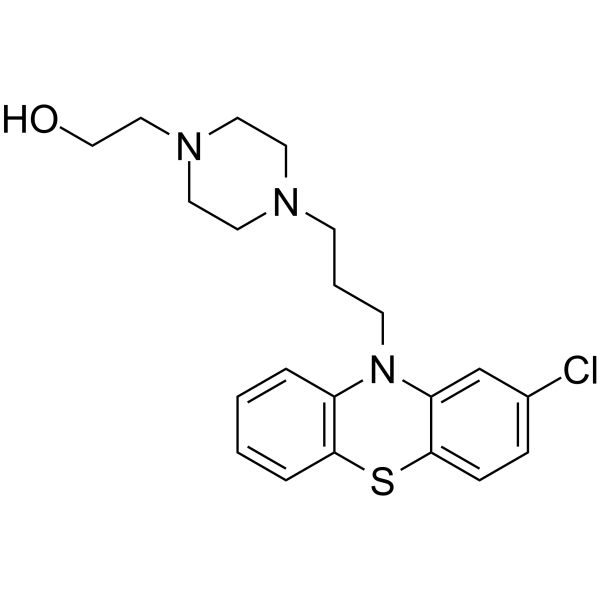 0 ImagesPerphenazine is an orally active dopamine receptor and histamine-1 receptor antagonist, with Ki values of 0.56 nM (D2), 0.43 nM (D3), 6 nM (5-HT2A), respectively. Perphenazine also binds to Alpha-1A adrenergic receptor. Perphenazine inhibits cancer cell proliferation, and induces apoptosis. Perphenazine can be used in the research of mental disease, cancer, inflammation.
-
Vps34-PIK-III
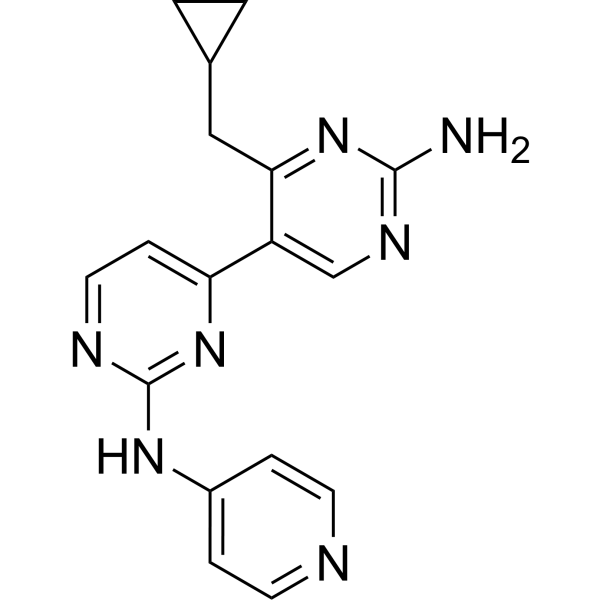 0 ImagesVps34-PIK-III is an orally active and selective VPS34 inhibitor (IC50=18 nM). Vps34-PIK-III effectively inhibits autophagy and can be used as a molecular tool. vps34-PIK-III is also a PI3K inhibitor that inhibits the expression of genes in liver cancer stem cells (CSCs).
-
Afzelin
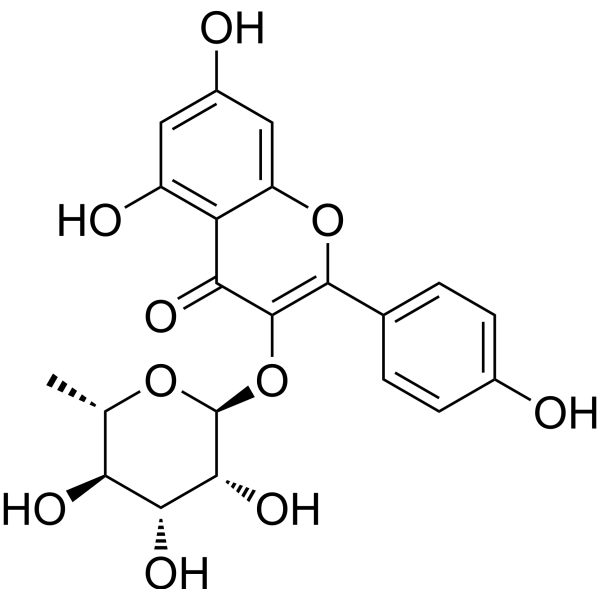 0 ImagesAfzelin (Kaempferol-3-O-rhamnoside)It is a flavonol glycoside that has anti-inflammatory, anti-oxidative stress response, anti-apoptotic, and anti-cardiac cytotoxic effects. AfzelinIt can reduce mitochondrial damage, enhance mitochondrial biosynthesis, and reduce mitochondria-related proteins. Parkinand PTENinduced putative kinase 1 (putative kinase 1)s level. AfzelinCan be improved D-galactosamine(GalN)/LPSSurvival rate of mice treated with doxorubicin prophylaxis (HY-15142A)Induced cardiotoxicity and scopolamine (HY-N0296)-induced neurological injury. AfzelinAlso inhibits asthma and allergies caused by ovalbumin.
-
Daurisoline
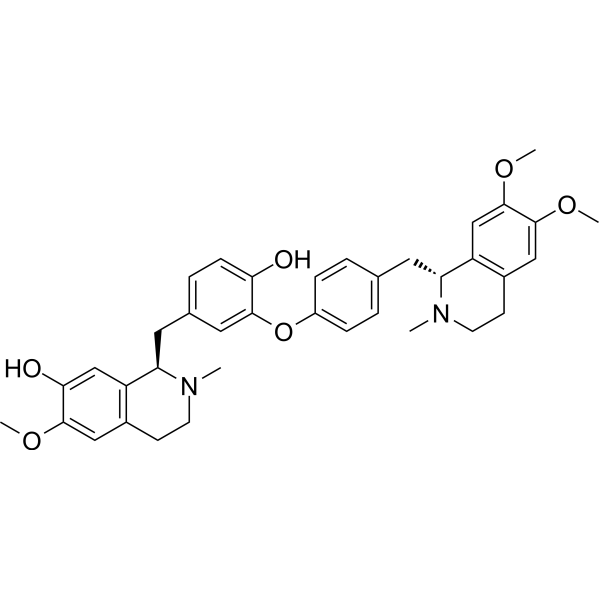 0 ImagesSynonyms: (R,R)-Daurisoline
-
Trifluoperazine
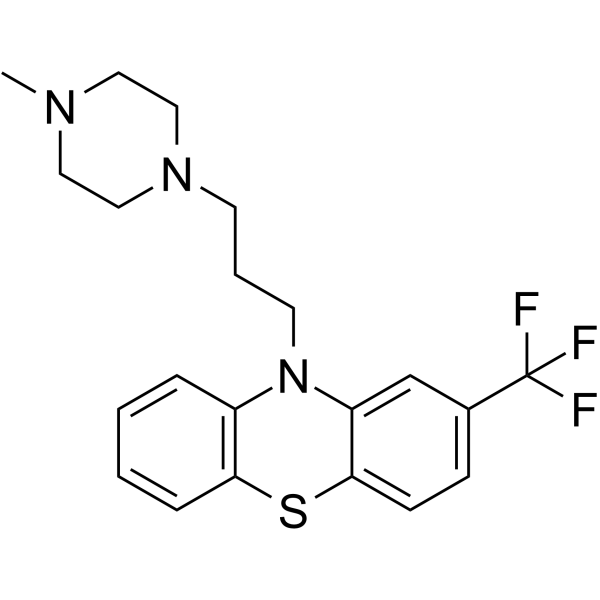 0 ImagesTrifluoperazine, an antipsychotic agent, acts by blocking central dopamine receptors. Trifluoperazine is a potent α1-adrenergic receptor antagonist. Trifluoperazine is a potent NUPR1 inhibitor exerting anticancer activity. Trifluoperazine is a calmodulin inhibitor, and also inhibits P-glycoprotein. Trifluoperazine can be used for the research of schizophrenia. Trifluoperazine acts as a reversible inhibitor of influenza virus morphogenesis.
-
Megestrol acetate
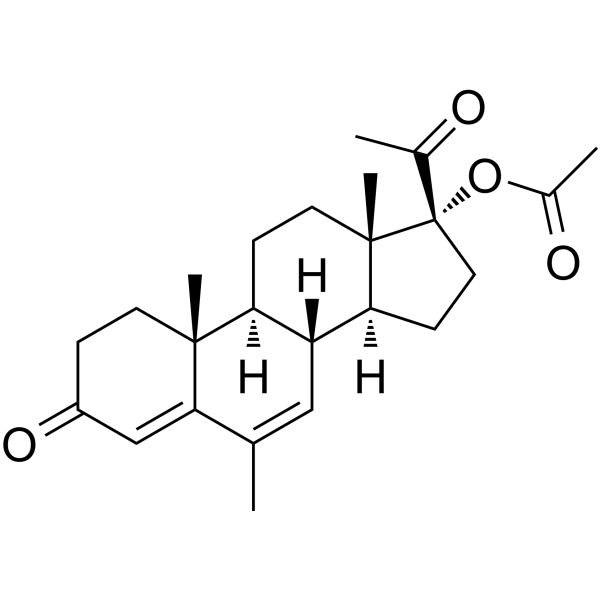 0 ImagesMegestrol acetate is a synthetic and orally active progesteronal agent. Megestrol acetate is effective as an appetite stimulant for wasting syndromes such as cachexia. Megestrol acetate decreases nuclear and cytosol androgen receptors human BPH tissue. Megestrol acetate has the potential for HIV study and downregulates autophagic catabolic pathway.
-
Pantoprazole sodium
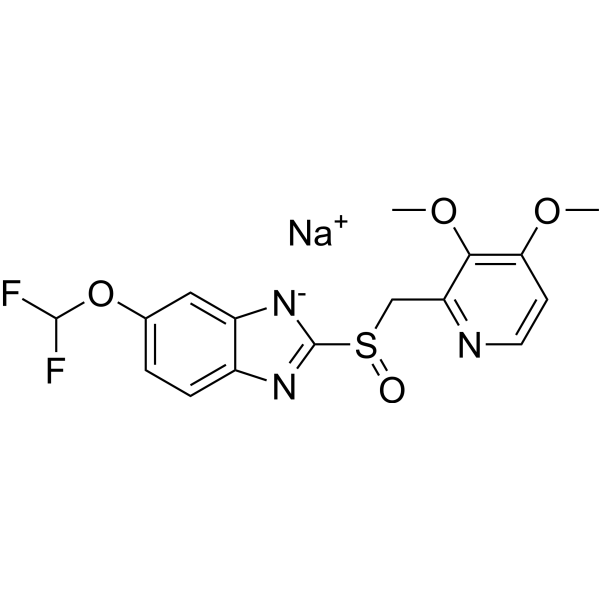 0 ImagesSynonyms: BY1023 sodium; SKF96022 sodiumPantoprazole sodium (BY10232 sodium) is an orally active and potent proton pump inhibitor (PPI). Pantoprazole sodium, a substituted benzimidazole, is a potent H+/K+-ATPase inhibitor with an IC50 of 6.8 μM. Pantoprazole sodium improves pH stability and has anti-secretory, anti-ulcer activities. Pantoprazole sodium significantly increased tumor growth delay combined with Doxorubicin (HY-15142).
-
Acesulfame potassium
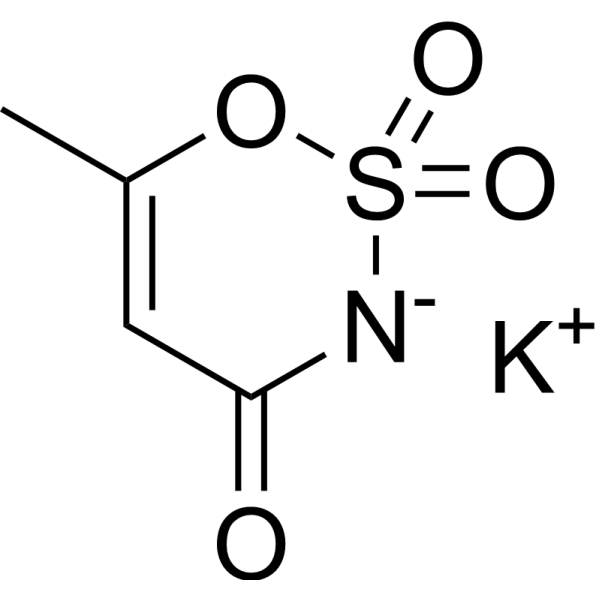 0 ImagesAcesulfame potassium is a synthetic sweetener. Long-term use of Acesulfame potassium can affect cognitive function, possibly by altering the neurometabolic functions in mice. Acesulfame potassium can suppress autophagic degradation of PD-L1 in RIL-175 and SK-Hep1 cells through the ERK1/2-mTORC1-ULK1 pathway, which may be related to immune evasion in cancer cells. Acesulfame potassium can be used in research on neurological diseases, metabolic disorders, cancer, and immune evasion.
-
Bergenin
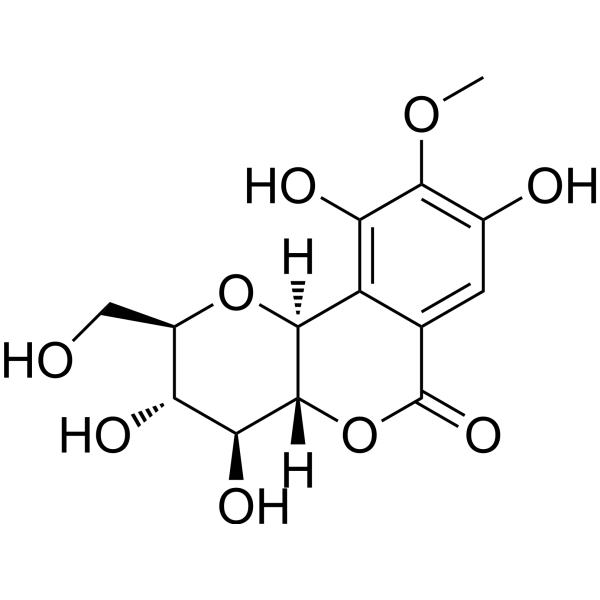 0 ImagesBergenin is a cytoprotective and antioxidative polyphenol found in many medicinal plants. Bergenin has a wide spectrum activities such as hepatoprotective, antiinflammatory, immunomodulatory, antitumor, antiviral, and antifungal properties.
-
Syringin
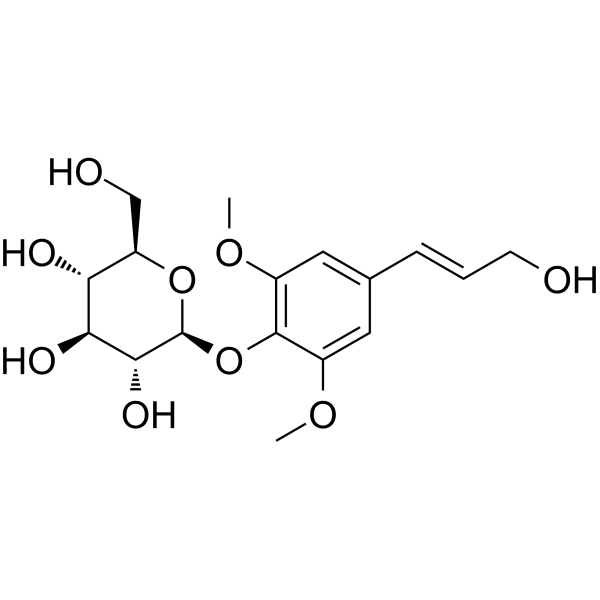 0 ImagesSyringin (Eleutheroside B) is an active natural phenolic glycoside possessing various pharmacological activities, including anti-inflammatory, anti-irradiation, anti-osteoporosis and anticancer activities. Syringin also can be used to enhance memory, relieve fatigue, improve human cognition and protect ischemia heart against cerebrovascular damage, etc.
-
Pantoprazole
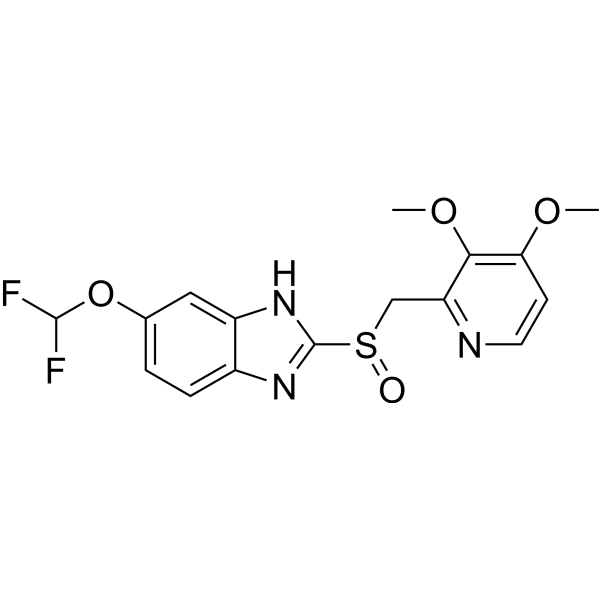 0 ImagesSynonyms: BY1023; SKF96022Pantoprazole (BY10232) is an orally active and potent proton pump inhibitor (PPI). Pantoprazole, a substituted benzimidazole, is a potent H+/K+-ATPase inhibitor with an IC50 of 6.8 μM. Pantoprazole improves pH stability and has anti-secretory, anti-ulcer activities. Pantoprazole significantly increased tumor growth delay combined with Doxorubicin (HY-15142).
-
Chloroquine dihydrochloride
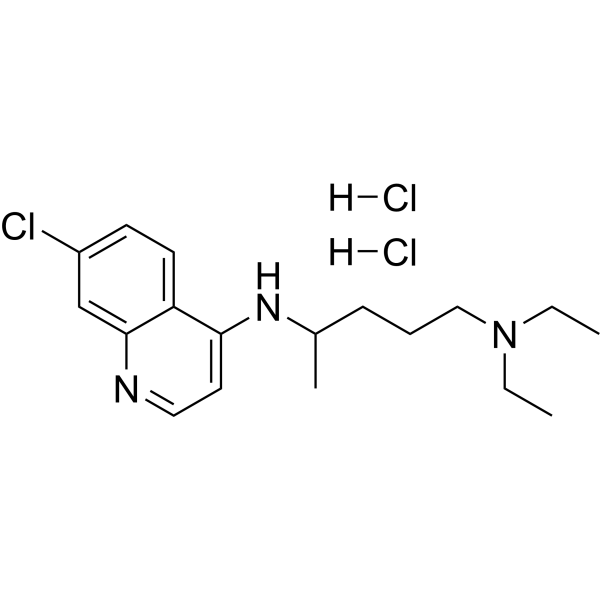 0 ImagesChloroquine dihydrochloride is an antimalarial and anti-inflammatory agent widely used to treat malaria and rheumatoid arthritis. Chloroquine dihydrochloride is an autophagy and toll-like receptors (TLRs) inhibitor. Chloroquine dihydrochloride is highly effective in the control of SARS-CoV-2 (COVID-19) infection in vitro (EC50=1.13 μM).