



Autophagy
Autophagy is a conserved cellular degradation and recycling process in the lysosome. In mammalian cells, there are three primary types of autophagy: microautophagy, macroautophagy, and chaperone-mediated autophagy (CMA). Microphagy captures cargoes by means of invaginations or protrusions of the lysosomal membrane directly, CMA uses chaperones to identify cargo proteins and then unfolds and transfers them into the lysosomal, while macroautophagy sequesters cargo by autophagosomes-de novo synthesized of double-membrane vesicles-and subsequently transport it to the lysosome.
Macroautophagy is the best studied and it occurs at a low level constitutively and can also be further induced under stress conditions, such as nutrient or energy starvation with a salient feature of autophagy protein degradation. Stress-induced macrophagy plays an important role in protein catabolism with another key protein degradation pathway, the ubiquitin–proteasome system (UPS).
As the study progressed, autophagy gains its importance under basal, nutrient-rich conditions, and is now recognized as a critical housekeeping pathway in catabolism of diverse cellular constituents, such as protein aggregates (aggrephagy), lipid droplets (lipophagy), iron complex (Ferritinophagy) and carbohydrate. Except for macromolecules, autophagy can also target several organelles and structures, such as mitochondria (mitophagy), peroxisome (pexophagy), endoplasmic reticulum (reticulophagy or ER-phagy), ribosome (ribophagy), spermatozoon-inherited organelles following fertilization (allophagy), secretory granules within pancreatic cells (zymophagy) and intracellular pathogens (xenophagy).
Autophagy and its dysfunction are associated with a variety of human pathologies, including ageing, cancer, neurodegenerative disease, heart disease and metabolic diseases, such as diabetes. Plenty of drugs and natural products are involved in autophagy modulation through multiple signaling pathways. Small molecules that can regulate autophagy seem to have great potential to intervene such diseases in animal models or clinical courses.
All Product Categories
-
Autophagy Inhibitors
(482)
View all products
-
Autophagy Agonists
(6)
View all products
-
Autophagy Activators
(124)
View all products
-
Autophagy Modulators
(59)
View all products
-
Autophagy Chemicals
(2)
View all products
-
Autophagy Inducers
(2199)
View all products
-
Autophagy Controls
(5)
View all products
-
Autophagy Ligand
(1)
View all products
-
Autophagy Related Products (3413)
Related Products (3413)

-
Antibodies (31)
-
Autophagy Signaling Pathway
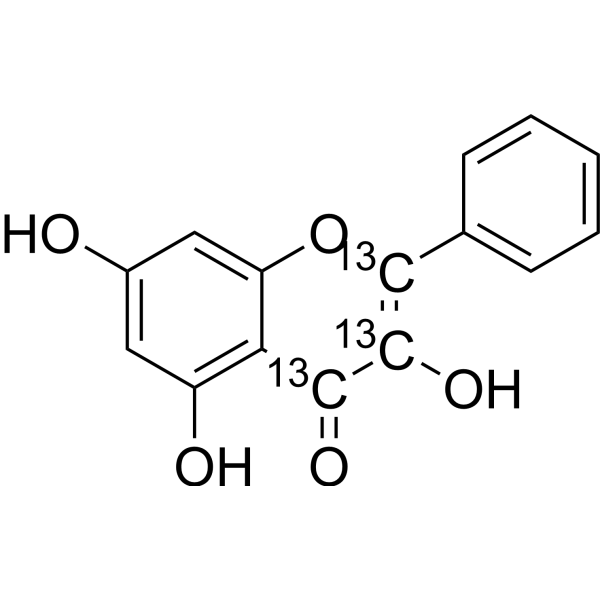
-
Ginkgetin (Standard)
 0 ImagesGinkgetin (Standard) is the analytical standard of Ginkgetin. This product is intended for research and analytical applications. Ginkgetin, a biflavone, is isolated from Ginkgo biloba leaves. Ginkgetin exhibit anti-tumor, anti-inflammatory, neuroprotective, anti-fungal activities. Ginkgetin is also a potent inhibitor of Wnt signaling, with an IC50 of 5.92 μΜ.
-
PUC-10
 0 ImagesCat. No.: HY-172678CAS No.: 2064126-76-5PUC-10 is a 5-HT6 receptor antagonist with a Ki of 14.6 nM and an IC50 of 32 nM. In silico predictions suggest that PUC-10 is orally active and can cross the blood-brain barrier. PUC-10 can induce autophagy in SH-SY5Y cells by inhibiting the mTOR pathway. PUC-10 can be used in the research of neurological disorders.
-
PDEδ autophagic degrader 1
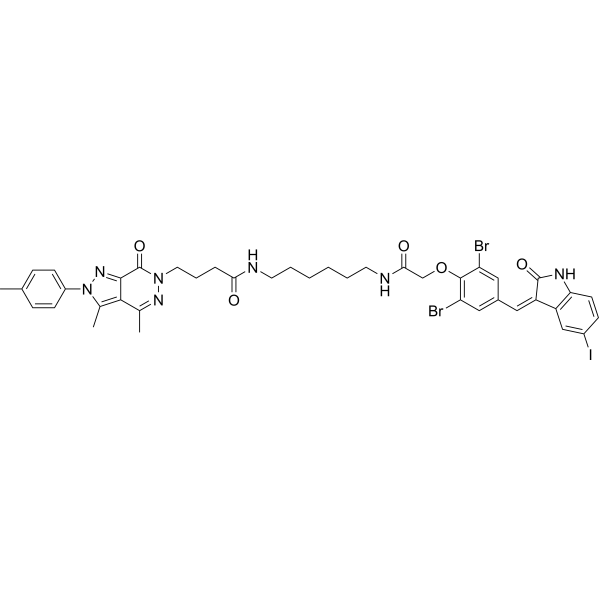 0 ImagesCat. No.: HY-157458CAS No.: 3054112-59-0PDEδ autophagic degrader 1 (compound 12c), an autophagosome-tethering compound (ATTEC). is a potent PDEδ autophagic degrader. PDEδ autophagic degrader 1 reduces the PDEδ protein level through lysosome-mediated autophagy without affecting the PDEδ mRNA expression. PDEδ autophagic degrader 1 suppresses the growth in KRAS mutant pancreatic cancer cells.
-
BMX-IN-3
 0 ImagesCat. No.: HY-173057CAS No.: 2657662-64-9
-
BRD5631
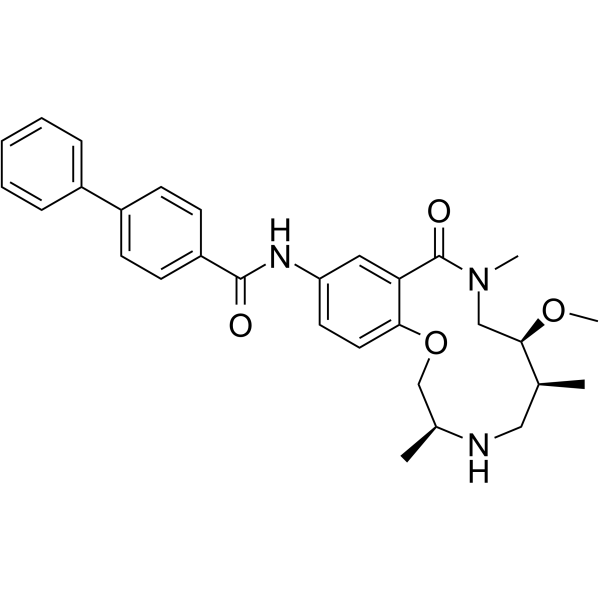 0 ImagesCat. No.: HY-125197CAS No.: 2446154-91-0
-
Myrislignan-13C,d2
 0 ImagesCat. No.: HY-N0608SMyrislignan-13C,d2 is the 13C, d2 deuterated-labeled Myrislignan (HY-N0608). Myrislignan is a PI3K/AKT/NF-κB inhibitor that can cross the blood-brain barrier. Myrislignan exerts anticancer activity by inducing apoptosis and ferroptosis. Myrislignan inhibits the replication and invasion of Toxoplasma gondii; it induces reactive oxygen species (ROS) imbalance, autophagy, and the death of Toxoplasma gondii tachyzoites. Myrislignan inhibits mitochondrial function and ERK1/2 phosphorylation to improve ovariectomy-induced osteoporosis. Myrislignan can be used in studies related to gastric cancer, glioblastoma, osteoporosis, and toxoplasmosis.
-
Mammea A/BA
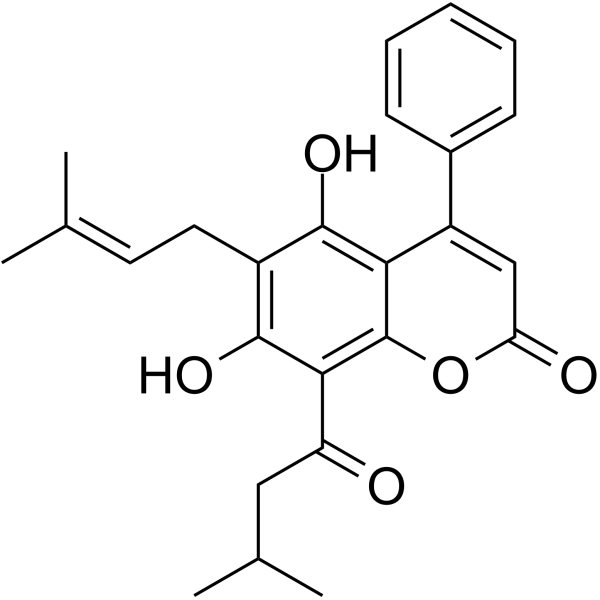 0 ImagesMammea A/BA has potent activity against Trypanosoma cruzi (T. cruzi). Mammea A/BA induces mitochondrial dysfunction, reactive oxygen species (ROS) production and DNA fragmentation, and increases number of acidic vacuoles. Mammea A/BA can induce apoptosis, autophagy and necrosis. Mammea A/BA can be used for researching chagas disease.
-
Acetyl coenzyme A
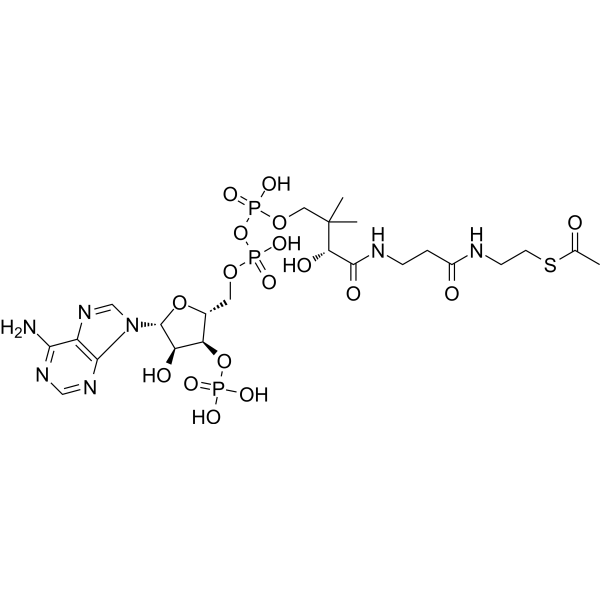 0 ImagesAcetyl-coenzyme A (Acetyl-CoA) is a membrane-impermeant central metabolic intermediate, participates in the TCA cycle and oxidative phosphorylation metabolism. Acetyl-coenzyme A, regulates various cellular mechanisms by providing (sole donor) acetyl groups to target amino acid residues for post-translational acetylation reactions of proteins. Acetyl Coenzyme A is also a key precursor of lipid synthesis.
-
Isoschaftoside (Standard)
 0 ImagesCat. No.: HY-N1458RCAS No.: 52012-29-0Isoschaftoside (Standard) is the analytical standard of Isoschaftoside. This product is intended for research and analytical applications. Isoschaftoside, a C-glycosylflavonoid from Desmodium uncinatum root exudate, can inhibit growth of germinated S. hermonthica radicles. Isoschaftoside reduces reactive oxygen species (ROS) and induces proliferation in senescent cells. Isoschaftoside activates autophagy. Isoschaftoside can be used for anti-tumor, anti-inflammatory, antioxidant, antihypertensive, hepatoprotective and nematicidal study.
-
Rosuvastatin-d3
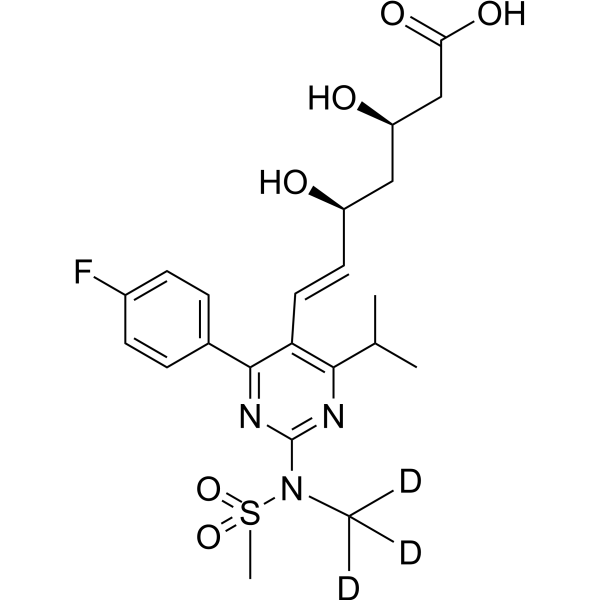 0 ImagesCat. No.: HY-17504ASCAS No.: 1133429-16-9Synonyms: ZD 4522 d3Rosuvastatin-d3 is the deuterated-labeled Rosuvastatin (HY-17504A). Rosuvastatin (ZD 4522) is a competitive HMG-CoA reductase inhibitor with an IC50 of 11 nM. Rosuvastatin potently blocks hERG current with an IC50 of 195 nM, delayed cardiac repolarization, and thereby prolonged action potential durations (APDs) and corrected QT interval (QTc) intervals. Rosuvastatin reduces the expression of the mature hERG and the interaction of heat shock protein 70 (Hsp70) with the hERG protein. Rosuvastatin effectively lowers low-density lipoprotein (LDL) cholesterol, triglycerides, and C-reactive protein levels.
-
SGC stimulator 1
 0 ImagesCat. No.: HY-178191sGC stimulator 1 is a carbonyl sulfide (COS)/H2S-donor hybrid soluble guanylyl cyclase (sGC) stimulator (EC50 = 496 nM). sGC stimulator 1 exhibits a well-characterized H2S-releasing property. sGC stimulator 1 reduces fibrosis in TGF-β1-treated cardiac fibroblasts by increasing cGMP and H2S levels. sGC stimulator 1 can exert anti-fibrotic effects by activating sGC and increasing H2S. sGC stimulator 1 can be used for the study of heart failure (HF).
-
Sulfasalazine-d3,15N
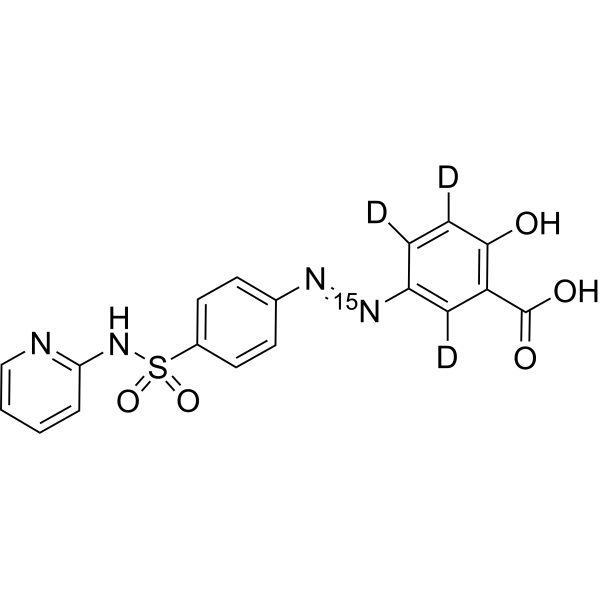 0 ImagesCat. No.: HY-14655S1Synonyms: NSC 667219-d3,15N; Salicylazosulfapyridine-d3,15NSulfasalazine-d3,15N is 15N and deuterated labeled Sulfasalazine (HY-14655). Sulfasalazine (NSC 667219) is an anti-rheumatic agent for the research of rheumatoid arthritis and ulcerative colitis. Sulfasalazine can suppress NF-κB activity. Sulfasalazine is a type 1 ferroptosis inducer.
-
Antitumor agent-156
 0 ImagesCat. No.: HY-161647Antitumor agent-156 (Compound 20) causes DNA damage and mitochondrial dysfunction, promotes reactive oxygen species generation, activates endoplasmic reticulum stress, and induce apoptosis, autophagy and ferroptosis. Antitumor agent-156 shows superior antitumor activity against cancer cells including Cisplatin (HY-17394) resistance cells. Antitumor agent-156 displayS good liver-targeting ability.
-
CDK6-IN-2
 0 ImagesCat. No.: HY-181483CDK6-IN-2 is a CDK6 covalent inhibitor with an IC50 of 0.013 μM. CDK6-IN-2 inhibits the proliferation and migration of triple-negative breast cancer cells, and induces cell cycle arrest and apoptosis. CDK6-IN-2 induces ROS accumulation and mitochondrial damage through cellular metabolic reprogramming. CDK6-IN-2 exhibits anti-tumor activity and can be used for the research of triple-negative breast cancer.
-
Ulipristal acetate-d6
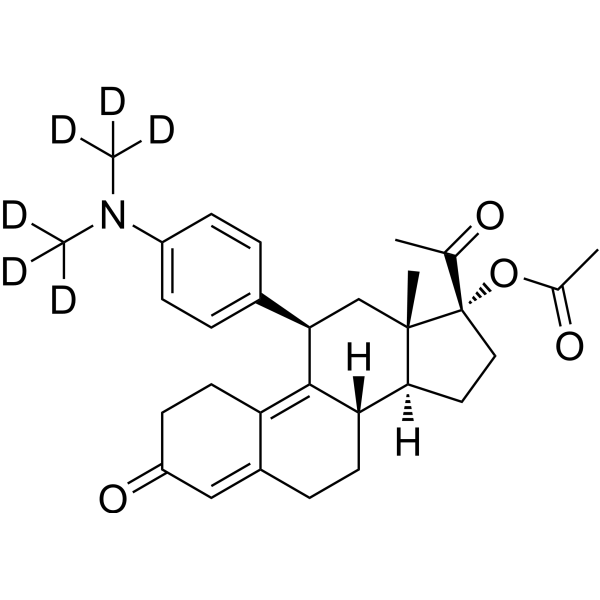 0 ImagesCat. No.: HY-16508SCAS No.: 1621894-64-1Synonyms: CDB-2914-d6Ulipristal acetate-d6 is deuterium labeled Ulipristal acetate. Ulipristal acetate (CDB-2914) is an orally active, selective progesterone receptor modulator (SPRM). Ulipristal acetate stimulates the autophagic response selectively in leiomyoma cells. Ulipristal acetate has the potential for benign gynecological conditions treatment, such as uterine myoma.
-
Dansylcadaverine (solution)
 0 ImagesCat. No.: HY-DY1080CAS No.: 10121-91-2Synonyms: Monodansyl cadaverine (solution)Dansylcadaverine (solution) (Monodansyl cadaverine (solution)) is an autofluorescent compound used for the labeling of autophagic vacuoles. Dansylcadaverine, a high affinity substrate of transglutaminases, can block the receptor-mediated endocytosis of many ligands.
Solvent and concentration: DMSO: 10 mM
-
Wortmannin (Standard)
 0 ImagesSynonyms: SL-2052 (Standard); KY-12420 (Standard)Wortmannin (Standard) is the analytical standard of Wortmannin. This product is intended for research and analytical applications. Wortmannin (SL-2052; KY-12420) is a potent, selective and irreversible PI3K inhibitor with an IC50 of 3 nM. Wortmannin also blocks autophagy formation, and potently inhibits Polo-like kinase 1 (PlK1) and Plk3 with IC50s of 5.8 and 48 nM, respectively.
-
Carprofen-13C,d3
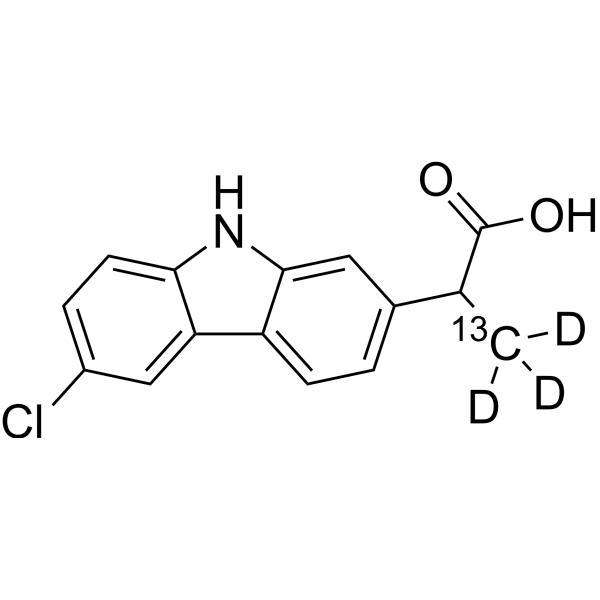 0 ImagesCat. No.: HY-B1227S1CAS No.: 2012598-34-2
-
Thalidomide-4-NH-PEG1-NH-Boc
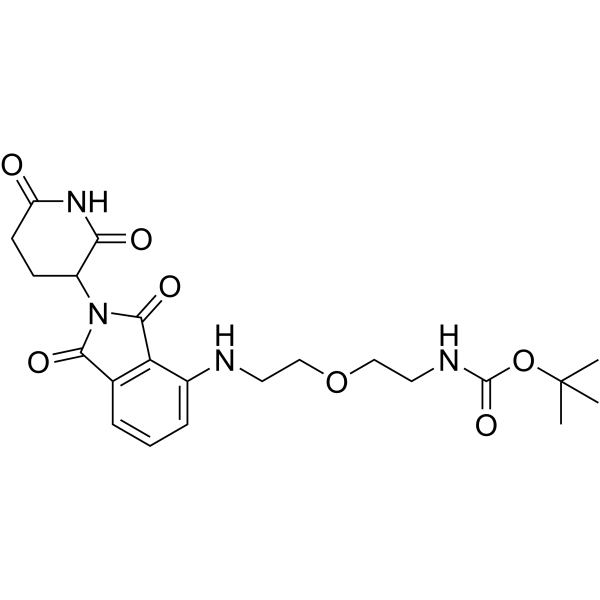 0 ImagesCat. No.: HY-W584520CAS No.: 2154342-17-1Thalidomide-4-NH-PEG1-NH-Boc is a Boc-modified Thalidomide (HY-14658) that acts as a Cereblon ligand to recruit CRBN protein. The Boc protecting group at the end of Thalidomide-4-NH-PEG1-NH-Boc can be removed under acidic conditions to participate in the synthesis of PROTAC molecules. Thalidomide-4-NH-PEG1-NH-Boc is a key intermediate in the synthesis of CRBN-based PROTAC molecules.




