



Eukaryotic Initiation Factor (eIF) Activator
- 1
- 2
-
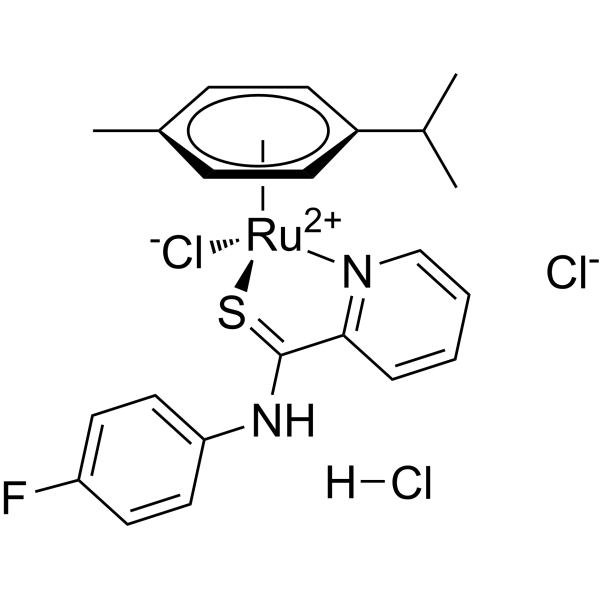
Plecstatin-1 hydrochloride
 0 ImagesCat. No.: HY-156675APurity: 98.96%
Plecstatin-1 hydrochloride is a metal complex that drives the aggregation and collapse of the plectin network, and disrupts the cytoskeletal structures of α‑tubulin and F‑actin. Plecstatin-1 hydrochloride triggers oxidative stress, mediates the phosphorylation of eIF2α, and induces molecular features associated with immunogenic cell death, including calreticulin membrane exposure, membrane localization of HSP70/HSP90, ATP secretion, and HMGB‑1 release. Plecstatin-1 hydrochloride induces apoptosis via the intrinsic mitochondrial pathway and exerts anti-invasive activity. Plecstatin-1 hydrochloride inhibits sphere proliferation and reduces clonogenicity in the 3D tumor spheroid model of colon cancer cells. Plecstatin-1 hydrochloride is applicable to relevant research on colorectal cancer.
-
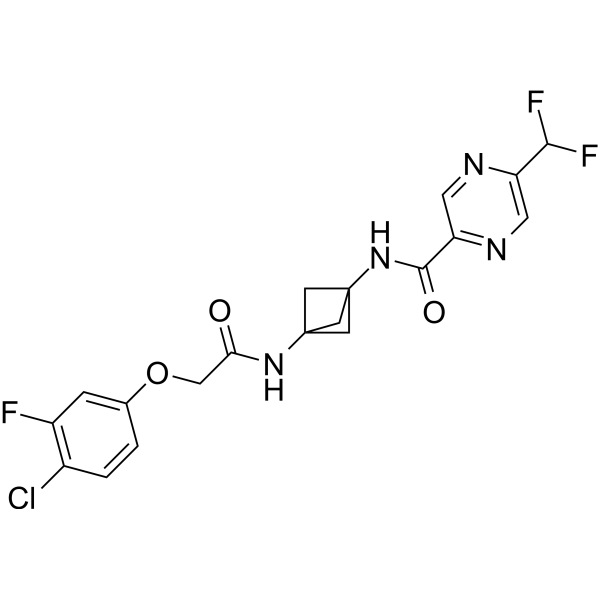
2BAct
 0 Images
2BAct is a highly selective, orally active, and CNS-penetrant eIF2B (eukaryotic initiation factor 2B) activator with an EC50 of 33 nM. 2BAct prevents neurological defects caused by a chronic integrated stress response. 2BAct displays improved solubility and pharmacokinetics relative to eIF2B activator ISRIB trans-isomer (HY-12495).
-
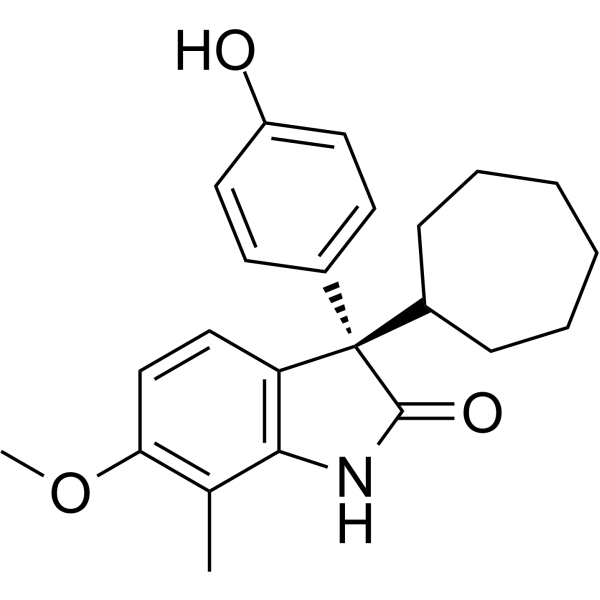
Necrocide 1
 0 Images
Necrocide 1, a necrosis by sodium overload (NECSO) inducer, is a selective transient receptor potential melastatin 4 (TRPM4) agonist with an EC50 of 306.3 nM for human TRPM4. Necrocide 1 triggers TRPM4-dependent necrotic cell death through the induction of sodium influx. Necrocide 1 induces hallmarks of immunogenic cell death incurring calreticulin (CALR) exposure, ATP secretion and high mobility group box 1 (HMGB1) release. Necrocide 1 can be used for the study of breast and prostate cancer.
-
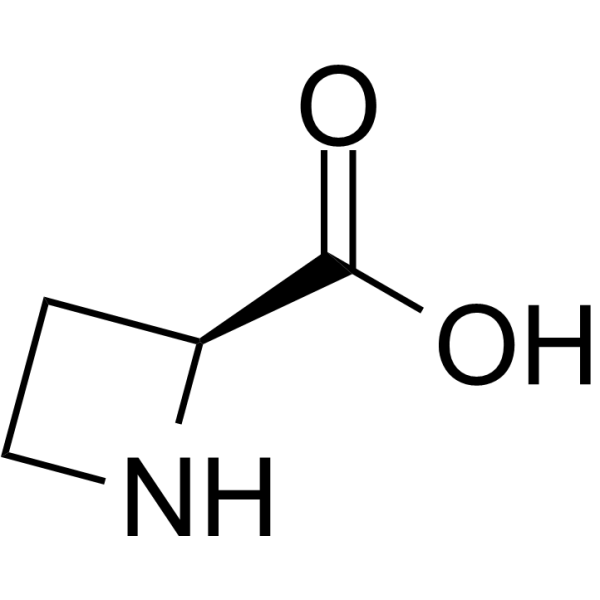
L-Azetidine-2-carboxylic acid
 0 Images
L-Azetidine-2-carboxylic acid is a proline analog. L-Azetidine-2-carboxylic acid upregulates the lipid autophagy marker LC3-II via activation of the PERK pathway. L-Azetidine-2-carboxylic acid increases pro-apoptotic BAX protein. L-Azetidine-2-carboxylic acid induces ATF6 cleavage and upregulates phosphorylated eIF2α levels. L-Azetidine-2-carboxylic acid induces ER stress, inducing protein misfolding and aggregation. L-Azetidine-2-carboxylic acid shows teratogenic, pro-inflammatory and pro-apoptotic effects.
-
ATF4-IN-1
 0 Images
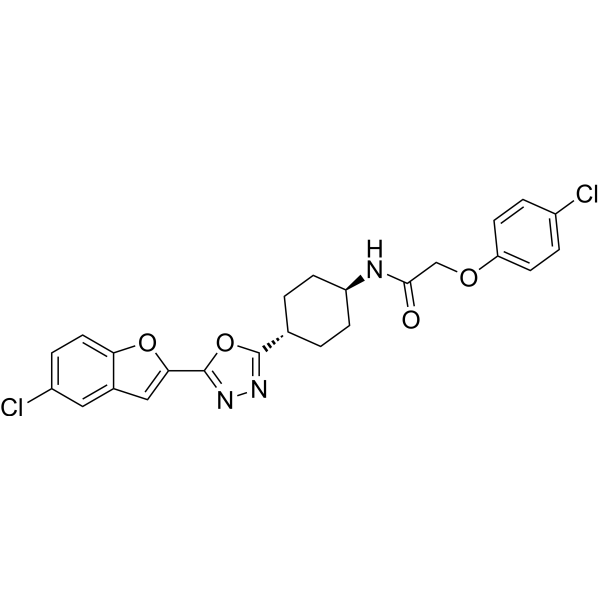
ATF4-IN-1 (Compound 21) is an ATF4 inhibitor and also an eIF2B activator. ATF4-IN-1 can be used in research on neurodegenerative diseases.
-
DNL343
 0 Images
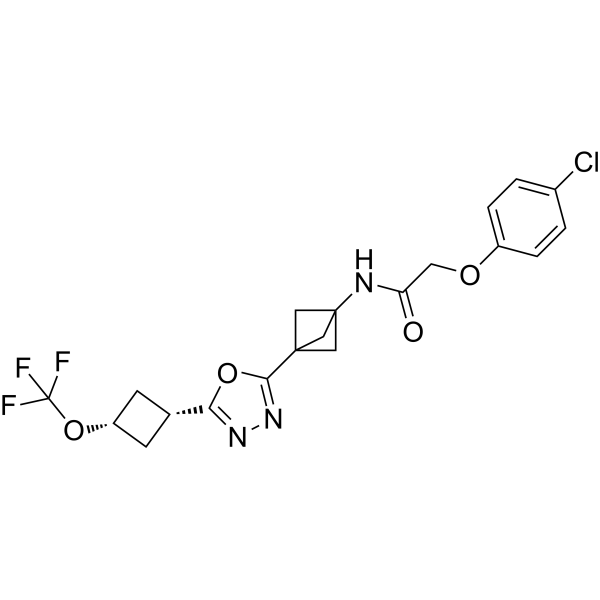
DNL343 is a potent, selective, orally active and brain-penetrant activator of eukaryotic initiation factor eIF2B. DNL343 inhibits the activity of the integrated stress response (ISR) in the central nervous system (CNS) and reverses neurodegeneration and neuroinflammation. DNL343 also prevents motor dysfunction and premature death in eIF2B loss-of-function (LOF) mutant mice. DNL343 can be used in the study of neurodegenerative diseases.
-
Kurarinone
 0 Images
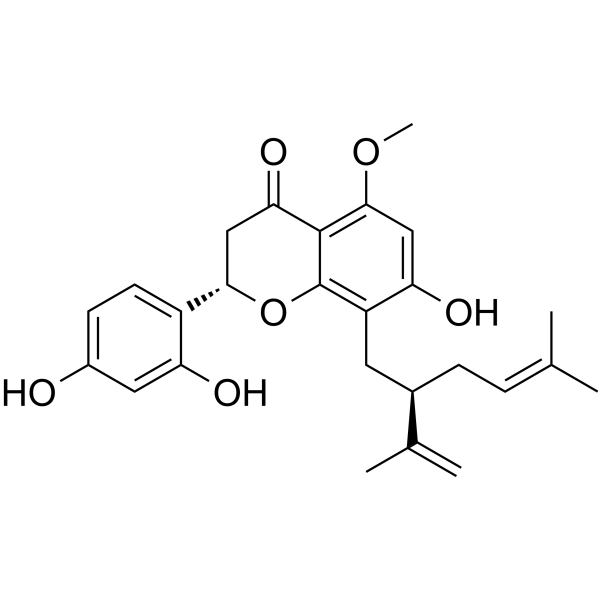
Kurarinone is an orally active flavonoid isolated from matrine that inhibits the pathogenesis of experimental autoimmune encephalomyelitis by inhibiting cell differentiation of Th1 and Th17. Kurarinone has antitumor and anti-inflammatory activity.
-
HR-19011
 0 Images
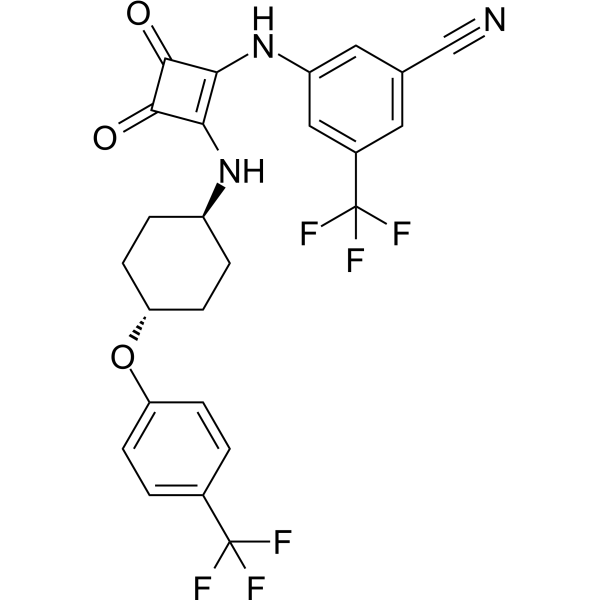
HR-19011 is an eIF2α phosphorylation activator targeting heme-regulated inhibitor HRI (EIF2AK1). HR-19011 exhibits growth inhibitory activity against K562 cells with an IC50 value of 3.91 µM. HR-19011 inhibits the growth of hematologic malignancies by targeting HRI to activate the integrated stress response via the HRI-eIF2α-ATF4 axis. HR-19011 shows good safety in vivo. HR-19011 can be used for research on hematologic malignancies (leukemia).
-
E235
 0 Images
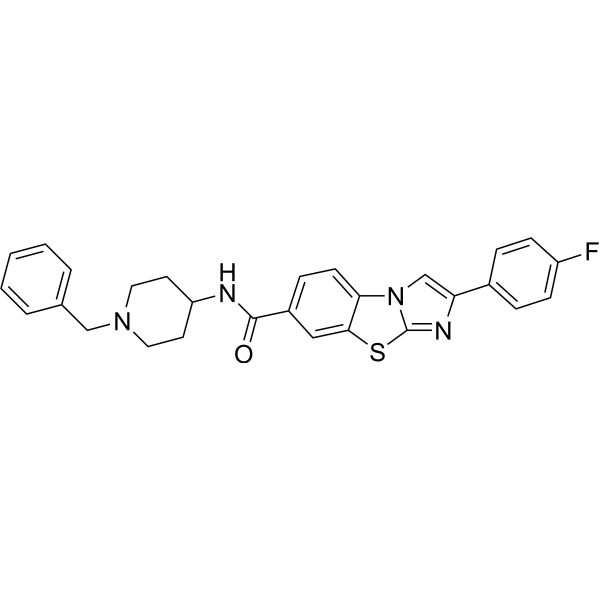
E235 is an expression regulator of activates transcription factor 4 (ATF4). E235 reduces cell viability by activating integrated stress response (ISR) and DNA damage response signals. E235 has anti-proliferative activity and can be used for tumor research.
-
Palladium(Ⅱ) acetylacetonate
 0 ImagesSynonyms: Palladium(Ⅱ) 2,4-pentanedionate; Pd(acac)2
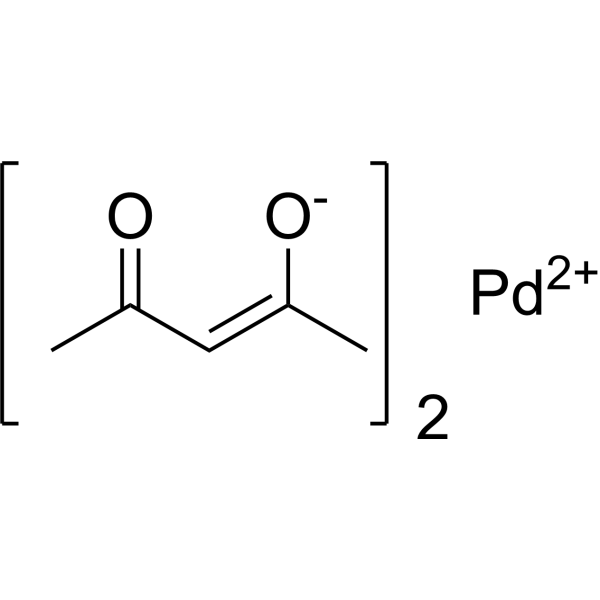
Palladium(II) acetylacetonate is a metal-organic complex. Palladium(II) acetylacetonate upregulates the expression of GRP78, ATF-4, XBP-1, CHOP, and phosphorylated c-Jun. Palladium(II) acetylacetonate induces Apoptosis. Palladium(II) acetylacetonate has anticancer effects against non-small cell lung cancer, gastric cancer, leukemia, and cervical cancer.
-
EIF2α activator 2
 0 Images
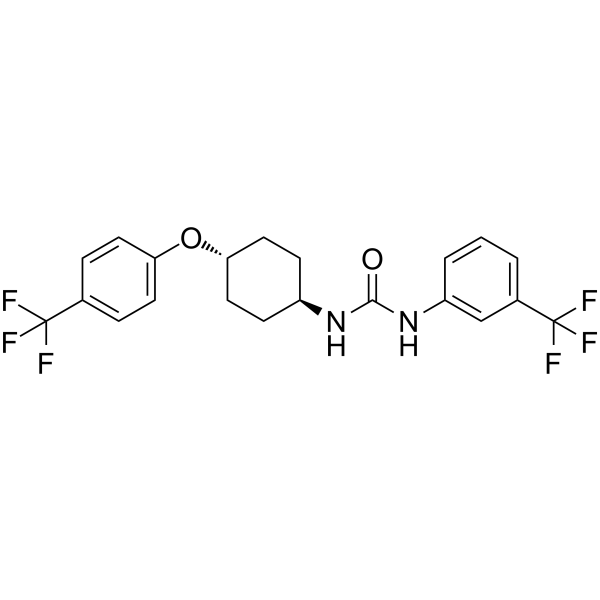
EIF2α activator 2 (Compound 1) is an activator of eukaryotic initiation factor 2 alpha (eIF2α) phosphorylation. EIF2α activator 2 exhibits high potency in SRB cell proliferation assays (IC50=0.46 μM). EIF2α activator 2 exhibits antiproliferative activity againist K562 and PBMC cells with IC50s of 4.79 and 10.52 μM, respectively.
-
1,2,4-Trihydroxybenzene
 0 ImagesSynonyms: Hydroxyhydroquinone
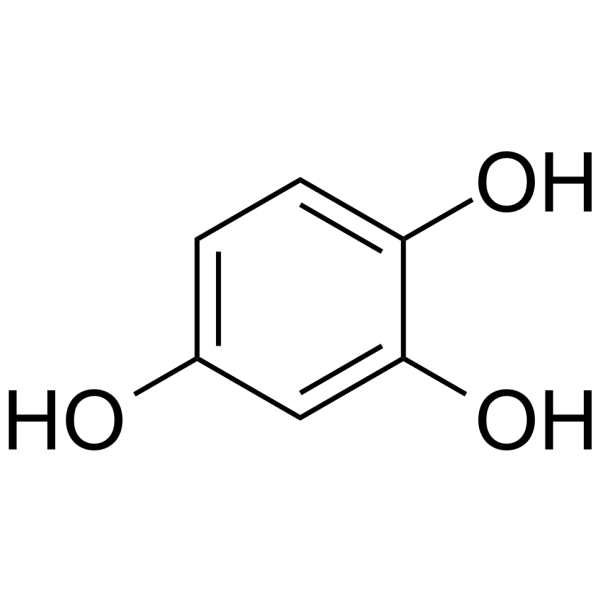
1,2,4-Trihydroxybenzene (Hydroxyhydroquinone) is an ER stress inducer that targets proteins such as PKR-like ER kinase PERK to induce cytotoxicity. 1,2,4-Trihydroxybenzene selectively activates eIF2α phosphorylation, activates the PERK-eIF2α signaling pathway and induces stress granule formation. 1,2,4-Trihydroxybenzene subsequently exacerbates oxidative stress and causes DNA double-strand breaks, destroying organelles such as mitochondria and ER, and inducing cell death. 1,2,4-Trihydroxybenzene also has the potential to exhibit anti-tumor effect, increase blood pressure, and relieve spasm.
-
ML291
 0 Images
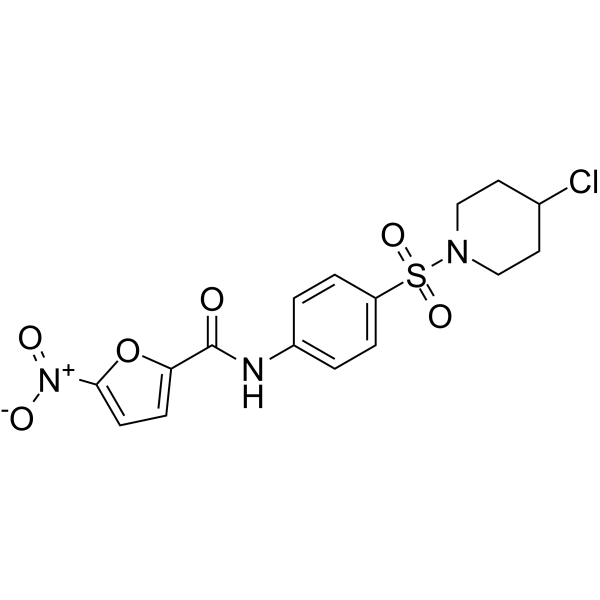
ML291 is a UPR (unfolded protein response)-inducing sulfonamidebenzamide. ML291 overwhelms the adaptive capacity of the UPR and induces apoptosis in a variety of solid cancer models. ML291 can activate the PERK/eIF2a/CHOP (apoptotic) arm of the UPR and reduce leukemic cell burden.
-
Fosigotifator THAM sodium
 0 ImagesCat. No.: HY-153399ACAS No.: 2945073-88-9Synonyms: ABBV-CLS-7262 THAM sodium
Fosigotifator (ABBV-CLS-7262) THAM sodium is a brain penetrant, orally active EIF2b (eukaryotic initiation factor) activator. Fosigotifator THAM sodium stabilizes the elF2B complex and boosts the activity, including that of complexes carrying pathogenic vanishing white matter (VWM) mutations. Fosigotifator THAM sodium is an integrated stress response inhibitor (ISRI). Fosigotifator THAM sodium can be used for amyotrophic lateral sclerosis research.
-
BQZ-485
 0 ImagesCat. No.: HY-156242CAS No.: 1906915-49-8
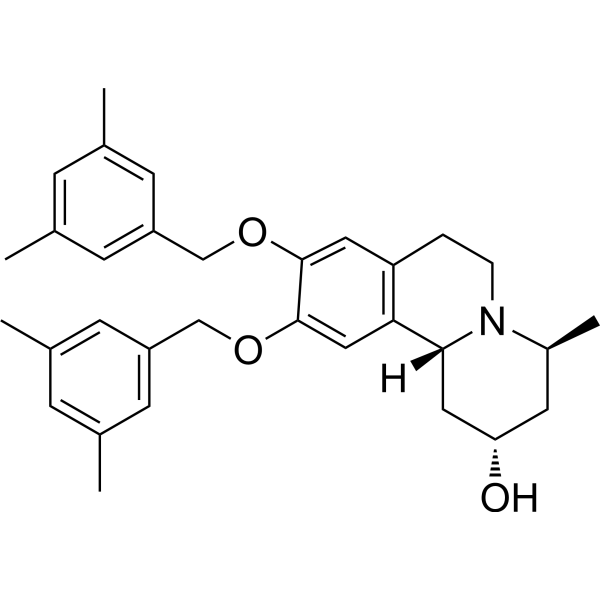
BQZ-485 is a GDI2 inhibitor and a paraptosis inducer with antitumor activity. BQZ-485 binds to the Rab-binding platform domain of GDI2, disrupts the interaction between GDI2 and Rab1A, and impairs the membrane recycling of Rab1A. BQZ-485 blocks vesicle trafficking from the endoplasmic reticulum to the Golgi apparatus, and induces endoplasmic reticulum expansion, endoplasmic reticulum fusion, endoplasmic reticulum stress, unfolded protein response and cytoplasmic vacuolization. BQZ-485 is applicable to pancreatic cancer-related research.
-
IDB-001
 0 Images
IDB-001 is a human ribosomal peptidyl transferase center (PTC) inhibitor that induces conformational changes and blocks translational elongation in specific sequence contexts through complementary interactions with Asp/Glu residues in nascent polypeptides. IDB-001 preferentially stalls ribosomes at positions containing acidic peptide motifs, thereby inhibiting cancer cell proliferation, and activates the integrated stress response via eIF2α phosphorylation at high concentrations. In addition, IDB-001 mildly triggers ribotoxic stress responses through phosphorylation of JNK and p38. IDB-001 has been applied to mechanistic studies of triple-negative breast cancer.
-
Plecstatin-1
 0 ImagesCat. No.: HY-156675CAS No.: 2119725-22-1
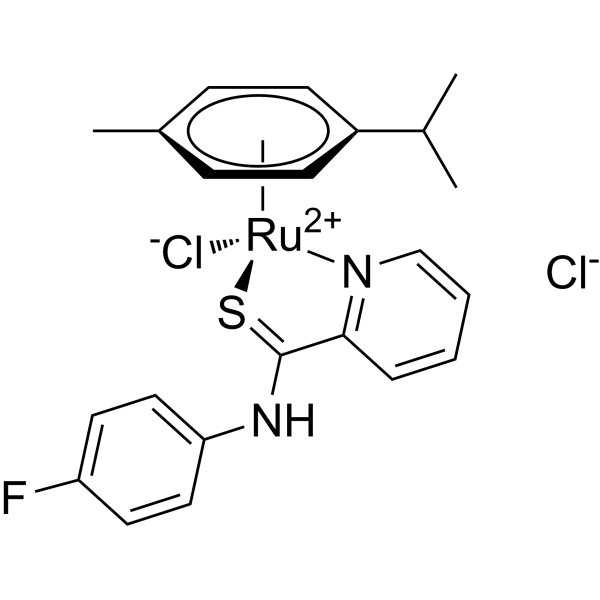
Plecstatin‑1 is a metal complex that drives the aggregation and collapse of the plectin network, and disrupts the cytoskeletal structures of α‑tubulin and F‑actin. Plecstatin-1 triggers oxidative stress, mediates the phosphorylation of eIF2α, and induces molecular features associated with immunogenic cell death, including calreticulin membrane exposure, membrane localization of HSP70/HSP90, ATP secretion, and HMGB‑1 release. Plecstatin-1 induces apoptosis via the intrinsic mitochondrial pathway and exerts anti-invasive activity. Plecstatin‑1 inhibits sphere proliferation and reduces clonogenicity in the 3D tumor spheroid model of colon cancer cells. Plecstatin-1 is applicable to relevant research on colorectal cancer.
-
Fosigotifator
 0 ImagesCat. No.: HY-153399CAS No.: 2415715-84-1Synonyms: ABBV-CLS-7262
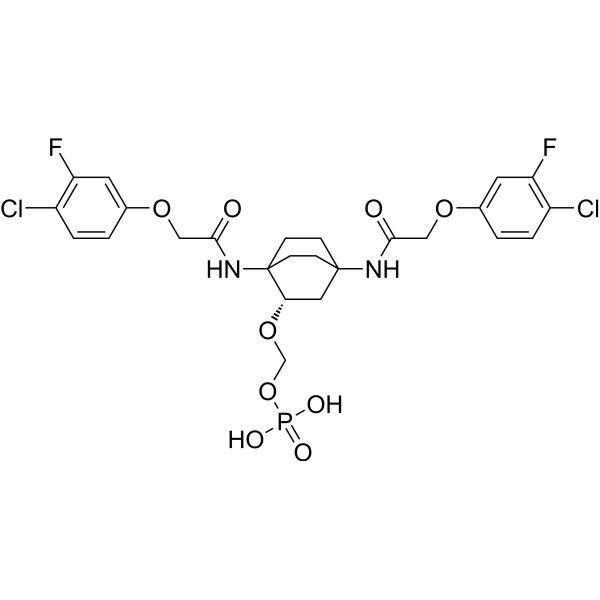
Fosigotifator (ABBV-CLS-7262) is a brain penetrant, orally active EIF2b (eukaryotic initiation factor) activator. Fosigotifator stabilizes the elF2B complex and boosts the activity, including that of complexes carrying pathogenic vanishing white matter (VWM) mutations. Fosigotifator is an integrated stress response inhibitor (ISRI). Fosigotifator can be used for amyotrophic lateral sclerosis research.
-
ISR activator 2
 0 ImagesCat. No.: HY-179524CAS No.: 332874-88-1
ISR activator 2 is a selective ISR activator. ISR activator 2 can preferentially activate the ISR through the binding of the cytosolic pattern recognition receptor RIG-I, which subsequently activates the heme-regulated inhibitor (HRI) ISR kinase independent of an interferon response. ISR activator 2 can be used for the study of pancreatic cancer.
-
PTC-IN-1
 0 ImagesCat. No.: HY-186313CAS No.: 3079914-21-6
PTC-IN-1 is a human ribosomal peptidyl transferase center (PTC) inhibitor. PTC-IN-1 forms stable interactions with 28S rRNA and undergoes steric-hindrance electrostatic interactions with nascent polypeptide chains, thereby inducing context-dependent translation arrest. PTC-IN-1 activates the ribotoxic stress response through phosphorylation of p46 and p54 JNK, triggers ribosome collisions, and activates the integrated stress response via phosphorylation of eIF2α. PTC-IN-1 inhibits the proliferation of cancer cells. PTC-IN-1 can be used in the research of triple-negative breast cancer, prostate cancer, colorectal cancer.
- 1
- 2



