



HDAC
Histone deacetylases
HDAC (Histone deacetylases) are a class of enzymes that remove acetyl groups (O=C-CH3) from an ε-N-acetyl lysine amino acid on ahistone, allowing the histones to wrap the DNA more tightly. This is important because DNA is wrapped around histones, and DNA expression is regulated by acetylation and de-acetylation. Its action is opposite to that of histone acetyltransferase. HDAC proteins are now also called lysine deacetylases (KDAC), to describe their function rather than their target, which also includes non-histone proteins. Together with the acetylpolyamine amidohydrolases and the acetoin utilization proteins, the histone deacetylases form an ancient protein superfamily known as the histone deacetylase superfamily.
HDAC Isoform Specific Products
-
HDAC
(392)
View all products
-
HDAC1
(317)
View all products
-
HDAC2
(210)
View all products
-
HDAC3
(204)
View all products
-
HDAC4
(72)
View all products
-
HDAC5
(56)
View all products
-
HDAC6
(337)
View all products
-
HDAC7
(53)
View all products
-
HDAC8
(188)
View all products
-
HDAC9
(41)
View all products
-
HDAC10
(67)
View all products
-
HDAC11
(71)
View all products
-
HD1
(3)
View all products
-
HD2
(4)
View all products
All Product Categories
-
HDAC Inhibitors
(780)
View all products
-
HDAC Antagonists
(3)
View all products
-
HDAC Activators
(14)
View all products
-
HDAC Modulators
(4)
View all products
-
HDAC MDM2 Inhibitor
(1)
View all products
-
HDAC Degraders
(45)
View all products
-
HDAC Controls
(4)
View all products
-
HDAC Substrates
(3)
View all products
-
HDAC Ligands
(15)
View all products
-
HDAC Related Products (917)
Related Products (917)

-
Antibodies (16)
-
HDAC Signaling Pathway
-
HDAC Isoform Comparison
-
SZUH280
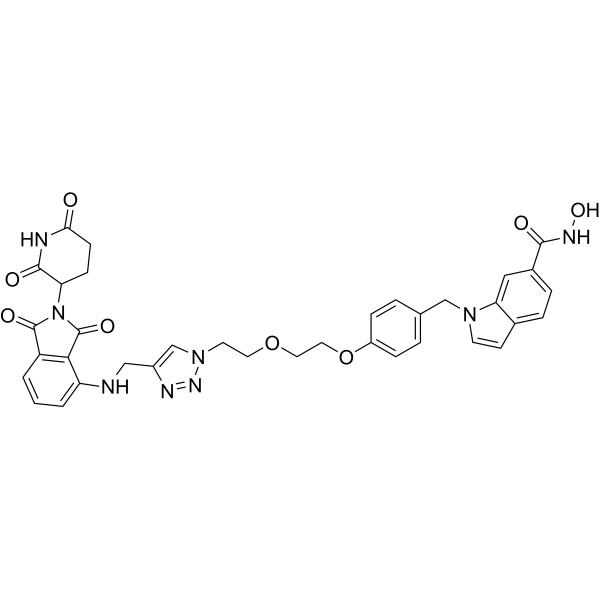 0 ImagesSZUH280 is a selective HDAC8 PROTAC degrader with a DC50 of 0.58 μM. SZUH280 recruits the CRBN E3 ubiquitin ligase to mediate polyubiquitination and proteasomal degradation of HDAC8, and exhibits higher selectivity for HDAC8 over other HDAC family members. SZUH280 induces apoptosis and G2/M cell cycle arrest in cancer cells. SZUH280 impairs DNA damage repair and promotes radiosensitization in cancer cells. SZUH280 inhibits the proliferation of cancer cells. SZUH280 is used in research related to lung cancer and breast cancer.
-
Imofinostat
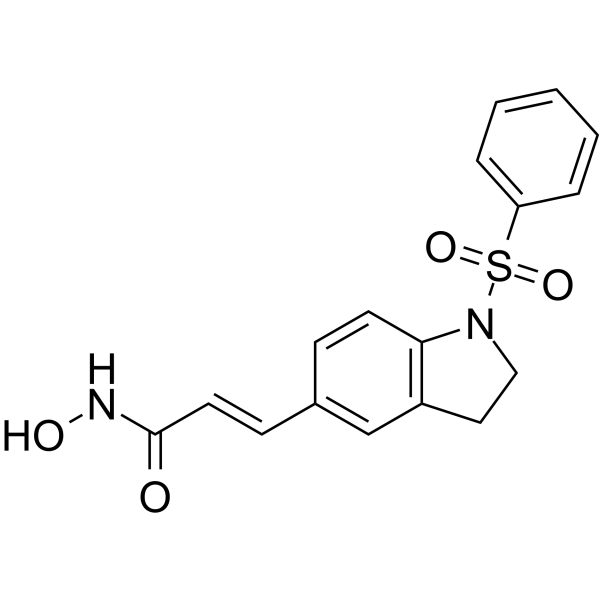 0 ImagesSynonyms: ABT-301; MPT0E028; TMU-C-0012Imofinostat (ABT-301; MPT0E028) is an orally active and selective HDAC inhibitor with IC50s of 53.0 nM, 106.2 nM, 29.5 nM for HDAC1, HDAC2 and HDAC6, respectively. Imofinostat has a weak inhibitory effect on HDAC8 (IC50 of 2.5 μM), but no inhibitory effect on HDAC4 (IC50>10 μM). Imofinostat reduces the viability of B-cell lymphomas by inducing apoptosis and possesses potent direct Akt targeting ability and reduces Akt phosphorylation in B-cell lymphoma. Imofinostat has a broad-spectrum antitumor activity, including colorectal cancer, B-cell lymphoma, non-small cell lung carcinoma (NSCLC), and pancreatic cancer, while also showing therapeutic potential in non-tumor diseases like emphysema and pulmonary fibrosis.
-
Theophylline monohydrate
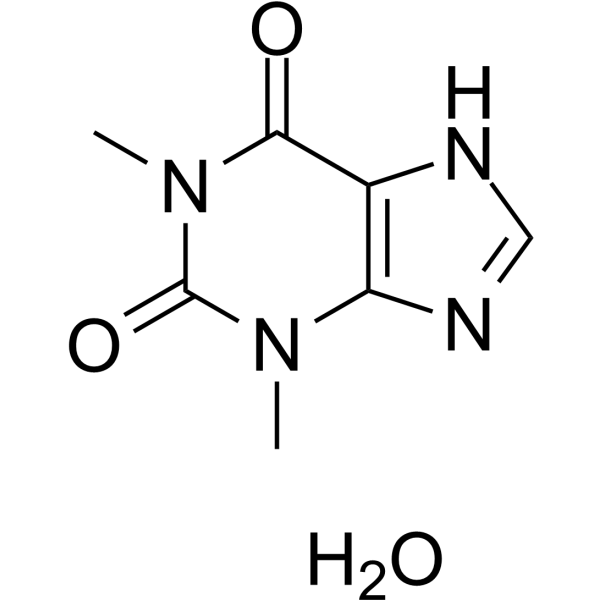 0 ImagesSynonyms: 1,3-Dimethylxanthine monohydrate; Theo-24 monohydrateTheophylline (1,3-Dimethylxanthine) monohydrate is a potent phosphodiesterase (PDE) inhibitor, adenosine receptor antagonist, and histone deacetylase (HDAC) activator. Theophylline (1,3-Dimethylxanthine) monohydrate inhibits PDE3 activity to relax airway smooth muscle. Theophylline (1,3-Dimethylxanthine) monohydrate has anti-inflammatory activity by increase IL-10 and inhibit NF-κB into the nucleus. Theophylline (1,3-Dimethylxanthine) monohydrate induces apoptosis. Theophylline (1,3-Dimethylxanthine) monohydrate can be used for asthma and chronic obstructive pulmonary disease (COPD) research.
-
HPB
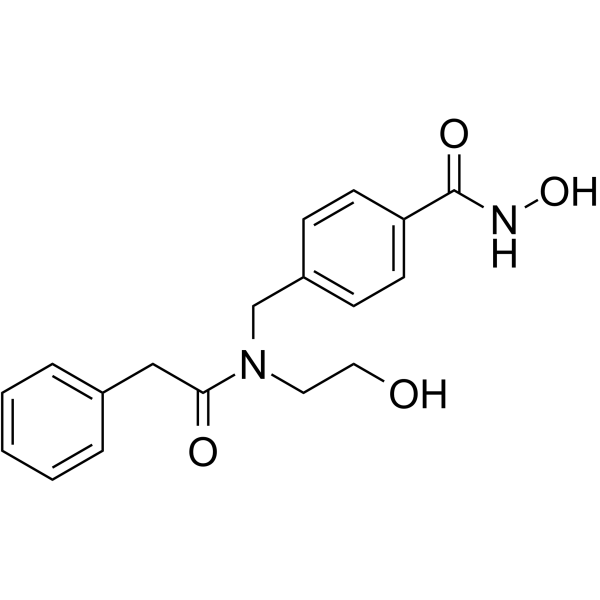 0 ImagesSynonyms: HDAC6 inhibitor HPBHPB (HDAC6 inhibitor HPB) is a selective HDAC6 inhibitor with an IC50 of 31 nM. HPB exhibits >30-flod selectivity for HDAC6 over HDAC1.
-
Valproic acid-d15
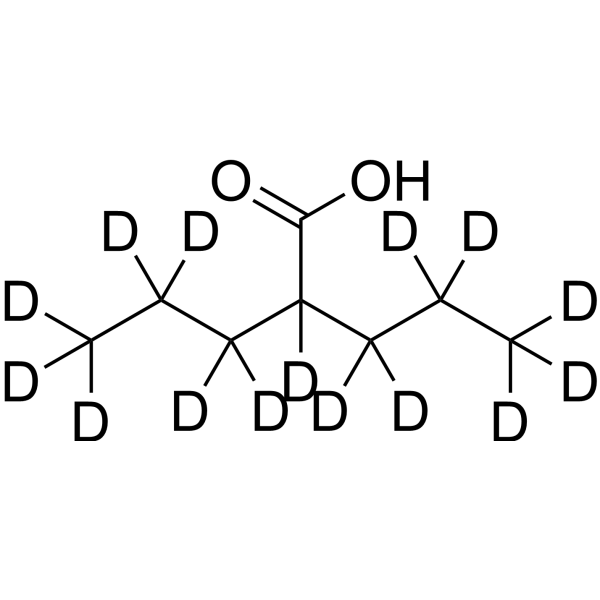 0 ImagesSynonyms: VPA-d15; 2-Propylpentanoic acid-d15Valproic acid-d15 is the deuterium labeled Valproic acid. Valproic acid (VPA; 2-Propylpentanoic Acid) is an HDAC inhibitor, with IC50 in the range of 0.5 and 2 mM, also inhibits HDAC1 (IC50, 400 μM), and induces proteasomal degradation of HDAC2. Valproic acid activates Notch1 signaling and inhibits proliferation in small cell lung cancer (SCLC) cells. Valproic acid sodium salt is used in the treatment of epilepsy, bipolar disorder and prevention of migraine headaches.
-
Psammaplin A
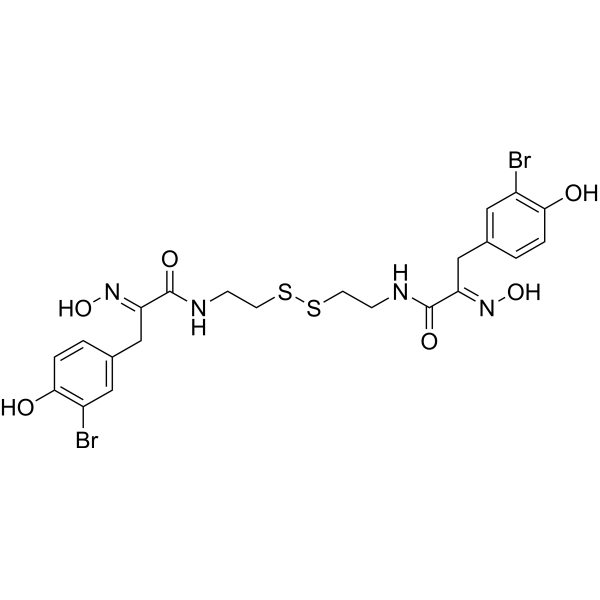 0 ImagesCat. No.: HY-N2150CAS No.: 110659-91-1Psammaplin A is a marine metabolite. Psammaplin A is a selective HDAC1 (IC50: 45 nM), DNA methyltransferases (IC50: 18.6 nM) and aminopeptidase N (APN) (IC50: 18 μM) inhibitor. Psammaplin A also inhibits DNA topoisomerase and farnesyl protein transferase. Psammaplin A is a PPARγ activator and induces apoptosis. Psammaplin A has antitumor and anti-inflammatory activities. Psammaplin A has antibacterial activity against Gram-positive bacteria and inhibits DNA synthesis and DNA gyrase activity. Psammaplin A inhibits angiogenesis.
-
PROTAC HDAC6 degrader 3
 0 ImagesCat. No.: HY-171140Purity: 99.81%PROTAC HDAC6 degrader 3 is a selective HDAC6 PROTAC degrader with an IC50 of 0.686 μM and shows high selectivity for HDAC6 over HDAC1-4. PROTAC HDAC6 degrader 3 recruits cereblon (CRBN) to trigger HDAC6 ubiquitination and subsequent proteasomal degradation. PROTAC HDAC6 degrader 3 selectively elevates acetylated α-tubulin levels in cancer cells, and does not induce histone H3 hyperacetylation or obvious loss of cell viability. PROTAC HDAC6 degrader 3 is applicable for research on multiple myeloma.
-
Crebinostat
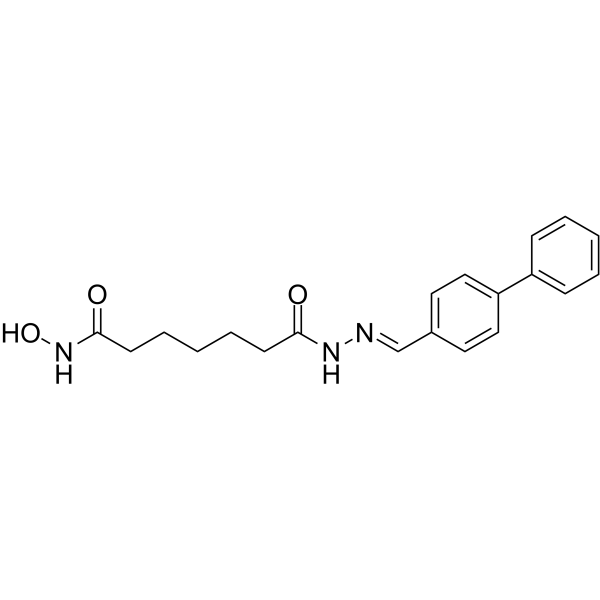 0 ImagesCrebinostat is a potent histone deacetylase (HDAC) inhibitor with IC50 values of 0.7 nM, 1.0 nM, 2.0 nM and 9.3 nM for HDAC1, HDAC2, HDAC3 and HDAC6, respectively. Crebinostat potently induces acetylation of both histone H3 and histone H4 as well as enhances the expression of the cAMP response element-binding protein (CREB) target gene Egr1. Crebinostat increases the density of synapsin-1 punctae along dendrites in cultured neurons. Crebinostat can modulate chromatin-mediated neuroplasticity and exhibits enhanced memory in mice.
-
WT-161
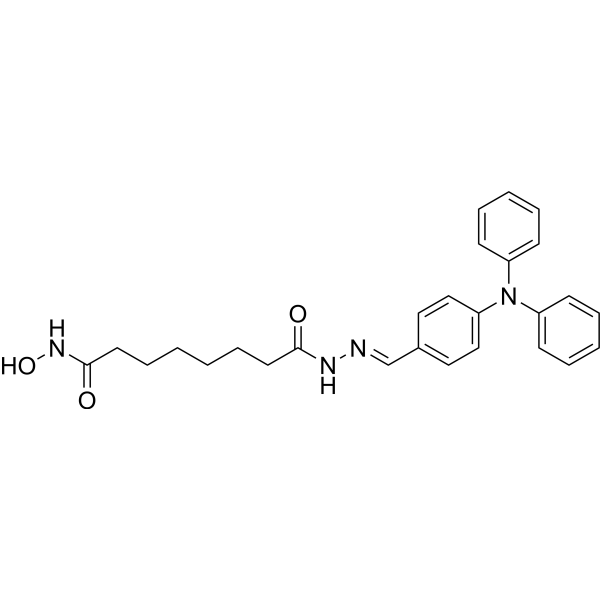 0 ImagesWT-161 is a potent and selective HDAC6 inhibitor with an IC50 of 0.40 nM. WT-161 also inhibits metallo-β-lactamase domain-containing protein 2 (MBLAC2).
-
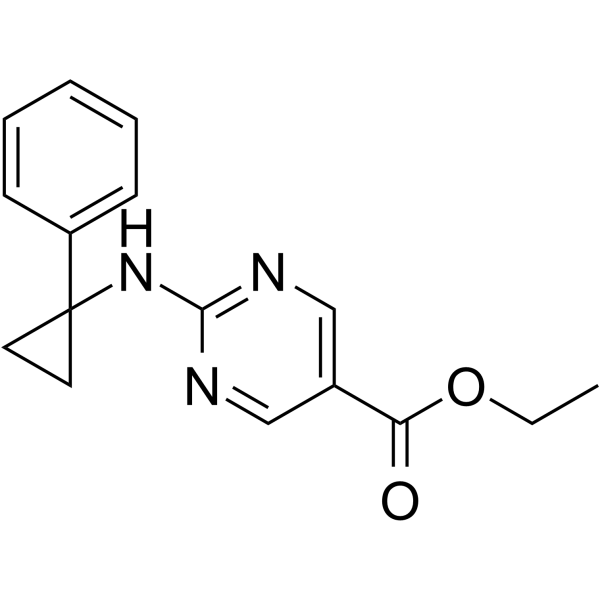
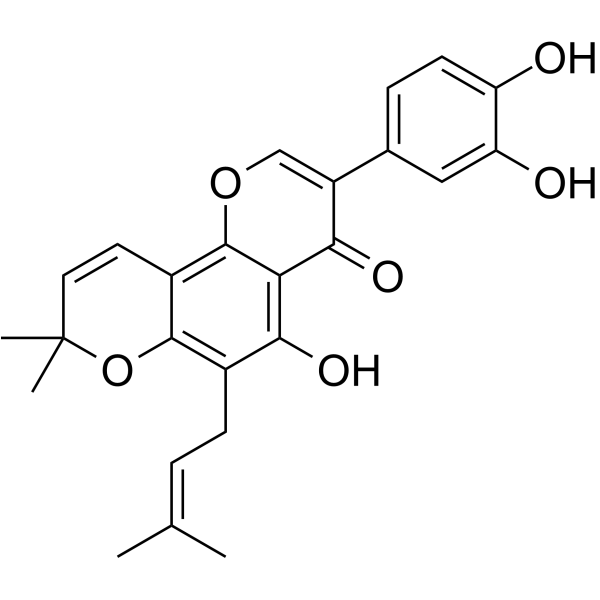
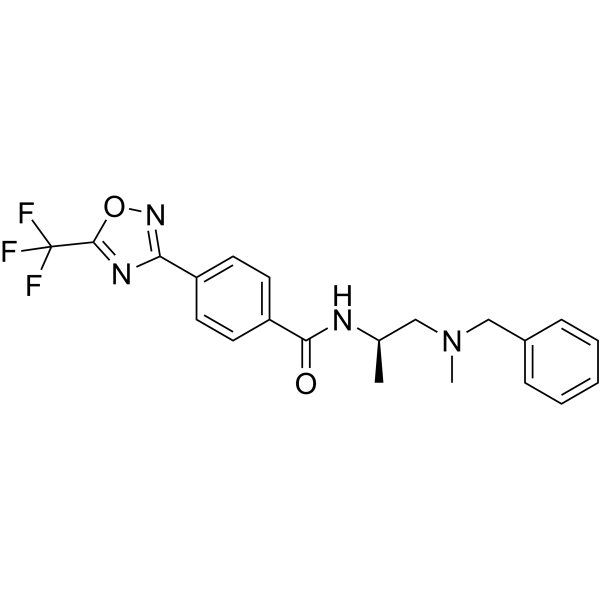
Remetinostat
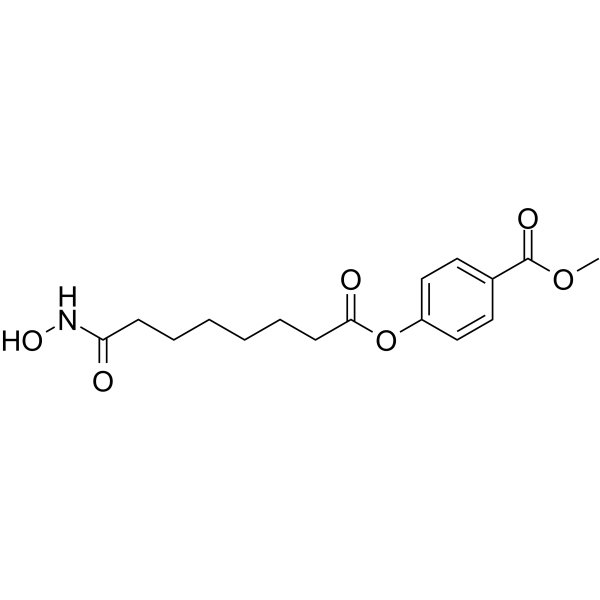 0 ImagesSynonyms: SHP-141
-
Deoxyandrographolide
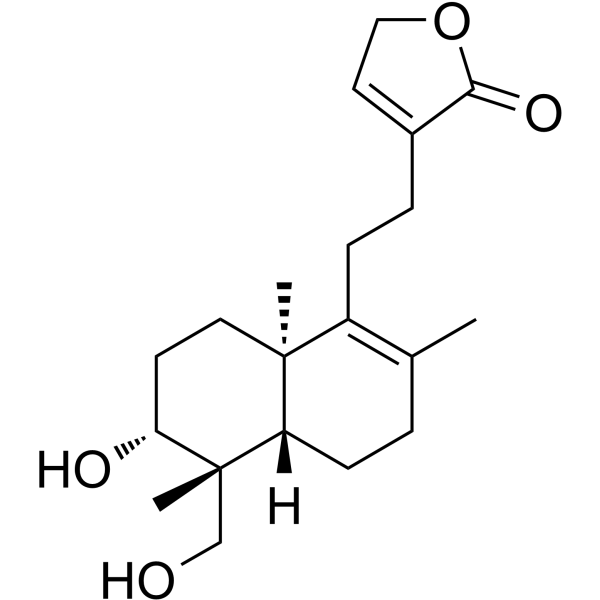 0 ImagesDeoxyandrographolide is an orally active lactone found in the Andrographis paniculata Nees. Deoxyandrographolide shows a KD of 38.4 μM of HDAC1. Deoxyandrographolide enhances GLUT4 plasma membrane translocation, activates PI3K and AMPK-dependent signaling pathways, suppresses fasting blood glucose, serum insulin, triglycerides, and LDL-cholesterol levels. Deoxyandrographolide enhances HDAC1 expression via inhibited ubiquitination degradation, represses H3K4me3, improves chromosome stability, and restrains aging biomarkers p16, p21, γH2A.X, p53 and ROS production. Deoxyandrographolide interacts with Foot-and-Mouth Disease Virus 3Cpro active site, inhibits protease and IFN-antagonist activity, derepresses ISG expression, and inhibits viral replication. Deoxyandrographolide can be used for the researches of type 2 diabetes mellitus, vascular senescence and virus infection.
-
Bakkenolide A
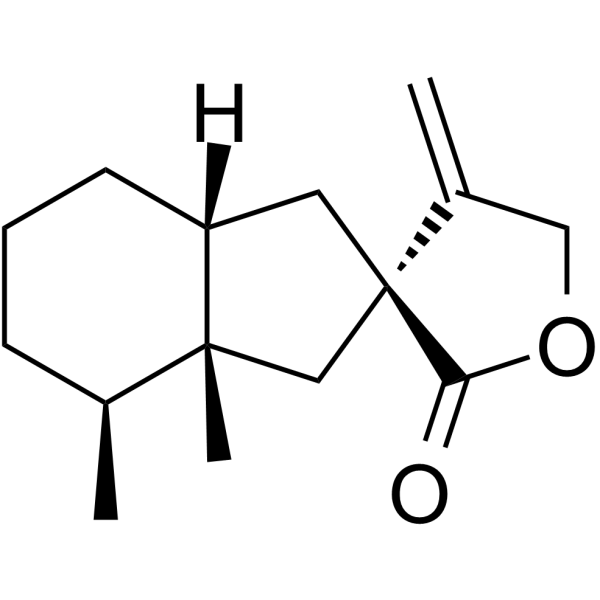 0 ImagesBakkenolide A is an anticancer agent. Bakkenolide A reduces the viability of leukemia cells, inhibits cell colony formation and invasion, and downregulates the expression of HDAC3 in cells. Bakkenolide A downregulates the expression of pro-inflammatory cytokines including TNF-α, interleukins such as IL-1β, TGF-β1 and IFN-γ, as well as the expression of PI3K, PDK and PKC in leukemia cells. Bakkenolide A downregulates activated Akt, GSK and Bad, while upregulates Cyto-c, cleaved Caspase3 and cleaved Caspase7, induces apoptosis (apoptosis) in leukemia cells and thereby inhibits inflammatory responses in leukemia cells. Bakkenolide A significantly slows the growth of subcutaneous leukemia tumors in nude mice. Bakkenolide A is applicable to leukemia-related research.
-
HDAC10-IN-2 hydrochloride
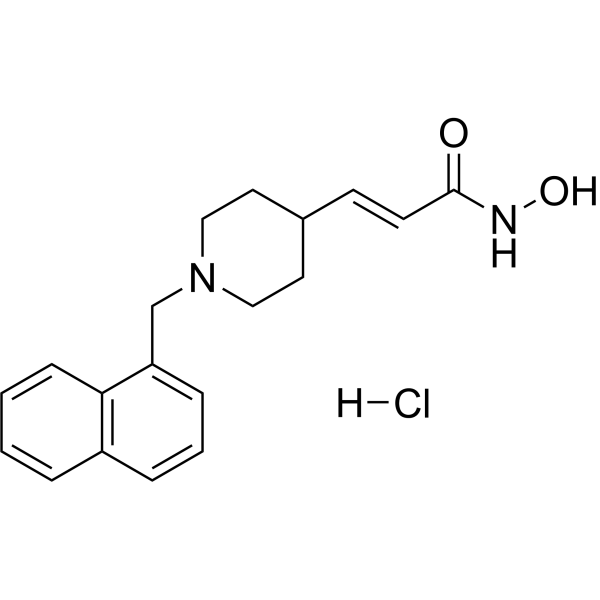 0 ImagesCat. No.: HY-144782AHDAC10-IN-2 hydrochloride (compound 10c) is a potent and highly selective HDAC10 inhibitor, with an IC50 of 20 nM. HDAC10-IN-2 hydrochloride modulates autophagy in aggressive FLT3-ITD positive acute myeloid leukemia cells.
-
TD034
 0 ImagesTD034 is a selective, reversible and noncovalent HDAC11 inhibitor with an IC50 of 5.1 nM and a Ki of 1.5 nM. TD034 does not inhibit other HDACs or sirtuins. TD034 inhibits the defatty acylation of SHMT2 (HDAC11 substrate). TD034 decreases the YAP1 level via HDAC11 inhibition. TD034 can be used for the study of lung cancer.




