



Keap1-Nrf2
Keap1-Nrf2 is the major regulator of cytoprotective responses to electrophilic chemicals or reactive oxygen species (ROS). Keap1 is an E3 ligase, which induces the degradation of Nrf2 by ubiquitin-proteasome system (UPS). Upregulation of Nrf2 inducing by inactivation of Keap1 is often observed in cancer cells. Aberrant activation of Nrf2 in cancer cells accelerates proliferation and metabolism. For this case, Nrf2 is an attractive molecule as a therapeutic target in cancer and a lot number of Nrf2 inhibitors are developed. What’s interesting, Nrf2 induction is also reported to be treatment strategies for accelerating the detoxification of carcinogens and protect the body from chemical carcinogenesis.
All Product Categories
-
Keap1-Nrf2 Related Products (530)
Related Products (530)

-
Antibodies (7)
-
Garcinone E
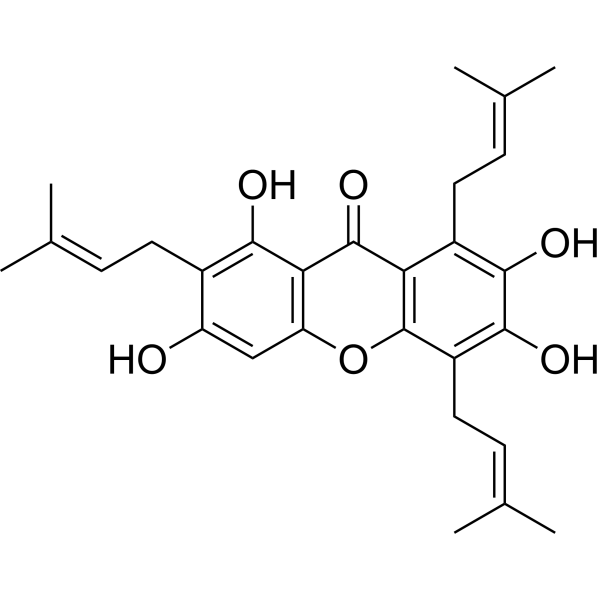 0 ImagesGarcinone E is a xanthone natural product that exerts antioxidant, anti-inflammatory, antitumor, and immunomodulatory activities by inhibiting JNK, TNF-α, NF-κB, and FAS, and enhancing Nrf2 signaling pathways. Garcinone E can be used in research on autoimmune hepatitis, obesity, and various cancers (including breast cancer, colorectal cancer, cervical cancer, liver cancer, lung cancer, and gastric cancer).
-
Quinocetone
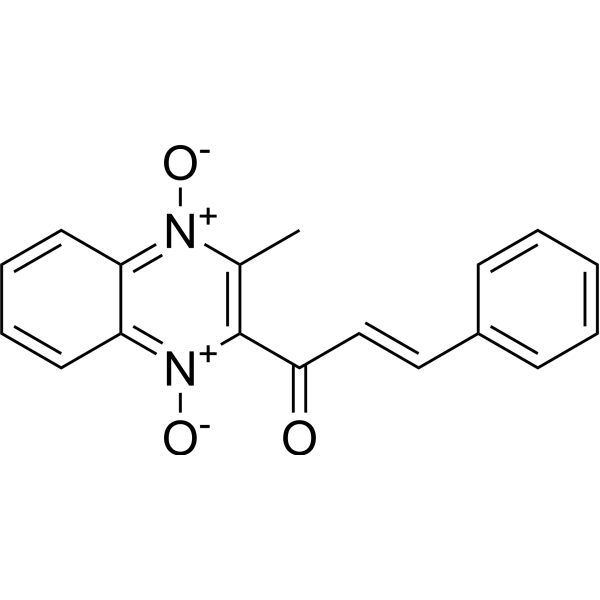 0 ImagesQuinocetone is an orally active animal feed additive used to increase the meat production of livestock and poultry. Quinocetone exhibits antibacterial activity against a variety of pathogenic microorganisms. Quinocetone exhibits tissue-specific (liver, lymphocyte) toxicity. Quinocetone induces autophagy in cells through the ATF6/DAPK1 pathway. Quinocetone activates the NF-κB and iNOS pathways, leading to cell apoptosis, hepatocyte vacuolar degeneration and fibrosis. Quinocetone can inhibit Nrf2/HO-1 and induce the generation of reactive oxygen species (ROS), leading to oxidative stress and DNA damage.
-
biKEAP1
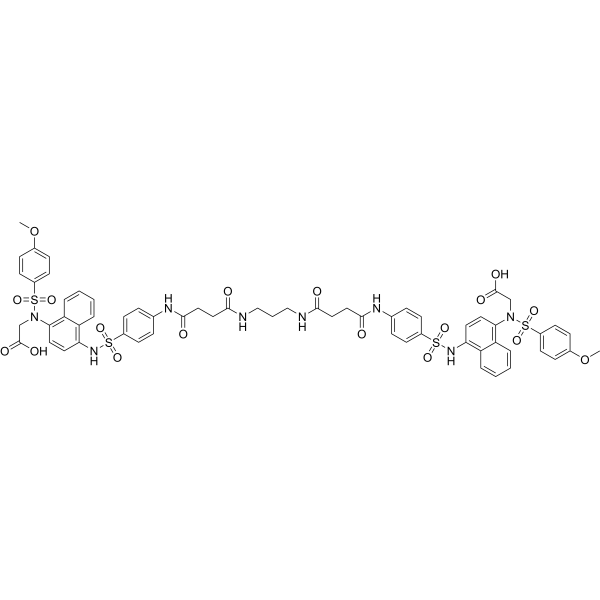 0 ImagesCat. No.: HY-162152Purity: 99.44%biKEAP1 (compound 3) is an inhibitor targeting the dimerKEAP1. biKEAP1 binds to cellular KEAP1 dimers and releases the NRF2 protein sequestered by KEAP1, resulting in immediate activation of NRF2. biKEAP1 also promotes nuclear translocation of NRF2 and directly inhibits proinflammatory cytokine transcription. biKEAP1 can reduce acute inflammation and reduce inflammatory damage in acute inflammation models.
-
Phytol (Standard)
 0 ImagesPhytol (Standard) is the analytical standard of Phytol. This product is intended for research and analytical applications. Phytol ((E)-Phytol) is an orally active diterpenoid alcohol that can be extracted from chlorophyll. Phytol has antioxidant, anti-inflammatory, anti-schistosomiasis and antibacterial activities[1][2][3].
-
Nrf2 activator-12
 0 ImagesNrf2 activator-12 (compund 10v) potently activates Nrf2 (EC50=83.5 nM) and exhibits promising pharmacological properties, reversing disease progression and alleviating demyelination in an experimental autoimmune encephalomyelitis mouse model.
-
Nrf2-ARE/hMAO-B/QR2 modulator 1
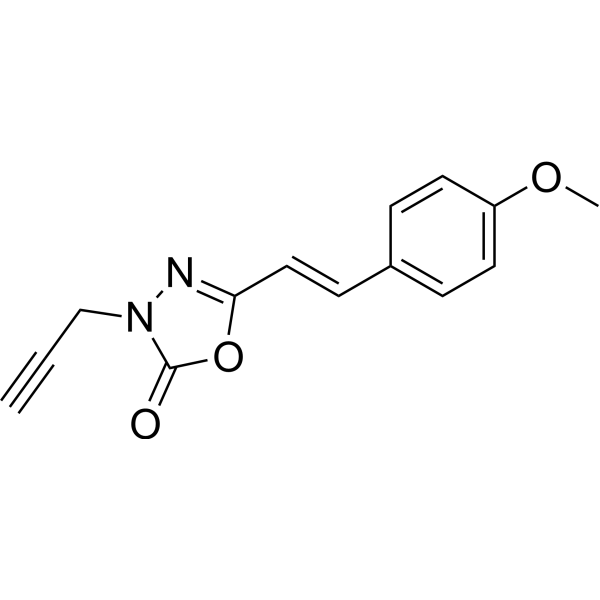 0 ImagesNrf2-ARE/hMAO-B/QR2 modulator 1 is a Resveratrol-based multitarget-directed ligands with IC50s of 8.05, 9.83 and 0.57 μM for hMAO-B, NRF2 and QR2. Nrf2-ARE/hMAO-B/QR2 modulator 1 has neuroprotection, decreasing ROS production in okadaic acid-treated mice hippocampal slices. Nrf2-ARE/hMAO-B/QR2 modulator 1 is a click chemistry reagent, it contains an Alkyne group and can undergo copper-catalyzed azide-alkyne cycloaddition (CuAAc) with molecules containing Azide groups.
-
Nodosin
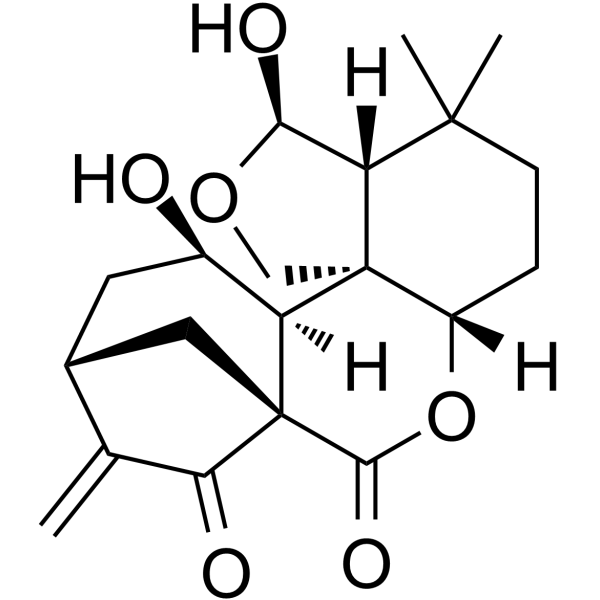 0 ImagesNodosin is an orally active diterpenoid compound that can be isolated from Isodon serra. Nodosin can inhibit the proliferation and induce cell cycle arrest and apoptosis of tumor cells. Nodosin can also inhibit oxidative stress, inflammatory responses, and ferroptosis. Nodosin has anti-inflammatory and anti-tumor activities.
-
Keap1-Nrf2-IN-9
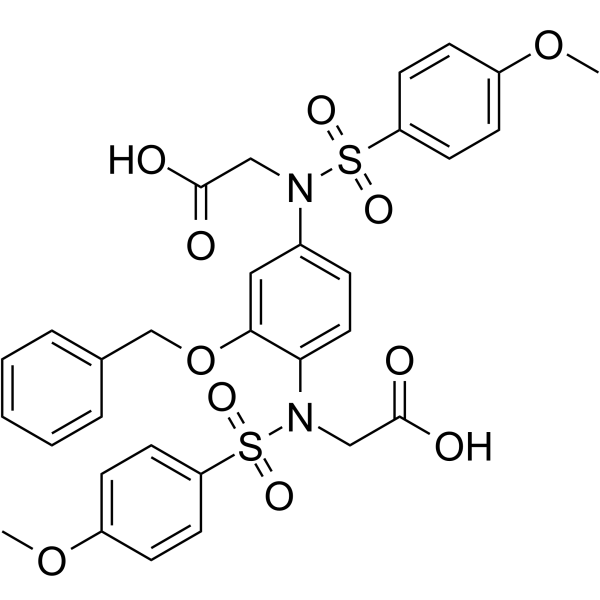 0 ImagesKeap1-Nrf2-IN-9 (Compound 11) is a potent Keap1-Nrf2 PPI (Keap1-Nrf2 protein-protein interaction) inhibitor with an IC50 of 0.575 μM. Keap1-Nrf2-IN-9 increases the expression of Nrf2 target genes including heme oxygenase 1 (Hmox1), glutathione S-transferase P (GstP), and glutamate-cysteine ligase catalytic (Gclc) and modulatory (Gclm) subunits. Keap1-Nrf2-IN-9 shows no cytotoxic activity in ARPE19 cells.
-
Keap1-Nrf2-IN-13
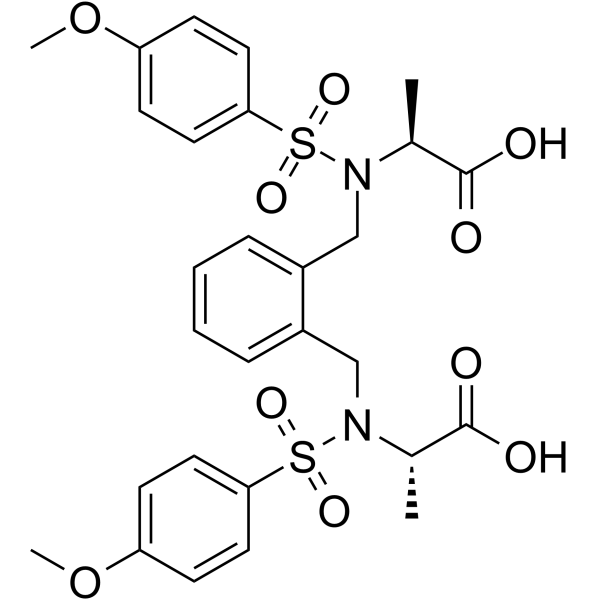 0 ImagesCat. No.: HY-150579CAS No.: 2456294-92-9Keap1-Nrf2-IN-13 is a Keap1-Nrf2 protein–protein interaction (PPI) inhibitor with an IC50 value of 0.15 μM. Keap1-Nrf2-IN-13 has strong binding affinities to the Keap1 protein by forming hydrogen bond with the key polar residues (Asn414, Arg415, Arg483, Gln530). Keap1-Nrf2-IN-13 can be used in the research of oxidative stress-related and inflammatory diseases, including pulmonary fibrosis, chronic obstructive pulmonary disorder (COPD) and cancers.
-
5-(3',4'-Dihydroxyphenyl)-γ-valerolactone
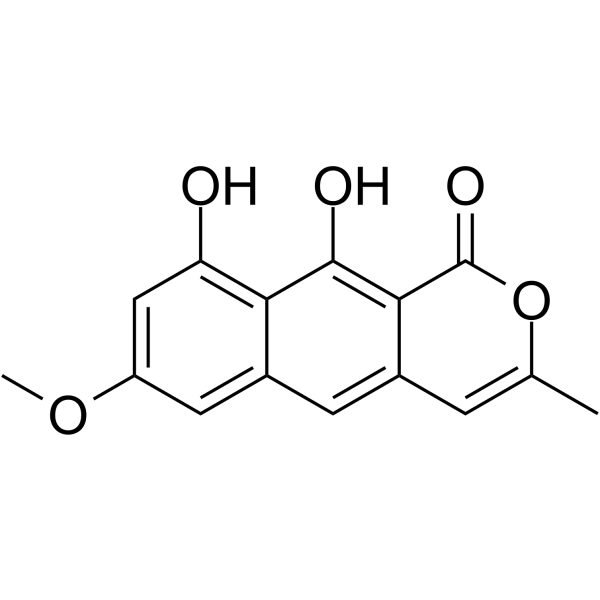
 0 Images5-(3',4'-Dihydroxyphenyl)-γ-valerolactone is an intestinal microbiota metabolite of (-)-Epicatechin (HY-N0001). 5-(3',4'-Dihydroxyphenyl)-γ-valerolactone downregulates TNF-α-stimulated phosphorylation of IKK and IκBα, inhibits the transcriptional activation of NF-κB, and suppresses the expression of adhesion molecules and chemokines. 5-(3',4'-Dihydroxyphenyl)-γ-valerolactone promotes autophagy, alleviates oxidative stress, maintains osteoblast differentiation, induces G1 phase arrest, inhibits adipogenesis, and scavenges ABTS free radicals. 5-(3',4'-Dihydroxyphenyl)-γ-valerolactone inhibits the adhesion of uropathogenic Escherichia coli to bladder epithelial cells; when used in combination with Curcumin (HY-N0005), it downregulates the NLRP3 and NOX2/Nrf2 signaling pathways, thereby reducing microglial activation. 5-(3',4'-Dihydroxyphenyl)-γ-valerolactone can be used in research related to diabetes, atherosclerosis, osteoporosis, obesity, neurodegenerative diseases involving microglial activation, and urinary tract infections.
-
Keap1-Nrf2-IN-7
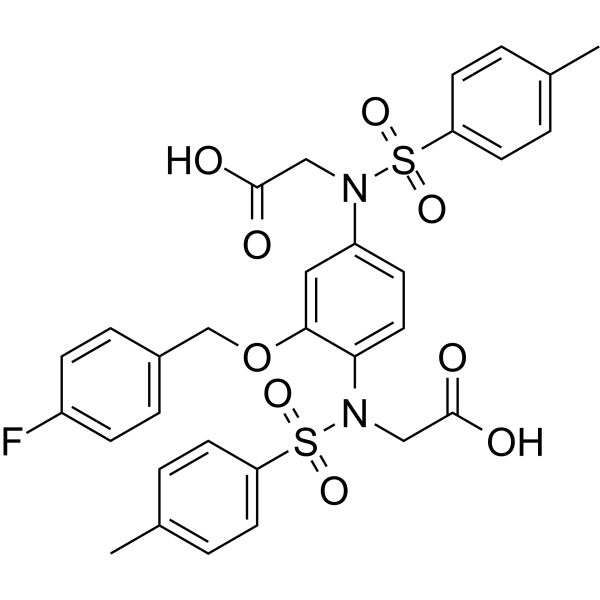 0 ImagesKeap1-Nrf2-IN-7 (compound 7v) is a potent Keap1-Nrf2 PPI (Keap1-Nrf2 protein−protein interaction) inhibitor with an IC50 of 0.45 µM.
-
Benzanthrone
 0 ImagesBenzanthrone is an immunotoxic, pro-inflammatory Photosensitizer. Benzanthrone upregulates iNOS, COX-2 and inflammatory cytokines; activates ERK1/2, p38, JNK, AP-1 and NF-κB; inhibits Nrf2; and induces oxidative stress and DNA damage. Upon radiation exposure, Benzanthrone generates singlet oxygen and superoxide anion radicals, induces photohemolysis and lipid peroxidation, and alters the levels of skin xenobiotic enzymes. Benzanthrone exhibits differential genotoxicity in different cell lines. Benzanthrone possesses skin tumor-initiating and promoting activities. Benzanthrone can be used in skin tumor-related studies.
-
BPK-29 hydrochloride
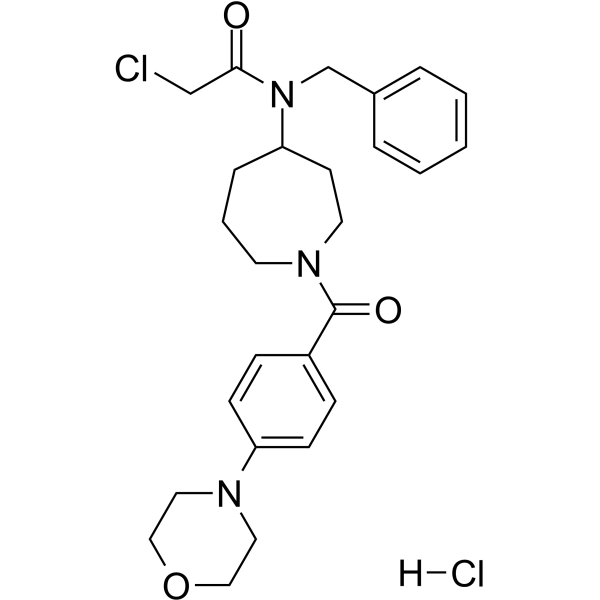 0 ImagesBPK-29 hydrochloride is a specific ligand that disrupts the atypical orphan nuclear receptor NR0B1-protein (such RBM45 and SNW1) interactions by covalently modifying C274. BPK-29 hydrochloride impairs the anchorage-independent growth of KEAP1-mutant cancer cells.
-
Nrf2-IN-4
 0 ImagesCat. No.: HY-175209CAS No.: 2417486-06-5Nrf2-IN-4 is a Nrf2 inhibitor. Nrf2-IN-4 induces ferroptosis via NRF2 inhibition. Nrf2-IN-4 disrupts cellular iron homeostasis, facilitates ferritin degradation, and ultimately triggers ferroptosis. Nrf2-IN-4 induces lysosome activation by promoting iron-dependent ROS production and lysosomal acidification. Nrf2-IN-4 demonstrates significant antitumor efficacy. Nrf2-IN-4 can be used for the study of breast cancer.
-
Sanggenon A
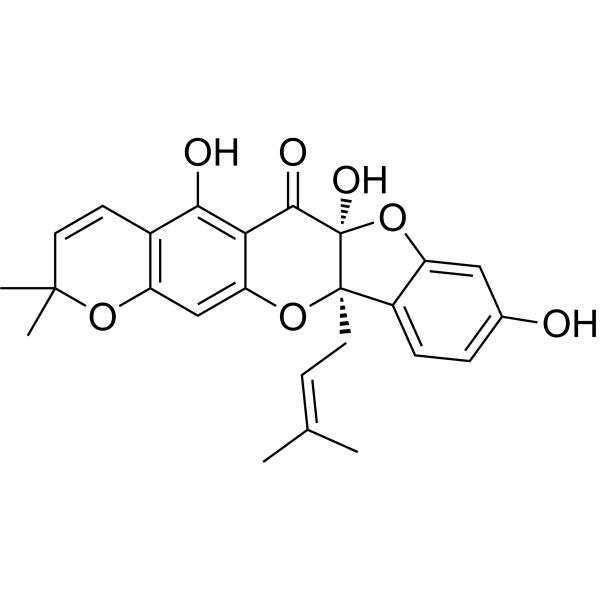 0 ImagesCat. No.: HY-N11657CAS No.: 76464-71-6Synonyms: Sanggenone ASanggenon A (Sanggenone A) exerts anti-inflammatory effects by regulating NF-κB and HO-1/Nrf2 signaling pathways in BV2 and RAW264.7 cells. Sanggenon A markedly inhibits the Lipopolysaccharide (LPS; HY-D1056)-induced production of nitric oxide.
-
Brusatol (Standard)
 0 ImagesCat. No.: HY-19543RCAS No.: 14907-98-3Synonyms: NSC 172924 (Standard)Brusatol (Standard) is the analytical standard of Brusatol (HY-19543). This product is intended for research and analytical applications. Brusatol (NSC 172924) is a unique inhibitor of the Nrf2 pathway that sensitizes a broad spectrum of cancer cells to Cisplatin and other chemotherapeutic agents. Brusatol enhances the efficacy of chemotherapy by inhibiting the Nrf2-mediated defense mechanism. Brusatol can be developed into an adjuvant chemotherapeutic agent. Brusatol increases cellular apoptosis.
-
Keap1-Nrf2-IN-23
 0 ImagesCat. No.: HY-168161CAS No.: 2771115-65-0Keap1-Nrf2-IN-23 (compound 56) is an inhibitor of the Keap1–Nrf2 PPI (IC50=16.0 nM). Keap1-Nrf2-IN-23 binds to Keap1 with a Kd value of 3.07 nM. Keap1-Nrf2-IN-23 has oral activity.
-
Keap1-Nrf2-IN-19
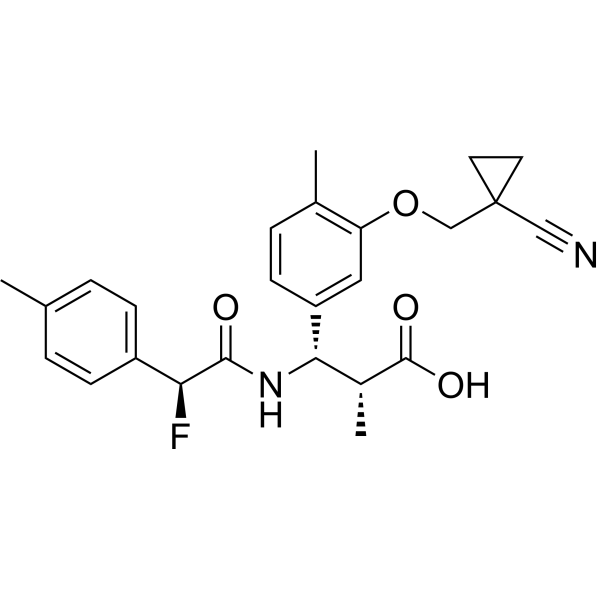 0 ImagesCat. No.: HY-157929Keap1-Nrf2-IN-19 (compound 33) is an oral active Keap1-Nrf2 protein–protein interaction (PPI) inhibitor with the Kd value of 0.0014 μM. Keap1-Nrf2-IN-19 exhibits less than 50% inhibition at 30 μM against hERG and 10 μM against CYPs.
-
Keap1-IN-1
 0 ImagesCat. No.: HY-170301Keap1-IN-1 (Compound 27) is the inhibitor for Keap1, that covalently modifys the Cys151 site in the BTB domain of KEAP1, and interfers with the interaction between Keap-Nrf. Keap1-IN-1 upregulates the mRNA expression of the antioxidant stress element (ARE)-dependent gene NQO1 with an EC50 of 160 nM. Keap1-IN-1 exhibits cytotoxicity in cell U2OS with an EC50 of 527 nM.




