MMP
Matrix metalloproteinases
MMPs (Matrix metalloproteinases) are zinc-dependent endopeptidases. The MMPs belong to a larger family of proteases known as the metzincin superfamily. MMPs are capable of degrading all kinds of extracellular matrix proteins, but also can process a number of bioactive molecules. They are known to be involved in the cleavage of cell surface receptors, the release of apoptotic ligands and chemokine/cytokine inactivation. MMPs are also thought to play a major role on cell behaviors such as cell proliferation, migration, differentiation, angiogenesis, apoptosis, and host defense. MMP-2 and MMP-9 are thought to be important in metastasis. MMP-1 is thought to be important in rheumatoid arthritis and osteoarthritis. Recent data suggests active role of MMPs in the pathogenesis of Aortic Aneurysm. Excess MMPs degrade the structural proteins of the aortic wall. Disregulation of the balance between MMPs and TIMPs is also a characteristic of acute and chronic cardiovascular diseases.
MMP Isoform Specific Products
-
MMP-1
(66)
View all products
-
MMP-2
(148)
View all products
-
MMP-3
(58)
View all products
-
MMP-8
(31)
View all products
-
MMP-9
(189)
View all products
-
MMP-13
(55)
View all products
-
MMP-14
(23)
View all products
-
MMP-17
(3)
View all products
-
ADAM10
(9)
View all products
-
ADAM17
(10)
View all products
-
MMP-7
(23)
View all products
-
MMP-12
(19)
View all products
-
MMP-10
(9)
View all products
-
MMP
(446)
View all products
-
ADAM8
(1)
View all products
-
MMP-19
(1)
View all products
All Product Categories
-
MMP Inhibitors
(606)
View all products
-
MMP Agonists
(2)
View all products
-
MMP Antagonist
(1)
View all products
-
MMP Activators
(39)
View all products
-
MMP Modulators
(3)
View all products
-
MMP Chemicals
(2)
View all products
-
MMP Inducers
(13)
View all products
-
MMP Degrader
(1)
View all products
-
MMP Controls
(5)
View all products
-
MMP Substrates
(15)
View all products
-
MMP Ligands
(4)
View all products
-
Matrix Metalloproteinases Proteins
(41)
View all products
-
MMP-1 Proteins
(2)
View all products
-
MMP-2 Proteins
(7)
View all products
-
MMP-3 Proteins
(2)
View all products
-
MMP-7 Proteins
(2)
View all products
-
MMP-10 Proteins
(1)
View all products
-
MMP-12 Proteins
(2)
View all products
-
MMP-8 Proteins
(7)
View all products
-
MMP-9 Proteins
(11)
View all products
-
MMP-13 Proteins
(1)
View all products
-
MMP-14 Proteins
(1)
View all products
-
ADAM8 Proteins
(4)
View all products
-
ADAM10 Proteins
(1)
View all products
-
ADAM17/TACE Proteins
(3)
View all products
-
MMP Related Products (810)
Related Products (810)

-
Recombinant Proteins (49)
-
Antibodies (15)
-
MMP Isoform Comparison
-
4-DAMP
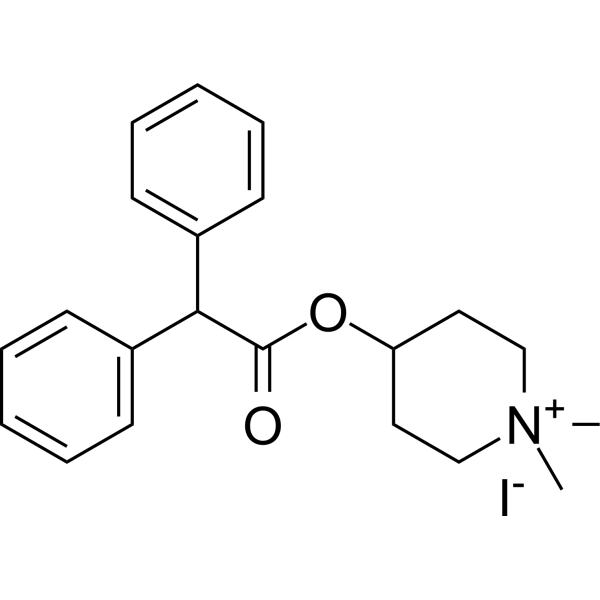 0 Images4-DAMP (4-DAMP methiodide) is a potent and selective antagonist of M3 receptors and also has a high affinity for the closely-related M5 receptors. 4-DAMP combined with 5-Fluorouracil (5-Fu) (HY-90006) could significantly reduce the cell viability and enhance apoptosis in MKN45 and BGC823 gastric cancer cells. 4-DAMP inhibits lipopolysaccharide (LPS)- and tobacco-induced pulmonary inflammation and reduces mucin 5AC (MUC5AC), oligomeric mucus/gel-forming secretion.
-
Chondroitin sulfate sodium (from shark cartilage)
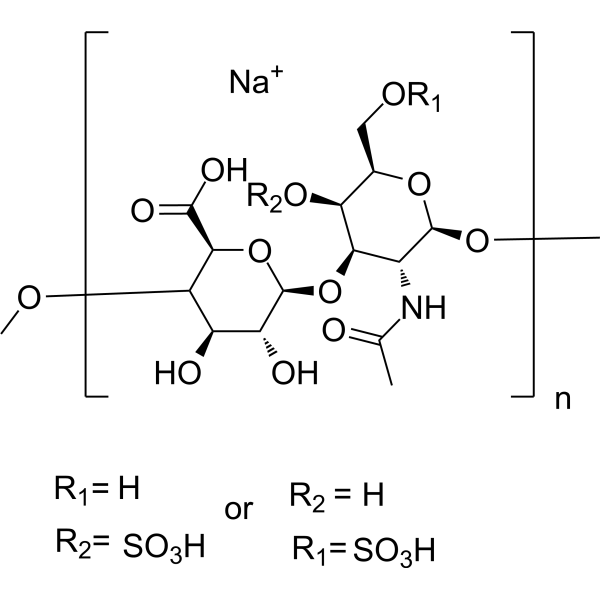 0 ImagesSynonyms: Chondroitin polysulfate sodium (from shark cartilage)Chondroitin sulfate sodium (from shark cartilage), one of five classes of glycosaminoglycans, has been widely used in the treatment of osteoarthritis. Chondroitin sulfate reduces inflammation mediators and the apoptotic process and is able to reduce protein production of inflammatory cytokines, iNOS and MMPs.
-
Apigenin-7-glucuronide
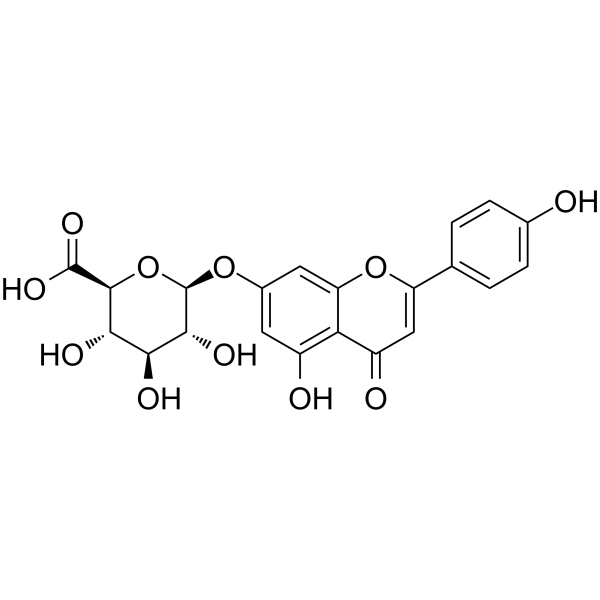 0 ImagesSynonyms: Apigenin 7-O-glucuronide
-
Indinavir sulfate
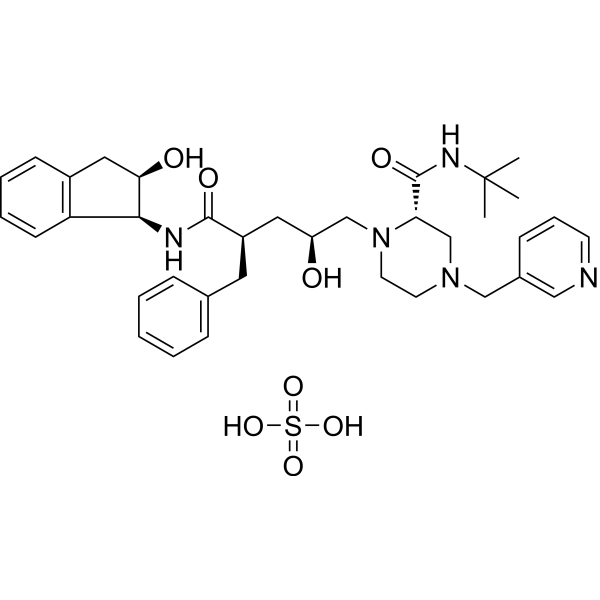 0 ImagesSynonyms: MK-639; L735524Indinavir sulfate (MK-639) is an orally active and selective HIV-1 protease inhibitor with a Ki of 0.54 nM for PR. Indinavir sulfate exhibits anticancer activity by inhibiting the activation of MMPs-2 hydrolysis, anti-angiogenesis and inducing apoptosis. Indinavir sulfate is also a SARS-CoV 3CLpro inhibitor.
-
MMP-8 inhibitor-1
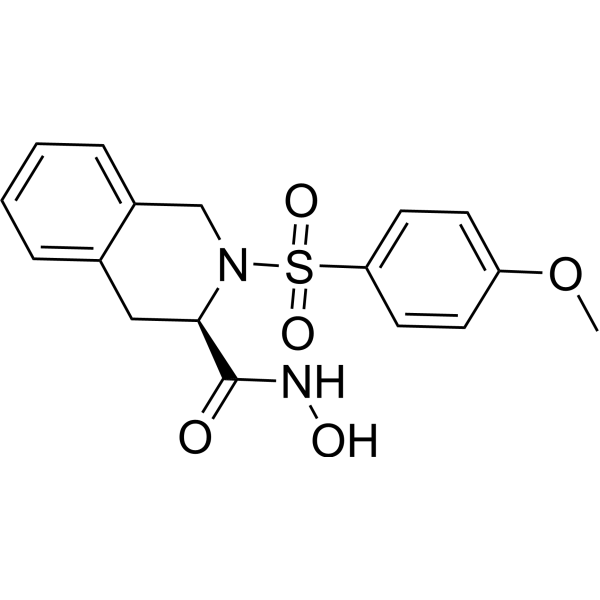 0 ImagesSynonyms: MMP8-I
-
Luteolin 7-O-glucuronide
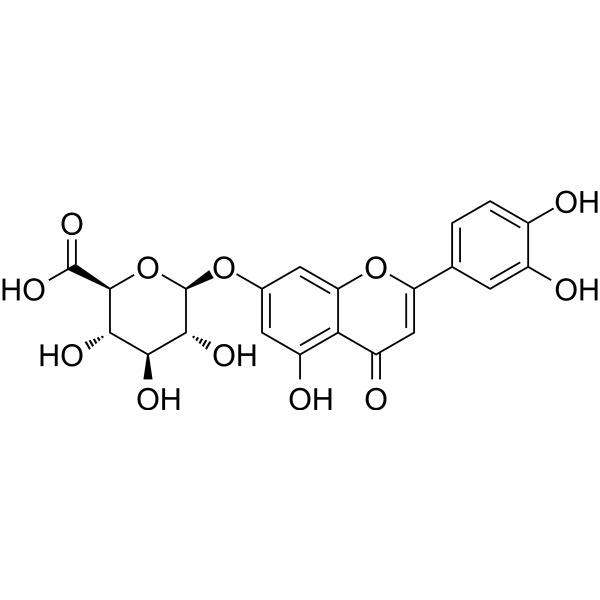 0 ImagesSynonyms: Luteolin 7-glucuronide
-
CD1530
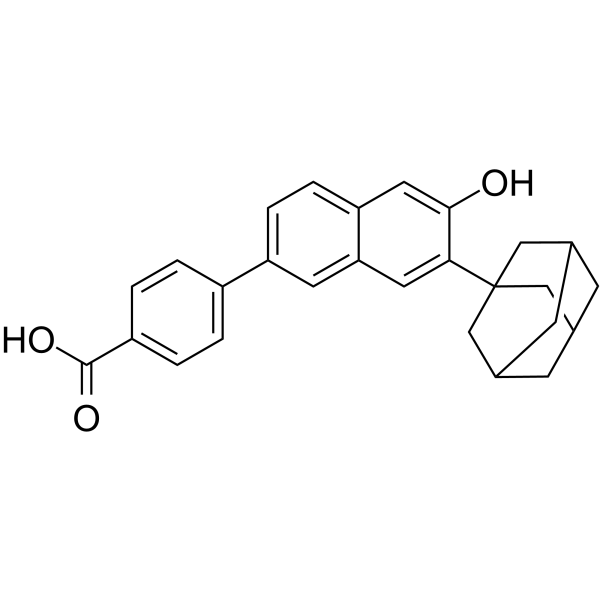 0 ImagesCD1530 is an orally active, selective RARγ agonist and antibacterial agent. CD1530 reduces Smad1/5/8 phosphorylation and overall Smad levels. CD1530 reduces β-catenin, MMP9 protein, and ROS levels. CD1530 exhibits activities such as inhibiting heterotopic ossification, promoting Achilles tendon healing, and inhibiting muscle fatty infiltration. CD1530 can be used in the research of orthopedic diseases (such as heterotopic ossification, Achilles tendon injury), muscle diseases (such as muscle fatty infiltration-related diseases).
-
Bimatoprost
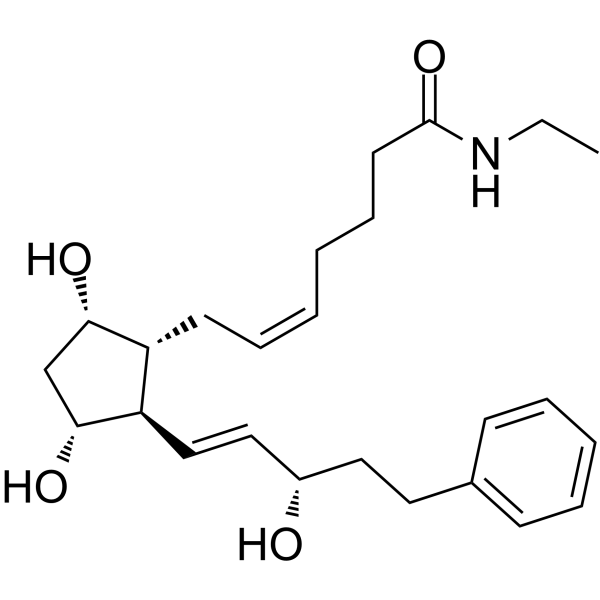 0 ImagesSynonyms: AGN 192024Bimatoprost is a prostaglandin analog that reduces intraocular pressure by regulating scleral and trabecular outflow. Bimatoprost is used in the study of open-angle glaucoma, ocular hypertension, and other forms of glaucoma. Topical application of bimatoprost induces fat atrophy and causes a deepening of the eyelid sulcus.
-
Curcumenol
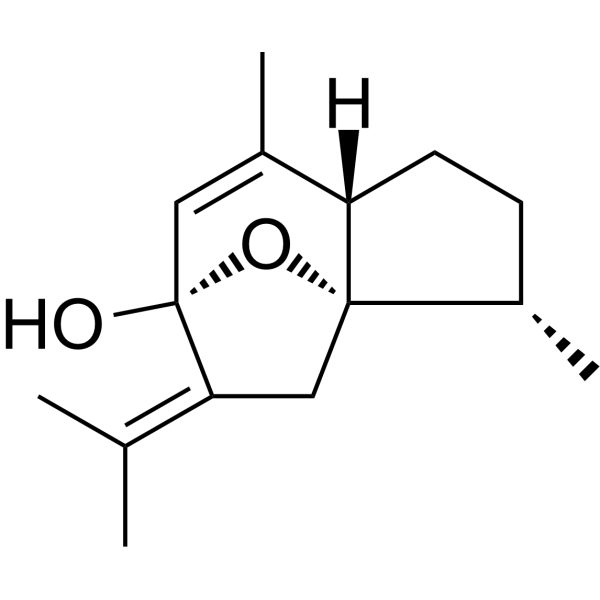 0 ImagesSynonyms: (+)-CurcumenolCurcumenol ((+)-Curcumenol) is a natural compound with oral efficacy, exhibiting an IC50 of 12.6 μM and a Ki of 10.8 μM against human CYP3A4. Curcumenol inhibits TNFα-induced phosphorylation/degradation of IκBα, phosphorylation/nuclear translocation of NF-κB p65, as well as the upregulation of MMP3, MMP9, MMP13, TRAF3, IL1RL1, TNFα and IL-1β. Curcumenol suppresses LPS-induced phosphorylation of Akt and p38 MAPK, as well as the production of pro-inflammatory mediators/proteins, and downregulates the SLC7A11/NF-κB/TGF-β pathway. Curcumenol binds to and inhibits the activation of Fyn and Lyn, blocks the function of downstream FcεRI signaling components, and reduces the release of allergic mediators/cytokines. Curcumenol upregulates the expression of KDM6B, and promotes chondrocyte proliferation and cartilage repair. Curcumenol induces ferroptosis and apoptosis, regulates the EMT process, and inhibits tumor growth and metastasis of triple-negative breast cancer. Curcumenol possesses anti-inflammatory, neuroprotective, antioxidant, antitumor, antiviral and hepatoprotective activities. Curcumenol can be used in research related to intervertebral disc degeneration, cancer, inflammation, central nervous system neurodegenerative diseases, allergic reactions and knee osteoarthritis.
-
Hepcidin-1 (mouse) TFA
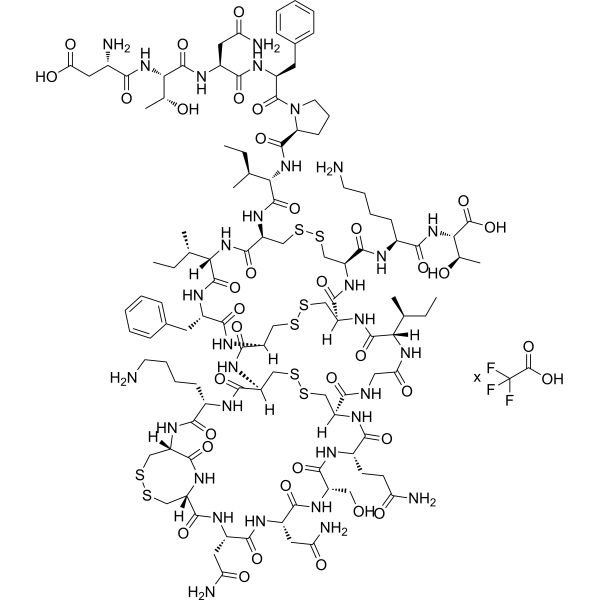 0 ImagesCat. No.: HY-P4373APurity: 99.63%Hepcidin-1 (mouse) TFA is an endogenous peptide hormone involved in the regulation of iron homeostasis. Hepcidin-1 (mouse) TFA upregulates mRNA levels of TRAP, cathepsin K, and MMP-9 and increases TRAP-5b protein secretion. Hepcidin-1 (mouse) TFA downregulates the level of FPN1 protein and increases intracellular iron. Hepcidin-1 (mouse) TFA facilitates osteoclast differentiation.
-
CL-82198
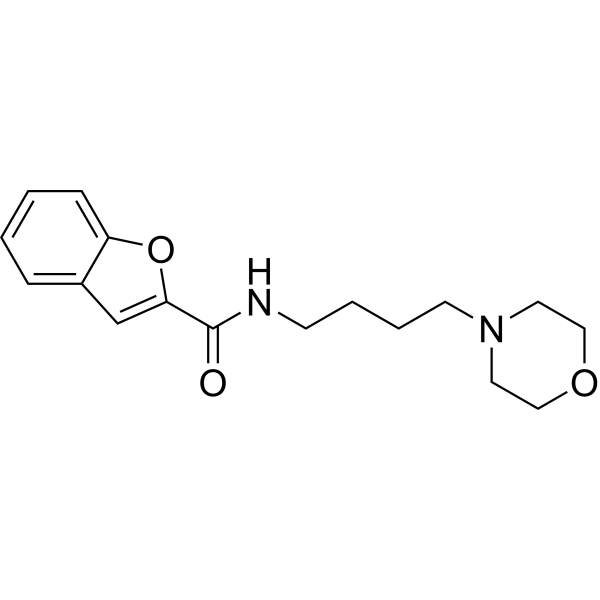 0 ImagesCL-82198 is a selective inhibitor of MMP-13. CL-82198 binds to the entire S1’ pocket of MMP-13, which is the basis for its selectivity towards MMP-13 and the lack of inhibitory activities against other MMPs. CL-82198 is a pharmacologic treatment for preventing osteoarthritis (OA) progression.
-
Pexmetinib
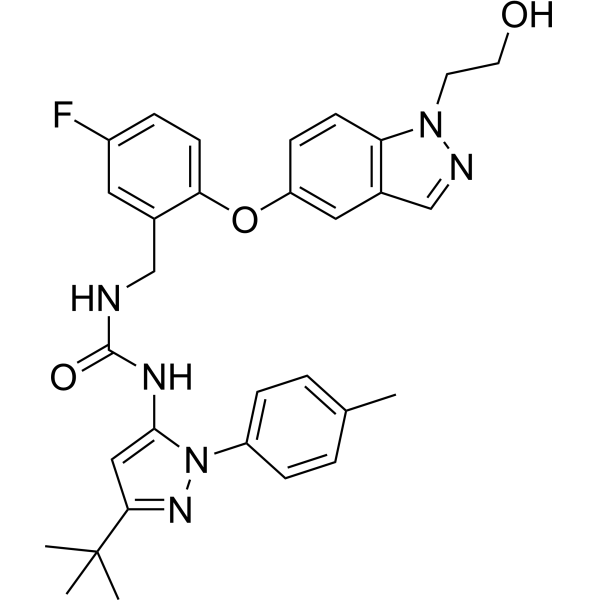 0 ImagesSynonyms: ARRY-614Pexmetinib (ARRY-614) is an orally active dual Tie-2 and p38 MAPK inhibitor. Pexmetinib binds to Tie-2 and p38 MAPK in a "DFG-out" conformation, attenuates the phosphorylation of p38, inhibits STAT3 activation, reduces the promoter-binding activity of NFATc1, and decreases the expression of MMPs. Pexmetinib inhibits leukemia cell proliferation, abrogates TNF-α-mediated myelosuppression of healthy hematopoietic stem cells, stimulates hematopoiesis in primary myelodysplastic syndrome (MDS) samples, inhibits RANKL-induced osteoclast formation and bone resorption, and suppresses migration, invasion and induced osteolysis of breast cancer cells. Pexmetinib can be used in research related to myelodysplastic syndrome, acute myeloid leukemia and breast cancer-induced osteolysis.
-
Cetrimonium bromide
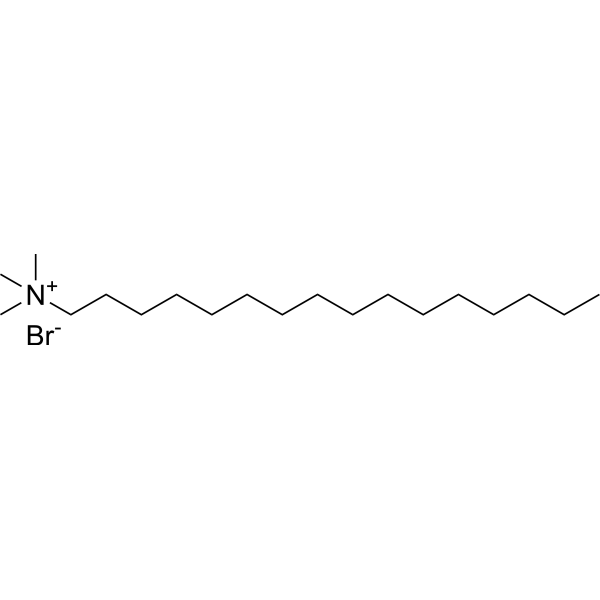 0 ImagesSynonyms: CTAB; Cetyltrimethylammonium bromide; Hexadecyltrimethylammonium bromideCetrimonium bromide (CTAB), a quaternary ammonium, is an orally active cationic surfaetant. Cetrimonium bromide has toxicity and anticancer effect. Cetrimonium bromide inhibits cell migration and invasion through modulating the canonical and non-canonical TGF-β signaling pathways. Cetrimonium bromide can be used for DNA extraction.
-
Aderamastat
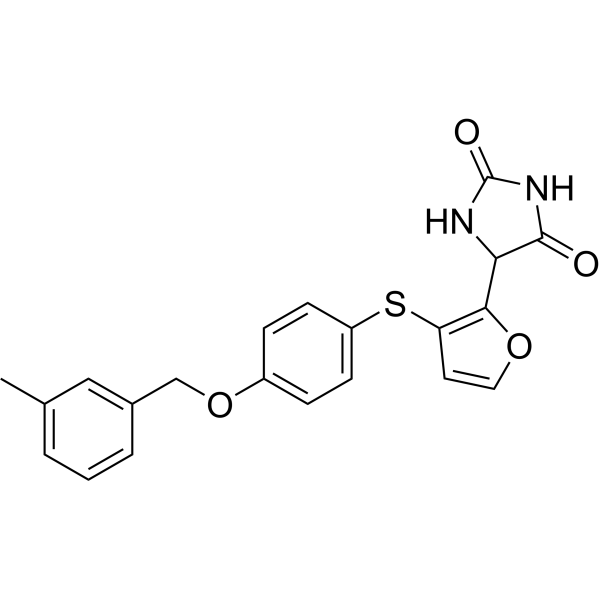 0 ImagesSynonyms: FP-025
-
Isofraxidin
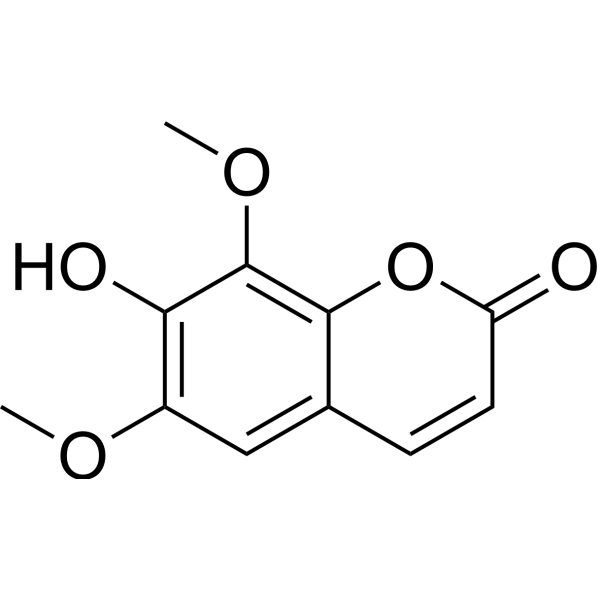 0 ImagesIsofraxidin, a coumarin component from Acanthopanax senticosus, inhibits MMP-7 expression and cell invasion of human hepatoma cells. Isofraxidin inhibits the phosphorylation of ERK1/2 in hepatoma cells. Isofraxidin attenuates the expression of iNOS and COX-2, Isofraxidinalso inhibits TLR4/myeloid differentiation protein-2 (MD-2) complex formation.