



MMP
Matrix metalloproteinases
MMPs (Matrix metalloproteinases) are zinc-dependent endopeptidases. The MMPs belong to a larger family of proteases known as the metzincin superfamily. MMPs are capable of degrading all kinds of extracellular matrix proteins, but also can process a number of bioactive molecules. They are known to be involved in the cleavage of cell surface receptors, the release of apoptotic ligands and chemokine/cytokine inactivation. MMPs are also thought to play a major role on cell behaviors such as cell proliferation, migration, differentiation, angiogenesis, apoptosis, and host defense. MMP-2 and MMP-9 are thought to be important in metastasis. MMP-1 is thought to be important in rheumatoid arthritis and osteoarthritis. Recent data suggests active role of MMPs in the pathogenesis of Aortic Aneurysm. Excess MMPs degrade the structural proteins of the aortic wall. Disregulation of the balance between MMPs and TIMPs is also a characteristic of acute and chronic cardiovascular diseases.
MMP Isoform Specific Products
-
MMP-1
(66)
View all products
-
MMP-2
(148)
View all products
-
MMP-3
(58)
View all products
-
MMP-8
(31)
View all products
-
MMP-9
(189)
View all products
-
MMP-13
(55)
View all products
-
MMP-14
(23)
View all products
-
MMP-17
(3)
View all products
-
ADAM10
(9)
View all products
-
ADAM17
(10)
View all products
-
MMP-7
(23)
View all products
-
MMP-12
(19)
View all products
-
MMP-10
(9)
View all products
-
MMP
(446)
View all products
-
ADAM8
(1)
View all products
-
MMP-19
(1)
View all products
All Product Categories
-
MMP Inhibitors
(606)
View all products
-
MMP Agonists
(2)
View all products
-
MMP Antagonist
(1)
View all products
-
MMP Activators
(39)
View all products
-
MMP Modulators
(3)
View all products
-
MMP Chemicals
(2)
View all products
-
MMP Inducers
(13)
View all products
-
MMP Degrader
(1)
View all products
-
MMP Controls
(5)
View all products
-
MMP Substrates
(15)
View all products
-
MMP Ligands
(4)
View all products
-
Matrix Metalloproteinases Proteins
(41)
View all products
-
MMP-1 Proteins
(2)
View all products
-
MMP-2 Proteins
(7)
View all products
-
MMP-3 Proteins
(2)
View all products
-
MMP-7 Proteins
(2)
View all products
-
MMP-10 Proteins
(1)
View all products
-
MMP-12 Proteins
(2)
View all products
-
MMP-8 Proteins
(7)
View all products
-
MMP-9 Proteins
(11)
View all products
-
MMP-13 Proteins
(1)
View all products
-
MMP-14 Proteins
(1)
View all products
-
ADAM8 Proteins
(4)
View all products
-
ADAM10 Proteins
(1)
View all products
-
ADAM17/TACE Proteins
(3)
View all products
-
MMP Related Products (810)
Related Products (810)

-
Recombinant Proteins (49)
-
Antibodies (15)
-
MMP Isoform Comparison
-
Chymotrypsin
 0 ImagesChymotrypsin (EC 3.4.21.1; Chymotrypsin A) is an orally effective inhibitor targeting molecules such as TLR4, NF-κB, MMP-1, TNF-α, IL-1β, and IL-6. Chymotrypsin downregulates the TLR4/NF-κB signaling pathway, inhibiting the release of inflammatory factors, reducing cell infiltration and tissue damage. It also reduces the expression of tumor cell adhesion molecules (such as CD44 and CD54) and can be specifically detected by fluorescent probes (such as NBD-3). Chymotrypsin has anti-inflammatory, hepatoprotective, joint damage-reducing, liver protection against lipotoxicity, and anti-tumor metastasis functions. It can be used in research on diseases such as rheumatoid arthritis, non-alcoholic fatty liver disease, and melanoma metastasis. Chymotrypsin can be used in studies of inflammation, edema, and expectoration.
-
SB-3CT
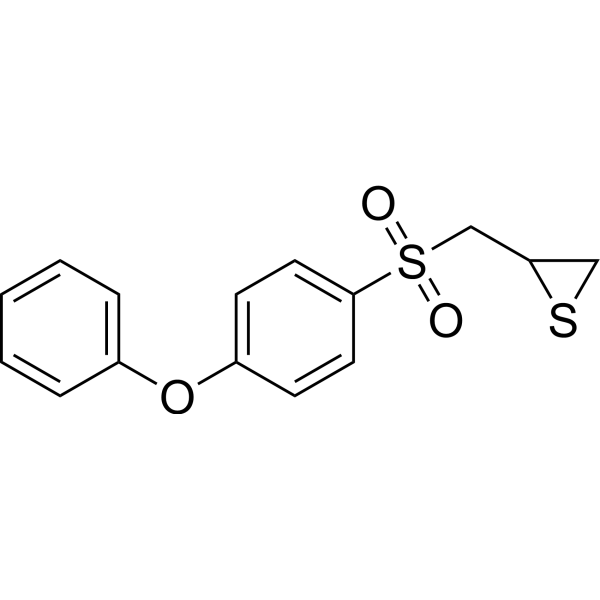 0 ImagesSB-3CT is a potent and competitive matrix metalloproteinase MMP-2 and MMP-9 inhibitor with Ki values of 13.9 and 600 nM, respectively. SB-3CT has high selectivity for gelatinases. SB-3CT shows blood-brain barrier permeability and has neuroprotective effects and anticancer activity.

-
DC-Y13-27
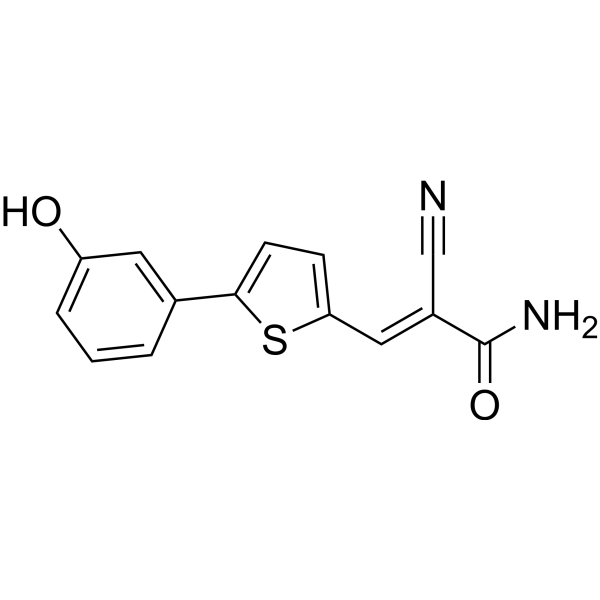 0 ImagesCat. No.: HY-154919Purity: 98.56%DC-Y13-27 is a DC-Y13 derivative and YTHDF2 inhibitor (KD: 37.9 μM). DC-Y13-27 inhibits YTHDF2, restores FOXO3 and TIMP1 protein levels, and reduces MMP1/3/7/9 expression. DC-Y13-27 induces Pyroptosis and increases IL-1β secretion. DC-Y13-27 reduces intervertebral disc degeneration and enhances the response to radiotherapy in colon cancer and melanoma. DC-Y13-27 has antitumor activity against breast cancer.

-
Chondroitin sulfate
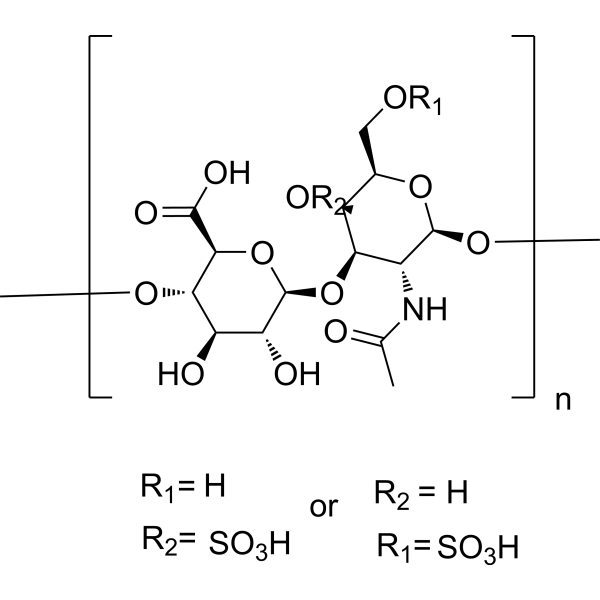 0 ImagesChondroitin sulfate, one of five classes of glycosaminoglycans, has been widely used in the treatment of osteoarthritis. Chondroitin sulfate reduces inflammation mediators and the apoptotic process and is able to reduce protein production of inflammatory cytokines, iNOS and MMPs.
-
Candidalysin
 0 ImagesCandidalysin is a cytolytic peptide toxin secreted by the fungus Candida albicans. Candidalysin drives epithelial immune responses by activating the EGFR-MAPK signaling pathway, inducing MMP expression and calcium influx, and regulating the c-Fos transcription factor and MKP1 via p38 MAPK and ERK1/2 respectively. Candidalysin is essential for mucosal and systemic infections, activating NLRP3 to promote inflammatory responses, neutrophil recruitment, and Th17 immunity. Candidalysin activates LDH causing membrane damage and exhibiting cytotoxicity
-
NSC 405020
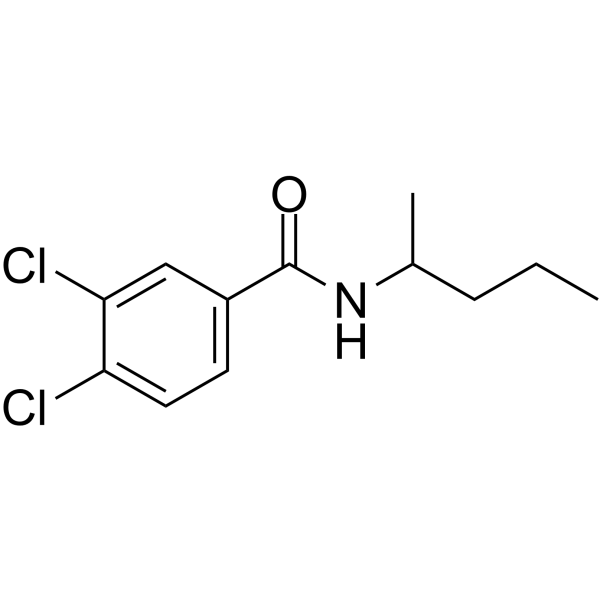 0 ImagesNSC 405020 is a specific MMP14 inhibitor. NSC 405020 can directly interact with the hemopexin domain of MMP14. NSC 405020 reduces the expression of full length and active cleaved Notch3 (NICD3). NSC 405020 can be used to research vestibular schwannoma, hemostasis and thrombosis.
-
Hippuric acid
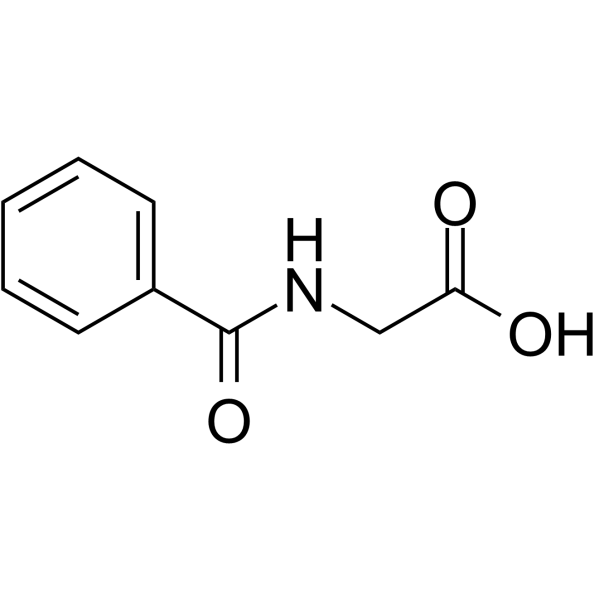 0 ImagesSynonyms: BenzoylglycineHippuric Acid is an orally active metabolite. Hippuric Acid can be produced by intestinal microorganisms from the metabolism of polyphenols, benzoic acid. Hippuric Acid decreases NRF2, MMP9 and leads to ROS accumulation. Hippuric Acid activates TGFβ/SMAD signaling. Hippuric Acid improves hyperuricemia and colitis. Hippuric Acid can also be used in cardiovascular disease research. .
-
Sorafenib tosylate
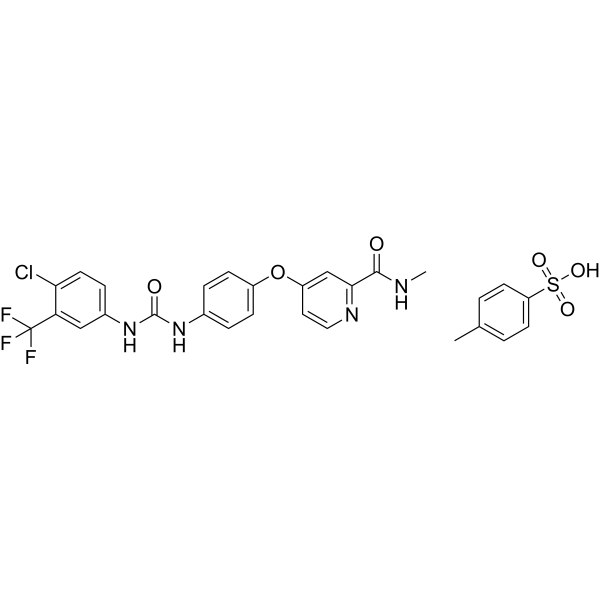 0 ImagesSynonyms: Bay 43-9006 tosylateSorafenib (Bay 43-9006) tosylate is a potent oral active multikinase inhibitor. Sorafenib blocks autophosphorylation and activity of receptor tyrosine kinases (VEGFR-2, VEGFR-3) and RAF family kinases, thereby suppressing the RAF/MEK/ERK and PI3K/Akt pathways, inhibiting STAT3 phosphorylation, and selectively inhibiting the MAPK pathway in cancer cells. Sorafenib tosylate induces cell cycle arrest, autophagy, apoptosis, and PARP cleavage, reduces Bcl-2, Bcl-XL, cyclin D1 levels, and activates Bak and Bax. Sorafenib tosylate inhibits tumor growth and metastasis in mouse and rat models. Sorafenib tosylate can be used for cancer research, such as colon, breast, non-small-cell lung cancer (NSCLC), ovarian, pancreatic, melanoma, colorectal and hepatocellular carcinoma.
-
Tranexamic acid
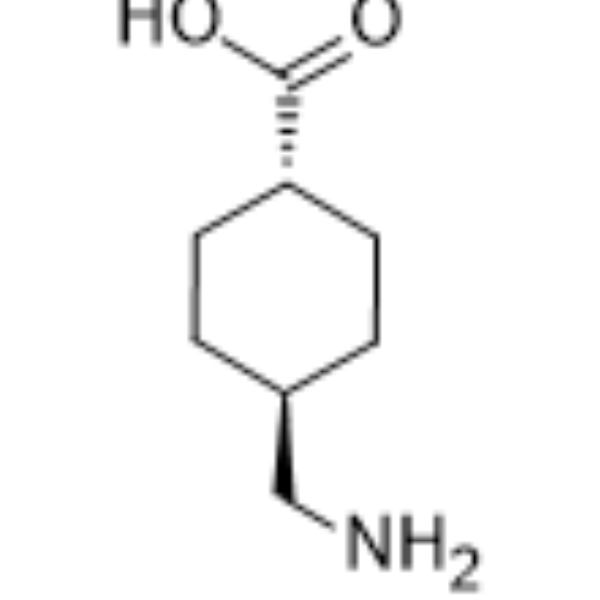 0 ImagesTranexamic acid (cyclocapron), a cyclic analog of lysine, is an orally active antifibrinolytic agent. Tranexamic acid attenuates the effects of severe trauma, inhibits urokinase plasminogen activator and ameliorates dry wrinkles. Tranexamic acid can used for the research of hemostasis. Tranexamic acid is a PROTAC linker. Tranexamic acid is used to synthesize PROTACs (e.g. LZ-07 (HY-172590)).
-
TAPI-1
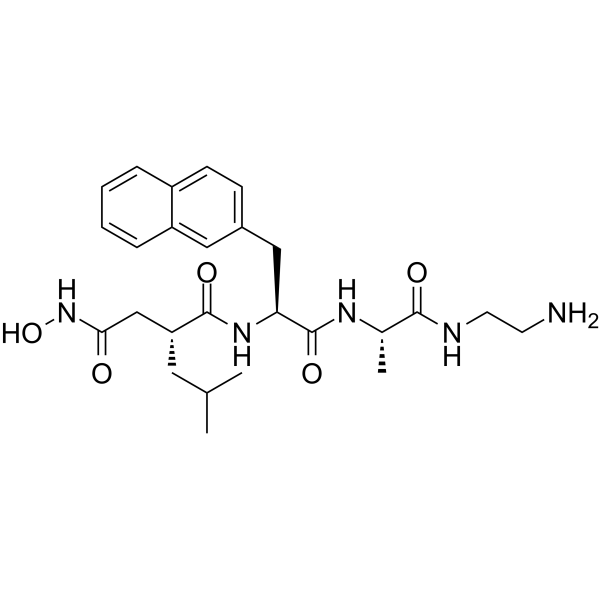 0 ImagesTAPI-1 is a broad-spectrum MMP inhibitor and NF-κB p65 inhibitor that targets ADAM17/TACE, ADAM10 and other proteins. TAPI-1 reduces the proteolytic cleavage of membrane-bound TNF-α, decreases TNF-α levels, inhibits NF-κB pathway activation, and downregulates profibrotic markers. TAPI-1 reduces the proportion of proinflammatory immune cells, alleviates cardiac and airway fibrosis, and improves cardiac function after myocardial infarction. Meanwhile, TAPI-1 inhibits the viability, migration and invasion of esophageal squamous cell carcinoma cells, enhances the chemosensitivity of Cisplatin (HY-17394), induces apoptosis, and shows low toxicity to normal esophageal epithelial cells. TAPI-1 can be widely used in studies related to myocardial infarction-induced heart failure, severe traumatic tracheal stenosis, esophageal squamous cell carcinoma and other conditions.
-
Arctigenin
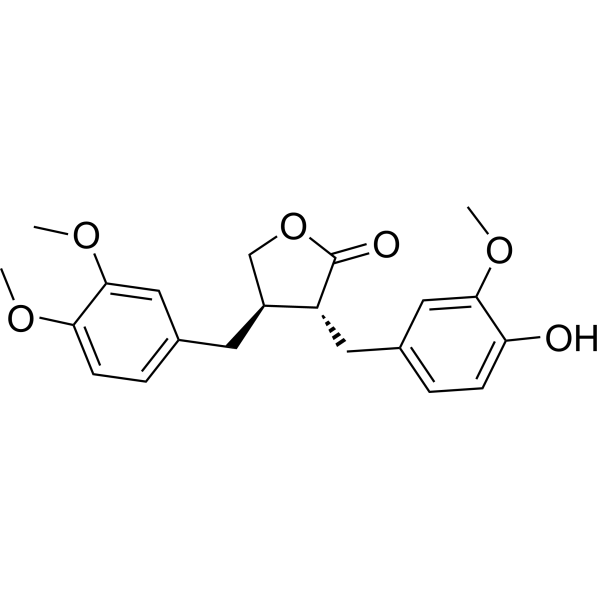 0 ImagesArctigenin ((-)-Arctigenin), a biologically active lignan, can be used as an antitumor agent. Arctigenin exhibits potent antioxidant, anti-inflammatory and antiviral (influenza A virus) activities. Arctigenin can be used for the research of metabolic disorders, and central nervous system dysfunctions.
-
KP-457
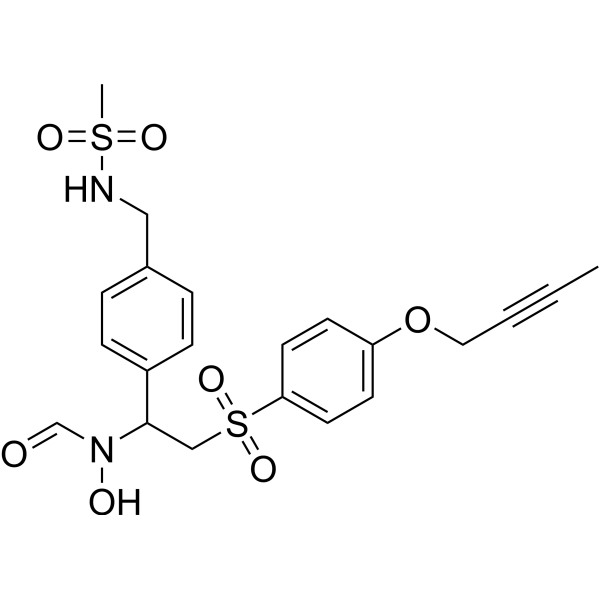 0 ImagesKP-457 is a selective a disintegrin and metalloproteinase 17 (ADAM17) inhibitor, with higher selectivity for ADAM17 than for other MMPs and ADAM10, and IC50s are 11.1 nM (ADAM17), 748 nM (ADAM10), 717 nM (MMP2), 9760 nM (MMP3), 2200 nM (MMP8), 5410 nM (MMP9), 930 nM (MMP13), 2140 nM (MMP14), and 7100 nM (MMP17), respectively.
-
Buloxibutid
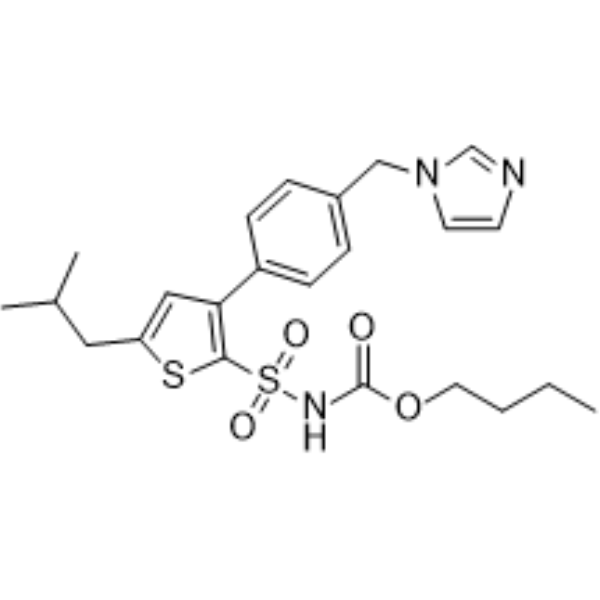 0 ImagesSynonyms: AT2 receptor agonist C21Buloxibutid (AT2 receptor agonist C21) is an orally active, selective angiotensin II type 2 receptor (AT2R) agonist, with a Ki value of 0.4 nM for porcine AT2R. Buloxibutid exerts effects such as vasodilation, anti-inflammation, anti-fibrosis (promoting the expression of collagenase MMP-13) and tissue repair mainly by activating the NO/cGMP pathway, inhibiting the pro-proliferative MAPK signaling, and suppressing the pro-fibrotic TGF-β/Smad pathway as well as the inflammatory NF-κB pathway. Buloxibutid can be used in research related to idiopathic pulmonary fibrosis, hypertension, and systemic sclerosis.




