Na+/K+ ATPase
Sodium potassium pump
Na+/K+ ATPase (Sodium potassium pump) is a transmembrane protein complex found in all higher eukaryotes acting as a key energy-consuming pump maintaining ionic and osmotic balance in cells. Na+/K+ ATPase is an emerging cancer target that merits further investigation.
The constant activity of the Na+/K+-ATPase (NKA, or Na+ pump) is essential for re-establishing and maintaining this gradient. In cardiac and vascular smooth muscle the principal isoforms of the NKA are α1 and α2 and their physiological role is controlled both by their unique and independent signalling pathways, and their discrete subcellular distribution.
All Product Categories
-
Na+/K+ ATPase Related Products (144)
Related Products (144)

-
Antibodies (11)
-
Omeprazole
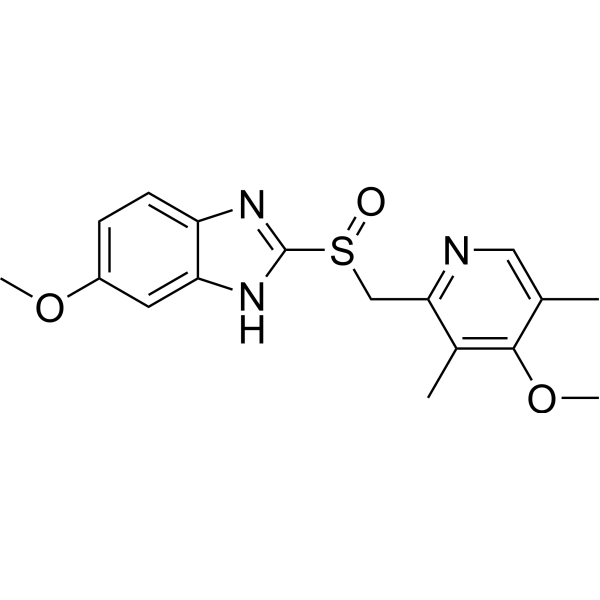 0 ImagesSynonyms: H 16868Omeprazole (H 16868) is an orally active H+,K+-ATPase inhibitor and a proton pump inhibitor. Omeprazole competitively inhibits CYP2C19, CYP3A4, and CYP2C9 activity. Omeprazole inhibits gastric acid secretion and can be used for acid-related gastrointestinal disorders. Omeprazole inhibits pancreatic cancer cell proliferation, induces apoptosis, autophagosome accumulation (elevated LC3-I and LC3-II levels), oxidative stress, and cytogenetic imbalance, modulates lysosomal transport, reduces inflammatory cytokines. Omeprazole alters small intestinal morphology and magnesium absorption, and induces gastric mucosa morphologic changes. Omeprazole aslo has neuroprotective and antibacterial effects.
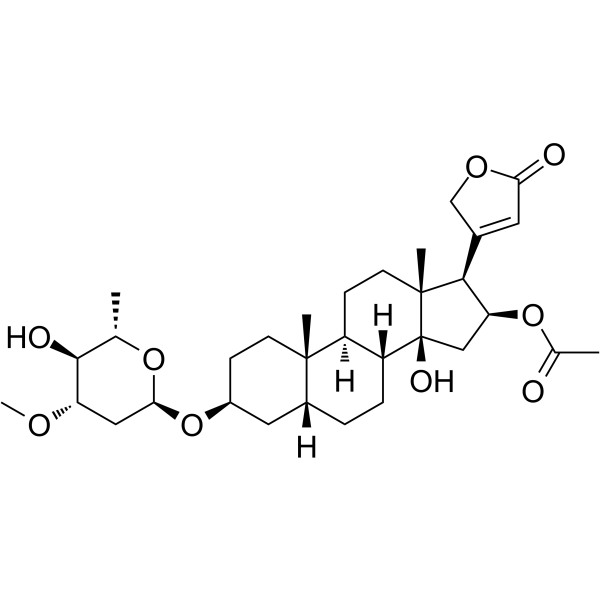
-
3-Methylcrotonylglycine
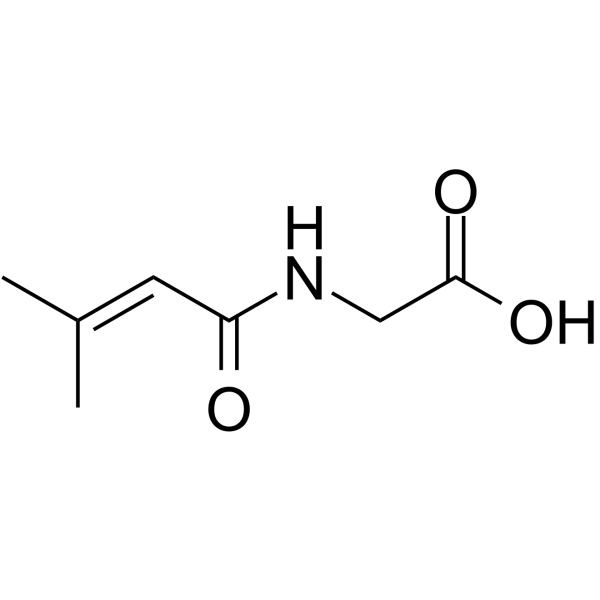 0 Images3-Methylcrotonylglycine is an organic acid conjugate associated with leucine catabolism that inhibits respiratory chain complex II-III, mitochondrial creatine kinase, and synaptic membrane Na+, K+-ATPase. 3-Methylcrotonylglycine increases reactive oxygen species levels to mediate oxidative damage, while inhibiting mitochondrial electron transport, reducing tricarboxylic acid cycle flux, and interfering with intracellular energy transport and neuronal ion homeostasis. 3-Methylcrotonylglycine is a neurotoxic metabolite that accumulates in the metabolic pathway of 3-methylcrotonyl-CoA carboxylase deficiency. 3-Methylcrotonylglycine can be used in studies related to 3-methylcrotonyl-CoA carboxylase deficiency.
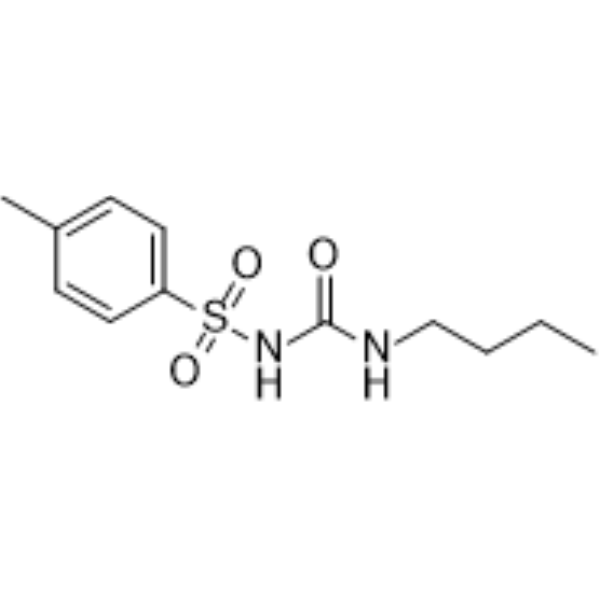
-
Istaroxime hydrochloride
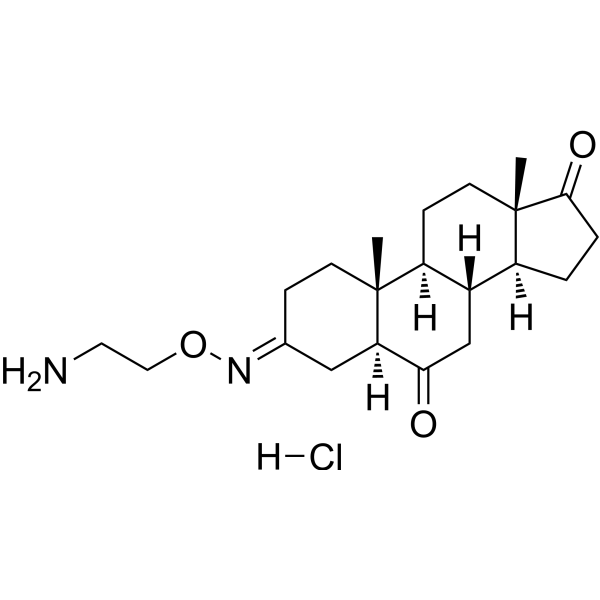 0 ImagesSynonyms: PST2744 hydrochlorideIstaroxime hydrochloride is a Na+/K+-ATPase inhibitor (IC50=0.11 μM) and a sarcoplasmic/endoplasmic reticulum calcium ATPase 2 (SERCA 2) activator.
-
Deslanoside
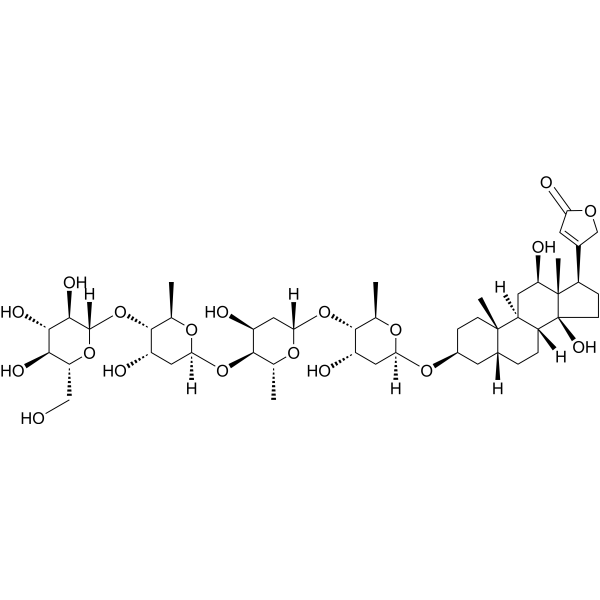 0 ImagesSynonyms: Deacetyllanatoside C; Desacetyllanatoside CDeslanoside (Desacetyllanatoside C) is a rapidly acting cardiac glycoside used to treat congestive heart failure and supraventricular arrhythmias due to reentry mechanisms, and to control ventricular rate in the treatment of chronic atrial fibrillation. Deslanoside inhibits the Na-K-ATPase membrane pump, resulting in an increase in intracellular sodium and calcium concentrations .
-
Omeprazole sodium
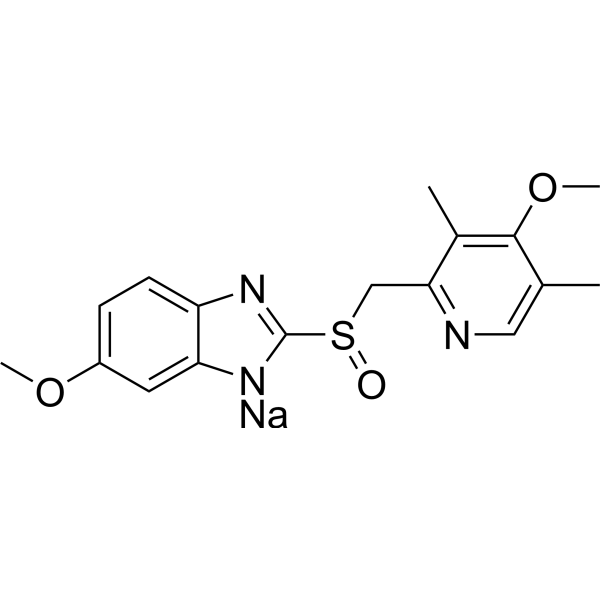 0 ImagesSynonyms: H 16868 sodiumOmeprazole (H 16868) sodium is an orally active H+,K+-ATPase inhibitor and a proton pump inhibitor. Omeprazole sodium competitively inhibits CYP2C19, CYP3A4, and CYP2C9 activity. Omeprazole sodium inhibits gastric acid secretion and can be used for acid-related gastrointestinal disorders. Omeprazole sodium inhibits pancreatic cancer cell proliferation, induces apoptosis, autophagosome accumulation (elevated LC3-I and LC3-II levels), oxidative stress, and cytogenetic imbalance, modulates lysosomal transport, reduces inflammatory cytokines. Omeprazole sodium alters small intestinal morphology and magnesium absorption, and induces gastric mucosa morphologic changes. Omeprazole sodium aslo has neuroprotective and antibacterial effects.
-
Gramicidin S
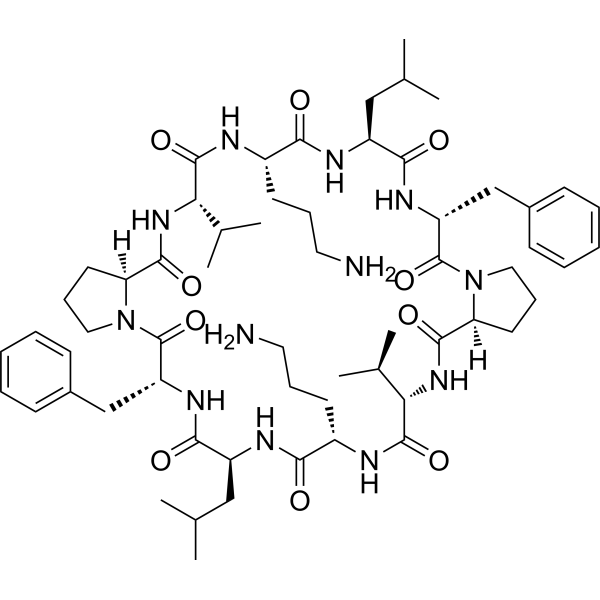 0 ImagesGramicidin S (Gramicidin soviet) is a cationic cyclic peptide antibiotic that selectively targets bacterial cell membranes and has anticancer activity. Gramicidin S also exerts antibacterial activity by destroying membrane integrity and interfering with membrane protein function. Gramicidin S inserts into the phospholipid bilayer through hydrophobic amino acid residues, specifically binds to negatively charged membrane lipids and disrupts membrane structure, thereby inhibiting cell division and cell wall synthesis, and ultimately causing bacterial death. Gramicidin S also inhibits ion channels, with IC50s of 41 μM, 24 μM, and 3 μM for Na+/K+-ATPase, tobacco leaf plasma membrane Mg2+/K+-ATPase, and rat heart plasma membrane Ca2+-ATPase, respectively.
-
Biacetyl monoxime
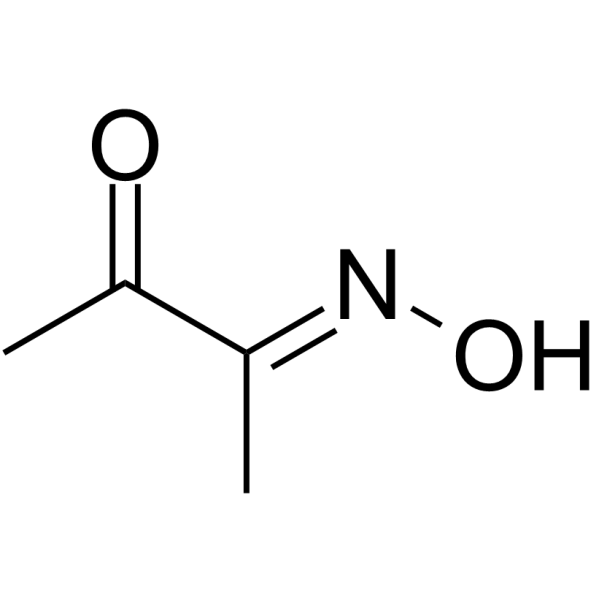 0 ImagesBiacetyl monoxime (Diacetyl monoxime), a myosin ATPase inhibitor, is a skeletal and cardiac muscle contraction inhibitor. Biacetyl monoxime is also a well-characterized non-competitive inhibitor of chemical and motile activity of skeletal muscle myosin-II. Biacetyl monoxime induces sarcoplasmic reticulum Ca2+ release.
-
Acevaltrate
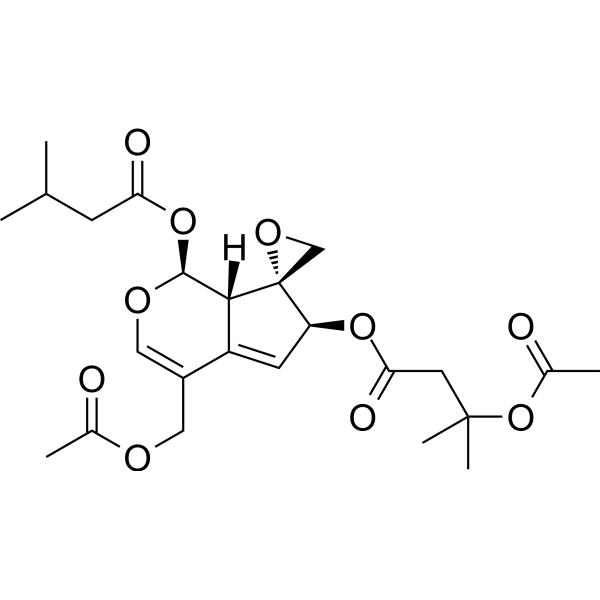 0 ImagesAcevaltrate inhibits the Na+/K+-ATPase activity in the rat kidney and brain hemispheres with IC50s of 22.8 μM and 42.3 μM, respectively.
-
Strophanthidin
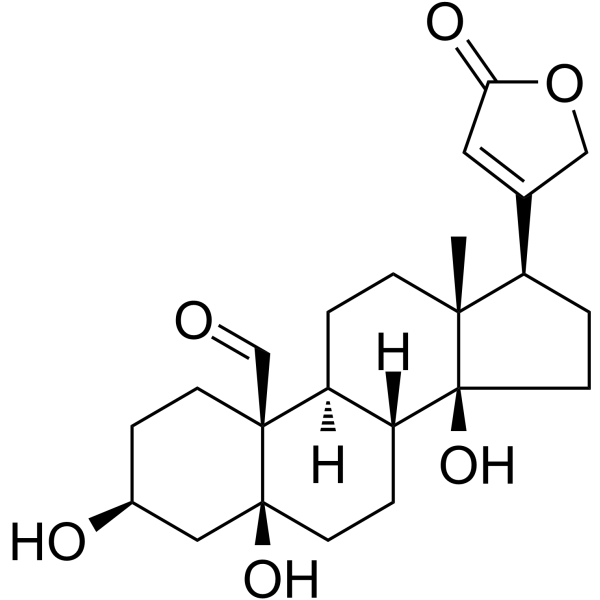 0 ImagesStrophanthidin is a naturally available cardiac glycoside. Strophanthidin 0.1 and 1 nmol/L increases and 1~100 μmol/L inhibits the Na+/K+-ATPase activities, but Strophanthidin 10 and 100 nmol/L does not affect Na+/K+-ATPase activities in cardiac sarcolemmal. Strophanthidin increases both diastolic and systolic intracellular Ca2+ concentration.
-
Magnesium Lithospermate B
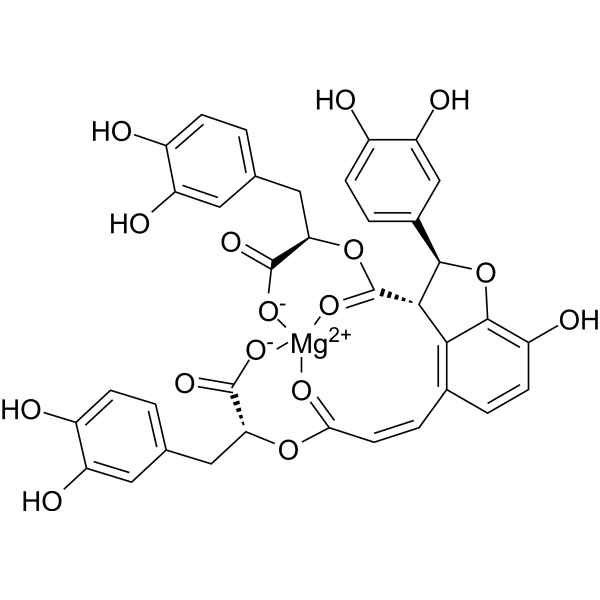 0 ImagesMagnesium Lithospermate B, is a derivative of caffeic acid tetramer and an inhibitor of Na+/K+ ATPase, which can be extracted from Salviae miltiorrhizae. Magnesium Lithospermate B is widely used for the research of cardiovascular diseases, and it can protect against glucose-induced intracellular oxidative damage. Magnesium Lithospermate B also suppresses neuroin?ammation and attenuates neurodegeneration.
-
Tolbutamide (Standard)
 0 ImagesTolbutamide (Standard) is the analytical standard of Tolbutamide. This product is intended for research and analytical applications. Tolbutamide is an orally active KATP inhibitor. Tolbutamide inhibits cell proliferation, stimulates exocytosis of glucagon and reduces fetal lethality of mice. Tolbutamide can be used in the research of diabete.
-
Telocinobufagin
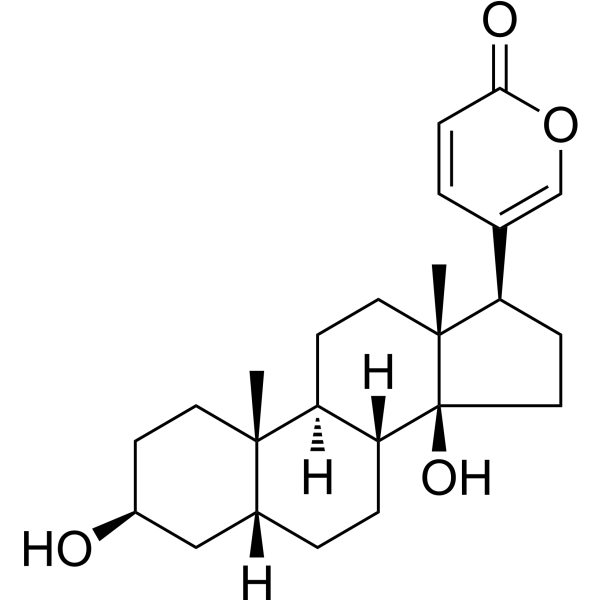
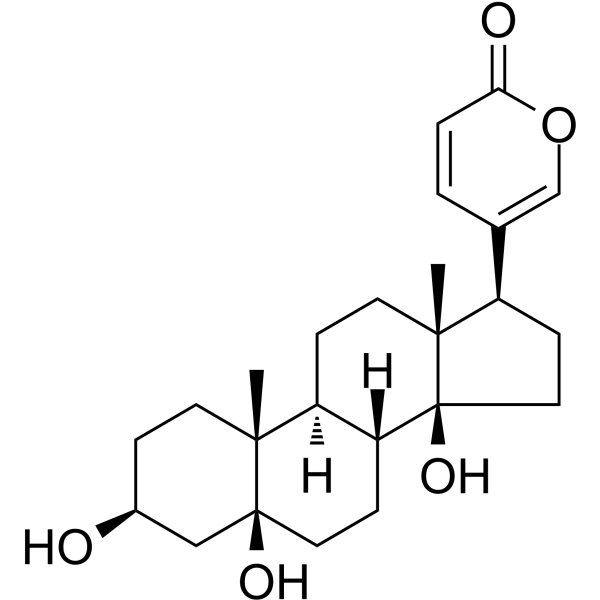 0 ImagesTelocinobufagin (Telobufotoxin; Telocinobufogenin) is an orally active bufadienolide with potential anti-tumor effects. Telocinobufagin exerts its anti-cancer effects on non-small cell carcinoma, osteosarcoma, thyroid cancer, breast cancer and head and neck squamous cell carcinoma by inhibiting the STAT3, JAK2/STAT3, LARP1-mTOR, PI3K/Akt/Snail and PLK1 pathways, and can also induce tumor cell apoptosis. Telocinobufagin enhances the Th1 immune response and protects against Salmonella typhimurium infection. Telocinobufagin has a strong cardiac-stimulating effect by inhibiting the activity of Na+/K+-ATPase, and it can promote renal fibrosis. Telocinobufagin demonstrates non-opioid analgesic effects in various acute pain models.
-
3-Methylglutaric acid
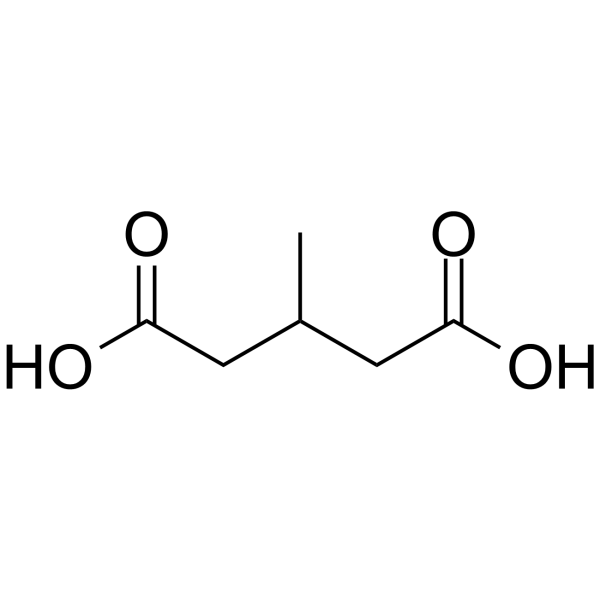 0 Images3-Methylglutaric acid is a non-selective inhibitor of mitochondrial function and Na+, K+-ATPase, with an inhibition rate of 30% on rat cortical synaptosomal Na+, K+-ATPase. 3-Methylglutaric acid can induce reactive oxygen species (ROS) generation, thereby causing oxidative damage and inhibiting mitochondrial redox potential and ion pump function of cell membranes. 3-Methylglutaric acid can be used to study the neuropathological mechanisms of metabolic diseases and the role of oxidative stress-mediated neuronal damage in neurodegeneration.
-
Tegoprazan
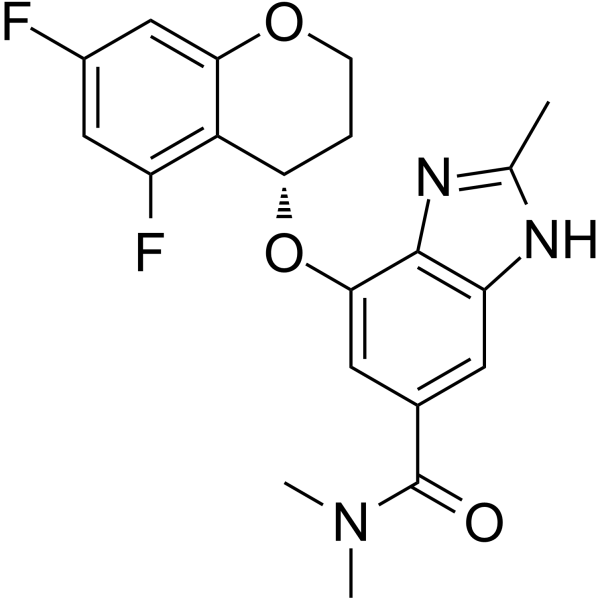 0 ImagesSynonyms: CJ-12420; RQ-00000004Tegoprazan (CJ-12420), a potassium-competitive acid blocker, is a reversible, orally active and highly selective inhibitor of gastric H+/K+-ATPase. Tegoprazan inhibits gastric acid secretion and motility against porcine, canine and human H+/K+-ATPase with IC50 values ranging from 0.29-0.52 μM in vitro. Tegoprazan significantly improves colitis and enhances the intestinal epithelial barrier function in mice. Tegoprazan is promising for research of Inflammatory bowel, gastric acid-related, motilityimpaired diseases.
-
Neriifolin
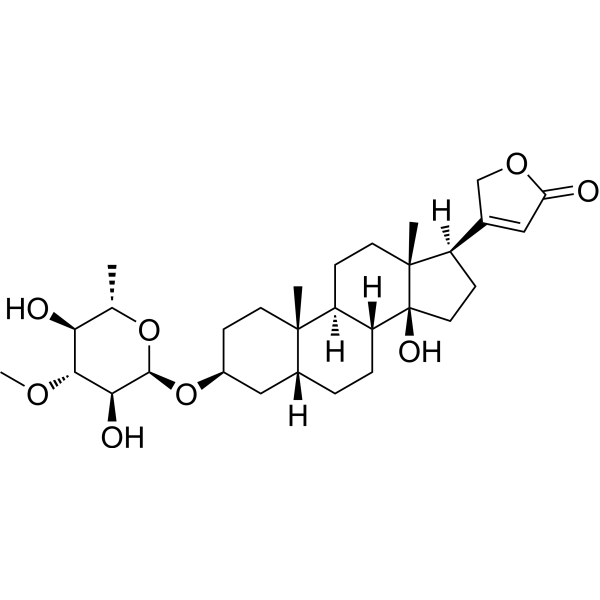 0 ImagesNeriifolin, a CNS-penetrating cardiac glycoside, is an inhibitor of the Na+, K+-ATPase. Neriifolin can target beclin 1, inhibits the formation of LC3-associated phagosomes and ameliorates experimental autoimmune encephalomyelitis (EAE) development. Neriifolin induces cell cycle arrest and apoptosis in human hepatocellular carcinoma HepG2 cells[2.